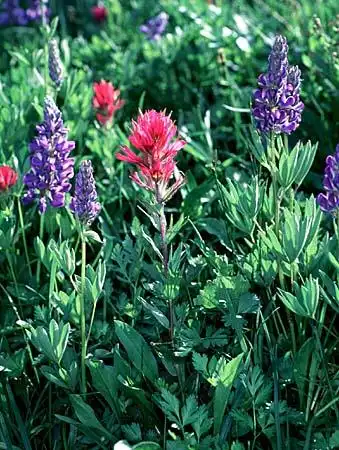
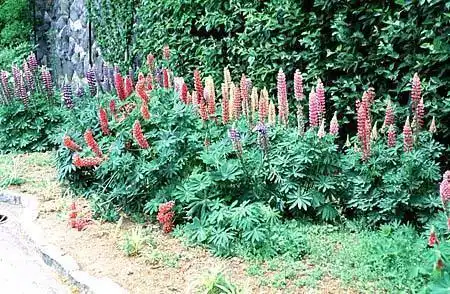
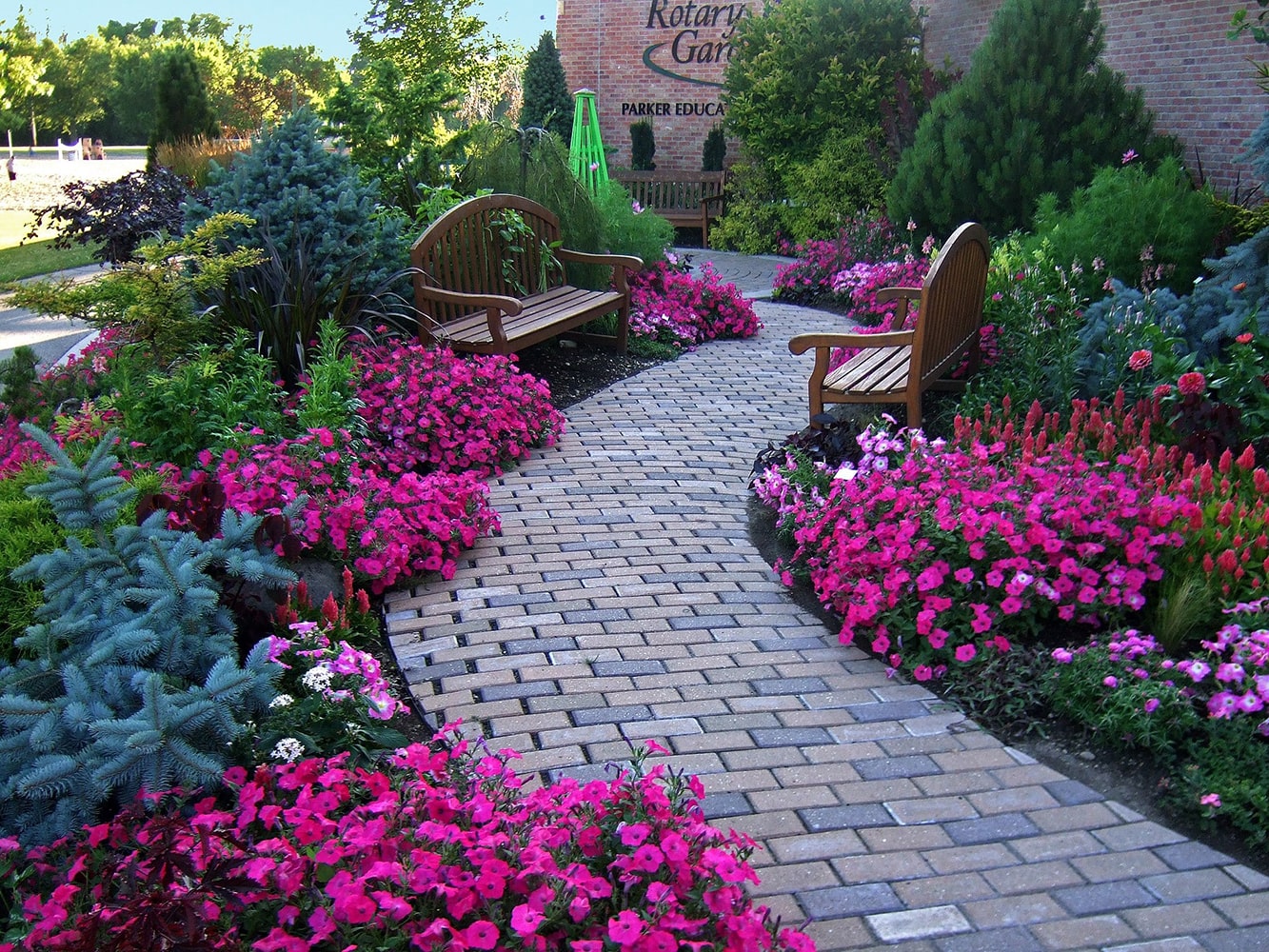
• Photo of Lupinus (Lupinuss)

Plant Profile: Lupinus

Taxonomy: Lupinus

Names

Lupine

  • Photo of Lupinus (Lupinuss)

Phonetic Spelling:loo-PINE-us

Genus:Lupinus

Species:

Family:Fabaceae

There are more than 300 species of lupines, with the majority originating from the Western United States, where they thrive in cooler climates. Indigenous varieties like L. perennis and L. diffusus can be found in coastal plains, although they may be challenging to source for gardening purposes. For cooler mountain gardens, hybrid lupines, particularly the Russell Hybrids, are ideal; in USDA zones 7-8, they should be treated as annuals. It is recommended to sow the seeds in the fall.

Lupinus Feature Summary

Lupinus Image Gallery

Tags

#poisonous
#full sun tolerant
#annual
#biennial
#perennial
#many colors
#NC native
#well-drained soil
#acidic soil tolerant
#partial shade tolerant

Similar Plants

Lupinus Feature Summary

Attributes
America, Mediterranean to Tanzania
Perennial
Annual
Biennial
Fruit
Elongated, flattened pod
Flowers
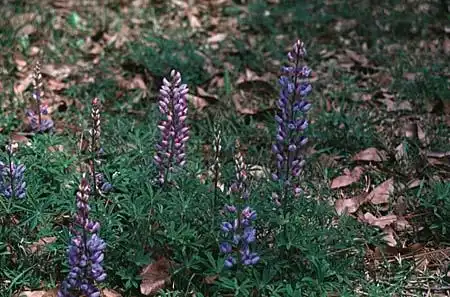
Terminal, elongated clusters, pea-like, blue to purple, pinkish, or white. Blooms in late spring to early summer.
Pink
Purple/Lavender
White
Gold/Yellow
Red/Burgundy
Blue
Spring
Summer
Leaves
Alternate, simple or palmately divided
Simple
Compound (Pinnately , Bipinnately, Palmately)
Poisonous to Humans
TOXIC ONLY IF LARGE QUANTITIES EATEN. Respiratory depression and slow heartbeat, sleepiness, and convulsions.
Alkaloids such as lupinine, anagyrine, sparteine, and hydroxylupanine
Whole Plant Traits
Perennial
Annual
Herbaceous Perennial
Native Plant
Poisonous
Cultural Conditions
Full sun (6 or more hours of direct sunlight a day)
Partial Shade (Direct sunlight only part of the day, 2-6 hours)
Acid (<6.0)
Good Drainage
Mountains
4a
4b
5b
5a
6a
6b
7a
7b
8b
8a
Landscape
Woodland
Meadow
Naturalized Area
Hummingbirds
Poisonous to Humans

Lupinus Attributes

Lupinus: Country Or Region Of Origin

America, Mediterranean to Tanzania
Lupinus: Life Cycle

Annual
Biennial
Bulb
Perennial
Woody

Lupinus: Recommended Propagation Strategy

Division
Grafting
Layering
Leaf Cutting
Root Cutting
Seed
Stem Cutting

Lupinus Fruit

Lupinus: Fruit Description

Elongated, flattened pod

Lupinus: Fruit Type

Achene
Aggregate
Berry
Capsule
Caryopsis
Drupe
Follicle
Legume
Nut
Pome
Samara
Schizocarp
Siliqua

Lupinus Flowers

Lupinus: Flower Description

Terminal, elongated clusters, pea-like, blue to purple, pinkish, or white. Blooms in late spring to early summer.

Lupinus: Flower Color

filter_vintage
Blue
filter_vintage
Gold/Yellow
filter_vintage
Pink
filter_vintage
Purple/Lavender
filter_vintage
Red/Burgundy
filter_vintage
White

Lupinus: Flower Value To Gardener

Edible
Fragrant
Good Cut
Good Dried
Long Bloom Season
Long-lasting
Showy

Lupinus: Flower Bloom Time

Winter
Spring
Summer
Fall

Lupinus Leaves

Lupinus: Leaf Description

Alternate, simple or palmately divided

Lupinus: Leaf Color

spa
Green

Lupinus: Leaf Type

Compound (Pinnately , Bipinnately, Palmately)
Fronds
Needles
Sheath
Simple

Lupinus: Leaf Arrangement

Alternate
Opposite
Other/more complex
Rosulate
Whorled

Lupinus: Hairs Present

No
Yes

Lupinus Poisonous to Humans

Lupinus: Poison Symptoms

TOXIC ONLY IF LARGE QUANTITIES EATEN. Respiratory depression and slow heartbeat, sleepiness, and convulsions.

Lupinus: Poison Toxic Principle

Alkaloids such as lupinine, anagyrine, sparteine, and hydroxylupanine

Lupinus: Poison Severity

High
Low
Medium

Lupinus: Causes Contact Dermatitis

No
Yes

Lupinus: Poison Part

Bark
Flowers
Fruits
Leaves
Roots
Sap/Juice
Seeds
Stems

Lupinus Whole Plant Traits

Lupinus: Plant Type

Annual
Bulb
Carnivorous
Edible
Epiphyte
Fern
Ground Cover
Herb
Herbaceous Perennial
Houseplant
Mushroom
Native Plant
Ornamental Grasses and Sedges
Perennial
Poisonous
Rose
Shrub
Succulent
Tree
Turfgrass
Vegetable
Vine
Water Plant
Weed
Wildflower

Lupinus Cultural Conditions

Lupinus: Light

Dappled Sunlight (Shade through upper canopy all day)
Deep shade (Less than 2 hours to no direct sunlight)
Full sun (6 or more hours of direct sunlight a day)
Partial Shade (Direct sunlight only part of the day, 2-6 hours)

Lupinus: Soil pH

Acid (<6.0)
Alkaline (>8.0)
Neutral (6.0-8.0)

Lupinus: Soil Drainage

Frequent Standing Water
Good Drainage
Moist
Occasional Flooding
Occasionally Dry
Occasionally Wet
Very Dry

Lupinus: NC Region

Coastal
Mountains
Piedmont

Lupinus: USDA Plant Hardiness Zone

thermostat
4a
thermostat
4b
thermostat
5a
thermostat
5b
thermostat
6a
thermostat
6b
thermostat
7a
thermostat
7b
thermostat
8a
thermostat
8b

Lupinus Stem

Lupinus: Stem Is Aromatic

No
Yes

Lupinus Landscape

Lupinus: Landscape Location

Coastal
Container
Hanging Baskets
Houseplants
Lawn
Meadow
Naturalized Area
Near Septic
Patio
Pond
Pool/Hardscape
Recreational Play Area
Riparian
Rock Wall
Slope/Bank
Small Space
Vertical Spaces
Walkways
Woodland

Lupinus: Attracts

Bats
Bees
Butterflies
Frogs
Hummingbirds
Moths
Pollinators
Predatory Insects
Reptiles
Small Mammals
Songbirds
Specialized Bees

Lupinus: Problems

Allelopathic
Contact Dermatitis
Frequent Disease Problems
Frequent Insect Problems
Invasive Species
Malodorous
Messy
Poisonous to Humans
Problem for Cats
Problem for Children
Problem for Dogs
Problem for Horses
Short-lived
Spines/Thorns
Weak Wood
Weedy