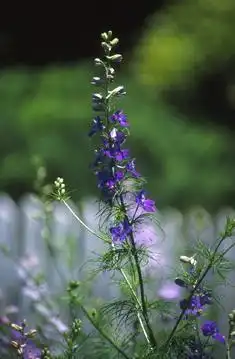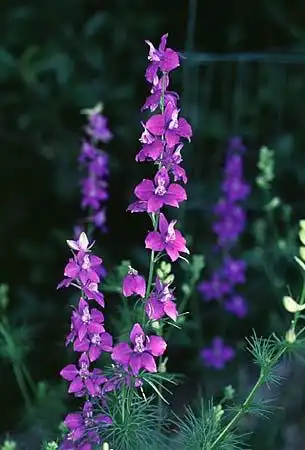
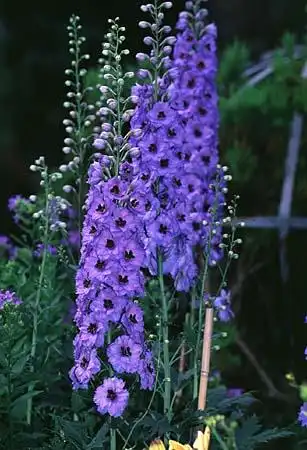
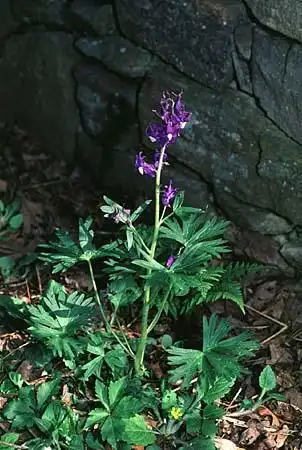
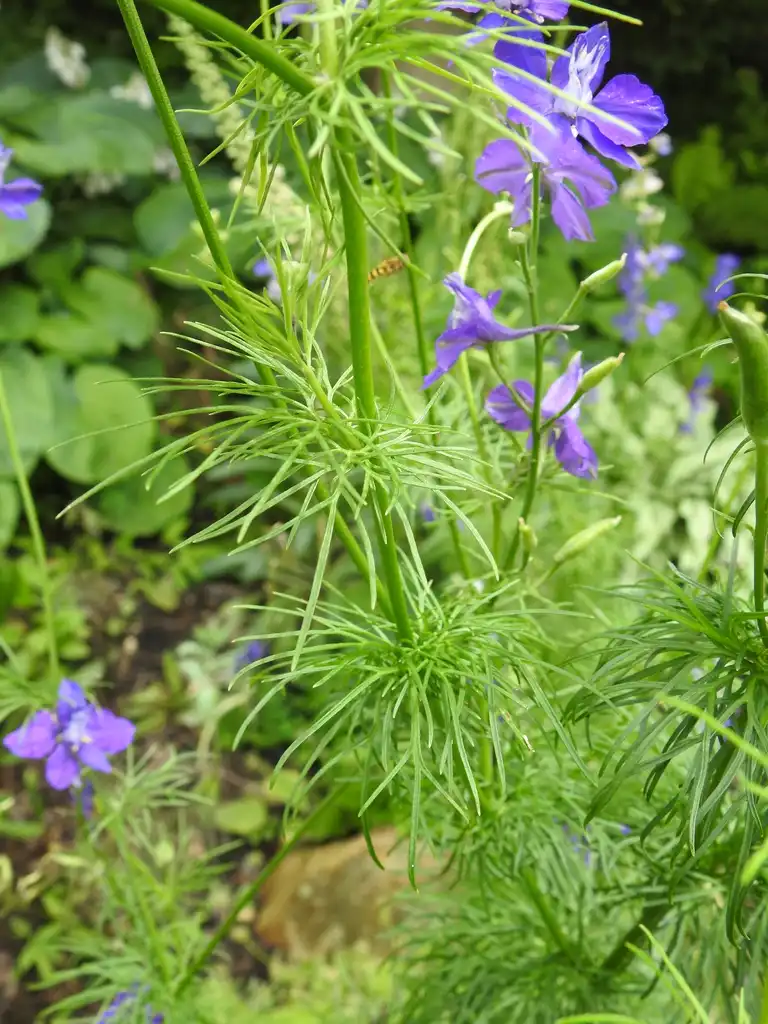
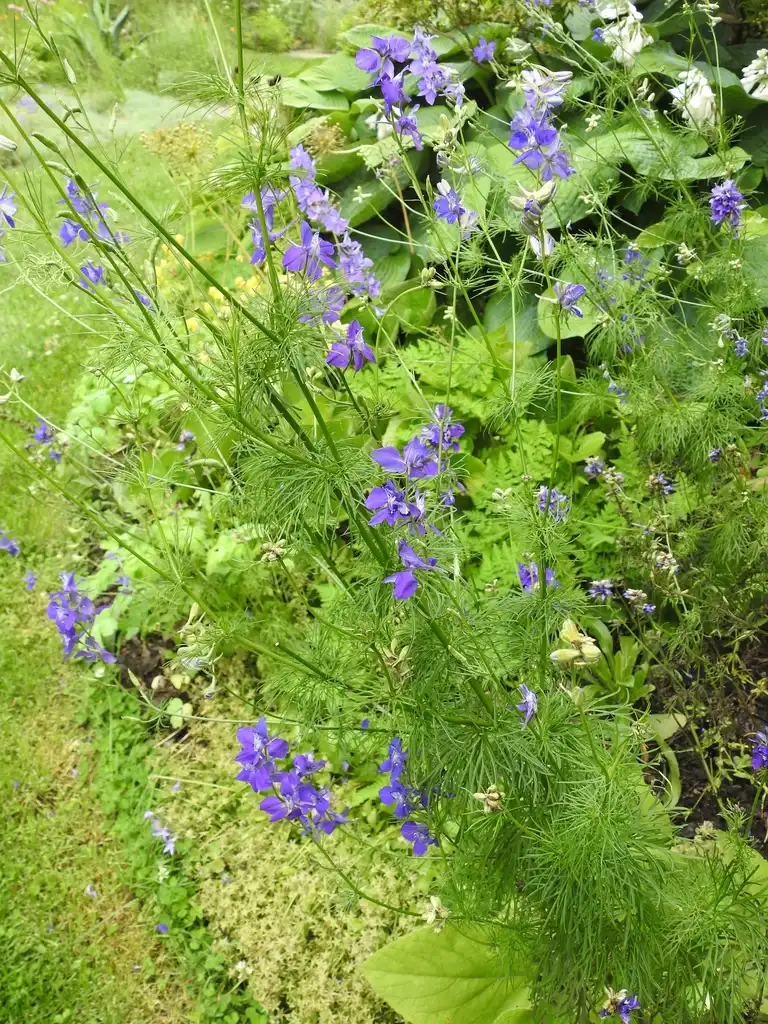
• Photo of Delphinium (Delphiniums)

Plant Profile: Delphinium

Taxonomy: Delphinium

Names

Delphinium, Larkspur, Staggerweed

  • Photo of Delphinium (Delphiniums)

Phonetic Spelling:del-FIN-ee-um

Genus:Delphinium

Species:

Family:Ranunculaceae

The indigenous larkspur species encompass both annual and perennial varieties, reemerging each year from seeds or perennial root systems. They are far more suitable for warm garden environments compared to hybrid Delphiniums. These plants can often be found in weedy patches within disturbed woodland, fields, and gardens. Certain native species thrive in forested or natural settings, particularly in lush woodlands and mountainous regions.

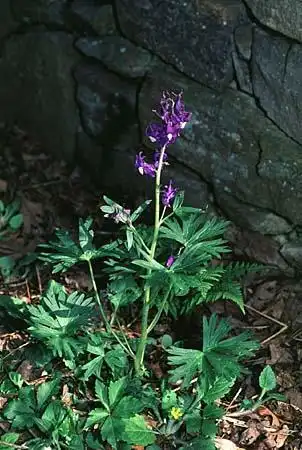
These herbaceous plants can be either annual or perennial. Their leaves are arranged alternately, featuring long stalks and are either palmately divided or lobed. The flowers grow in elongated clusters at the tips of the stems, displaying colors that range from blue to purple, or nearly white, and each flower has a single spur on its rear side. The fruit is dry and contains numerous seeds.

Delphinium Feature Summary

Delphinium Image Gallery

Tags

#purple
#white
#poisonous
#full sun tolerant
#annual
#blue
#drought tolerant
#perennial
#pink flowers
#NC native
#spring interest
#partial shade tolerant
#problem for cats
#problem for dogs
#problem for horses

Similar Plants

Delphinium is often confused with:

Delphinium Feature Summary

Attributes
Temp. & Subtropical Old World, North America
Throughout; garden ornamentals
Poisonous
Perennial
Annual
Fruit
Fruit dry, many seeded
Flowers
Flowers in terminal, elongated clusters, blue to purple or nearly white, with a single spur on the back side
Pink
Purple/Lavender
White
Blue
Spring
Summer
Leaves
Leaves alternate, long-stalked, palmately divided or lobed
Compound (Pinnately , Bipinnately, Palmately)
Poisonous to Humans
Burning of lips and mouth, numbness of throat; intense vomiting and diarrhea, muscular weakness and spasms, weak pulse, paralysis of the respiratory system, convulsions; may be fatal. Unless there is a lack of suitable forage, horses typically do not consume toxic amounts of larkspur. The toxicity of the plant may vary depending on seasonal changes and field conditions; as the plant matures, it generally becomes less toxic. Clinical effects include constipation, colic, increased salivation, stiffness, recumbency, and convulsions. Cardiac failure may occur, as can death from respiratory paralysis.
Alkaloids delphinine, ajacine, and others.
Seeds
Leaves
Stems
Flowers
Whole Plant Traits
Perennial
Annual
Native Plant
Poisonous
Cultural Conditions
Full sun (6 or more hours of direct sunlight a day)
Partial Shade (Direct sunlight only part of the day, 2-6 hours)
Alkaline (>8.0)
Good Drainage
Less than 12 inches
Coastal
Mountains
Piedmont
5b
5a
6a
6b
7a
7b
8b
8a
9a
9b
Landscape
Woodland
Meadow
Naturalized Area
Poisonous to Humans
Problem for Cats
Problem for Dogs
Problem for Horses
Weedy

Delphinium Attributes

Delphinium: Country Or Region Of Origin

Temp. & Subtropical Old World, North America
Delphinium: Distribution

Throughout; garden ornamentals

Delphinium: Particularly Resistant To (Insects/Diseases/Other Problems)

Drought tolerant

Delphinium: Edibility

Poisonous

Delphinium: Life Cycle

Annual
Biennial
Bulb
Perennial
Woody

Delphinium: Recommended Propagation Strategy

Division
Grafting
Layering
Leaf Cutting
Root Cutting
Seed
Stem Cutting

Delphinium Fruit

Delphinium: Fruit Description

Fruit dry, many seeded

Delphinium Flowers

Delphinium: Flower Description

Flowers in terminal, elongated clusters, blue to purple or nearly white, with a single spur on the back side

Delphinium: Flower Color

filter_vintage
Blue
filter_vintage
Pink
filter_vintage
Purple/Lavender
filter_vintage
White

Delphinium: Flower Bloom Time

Winter
Spring
Summer
Fall

Delphinium Leaves

Delphinium: Leaf Description

Leaves alternate, long-stalked, palmately divided or lobed

Delphinium: Leaf Color

spa
Green

Delphinium: Leaf Type

Compound (Pinnately , Bipinnately, Palmately)
Fronds
Needles
Sheath
Simple

Delphinium: Leaf Arrangement

Alternate
Opposite
Other/more complex
Rosulate
Whorled

Delphinium: Leaf Margin

Crenate
Crenulate
Dentate
Denticulate
Doubly Crenate
Doubly Dentate
Doubly Serrate
Entire
Lobed
Serrate
Sinuate
Undulate

Delphinium: Hairs Present

No
Yes

Delphinium Poisonous to Humans

Delphinium: Poison Symptoms

Burning of lips and mouth, numbness of throat; intense vomiting and diarrhea, muscular weakness and spasms, weak pulse, paralysis of the respiratory system, convulsions; may be fatal. Unless there is a lack of suitable forage, horses typically do not consume toxic amounts of larkspur. The toxicity of the plant may vary depending on seasonal changes and field conditions; as the plant matures, it generally becomes less toxic. Clinical effects include constipation, colic, increased salivation, stiffness, recumbency, and convulsions. Cardiac failure may occur, as can death from respiratory paralysis.

Delphinium: Poison Toxic Principle

Alkaloids delphinine, ajacine, and others.

Delphinium: Poison Severity

High
Low
Medium

Delphinium: Causes Contact Dermatitis

No
Yes

Delphinium: Poison Part

Bark
Flowers
Fruits
Leaves
Roots
Sap/Juice
Seeds
Stems

Delphinium Whole Plant Traits

Delphinium: Plant Type

Annual
Bulb
Carnivorous
Edible
Epiphyte
Fern
Ground Cover
Herb
Herbaceous Perennial
Houseplant
Mushroom
Native Plant
Ornamental Grasses and Sedges
Perennial
Poisonous
Rose
Shrub
Succulent
Tree
Turfgrass
Vegetable
Vine
Water Plant
Weed
Wildflower

Delphinium Cultural Conditions

Delphinium: Light

Dappled Sunlight (Shade through upper canopy all day)
Deep shade (Less than 2 hours to no direct sunlight)
Full sun (6 or more hours of direct sunlight a day)
Partial Shade (Direct sunlight only part of the day, 2-6 hours)

Delphinium: Soil pH

Acid (<6.0)
Alkaline (>8.0)
Neutral (6.0-8.0)

Delphinium: Soil Drainage

Frequent Standing Water
Good Drainage
Moist
Occasional Flooding
Occasionally Dry
Occasionally Wet
Very Dry

Delphinium: Available Space To Plant

12 inches-3 feet
12-24 feet
24-60 feet
3 feet-6 feet
6-feet-12 feet
Less than 12 inches
more than 60 feet

Delphinium: NC Region

Coastal
Mountains
Piedmont

Delphinium: USDA Plant Hardiness Zone

thermostat
5a
thermostat
5b
thermostat
6a
thermostat
6b
thermostat
7a
thermostat
7b
thermostat
8a
thermostat
8b
thermostat
9a
thermostat
9b

Delphinium Stem

Delphinium: Stem Is Aromatic

No
Yes

Delphinium Landscape

Delphinium: Resistance To Challenges

Black Walnut
Compaction
Deer
Diseases
Drought
Dry Soil
Erosion
Fire
Foot Traffic
Heat
Heavy Shade
Humidity
Insect Pests
Pollution
Poor Soil
Rabbits
Salt
Slugs
Squirrels
Storm damage
Urban Conditions
Voles
Wet Soil
Wind

Delphinium: Landscape Location

Coastal
Container
Hanging Baskets
Houseplants
Lawn
Meadow
Naturalized Area
Near Septic
Patio
Pond
Pool/Hardscape
Recreational Play Area
Riparian
Rock Wall
Slope/Bank
Small Space
Vertical Spaces
Walkways
Woodland

Delphinium: Problems

Allelopathic
Contact Dermatitis
Frequent Disease Problems
Frequent Insect Problems
Invasive Species
Malodorous
Messy
Poisonous to Humans
Problem for Cats
Problem for Children
Problem for Dogs
Problem for Horses
Short-lived
Spines/Thorns
Weak Wood
Weedy