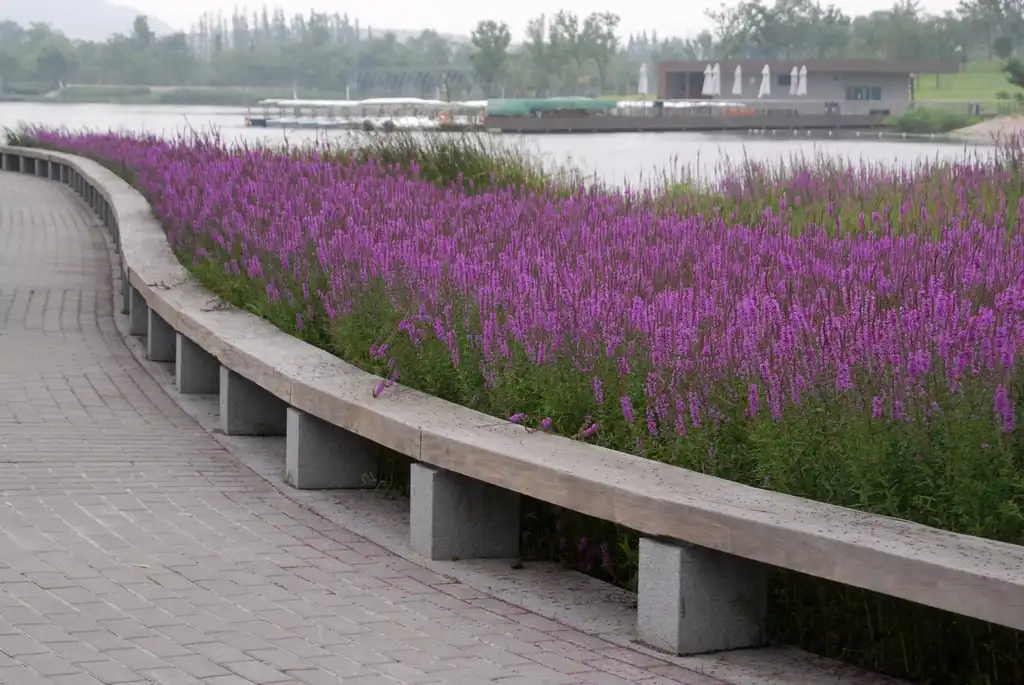
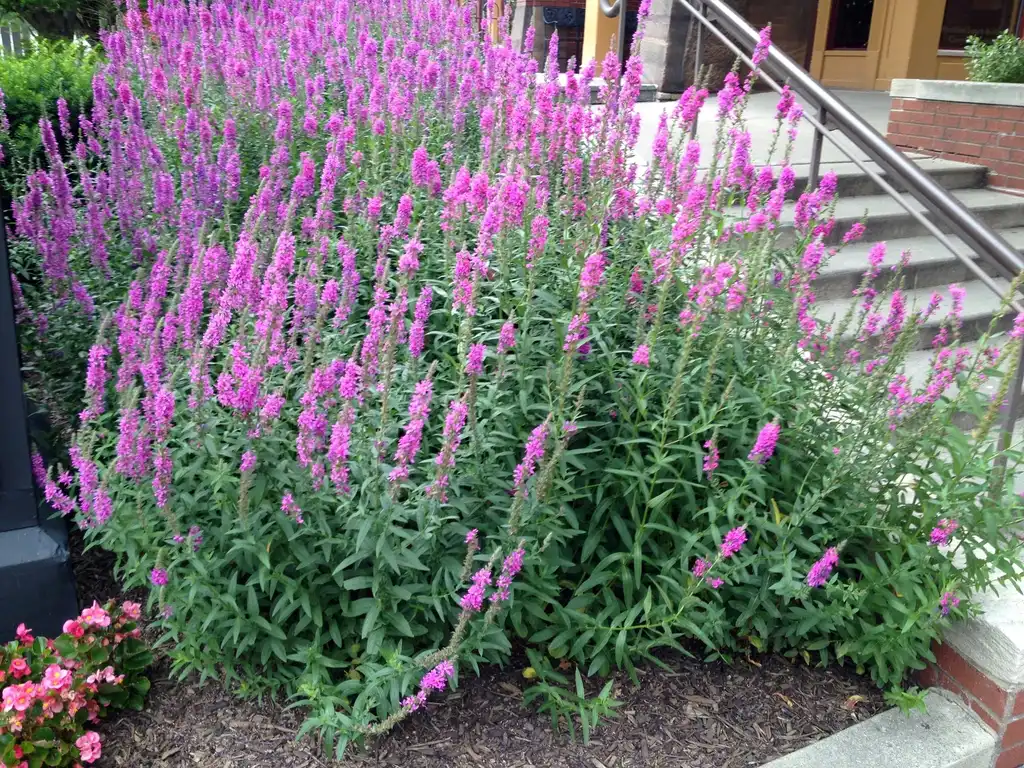
• Photo of Lythrum salicaria (Lythrum salicarias)

Plant Profile: Lythrum salicaria

Taxonomy: Lythrum salicaria

Names

Purple Loosestrife

  • Photo of Lythrum salicaria (Lythrum salicarias)

Phonetic Spelling:LITH-rum sal-ih-KAIR-ee-ah

Genus:Lythrum

Species:salicaria

Family:Lythraceae

In North Carolina and several other states, selling Purple Loosestrife is prohibited due to its tendency to escape cultivation and proliferate in wetland regions, where it outcompetes native plants vital for waterfowl. Previously, certain cultivated varieties were believed to be non-invasive, but they have been found to hybridize and create spreading strains. Therefore, cultivating Purple Loosestrife is both illegal and discouraged.

Instead, consider opting for native plants. You can find a list in the sidebar.

Lythrum salicaria Feature Summary

Lythrum salicaria Image Gallery

Tags

#purple
#showy flowers
#invasive
#full sun tolerant
#perennial
#pink flowers
#weedy
#summer flowers
#illegal

Similar Plants

Lythrum salicaria Feature Summary

Attributes
Europe, Africa and Asia-Temperate
Naturalized and invasive in the USA
Perennial
Seed
Stem Cutting
Division
Flowers
Intense purplish-pink flowers that bloom in summer.
Pink
Purple/Lavender
Leaves
The 4 inch long leaves are stemless and lance-shaped and either opposite or whorled in an arrangement.
Opposite
Whorled
Lanceolate
3-6 inches
Velvety
Whole Plant Traits
Perennial
Herbaceous Perennial
Cultural Conditions
Full sun (6 or more hours of direct sunlight a day)
Good Drainage
Occasionally Wet
4a
4b
5b
5a
6a
6b
7a
7b
8b
8a
3a
3b
9a
9b
Landscape
Weedy
Invasive Species

Lythrum salicaria Attributes

Lythrum salicaria: Country Or Region Of Origin

Europe, Africa and Asia-Temperate
Lythrum salicaria: Distribution

Naturalized and invasive in the USA

Lythrum salicaria: Life Cycle

Annual
Biennial
Bulb
Perennial
Woody

Lythrum salicaria: Recommended Propagation Strategy

Division
Grafting
Layering
Leaf Cutting
Root Cutting
Seed
Stem Cutting

Lythrum salicaria Flowers

Lythrum salicaria: Flower Description

Intense purplish-pink flowers that bloom in summer.

Lythrum salicaria: Flower Color

filter_vintage
Pink
filter_vintage
Purple/Lavender

Lythrum salicaria: Flower Bloom Time

Winter
Spring
Summer
Fall

Lythrum salicaria Leaves

Lythrum salicaria: Leaf Description

The 4 inch long leaves are stemless and lance-shaped and either opposite or whorled in an arrangement.

Lythrum salicaria: Leaf Arrangement

Alternate
Opposite
Other/more complex
Rosulate
Whorled

Lythrum salicaria: Leaf Shape

Acicular
Auriculate
Cordate
Cuneate
Deltoid
Elliptical
Filiform
Lanceolate
Linear
Oblanceolate
Oblong
Obovate
Obtuse
Orbicular
Ovate
Palmasect
Palmatifid
Peltate
Pinnatifid
Pinnatisect
Reniform
Rhomboidal
Spatulate
Subcordate
Subulate

Lythrum salicaria: Hairs Present

No
Yes

Lythrum salicaria: Leaf Length

< 1 inch
1-3 inches
3-6 inches
> 6 inches

Lythrum salicaria: Leaf Feel

Fleshy
Glossy
Leathery
Papery
Prickly
Rough
Rubbery
Slippery
Smooth
Soft
Velvety
Waxy

Lythrum salicaria Whole Plant Traits

Lythrum salicaria: Plant Type

Annual
Bulb
Carnivorous
Edible
Epiphyte
Fern
Ground Cover
Herb
Herbaceous Perennial
Houseplant
Mushroom
Native Plant
Ornamental Grasses and Sedges
Perennial
Poisonous
Rose
Shrub
Succulent
Tree
Turfgrass
Vegetable
Vine
Water Plant
Weed
Wildflower

Lythrum salicaria: Habit/Form

Arching
Ascending
Broad
Cascading
Climbing
Clumping
Columnar
Conical
Creeping
Dense
Erect
Horizontal
Irregular
Mounding
Multi-stemmed
Multi-trunked
Open
Oval
Prostrate
Pyramidal
Rounded
Spreading
Vase
Weeping

Lythrum salicaria Cultural Conditions

Lythrum salicaria: Light

Dappled Sunlight (Shade through upper canopy all day)
Deep shade (Less than 2 hours to no direct sunlight)
Full sun (6 or more hours of direct sunlight a day)
Partial Shade (Direct sunlight only part of the day, 2-6 hours)

Lythrum salicaria: Soil Drainage

Frequent Standing Water
Good Drainage
Moist
Occasional Flooding
Occasionally Dry
Occasionally Wet
Very Dry

Lythrum salicaria: USDA Plant Hardiness Zone

thermostat
3a
thermostat
3b
thermostat
4a
thermostat
4b
thermostat
5a
thermostat
5b
thermostat
6a
thermostat
6b
thermostat
7a
thermostat
7b
thermostat
8a
thermostat
8b
thermostat
9a
thermostat
9b

Lythrum salicaria Stem

Lythrum salicaria: Stem Is Aromatic

No
Yes

Lythrum salicaria Landscape

Lythrum salicaria: Resistance To Challenges

Black Walnut
Compaction
Deer
Diseases
Drought
Dry Soil
Erosion
Fire
Foot Traffic
Heat
Heavy Shade
Humidity
Insect Pests
Pollution
Poor Soil
Rabbits
Salt
Slugs
Squirrels
Storm damage
Urban Conditions
Voles
Wet Soil
Wind

Lythrum salicaria: Problems

Allelopathic
Contact Dermatitis
Frequent Disease Problems
Frequent Insect Problems
Invasive Species
Malodorous
Messy
Poisonous to Humans
Problem for Cats
Problem for Children
Problem for Dogs
Problem for Horses
Short-lived
Spines/Thorns
Weak Wood
Weedy