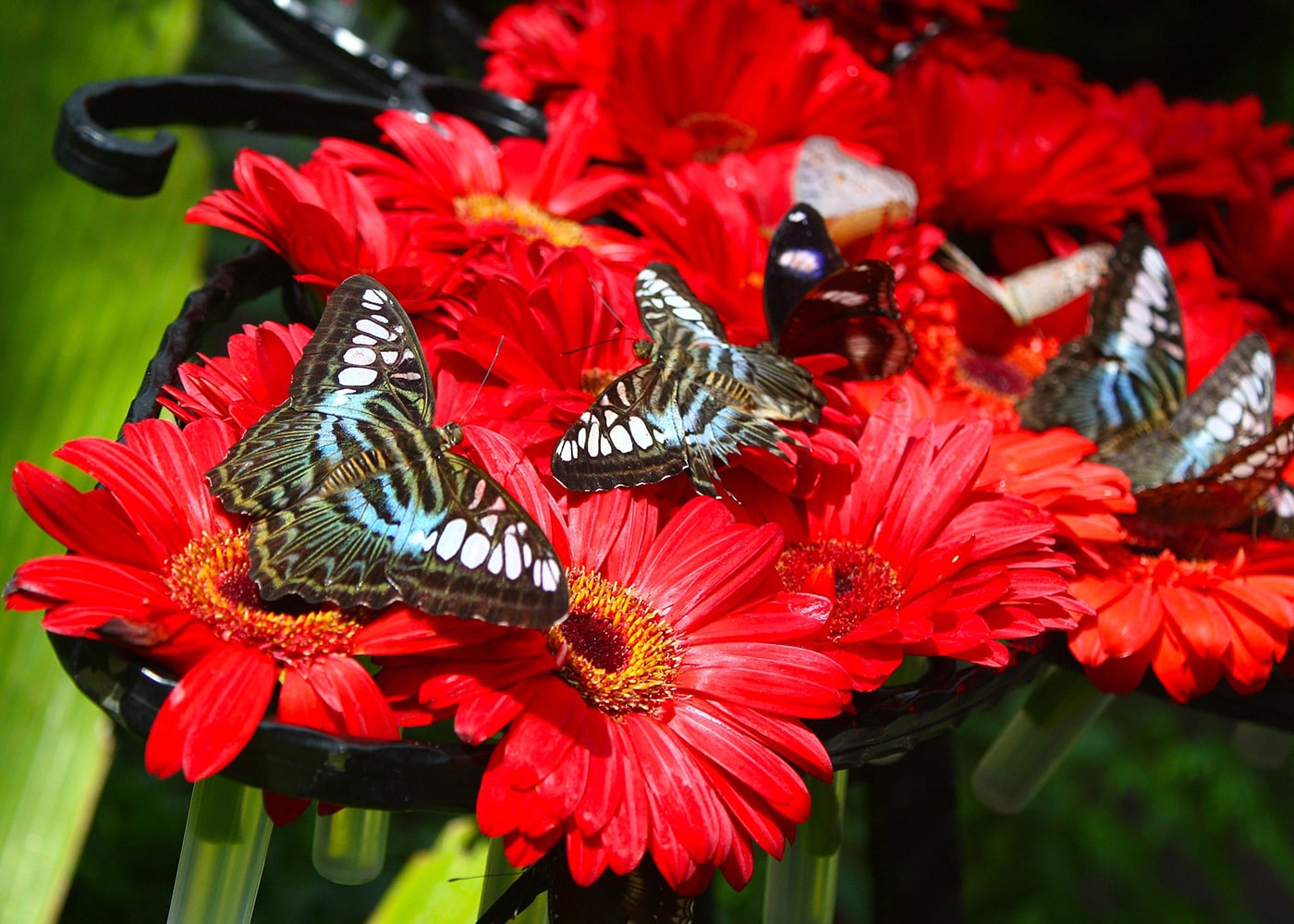
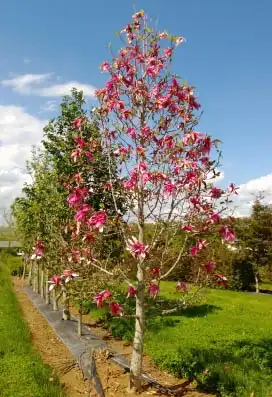
• Photo of Magnolia 'NCMX1' PPAF (Magnolia 'NCMX1' PPAFs)

Plant Profile: Magnolia 'NCMX1' PPAF

Names

Big-laurel, Bull-bay, Mercury™ Magnolia

  • Photo of Magnolia 'NCMX1' PPAF (Magnolia 'NCMX1' PPAFs)

Phonetic Spelling:mag-NOL-ee-ah

Genus:Magnolia

Species:

Family:Magnoliaceae

Magnolia is among the most ancient tree species globally, having once constituted a significant portion of the North Temperate forest trees prior to the last glacial period. These trees typically have a lifespan ranging from 80 to 120 years. The name "Magnolia" derives from Latin, meaning large flowers, and pays tribute to the French botanist Pierre Magnol. The substantial leaf litter produced by these trees contains allelochemicals that can hinder the growth of plants beneath them. With a graceful, upright growth habit, magnolias can reach heights of 40 to 80 feet and widths of 30 to 40 feet. As they mature, these trees can grow quite large, so it is essential to plant them in spaces that allow for their expansive root systems, which often extend well beyond the canopy.

Mercury™ is a remarkable late-blooming magnolia variety, typically flowering about a month later than the common M. soulangeana, thus avoiding the risk of late spring frosts. This tree features large, fragrant blossoms and a refined, upright shape, making it an excellent choice for street planting or as a specimen tree. Its most stunning display occurs in the summer when the enormous flowers create a captivating visual spectacle and emit a delightful fragrance. Even in winter, the tree remains green, offering a refreshing splash of color.

For optimal flowering, plant Mercury™ in full sun with moist, organically rich, and well-drained soil. While it can tolerate some shade, it has low drought resistance and cannot endure flooding, although it can handle high moisture levels and soil salinity. This tree is winter hardy, resistant to air pollution, and can withstand hurricanes and storms.

This variety was developed through a collaborative effort involving NC State University, J. Frank Schmidt and Son Nursery, and the late Dr. August Kehr.

Seasons of Interest:
- Bloom: Summer
- Foliage: Winter, evergreen

Insects, Diseases, and Other Issues: There are no significant insect or disease concerns associated with this tree.

Magnolia 'NCMX1' PPAF Feature Summary

Magnolia 'NCMX1' PPAF Image Gallery

Tags

#evergreen
#hardy
#fragrant flowers
#specimen
#wildlife plant
#large tree
#salt tolerant
#wet sites
#moist soil
#food source
#deer resistant
#mci
#large flowers
#pollinator plant

Similar Plants

Magnolia 'NCMX1' PPAF Feature Summary

Attributes
The long-lasting leaves have been in holiday flower arrangements.  A variety of extracts taken from leaves, fruits, bark and wood have been used in pharmaceutical applications.
Seeds, which are high in fat, are a good energy source for migratory birds, squirrel, opossum, quail, turkey, mice & chipmunks. Pollinators, especially beetles, are attracted to the pollen which is high in protein.
It is notable that magnolias are deer resistant.
Fruit
Aggregate of dry, cylindrical, hairy, 3 – 5 inch-long carpels that turn red/red-brown with age. Each follicle contains one long bright red seed.
Red/Burgundy
Brown/Copper
> 3 inches
Flowers
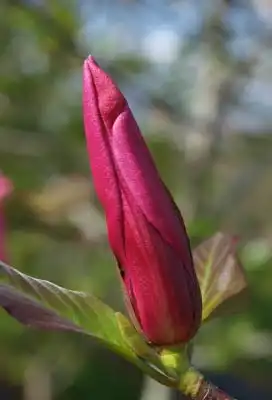
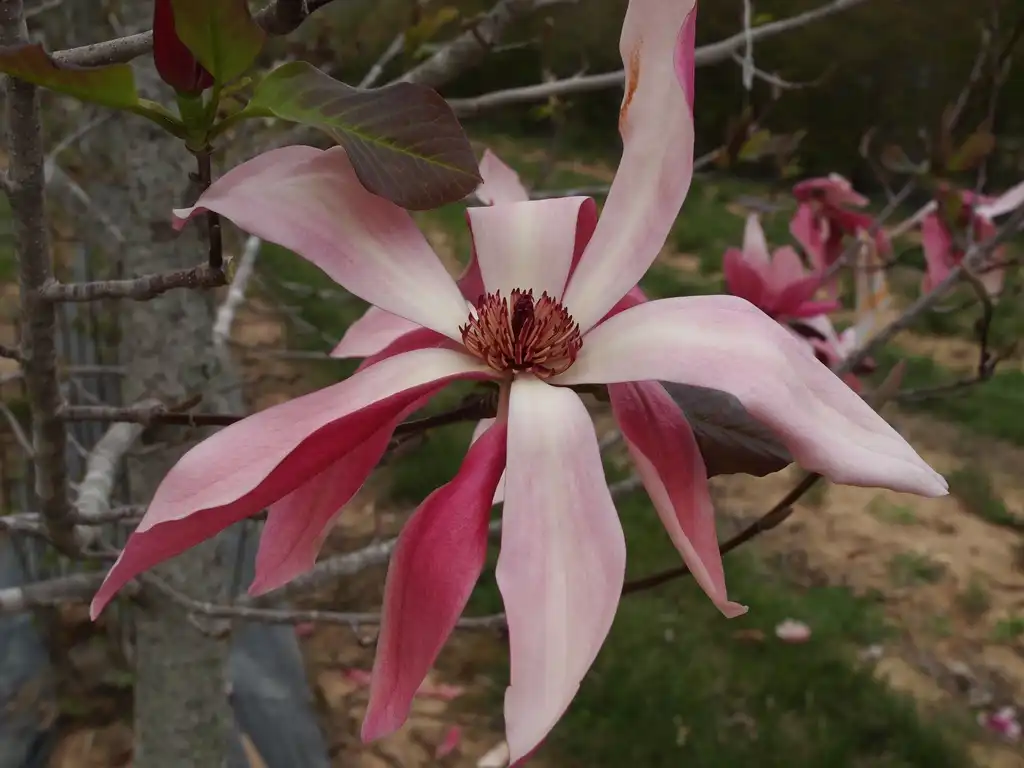
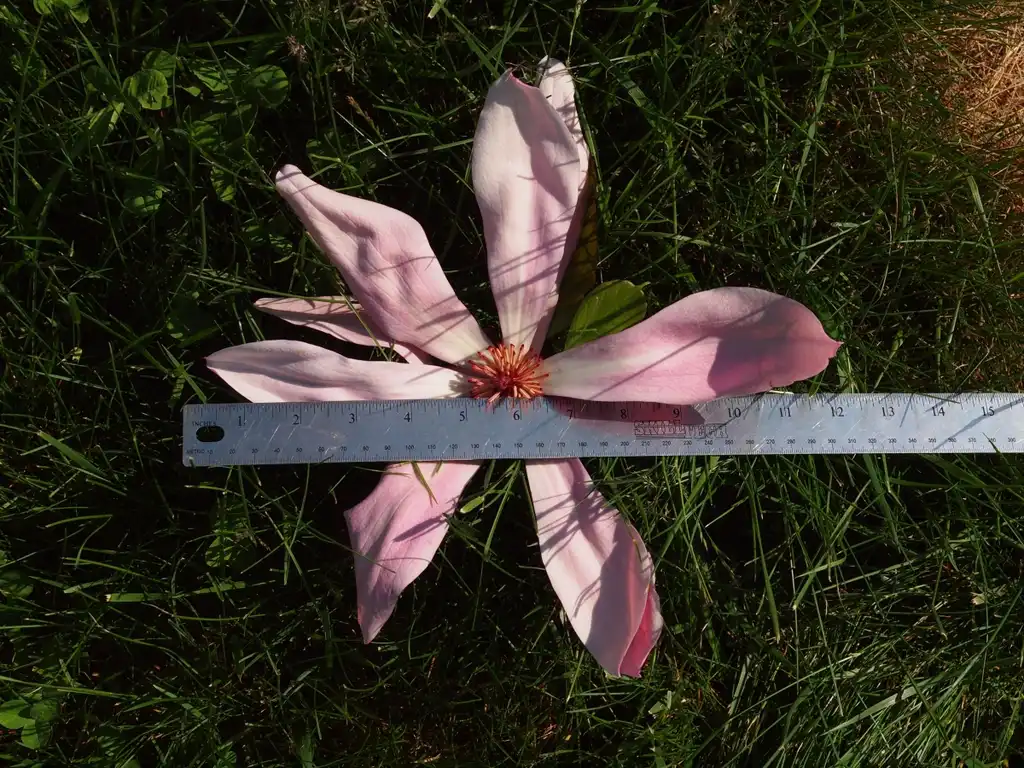
Huge (up to 12"), showy, fragrant flowers that are red in bud and opening to bright lavender pink.
Pink
Purple/Lavender
7 - 20 petals/rays
6 petals/rays
3-6 inches
Leaves
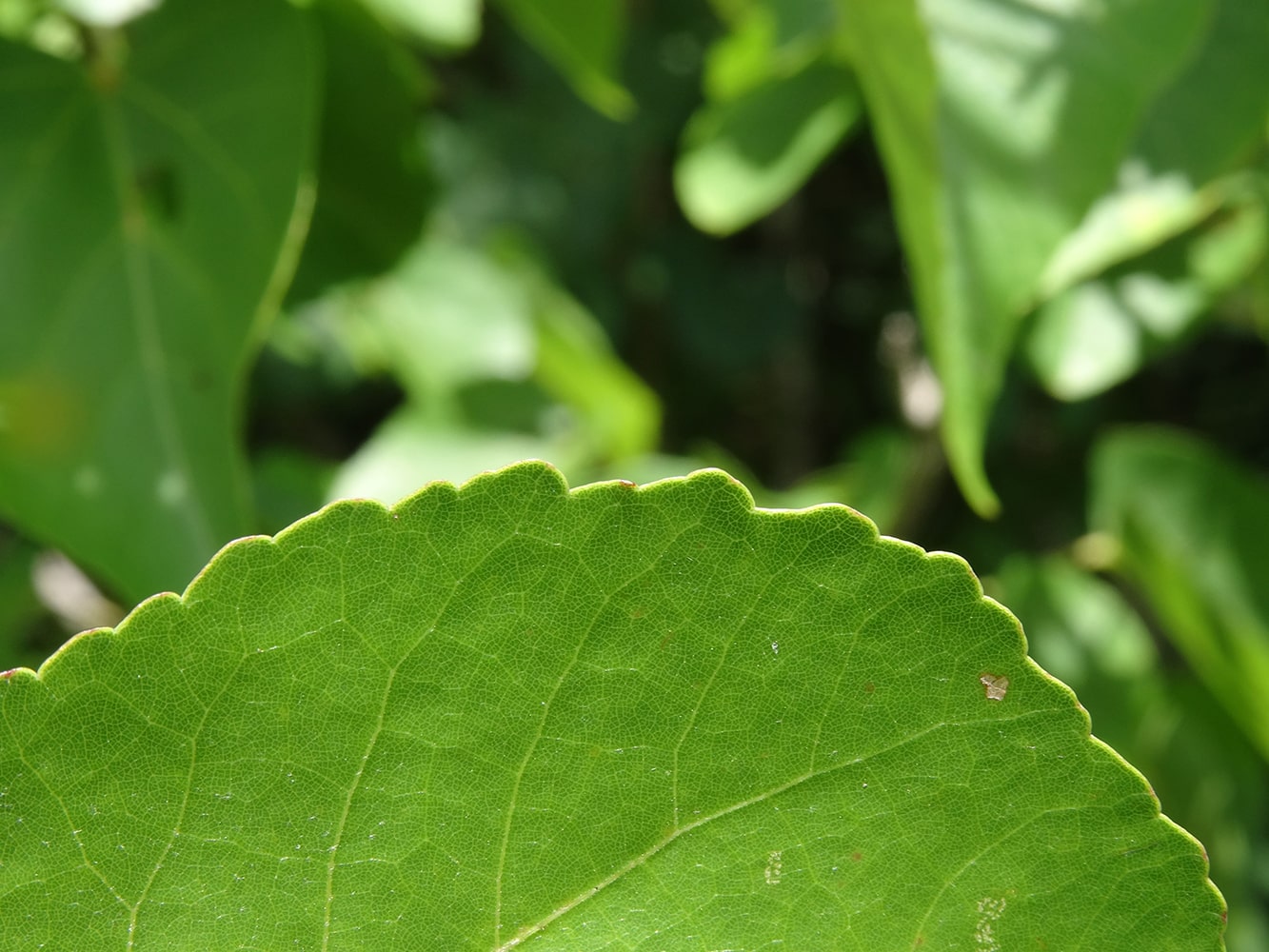
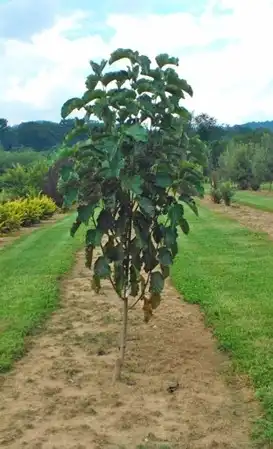
Simple, alternate and oval to elliptical. Pinnate venation. Very thick and leathery without teeth. A smooth, shiny intense green surface above and a fuzzy, cinnamon brown color below. Each leaf can remain on the tree for up to 2 years.
Green
Brown/Copper
Elliptical
Ovate
Soft
Leathery
Velvety
Whole Plant Traits
Columnar
Pyramidal
Dense
Coarse
Cultural Conditions
Full sun (6 or more hours of direct sunlight a day)
Partial Shade (Direct sunlight only part of the day, 2-6 hours)
Good Drainage
more than 60 feet
24-60 feet
Coastal
High Organic Matter
Landscape
Deer
Pollution
Wet Soil
Salt
Storm damage
Pollinators
Songbirds

Magnolia 'NCMX1' PPAF Attributes

Magnolia 'NCMX1' PPAF: Uses (Ethnobotany)

The long-lasting leaves have been in holiday flower arrangements.  A variety of extracts taken from leaves, fruits, bark and wood have been used in pharmaceutical applications.

Magnolia 'NCMX1' PPAF: Wildlife Value

Seeds, which are high in fat, are a good energy source for migratory birds, squirrel, opossum, quail, turkey, mice & chipmunks. Pollinators, especially beetles, are attracted to the pollen which is high in protein.

Magnolia 'NCMX1' PPAF: Particularly Resistant To (Insects/Diseases/Other Problems)

It is notable that magnolias are deer resistant.

Magnolia 'NCMX1' PPAF: Life Cycle

Annual
Biennial
Bulb
Perennial
Woody

Magnolia 'NCMX1' PPAF Fruit

Magnolia 'NCMX1' PPAF: Fruit Description

Aggregate of dry, cylindrical, hairy, 3 – 5 inch-long carpels that turn red/red-brown with age. Each follicle contains one long bright red seed.

Magnolia 'NCMX1' PPAF: Fruit Color

grass
Brown/Copper
grass
Red/Burgundy

Magnolia 'NCMX1' PPAF: Fruit Value To Gardener

Edible
Fragrant
Good Cut
Good Dried
Long Bloom Season
Long-lasting
Showy

Magnolia 'NCMX1' PPAF: Fruit Length

< 1 inch
1-3 inches
> 3 inches

Magnolia 'NCMX1' PPAF Flowers

Magnolia 'NCMX1' PPAF: Flower Description

Huge (up to 12"), showy, fragrant flowers that are red in bud and opening to bright lavender pink.

Magnolia 'NCMX1' PPAF: Flower Color

filter_vintage
Pink
filter_vintage
Purple/Lavender

Magnolia 'NCMX1' PPAF: Flower Inflorescence

Catkin
Corymb
Cyme
Head
Insignificant
Panicle
Raceme
Solitary
Spadix
Spike
Umbel

Magnolia 'NCMX1' PPAF: Flower Value To Gardener

Edible
Fragrant
Good Cut
Good Dried
Long Bloom Season
Long-lasting
Showy

Magnolia 'NCMX1' PPAF: Flower Bloom Time

Winter
Spring
Summer
Fall

Magnolia 'NCMX1' PPAF: Flower Petals

2-3 rays/petals
4-5 petals/rays
6 petals/rays
7 - 20 petals/rays
asymmetrical petals
Bracts
Colored Sepals
fused petals
more than 20 petals/rays
Tepals

Magnolia 'NCMX1' PPAF: Flower Size

1-3 inches
3-6 inches
< 1 inch
> 6 inches

Magnolia 'NCMX1' PPAF Leaves

Magnolia 'NCMX1' PPAF: Leaf Description

Simple, alternate and oval to elliptical. Pinnate venation. Very thick and leathery without teeth. A smooth, shiny intense green surface above and a fuzzy, cinnamon brown color below. Each leaf can remain on the tree for up to 2 years.



Magnolia 'NCMX1' PPAF: Woody Plant Leaf Characteristics

Broadleaf Evergreen
Deciduous
Needled Evergreen
Semi-evergreen

Magnolia 'NCMX1' PPAF: Leaf Color

spa
Brown/Copper
spa
Green

Magnolia 'NCMX1' PPAF: Leaf Type

Compound (Pinnately , Bipinnately, Palmately)
Fronds
Needles
Sheath
Simple

Magnolia 'NCMX1' PPAF: Leaf Arrangement

Alternate
Opposite
Other/more complex
Rosulate
Whorled

Magnolia 'NCMX1' PPAF: Leaf Shape

Acicular
Auriculate
Cordate
Cuneate
Deltoid
Elliptical
Filiform
Lanceolate
Linear
Oblanceolate
Oblong
Obovate
Obtuse
Orbicular
Ovate
Palmasect
Palmatifid
Peltate
Pinnatifid
Pinnatisect
Reniform
Rhomboidal
Spatulate
Subcordate
Subulate

Magnolia 'NCMX1' PPAF: Leaf Margin

Crenate
Crenulate
Dentate
Denticulate
Doubly Crenate
Doubly Dentate
Doubly Serrate
Entire
Lobed
Serrate
Sinuate
Undulate

Magnolia 'NCMX1' PPAF: Hairs Present

No
Yes

Magnolia 'NCMX1' PPAF: Leaf Feel

Fleshy
Glossy
Leathery
Papery
Prickly
Rough
Rubbery
Slippery
Smooth
Soft
Velvety
Waxy

Magnolia 'NCMX1' PPAF Whole Plant Traits

Magnolia 'NCMX1' PPAF: Plant Type

Annual
Bulb
Carnivorous
Edible
Epiphyte
Fern
Ground Cover
Herb
Herbaceous Perennial
Houseplant
Mushroom
Native Plant
Ornamental Grasses and Sedges
Perennial
Poisonous
Rose
Shrub
Succulent
Tree
Turfgrass
Vegetable
Vine
Water Plant
Weed
Wildflower

Magnolia 'NCMX1' PPAF: Woody Plant Leaf Characteristics

Broadleaf Evergreen
Deciduous
Needled Evergreen
Semi-evergreen

Magnolia 'NCMX1' PPAF: Habit/Form

Arching
Ascending
Broad
Cascading
Climbing
Clumping
Columnar
Conical
Creeping
Dense
Erect
Horizontal
Irregular
Mounding
Multi-stemmed
Multi-trunked
Open
Oval
Prostrate
Pyramidal
Rounded
Spreading
Vase
Weeping

Magnolia 'NCMX1' PPAF: Maintenance

Low
Medium
High

Magnolia 'NCMX1' PPAF: Texture

Fine
Medium
Coarse

Magnolia 'NCMX1' PPAF Cultural Conditions

Magnolia 'NCMX1' PPAF: Light

Dappled Sunlight (Shade through upper canopy all day)
Deep shade (Less than 2 hours to no direct sunlight)
Full sun (6 or more hours of direct sunlight a day)
Partial Shade (Direct sunlight only part of the day, 2-6 hours)

Magnolia 'NCMX1' PPAF: Soil Drainage

Frequent Standing Water
Good Drainage
Moist
Occasional Flooding
Occasionally Dry
Occasionally Wet
Very Dry

Magnolia 'NCMX1' PPAF: Available Space To Plant

12 inches-3 feet
12-24 feet
24-60 feet
3 feet-6 feet
6-feet-12 feet
Less than 12 inches
more than 60 feet

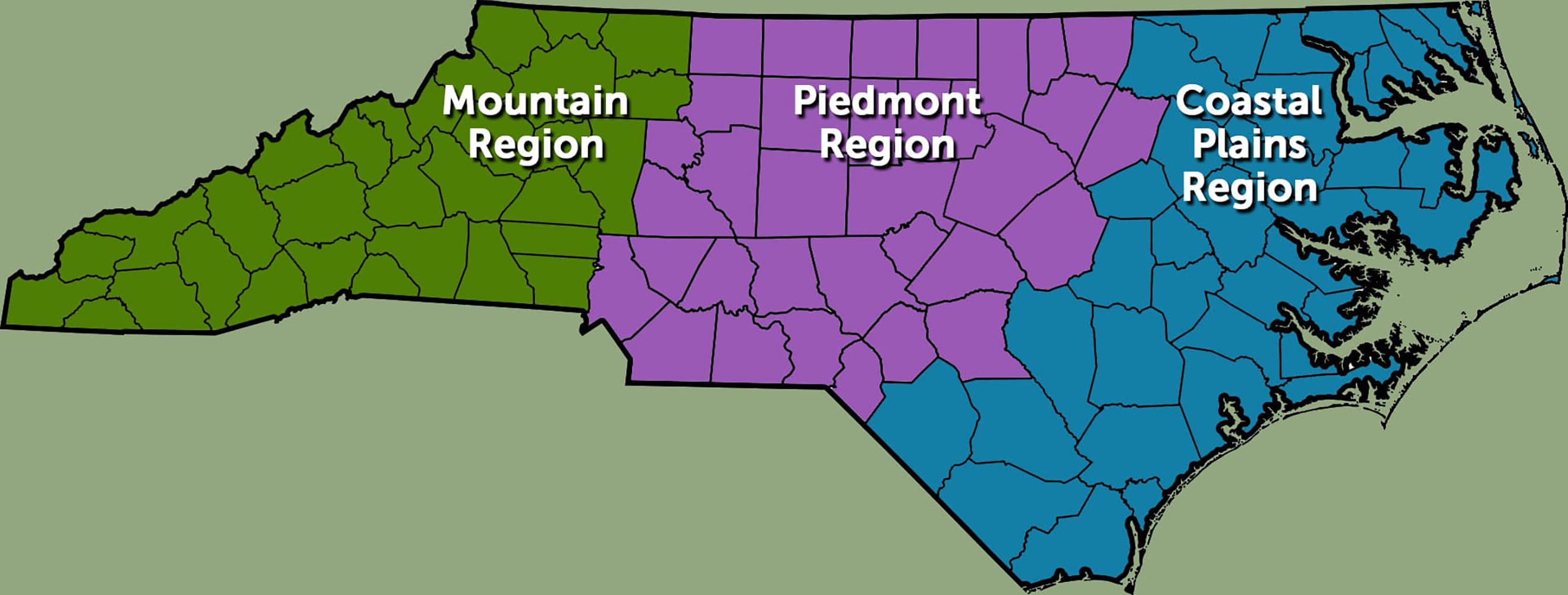
Magnolia 'NCMX1' PPAF: NC Region

Coastal
Mountains
Piedmont

Magnolia 'NCMX1' PPAF: USDA Plant Hardiness Zone

thermostat
7a
thermostat
7b
thermostat
8a
thermostat
8b
thermostat
9a
thermostat
9b

Magnolia 'NCMX1' PPAF: Soil Texture

Clay
High Organic Matter
Loam (Silt)
Sand
Shallow Rocky

Magnolia 'NCMX1' PPAF Stem

Magnolia 'NCMX1' PPAF: Stem Is Aromatic

No
Yes

Magnolia 'NCMX1' PPAF Landscape

Magnolia 'NCMX1' PPAF: Design Feature

Accent
Barrier
Border
Flowering Tree
Foundation Planting
Hedge
Mass Planting
Screen/Privacy
Security
Shade Tree
Small groups
Small Tree
Specimen
Street Tree
Understory Tree

Magnolia 'NCMX1' PPAF: Resistance To Challenges

Black Walnut
Compaction
Deer
Diseases
Drought
Dry Soil
Erosion
Fire
Foot Traffic
Heat
Heavy Shade
Humidity
Insect Pests
Pollution
Poor Soil
Rabbits
Salt
Slugs
Squirrels
Storm damage
Urban Conditions
Voles
Wet Soil
Wind

Magnolia 'NCMX1' PPAF: Attracts

Bats
Bees
Butterflies
Frogs
Hummingbirds
Moths
Pollinators
Predatory Insects
Reptiles
Small Mammals
Songbirds
Specialized Bees