Magnolia tripetala: Country Or Region Of Origin
Eastern U.S.A. to Oklahoma

Phonetic Spelling:mag-NO-lee-ah try-PET-ah-lah
Genus:Magnolia
Species:tripetala
Family:Magnoliaceae
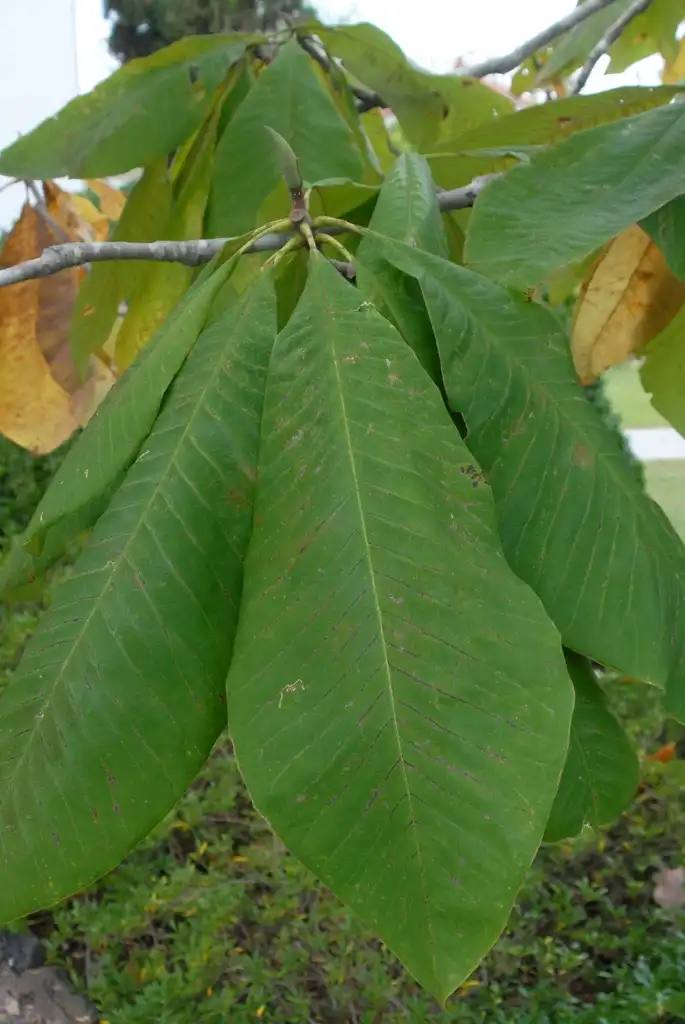
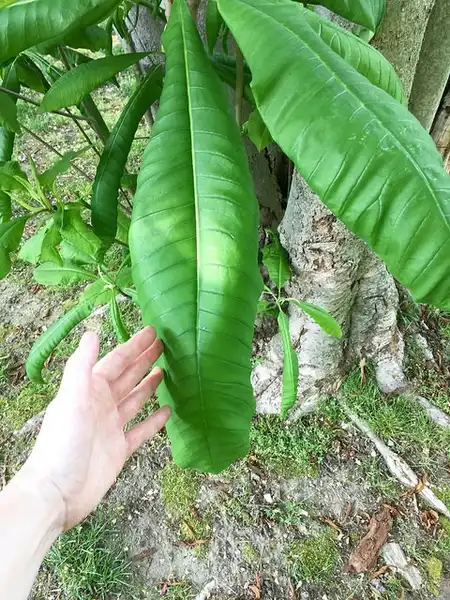
The native magnolia features leaves measuring between 10 to 24 inches, which are grouped at the tips of the stems. This tree can thrive in nearly full shade but also flourishes in full sunlight, especially in northern regions, provided the soil remains consistently moist. It generally struggles with extreme soil conditions, whether overly dry or excessively wet, and should be situated in locations shielded from strong winds to avoid leaf damage.
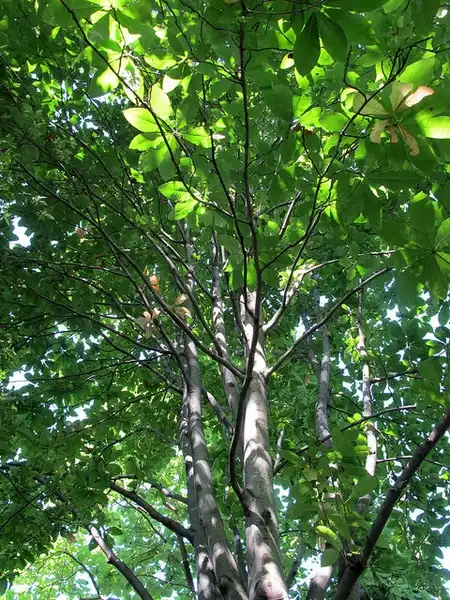
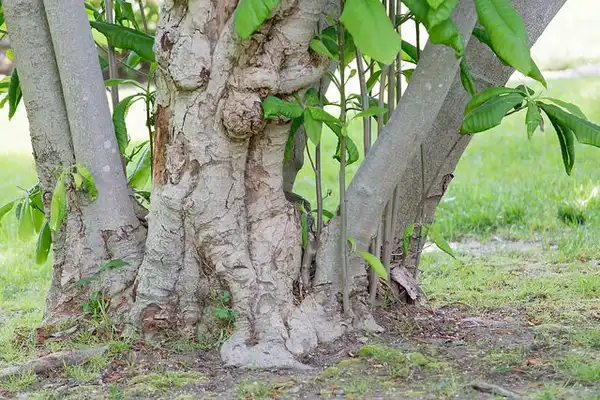
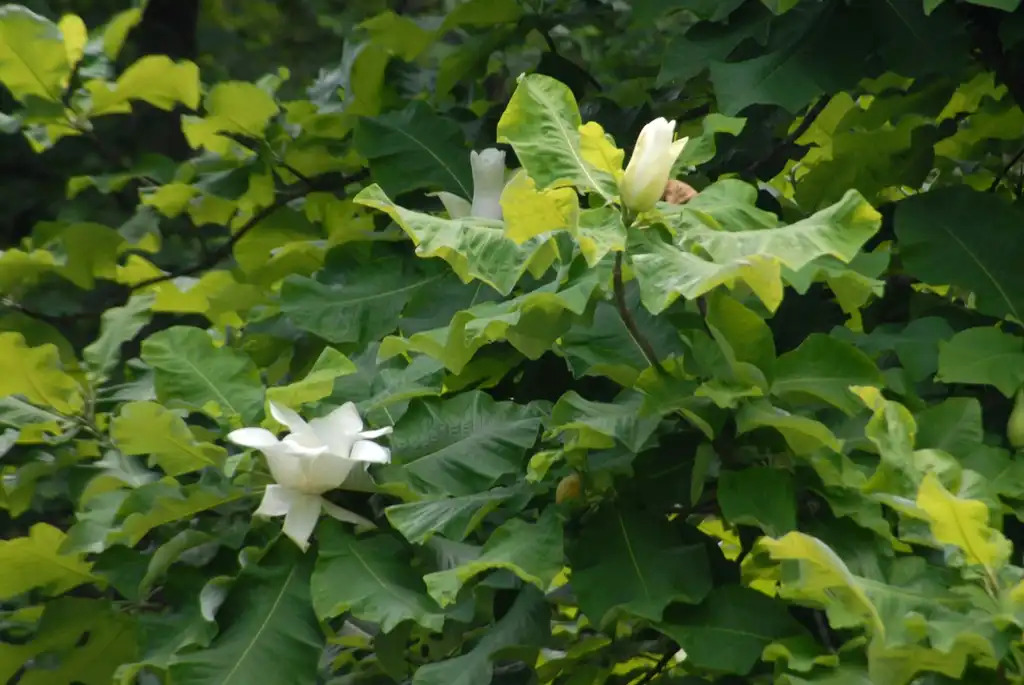
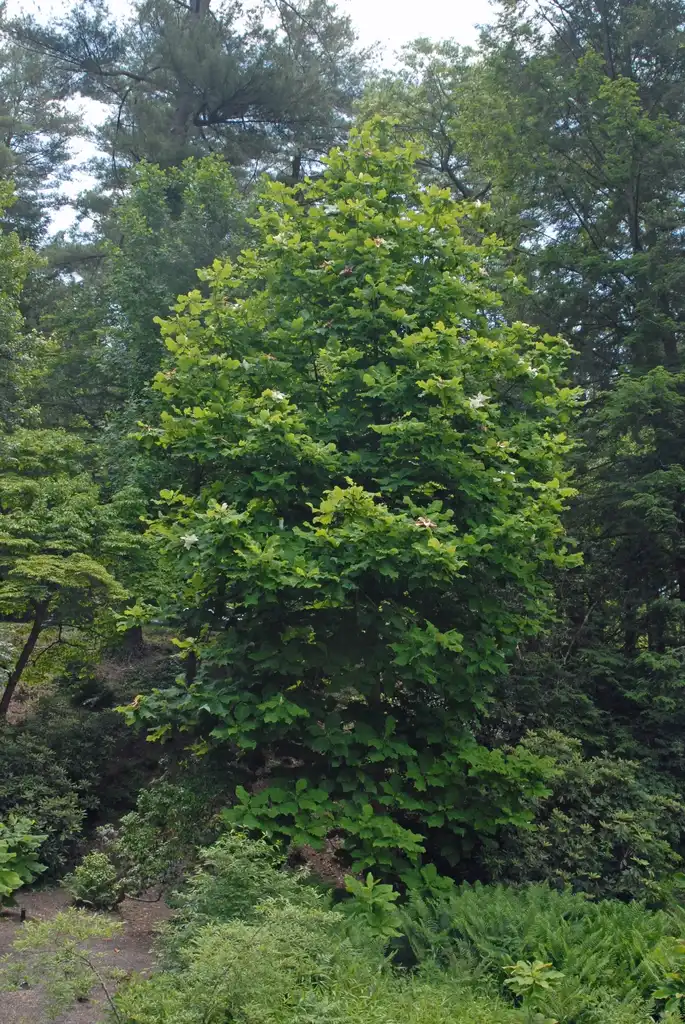
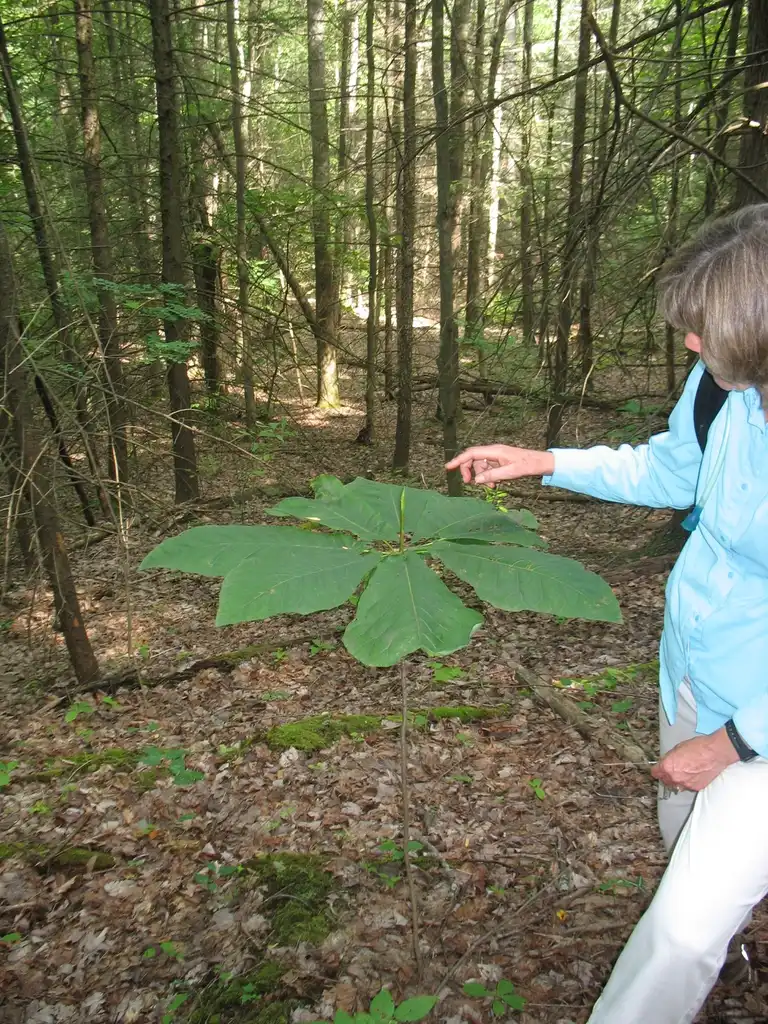
Magnolia tripetala showcases large leaves that grow in whorled clusters at the ends of its branches, resembling the spokes of an umbrella. This understory tree is indigenous to the lush, moist woodlands, ravines, slopes, and stream banks of the Appalachian Mountains, extending from Pennsylvania down to North Carolina, Tennessee, and Kentucky, as well as into the Blue Ridge Mountains and further into South Carolina, Georgia, and Alabama. Typically reaching heights of 30 feet, it can occasionally grow up to 45 feet and often features multiple trunks. In the spring, it produces bowl-shaped flowers that are creamy white, measuring 6 to 10 inches across, and emit an unpleasant scent. Each flower consists of 6 to 12 petal-like tepals, which give way to cone-shaped pink fruits about 4 inches long that mature in the fall. The tree's bark is thin and smooth, displaying a gray hue.
Magnolia tripetala Feature Summary
Magnolia tripetala Image Gallery