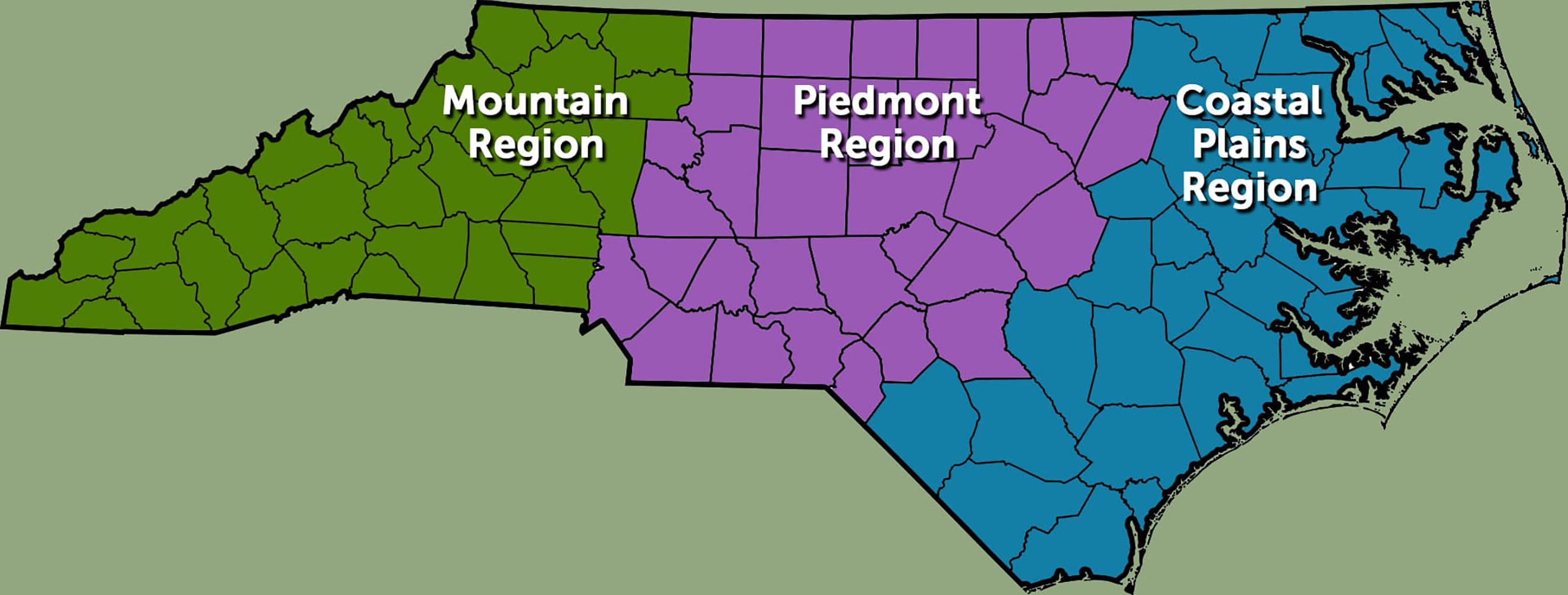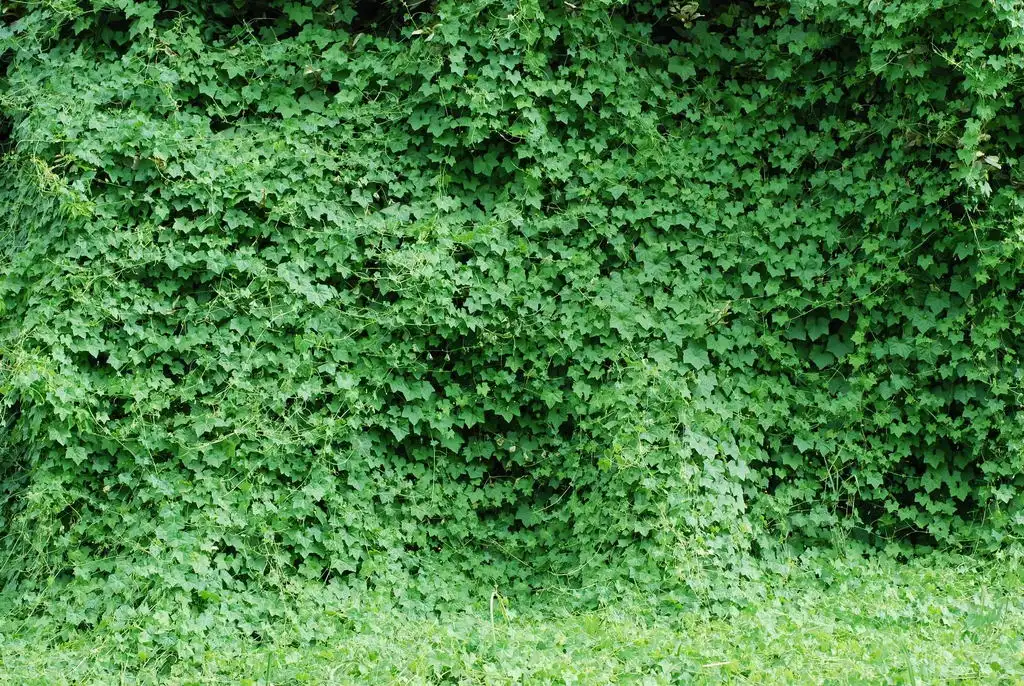
• Photo of Melothria pendula (Melothria pendulas)

Plant Profile: Melothria pendula

Taxonomy: Melothria pendula

Names

Creeping Cucumber

  • Photo of Melothria pendula (Melothria pendulas)

Phonetic Spelling:mel-OH-three-ah PEN-dyoo-lah

Genus:Melothria

Species:pendula

Family:Cucurbitaceae

This is a slender, climbing vine belonging to the cucumber family, characterized by tendrils that grow alongside its leaves. The leaves are arranged alternately and are simple, featuring 3 to 5 lobes that radiate from a central point. The flowers are solitary and found in the axils, consisting of five distinct parts. The resulting fruit is a berry that can be either green or black, containing white seeds.

Melothria pendula Feature Summary

Melothria pendula Image Gallery

Tags

#poisonous
#weedy
#vines
#climbing vines
#edible fruits
#edible garden

Similar Plants

Melothria pendula Feature Summary

Attributes
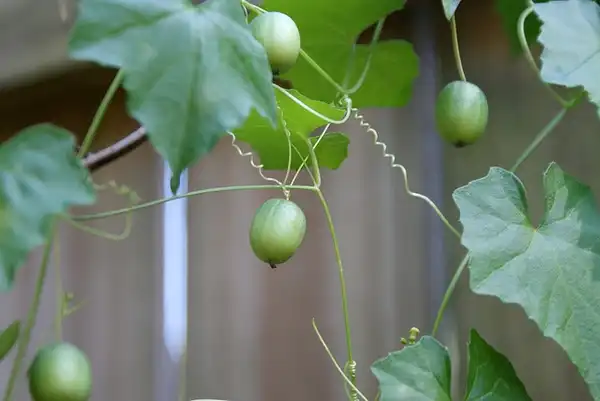
Mostly Coastal Plain and lower Piedmont, also in AL , AR , DC , FL , GA , IL , IN , KS , KY , LA , MD , MO , MS , NC , OK , PA , SC , TN , TX , VA
The berries, when unripe and light green can be eaten raw but can have a strong laxative effect, especially when black and ripe.
Perennial
Fruit
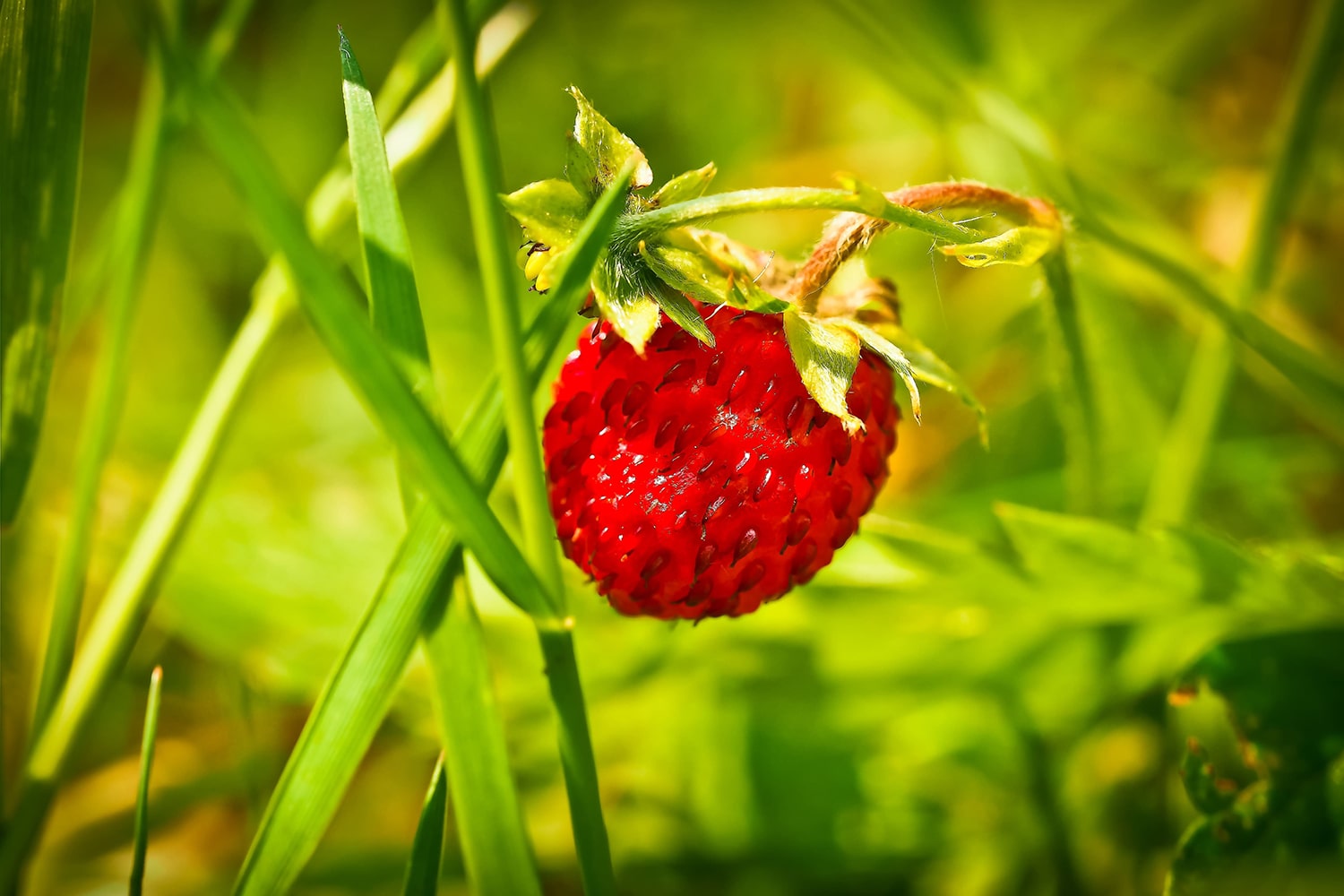
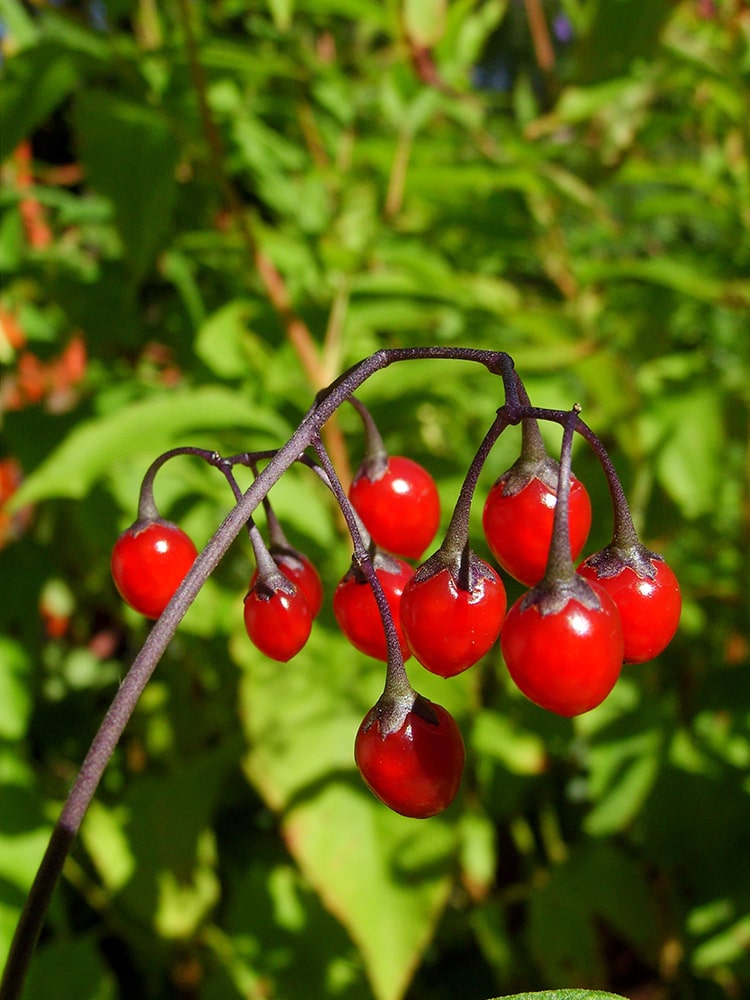
1 inch long ovate green watermelon type fruits that dangle at the end of the pedicel. Turns black when ripe.
Green
Black
1-3 inches
Flowers
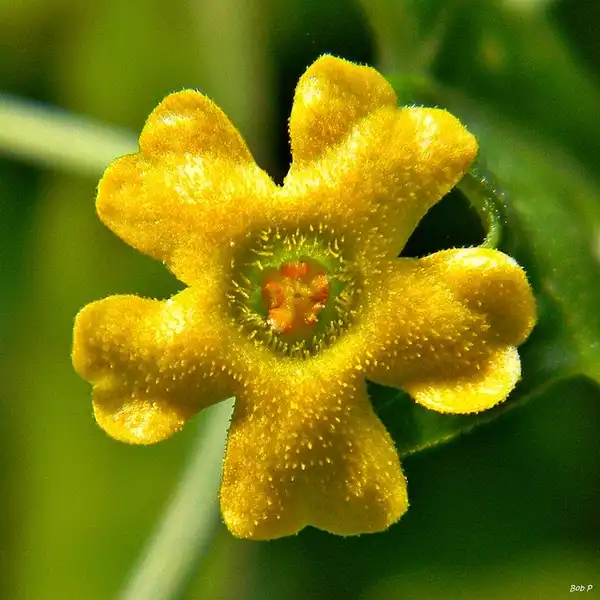
The flower of Creeping Cucumber is held on a long pedicel. The yellow blossom has 5 lobes and is 1/4 inch across or smaller.
Gold/Yellow
4-5 petals/rays
< 1 inch
Leaves
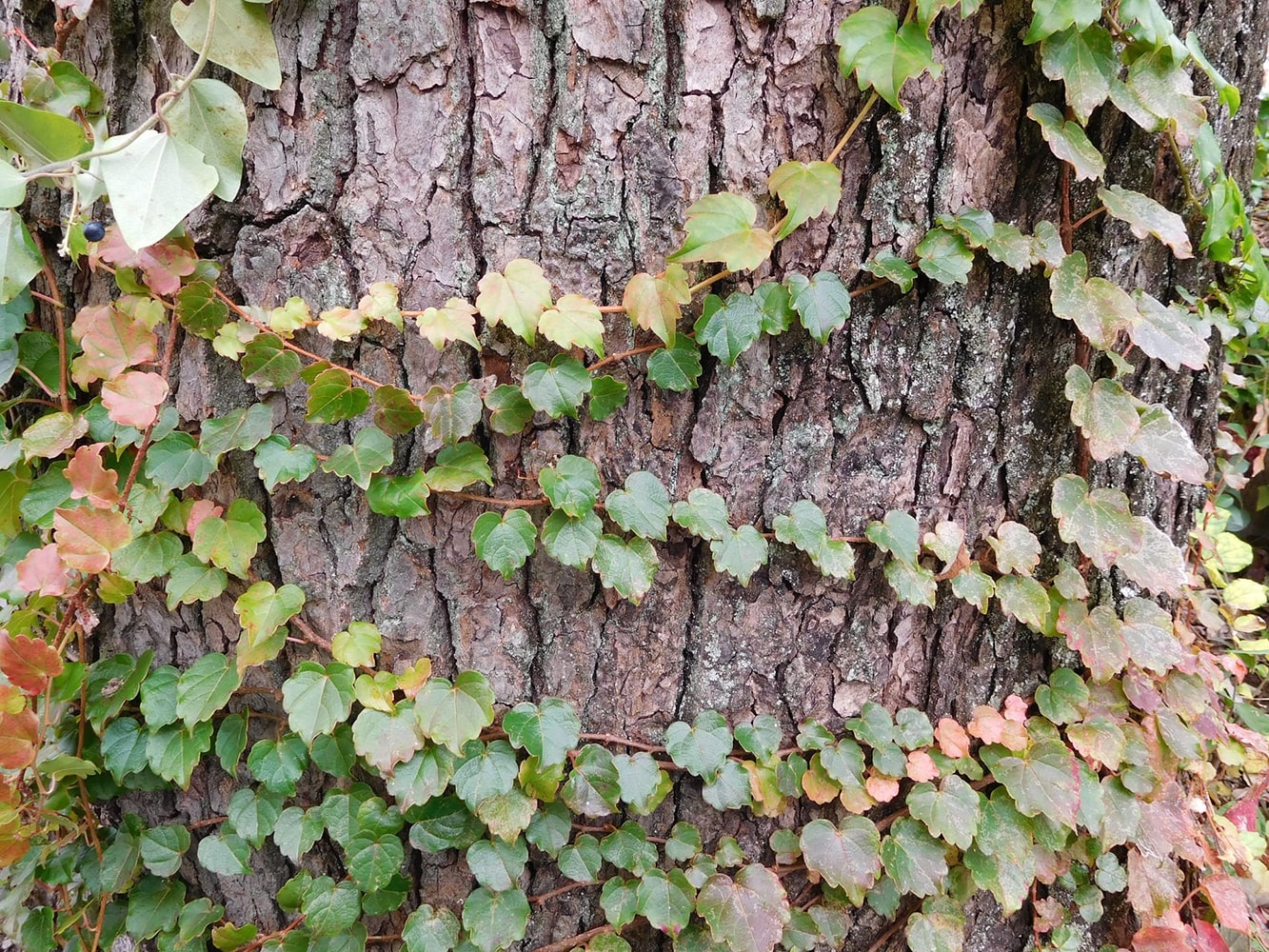
ivy-shaped with two lobes in a palmate pattern, tendrils growing beside the leaves.
Poisonous to Humans
CAUSES ONLY LOW TOXICITY IF EATEN. The ripe berries are a strong laxative and can cause diarrhea.
Seeds
Fruits
Whole Plant Traits
Perennial
Edible
Herbaceous Perennial
Poisonous
Climbing
Tendrils
Cultural Conditions
Coastal
Piedmont
Landscape
Woodland
Naturalized Area
Poisonous to Humans
Weedy

Melothria pendula Attributes

Melothria pendula: Country Or Region Of Origin

USA, NC
Melothria pendula: Distribution

Mostly Coastal Plain and lower Piedmont, also in AL , AR , DC , FL , GA , IL , IN , KS , KY , LA , MD , MO , MS , NC , OK , PA , SC , TN , TX , VA

Melothria pendula: Edibility

The berries, when unripe and light green can be eaten raw but can have a strong laxative effect, especially when black and ripe.

Melothria pendula: Life Cycle

Annual
Biennial
Bulb
Perennial
Woody

Melothria pendula: Climbing Method

Clinging
Scrambler
Tendrils
Twining

Melothria pendula Fruit

Melothria pendula: Fruit Description

1 inch long ovate green watermelon type fruits that dangle at the end of the pedicel. Turns black when ripe.

Melothria pendula: Fruit Type

Achene
Aggregate
Berry
Capsule
Caryopsis
Drupe
Follicle
Legume
Nut
Pome
Samara
Schizocarp
Siliqua

Melothria pendula: Fruit Color

grass
Black
grass
Green

Melothria pendula: Fruit Value To Gardener

Edible
Fragrant
Good Cut
Good Dried
Long Bloom Season
Long-lasting
Showy

Melothria pendula: Display/Harvest Time

Fall
Spring
Summer
Winter

Melothria pendula: Fruit Length

< 1 inch
1-3 inches
> 3 inches

Melothria pendula Flowers

Melothria pendula: Flower Description

The flower of Creeping Cucumber is held on a long pedicel. The yellow blossom has 5 lobes and is 1/4 inch across or smaller.

Melothria pendula: Flower Color

filter_vintage
Gold/Yellow

Melothria pendula: Flower Bloom Time

Winter
Spring
Summer
Fall

Melothria pendula: Flower Petals

2-3 rays/petals
4-5 petals/rays
6 petals/rays
7 - 20 petals/rays
asymmetrical petals
Bracts
Colored Sepals
fused petals
more than 20 petals/rays
Tepals

Melothria pendula: Flower Shape

Bell
Cross
Crown
Cup
Dome
Funnel
Irregular
Lipped
Radial
Saucer
Star
Trumpet
Tubular
Urn
Wheel

Melothria pendula: Flower Size

1-3 inches
3-6 inches
< 1 inch
> 6 inches

Melothria pendula Leaves

Melothria pendula: Leaf Description

ivy-shaped with two lobes in a palmate pattern, tendrils growing beside the leaves.

Melothria pendula: Leaf Color

spa
Green

Melothria pendula: Leaf Type

Compound (Pinnately , Bipinnately, Palmately)
Fronds
Needles
Sheath
Simple

Melothria pendula: Leaf Arrangement

Alternate
Opposite
Other/more complex
Rosulate
Whorled

Melothria pendula: Leaf Margin

Crenate
Crenulate
Dentate
Denticulate
Doubly Crenate
Doubly Dentate
Doubly Serrate
Entire
Lobed
Serrate
Sinuate
Undulate

Melothria pendula: Hairs Present

No
Yes

Melothria pendula Poisonous to Humans

Melothria pendula: Poison Symptoms

CAUSES ONLY LOW TOXICITY IF EATEN. The ripe berries are a strong laxative and can cause diarrhea.

Melothria pendula: Poison Toxic Principle

unknown

Melothria pendula: Poison Severity

High
Low
Medium

Melothria pendula: Causes Contact Dermatitis

No
Yes

Melothria pendula: Poison Part

Bark
Flowers
Fruits
Leaves
Roots
Sap/Juice
Seeds
Stems

Melothria pendula Whole Plant Traits

Melothria pendula: Plant Type

Annual
Bulb
Carnivorous
Edible
Epiphyte
Fern
Ground Cover
Herb
Herbaceous Perennial
Houseplant
Mushroom
Native Plant
Ornamental Grasses and Sedges
Perennial
Poisonous
Rose
Shrub
Succulent
Tree
Turfgrass
Vegetable
Vine
Water Plant
Weed
Wildflower

Melothria pendula: Habit/Form

Arching
Ascending
Broad
Cascading
Climbing
Clumping
Columnar
Conical
Creeping
Dense
Erect
Horizontal
Irregular
Mounding
Multi-stemmed
Multi-trunked
Open
Oval
Prostrate
Pyramidal
Rounded
Spreading
Vase
Weeping

Melothria pendula: Appendage

Prickles
Spines
Tendrils
Thorns

Melothria pendula Cultural Conditions

Melothria pendula: NC Region

Coastal
Mountains
Piedmont

Melothria pendula Stem

Melothria pendula: Stem Is Aromatic

No
Yes

Melothria pendula Landscape

Melothria pendula: Landscape Location

Coastal
Container
Hanging Baskets
Houseplants
Lawn
Meadow
Naturalized Area
Near Septic
Patio
Pond
Pool/Hardscape
Recreational Play Area
Riparian
Rock Wall
Slope/Bank
Small Space
Vertical Spaces
Walkways
Woodland

Melothria pendula: Problems

Allelopathic
Contact Dermatitis
Frequent Disease Problems
Frequent Insect Problems
Invasive Species
Malodorous
Messy
Poisonous to Humans
Problem for Cats
Problem for Children
Problem for Dogs
Problem for Horses
Short-lived
Spines/Thorns
Weak Wood
Weedy