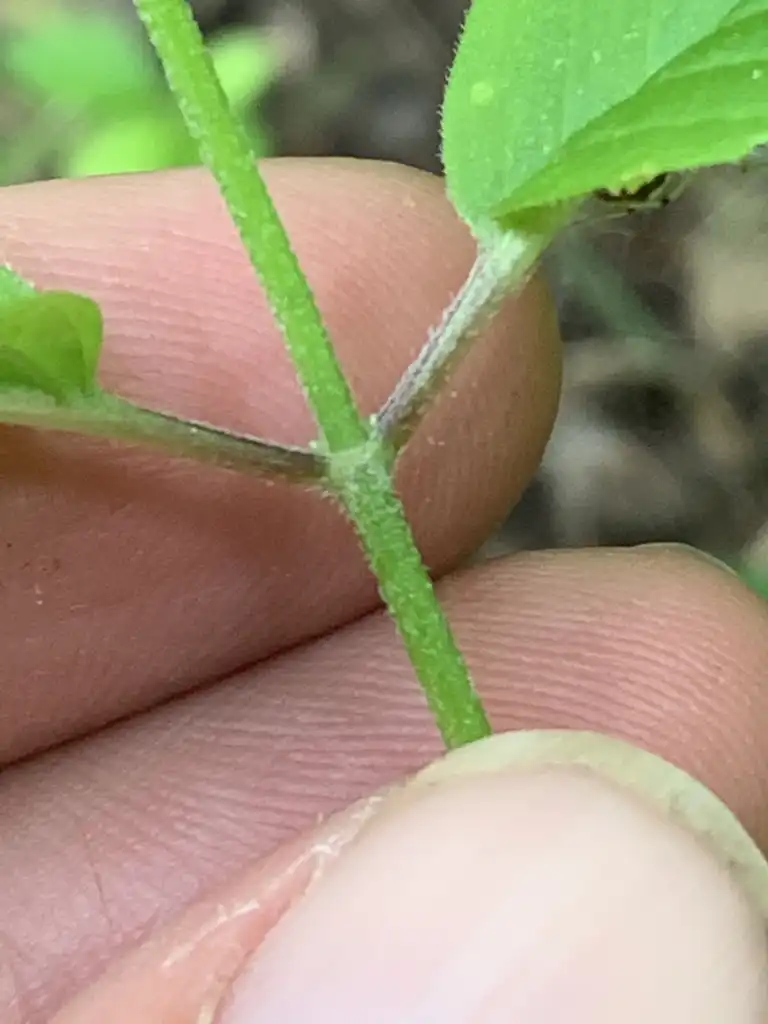
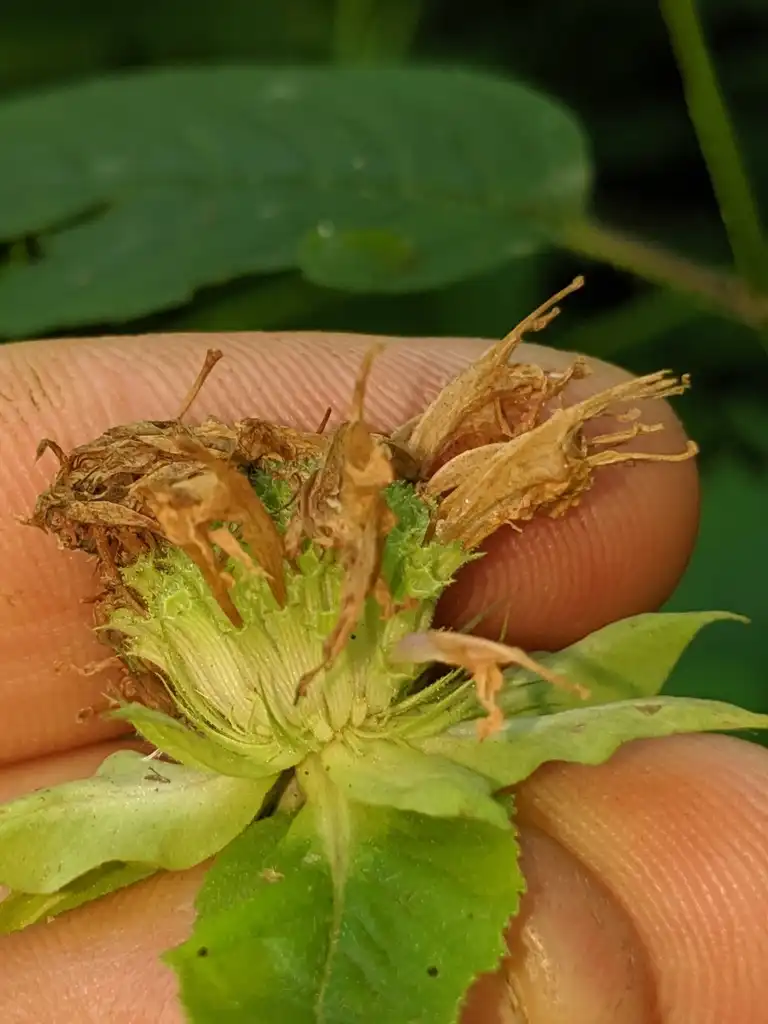
Monarda clinopodia: Uses (Ethnobotany)
Native Americans used the plant to treat a variety of ailments.
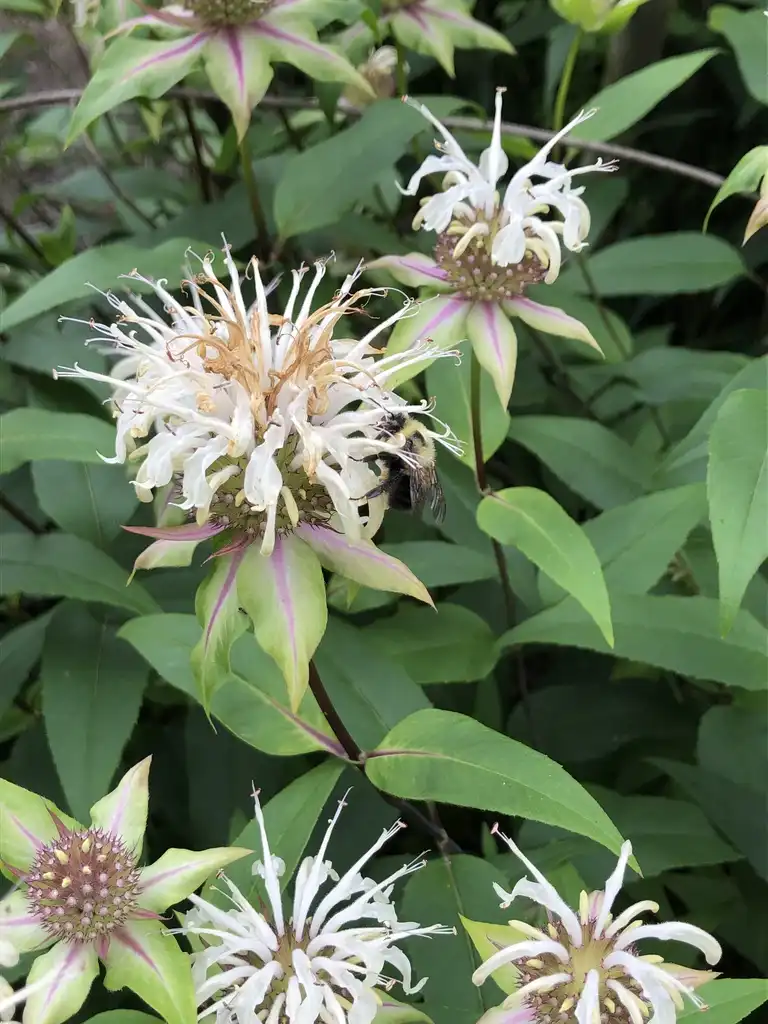
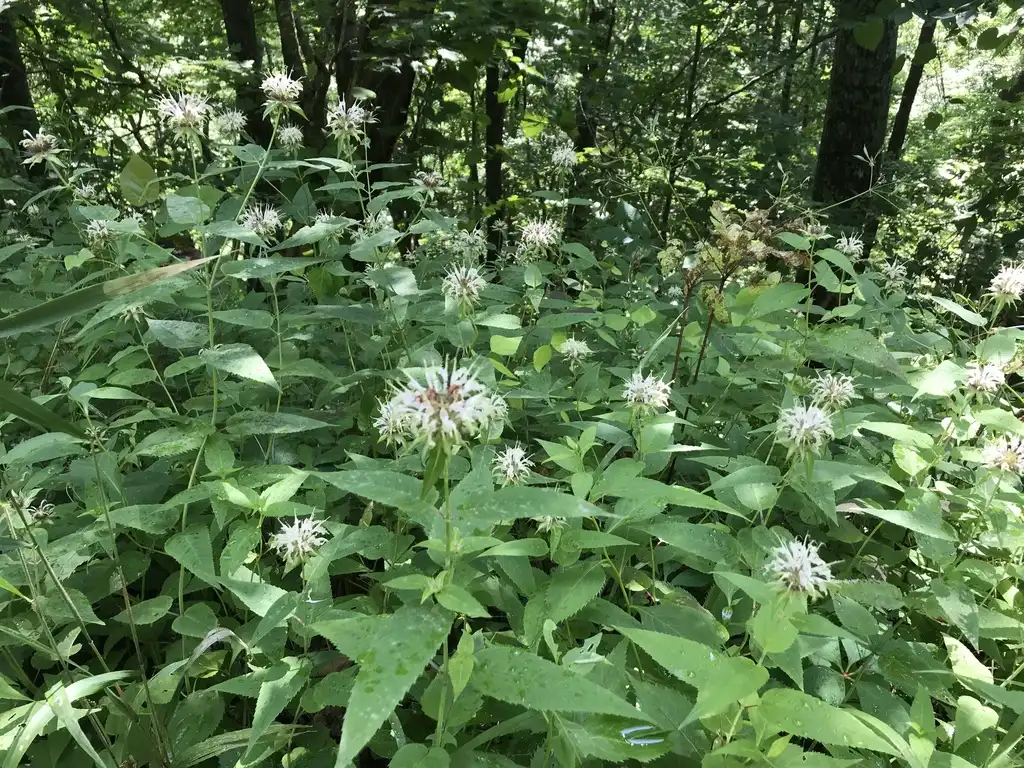
Phonetic Spelling:
Genus:Monarda
Species:clinopodia
Family:Lamiaceae
White Bergamot, a member of the mint family, is indigenous to the eastern and central regions of the United States. In North Carolina, it predominantly thrives in mountainous areas, favoring moist woodlands, thickets, ravines, lightly shaded hillsides, and the peripheries of forests or meadows. In New Jersey and New York, this plant is classified as endangered.
This species serves as an excellent pollinator, drawing in bees, bumblebees, butterflies, and hummingbirds. It is resistant to deer, grows rapidly, and may exhibit some weedy characteristics. The flowers, which are mildly fragrant and visually appealing, bloom from May to September, with each bloom lasting approximately two to three weeks. Propagation can occur through seeds in the fall, winter, or early spring, while rootball division is most effective in spring when new growth begins.
For optimal growth, plant White Bergamot in full sun to partial shade within moist, well-drained soil. It is well-suited for naturalized areas, woodland edges, or native and pollinator gardens, particularly thriving in the cooler summer climates of mountainous regions.
In terms of challenges, this plant is largely free from pests and diseases, exhibiting good resistance to powdery mildew, provided there is adequate airflow around it.
The genus Monarda is named in honor of Nicolas Bautista Monardes, a 16th-century Spanish physician and botanist who, despite never visiting North America, conducted extensive studies on medicinal plants.
Monarda clinopodia Feature Summary
Monarda clinopodia Image Gallery