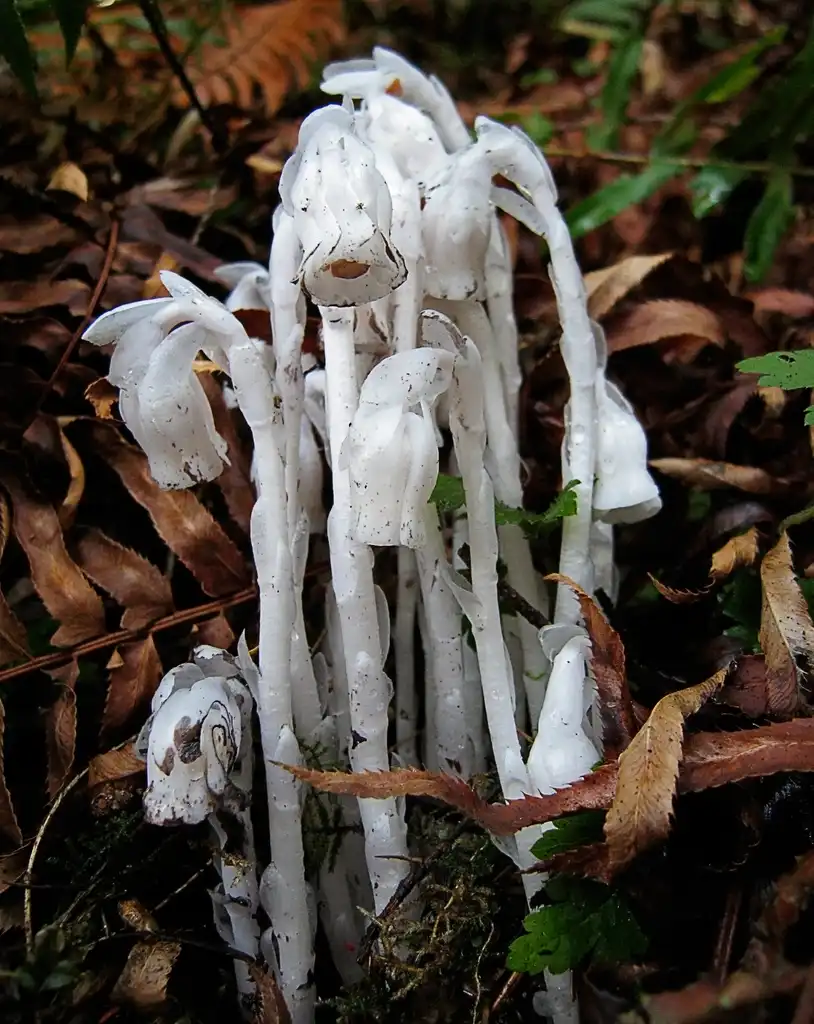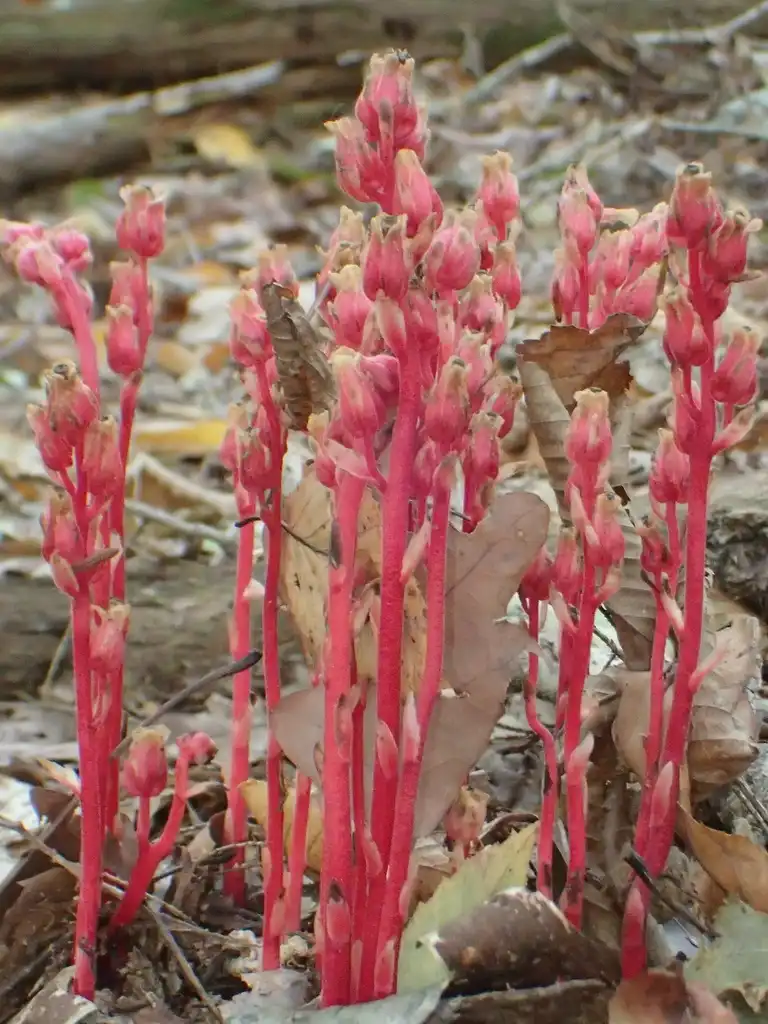
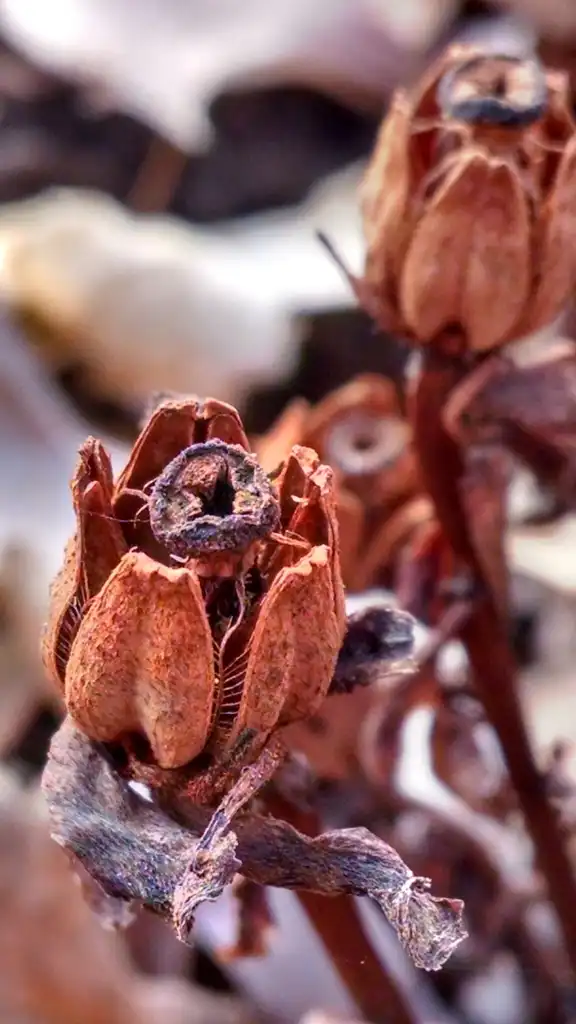
• Photo of Monotropa (Monotropas)

Plant Profile: Monotropa

Taxonomy: Monotropa

Names

Ghost Plant, Indian-pipe, Pinesap

  • Photo of Monotropa (Monotropas)

Phonetic Spelling:mah-no-TROH-puh

Genus:Monotropa

Species:

Family:Ericaceae

Ghost Plant refers to a genus comprising three species of herbaceous perennial flowering plants, which are typically found in the temperate zones of the Northern Hemisphere and are quite uncommon. This distinctive plant is a saprophyte, lacking chlorophyll, and derives its nutrients by accessing the resources of trees through mycorrhizal fungi. As a result of their unique adaptation, they thrive in extremely low-light environments, such as the shaded floors of dense forests.

Monotropa Feature Summary

Monotropa Image Gallery

Tags

#white
#black
#perennial
#pink flowers
#shade tolerant
#fall interest
#NC native
#summer flowers
#wildflower garden
#woodlands

Similar Plants

Monotropa Feature Summary

Attributes
Has been used as a nervine in herbal medicine
Maine to California and from Florida to Alaska. It is absent from the southwest, intermountain west and the central Rocky mountains
Perennial
Flowers
0.7 in. nodding solitary flower at end of a scaly stalk; 4-5 petals and 10 stamens; flowers usually occur in clusters
4-5 petals/rays
< 1 inch
Leaves
Scale-like waxy-white to pinkish-white; contains no chlorophyll; dries to a blackish color
White
Black
Pink
< 1 inch
Whole Plant Traits
Perennial
Native Plant
Wildflower
Cultural Conditions
Dappled Sunlight (Shade through upper canopy all day)
Deep shade (Less than 2 hours to no direct sunlight)
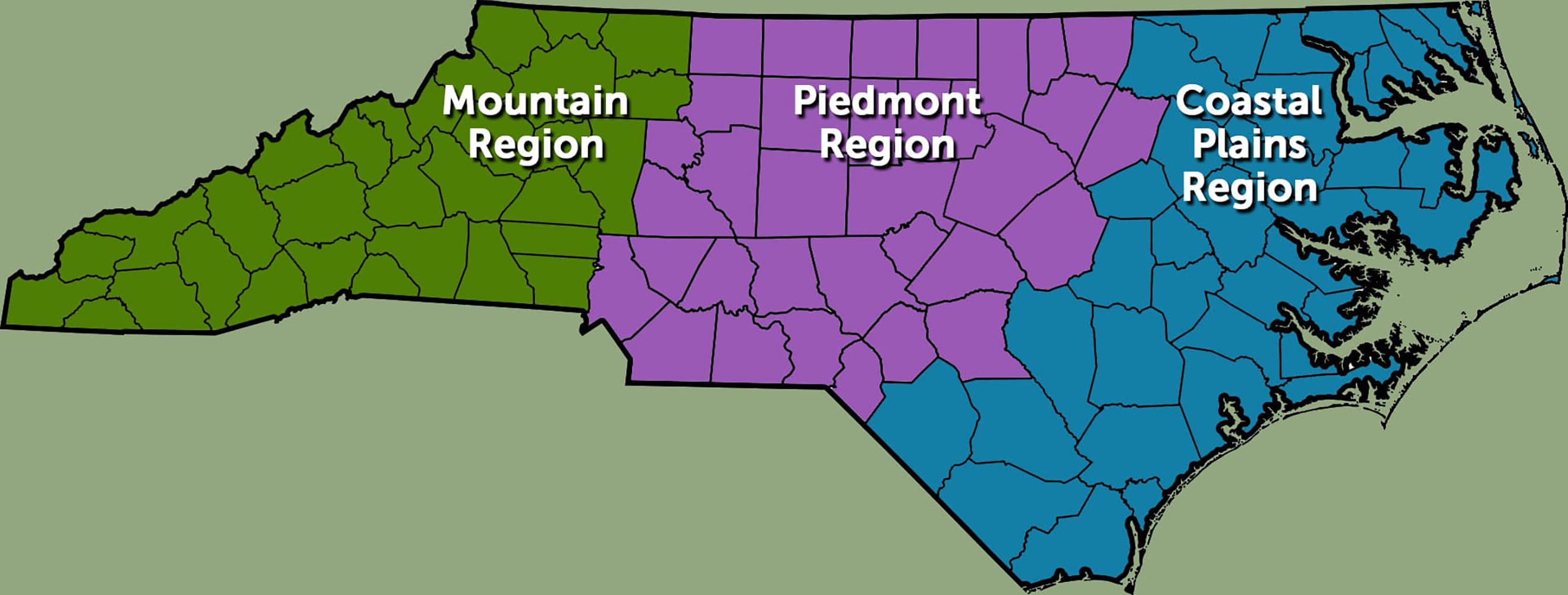
Mountains
Piedmont
4a
5a
6a
7a
8a
9a
9b
10a
10b
11a
11b
High Organic Matter

Monotropa Attributes

Monotropa: Uses (Ethnobotany)

Has been used as a nervine in herbal medicine
Monotropa: Country Or Region Of Origin

Northern America

Monotropa: Distribution

Maine to California and from Florida to Alaska. It is absent from the southwest, intermountain west and the central Rocky mountains

Monotropa: Life Cycle

Annual
Biennial
Bulb
Perennial
Woody

Monotropa Flowers

Monotropa: Flower Description

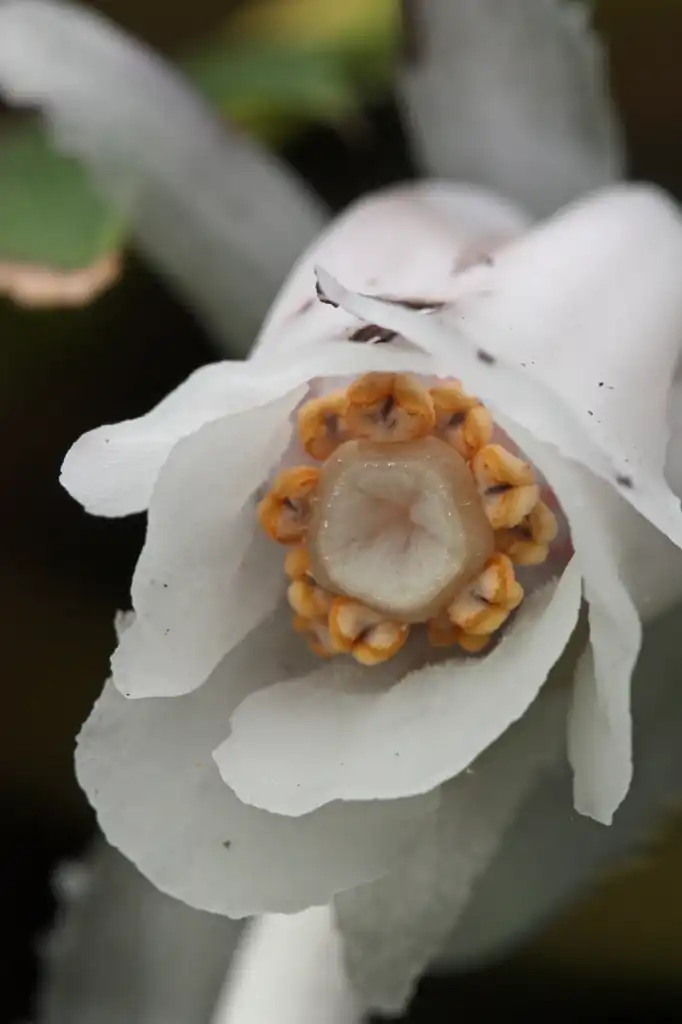
0.7 in. nodding solitary flower at end of a scaly stalk; 4-5 petals and 10 stamens; flowers usually occur in clusters

Monotropa: Flower Color

filter_vintage
White

Monotropa: Flower Bloom Time

Winter
Spring
Summer
Fall

Monotropa: Flower Petals

2-3 rays/petals
4-5 petals/rays
6 petals/rays
7 - 20 petals/rays
asymmetrical petals
Bracts
Colored Sepals
fused petals
more than 20 petals/rays
Tepals

Monotropa: Flower Shape

Bell
Cross
Crown
Cup
Dome
Funnel
Irregular
Lipped
Radial
Saucer
Star
Trumpet
Tubular
Urn
Wheel

Monotropa: Flower Size

1-3 inches
3-6 inches
< 1 inch
> 6 inches

Monotropa Leaves

Monotropa: Leaf Description

Scale-like waxy-white to pinkish-white; contains no chlorophyll; dries to a blackish color

Monotropa: Leaf Color

spa
Black
spa
Pink
spa
White

Monotropa: Hairs Present

No
Yes

Monotropa: Leaf Length

< 1 inch
1-3 inches
3-6 inches
> 6 inches

Monotropa Whole Plant Traits

Monotropa: Plant Type

Annual
Bulb
Carnivorous
Edible
Epiphyte
Fern
Ground Cover
Herb
Herbaceous Perennial
Houseplant
Mushroom
Native Plant
Ornamental Grasses and Sedges
Perennial
Poisonous
Rose
Shrub
Succulent
Tree
Turfgrass
Vegetable
Vine
Water Plant
Weed
Wildflower

Monotropa Cultural Conditions

Monotropa: Light

Dappled Sunlight (Shade through upper canopy all day)
Deep shade (Less than 2 hours to no direct sunlight)
Full sun (6 or more hours of direct sunlight a day)
Partial Shade (Direct sunlight only part of the day, 2-6 hours)

Monotropa: NC Region

Coastal
Mountains
Piedmont

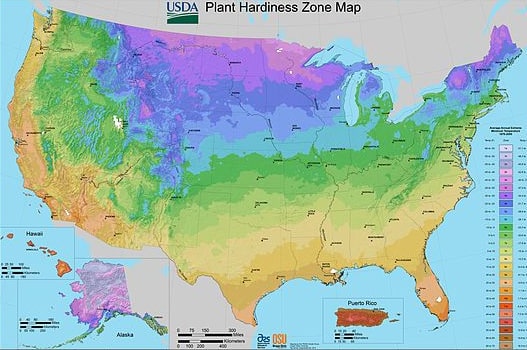
Monotropa: USDA Plant Hardiness Zone

thermostat
10a
thermostat
10b
thermostat
11a
thermostat
11b
thermostat
4a
thermostat
5a
thermostat
6a
thermostat
7a
thermostat
8a
thermostat
9a
thermostat
9b

Monotropa: Soil Texture

Clay
High Organic Matter
Loam (Silt)
Sand
Shallow Rocky

Monotropa Stem

Monotropa: Stem Color

grass
White

Monotropa: Stem Is Aromatic

No
Yes

Monotropa Landscape

Monotropa: Resistance To Challenges

Black Walnut
Compaction
Deer
Diseases
Drought
Dry Soil
Erosion
Fire
Foot Traffic
Heat
Heavy Shade
Humidity
Insect Pests
Pollution
Poor Soil
Rabbits
Salt
Slugs
Squirrels
Storm damage
Urban Conditions
Voles
Wet Soil
Wind

Monotropa: Landscape Location

Coastal
Container
Hanging Baskets
Houseplants
Lawn
Meadow
Naturalized Area
Near Septic
Patio
Pond
Pool/Hardscape
Recreational Play Area
Riparian
Rock Wall
Slope/Bank
Small Space
Vertical Spaces
Walkways
Woodland