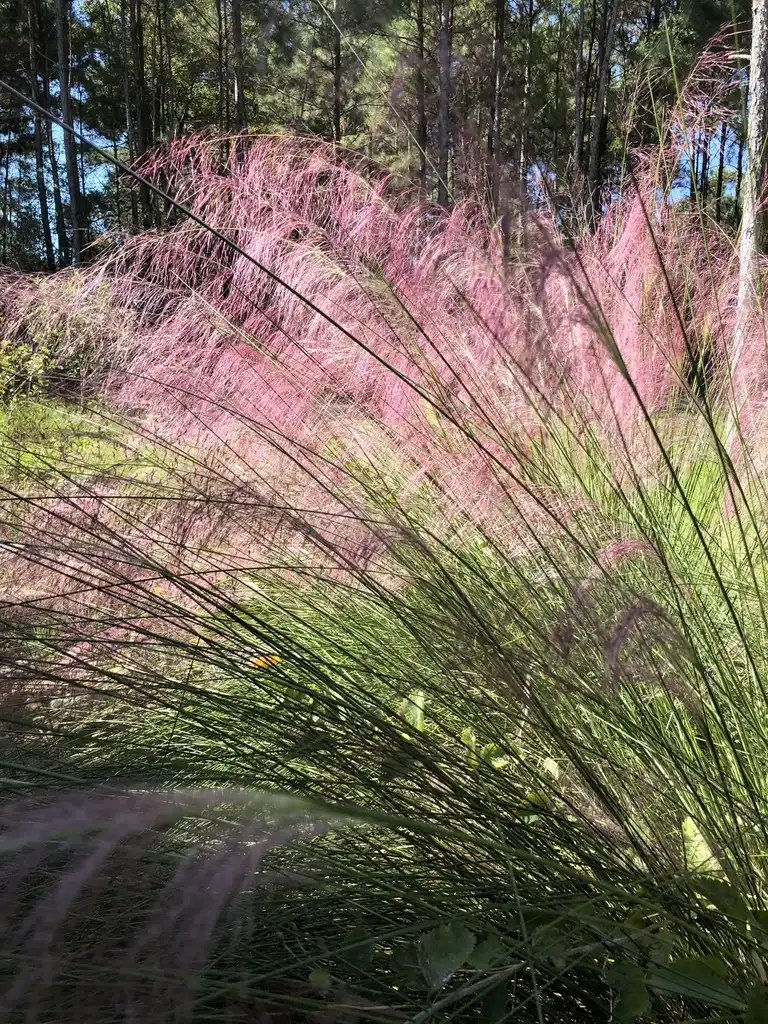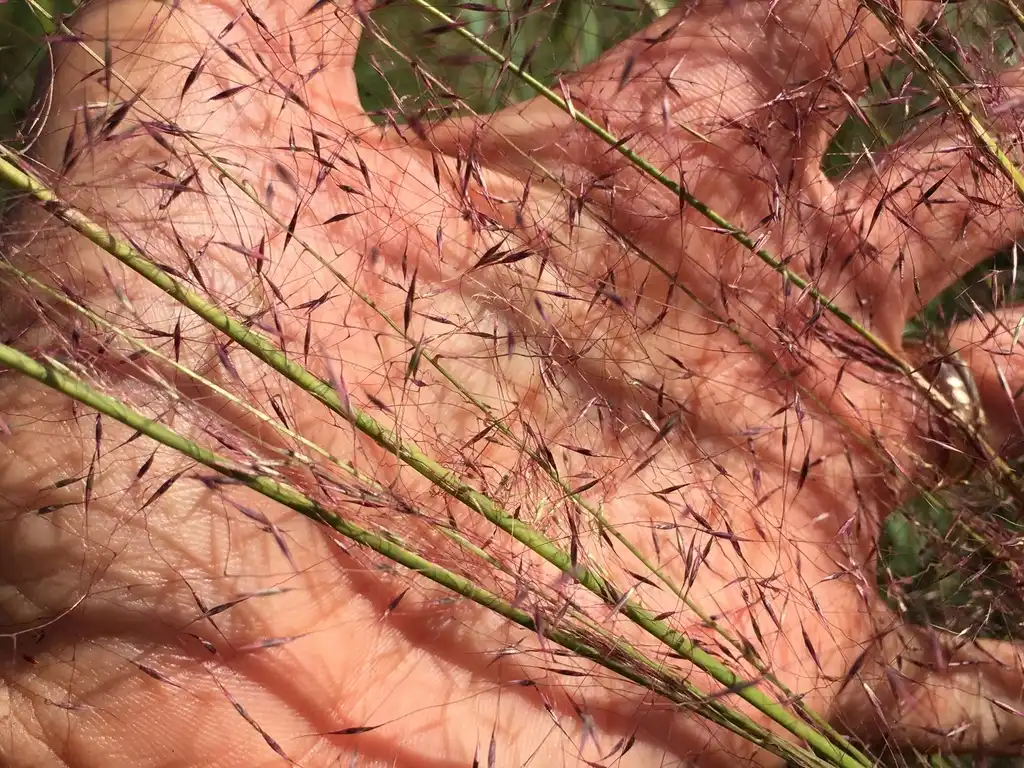
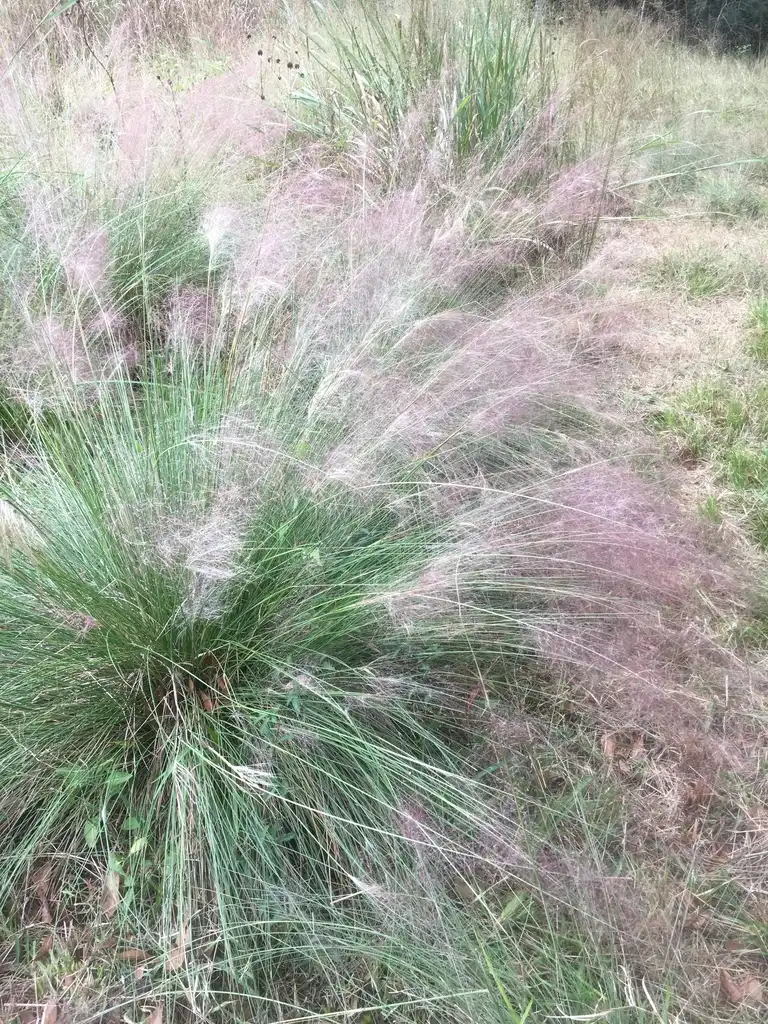
• Photo of Muhlenbergia sericea (Muhlenbergia sericeas)

Plant Profile: Muhlenbergia sericea

Taxonomy: Muhlenbergia sericea

Names

Dune Hairgrass, Gulf Hairawn Muhle, Gulf Muhly Grass, Purple Muhly, Sweetgrass, Sweet Grass

  • Photo of Muhlenbergia sericea (Muhlenbergia sericeas)

Phonetic Spelling:mew-len-BERG-gee-uh ser-ee-KEE-uh

Genus:Muhlenbergia

Species:sericea

Family:Poaceae

Sweet Grass, known for its appealing purple to green leaves, is a native ornamental grass. It thrives in low-maintenance landscape settings and is commonly sold in the southeastern United States under the name purple muhly. This species plays a vital role in coastal ecosystems, as its root system helps stabilize the soil.

**Habitat:** Var. cubense: Found in both wet and dry sandy pinelands, as well as in fresh and brackish marshes and along shorelines.

Muhlenbergia sericea Feature Summary

Muhlenbergia sericea Image Gallery

Tags

#slopes
#NC native
#native ornamental grass
#food source fall
#Coastal OBL
#food source herbage
#Piedmont Mountains FAC
#bird friendly
#food source hard mast fruit
#mammals
#butterfly larvae
#audubon

Similar Plants

Muhlenbergia sericea is often confused with:

Muhlenbergia sericea Feature Summary

Attributes
Used in coiled basketry
Southeastern U.S.A.
This plant attracts birds, butterflies, and mammals. It provides cover, nesting sites, and travel corridors for song birds, waterfowl, and small mammals.
Perennial
Fruit
Pinkish maturing to brown fruit displays from October to December.
Caryopsis
Brown/Copper
Pink
Flowers
The elongated panicles are 7- to 24- inches long and diffuse or open, with fine branches. Spikelets are 3- to 5-mm long and purplish in color. October to November.
Pink
Purple/Lavender
Leaves
Leaf-blades are 13- to 39-inches long and 1/2- to 1 inch wide, usually involute (rolled inwards), dark green in color, and smooth on the upper surface and rough on the lower.
> 6 inches
< 1 inch
Whole Plant Traits
Native Plant
Ornamental Grasses and Sedges
Cultural Conditions
Full sun (6 or more hours of direct sunlight a day)
Partial Shade (Direct sunlight only part of the day, 2-6 hours)
Moist
Occasionally Wet
Coastal
Landscape
Butterfly Garden
Native Garden
Naturalized Area
Slope/Bank
Coastal
Butterflies
Songbirds
Small Mammals

Muhlenbergia sericea Attributes

Muhlenbergia sericea: Uses (Ethnobotany)

Used in coiled basketry
Muhlenbergia sericea: Country Or Region Of Origin

Southeastern U.S.A.

Muhlenbergia sericea: Wildlife Value

This plant attracts birds, butterflies, and mammals. It provides cover, nesting sites, and travel corridors for song birds, waterfowl, and small mammals.

Muhlenbergia sericea: Life Cycle

Annual
Biennial
Bulb
Perennial
Woody

Muhlenbergia sericea Fruit

Muhlenbergia sericea: Fruit Description

Pinkish maturing to brown fruit displays from October to December.

Muhlenbergia sericea: Fruit Type

Achene
Aggregate
Berry
Capsule
Caryopsis
Drupe
Follicle
Legume
Nut
Pome
Samara
Schizocarp
Siliqua

Muhlenbergia sericea: Fruit Color

grass
Brown/Copper
grass
Pink

Muhlenbergia sericea: Display/Harvest Time

Fall
Spring
Summer
Winter

Muhlenbergia sericea Flowers

Muhlenbergia sericea: Flower Description

The elongated panicles are 7- to 24- inches long and diffuse or open, with fine branches. Spikelets are 3- to 5-mm long and purplish in color. October to November.

Muhlenbergia sericea: Flower Color

filter_vintage
Pink
filter_vintage
Purple/Lavender

Muhlenbergia sericea: Flower Inflorescence

Catkin
Corymb
Cyme
Head
Insignificant
Panicle
Raceme
Solitary
Spadix
Spike
Umbel

Muhlenbergia sericea: Flower Bloom Time

Winter
Spring
Summer
Fall

Muhlenbergia sericea Leaves

Muhlenbergia sericea: Leaf Description

Leaf-blades are 13- to 39-inches long and 1/2- to 1 inch wide, usually involute (rolled inwards), dark green in color, and smooth on the upper surface and rough on the lower.

Muhlenbergia sericea: Leaf Color

spa
Green

Muhlenbergia sericea: Leaf Shape

Acicular
Auriculate
Cordate
Cuneate
Deltoid
Elliptical
Filiform
Lanceolate
Linear
Oblanceolate
Oblong
Obovate
Obtuse
Orbicular
Ovate
Palmasect
Palmatifid
Peltate
Pinnatifid
Pinnatisect
Reniform
Rhomboidal
Spatulate
Subcordate
Subulate

Muhlenbergia sericea: Leaf Margin

Crenate
Crenulate
Dentate
Denticulate
Doubly Crenate
Doubly Dentate
Doubly Serrate
Entire
Lobed
Serrate
Sinuate
Undulate

Muhlenbergia sericea: Hairs Present

No
Yes

Muhlenbergia sericea: Leaf Length

< 1 inch
1-3 inches
3-6 inches
> 6 inches

Muhlenbergia sericea: Leaf Width

< 1 inch
1-3 inches
3-6 inches
> 6 inches

Muhlenbergia sericea Whole Plant Traits

Muhlenbergia sericea: Plant Type

Annual
Bulb
Carnivorous
Edible
Epiphyte
Fern
Ground Cover
Herb
Herbaceous Perennial
Houseplant
Mushroom
Native Plant
Ornamental Grasses and Sedges
Perennial
Poisonous
Rose
Shrub
Succulent
Tree
Turfgrass
Vegetable
Vine
Water Plant
Weed
Wildflower

Muhlenbergia sericea Cultural Conditions

Muhlenbergia sericea: Light

Dappled Sunlight (Shade through upper canopy all day)
Deep shade (Less than 2 hours to no direct sunlight)
Full sun (6 or more hours of direct sunlight a day)
Partial Shade (Direct sunlight only part of the day, 2-6 hours)

Muhlenbergia sericea: Soil Drainage

Frequent Standing Water
Good Drainage
Moist
Occasional Flooding
Occasionally Dry
Occasionally Wet
Very Dry

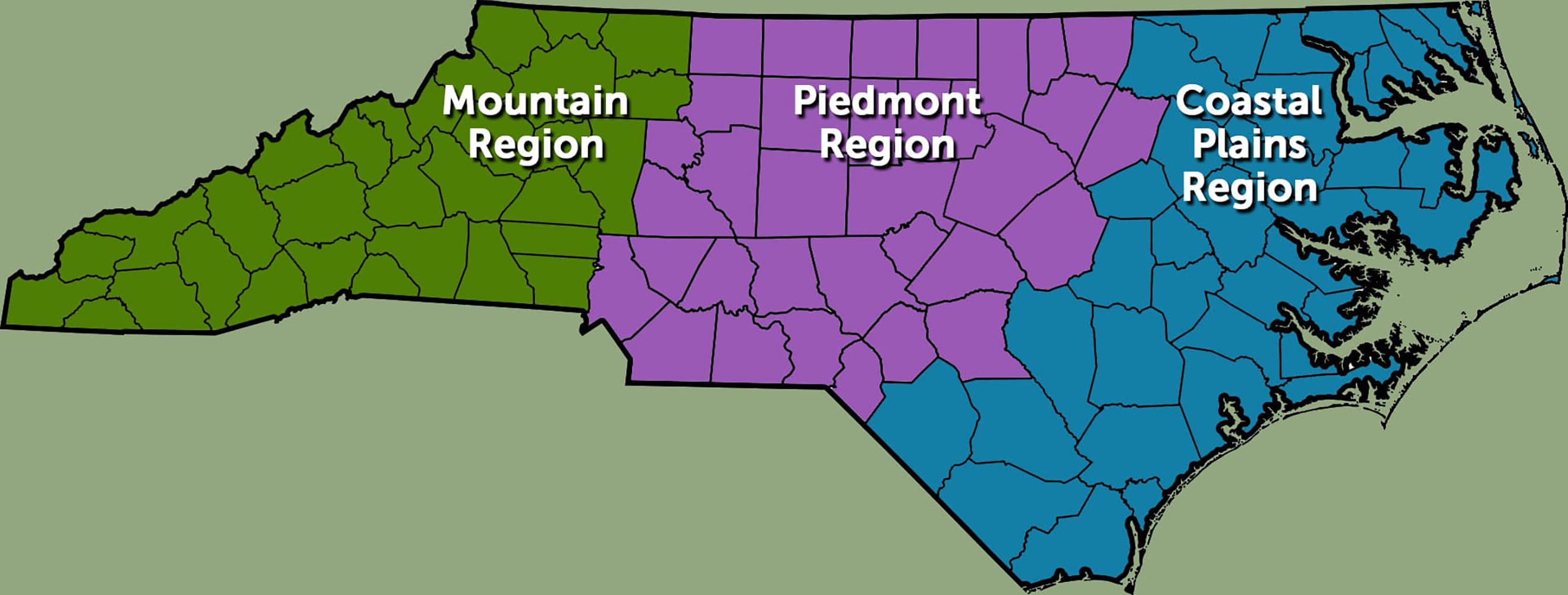
Muhlenbergia sericea: NC Region

Coastal
Mountains
Piedmont

Muhlenbergia sericea Stem

Muhlenbergia sericea: Stem Is Aromatic

No
Yes

Muhlenbergia sericea Landscape

Muhlenbergia sericea: Landscape Theme

Asian Garden
Butterfly Garden
Children's Garden
Cottage Garden
Cutting Garden
Drought Tolerant Garden
Edible Garden
English Garden
Fairy Garden
Garden for the Blind
Native Garden
Nighttime Garden
Pollinator Garden
Rain Garden
Rock Garden
Shade Garden
Water Garden
Winter Garden

Muhlenbergia sericea: Landscape Location

Coastal
Container
Hanging Baskets
Houseplants
Lawn
Meadow
Naturalized Area
Near Septic
Patio
Pond
Pool/Hardscape
Recreational Play Area
Riparian
Rock Wall
Slope/Bank
Small Space
Vertical Spaces
Walkways
Woodland

Muhlenbergia sericea: Attracts

Bats
Bees
Butterflies
Frogs
Hummingbirds
Moths
Pollinators
Predatory Insects
Reptiles
Small Mammals
Songbirds
Specialized Bees