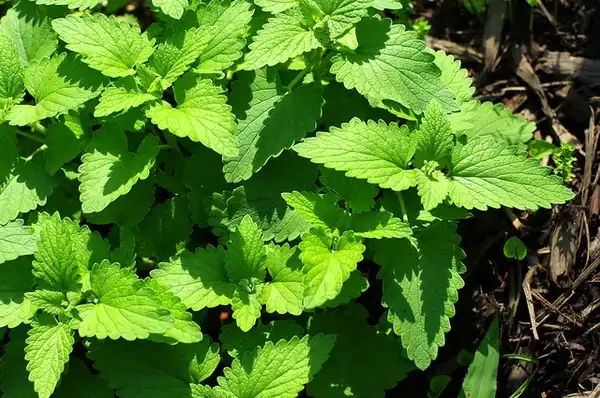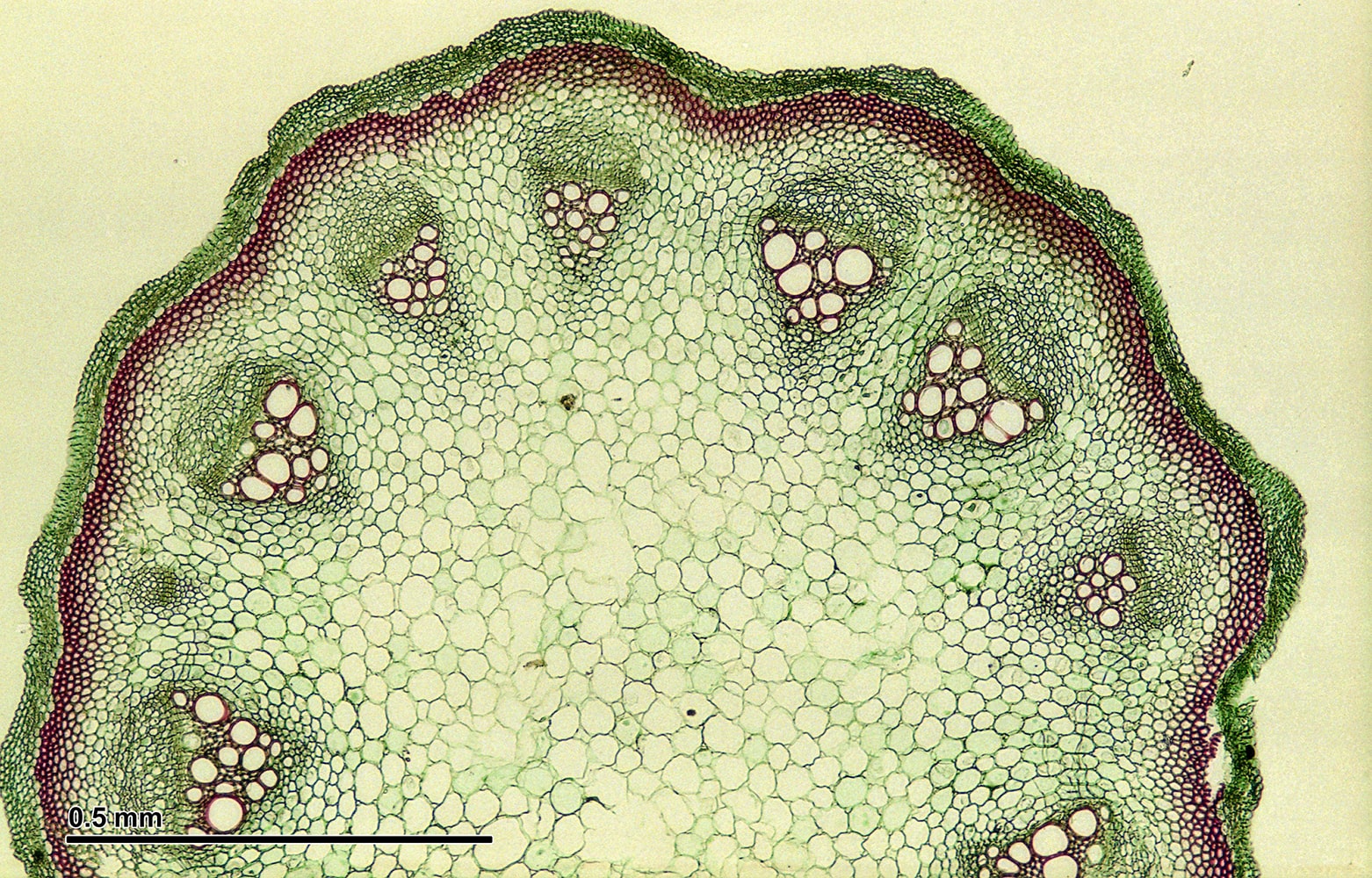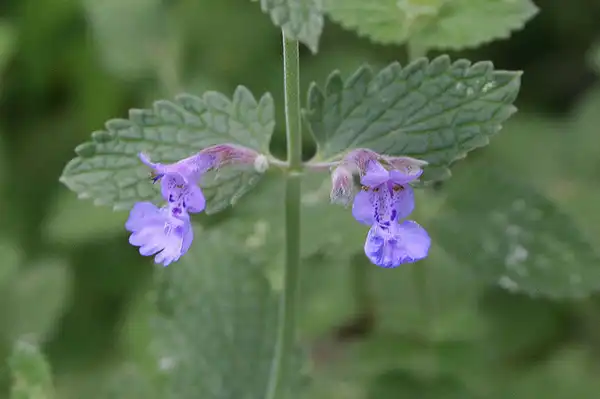
• Photo of Nepeta cataria (Nepeta catarias)

Plant Profile: Nepeta cataria

Taxonomy: Nepeta cataria

Names

Catmint, Catnip, Catswort

  • Photo of Nepeta cataria (Nepeta catarias)

Phonetic Spelling:NEP-eh-tuh kat-AR-ee-uh

Genus:Nepeta

Species:cataria

Family:Lamiaceae

This enduring herb is versatile and particularly favored by felines. It tends to struggle with the intense heat and humidity found in the Deep South, thriving better with some afternoon shade. To encourage ongoing flowering, trim the flower spikes after the first bloom. It can become invasive, so it's advisable to cultivate it in containers.

For additional details on Nepeta, please refer to the provided resources.

Nepeta cataria Feature Summary

Nepeta cataria Image Gallery

Tags

#full sun tolerant
#edible plant
#perennial
#weedy
#aromatic
#herb garden
#pollinator plant
#partial shade tolerant
#problem for cats

Similar Plants

Nepeta cataria Feature Summary

Attributes
Naturalized throughout
Cats love it. The nectar of the flowers attracts long-tongued bees primarily, including honeybees, bumblebees, cuckoo bees (Epeolus spp., Triepeolus spp.), long-horned bees (Melissodes spp.), and leaf-cutting bees (Megachile spp.). Other visitors that occasionally visit the flowers include Halictid bees, wasps, flies, butterflies, and skippers. The foliage is one of the food sources for the caterpillars of such moths as Sphinx eremitus (Hermit Sphinx) and the polyphagous Xanthotype urticaria (False Crocus Geometer)
Leaves for herbal teas. As a culinary herb, fresh leaves (minty flavor) may be chopped and added to soups, stews, sauces, vegetables, or pasta.
Perennial
Flowers
The upper stems terminate in dense whorls of flowers on spike-like racemes about 1-6" long. The flowers are small, two-lipped, white with pale purple spotting tubular flowers.
Purple/Lavender
White
Spring
Summer
< 1 inch
Leaves
Aromatic, coarsely-toothed, triangular to ovate, grey-green leaves (to 3" long). Leaves are downy which gives it a grey-green appearance.
Green
Gray/Silver
Ovate
Cordate
3-6 inches
1-3 inches
Poisonous to Humans
Many cats love catnip, but it can cause vomiting and diarrhea. It makes some cats sedated and others stimulated.
Whole Plant Traits
Cultural Conditions
Full sun (6 or more hours of direct sunlight a day)
Partial Shade (Direct sunlight only part of the day, 2-6 hours)
Good Drainage
Coastal
Mountains
Piedmont
4a
4b
5b
5a
6a
6b
7a
7b
8b
8a
3a
3b
9a
9b
Clay
Loam (Silt)
Sand
Landscape
Problem for Cats
Weedy

Nepeta cataria Attributes

Nepeta cataria: Country Or Region Of Origin

Europe and Asia
Nepeta cataria: Distribution

Naturalized throughout

Nepeta cataria: Wildlife Value

Cats love it. The nectar of the flowers attracts long-tongued bees primarily, including honeybees, bumblebees, cuckoo bees (Epeolus spp., Triepeolus spp.), long-horned bees (Melissodes spp.), and leaf-cutting bees (Megachile spp.). Other visitors that occasionally visit the flowers include Halictid bees, wasps, flies, butterflies, and skippers. The foliage is one of the food sources for the caterpillars of such moths as Sphinx eremitus (Hermit Sphinx) and the polyphagous Xanthotype urticaria (False Crocus Geometer)

Nepeta cataria: Edibility

Leaves for herbal teas. As a culinary herb, fresh leaves (minty flavor) may be chopped and added to soups, stews, sauces, vegetables, or pasta.

Nepeta cataria: Life Cycle

Annual
Biennial
Bulb
Perennial
Woody

Nepeta cataria: Recommended Propagation Strategy

Division
Grafting
Layering
Leaf Cutting
Root Cutting
Seed
Stem Cutting

Nepeta cataria Flowers

Nepeta cataria: Flower Description

The upper stems terminate in dense whorls of flowers on spike-like racemes about 1-6" long. The flowers are small, two-lipped, white with pale purple spotting tubular flowers.

Nepeta cataria: Flower Color

filter_vintage
Purple/Lavender
filter_vintage
White

Nepeta cataria: Flower Inflorescence

Catkin
Corymb
Cyme
Head
Insignificant
Panicle
Raceme
Solitary

Spadix
Spike
Umbel

Nepeta cataria: Flower Value To Gardener

Edible
Fragrant
Good Cut
Good Dried
Long Bloom Season
Long-lasting
Showy

Nepeta cataria: Flower Bloom Time

Winter
Spring
Summer
Fall

Nepeta cataria: Flower Shape

Bell
Cross
Crown
Cup
Dome
Funnel
Irregular
Lipped
Radial
Saucer
Star
Trumpet
Tubular
Urn
Wheel

Nepeta cataria: Flower Size

1-3 inches
3-6 inches
< 1 inch
> 6 inches

Nepeta cataria Leaves

Nepeta cataria: Leaf Description

Aromatic, coarsely-toothed, triangular to ovate, grey-green leaves (to 3" long). Leaves are downy which gives it a grey-green appearance.

Nepeta cataria: Woody Plant Leaf Characteristics

Broadleaf Evergreen
Deciduous
Needled Evergreen
Semi-evergreen

Nepeta cataria: Leaf Color

spa
Gray/Silver
spa
Green

Nepeta cataria: Leaf Type

Compound (Pinnately , Bipinnately, Palmately)
Fronds
Needles
Sheath
Simple

Nepeta cataria: Leaf Arrangement

Alternate
Opposite
Other/more complex
Rosulate
Whorled

Nepeta cataria: Leaf Shape

Acicular
Auriculate
Cordate
Cuneate
Deltoid
Elliptical
Filiform
Lanceolate
Linear
Oblanceolate
Oblong
Obovate
Obtuse
Orbicular
Ovate
Palmasect
Palmatifid
Peltate
Pinnatifid
Pinnatisect
Reniform
Rhomboidal
Spatulate
Subcordate
Subulate

Nepeta cataria: Leaf Margin

Crenate
Crenulate
Dentate
Denticulate
Doubly Crenate
Doubly Dentate
Doubly Serrate
Entire
Lobed
Serrate
Sinuate
Undulate

Nepeta cataria: Hairs Present

No
Yes

Nepeta cataria: Leaf Length

< 1 inch
1-3 inches
3-6 inches
> 6 inches

Nepeta cataria: Leaf Feel

Fleshy
Glossy
Leathery
Papery
Prickly
Rough
Rubbery
Slippery
Smooth
Soft
Velvety
Waxy

Nepeta cataria: Leaf Value To Gardener

Edible
Fragrant
Good Cut
Good Dried
Long-lasting
Showy

Nepeta cataria: Leaf Width

< 1 inch
1-3 inches
3-6 inches
> 6 inches

Nepeta cataria Poisonous to Humans

Nepeta cataria: Poison Symptoms

Many cats love catnip, but it can cause vomiting and diarrhea. It makes some cats sedated and others stimulated.

Nepeta cataria: Poison Toxic Principle

Nepetalactone

Nepeta cataria: Poison Severity

High
Low
Medium

Nepeta cataria: Causes Contact Dermatitis

No
Yes

Nepeta cataria Whole Plant Traits

Nepeta cataria: Plant Type

Annual
Bulb
Carnivorous
Edible
Epiphyte
Fern
Ground Cover
Herb
Herbaceous Perennial
Houseplant
Mushroom
Native Plant
Ornamental Grasses and Sedges
Perennial
Poisonous
Rose
Shrub
Succulent
Tree
Turfgrass
Vegetable
Vine
Water Plant
Weed
Wildflower

Nepeta cataria: Woody Plant Leaf Characteristics

Broadleaf Evergreen
Deciduous
Needled Evergreen
Semi-evergreen

Nepeta cataria: Habit/Form

Arching
Ascending
Broad
Cascading
Climbing
Clumping
Columnar
Conical
Creeping
Dense
Erect
Horizontal
Irregular
Mounding
Multi-stemmed
Multi-trunked
Open
Oval
Prostrate
Pyramidal
Rounded
Spreading
Vase
Weeping

Nepeta cataria: Growth Rate

Slow
Medium
Rapid

Nepeta cataria: Maintenance

Low
Medium
High

Nepeta cataria: Texture

Fine
Medium
Coarse

Nepeta cataria Cultural Conditions

Nepeta cataria: Light

Dappled Sunlight (Shade through upper canopy all day)
Deep shade (Less than 2 hours to no direct sunlight)
Full sun (6 or more hours of direct sunlight a day)
Partial Shade (Direct sunlight only part of the day, 2-6 hours)

Nepeta cataria: Soil Drainage

Frequent Standing Water
Good Drainage
Moist
Occasional Flooding
Occasionally Dry
Occasionally Wet
Very Dry

Nepeta cataria: Available Space To Plant

12 inches-3 feet
12-24 feet
24-60 feet
3 feet-6 feet
6-feet-12 feet
Less than 12 inches
more than 60 feet

Nepeta cataria: NC Region

Coastal
Mountains
Piedmont

Nepeta cataria: USDA Plant Hardiness Zone

thermostat
3a
thermostat
3b
thermostat
4a
thermostat
4b
thermostat
5a
thermostat
5b
thermostat
6a
thermostat
6b
thermostat
7a
thermostat
7b
thermostat
8a
thermostat
8b
thermostat
9a
thermostat
9b

Nepeta cataria: Soil Texture

Clay
High Organic Matter
Loam (Silt)
Sand
Shallow Rocky

Nepeta cataria Stem

Nepeta cataria: Stem Is Aromatic

No
Yes

Nepeta cataria: Stem Cross Section

Angular
Oval
Round
Square

Nepeta cataria Landscape

Nepeta cataria: Problems

Allelopathic
Contact Dermatitis
Frequent Disease Problems
Frequent Insect Problems
Invasive Species
Malodorous
Messy
Poisonous to Humans
Problem for Cats
Problem for Children
Problem for Dogs
Problem for Horses
Short-lived
Spines/Thorns
Weak Wood
Weedy