Plant Profile: Ocimum kilimandscharicum x basilicum

Names

African Blue Basil

  • Photo of Ocimum kilimandscharicum x basilicum (Ocimum kilimandscharicum x basilicums)

Phonetic Spelling:

Genus:Ocimum

Species:

Family:Lamiaceae

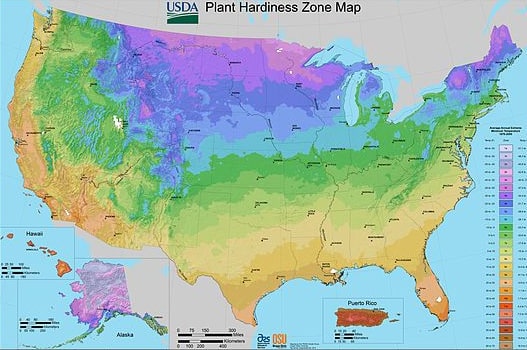
African Blue Basil is a unique hybrid herb that is both edible and sterile, featuring striking foliage and attractive blooms. Unlike other basil varieties, it does not produce seeds, which means there’s no need to pinch back its flowers to encourage growth. This herb thrives as a perennial in USDA hardiness zones 10 and above, while in cooler zones, it is treated as an annual due to its sensitivity to frost. For optimal growth, it should be planted in full sunlight within moist, well-drained soil. Once established, it can handle drier conditions, although it is not drought-resistant. In hotter climates, some afternoon shade can be beneficial. Compared to other basil types, African Blue Basil exhibits greater heat tolerance. The plant typically grows upright but may develop a rounded shape over time. As it matures, its stems can become woody and heavy, occasionally causing them to droop. Regular pruning of excess branches will stimulate new growth from the older stems.

This herb is particularly well-suited for indoor cultivation, outperforming many other herbs in such environments. It can be incorporated into culinary herb gardens, sensory gardens, or grown in containers.

Ocimum kilimandscharicum x basilicum Feature Summary

Ocimum kilimandscharicum x basilicum Image Gallery

Tags

#vigorous
#heat tolerant
#wildlife plant
#fragrant leaves
#interesting leaves
#fast growing
#culinary herb
#hairy leaves
#pollinator plant
#sensory garden
#nectar plant early summer
#nectar plant mid-summer
#nectar plant early fall
#bee friendly
#stormwater demo garden orange co
#container plants

Similar Plants

Ocimum kilimandscharicum x basilicum Feature Summary

Attributes
Flowers are attractive to bees.
It has a stronger flavor than other basils. The leaves and flowers eaten fresh or pureed with olive oil and dried in ice cube trays. Use in salads, pasta, drinks, or for garnishes. This herb does not dry well.
Perennial
Annual
Flowers
Clulusters of tubular flowers. Caylx is dark purple with pink flowers. Flowering stems are longer than other basil plants and they bloom until frost.
Pink
Purple/Lavender
Leaves
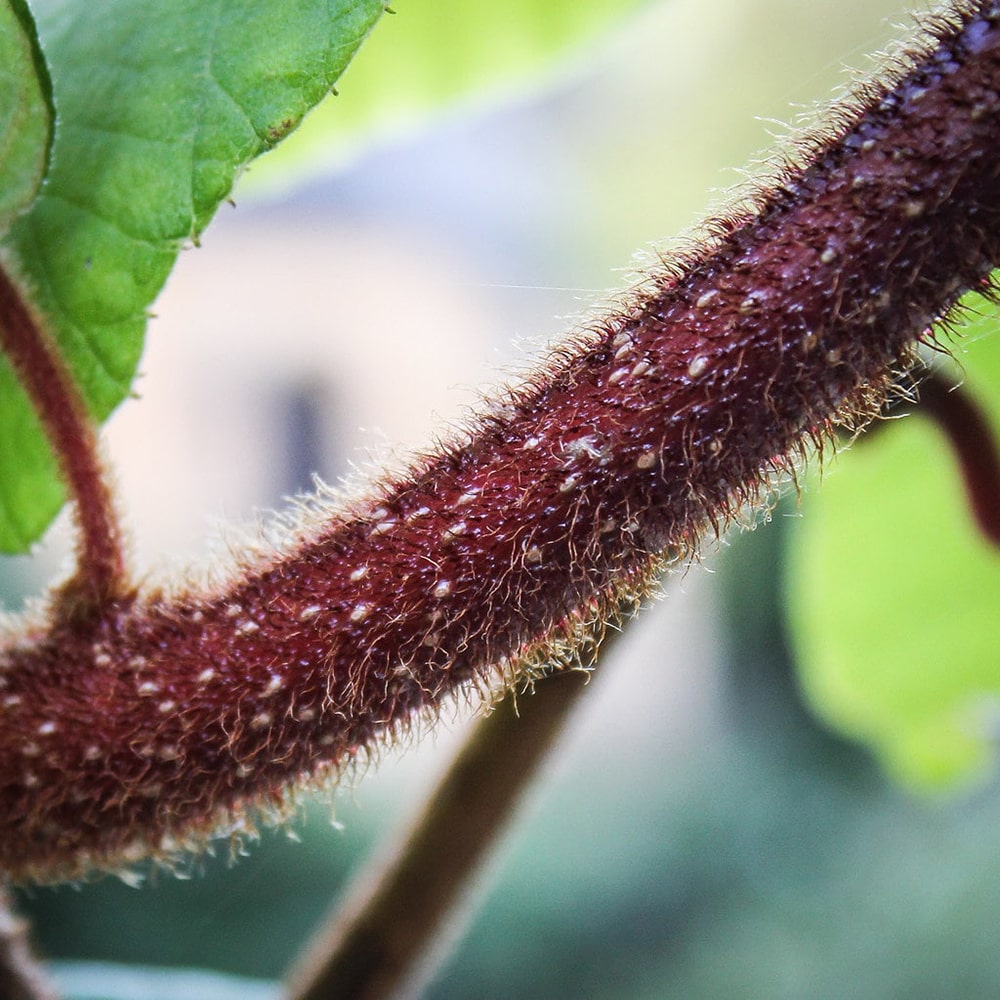
Green and purple leaves are simple, opposite, ovate with pointed tips. They are hairy and smell of camphor.
Green
Purple/Lavender
Whole Plant Traits
Perennial
Annual
Edible
Herbaceous Perennial
Herb
Cultural Conditions
Full sun (6 or more hours of direct sunlight a day)
Partial Shade (Direct sunlight only part of the day, 2-6 hours)
Acid (<6.0)
Neutral (6.0-8.0)
Good Drainage
Moist
Occasionally Dry
12 inches-3 feet
Less than 12 inches
Loam (Silt)
Landscape
Edible Garden
Pollinator Garden
Rain Garden
Garden for the Blind
Container
Houseplants
Pollinators
Bees

Ocimum kilimandscharicum x basilicum Attributes

Ocimum kilimandscharicum x basilicum: Wildlife Value

Flowers are attractive to bees.

Ocimum kilimandscharicum x basilicum: Edibility

It has a stronger flavor than other basils. The leaves and flowers eaten fresh or pureed with olive oil and dried in ice cube trays. Use in salads, pasta, drinks, or for garnishes. This herb does not dry well.

Ocimum kilimandscharicum x basilicum: Life Cycle

Annual
Biennial
Bulb
Perennial
Woody

Ocimum kilimandscharicum x basilicum Flowers

Ocimum kilimandscharicum x basilicum: Flower Description

Clulusters of tubular flowers. Caylx is dark purple with pink flowers. Flowering stems are longer than other basil plants and they bloom until frost.

Ocimum kilimandscharicum x basilicum: Flower Color

filter_vintage
Pink
filter_vintage
Purple/Lavender

Ocimum kilimandscharicum x basilicum: Flower Bloom Time

Winter
Spring
Summer
Fall

Ocimum kilimandscharicum x basilicum: Flower Shape

Bell
Cross
Crown
Cup
Dome
Funnel
Irregular
Lipped
Radial
Saucer
Star
Trumpet
Tubular
Urn
Wheel

Ocimum kilimandscharicum x basilicum Leaves

Ocimum kilimandscharicum x basilicum: Leaf Description

Green and purple leaves are simple, opposite, ovate with pointed tips. They are hairy and smell of camphor.

Ocimum kilimandscharicum x basilicum: Leaf Color

spa
Green
spa
Purple/Lavender

Ocimum kilimandscharicum x basilicum: Leaf Type

Compound (Pinnately , Bipinnately, Palmately)
Fronds
Needles
Sheath
Simple

Ocimum kilimandscharicum x basilicum: Leaf Arrangement

Alternate
Opposite
Other/more complex
Rosulate
Whorled

Ocimum kilimandscharicum x basilicum: Leaf Shape

Acicular
Auriculate
Cordate
Cuneate
Deltoid
Elliptical
Filiform
Lanceolate
Linear
Oblanceolate
Oblong
Obovate
Obtuse
Orbicular
Ovate
Palmasect
Palmatifid
Peltate
Pinnatifid
Pinnatisect
Reniform
Rhomboidal
Spatulate
Subcordate
Subulate

Ocimum kilimandscharicum x basilicum: Leaf Margin

Crenate
Crenulate
Dentate
Denticulate
Doubly Crenate
Doubly Dentate
Doubly Serrate
Entire
Lobed
Serrate
Sinuate
Undulate

Ocimum kilimandscharicum x basilicum: Hairs Present

No
Yes

Ocimum kilimandscharicum x basilicum: Leaf Value To Gardener

Edible
Fragrant
Good Cut
Good Dried
Long-lasting
Showy

Ocimum kilimandscharicum x basilicum Whole Plant Traits

Ocimum kilimandscharicum x basilicum: Plant Type

Annual
Bulb
Carnivorous
Edible
Epiphyte
Fern
Ground Cover
Herb
Herbaceous Perennial
Houseplant
Mushroom
Native Plant
Ornamental Grasses and Sedges
Perennial
Poisonous
Rose
Shrub
Succulent
Tree
Turfgrass
Vegetable
Vine
Water Plant
Weed
Wildflower

Ocimum kilimandscharicum x basilicum: Habit/Form

Arching
Ascending
Broad
Cascading
Climbing
Clumping
Columnar
Conical
Creeping
Dense
Erect
Horizontal
Irregular
Mounding
Multi-stemmed
Multi-trunked
Open
Oval
Prostrate
Pyramidal
Rounded
Spreading
Vase
Weeping

Ocimum kilimandscharicum x basilicum: Growth Rate

Slow
Medium
Rapid

Ocimum kilimandscharicum x basilicum Cultural Conditions

Ocimum kilimandscharicum x basilicum: Light

Dappled Sunlight (Shade through upper canopy all day)
Deep shade (Less than 2 hours to no direct sunlight)
Full sun (6 or more hours of direct sunlight a day)
Partial Shade (Direct sunlight only part of the day, 2-6 hours)

Ocimum kilimandscharicum x basilicum: Soil pH

Acid (<6.0)
Alkaline (>8.0)
Neutral (6.0-8.0)

Ocimum kilimandscharicum x basilicum: Soil Drainage

Frequent Standing Water
Good Drainage
Moist
Occasional Flooding
Occasionally Dry
Occasionally Wet
Very Dry

Ocimum kilimandscharicum x basilicum: Available Space To Plant

12 inches-3 feet
12-24 feet
24-60 feet
3 feet-6 feet
6-feet-12 feet
Less than 12 inches
more than 60 feet

Ocimum kilimandscharicum x basilicum: USDA Plant Hardiness Zone

thermostat
10a
thermostat
10b
thermostat
11a
thermostat
11b

Ocimum kilimandscharicum x basilicum: Soil Texture

Clay
High Organic Matter
Loam (Silt)
Sand
Shallow Rocky

Ocimum kilimandscharicum x basilicum Stem

Ocimum kilimandscharicum x basilicum: Stem Color

grass
Green

Ocimum kilimandscharicum x basilicum: Stem Is Aromatic

No
Yes

Ocimum kilimandscharicum x basilicum: Stem Cross Section

Angular
Oval
Round
Square

Ocimum kilimandscharicum x basilicum Landscape

Ocimum kilimandscharicum x basilicum: Landscape Theme

Asian Garden
Butterfly Garden
Children's Garden
Cottage Garden
Cutting Garden
Drought Tolerant Garden
Edible Garden
English Garden
Fairy Garden
Garden for the Blind
Native Garden
Nighttime Garden
Pollinator Garden
Rain Garden
Rock Garden
Shade Garden
Water Garden
Winter Garden

Ocimum kilimandscharicum x basilicum: Resistance To Challenges

Black Walnut
Compaction
Deer
Diseases
Drought
Dry Soil
Erosion
Fire
Foot Traffic
Heat
Heavy Shade
Humidity
Insect Pests
Pollution
Poor Soil
Rabbits
Salt
Slugs
Squirrels
Storm damage
Urban Conditions
Voles
Wet Soil
Wind

Ocimum kilimandscharicum x basilicum: Landscape Location

Coastal
Container
Hanging Baskets
Houseplants
Lawn
Meadow
Naturalized Area
Near Septic
Patio
Pond
Pool/Hardscape
Recreational Play Area
Riparian
Rock Wall
Slope/Bank
Small Space
Vertical Spaces
Walkways
Woodland

Ocimum kilimandscharicum x basilicum: Attracts

Bats
Bees
Butterflies
Frogs
Hummingbirds
Moths
Pollinators
Predatory Insects
Reptiles
Small Mammals
Songbirds
Specialized Bees