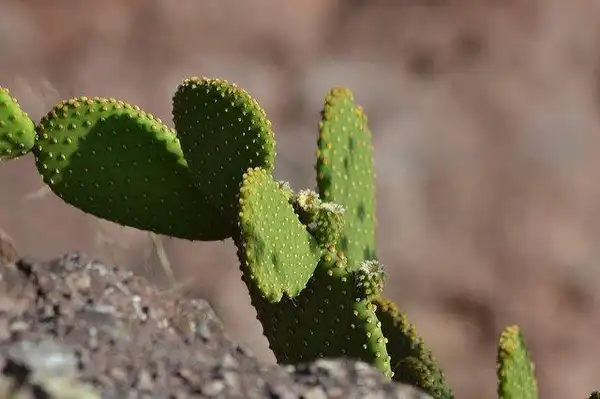
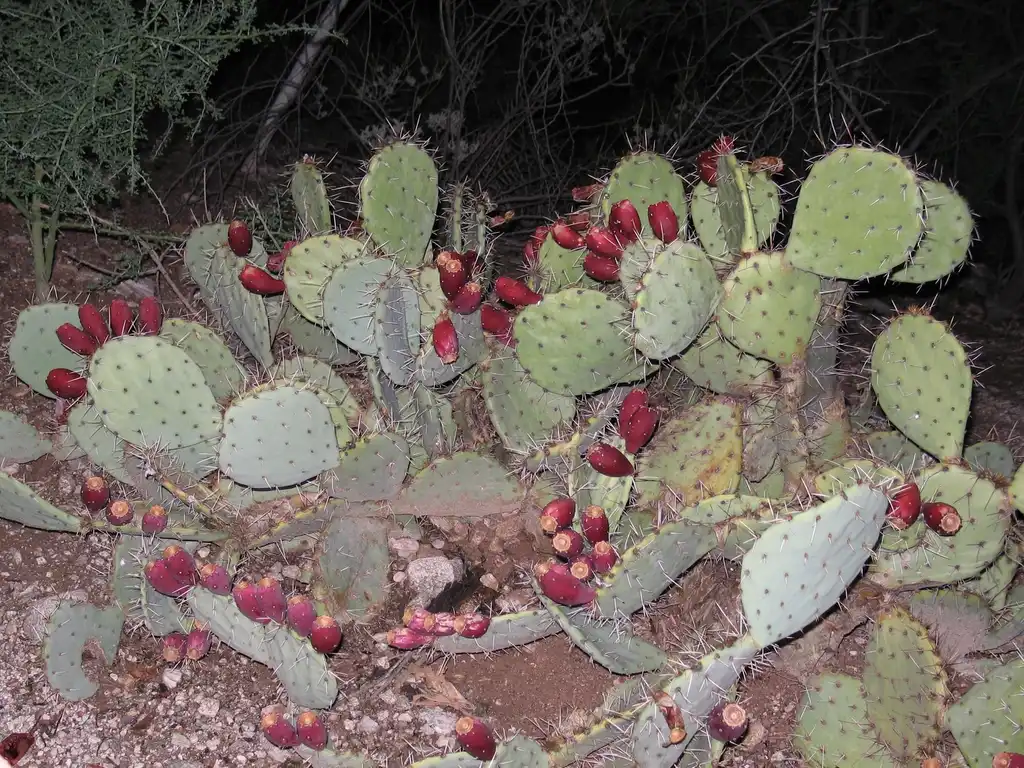
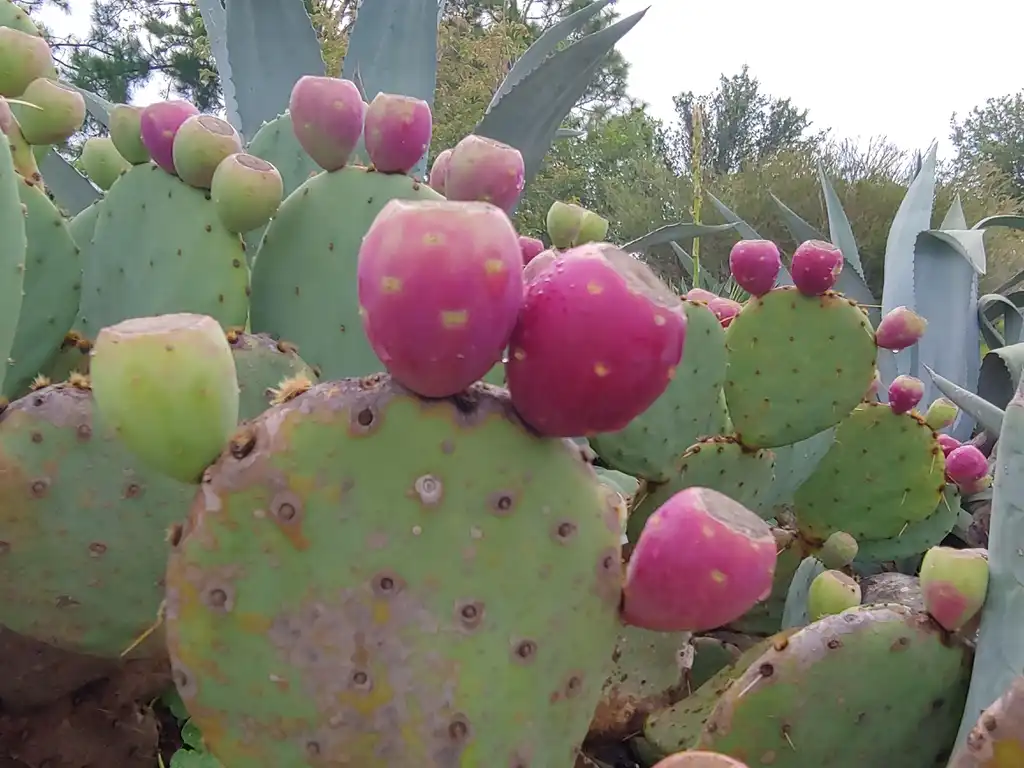
• Photo of Opuntia humifusa (Opuntia humifusas)

Plant Profile: Opuntia humifusa

Taxonomy: Opuntia humifusa

Names

Eastern Prickly Pear Cactus

  • Photo of Opuntia humifusa (Opuntia humifusas)

Phonetic Spelling:op-UN-shee-a hew-mih-FEW-suh

Genus:Opuntia

Species:humifus

Family:Cactaceae

The Eastern prickly pear belongs to the Cactaceae family, which encompasses cacti. This group, known as prickly pears, is one of the oldest within the cactus family, comprising around 150 species classified under the genus Opuntia. It boasts the widest distribution of any cactus species in the United States, thriving from New Mexico and Montana all the way to Florida and Massachusetts, with additional populations found in Ontario. Eastern prickly pear can either grow in extensive colonies or as solitary plants scattered across an area. In older botanical references, it is frequently identified as Opuntia compressa.

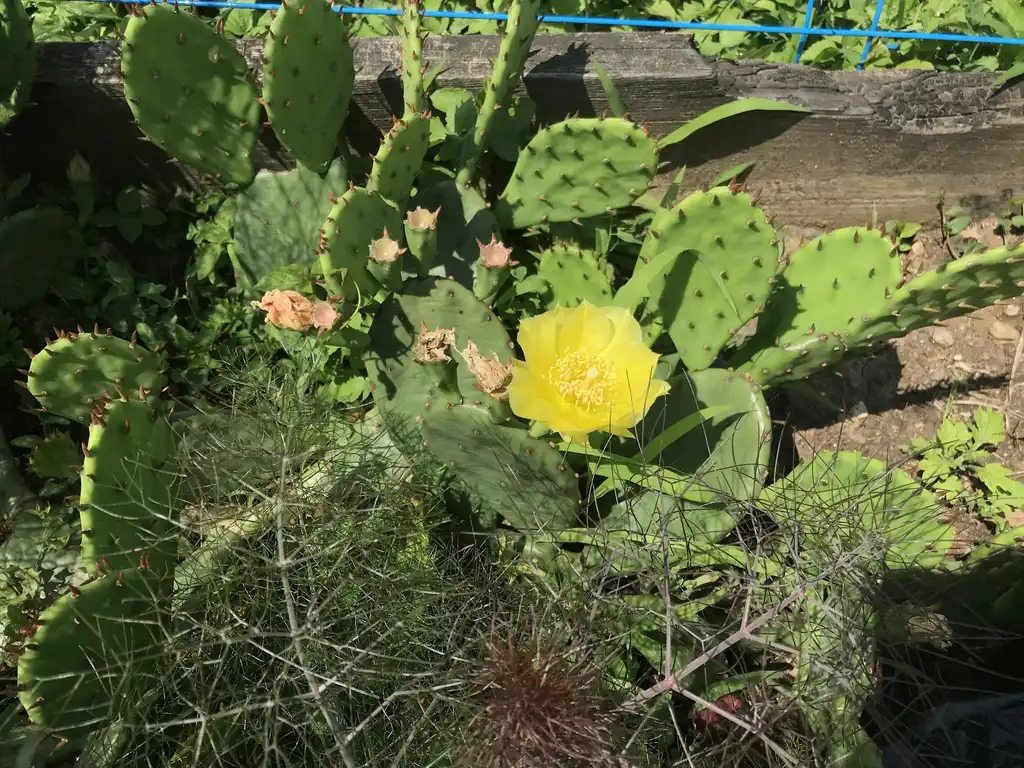
This species exemplifies the typical characteristics of cacti, featuring a photosynthetic stem that functions similarly to a leaf while also serving as a water reservoir. Thanks to unique antifreeze compounds present in its cells, it can endure the freezing temperatures experienced in northern and central states. The pads, which are the stems of the plant, typically measure between 2 to 7 inches in length and 1.5 to 5 inches in width, and they are arranged in a linear or branched pattern.

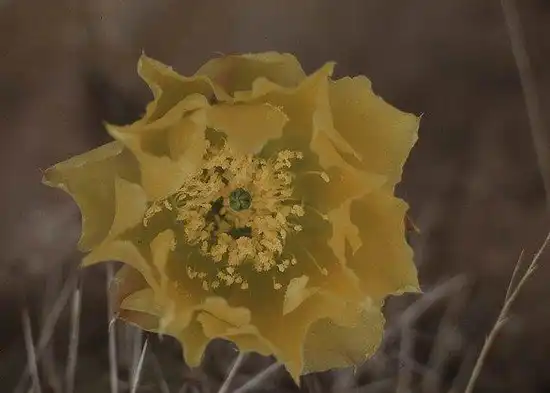
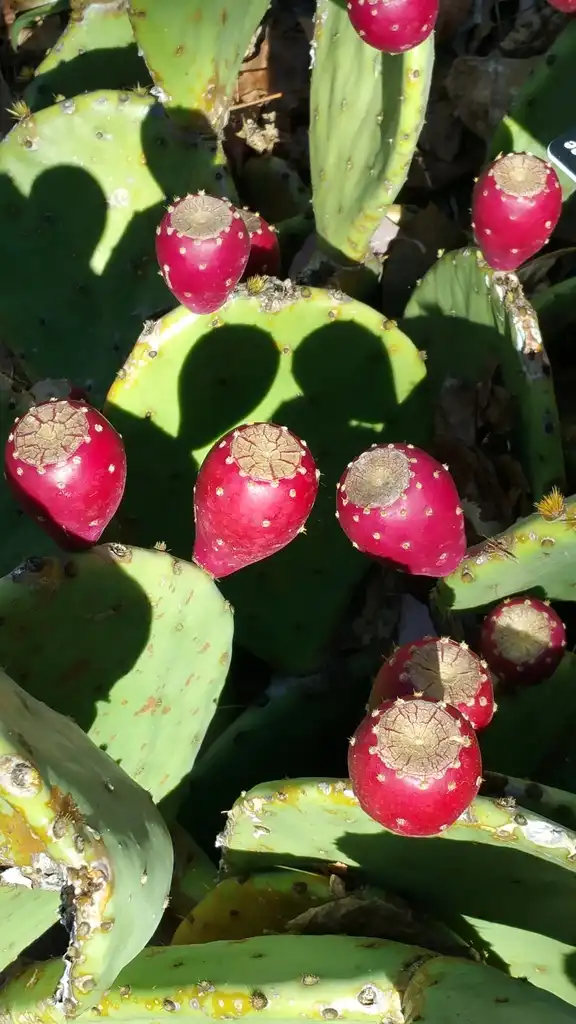
In early summer, flowers emerge at the tips of the pads. While they are predominantly yellow, those found east of the Appalachian Mountains and on sandy dunes often display a red to orange center. The flesh of the resulting reddish fruits is edible, though it is generally not very sweet.

This cactus thrives in open, arid environments, frequently found on calcareous rocks or in areas with thin soil. It can be spotted along fencerows, roadsides, rocky glades, cliff faces, abandoned quarries, dunes, and prairies. To prevent root rot, it requires well-drained sites, particularly during the winter months when the roots must remain dry. Additionally, this plant exhibits a high tolerance for salt.

Propagation can be achieved through cuttings.

For further details on Opuntia, additional resources are available.

Opuntia humifusa Feature Summary

Opuntia humifusa Image Gallery

Tags

#salt tolerant
#non-toxic for horses
#non-toxic for dogs
#non-toxic for cats

Similar Plants

Opuntia humifusa Feature Summary

Flowers
Flowers are produced at the ends of pads in early summer. They are usually yellow, but east of the Appalachian Mountains and on dunes, the center is often red to orange. The flesh of the reddish fruits is edible, but not usually very sweet.
Gold/Yellow
Red/Burgundy
Orange
Stem
The stems or pads as they are often called can be 2 to 7" long and 1.5 to 5" wide. Pads are jointed in a linear or branched fashion.
Straight
Whole Plant Traits
Perennial
Native Plant
Cultural Conditions
Full sun (6 or more hours of direct sunlight a day)
Good Drainage
4a
4b
5b
5a
6a
6b
7a
7b
8b
8a
9a
9b

Opuntia humifusa Fruit

Opuntia humifusa: Fruit Description

pulpy
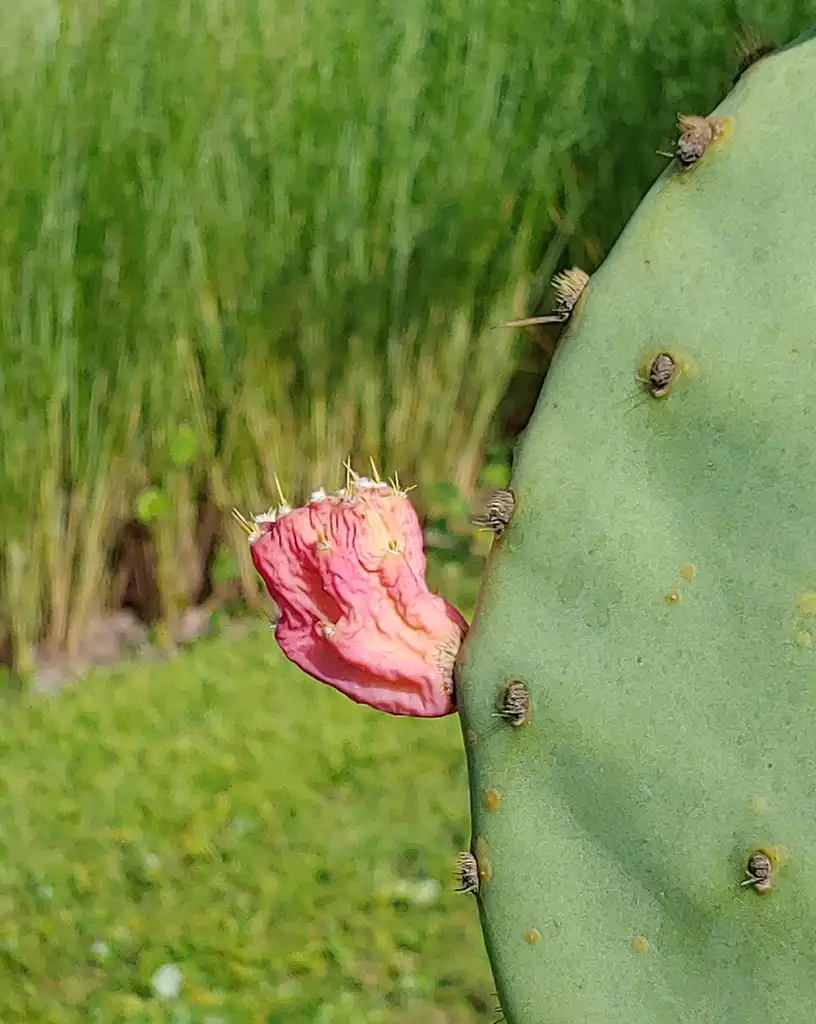
Opuntia humifusa: Fruit Color

grass
Red/Burgundy

Opuntia humifusa: Fruit Value To Gardener

Edible
Fragrant
Good Cut
Good Dried
Long Bloom Season
Long-lasting
Showy

Opuntia humifusa Flowers

Opuntia humifusa: Flower Description

Flowers are produced at the ends of pads in early summer. They are usually yellow, but east of the Appalachian Mountains and on dunes, the center is often red to orange. The flesh of the reddish fruits is edible, but not usually very sweet.

Opuntia humifusa: Flower Color

filter_vintage
Gold/Yellow
filter_vintage
Orange
filter_vintage
Red/Burgundy

Opuntia humifusa: Flower Value To Gardener

Edible
Fragrant
Good Cut
Good Dried
Long Bloom Season
Long-lasting
Showy

Opuntia humifusa Stem

Opuntia humifusa: Stem Description

The stems or pads as they are often called can be 2 to 7" long and 1.5 to 5" wide. Pads are jointed in a linear or branched fashion.

Opuntia humifusa: Stem Is Aromatic

No
Yes

Opuntia humifusa: Stem Form

Straight
Zig Zags

Opuntia humifusa Whole Plant Traits

Opuntia humifusa: Plant Type

Annual
Bulb
Carnivorous
Edible
Epiphyte
Fern
Ground Cover
Herb
Herbaceous Perennial
Houseplant
Mushroom
Native Plant
Ornamental Grasses and Sedges
Perennial
Poisonous
Rose
Shrub
Succulent
Tree
Turfgrass
Vegetable
Vine
Water Plant
Weed
Wildflower

Opuntia humifusa Cultural Conditions

Opuntia humifusa: Light

Dappled Sunlight (Shade through upper canopy all day)
Deep shade (Less than 2 hours to no direct sunlight)
Full sun (6 or more hours of direct sunlight a day)
Partial Shade (Direct sunlight only part of the day, 2-6 hours)

Opuntia humifusa: Soil Drainage

Frequent Standing Water
Good Drainage
Moist
Occasional Flooding
Occasionally Dry
Occasionally Wet
Very Dry

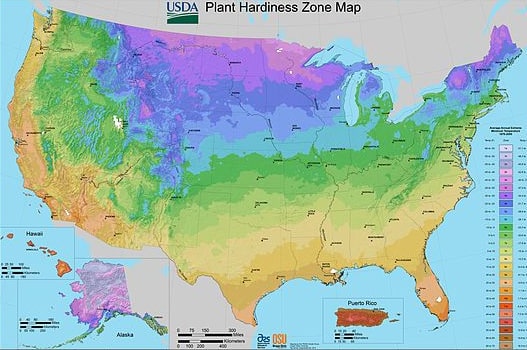
Opuntia humifusa: USDA Plant Hardiness Zone

thermostat
4a
thermostat
4b
thermostat
5a
thermostat
5b
thermostat
6a
thermostat
6b
thermostat
7a
thermostat
7b
thermostat
8a
thermostat
8b
thermostat
9a
thermostat
9b

Opuntia humifusa: Soil Texture

Clay
High Organic Matter
Loam (Silt)
Sand
Shallow Rocky

Opuntia humifusa Leaves

Opuntia humifusa: Leaf Color

spa
Green

Opuntia humifusa: Hairs Present

No
Yes

Opuntia humifusa Landscape

Opuntia humifusa: Resistance To Challenges

Black Walnut
Compaction
Deer
Diseases
Drought
Dry Soil
Erosion
Fire
Foot Traffic
Heat
Heavy Shade
Humidity
Insect Pests
Pollution
Poor Soil
Rabbits
Salt
Slugs
Squirrels
Storm damage
Urban Conditions
Voles
Wet Soil
Wind