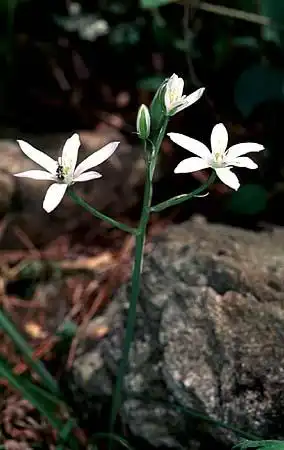
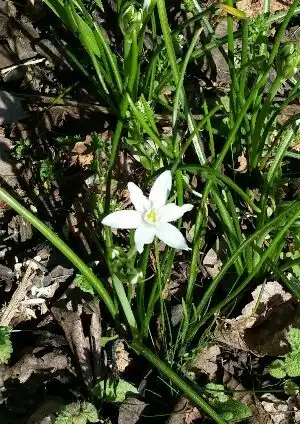
• Photo of Ornithogalum umbellatum (Ornithogalum umbellatums)

Plant Profile: Ornithogalum umbellatum

Taxonomy: Ornithogalum umbellatum

Names

Star of Bethlehem

  • Photo of Ornithogalum umbellatum (Ornithogalum umbellatums)

Phonetic Spelling:or-nith-oh-GAY-lum um-bel-LAY-tum

Genus:Ornithogalum

Species:umbellatum

Family:Asparagaceae

These stunning bulbs, which bloom in May, thrive in full sun, partial afternoon or morning sunlight, or in areas with 25% shade. They can withstand summer droughts but need adequate moisture during their growing season. When planting, ensure the bulbs are buried 5 inches deep and spaced 2 to 3 inches apart, with a density of 20 to 25 bulbs per square foot. They are ideal for use in flower beds, borders, as ground covers, in rock gardens, and within woodland settings. This plant is classified as Hardy III, meaning it can be damaged when temperatures drop below 5 degrees Fahrenheit (-15 degrees Celsius).

For further details on Ornithogalum, please refer to additional resources.

Ornithogalum umbellatum Feature Summary

Ornithogalum umbellatum Image Gallery

Tags

#bulb
#drought tolerant
#groundcover
#rock gardens
#borders
#bedding plants
#spring flowering bulbs
#woodlands

Similar Plants

Ornithogalum umbellatum Feature Summary

Attributes
Asia minor, Europe, and Northern Africa
Perennial
Bulb
Flowers
Blooms in late spring, around May.
6 petals/rays
Whole Plant Traits
Perennial
Ground Cover
Bulb
Cultural Conditions
Partial Shade (Direct sunlight only part of the day, 2-6 hours)

Ornithogalum umbellatum Attributes

Ornithogalum umbellatum: Country Or Region Of Origin

Asia minor, Europe, and Northern Africa
Ornithogalum umbellatum: Life Cycle

Annual
Biennial
Bulb
Perennial
Woody

Ornithogalum umbellatum Flowers

Ornithogalum umbellatum: Flower Description

Blooms in late spring, around May.

Ornithogalum umbellatum: Flower Color

filter_vintage
White

Ornithogalum umbellatum: Flower Bloom Time

Winter
Spring
Summer
Fall

Ornithogalum umbellatum: Flower Petals

2-3 rays/petals
4-5 petals/rays
6 petals/rays
7 - 20 petals/rays
asymmetrical petals
Bracts
Colored Sepals
fused petals
more than 20 petals/rays
Tepals

Ornithogalum umbellatum Whole Plant Traits

Ornithogalum umbellatum: Plant Type

Annual
Bulb
Carnivorous
Edible
Epiphyte
Fern
Ground Cover
Herb
Herbaceous Perennial
Houseplant
Mushroom
Native Plant
Ornamental Grasses and Sedges
Perennial
Poisonous
Rose
Shrub
Succulent
Tree
Turfgrass
Vegetable
Vine
Water Plant
Weed
Wildflower

Ornithogalum umbellatum Cultural Conditions

Ornithogalum umbellatum: Light

Dappled Sunlight (Shade through upper canopy all day)
Deep shade (Less than 2 hours to no direct sunlight)
Full sun (6 or more hours of direct sunlight a day)
Partial Shade (Direct sunlight only part of the day, 2-6 hours)

Ornithogalum umbellatum Leaves

Ornithogalum umbellatum: Leaf Color

spa
Green

Ornithogalum umbellatum: Leaf Type

Compound (Pinnately , Bipinnately, Palmately)
Fronds
Needles
Sheath
Simple

Ornithogalum umbellatum: Leaf Arrangement

Alternate
Opposite
Other/more complex
Rosulate
Whorled

Ornithogalum umbellatum: Hairs Present

No
Yes

Ornithogalum umbellatum Stem

Ornithogalum umbellatum: Stem Is Aromatic

No
Yes

Ornithogalum umbellatum Landscape

Ornithogalum umbellatum: Landscape Theme

Asian Garden
Butterfly Garden
Children's Garden
Cottage Garden
Cutting Garden
Drought Tolerant Garden
Edible Garden
English Garden
Fairy Garden
Garden for the Blind
Native Garden
Nighttime Garden
Pollinator Garden
Rain Garden
Rock Garden
Shade Garden
Water Garden
Winter Garden

Ornithogalum umbellatum: Design Feature

Accent
Barrier
Border
Flowering Tree
Foundation Planting
Hedge
Mass Planting
Screen/Privacy
Security
Shade Tree
Small groups
Small Tree
Specimen
Street Tree
Understory Tree

Ornithogalum umbellatum: Resistance To Challenges

Black Walnut
Compaction
Deer
Diseases
Drought
Dry Soil
Erosion
Fire
Foot Traffic
Heat
Heavy Shade
Humidity
Insect Pests
Pollution
Poor Soil
Rabbits
Salt
Slugs
Squirrels
Storm damage
Urban Conditions
Voles
Wet Soil
Wind

Ornithogalum umbellatum: Landscape Location

Coastal
Container
Hanging Baskets
Houseplants
Lawn
Meadow
Naturalized Area
Near Septic
Patio
Pond
Pool/Hardscape
Recreational Play Area
Riparian
Rock Wall
Slope/Bank
Small Space
Vertical Spaces
Walkways
Woodland