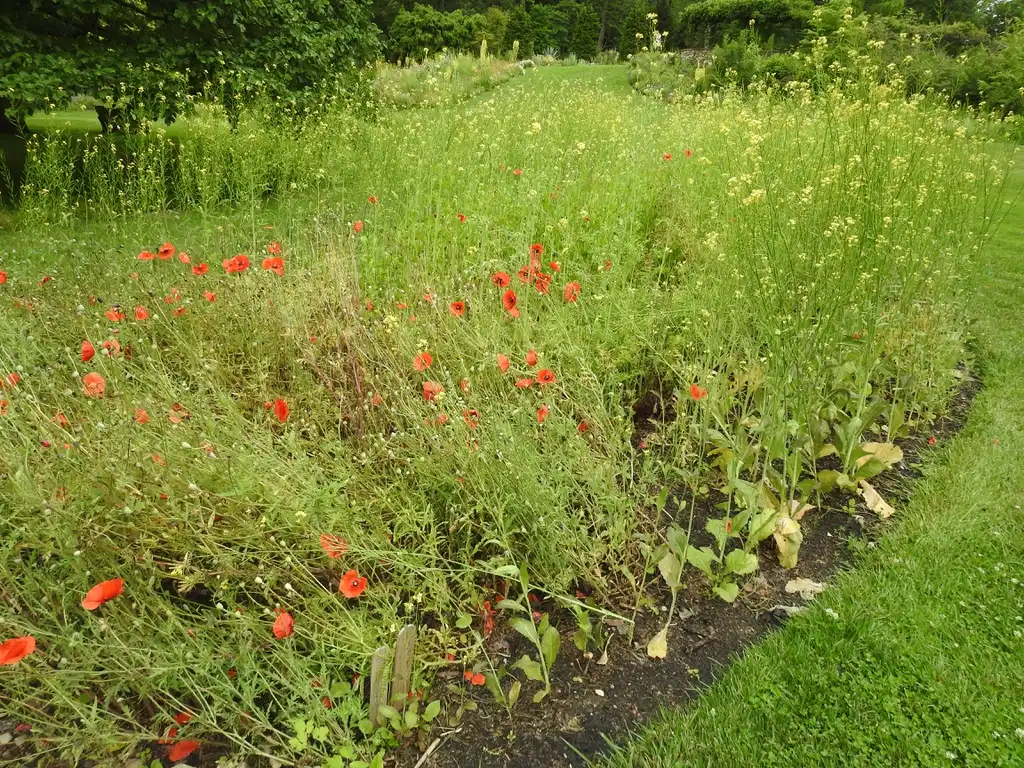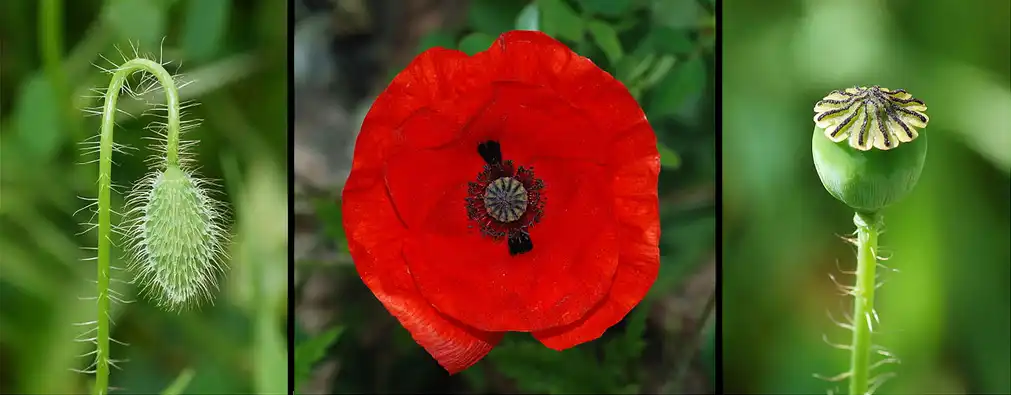
• Photo of Papaver rhoeas (Papaver rhoeass)

Plant Profile: Papaver rhoeas

Taxonomy: Papaver rhoeas

Names

Corn Poppy, Field Poppy, Flanders Poppy, Red Poppy

  • Photo of Papaver rhoeas (Papaver rhoeass)

Phonetic Spelling:puh-PAY-ver ROH-ee-as

Genus:Papaver

Species:rhoeas

Family:Papaveraceae

The Corn Poppy, an annual herbaceous plant belonging to the poppy family, is indigenous to Europe and Asia. Its vibrant red flowers, which bloom profusely in the spring and again in the fall, typically last just one day. There are also cultivars that showcase a variety of colors. For optimal growth, these plants thrive in fertile, well-drained soils, particularly in regions with cooler summer temperatures.

To extend the blooming period, consider planting them in a non-native naturalized area and successfully sowing seeds.

For further details on Papaver, additional resources are available.

Papaver rhoeas Feature Summary

Papaver rhoeas Image Gallery

Tags

#red
#showy flowers
#red flowers
#cut flowers
#cutting garden

Similar Plants

Papaver rhoeas Feature Summary

Fruit
Flowers
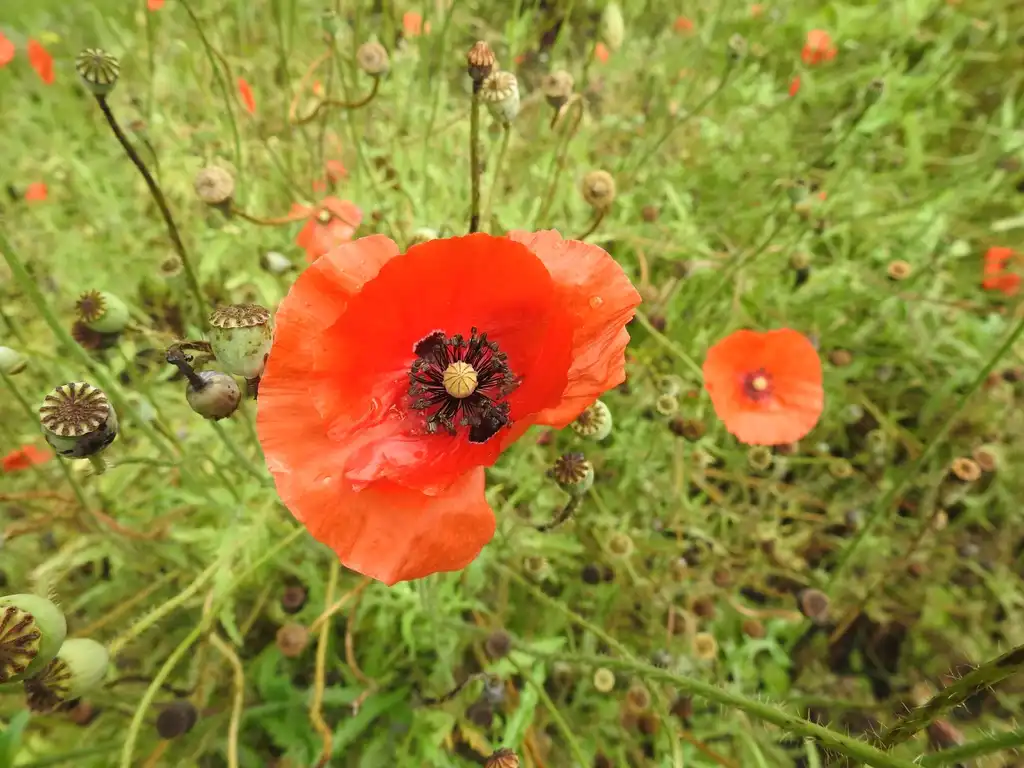
Single flowers that are large and showy, 2–4 in across, with four crinkly petals that are vivid red, most commonly with a black spot at their base. Bloom time is spring and fall. They work well as a cut flower if the end of the stem is burned with a match immediately after cutting.
Red/Burgundy
Black
Spring
Summer
4-5 petals/rays
Cup
Saucer
3-6 inches
Leaves
6 inch hairy, coarsely-toothed leaves
3-6 inches
Stem
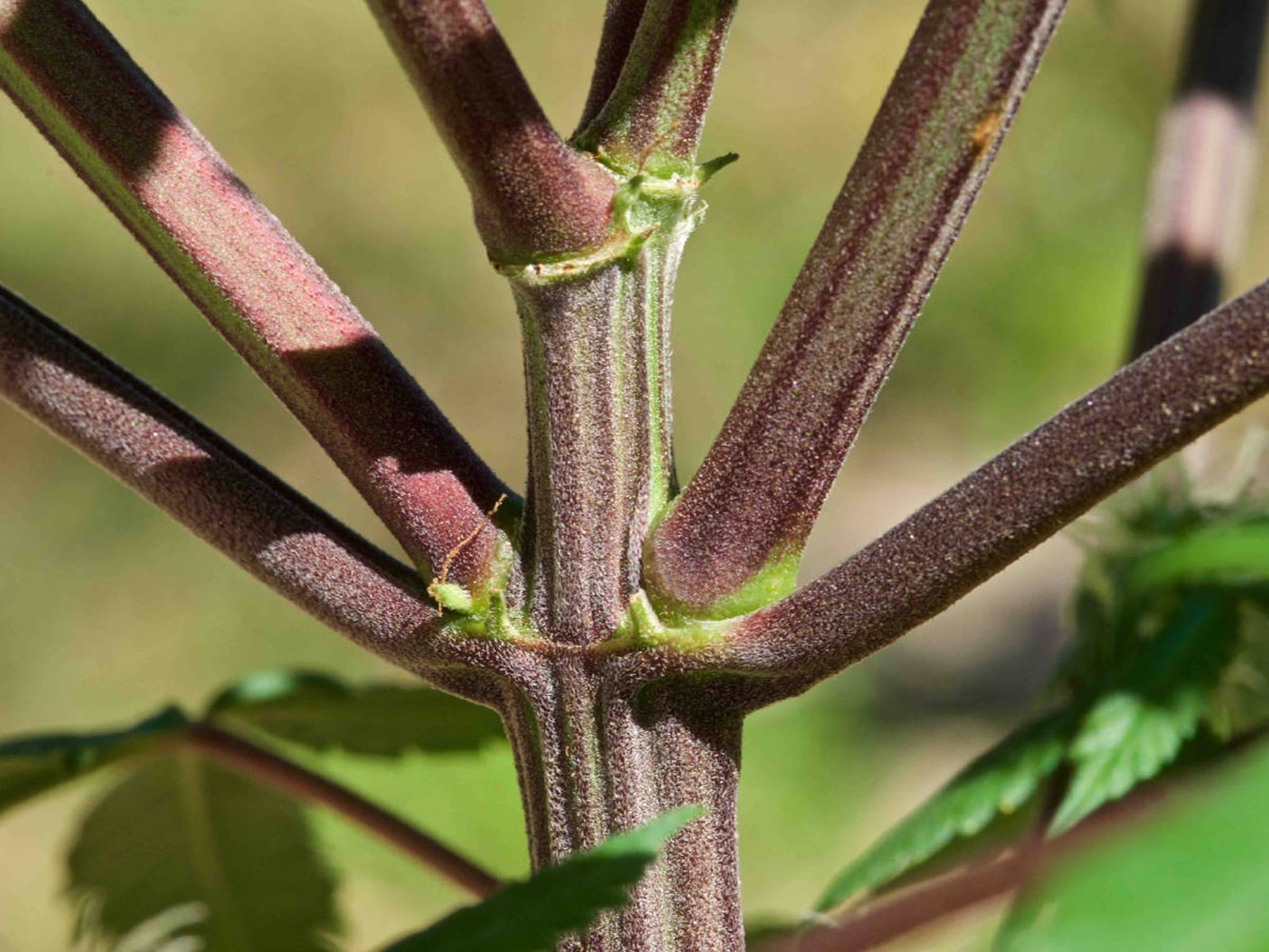
The flower stem is usually covered with coarse hairs that are held at right angles to the surface. Exudes white to yellowish latex when the tissues are broken
Hairy (pubescent)
Whole Plant Traits
Cultural Conditions
4a
4b
5b
5a
6a
6b
7a
7b
8b
8a
3a
3b
9a
9b
10a
10b
Landscape
Cutting Garden
Meadow
Naturalized Area

Papaver rhoeas Attributes

Papaver rhoeas: Country Or Region Of Origin

Europe, Asia
Papaver rhoeas: Life Cycle

Annual
Biennial
Bulb
Perennial
Woody

Papaver rhoeas: Recommended Propagation Strategy

Division
Grafting
Layering
Leaf Cutting
Root Cutting
Seed
Stem Cutting

Papaver rhoeas Fruit

Papaver rhoeas: Fruit Description

Seed pods

Papaver rhoeas: Fruit Type

Achene
Aggregate
Berry
Capsule
Caryopsis
Drupe
Follicle
Legume
Nut
Pome
Samara
Schizocarp
Siliqua

Papaver rhoeas Flowers

Papaver rhoeas: Flower Description

Single flowers that are large and showy, 2–4 in across, with four crinkly petals that are vivid red, most commonly with a black spot at their base. Bloom time is spring and fall. They work well as a cut flower if the end of the stem is burned with a match immediately after cutting.

Papaver rhoeas: Flower Color

filter_vintage
Black
filter_vintage
Red/Burgundy

Papaver rhoeas: Flower Inflorescence

Catkin
Corymb
Cyme
Head
Insignificant
Panicle
Raceme
Solitary
Spadix
Spike
Umbel

Papaver rhoeas: Flower Value To Gardener

Edible
Fragrant
Good Cut
Good Dried
Long Bloom Season
Long-lasting
Showy

Papaver rhoeas: Flower Bloom Time

Winter
Spring
Summer
Fall

Papaver rhoeas: Flower Petals

2-3 rays/petals
4-5 petals/rays
6 petals/rays
7 - 20 petals/rays
asymmetrical petals
Bracts
Colored Sepals
fused petals
more than 20 petals/rays
Tepals

Papaver rhoeas: Flower Shape

Bell
Cross
Crown
Cup
Dome
Funnel
Irregular
Lipped
Radial
Saucer
Star
Trumpet
Tubular
Urn
Wheel

Papaver rhoeas: Flower Size

1-3 inches
3-6 inches
< 1 inch
> 6 inches

Papaver rhoeas Leaves

Papaver rhoeas: Leaf Description

6 inch hairy, coarsely-toothed leaves

Papaver rhoeas: Leaf Type

Compound (Pinnately , Bipinnately, Palmately)
Fronds
Needles
Sheath
Simple

Papaver rhoeas: Leaf Margin

Crenate
Crenulate
Dentate
Denticulate
Doubly Crenate
Doubly Dentate
Doubly Serrate
Entire
Lobed
Serrate
Sinuate
Undulate

Papaver rhoeas: Hairs Present

No
Yes

Papaver rhoeas: Leaf Length

< 1 inch
1-3 inches
3-6 inches
> 6 inches

Papaver rhoeas Stem

Papaver rhoeas: Stem Description

The flower stem is usually covered with coarse hairs that are held at right angles to the surface. Exudes white to yellowish latex when the tissues are broken

Papaver rhoeas: Stem Is Aromatic

No
Yes

Papaver rhoeas: Stem Surface

Corky Ridges
Covered with a powdery bloom (glaucous)
Dull
Hairy (pubescent)
Polished
Smooth (glabrous)

Papaver rhoeas Whole Plant Traits

Papaver rhoeas: Plant Type

Annual
Bulb
Carnivorous
Edible
Epiphyte
Fern
Ground Cover
Herb
Herbaceous Perennial
Houseplant
Mushroom
Native Plant
Ornamental Grasses and Sedges
Perennial
Poisonous
Rose
Shrub
Succulent
Tree
Turfgrass
Vegetable
Vine
Water Plant
Weed
Wildflower

Papaver rhoeas Cultural Conditions

Papaver rhoeas: Available Space To Plant

12 inches-3 feet
12-24 feet
24-60 feet
3 feet-6 feet
6-feet-12 feet
Less than 12 inches
more than 60 feet

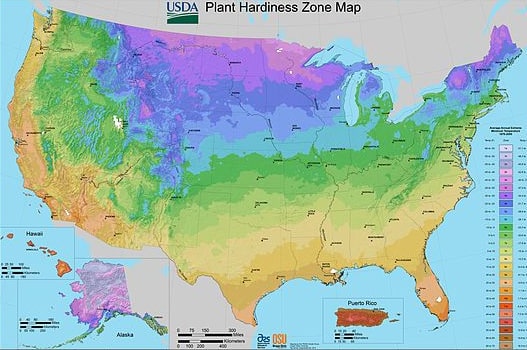
Papaver rhoeas: USDA Plant Hardiness Zone

thermostat
10a
thermostat
10b
thermostat
3a
thermostat
3b
thermostat
4a
thermostat
4b
thermostat
5a
thermostat
5b
thermostat
6a
thermostat
6b
thermostat
7a
thermostat
7b
thermostat
8a
thermostat
8b
thermostat
9a
thermostat
9b

Papaver rhoeas Landscape

Papaver rhoeas: Landscape Theme

Asian Garden
Butterfly Garden
Children's Garden
Cottage Garden
Cutting Garden
Drought Tolerant Garden
Edible Garden
English Garden
Fairy Garden
Garden for the Blind
Native Garden
Nighttime Garden
Pollinator Garden
Rain Garden
Rock Garden
Shade Garden
Water Garden
Winter Garden

Papaver rhoeas: Landscape Location

Coastal
Container
Hanging Baskets
Houseplants
Lawn
Meadow
Naturalized Area
Near Septic
Patio
Pond
Pool/Hardscape
Recreational Play Area
Riparian
Rock Wall
Slope/Bank
Small Space
Vertical Spaces
Walkways
Woodland