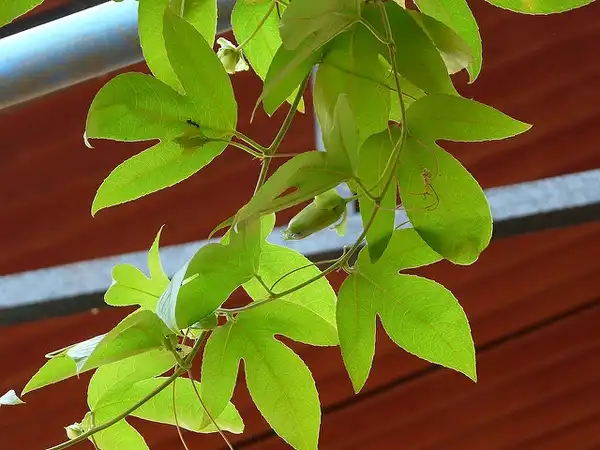
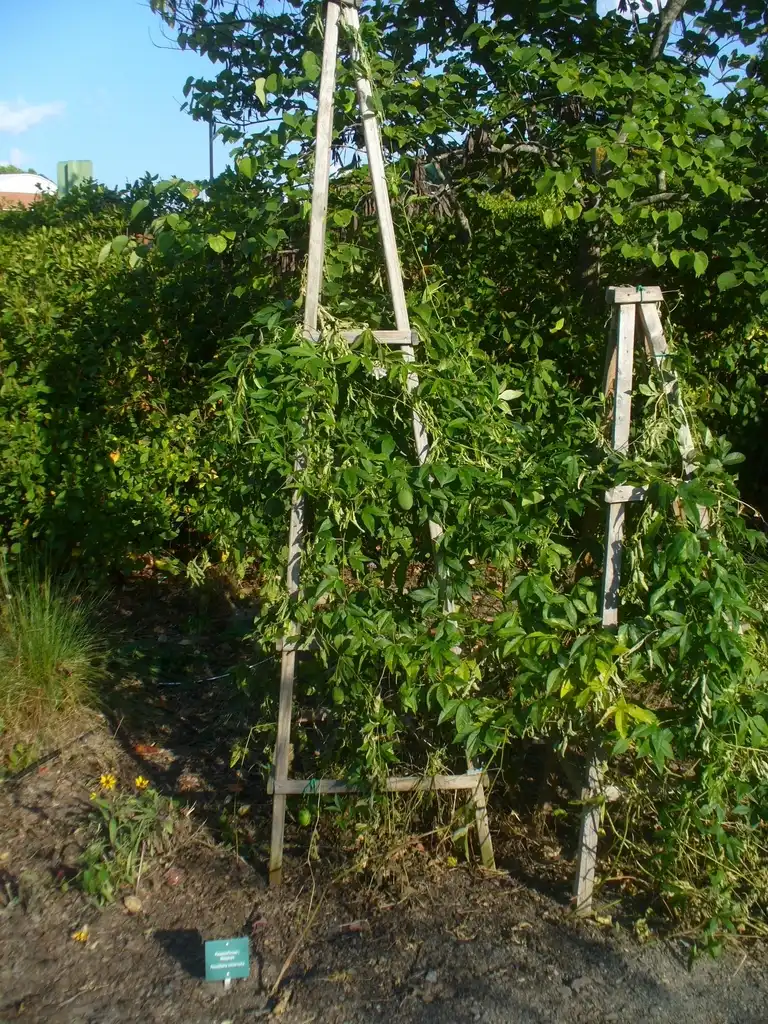
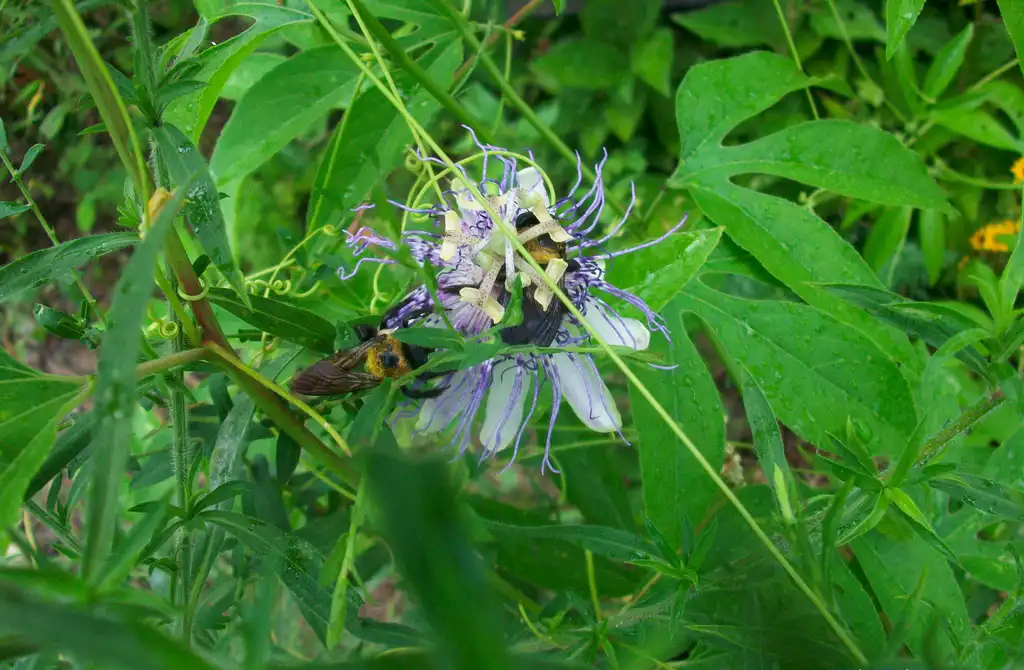
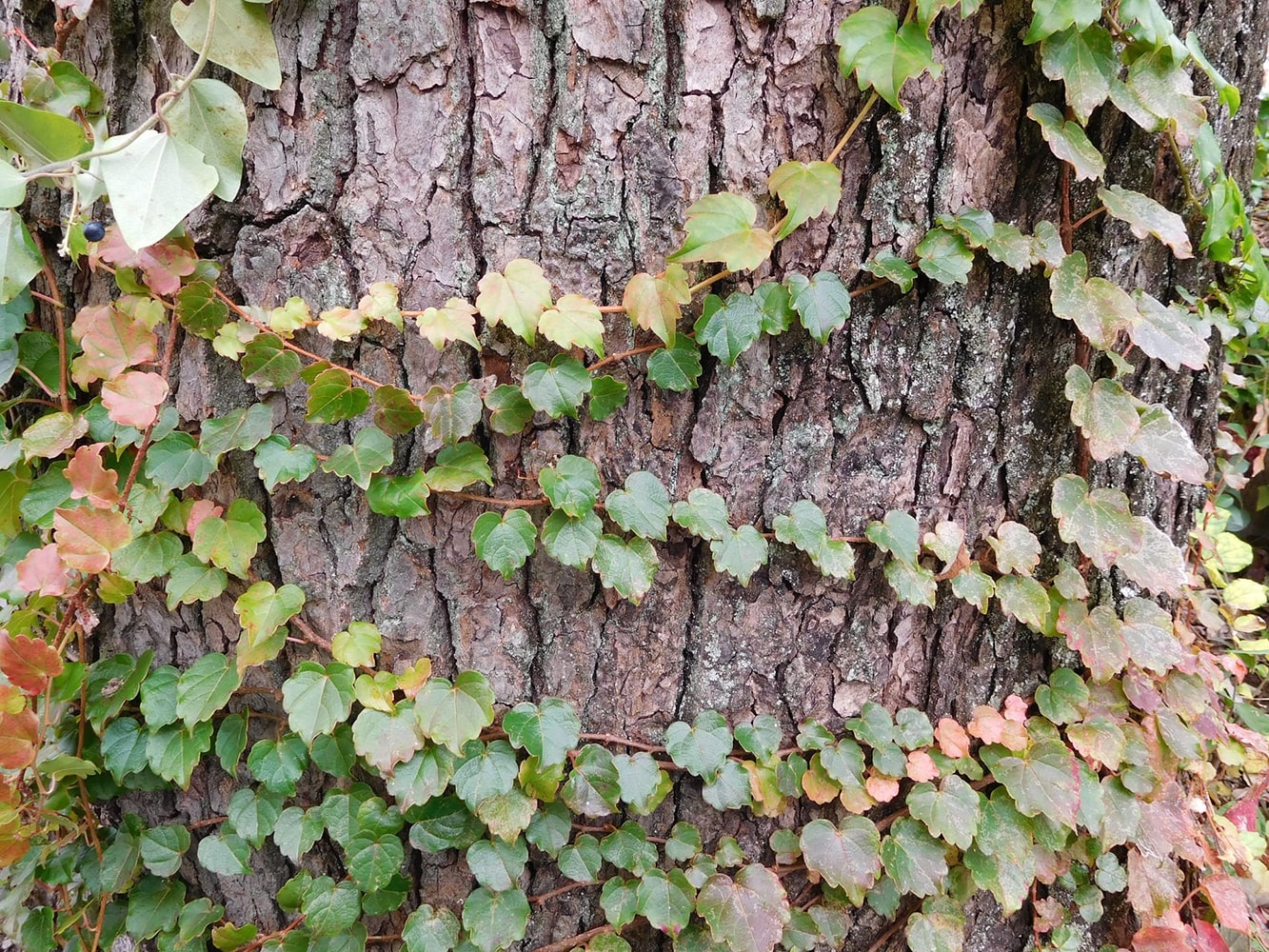
Passion flower is a fast-growing, sprawling vine that ascends using its axillary tendrils. In warmer winter climates, it maintains a woody structure, while in colder regions, it dies back to the ground. This plant is indigenous to the southeastern United States and thrives in average, medium, well-drained soils, preferring full sun to partial shade. In its natural environment, it typically grows in sandy soils along stream banks, roadsides, woodland edges, meadows, and pastures.
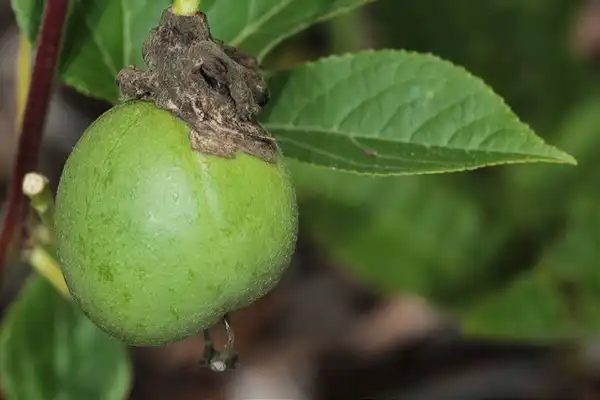
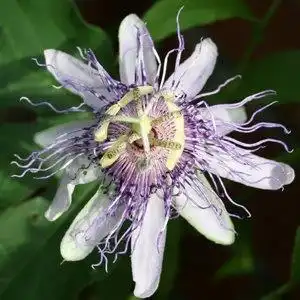
Commonly known as Maypop, this vine derives its name from the distinctive popping sound produced when its fruits are stepped on. The genus name, Passiflora, comes from the Latin words "passio," meaning passion, and "flos," meaning flower. The species name, incarnata, translates to flesh-colored in Latin.
While this vine can withstand drought conditions, applying a loose mulch can help keep its roots cool. Under ideal growing circumstances, it can spread through root suckers, covering extensive areas. This variety is the most resilient among passion flower vines and does not require climbing to produce flowers, unlike other species. For a bushier appearance, it is advisable to pinch back the vines after the first growing season.
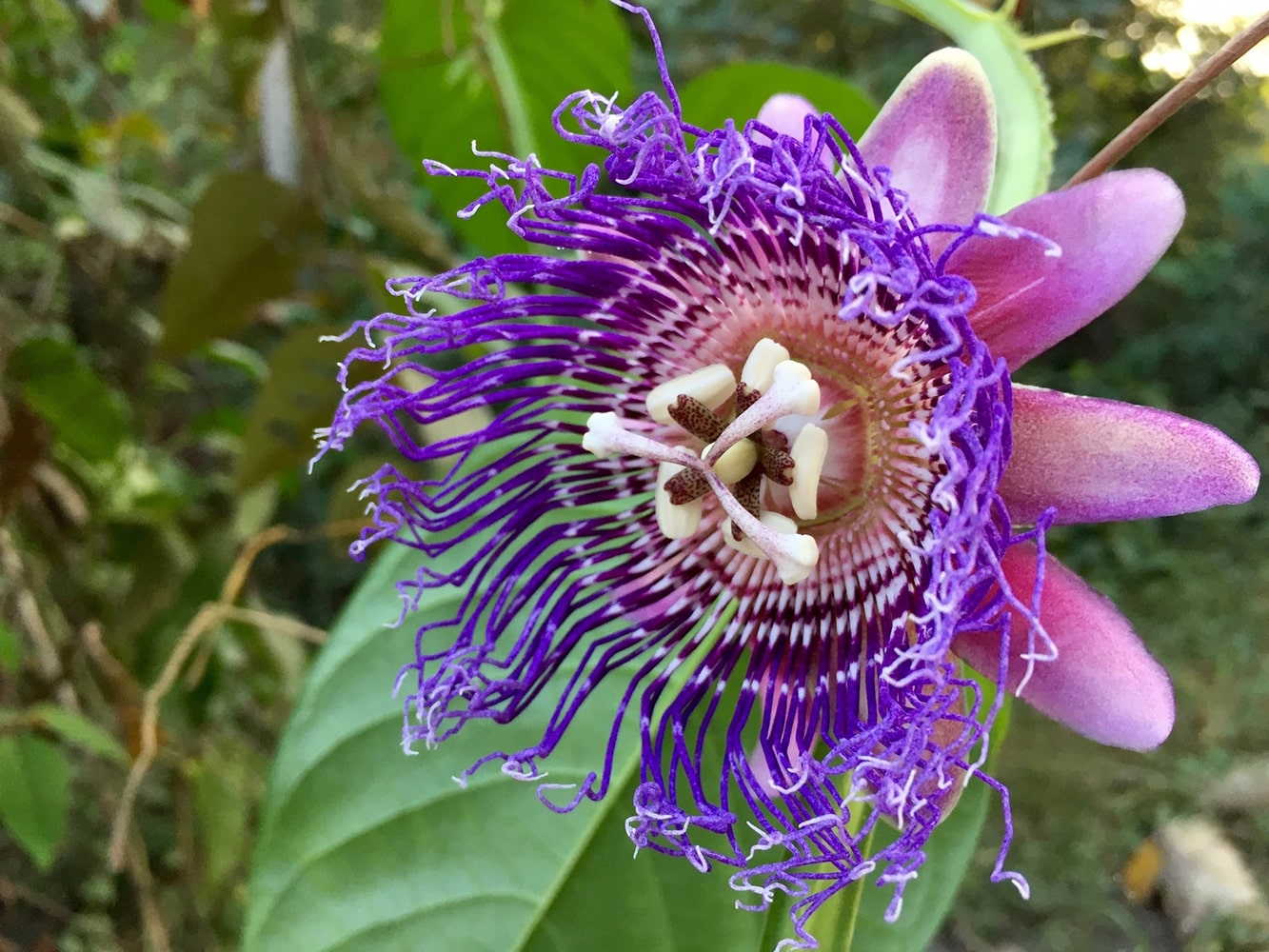
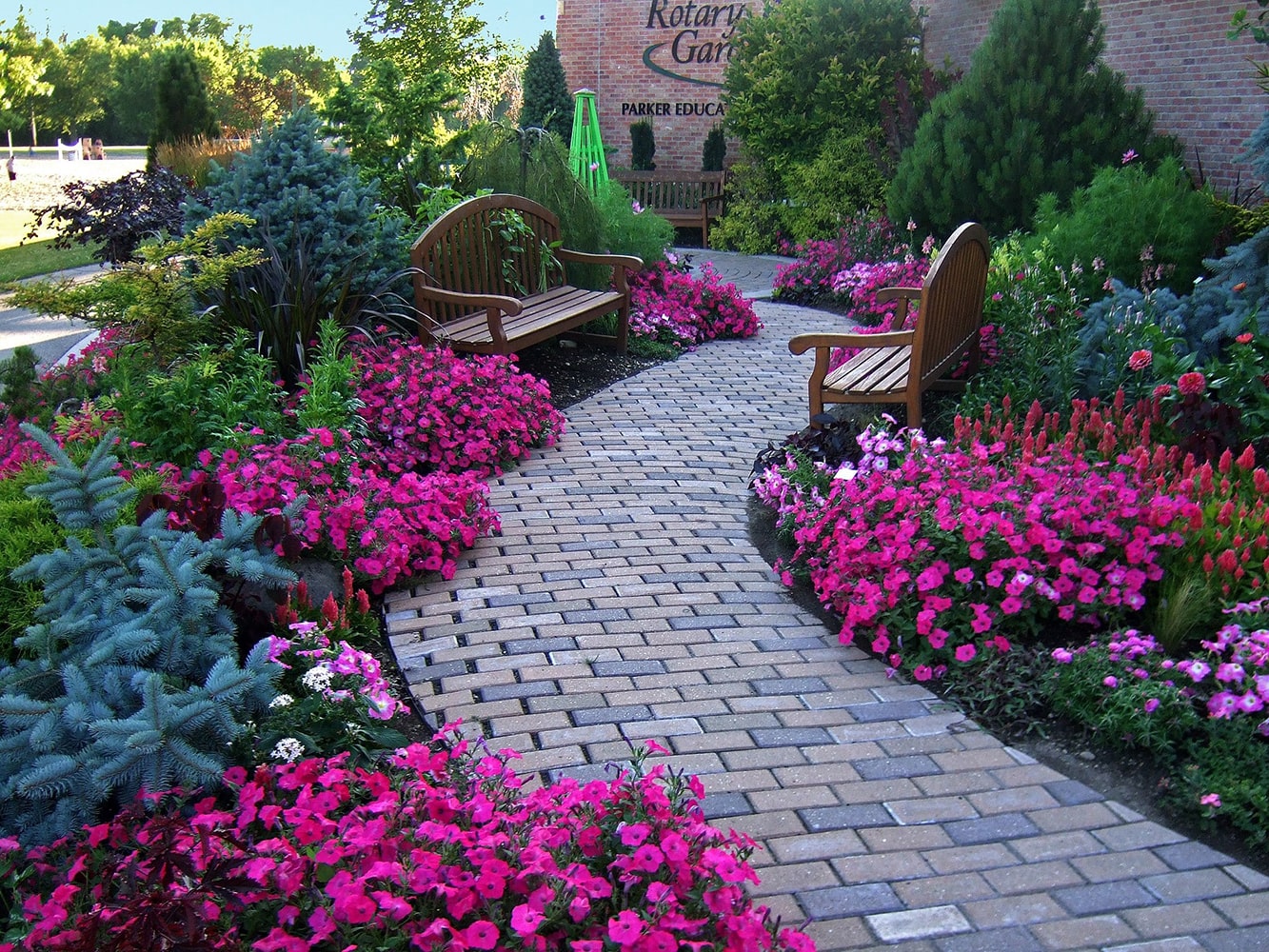
This plant shows moderate resistance to deer damage. Its vibrant flowers and edible fruits make it a fantastic option for edible gardens, children's gardens, or for decorating arbors, pergolas, trellises, fences, or walls near patios, where its striking blooms can be appreciated.
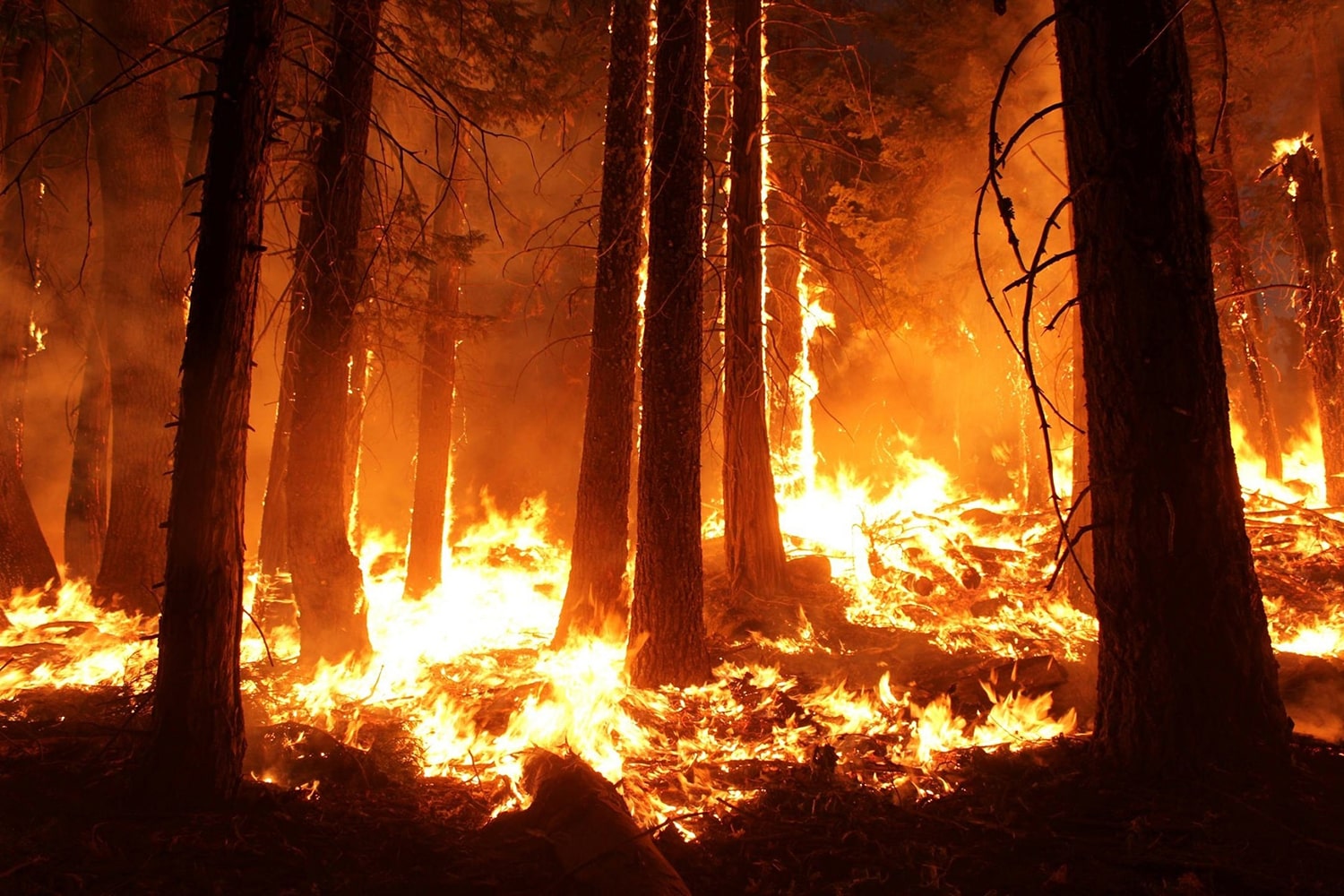
**Fire Risk:** This plant has a high flammability rating and should not be planted within the defensible space around your home. It is recommended to choose plants with low flammability ratings for areas closest to your residence.
**Seasons of Interest:**
- **Blooms:** Summer
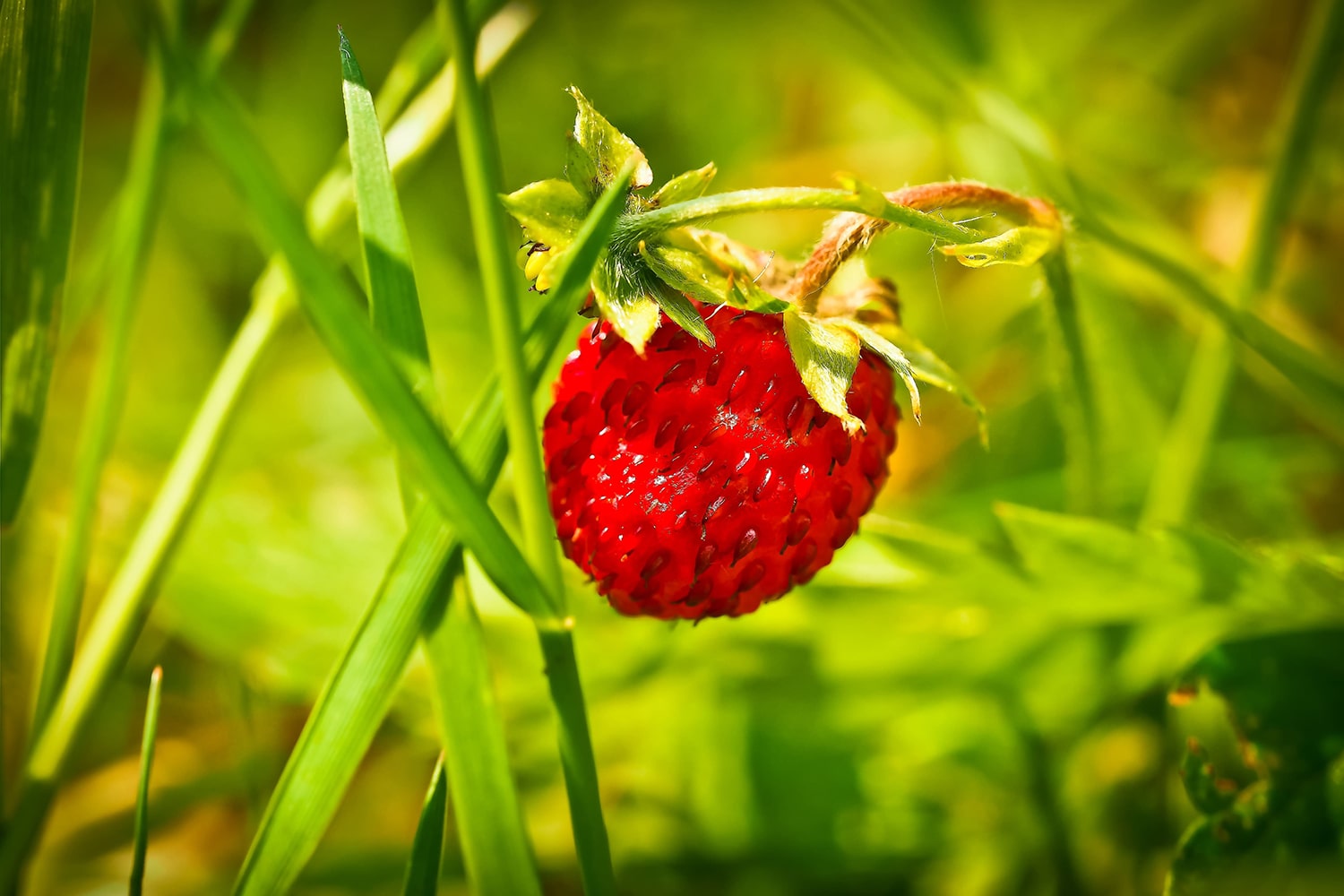
- **Nut/Fruit/Seed:** Late summer to fall
**Insects, Diseases, or Other Plant Problems:** There are no significant insect or disease issues associated with this plant. However, its roots can spread aggressively, and in poorly drained, wet soils, root rot may occur, particularly during winter.