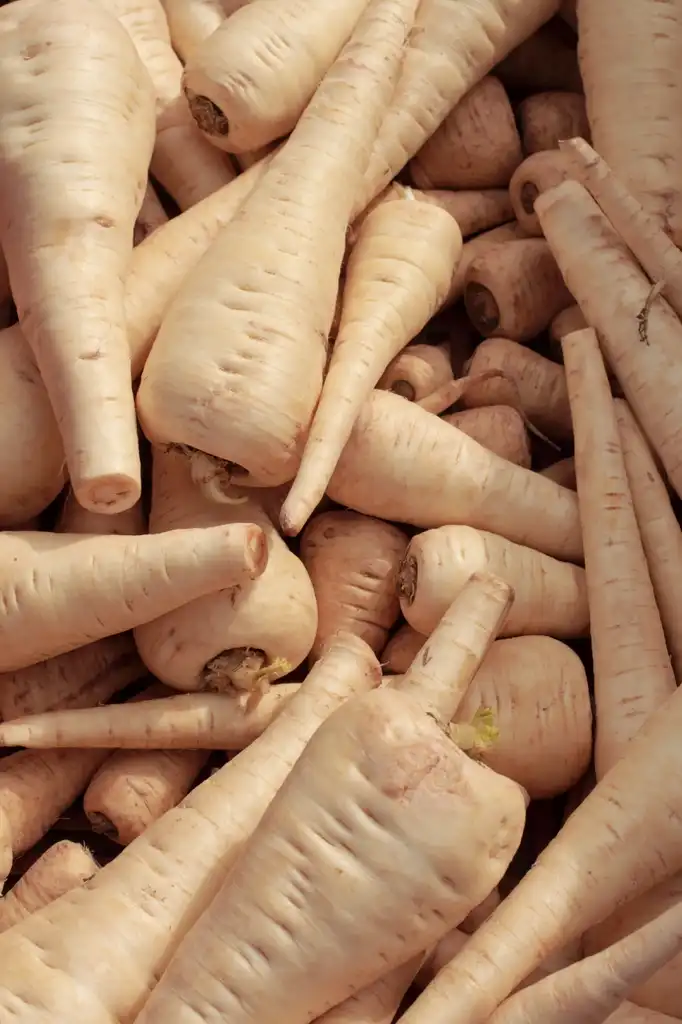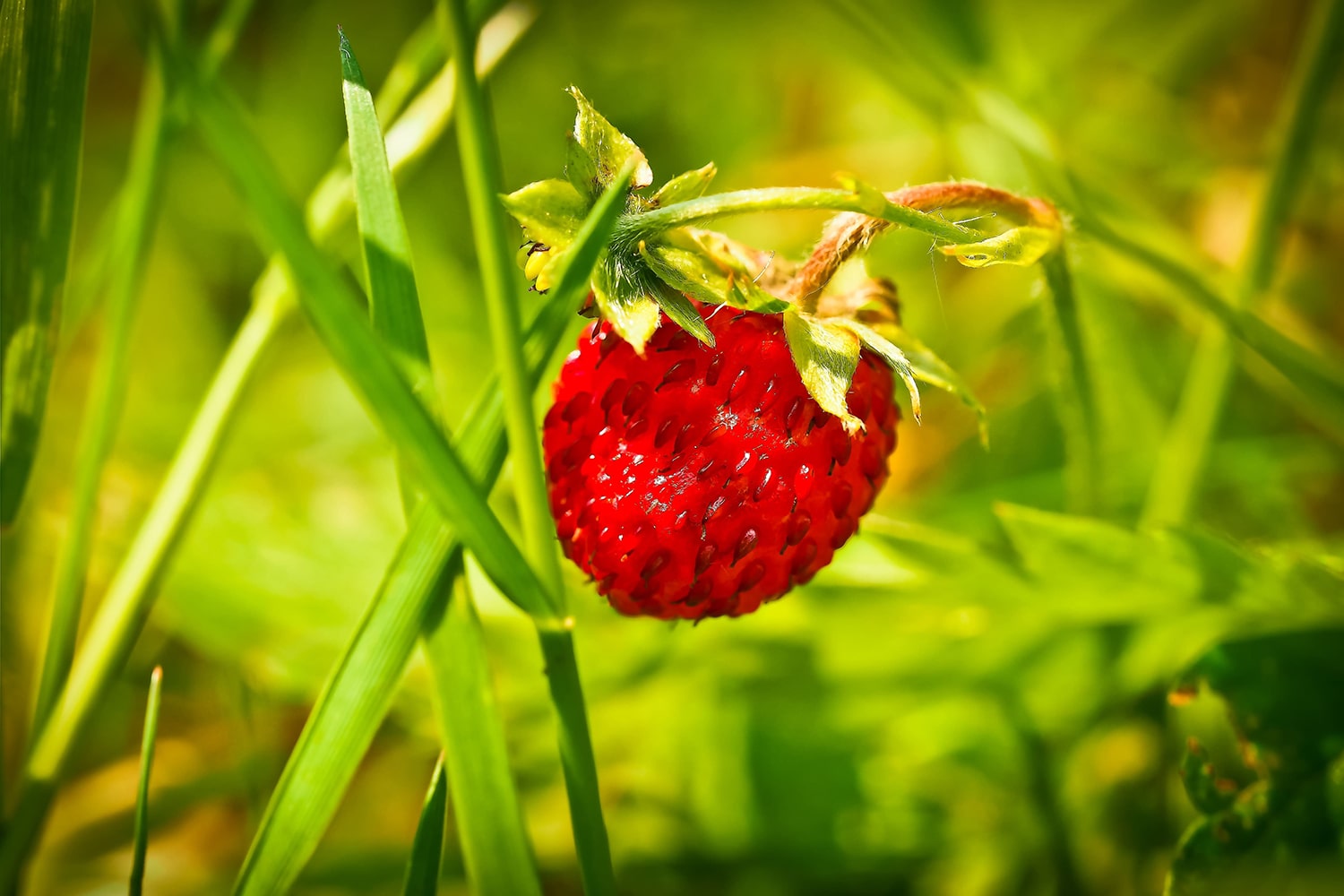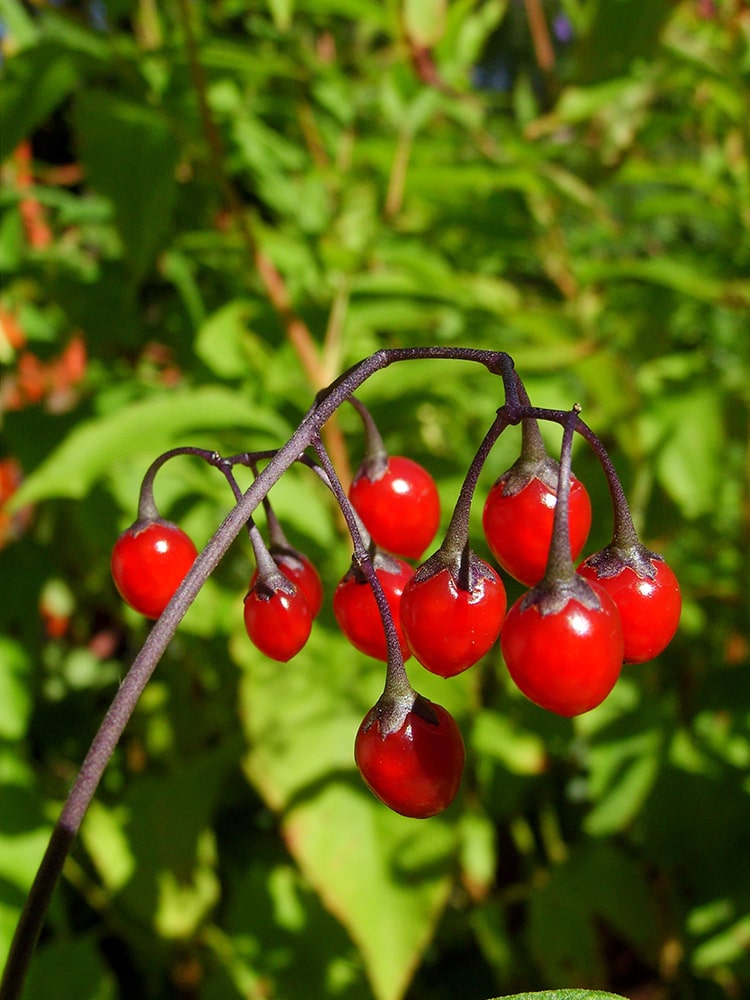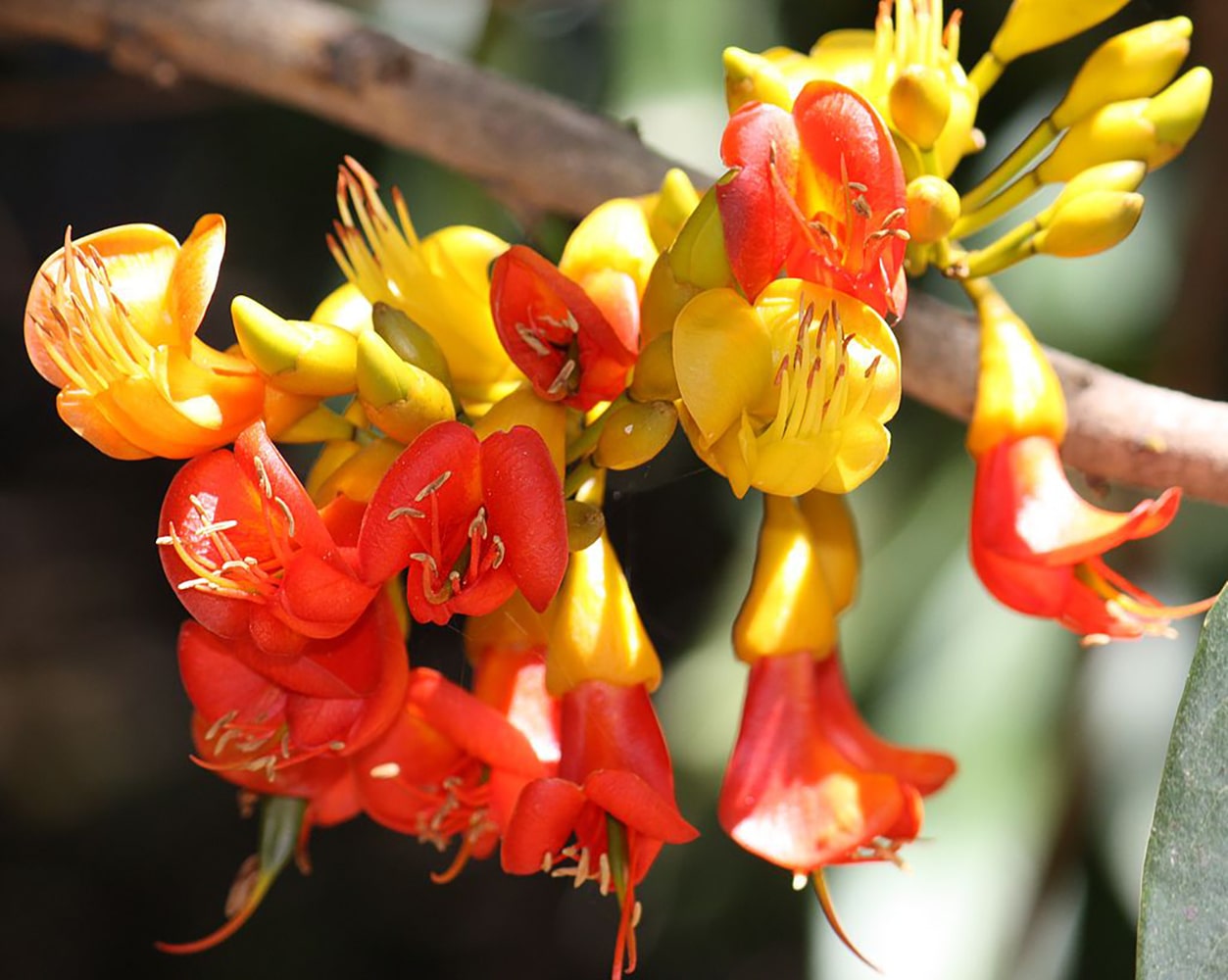
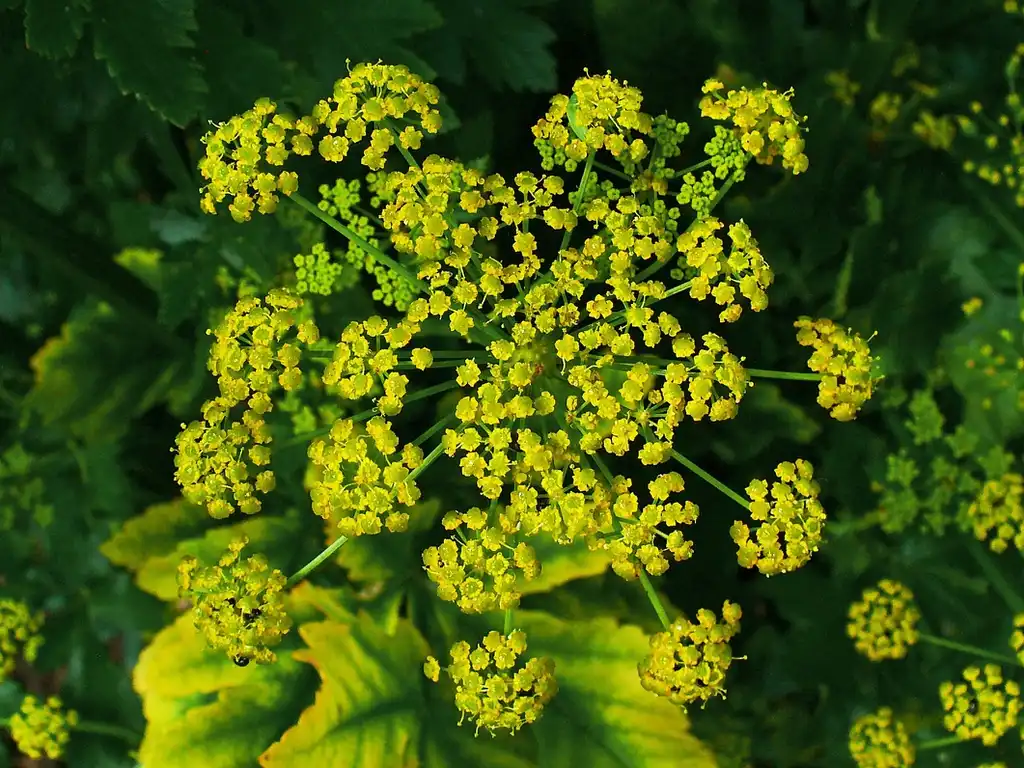
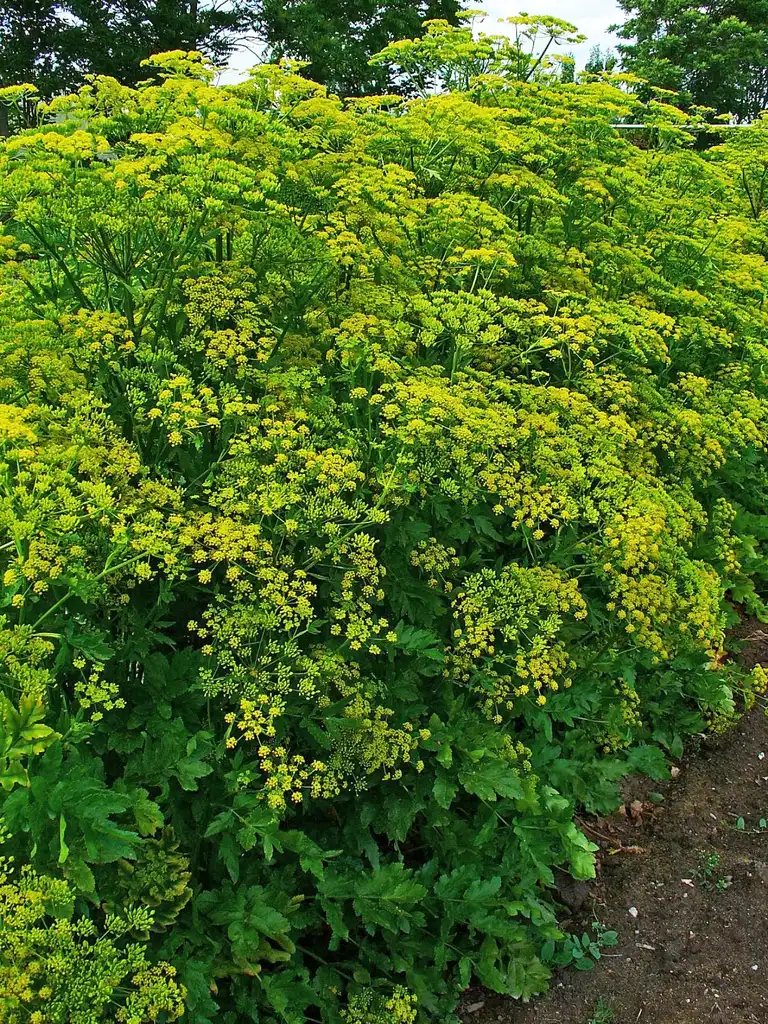
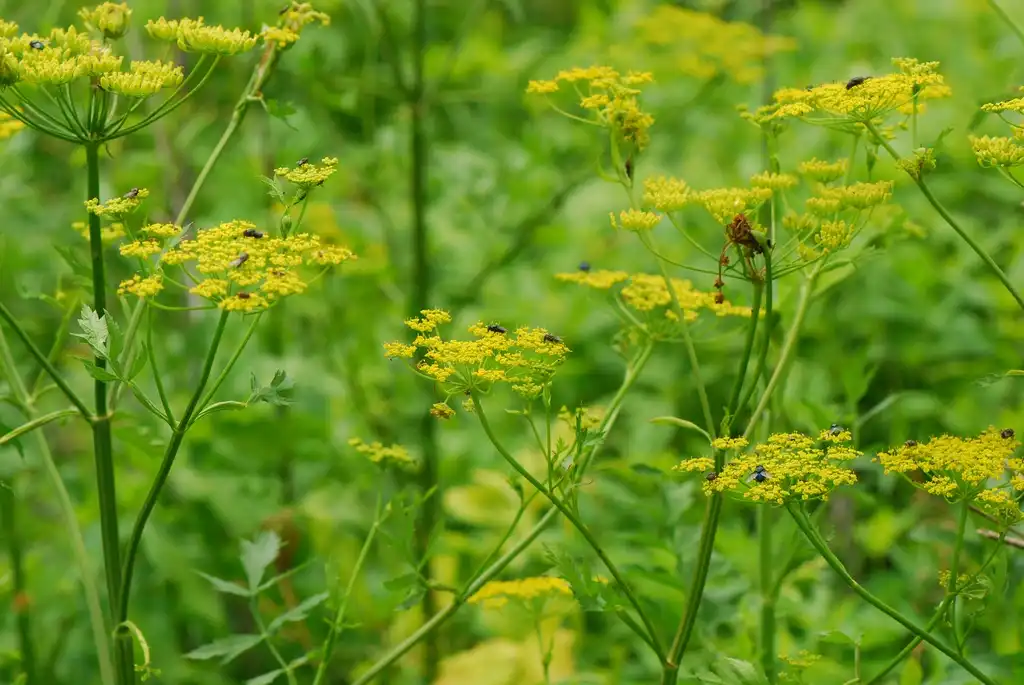
• Photo of Pastinaca sativa (Pastinaca sativas)

Plant Profile: Pastinaca sativa

Taxonomy: Pastinaca sativa

Names

Parsnip, Parsnips, Wild Parsnip, Wild Parsnips

  • Photo of Pastinaca sativa (Pastinaca sativas)

Phonetic Spelling:pas-TIN-ih-kah sa-TEE-vah

Genus:Pastinaca

Species:sativa

Family:Apiaceae

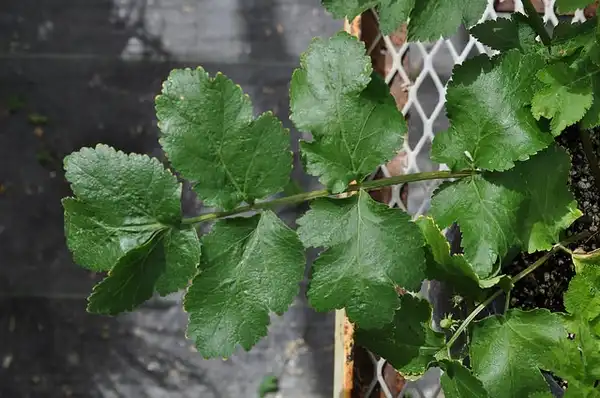
Parsnip is a vegetable that thrives in cooler seasons, known for its edible roots. This robust plant features hollow, ribbed stems, and its leaves are arranged alternately, clasping the stem. The leaves are divided once pinnately, with leaflets that are either toothed or lobed.

Pastinaca sativa Feature Summary

Pastinaca sativa Image Gallery

Tags

#cool season vegetable

Similar Plants

Pastinaca sativa Feature Summary

Attributes
Throughout
The fleshy taproot from first-year plants is edible, either raw or as a cooked vegetable.
Fruit
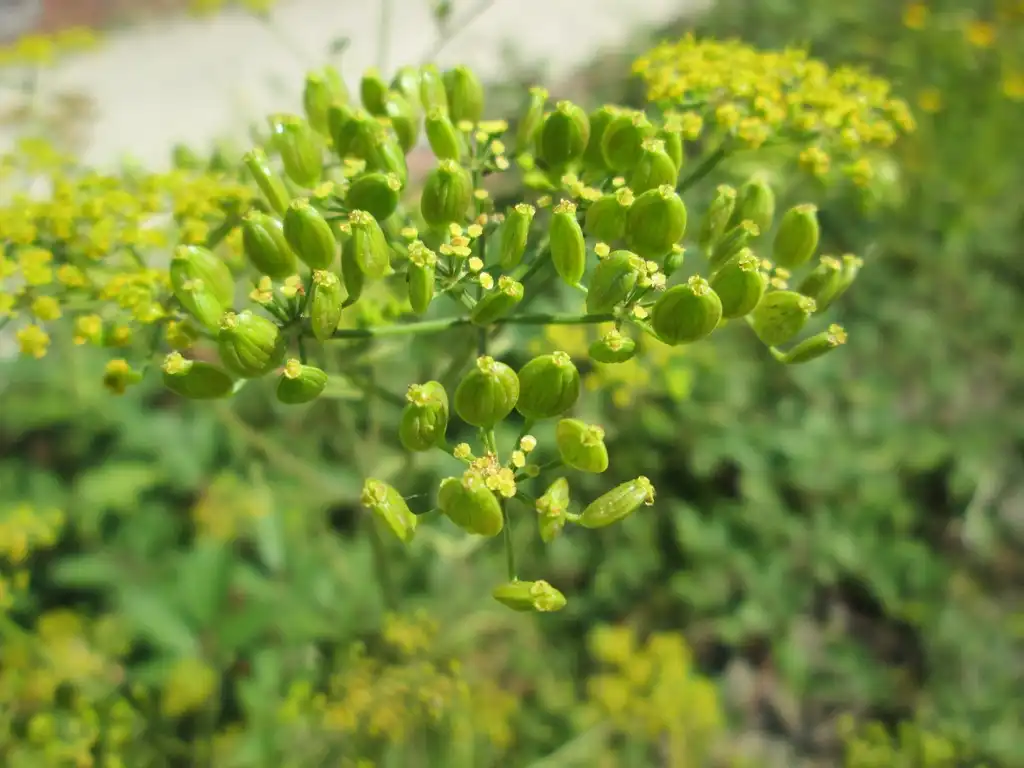
fruit elongated, dry
Flowers
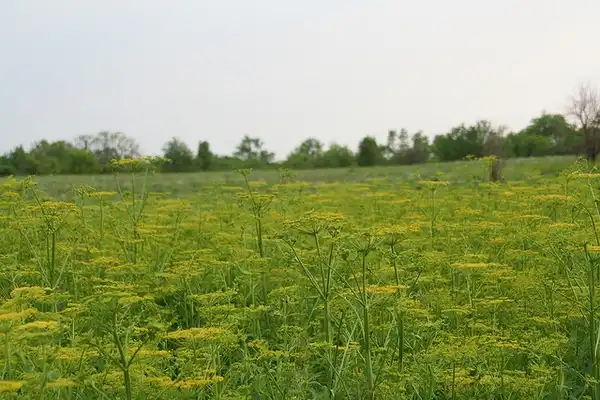
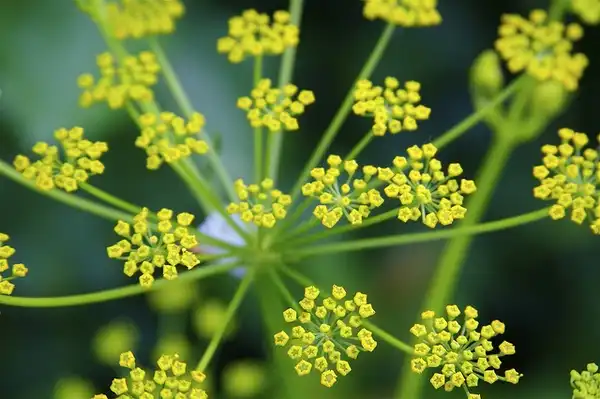
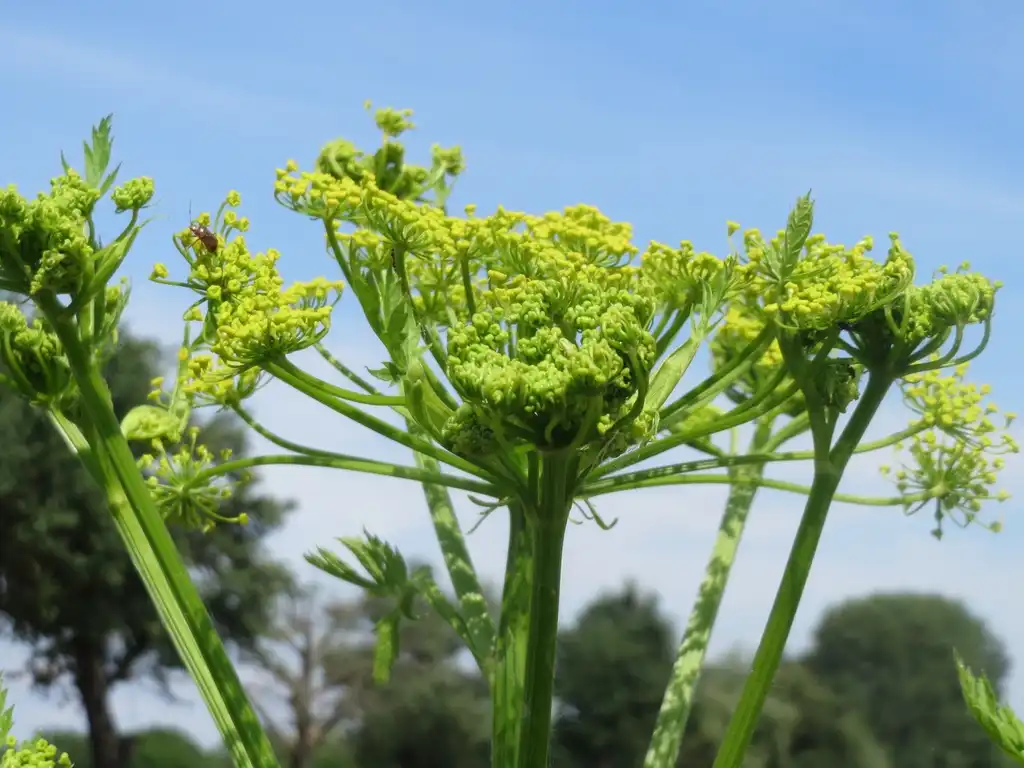
flowers small in umbrella-shaped cluster
Gold/Yellow
4-5 petals/rays
Poisonous to Humans
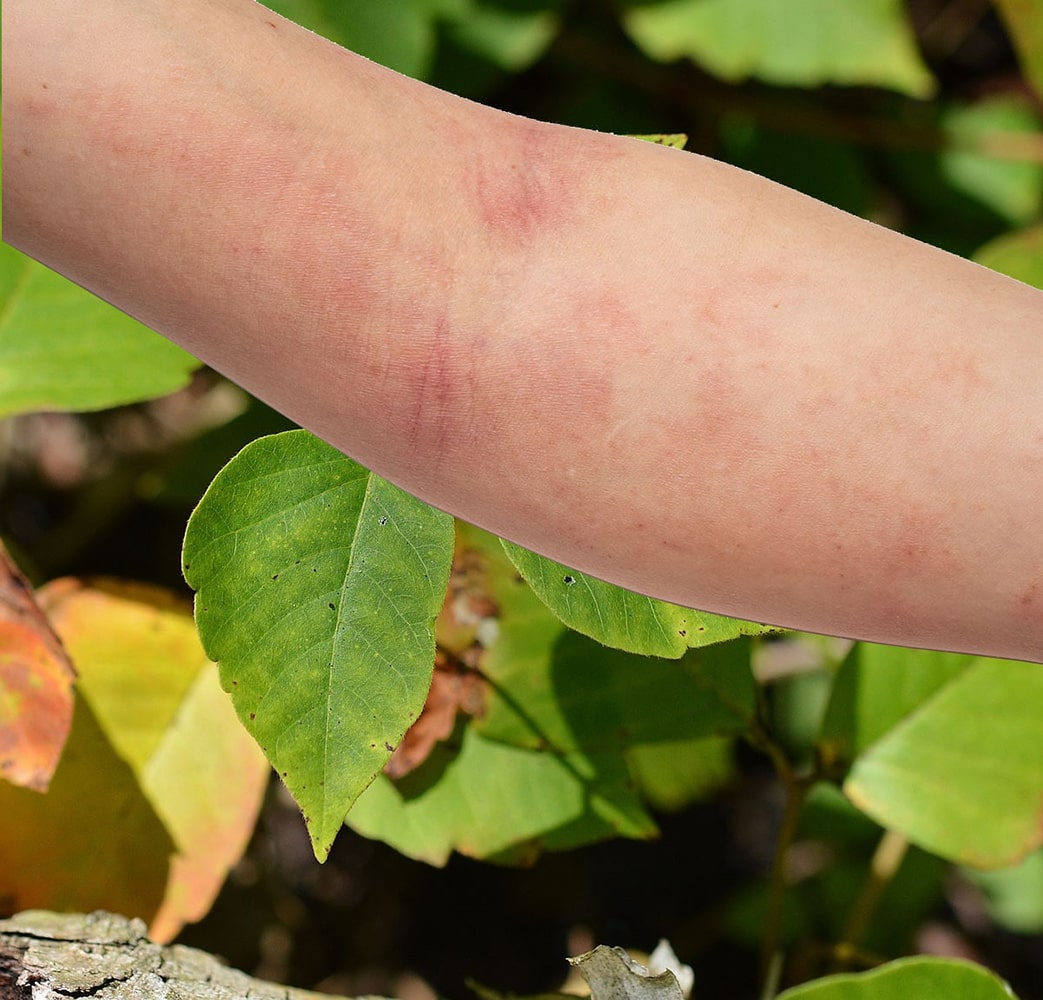
Skin irritation and rash after contact with cell sap and in the light
Seeds
Leaves
Stems
Sap/Juice
Flowers
Bark
Fruits
Roots
Whole Plant Traits
Edible
Poisonous
Vegetable
Coarse
Landscape
Edible Garden

Pastinaca sativa Attributes

Pastinaca sativa: Country Or Region Of Origin

Europe
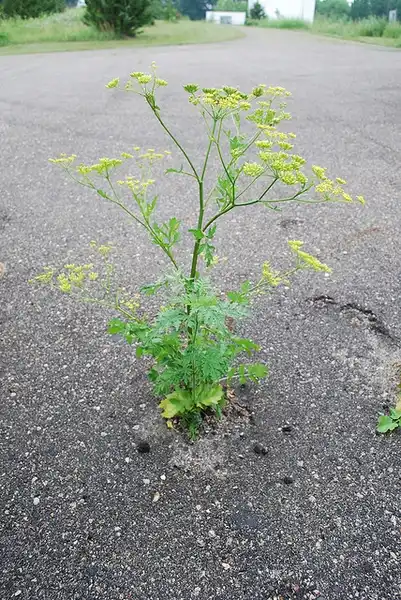
Pastinaca sativa: Distribution

Throughout

Pastinaca sativa: Edibility

The fleshy taproot from first-year plants is edible, either raw or as a cooked vegetable.

Pastinaca sativa Fruit

Pastinaca sativa: Fruit Description

fruit elongated, dry

Pastinaca sativa Flowers

Pastinaca sativa: Flower Description

flowers small in umbrella-shaped cluster

Pastinaca sativa: Flower Color

filter_vintage
Gold/Yellow

Pastinaca sativa: Flower Inflorescence

Catkin
Corymb
Cyme
Head
Insignificant
Panicle
Raceme
Solitary
Spadix
Spike
Umbel

Pastinaca sativa: Flower Petals

2-3 rays/petals
4-5 petals/rays
6 petals/rays
7 - 20 petals/rays
asymmetrical petals
Bracts
Colored Sepals
fused petals
more than 20 petals/rays
Tepals

Pastinaca sativa Poisonous to Humans

Pastinaca sativa: Poison Symptoms

Skin irritation and rash after contact with cell sap and in the light

Pastinaca sativa: Poison Toxic Principle

Furanocoumarin

Pastinaca sativa: Poison Severity

High
Low
Medium

Pastinaca sativa: Causes Contact Dermatitis

No
Yes

Pastinaca sativa: Poison Part

Bark
Flowers
Fruits
Leaves
Roots
Sap/Juice
Seeds
Stems

Pastinaca sativa Whole Plant Traits

Pastinaca sativa: Plant Type

Annual
Bulb
Carnivorous
Edible
Epiphyte
Fern
Ground Cover
Herb
Herbaceous Perennial
Houseplant
Mushroom
Native Plant
Ornamental Grasses and Sedges
Perennial
Poisonous
Rose
Shrub
Succulent
Tree
Turfgrass
Vegetable
Vine
Water Plant
Weed
Wildflower

Pastinaca sativa: Texture

Fine
Medium
Coarse

Pastinaca sativa Leaves

Pastinaca sativa: Leaf Arrangement

Alternate
Opposite
Other/more complex
Rosulate
Whorled

Pastinaca sativa: Hairs Present

No
Yes

Pastinaca sativa Stem

Pastinaca sativa: Stem Is Aromatic

No
Yes

Pastinaca sativa Landscape

Pastinaca sativa: Landscape Theme

Asian Garden
Butterfly Garden
Children's Garden
Cottage Garden
Cutting Garden
Drought Tolerant Garden
Edible Garden
English Garden
Fairy Garden
Garden for the Blind
Native Garden
Nighttime Garden
Pollinator Garden
Rain Garden
Rock Garden
Shade Garden
Water Garden
Winter Garden