Brassica oleracea (Tronchuda Group): Uses (Ethnobotany)
Edible
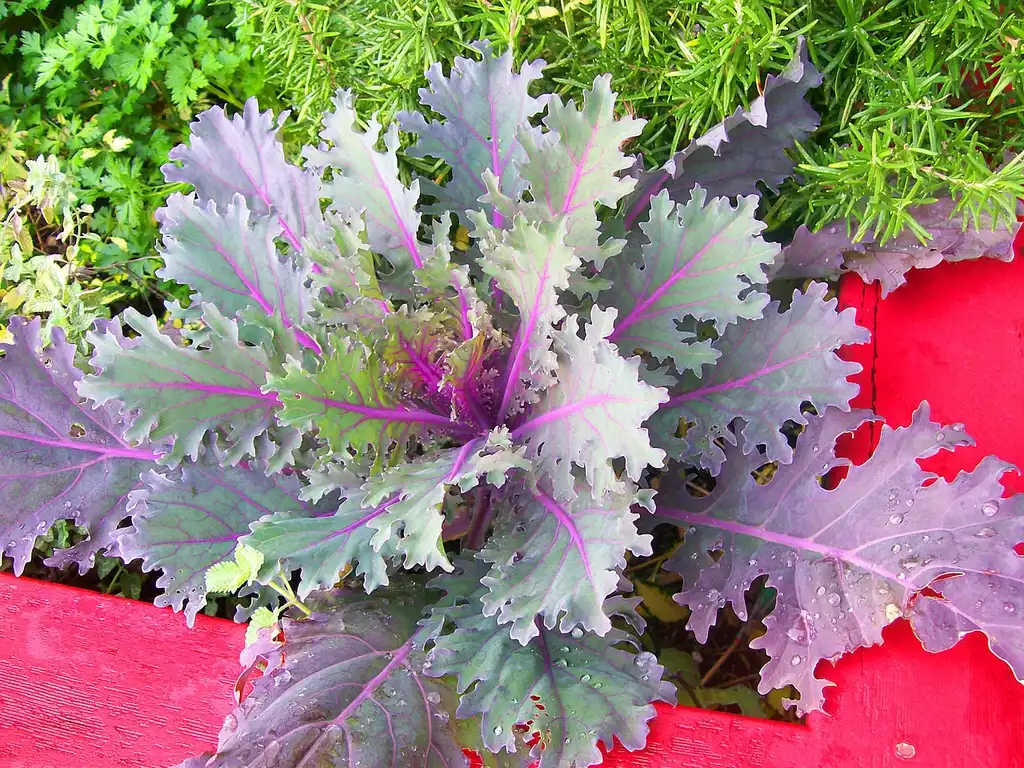
Phonetic Spelling:BRAS-ih-ka ol-ur-RAY-see-uh
Genus:Brassica
Species:oleracea
Family:Brassicaceae
In its natural state, this variety of Brassica is referred to as wild cabbage and thrives in its native environment, particularly in hardiness zone 7. The term "Brassica" is derived from Latin, meaning cabbage.
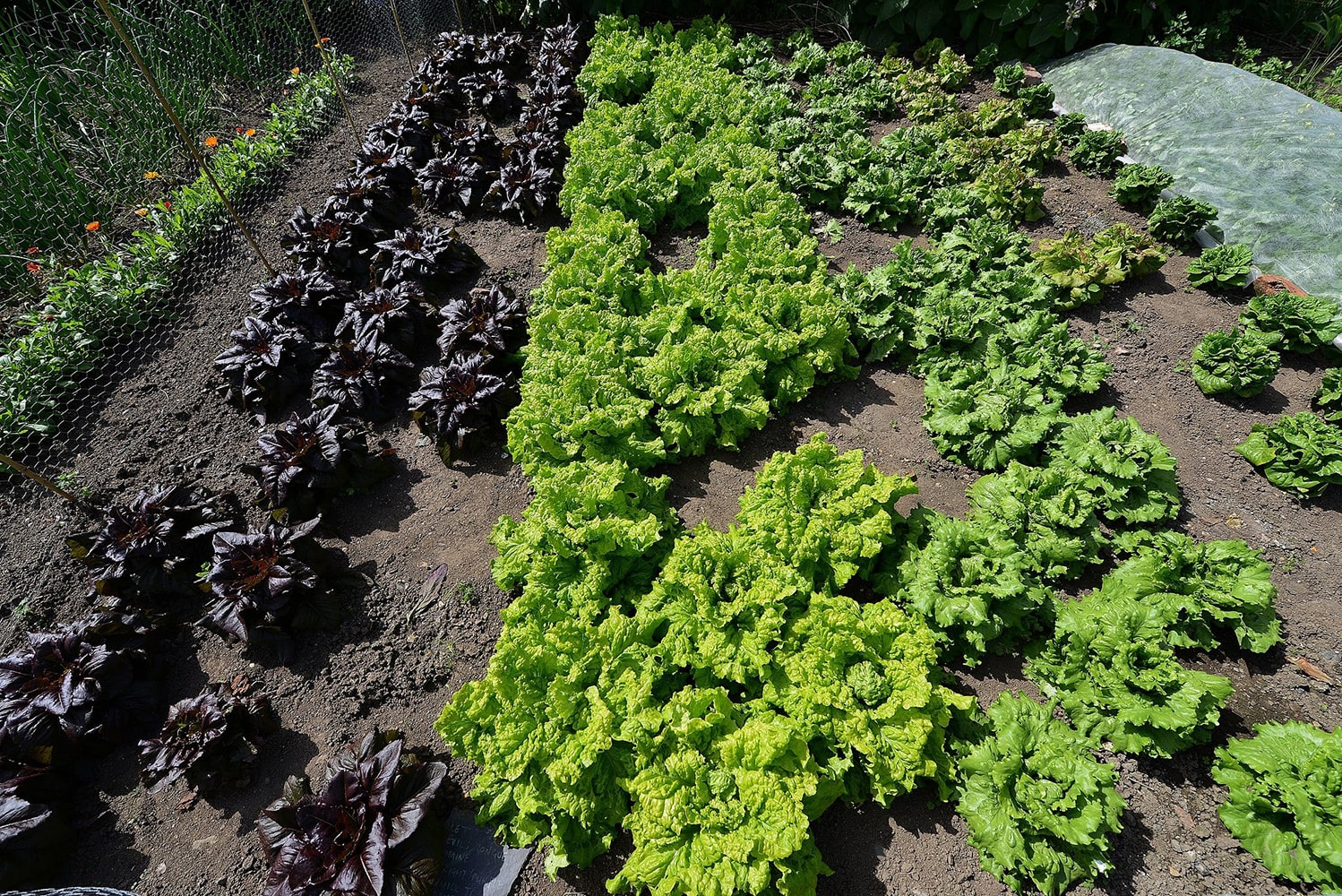
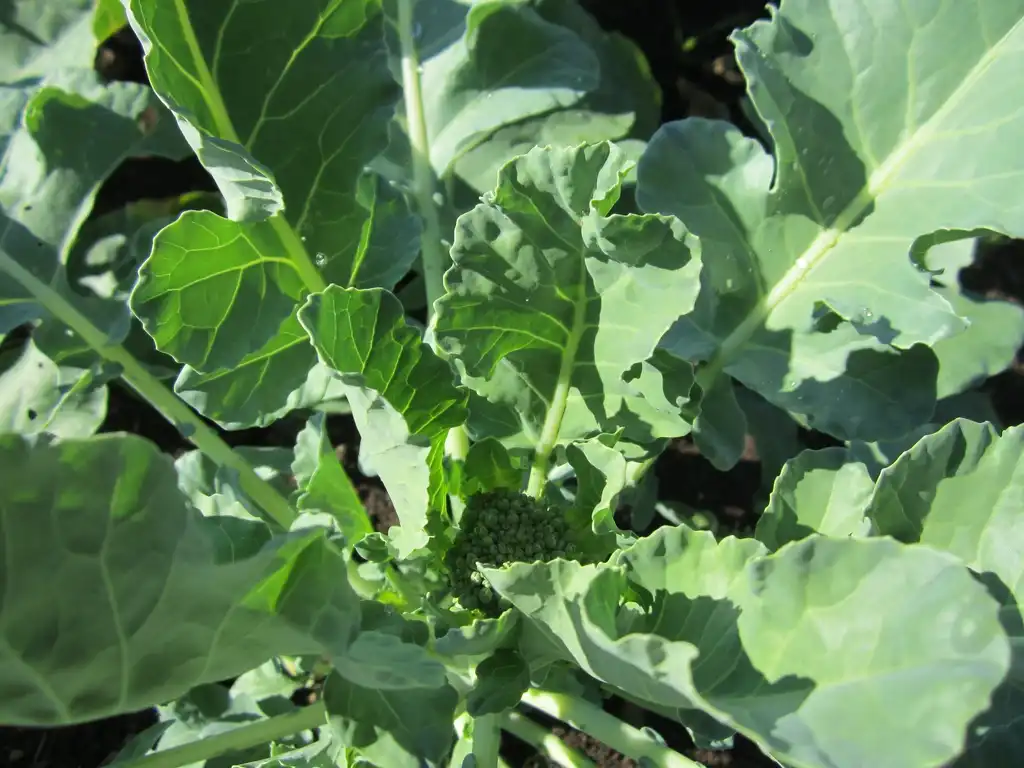
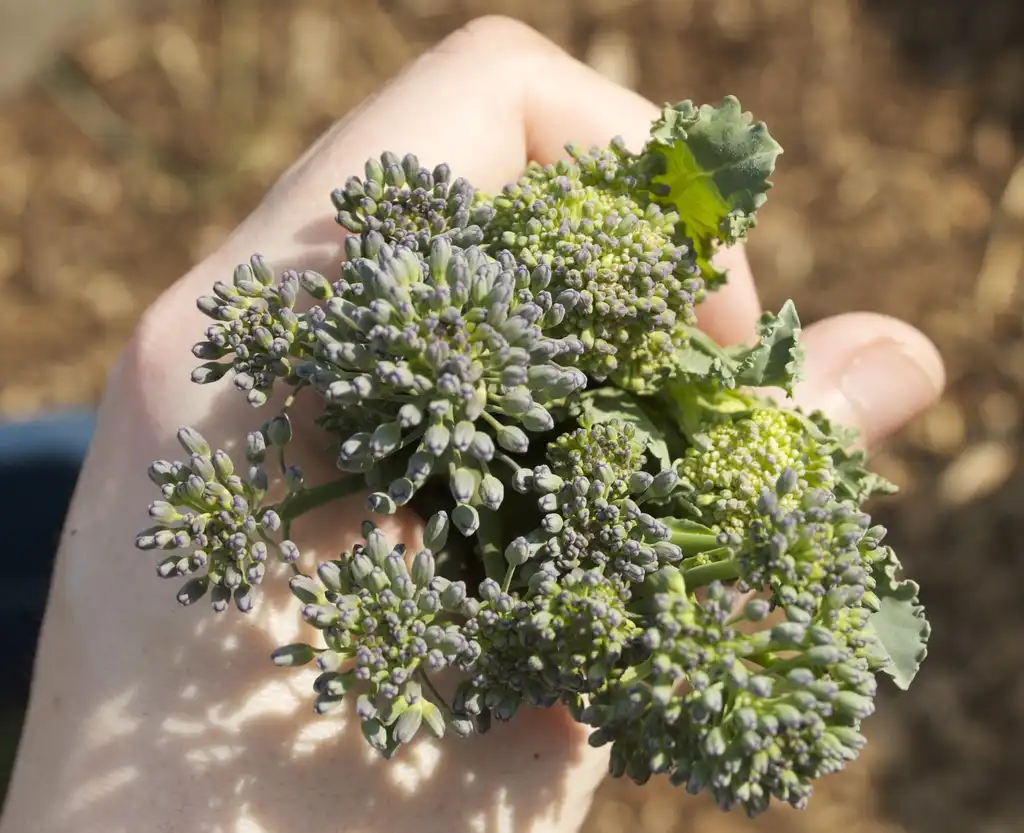
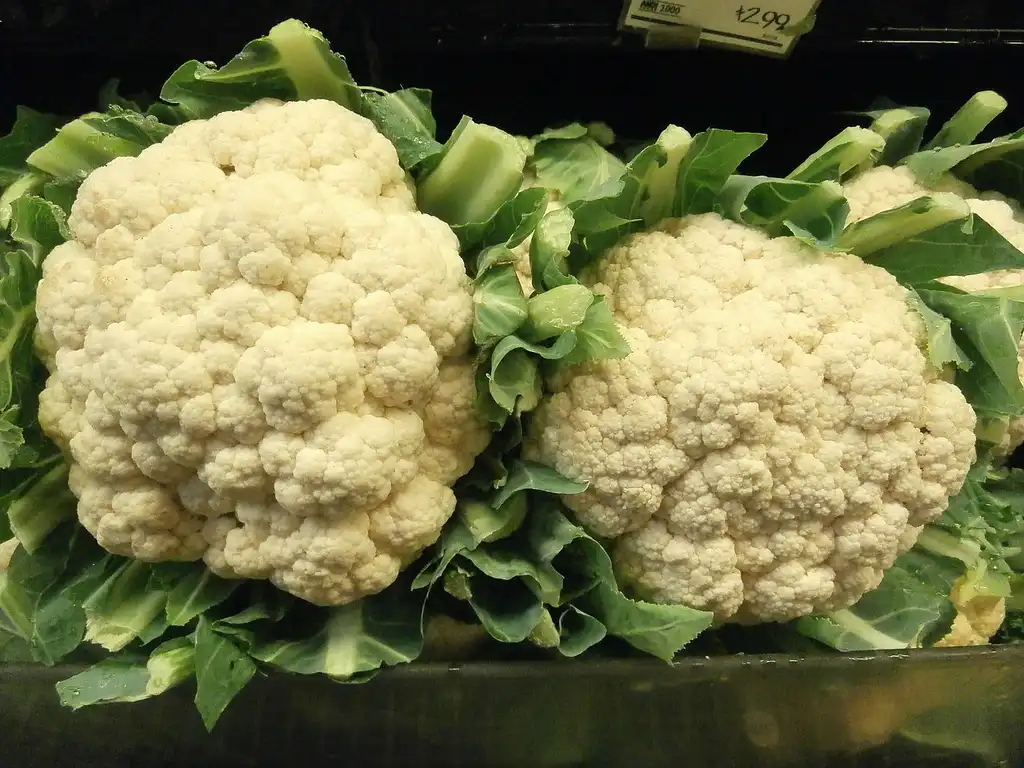
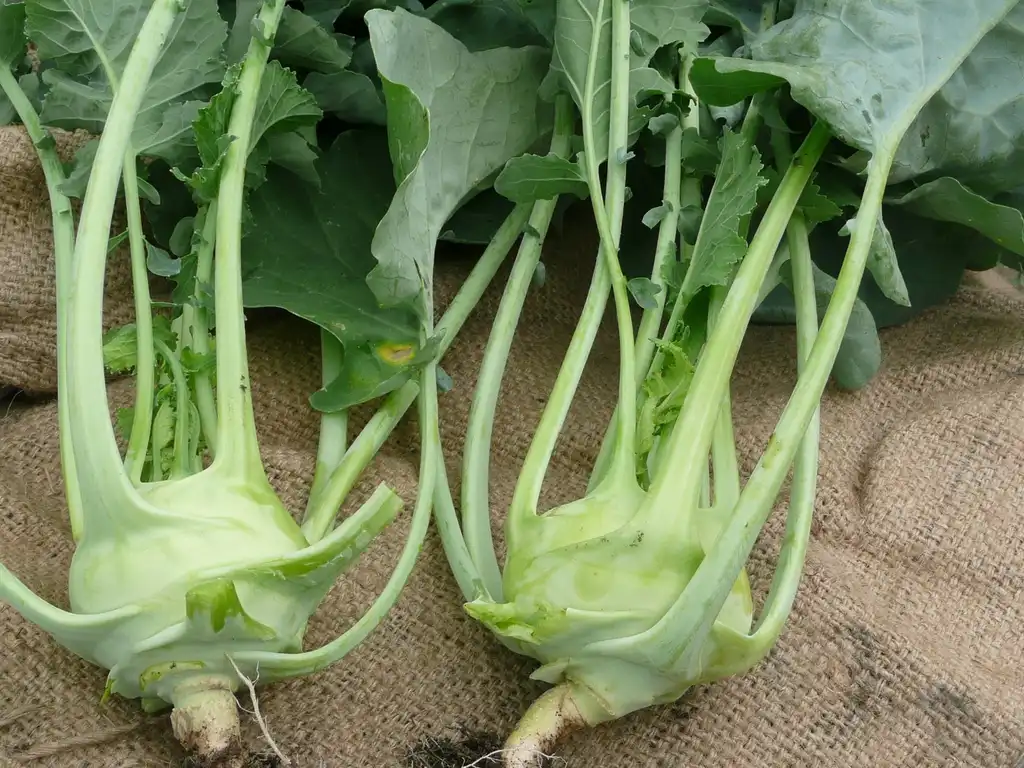
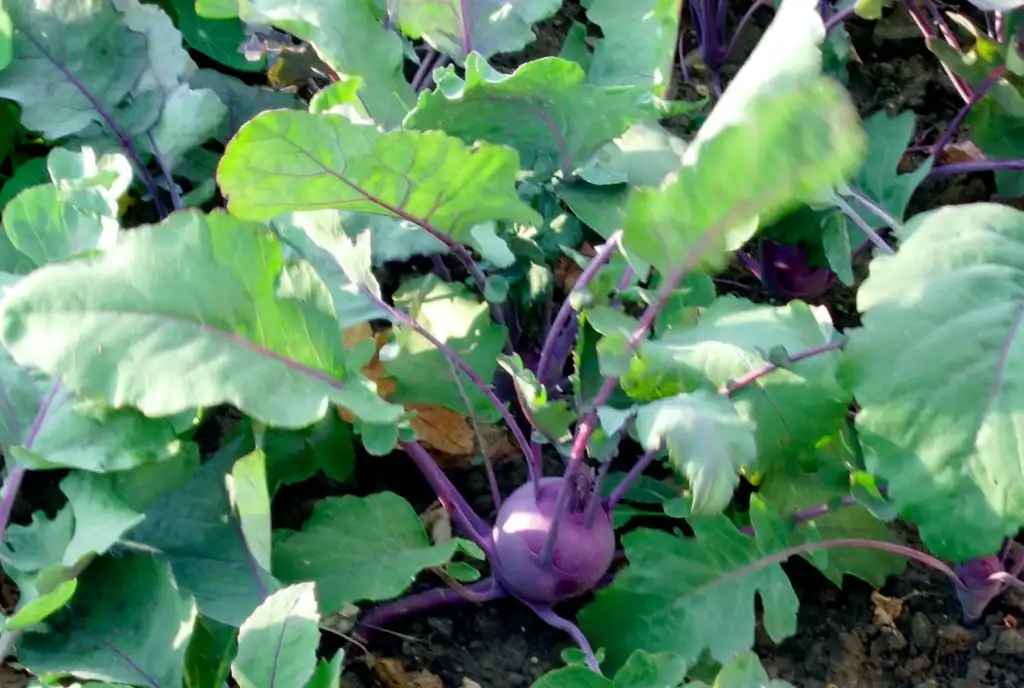
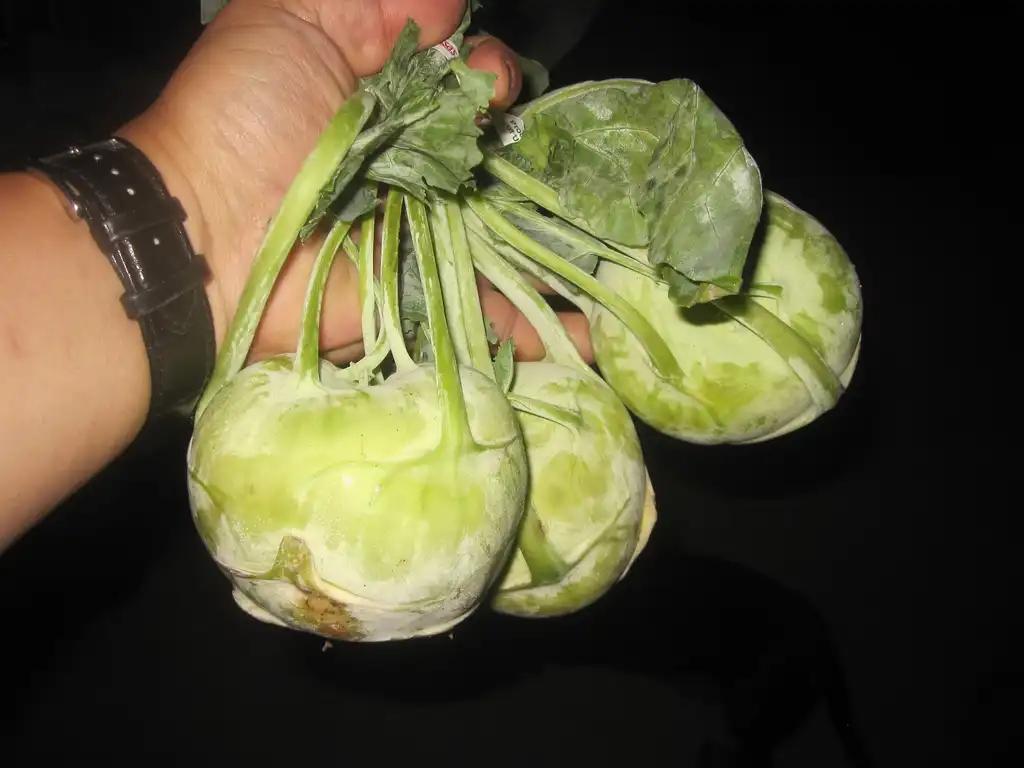
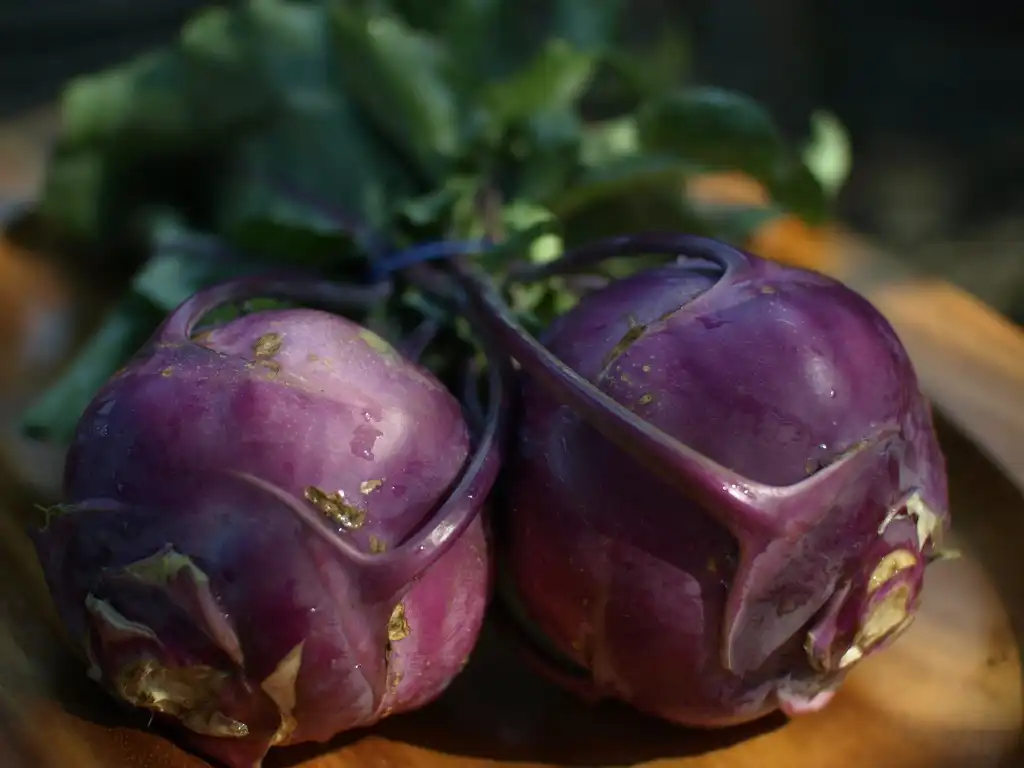
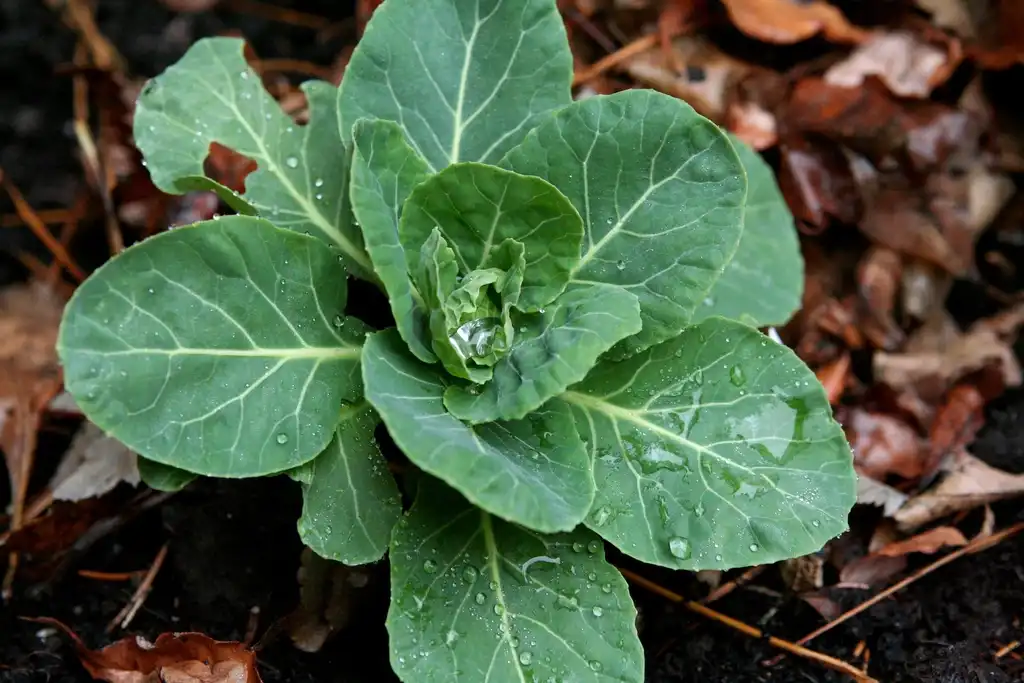
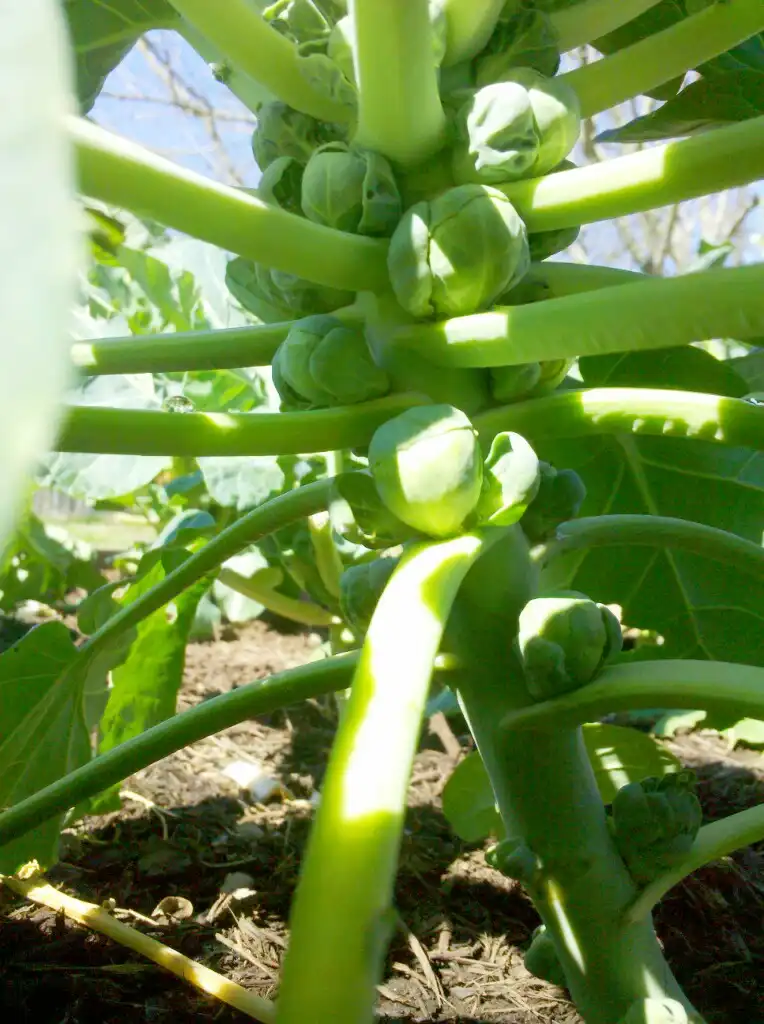
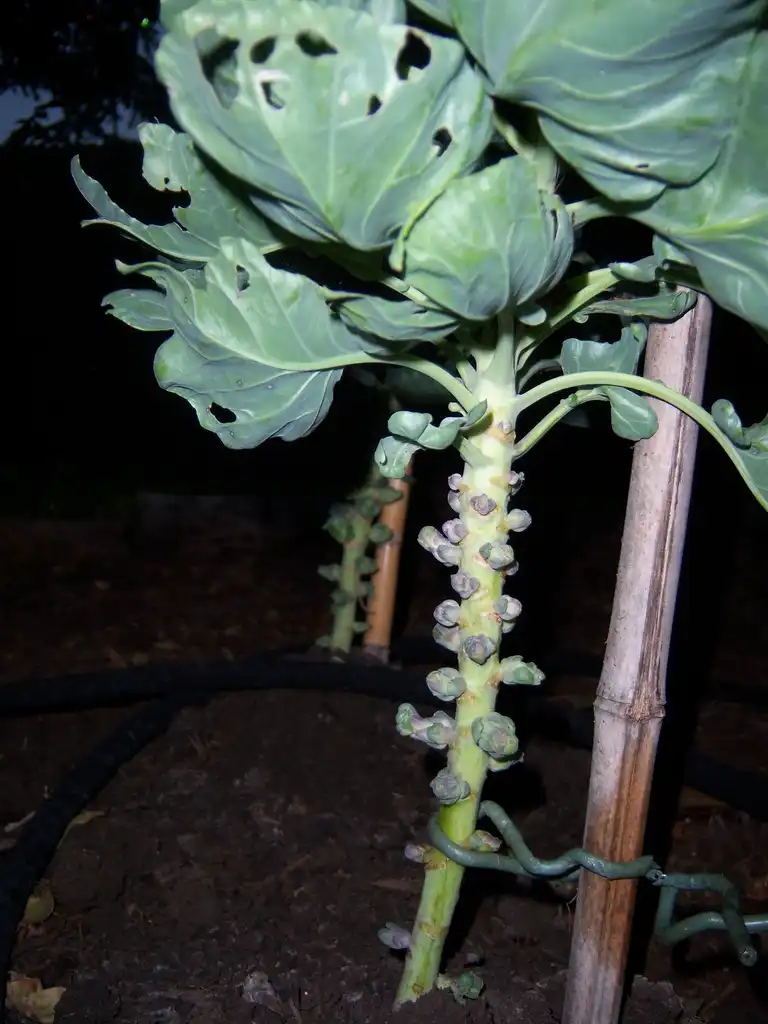
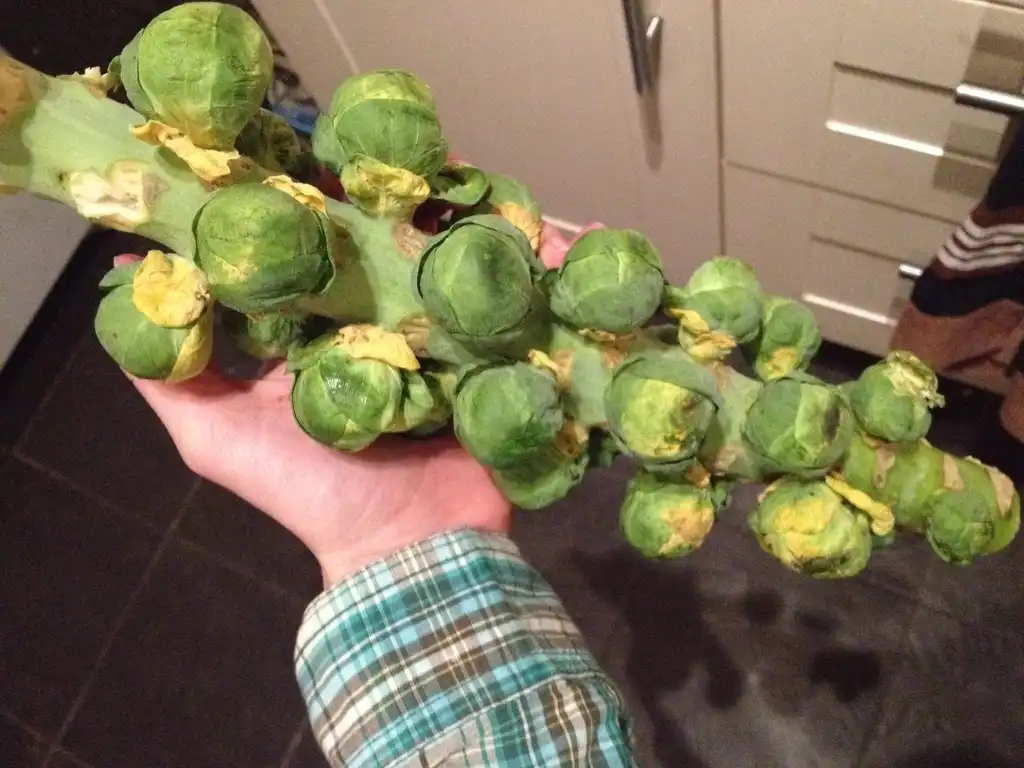
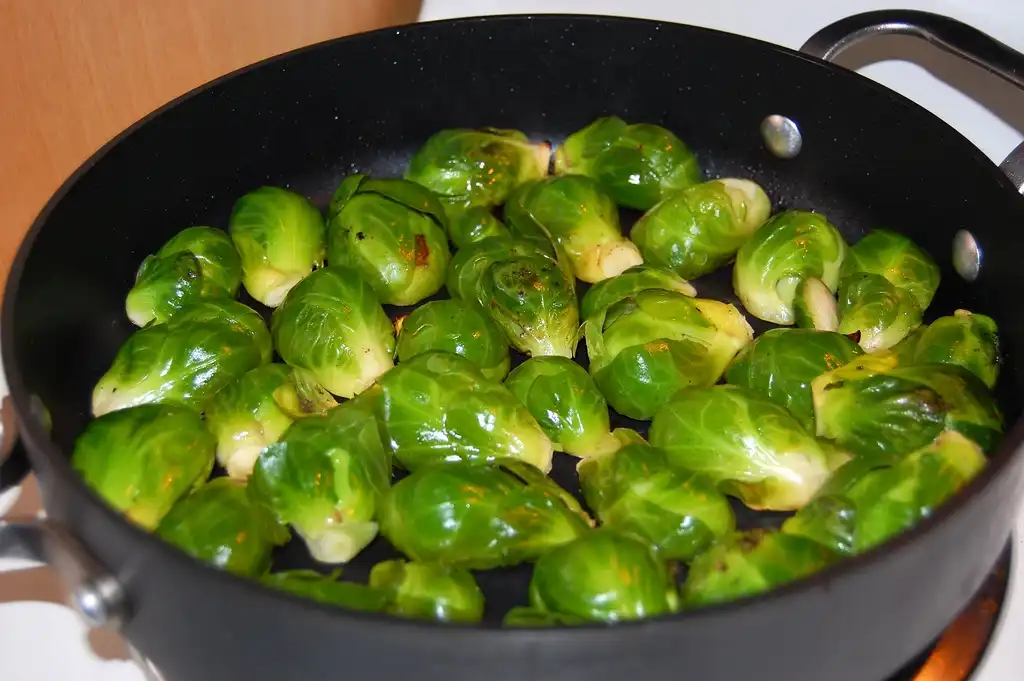
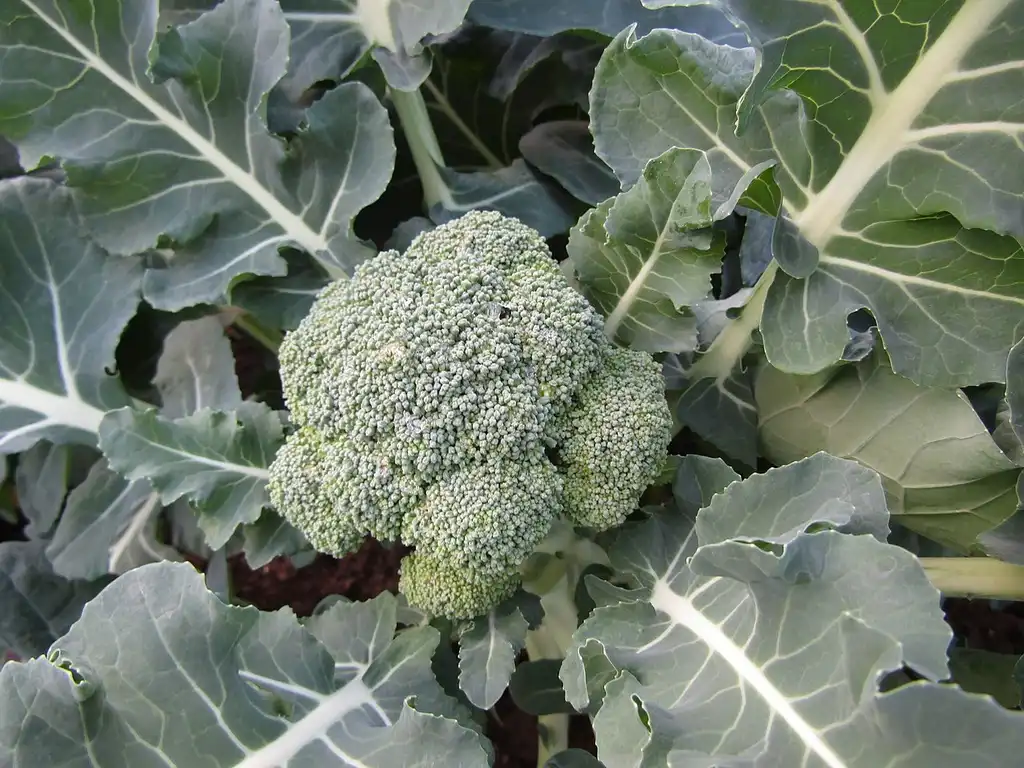
The Tronchuda Group has been cultivated primarily for its edible stems and leaves, but numerous other varieties have emerged, including brussels sprouts, broccoli, kale, cauliflower, collards, and traditional cabbage. Given the extensive range of vegetables within this group, their characteristics can vary significantly. Generally, these are robust herbaceous plants featuring smooth, bluish-green, rounded leaves. Depending on the specific type, they can be classified as annuals, biennials, or even perennials.
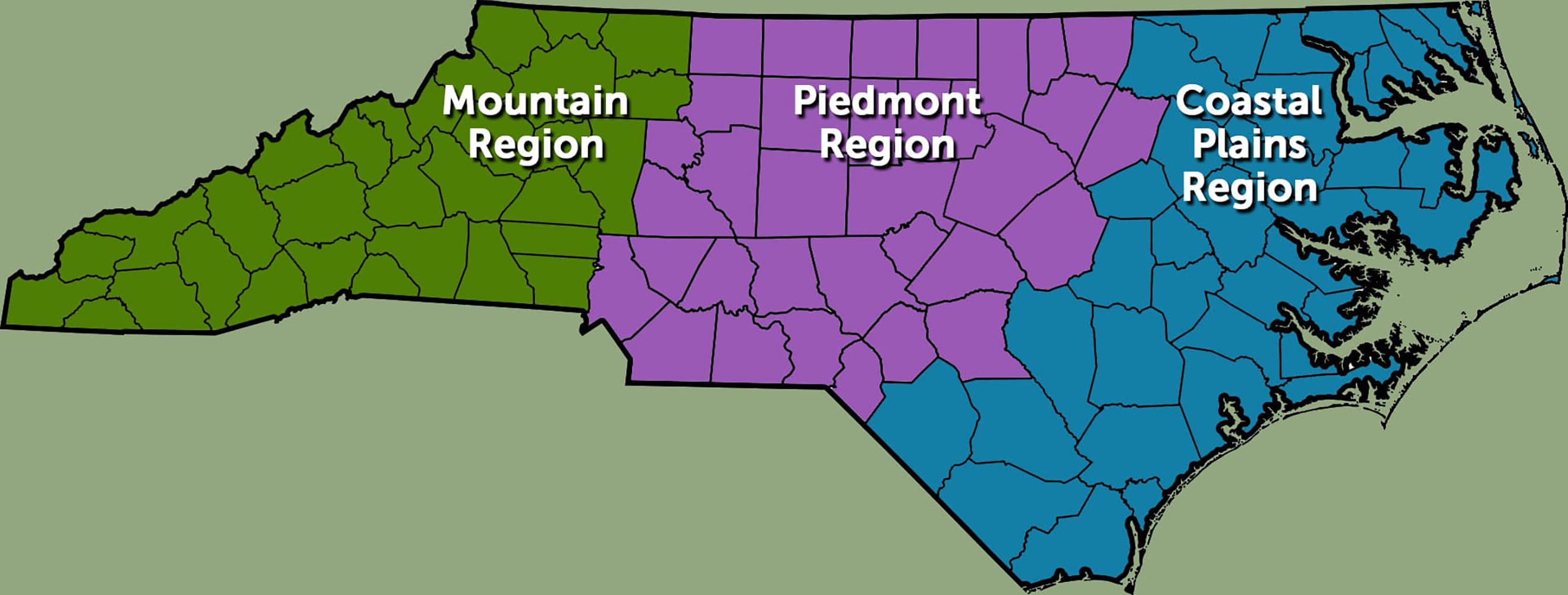
While not particularly ornamental, these plants are primarily valued for their edible foliage rather than for decorative purposes. They are commonly cultivated in temperate regions and are especially popular in spring and fall vegetable gardens in North Carolina, where the climate is milder.
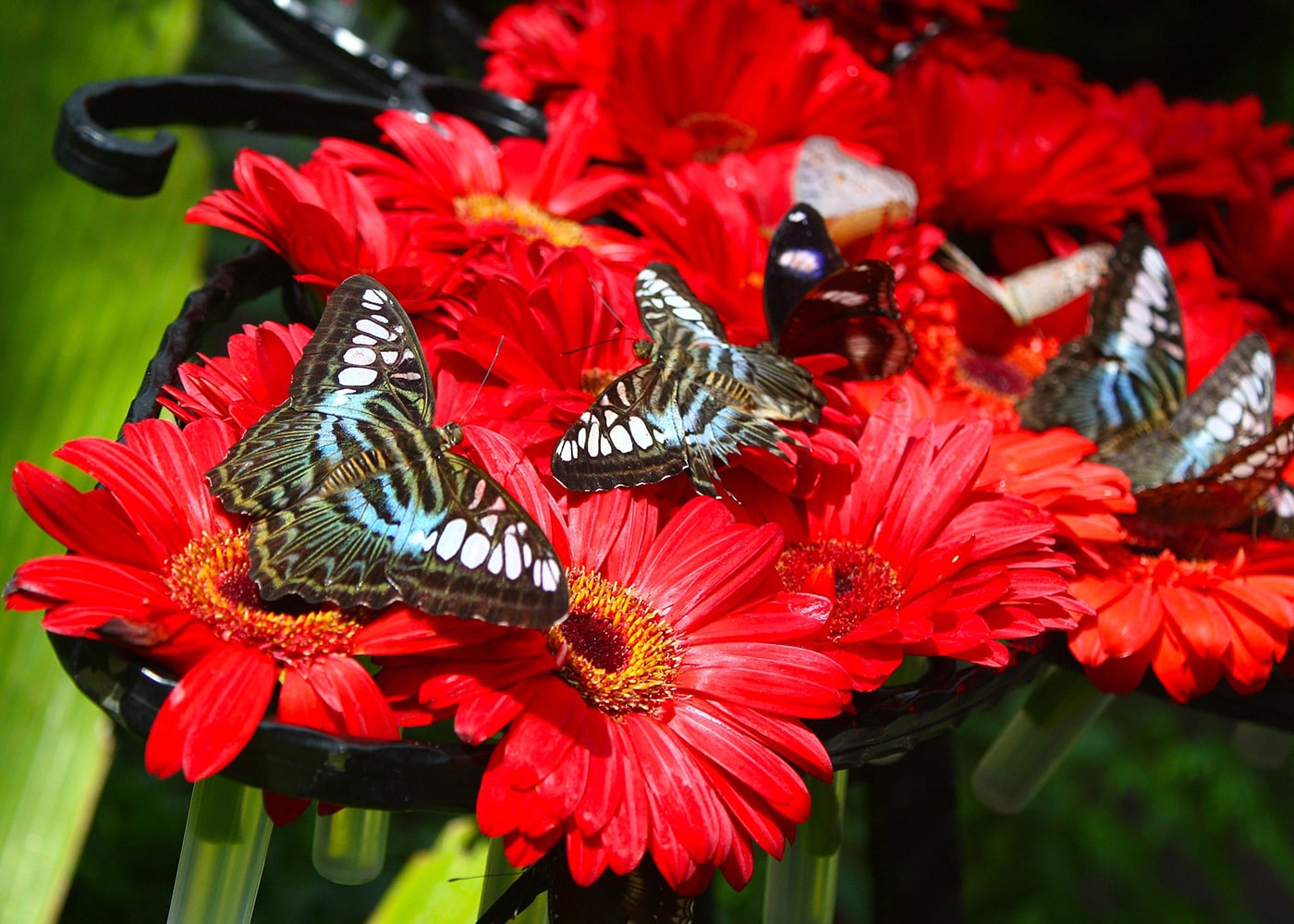
In terms of pests and diseases, common issues include aphids, cabbage webworms, cabbage white butterflies, and cabbage loopers.
Brassica oleracea (Tronchuda Group) Feature Summary
Brassica oleracea (Tronchuda Group) Image Gallery