Brassica rapa (Rapifera Group): Uses (Ethnobotany)
Edible vegetable.
Phonetic Spelling:BRAS-ih-ka RAY-puh
Genus:Brassica
Species:rapa
Family:Brassicaceae
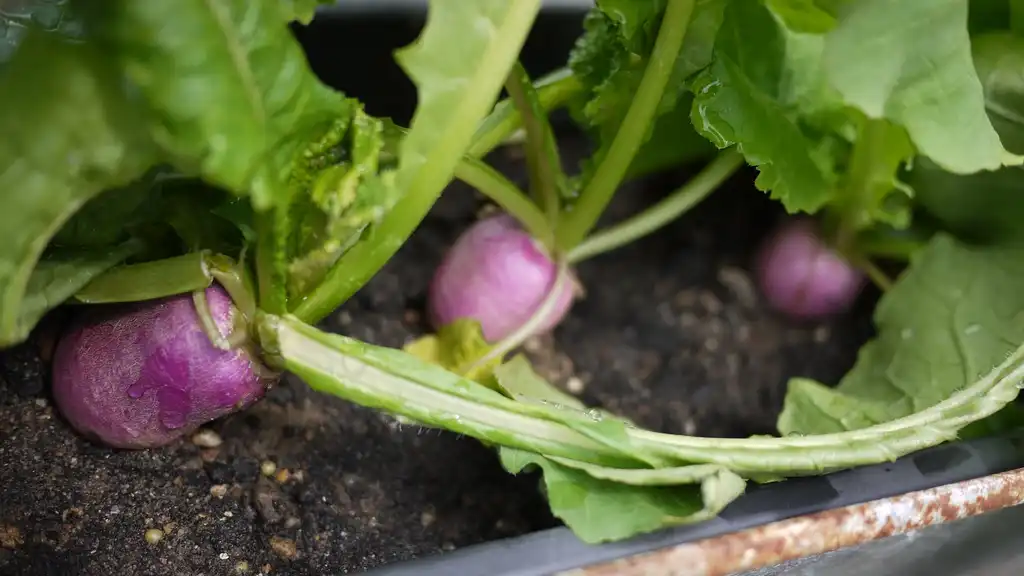
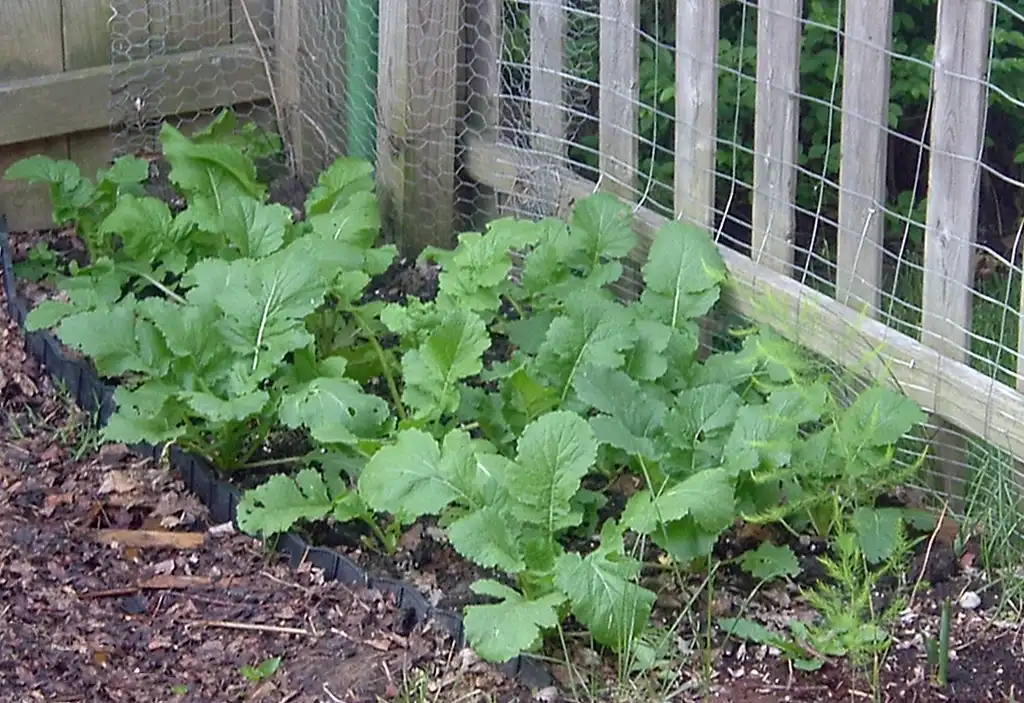
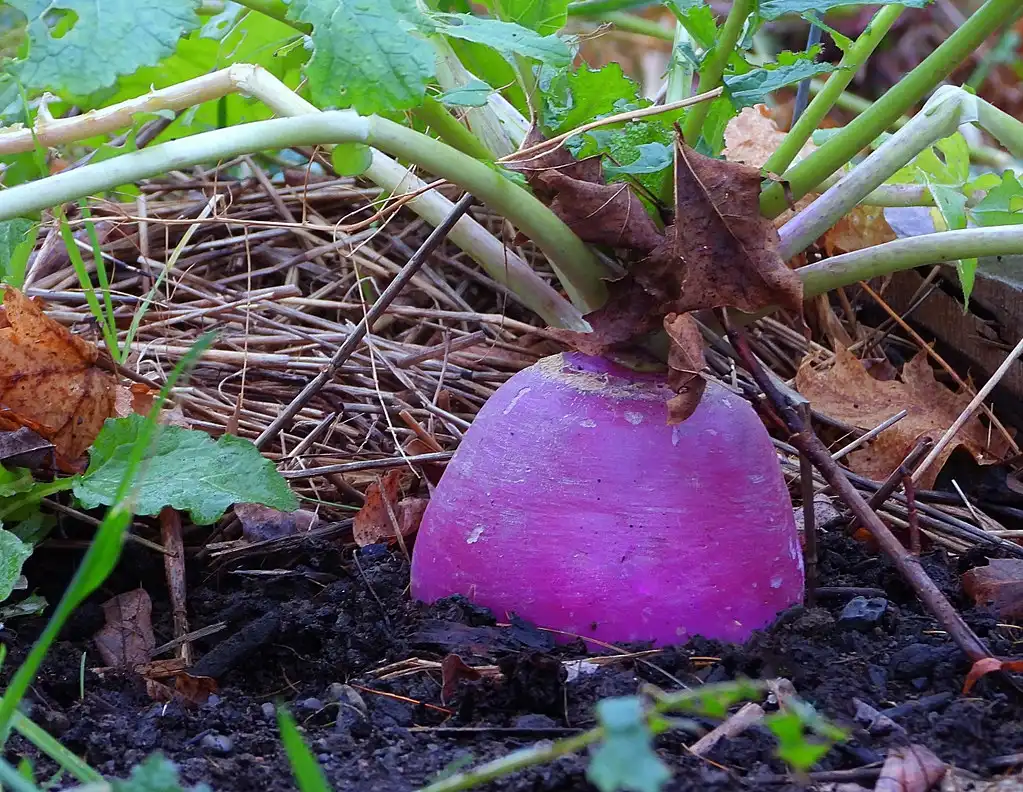
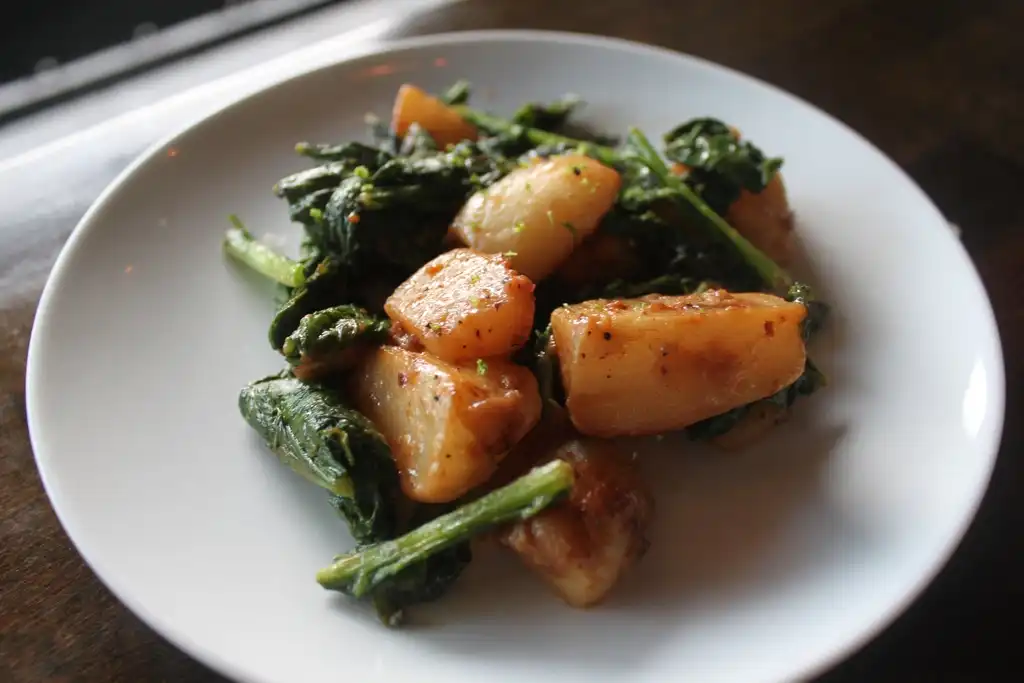
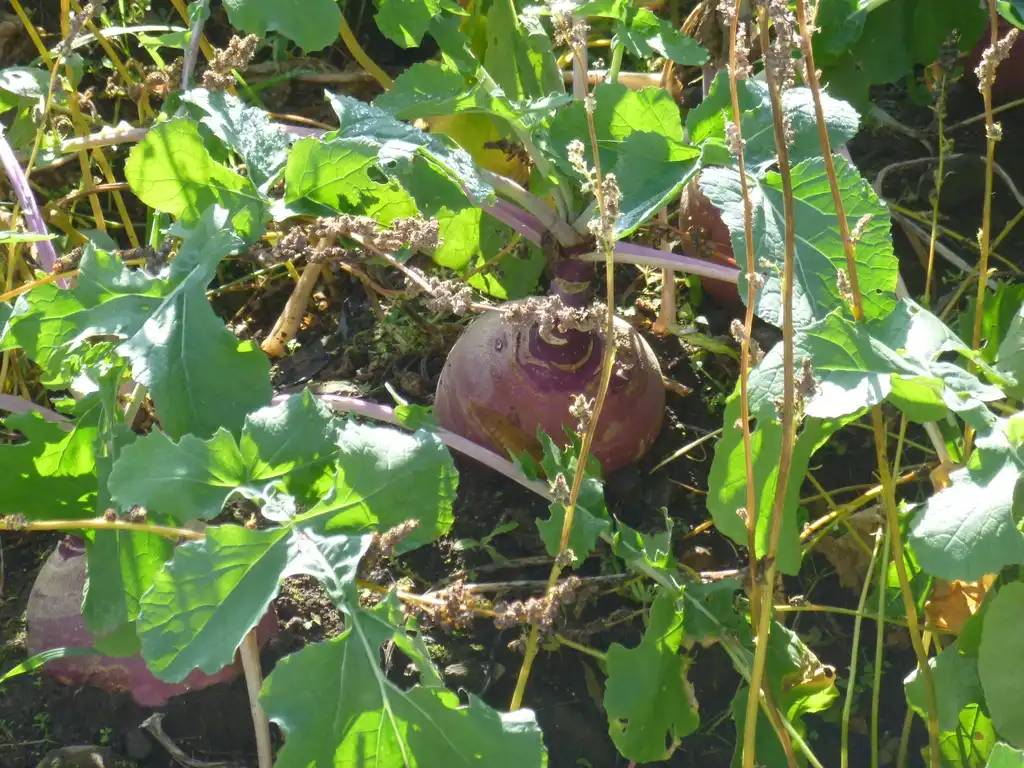
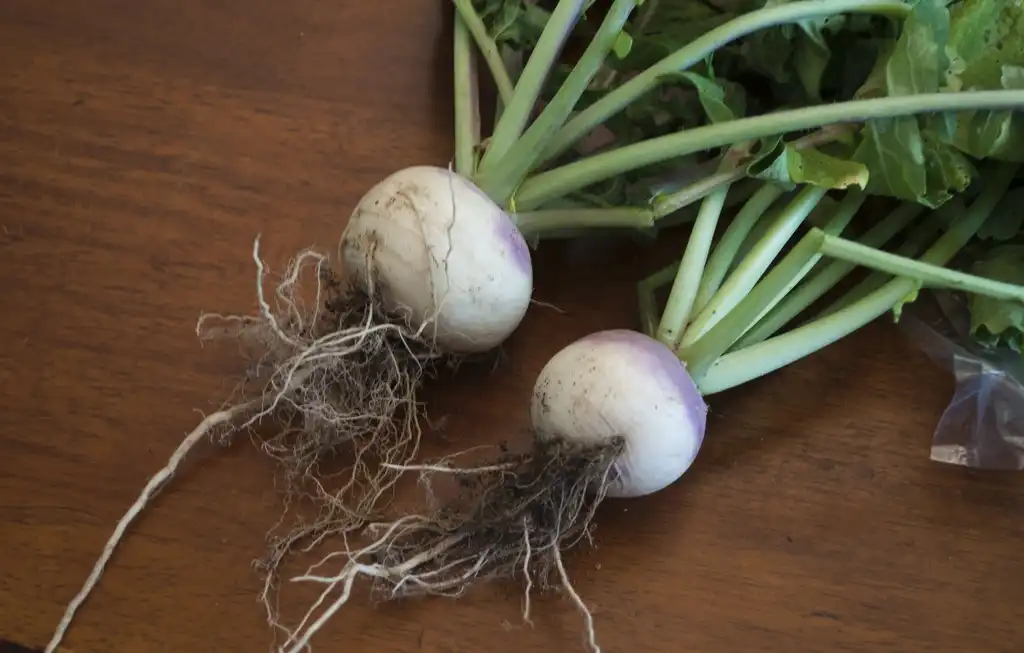
Turnips, belonging to the mustard family, are root vegetables cultivated for their edible roots and leafy greens. They can be planted in either spring or fall, but they tend to have the best flavor when harvested in the fall. For a fall harvest, seeds can be sown in mid-summer. The roots vary in color, ranging from yellow to white, and may feature red or purple tops. They can also be either round or somewhat flat. Young turnip greens are excellent in salads, while older leaves can be sautéed for a delicious side dish. The scientific name for this genus, Brassica, is derived from the Latin word for cabbage.
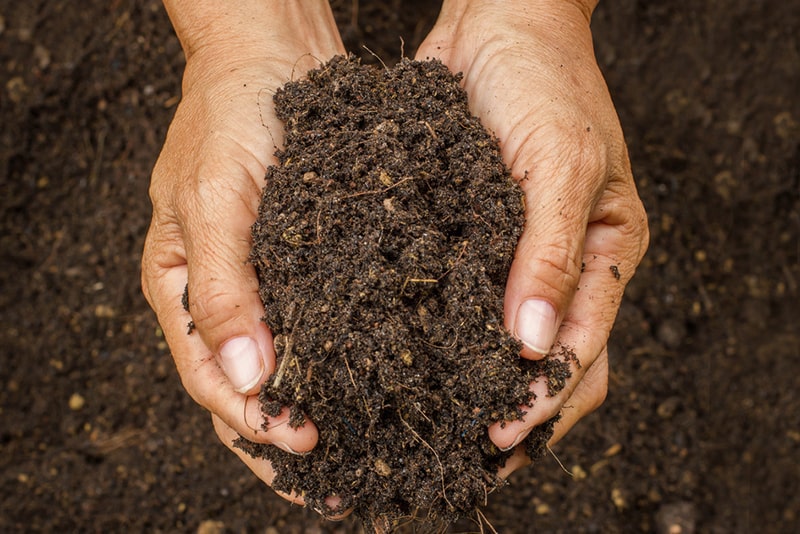
To cultivate turnips successfully, plant them in fertile, well-drained soil that retains moisture and receives full sunlight. Regular watering is essential to maintain slightly moist soil. Turnips germinate rapidly and typically reach maturity in about eight weeks. The roots are most flavorful when grown in moist conditions and harvested while still young, ideally before they exceed 2 inches in diameter. Additionally, a light frost in the fall or mid-summer planting can enhance their sweetness.
However, inadequate watering, insufficient fertilization, or delayed harvesting can lead to woody turnips. To achieve the best flavor, it is crucial to keep the soil consistently moist.
When it comes to pests and diseases, turnips can be affected by various insects, including aphids, whiteflies, flea beetles, and caterpillars like cabbage loopers, cutworms, and beet army worms. Slugs and snails may also pose a threat. Common diseases that affect turnips include club root, white rust, leaf spot, and various rots, such as damping off and bacterial soft rot.
Brassica rapa (Rapifera Group) Feature Summary
Brassica rapa (Rapifera Group) Image Gallery