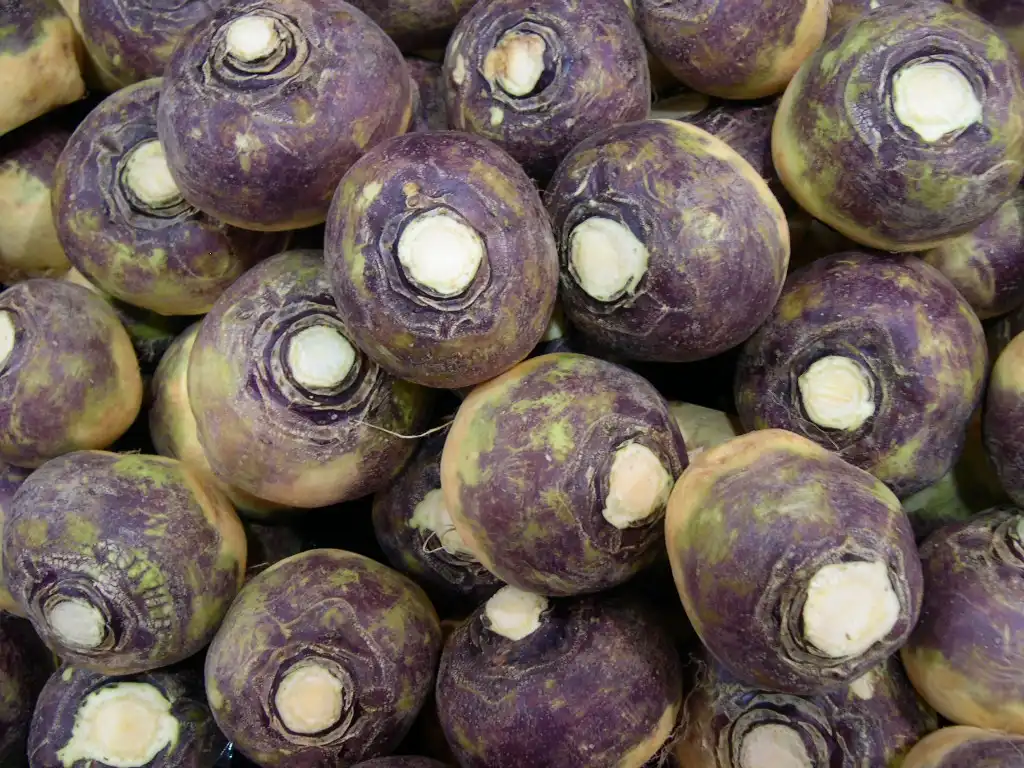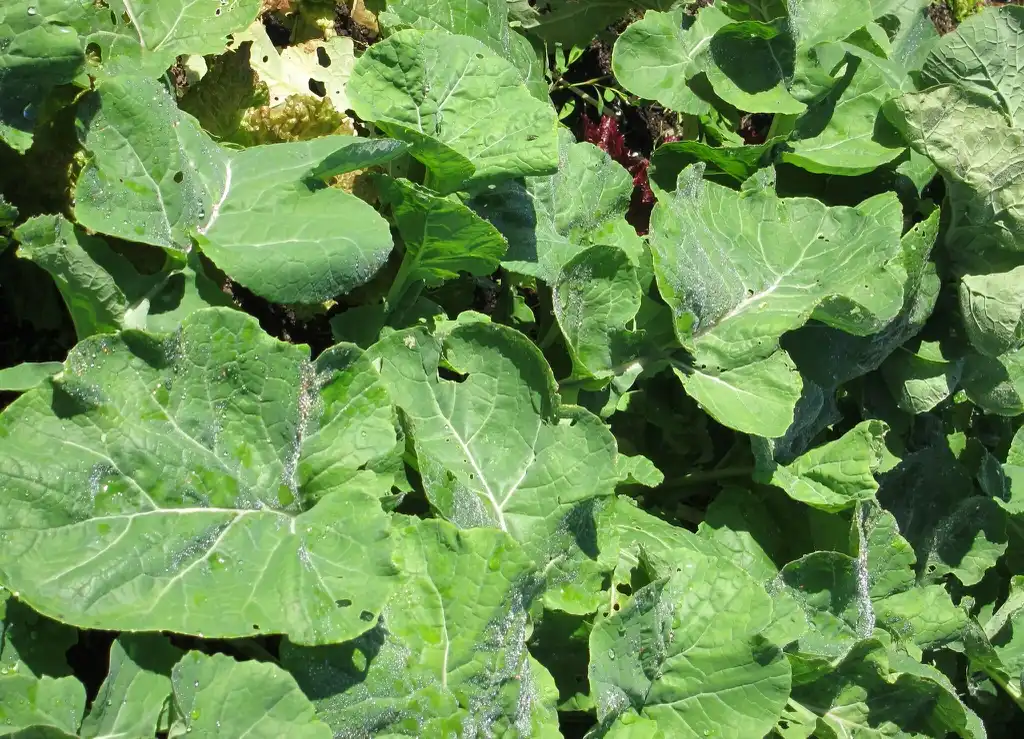
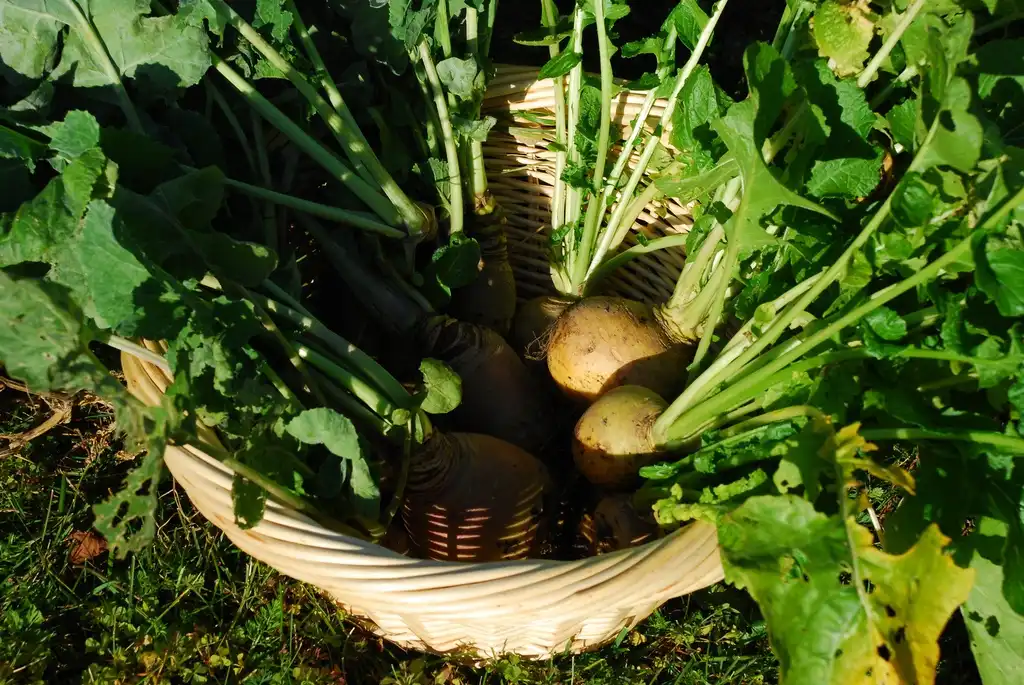
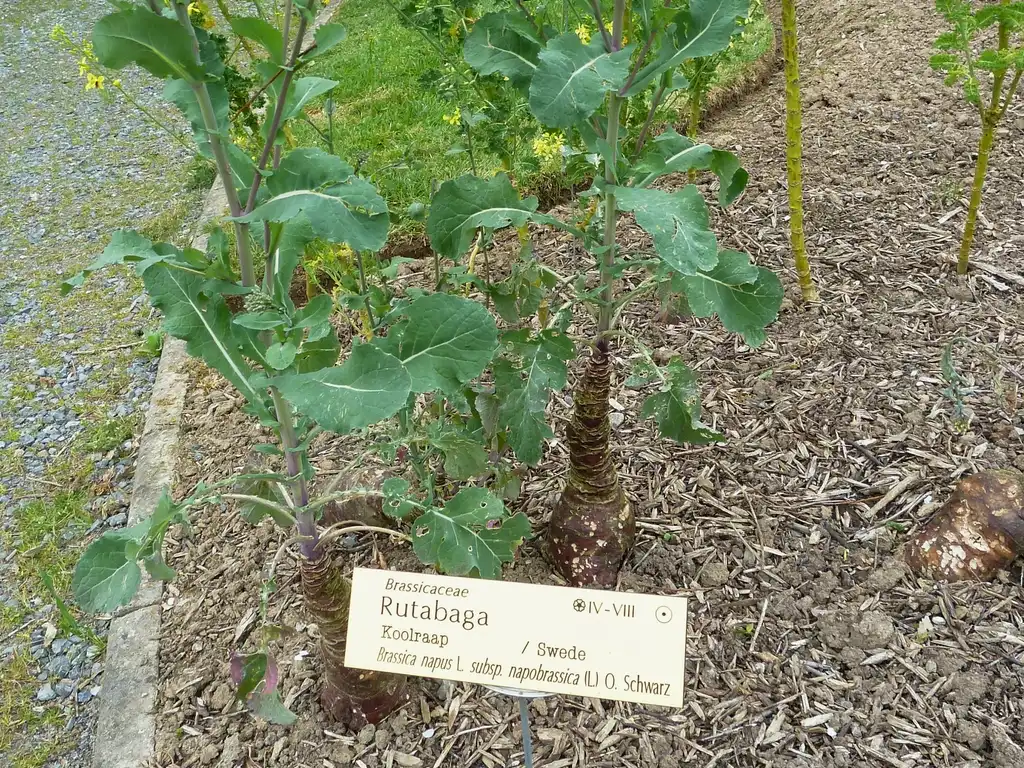
• Photo of Brassica napus (Napobrassica Group) (Brassica napus (Napobrassica Group)s)

Plant Profile: Brassica napus (Napobrassica Group)

Names

Russian turnip, Rutabaga, Swede, Swedish turnip, Yellow turnip

  • Photo of Brassica napus (Napobrassica Group) (Brassica napus (Napobrassica Group)s)

Phonetic Spelling:

Genus:Brassica

Species:napus

Family:Brassicaceae

Brassica napus, commonly known as rutabaga in the United States, belongs to the Napobrassica Group. The term "Brassica" is derived from Latin, meaning cabbage. This vegetable is a hybrid of turnips and cabbage, but it is not particularly popular in the U.S. due to its lengthy maturation period, which can take between three to four months. In contrast, turnips can be cultivated in roughly half that time. Nevertheless, rutabagas are generally larger, denser, and sweeter than their turnip relatives.

Although this biennial plant thrives in cooler weather, it is typically grown as an annual. For optimal growth, sow the seeds in your garden four to six weeks prior to the last frost date. Alternatively, you can plant them after the summer heat has subsided for a fall or early winter harvest.

The ideal time to harvest the edible bulb is when it reaches a diameter of 3 to 5 inches, as bulbs larger than 5 inches may become tough. The greens can be picked once they grow to a height of 4 inches. If the top of the bulb remains undamaged during the harvesting of the greens, it will continue to produce new growth.

To ensure healthy plants, provide them with about 1 inch of water each week. Insufficient water can lead to woody and bitter-tasting produce. Interestingly, crops harvested after a dry spell tend to have enhanced flavor, better firmness, and improved storage qualities compared to those grown in wetter conditions.

There are various rutabaga varieties available.

In terms of pests and diseases, the primary concern is clubroot, a soil-borne illness. If clubroot is detected, it is advisable to refrain from planting rutabagas in that area for at least six years. Additionally, flea beetles can harm the leaves, but using row covers can help shield the greens from these pests and prevent moths from laying eggs on the foliage.

Brassica napus (Napobrassica Group) Feature Summary

Brassica napus (Napobrassica Group) Image Gallery

Tags

#annual
#edible plant
#herbaceous
#vegetable garden
#cool temperatures
#cool weather plant
#vegetable
#edible leaves
#edible
#herbaceous annual
#cool season vegetable
#annual vegetable
#edible bulbs
#heat intolerant
#drought intolerant
#herbaceous bulb

Similar Plants

Brassica napus (Napobrassica Group) Feature Summary

Attributes
Scandinavia, Finland
The roots/bulb and leaves are edible.
Annual
Biennial
Edible fruit
Easy to Grow
Fruit
The fruits dry and split when ripe. They can range in color from yellow to purple to white. They are covered with a yellow flesh.
Purple/Lavender
Gold/Yellow
White
> 3 inches
1-3 inches
Flowers
The light yellow flowers each have 4 petals. They are not raised above the unopened buds on the raceme.
Gold/Yellow
4-5 petals/rays
< 1 inch
Leaves
The deep green leaves have a bluish hue, are deeply lobed and grow from the swollen root. They grow close to the ground.
> 6 inches
Smooth
Waxy
Whole Plant Traits
Cultural Conditions
Full sun (6 or more hours of direct sunlight a day)
Acid (<6.0)
Neutral (6.0-8.0)
Good Drainage
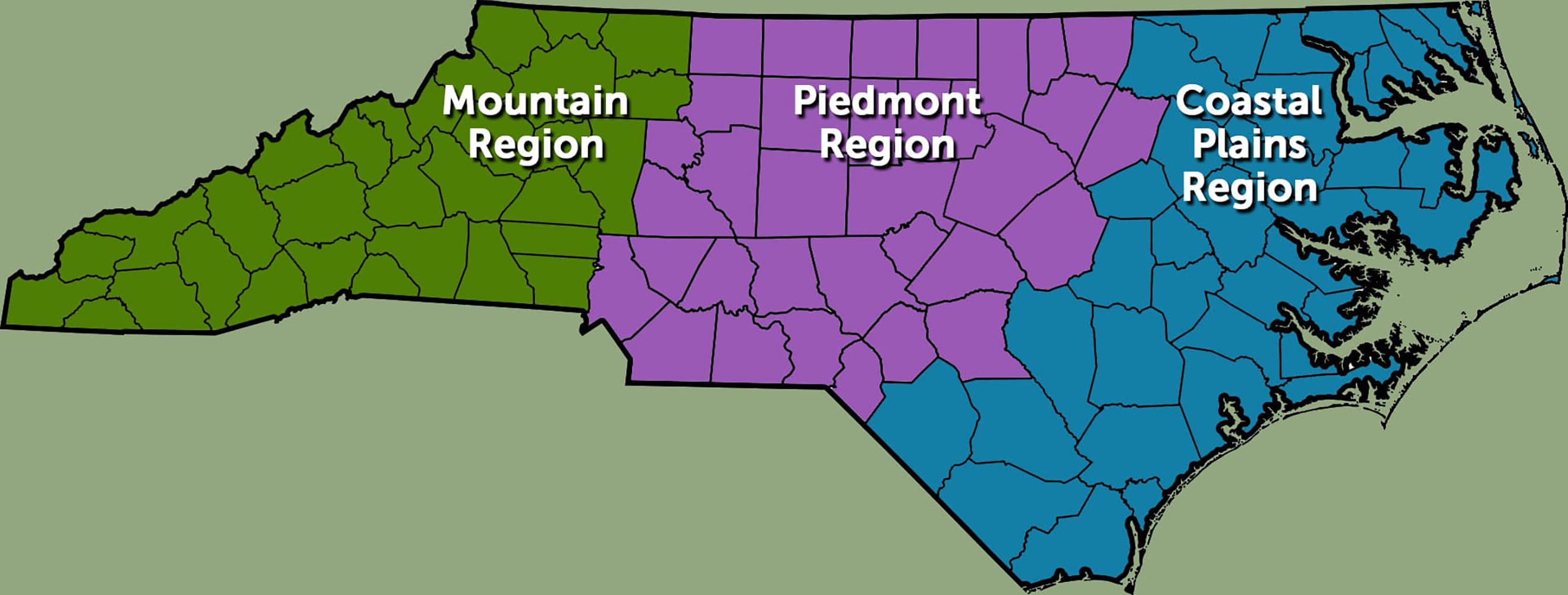
Less than 12 inches
Coastal
Mountains
Piedmont
4a
4b
5b
5a
6a
6b
7a
7b
8b
8a
2a
2b
3a
3b
9a
9b
10a
10b
11a
11b
Loam (Silt)
Sand
Landscape
Edible Garden

Brassica napus (Napobrassica Group) Attributes

Brassica napus (Napobrassica Group): Country Or Region Of Origin

Scandinavia, Finland
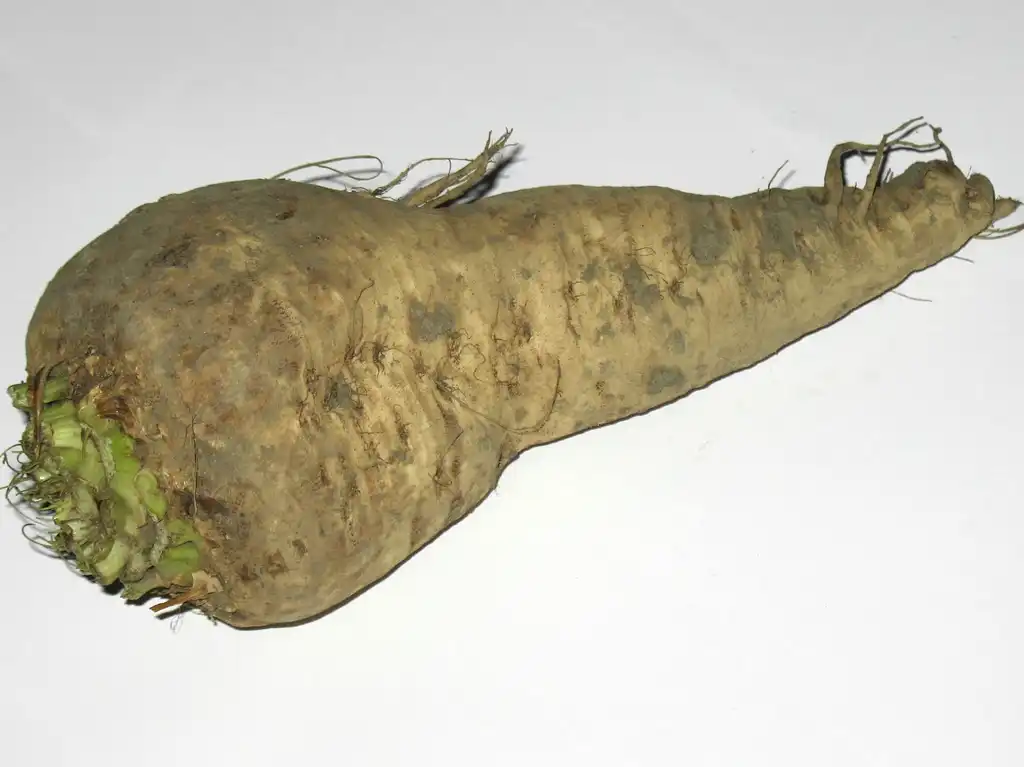
Brassica napus (Napobrassica Group): Edibility

The roots/bulb and leaves are edible.

Brassica napus (Napobrassica Group): Life Cycle

Annual
Biennial
Bulb
Perennial
Woody

Brassica napus (Napobrassica Group): Play Value

Attractive Flowers
Attracts Pollinators
Buffer
Colorful
Defines Paths
Easy to Grow
Edible fruit
Fragrance
Pieces Used in Games
Screening
Shade
Sound
Textural
Wildlife Cover/Habitat
Wildlife Food Source
Wildlife Larval Host
Wildlife Nesting
Wind Break
Wind Shimmer

Brassica napus (Napobrassica Group) Fruit

Brassica napus (Napobrassica Group): Fruit Description

The fruits dry and split when ripe. They can range in color from yellow to purple to white. They are covered with a yellow flesh.

Brassica napus (Napobrassica Group): Fruit Type

Achene
Aggregate
Berry
Capsule
Caryopsis
Drupe
Follicle
Legume
Nut
Pome
Samara
Schizocarp
Siliqua

Brassica napus (Napobrassica Group): Fruit Color

grass
Gold/Yellow
grass
Purple/Lavender
grass
White

Brassica napus (Napobrassica Group): Fruit Value To Gardener

Edible
Fragrant
Good Cut
Good Dried
Long Bloom Season
Long-lasting
Showy

Brassica napus (Napobrassica Group): Display/Harvest Time

Fall
Spring
Summer
Winter

Brassica napus (Napobrassica Group): Fruit Length

< 1 inch
1-3 inches
> 3 inches

Brassica napus (Napobrassica Group): Fruit Width

< 1 inch
1-3 inches
> 3 inches

Brassica napus (Napobrassica Group) Flowers

Brassica napus (Napobrassica Group): Flower Description

The light yellow flowers each have 4 petals. They are not raised above the unopened buds on the raceme.

Brassica napus (Napobrassica Group): Flower Color

filter_vintage
Gold/Yellow

Brassica napus (Napobrassica Group): Flower Inflorescence

Catkin
Corymb
Cyme
Head
Insignificant
Panicle
Raceme
Solitary
Spadix
Spike
Umbel

Brassica napus (Napobrassica Group): Flower Petals

2-3 rays/petals
4-5 petals/rays
6 petals/rays
7 - 20 petals/rays
asymmetrical petals
Bracts
Colored Sepals
fused petals
more than 20 petals/rays
Tepals

Brassica napus (Napobrassica Group): Flower Shape

Bell
Cross
Crown
Cup
Dome
Funnel
Irregular
Lipped
Radial
Saucer
Star
Trumpet
Tubular
Urn
Wheel

Brassica napus (Napobrassica Group): Flower Size

1-3 inches
3-6 inches
< 1 inch
> 6 inches

Brassica napus (Napobrassica Group) Leaves

Brassica napus (Napobrassica Group): Leaf Description

The deep green leaves have a bluish hue, are deeply lobed and grow from the swollen root. They grow close to the ground.

Brassica napus (Napobrassica Group): Woody Plant Leaf Characteristics

Broadleaf Evergreen
Deciduous
Needled Evergreen
Semi-evergreen

Brassica napus (Napobrassica Group): Leaf Color

spa
Green

Brassica napus (Napobrassica Group): Leaf Type

Compound (Pinnately , Bipinnately, Palmately)
Fronds
Needles
Sheath
Simple

Brassica napus (Napobrassica Group): Leaf Arrangement

Alternate
Opposite
Other/more complex
Rosulate
Whorled

Brassica napus (Napobrassica Group): Hairs Present

No
Yes

Brassica napus (Napobrassica Group): Leaf Length

< 1 inch
1-3 inches
3-6 inches
> 6 inches

Brassica napus (Napobrassica Group): Leaf Feel

Fleshy
Glossy
Leathery
Papery

Prickly

Rough
Rubbery
Slippery
Smooth
Soft
Velvety
Waxy

Brassica napus (Napobrassica Group): Leaf Value To Gardener

Edible
Fragrant
Good Cut
Good Dried
Long-lasting
Showy

Brassica napus (Napobrassica Group) Whole Plant Traits

Brassica napus (Napobrassica Group): Plant Type

Annual
Bulb
Carnivorous
Edible
Epiphyte
Fern
Ground Cover
Herb
Herbaceous Perennial
Houseplant
Mushroom
Native Plant
Ornamental Grasses and Sedges
Perennial
Poisonous
Rose
Shrub
Succulent
Tree
Turfgrass
Vegetable
Vine
Water Plant
Weed
Wildflower

Brassica napus (Napobrassica Group): Woody Plant Leaf Characteristics

Broadleaf Evergreen
Deciduous
Needled Evergreen
Semi-evergreen

Brassica napus (Napobrassica Group): Habit/Form

Arching
Ascending
Broad
Cascading
Climbing
Clumping
Columnar
Conical
Creeping
Dense
Erect
Horizontal
Irregular
Mounding
Multi-stemmed
Multi-trunked
Open
Oval
Prostrate
Pyramidal
Rounded
Spreading
Vase
Weeping

Brassica napus (Napobrassica Group): Growth Rate

Slow
Medium
Rapid

Brassica napus (Napobrassica Group): Maintenance

Low
Medium
High

Brassica napus (Napobrassica Group): Texture

Fine
Medium
Coarse

Brassica napus (Napobrassica Group) Cultural Conditions

Brassica napus (Napobrassica Group): Light

Dappled Sunlight (Shade through upper canopy all day)
Deep shade (Less than 2 hours to no direct sunlight)
Full sun (6 or more hours of direct sunlight a day)
Partial Shade (Direct sunlight only part of the day, 2-6 hours)

Brassica napus (Napobrassica Group): Soil pH

Acid (<6.0)
Alkaline (>8.0)
Neutral (6.0-8.0)

Brassica napus (Napobrassica Group): Soil Drainage

Frequent Standing Water
Good Drainage
Moist
Occasional Flooding
Occasionally Dry
Occasionally Wet
Very Dry

Brassica napus (Napobrassica Group): Available Space To Plant

12 inches-3 feet
12-24 feet
24-60 feet
3 feet-6 feet
6-feet-12 feet
Less than 12 inches
more than 60 feet

Brassica napus (Napobrassica Group): NC Region

Coastal
Mountains
Piedmont

Brassica napus (Napobrassica Group): USDA Plant Hardiness Zone

thermostat
10a
thermostat
10b
thermostat
11a
thermostat
11b
thermostat
2a
thermostat
2b
thermostat
3a
thermostat
3b
thermostat
4a
thermostat
4b
thermostat
5a
thermostat
5b
thermostat
6a
thermostat
6b
thermostat
7a
thermostat
7b
thermostat
8a
thermostat
8b
thermostat
9a
thermostat
9b

Brassica napus (Napobrassica Group): Soil Texture

Clay
High Organic Matter
Loam (Silt)
Sand
Shallow Rocky

Brassica napus (Napobrassica Group) Stem

Brassica napus (Napobrassica Group): Stem Is Aromatic

No
Yes

Brassica napus (Napobrassica Group) Landscape

Brassica napus (Napobrassica Group): Landscape Theme

Asian Garden
Butterfly Garden
Children's Garden
Cottage Garden
Cutting Garden
Drought Tolerant Garden
Edible Garden
English Garden
Fairy Garden
Garden for the Blind
Native Garden
Nighttime Garden
Pollinator Garden
Rain Garden
Rock Garden
Shade Garden
Water Garden
Winter Garden