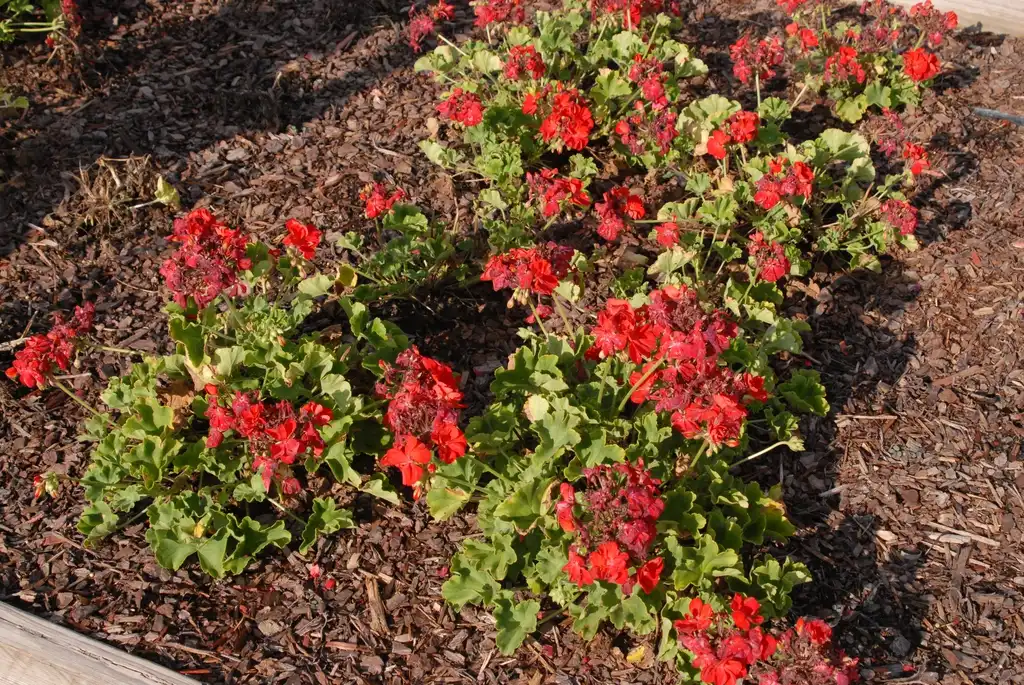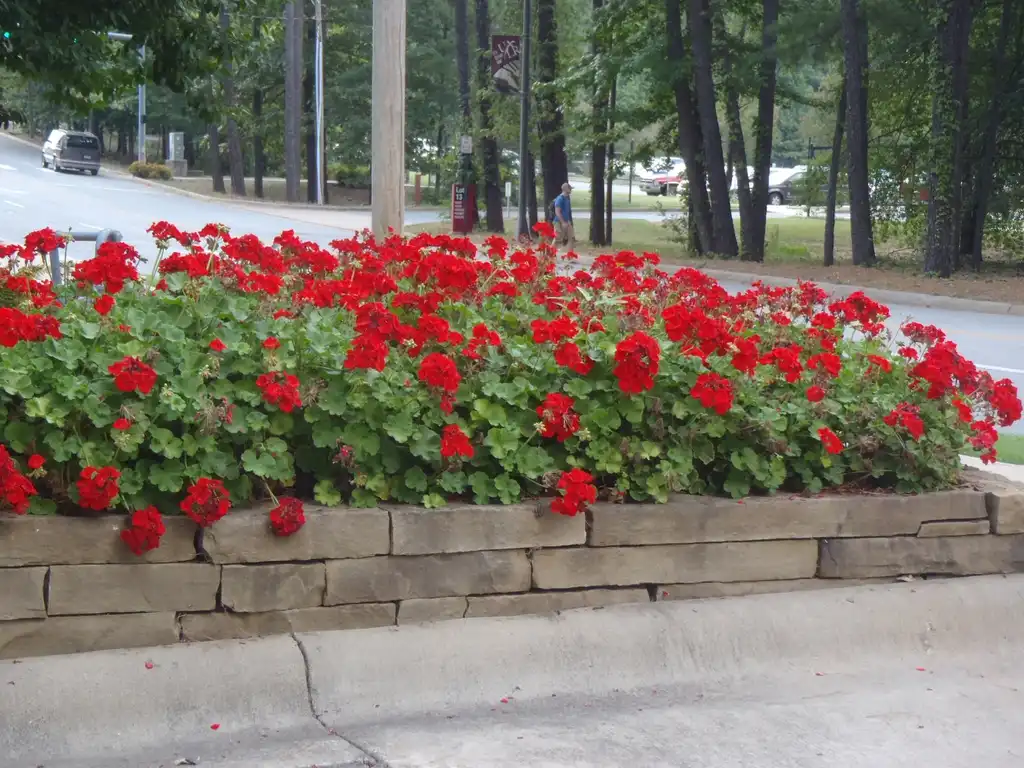
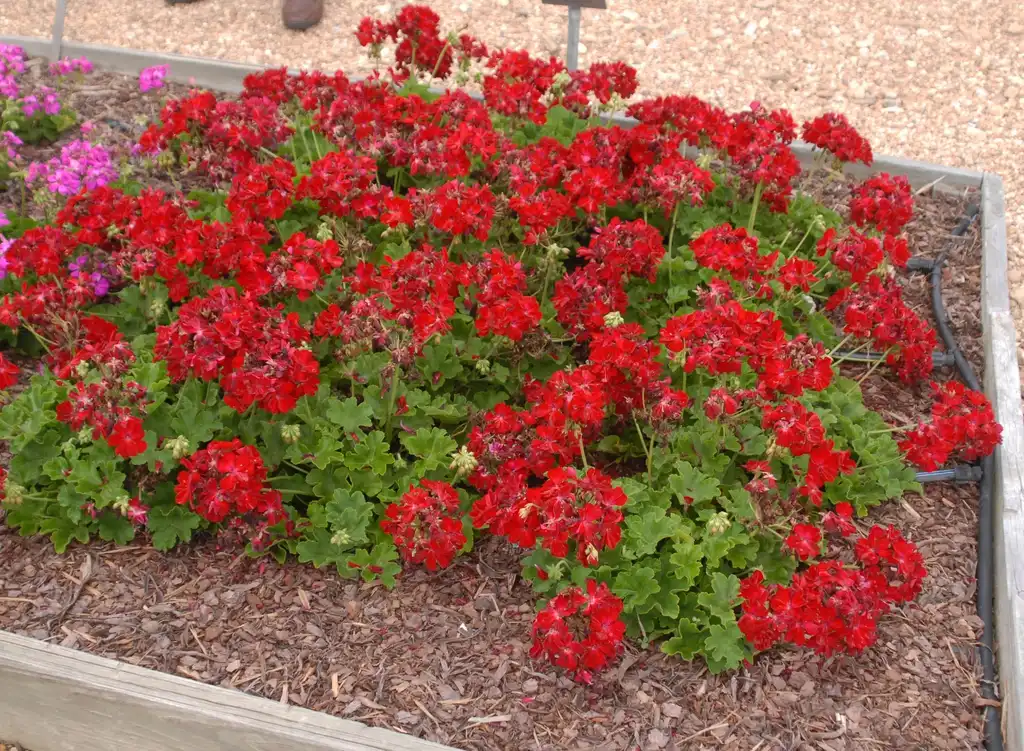
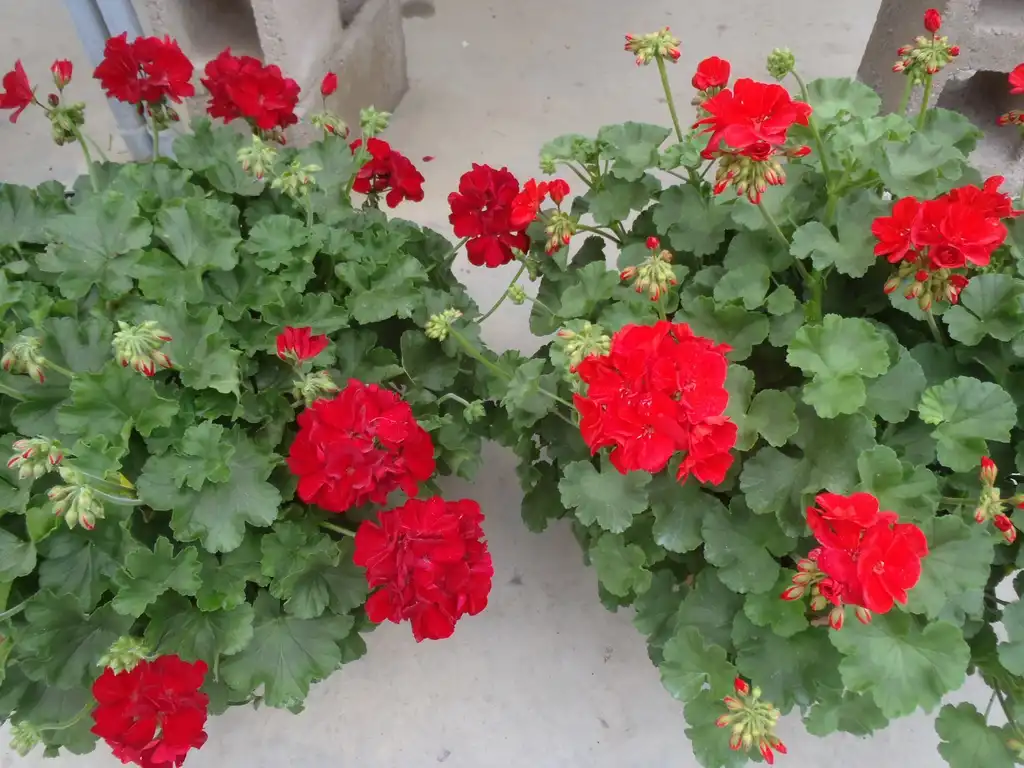
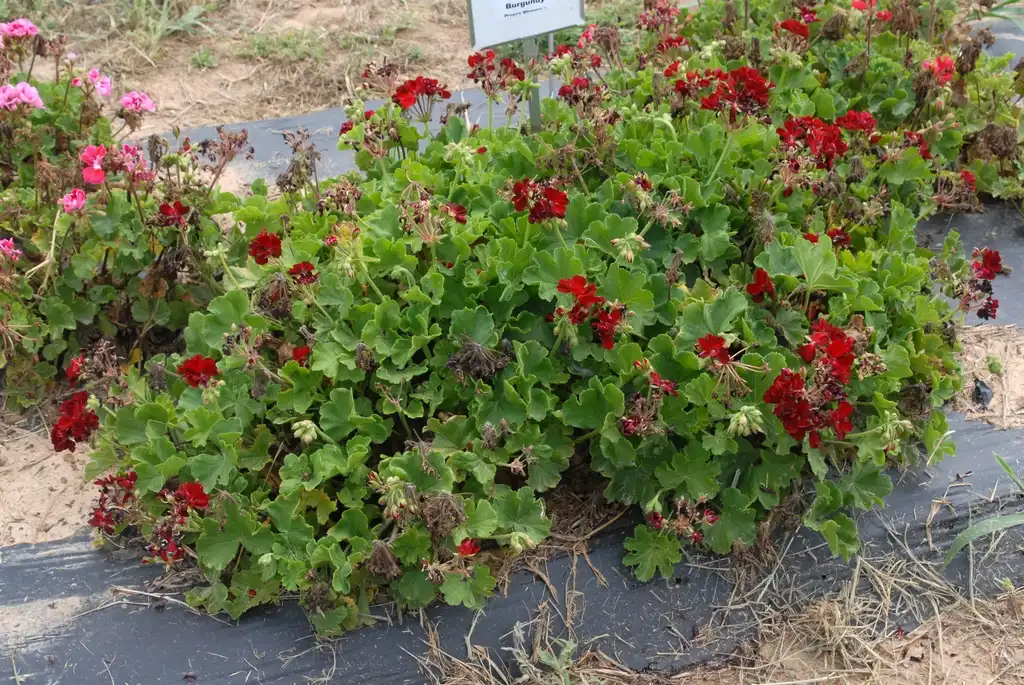
• Photo of Pelargonium (Pelargoniums)

Plant Profile: Pelargonium

Taxonomy: Pelargonium

Names

Geranium, Scented Geranium

  • Photo of Pelargonium (Pelargoniums)

Phonetic Spelling:peh-lar-GO-nee-um

Genus:Pelargonium

Species:

Family:Geraniaceae

Applications for these flowers encompass potpourris, sachets, teas, jellies, desserts, herbal butter, and vinegar. Their flavor closely resembles the aroma of the leaves.

**Hardiness:** Tender perennial
**Family:** Geraniaceae
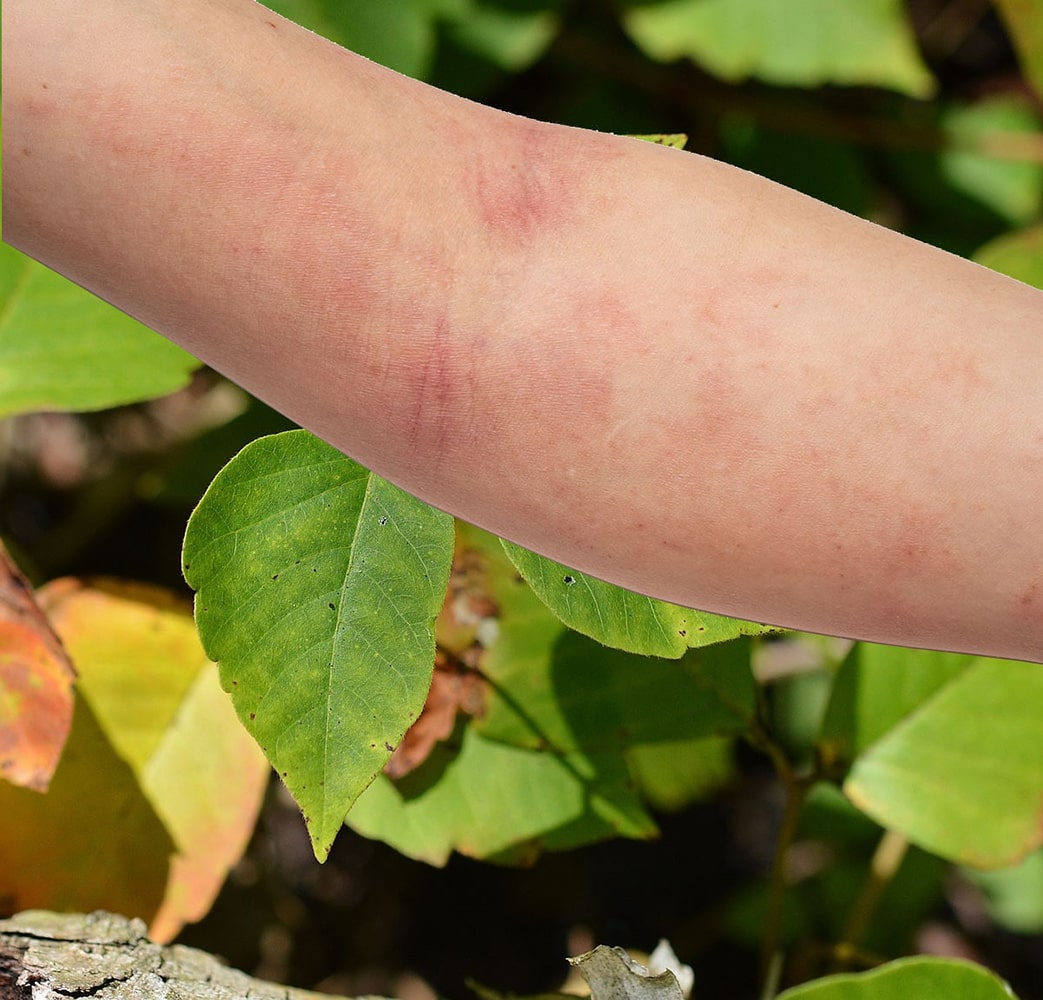
**Poison Delivery Method:** Dermatitis
**Severity:** Minor skin irritation, typically lasting only a few minutes.
**Habitat:** Commonly found as houseplants or in interior landscapes; also utilized in flower gardens as herbaceous annuals.

Pelargonium Feature Summary

Pelargonium Image Gallery

Tags

#problem for cats
#problem for dogs
#problem for horses

Similar Plants

Pelargonium Feature Summary

Attributes
Flowers
variously colored.
4-5 petals/rays
Leaves
leaves simple or divided,
Poisonous to Humans
Vomiting, anorexia, dermatitis Primarily GI upset. Could also see ataxia, muscle weakness, depression or hypothermia in larger exposures, cats are most sensitive.
Geraniol, linalool
Whole Plant Traits
Edible
Poisonous
Herb
Cultural Conditions
Full sun (6 or more hours of direct sunlight a day)
Landscape
Edible Garden
Problem for Cats
Problem for Dogs
Problem for Horses

Pelargonium Attributes

Pelargonium: Country Or Region Of Origin

Africa
Pelargonium: Edibility

Leaves in tea and flavorings

Pelargonium: Recommended Propagation Strategy

Division
Grafting
Layering
Leaf Cutting
Root Cutting
Seed
Stem Cutting

Pelargonium Flowers

Pelargonium: Flower Description

variously colored.

Pelargonium: Flower Value To Gardener

Edible
Fragrant
Good Cut
Good Dried
Long Bloom Season
Long-lasting
Showy

Pelargonium: Flower Petals

2-3 rays/petals
4-5 petals/rays
6 petals/rays
7 - 20 petals/rays
asymmetrical petals
Bracts
Colored Sepals
fused petals
more than 20 petals/rays
Tepals

Pelargonium Leaves

Pelargonium: Leaf Description

leaves simple or divided,

Pelargonium: Leaf Type

Compound (Pinnately , Bipinnately, Palmately)
Fronds
Needles
Sheath
Simple

Pelargonium: Leaf Arrangement

Alternate
Opposite
Other/more complex
Rosulate
Whorled

Pelargonium: Hairs Present

No
Yes

Pelargonium: Leaf Value To Gardener

Edible
Fragrant
Good Cut
Good Dried
Long-lasting
Showy

Pelargonium Poisonous to Humans

Pelargonium: Poison Symptoms

Vomiting, anorexia, dermatitis Primarily GI upset. Could also see ataxia, muscle weakness, depression or hypothermia in larger exposures, cats are most sensitive.

Pelargonium: Poison Toxic Principle

Geraniol, linalool

Pelargonium: Poison Severity

High
Low
Medium

Pelargonium: Causes Contact Dermatitis

No
Yes

Pelargonium: Poison Part

Bark
Flowers
Fruits
Leaves
Roots
Sap/Juice
Seeds
Stems

Pelargonium Whole Plant Traits

Pelargonium: Plant Type

Annual
Bulb
Carnivorous
Edible
Epiphyte
Fern
Ground Cover
Herb
Herbaceous Perennial
Houseplant
Mushroom
Native Plant
Ornamental Grasses and Sedges
Perennial
Poisonous
Rose
Shrub
Succulent
Tree
Turfgrass
Vegetable
Vine
Water Plant
Weed
Wildflower

Pelargonium Cultural Conditions

Pelargonium: Light

Dappled Sunlight (Shade through upper canopy all day)
Deep shade (Less than 2 hours to no direct sunlight)
Full sun (6 or more hours of direct sunlight a day)
Partial Shade (Direct sunlight only part of the day, 2-6 hours)

Pelargonium Stem

Pelargonium: Stem Is Aromatic

No
Yes

Pelargonium Landscape

Pelargonium: Landscape Theme

Asian Garden
Butterfly Garden
Children's Garden
Cottage Garden
Cutting Garden
Drought Tolerant Garden
Edible Garden
English Garden
Fairy Garden
Garden for the Blind
Native Garden
Nighttime Garden
Pollinator Garden
Rain Garden
Rock Garden
Shade Garden
Water Garden
Winter Garden

Pelargonium: Problems

Allelopathic
Contact Dermatitis
Frequent Disease Problems
Frequent Insect Problems
Invasive Species
Malodorous
Messy
Poisonous to Humans
Problem for Cats
Problem for Children
Problem for Dogs
Problem for Horses
Short-lived
Spines/Thorns
Weak Wood
Weedy