


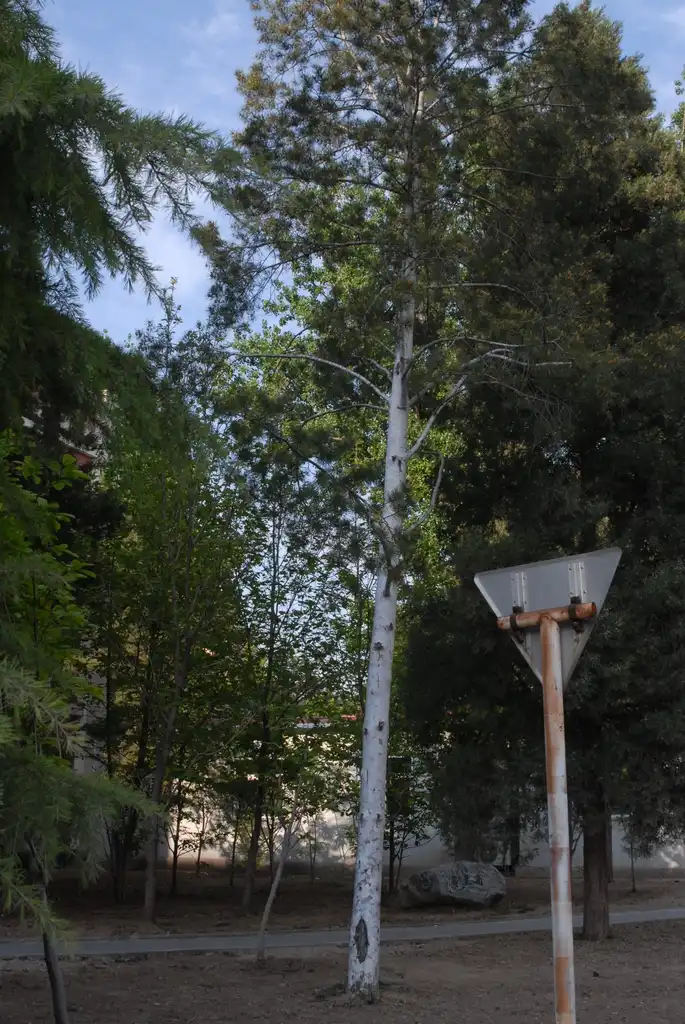
Pinus bungeana: Country Or Region Of Origin
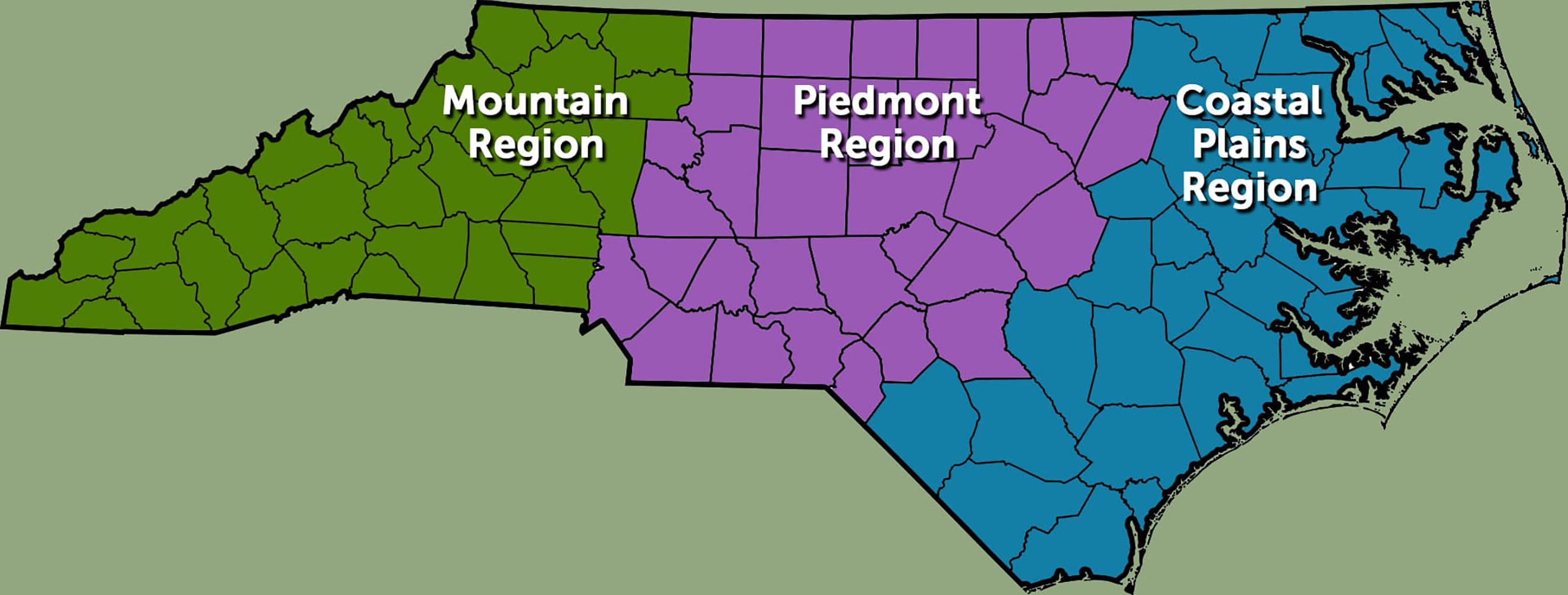
Central and Northern China


Phonetic Spelling:PY-nus bun-jee-AY-nuh
Genus:Pinus
Species:bungeana
Family:Pinaceae
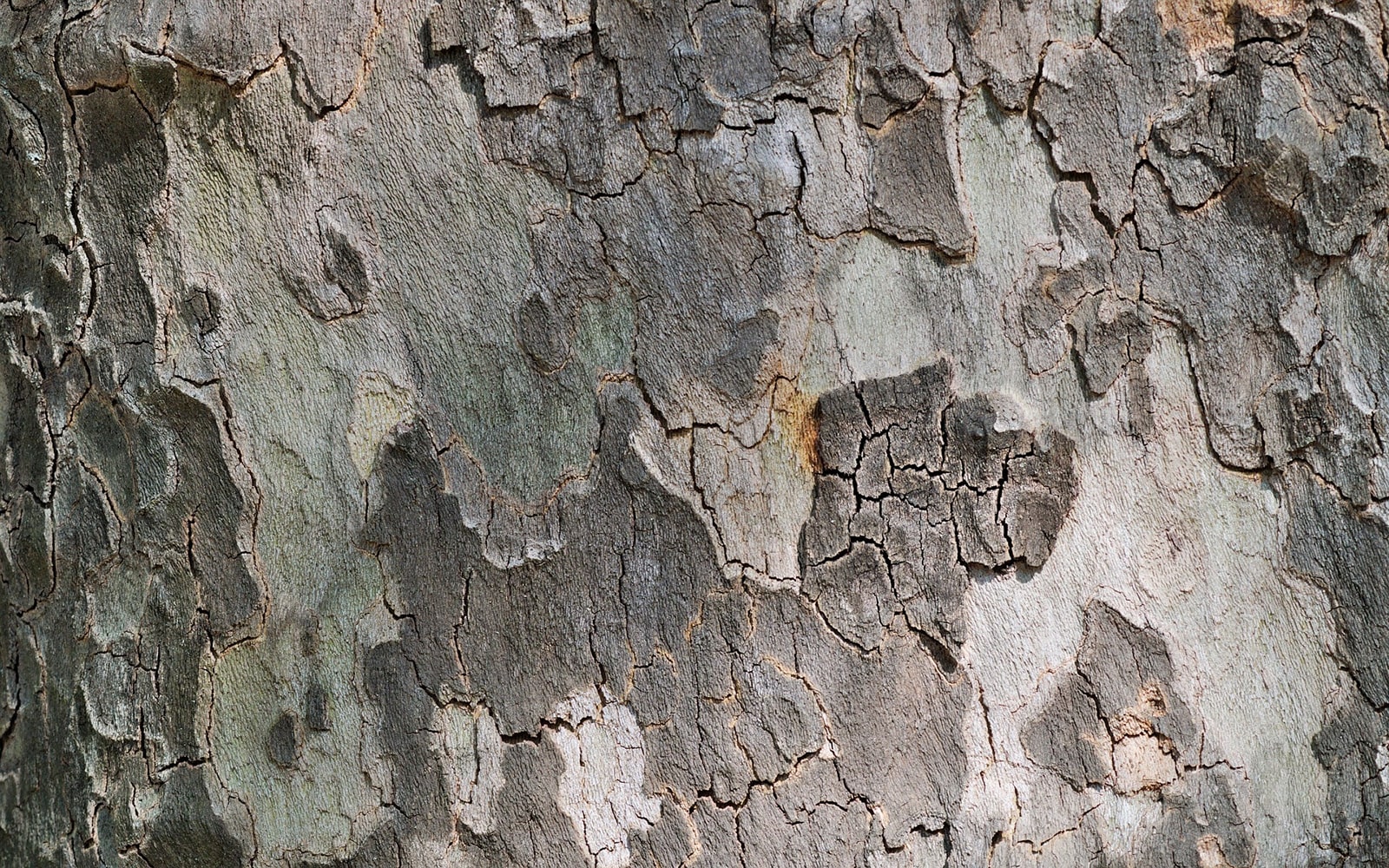
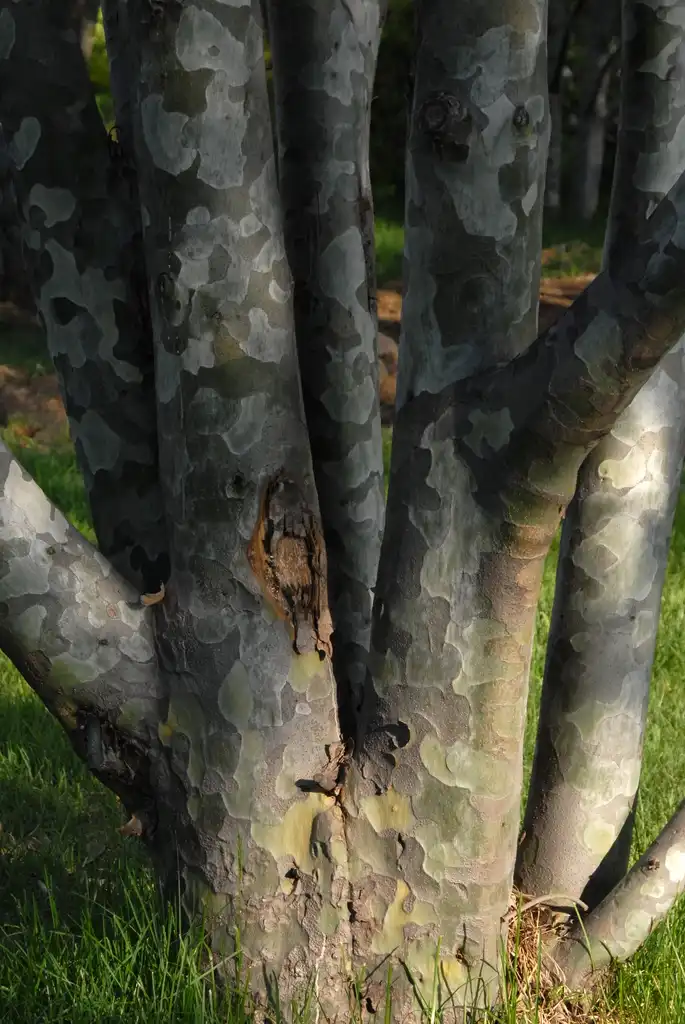
In its early stages, the Lacebark Pine appears shrubby, showcasing its striking bark that peels away in patches to reveal a vibrant mosaic of colors. Over time, this patchwork will transition to a milky white hue, but these characteristics only become prominent as the tree reaches maturity, which takes about a decade.
Like many trees with multiple trunks, some shedding of bark may occur; however, it is also possible to train the tree to grow as a single trunk.
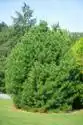
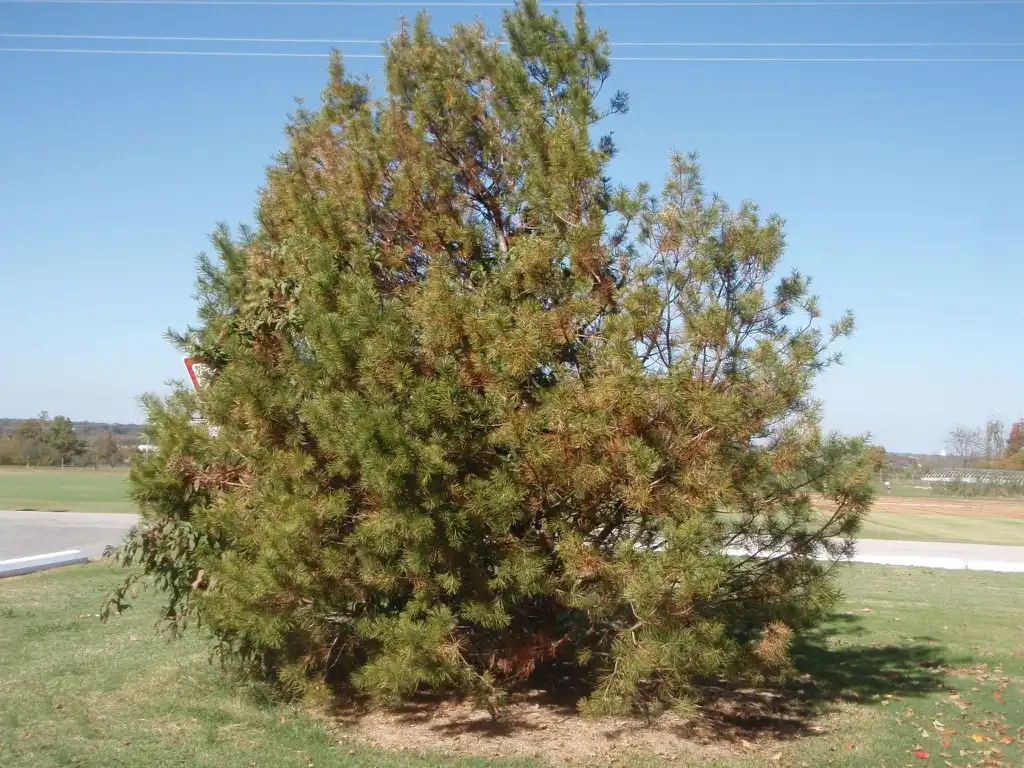
Typically, the Lacebark Pine features a multistemmed structure that starts off pyramidal and becomes more rounded, eventually developing a flat top as it ages. Pruning the lower branches can highlight the tree's stunning bark. Due to its multi-trunk nature, the trunk is susceptible to splitting, and branches may break under the weight of heavy snow and ice.
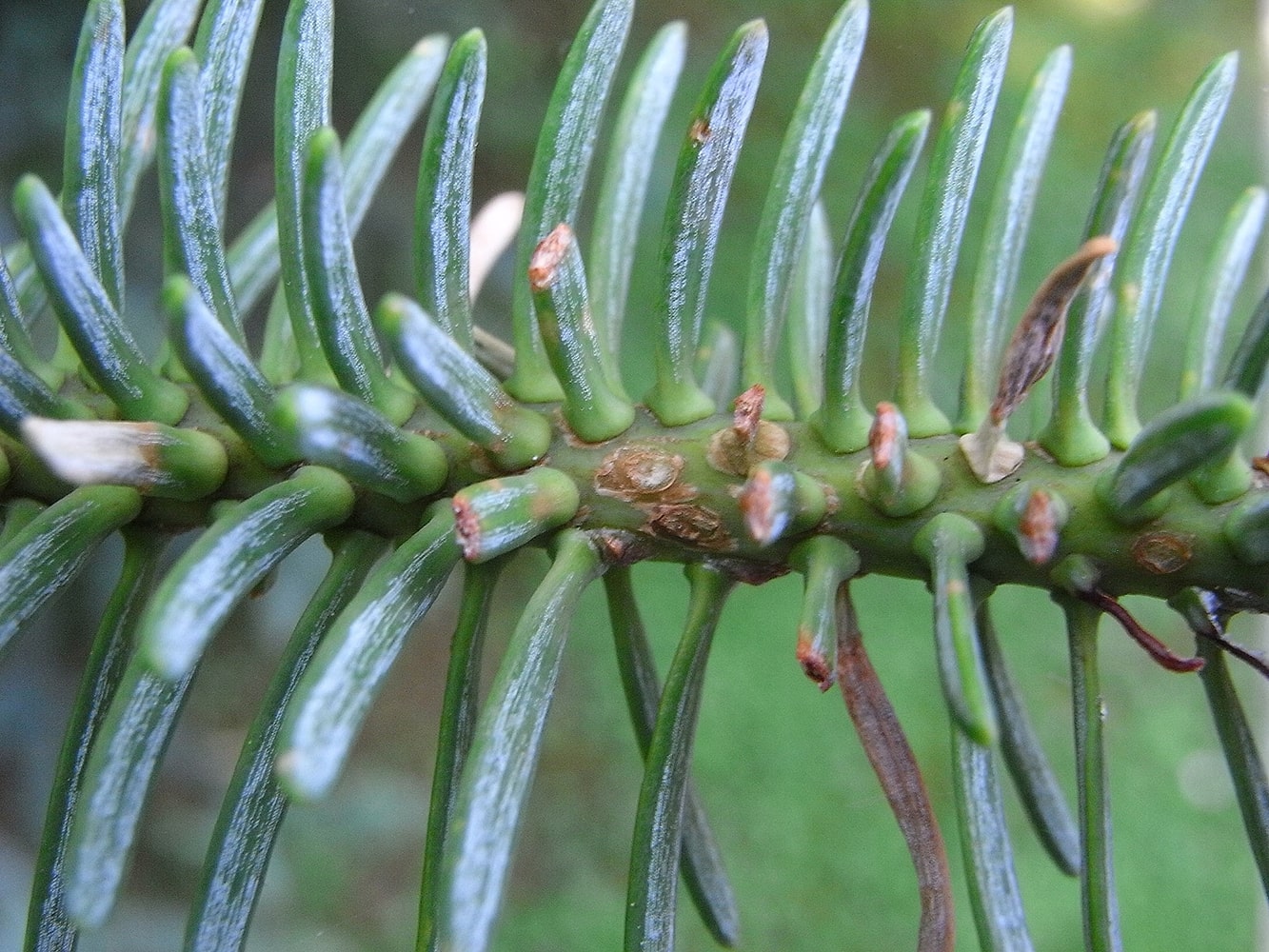
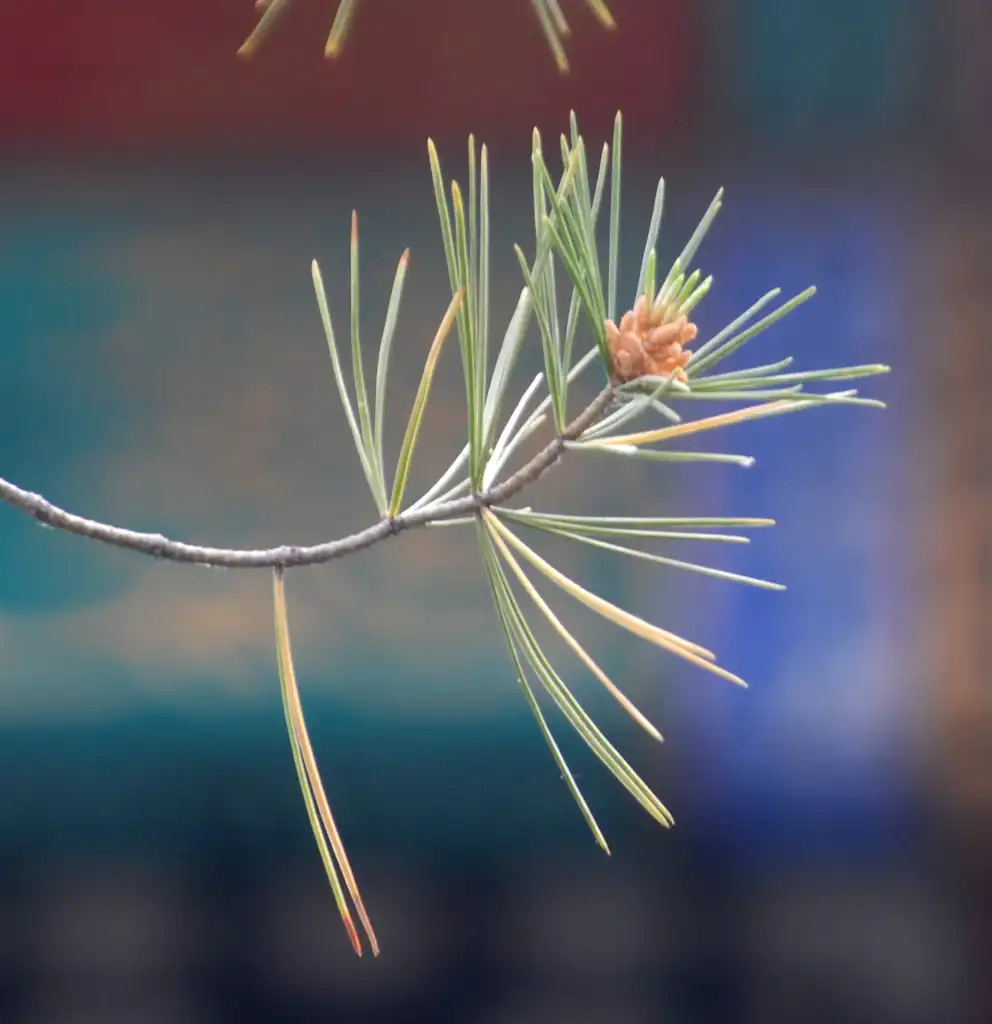
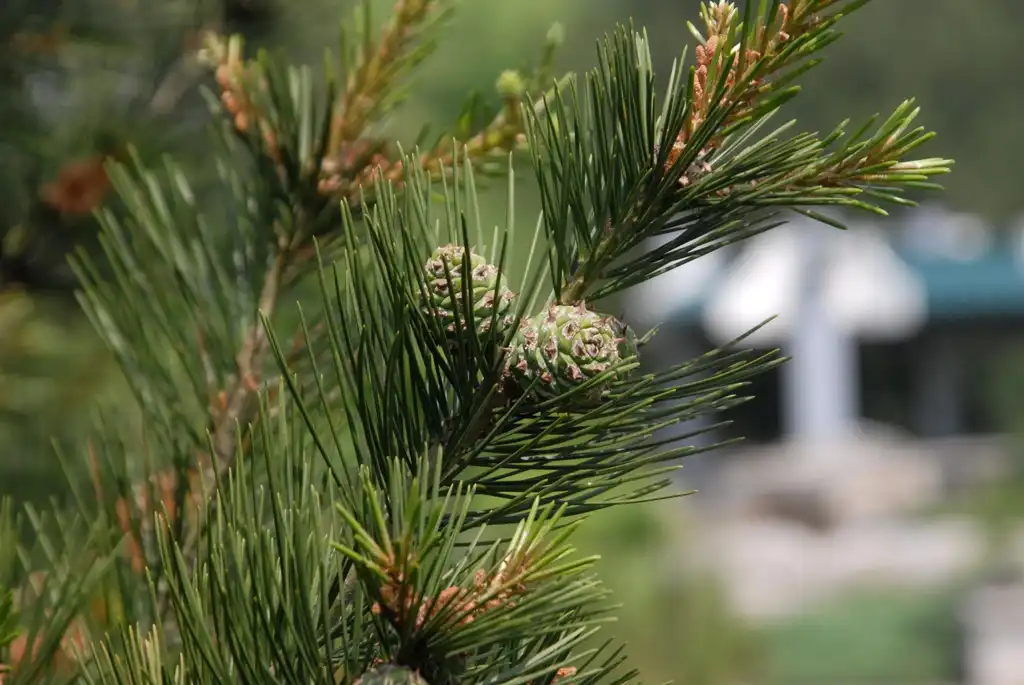
When the needles are damaged, they emit a scent reminiscent of turpentine. Once established, this tree demonstrates resilience to drought conditions.
Pinus bungeana Feature Summary