Pinus ponderosa: Country Or Region Of Origin
Southwestern USA
Phonetic Spelling:PY-nus pon-der-OH-suh
Genus:Pinus
Species:ponderosa
Family:Pinaceae
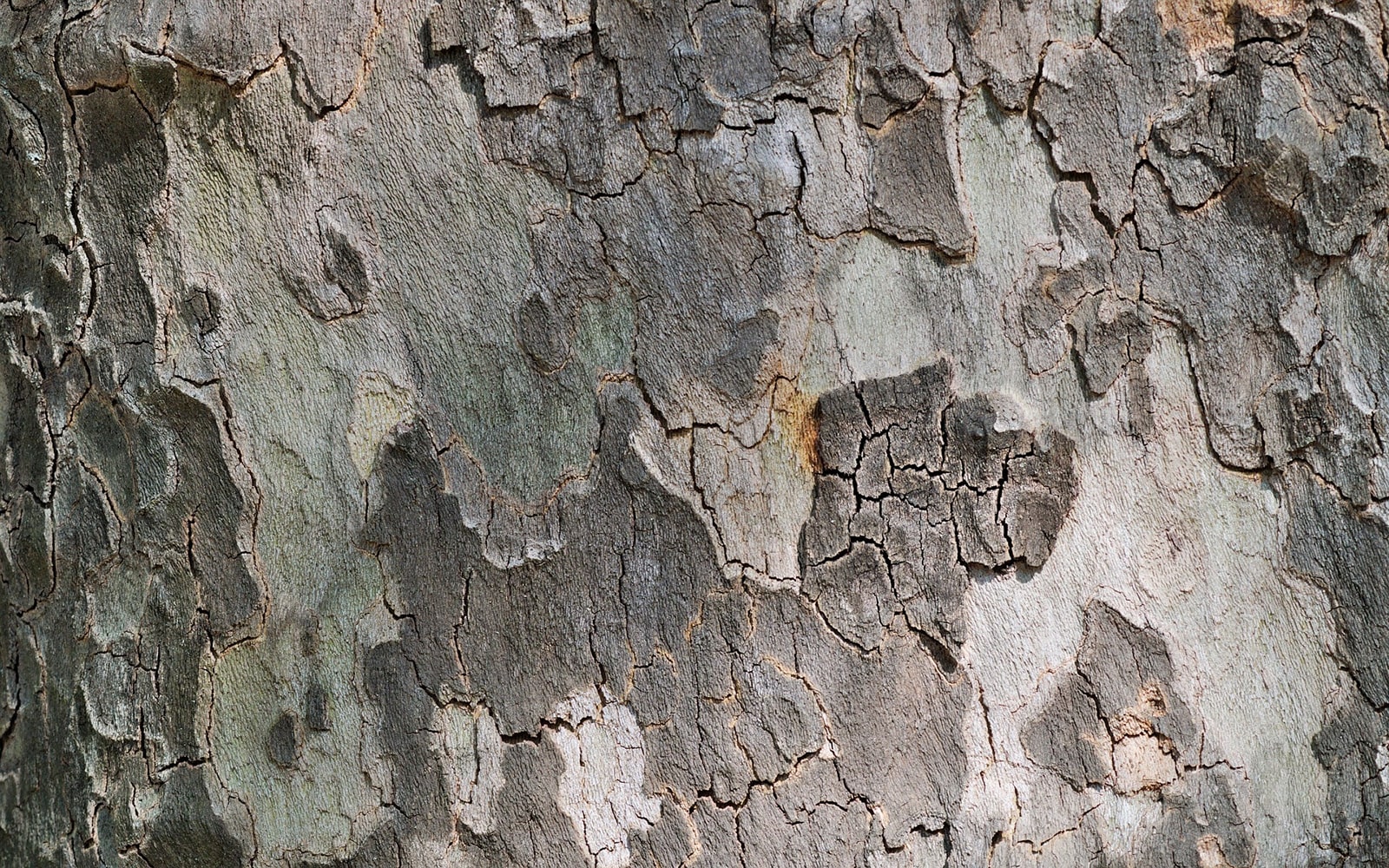
The ponderosa pine, the most prevalent pine species in North America, features bark that ranges from yellowish-brown to cinnamon-red and peels off in flaky plates. While it thrives in deep, moist, well-drained soil, this tree is adaptable and can flourish in a variety of environmental conditions.
There are three distinct regional varieties of this indigenous tree, often found in pure stands. The Pacific coast variety, known as the Ponderosa Pine or Pacific Ponderosa Pine, is characterized by long needles grouped in bundles of three and large cones. In contrast, the Rocky Mountain Ponderosa Pine, also referred to as the Interior Ponderosa Pine, has shorter needles in bundles of two and produces smaller cones. In the southwestern region of Arizona, you can encounter the Arizona Pine, or Arizona Ponderosa Pine, which features five slender needles per bundle.
When the trunk, twigs, or needles are broken, they release a delightful fragrance.
In its youth, the tree exhibits a narrow pyramidal shape, evolving into an irregular crown as it matures. It has many short branches and tends to shed its lower limbs over time, resulting in older trees that may have no branches for more than half of their height.
However, the ponderosa pine is somewhat vulnerable to root rot, blister rust, and needle blight.
Pinus ponderosa Feature Summary