
Populus deltoides: Uses (Ethnobotany)
Timber, pulp.
Phonetic Spelling:POP-yoo-lus del-TOY-deez
Genus:Populus
Species:deltoides
Family:Salicaceae
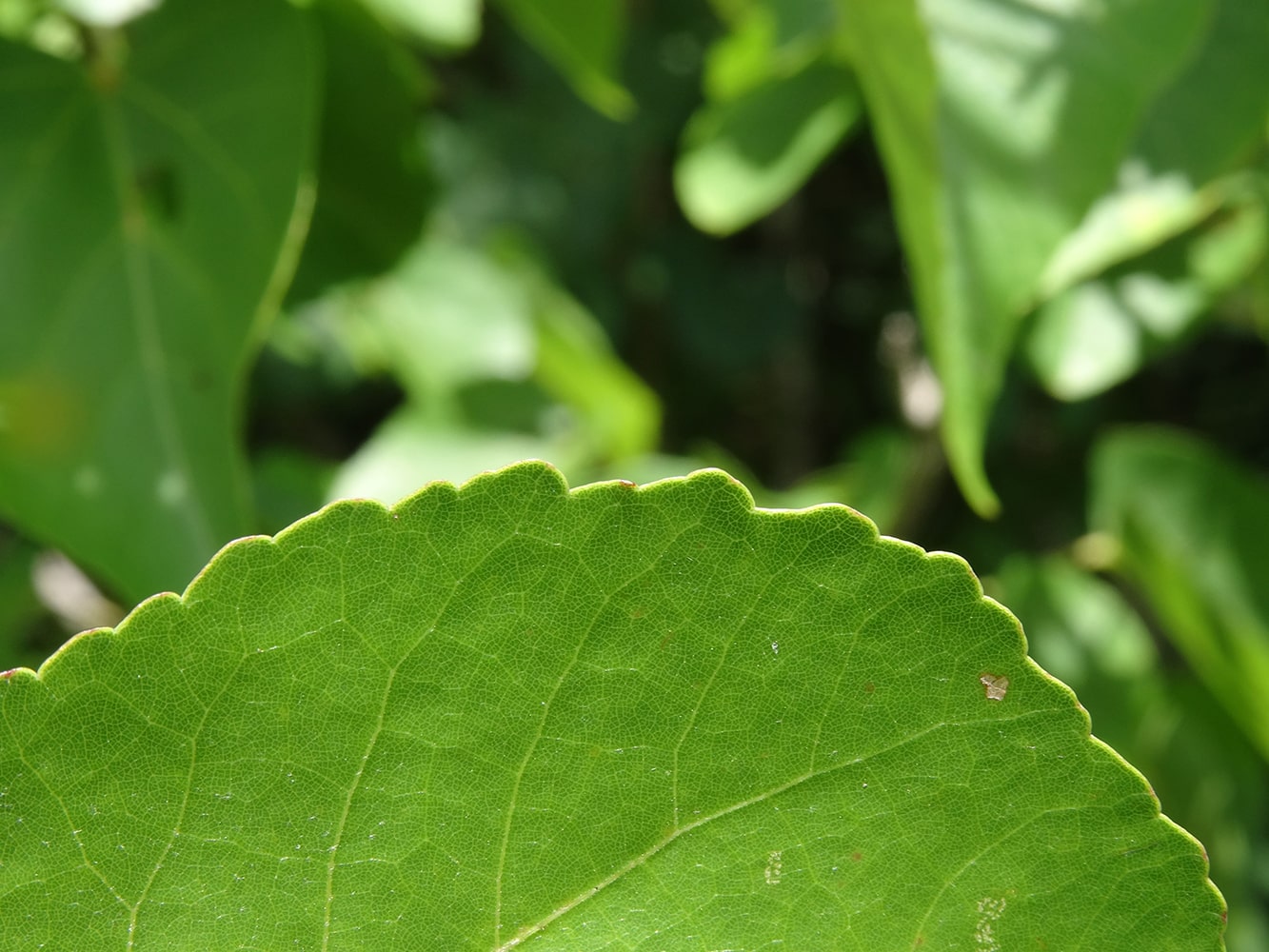
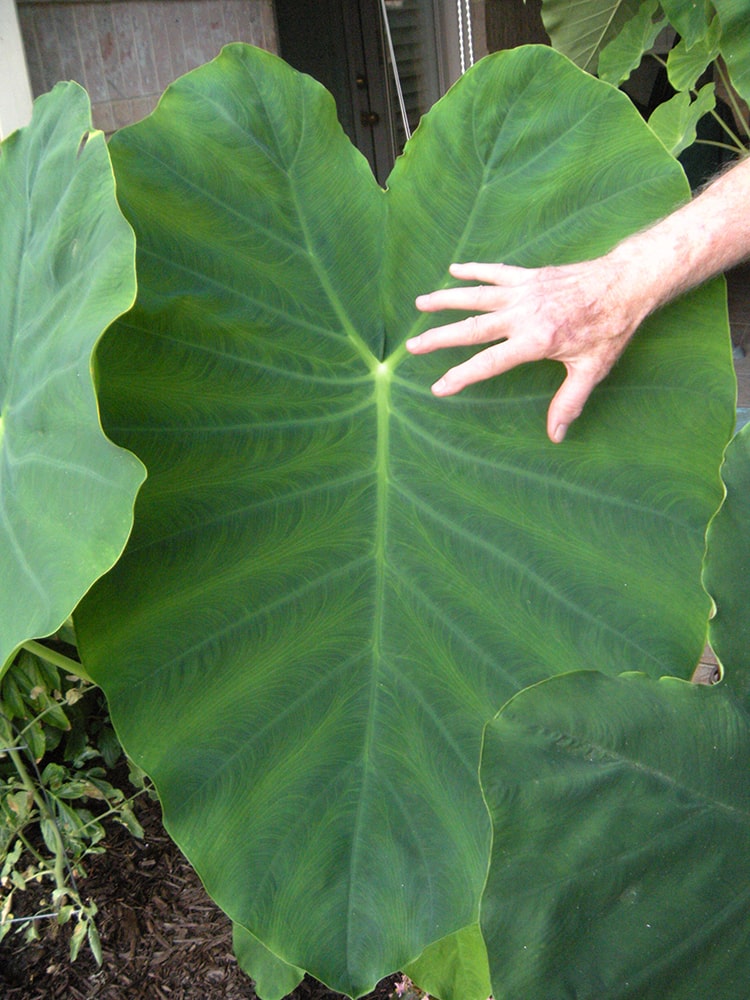
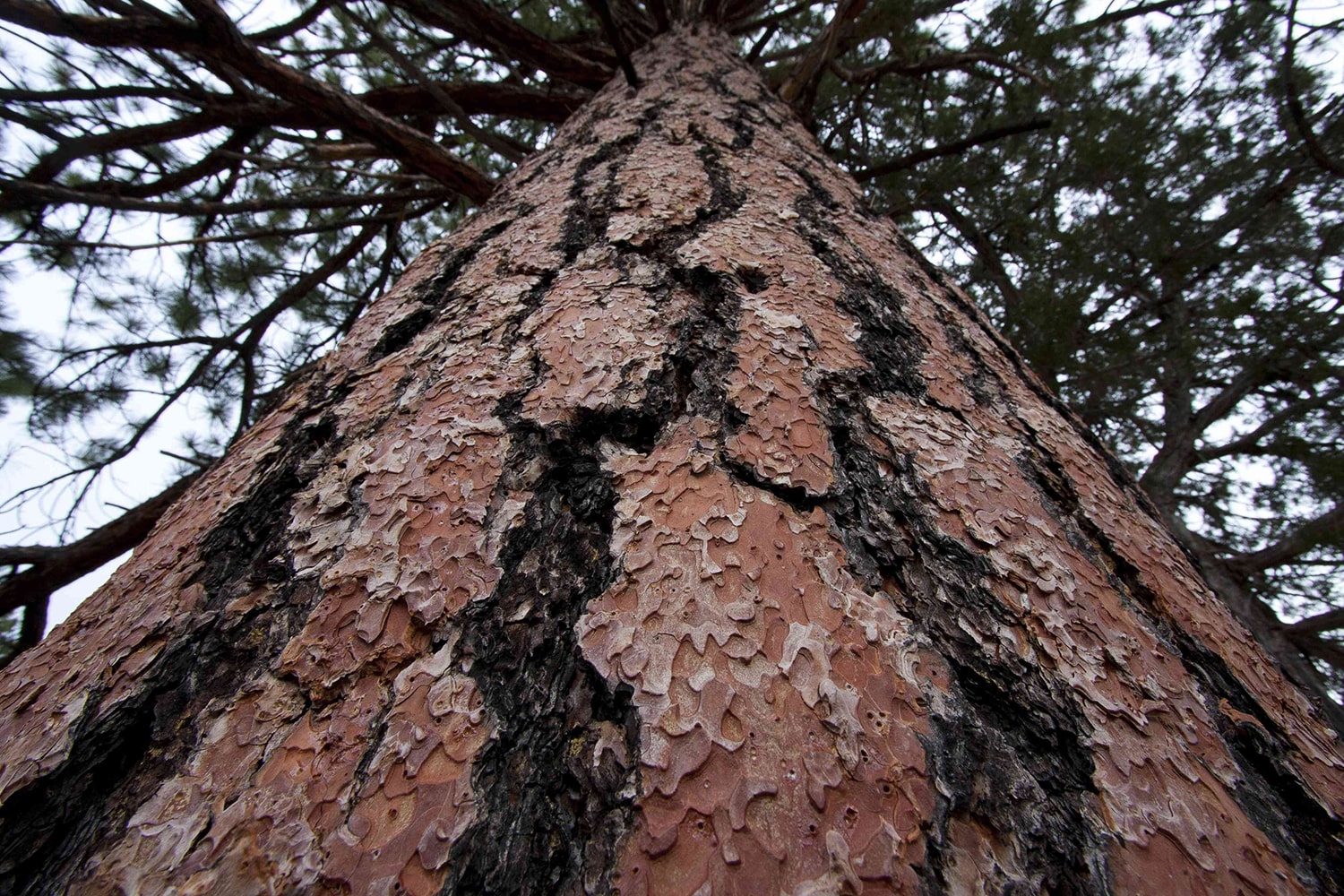
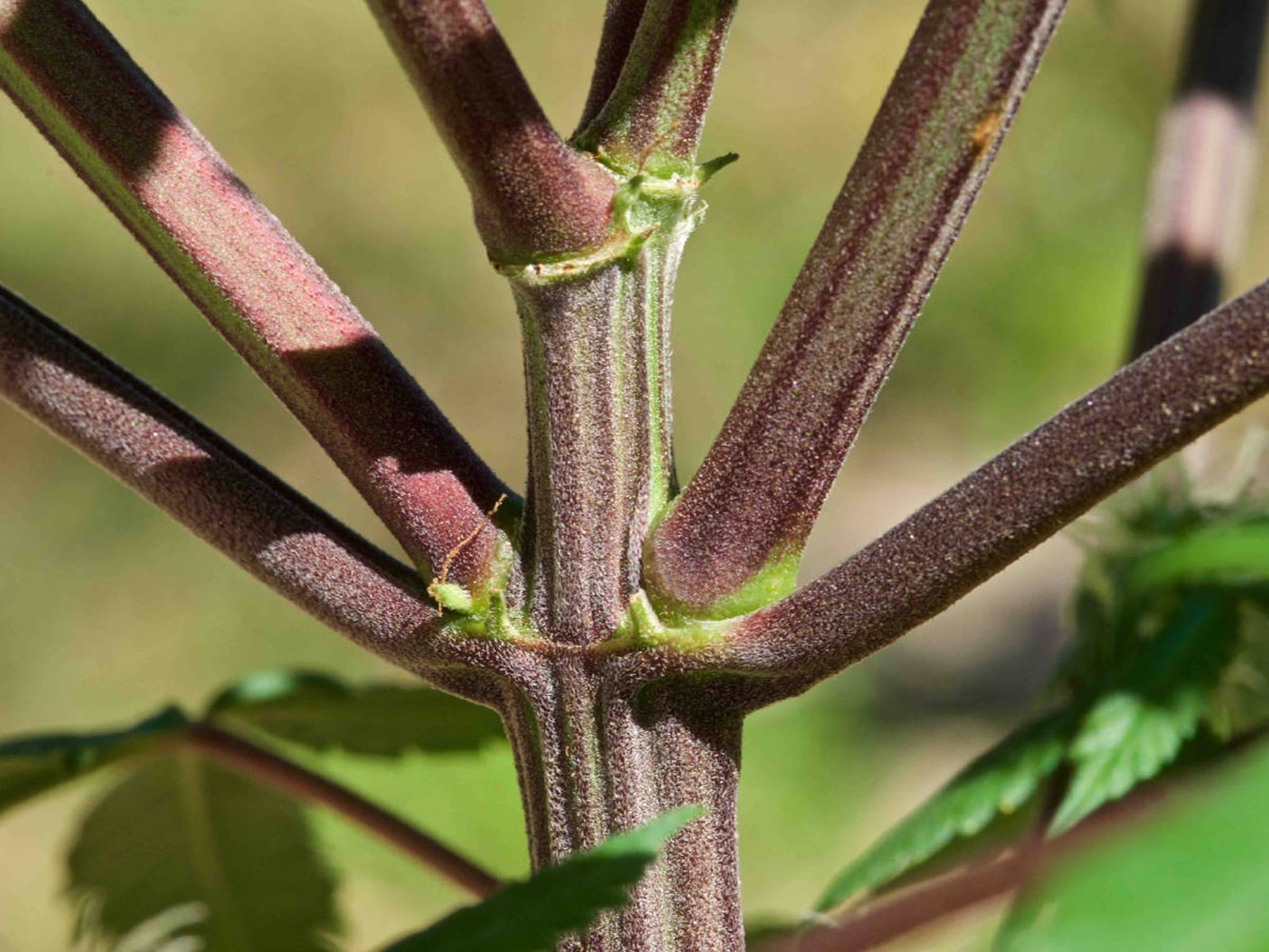
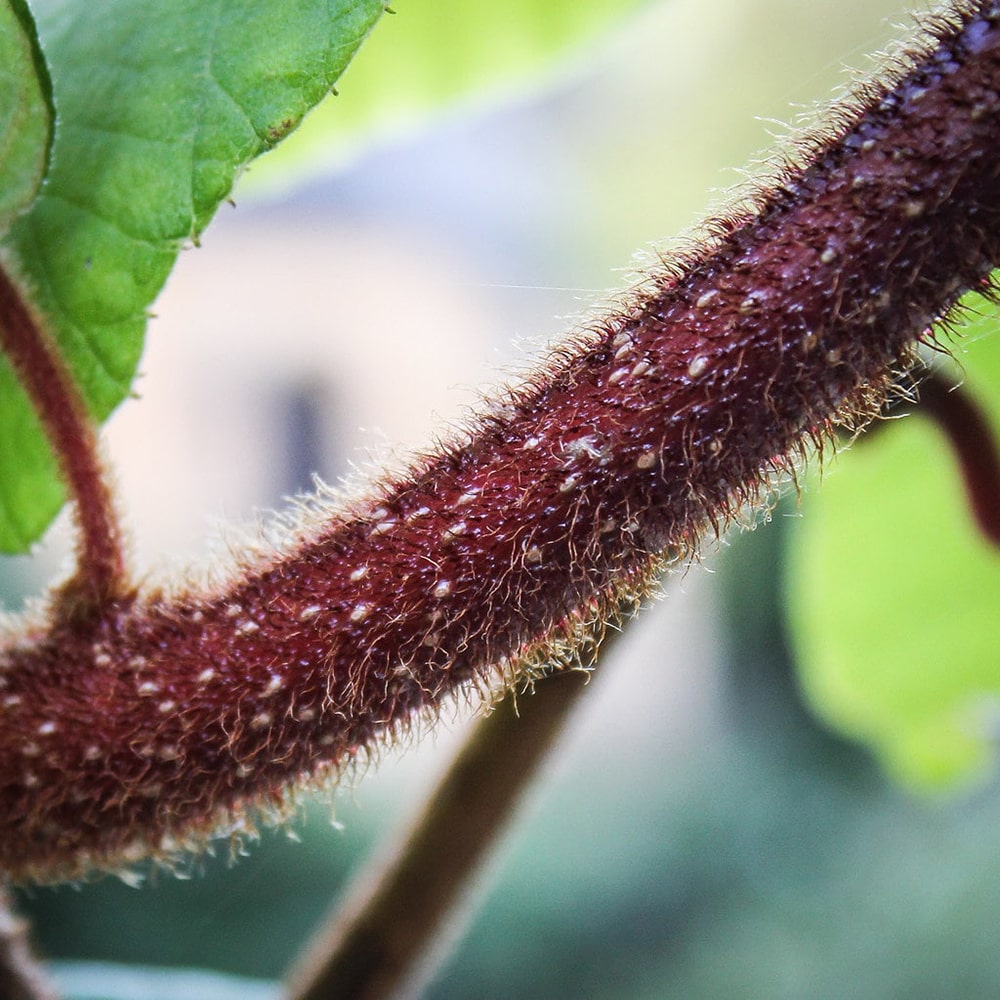
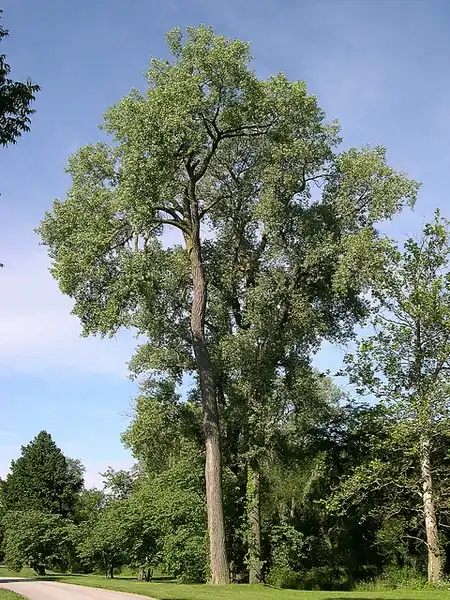
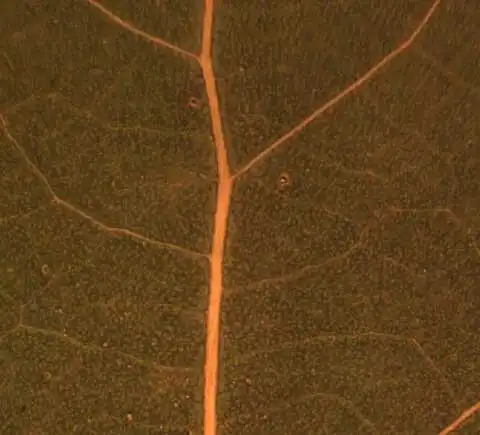
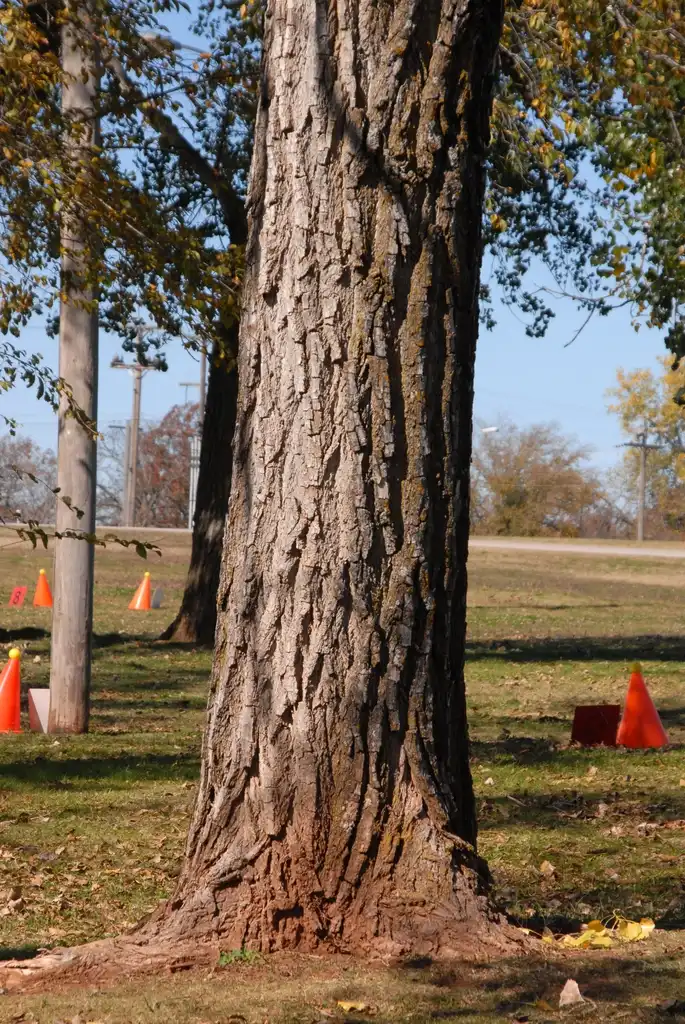
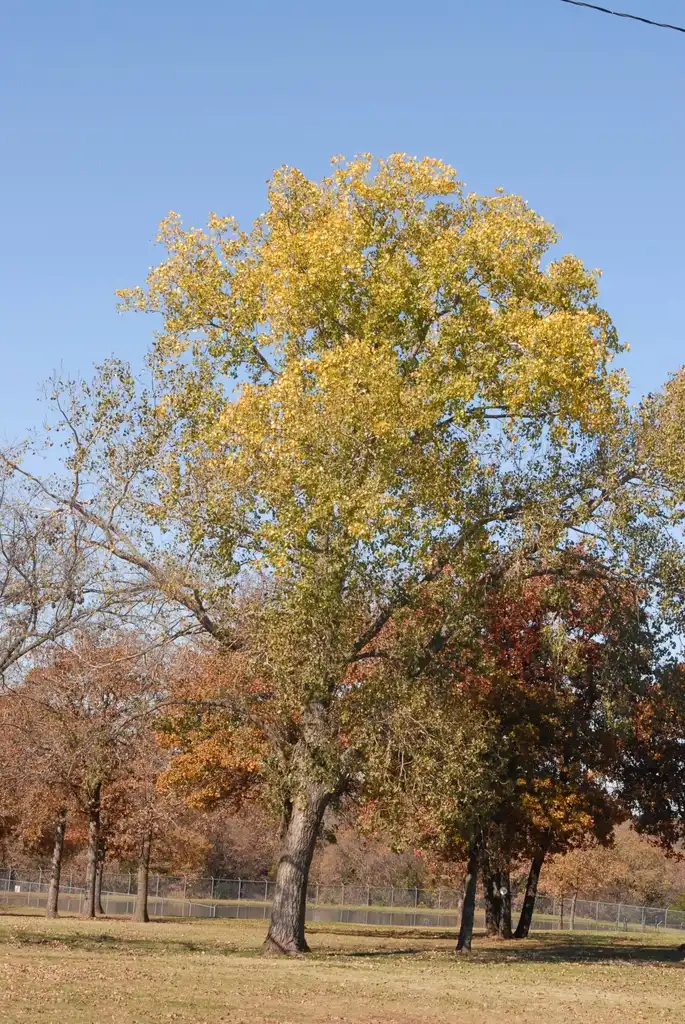
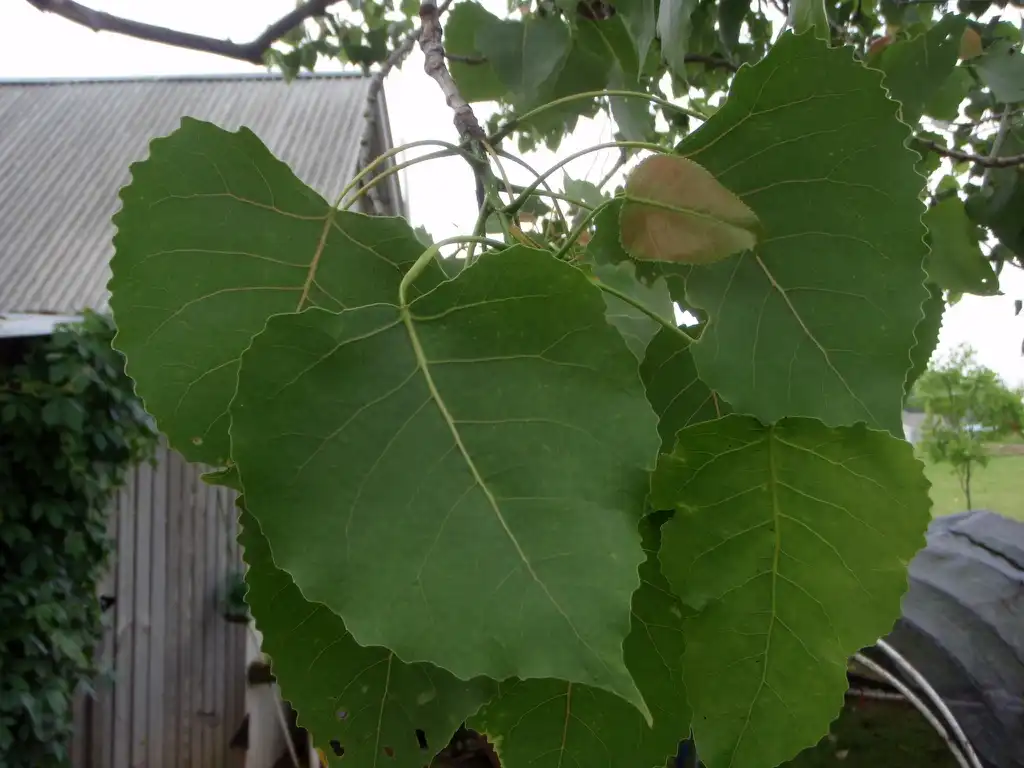
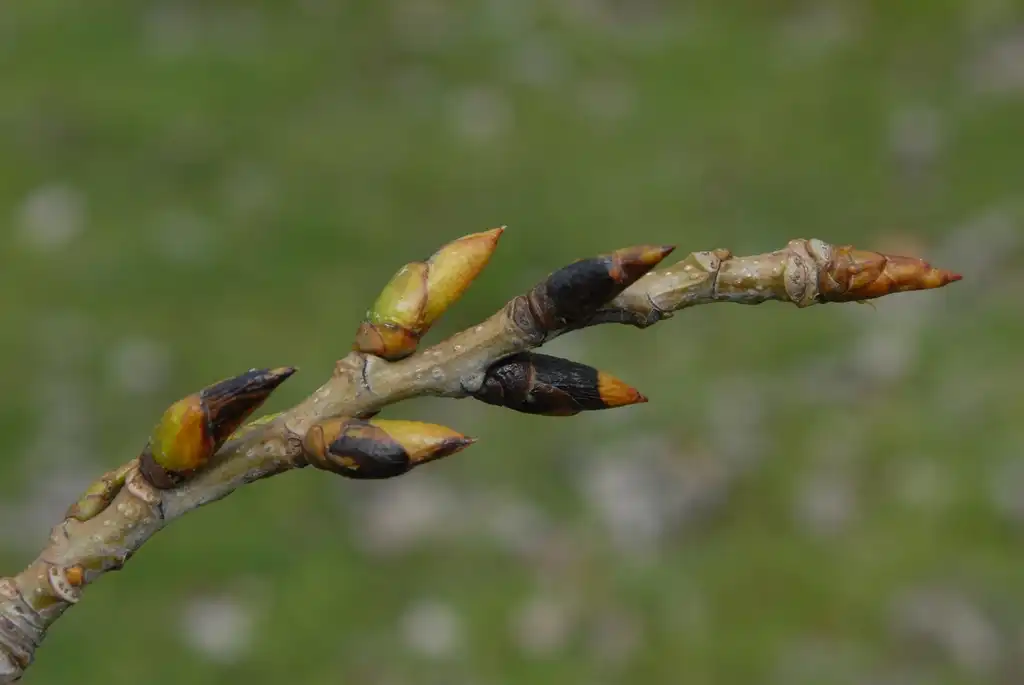
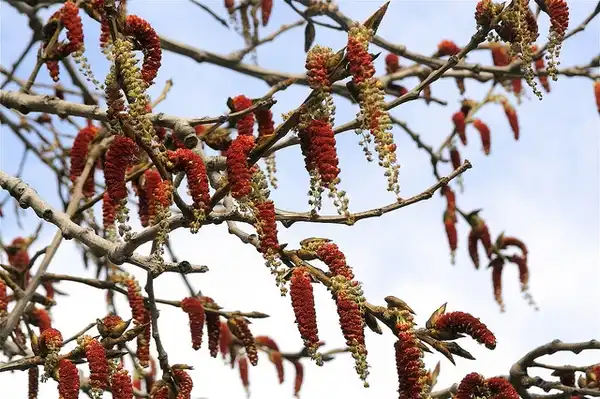
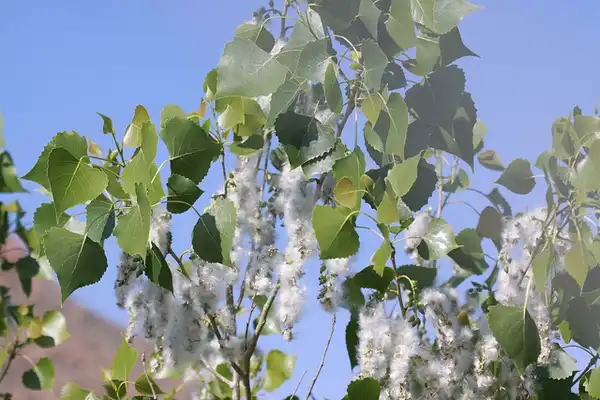
Populus deltoides, commonly known as the common cottonwood, is a sizable and rapidly growing tree or shrub native to North Carolina. This species thrives in fine sandy loams or silt loams along the banks of streams in the Piedmont and coastal plain regions. It typically reaches heights of 80 to 100 feet, although it can grow up to 200 feet under optimal conditions. The tree is characterized by its yellowish twigs, coarsely serrated leaves, and sticky terminal buds, which set it apart from other poplar varieties. While it has a pyramidal shape in its early years, it matures into a broad, vase-like form with open branches, becoming increasingly ragged and irregular as it ages. The female seed capsules release silky white hairs upon splitting, which is the origin of the name "cottonwood," as these hairs resemble cotton.
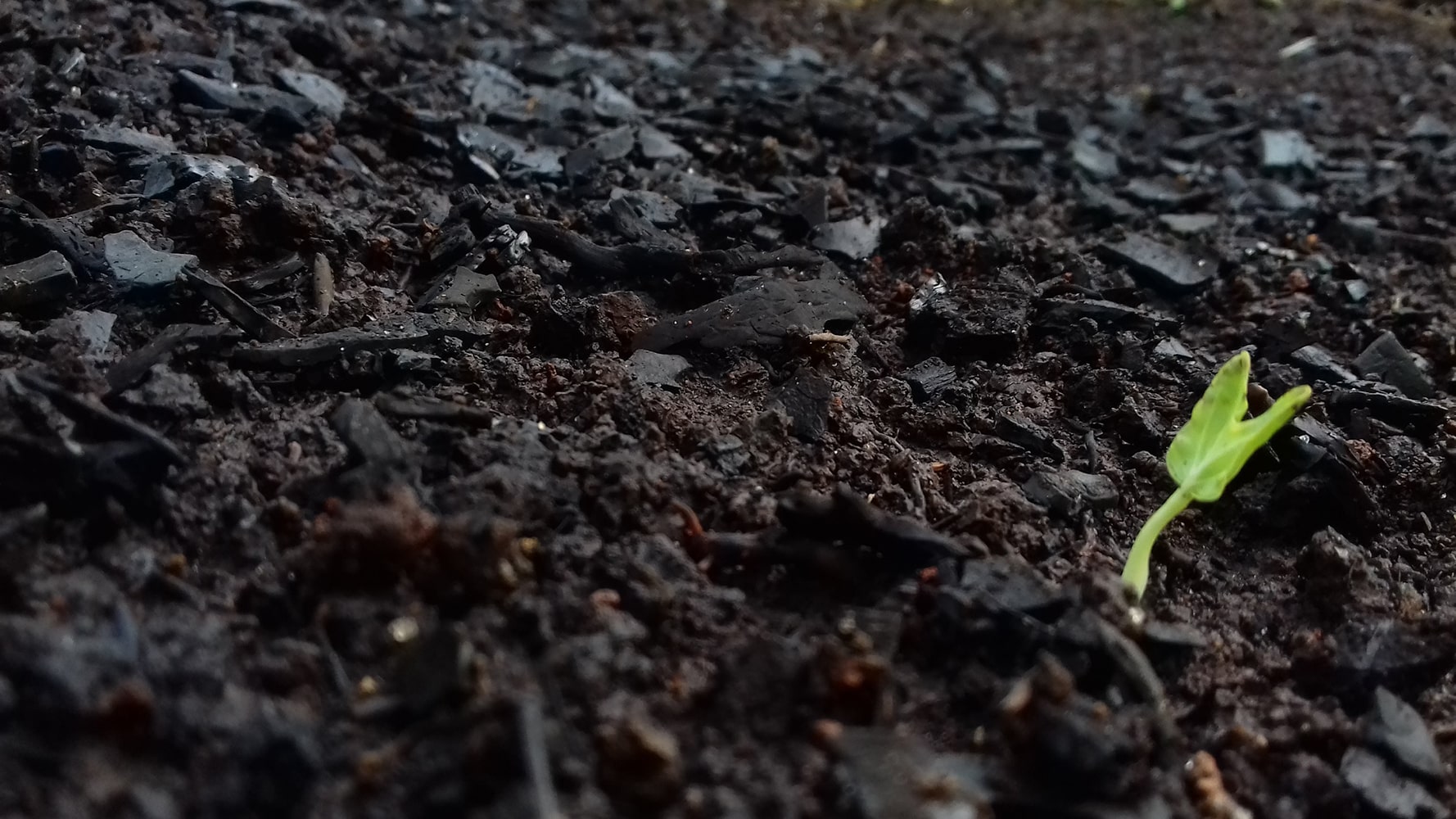
For optimal growth, plant this tree in full sunlight and in moist, well-drained soil, ideally situated 15 to 50 feet above stream level. It is adaptable to a wide pH range of 4.5 to 8.0 and can endure occasional flooding. Although it is relatively easy to transplant, the common cottonwood is a short-lived tree with a tendency to be messy and brittle. It is commonly found along waterways, as well as in naturalized areas, woodlands, lawns, and rain gardens. This species can serve as a specimen or shade tree, attracting small mammals and demonstrating resistance to erosion and wet conditions. However, it can also be invasive, producing numerous seedlings and root sprouts.
In terms of pest issues, common cottonwoods may face challenges from borers, aphids, caterpillars, and scale insects. Seedlings of this tree and shrub are not effectively managed by preemergence herbicides, and selective postemergence treatments are lacking. It is recommended to hand-pull seedlings while they are still small.
The wood of the common cottonwood is brittle, limiting its value for lumber production. However, it is harvested for making plywood, baskets, crates, and pulp, particularly for high-quality magazine paper.
Populus deltoides Feature Summary
Populus deltoides Image Gallery