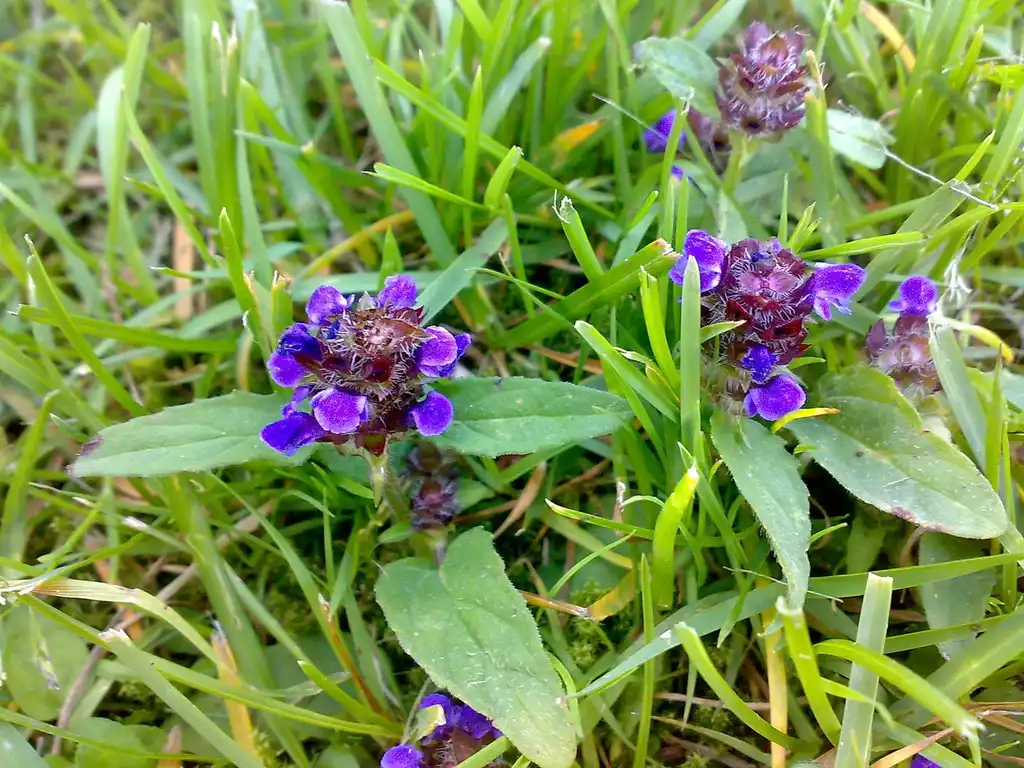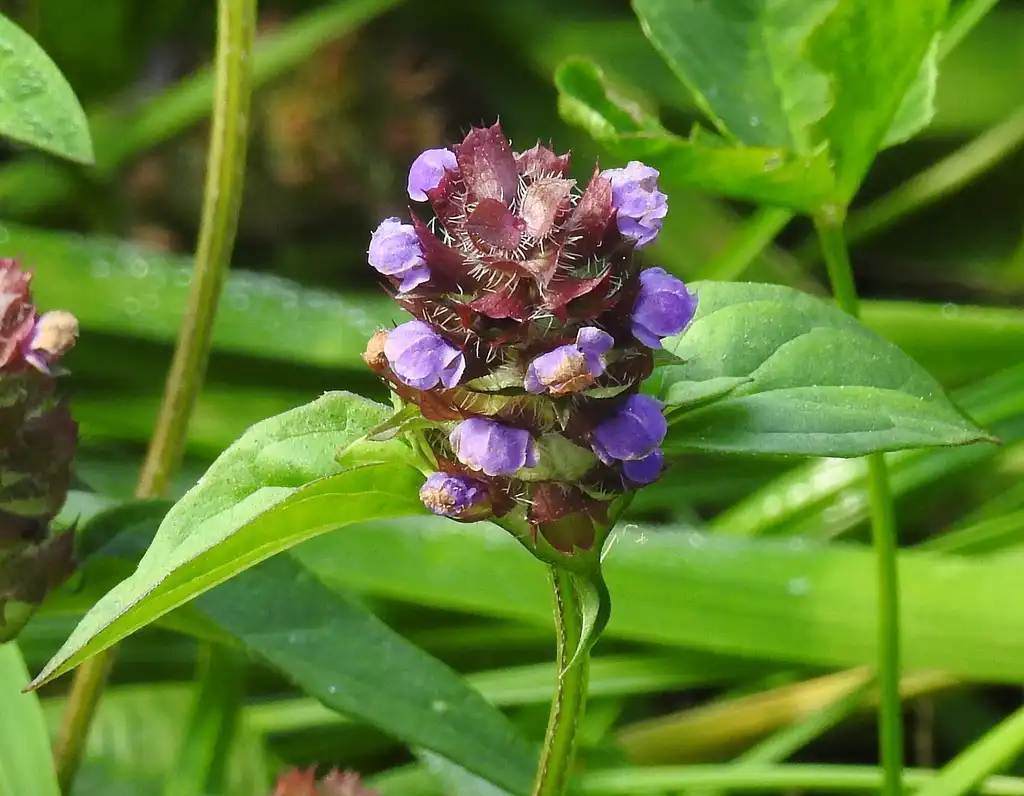
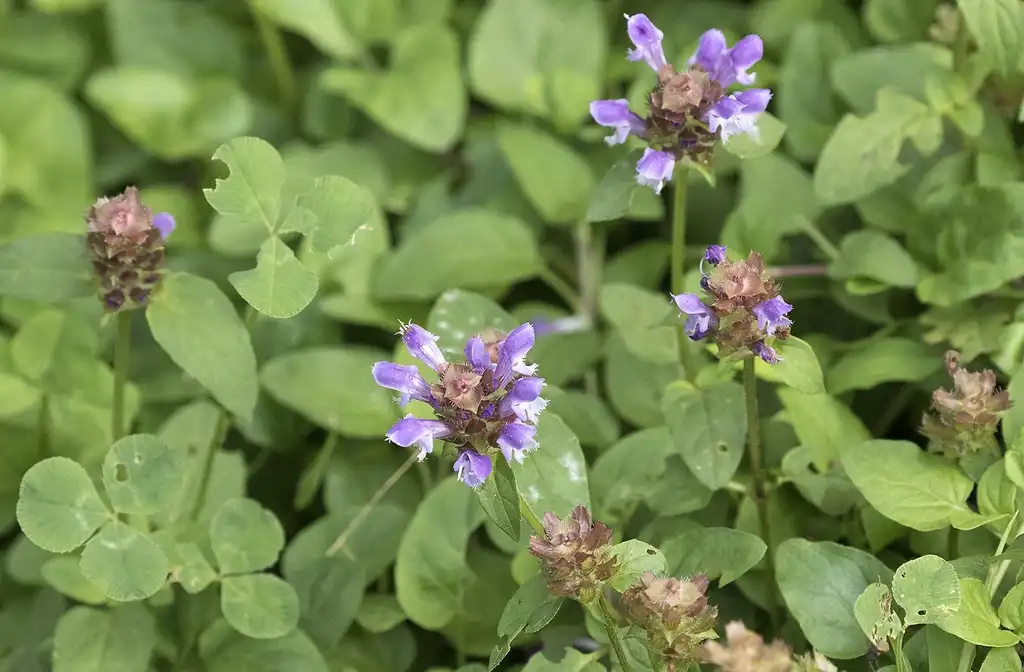
• Photo of Prunella vulgaris (Prunella vulgariss)

Plant Profile: Prunella vulgaris

Taxonomy: Prunella vulgaris

Names

Heal All, Selfheal

  • Photo of Prunella vulgaris (Prunella vulgariss)

Phonetic Spelling:proo-NELL-uh vul-GAIR-iss

Genus:Prunella

Species:vulgaris

Family:Lamiaceae

Prunella vulgaris, commonly known as self-heal, is a resilient perennial wildflower distinguished by its upright flowering spikes and hairy bracts. This plant thrives in a variety of environments, including moist fields, roadsides, pastures, and the edges of woodlands. Highly adaptable, it can flourish in diverse soil types, light conditions, and pH levels. While it prefers full sunlight, it may require some shade during particularly hot and dry spells.

The leaves of Prunella vulgaris are edible, whether cooked or raw, and can be incorporated into dishes such as stews, soups, and salads. Before consumption, it is advisable to wash the leaves thoroughly to eliminate the bitter-tasting tannins, which are yellowish-brown organic compounds.

Propagation can be achieved through seeds or by dividing the plant in either spring or fall, with new plants needing to be kept moist during their first year. Additionally, an olive-green dye can be extracted from its flowers and stems.

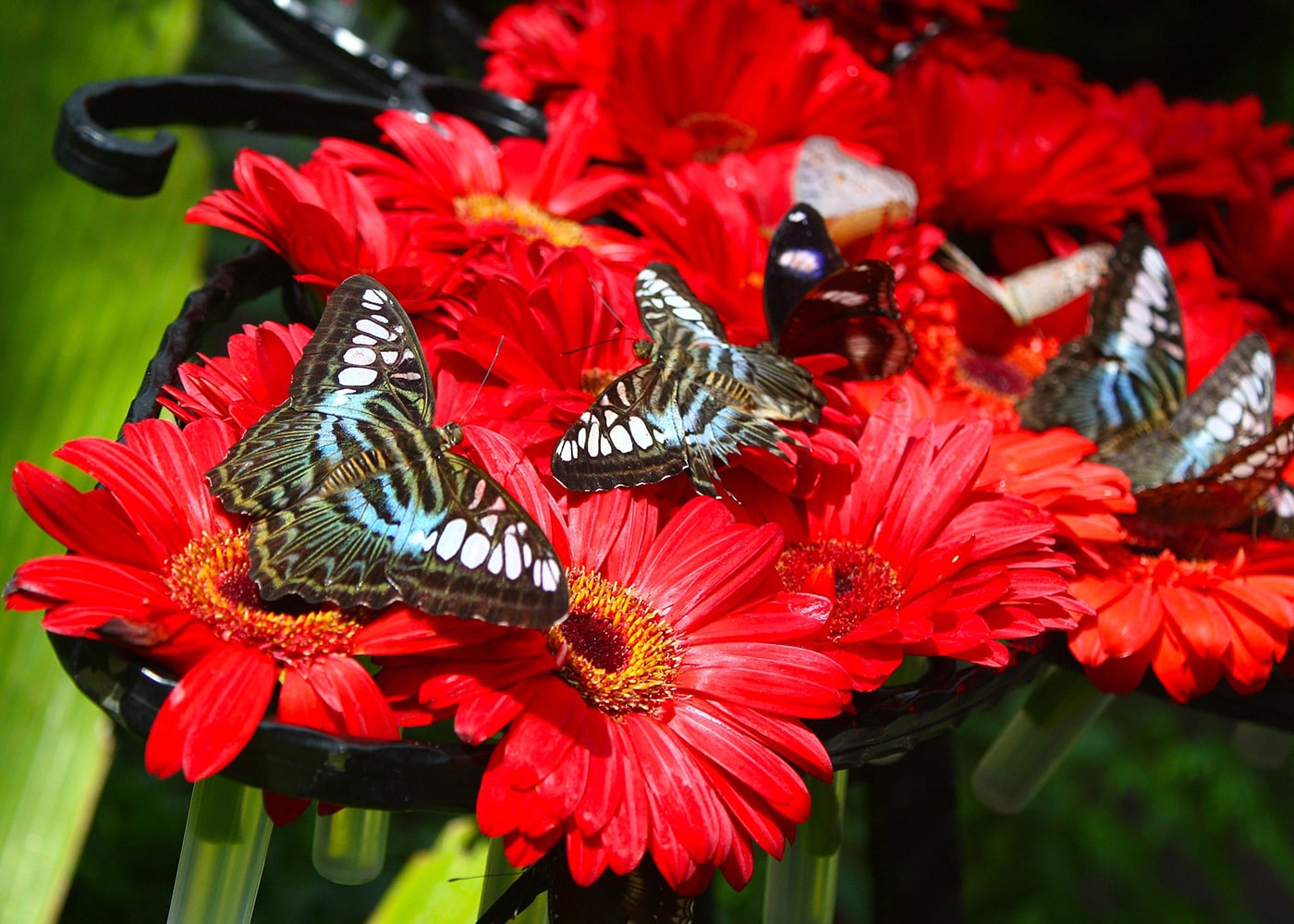
This plant serves as a host for the Clouded Sulphur butterfly. However, its propensity to thrive in damp conditions can lead to it becoming a problematic weed in similar environments, particularly in turf areas.

Prunella vulgaris Feature Summary

Prunella vulgaris Image Gallery

Tags

#perennial
#weed
#native perennial
#NC native
#frost tolerant
#groundcover
#wildflower garden
#dry soils tolerant

Similar Plants

Prunella vulgaris Feature Summary

Attributes
Northern Hemisphere
AK, AL, AR, AZ, CA, CO, CT, DE, DE, FL, GA, HI, IA, ID, IL, IN, KS, KY, LA, MA, MD, ME, MI, MN, MO, MS, MT, NC, ND, NE, NH, NJ, NM, NV, NY, OH, OK, OR, PA, RI, SC, SD, TN, TX, UT, VA, VT, WA, W, WV, WY
Attracts bumblebees and butterflies.
The leaves are edible.
Perennial
Attracts Pollinators
Attractive Flowers
Easy to Grow
Fruit
Seed can be used for propagation.
Flowers
Small bluish to lavender or whitish flowers in a cylinder-shaped head; large greenish or purple-tinged, bristly fringed bracts
Purple/Lavender
White
Blue
Green
Spring
Summer
Fall
Leaves
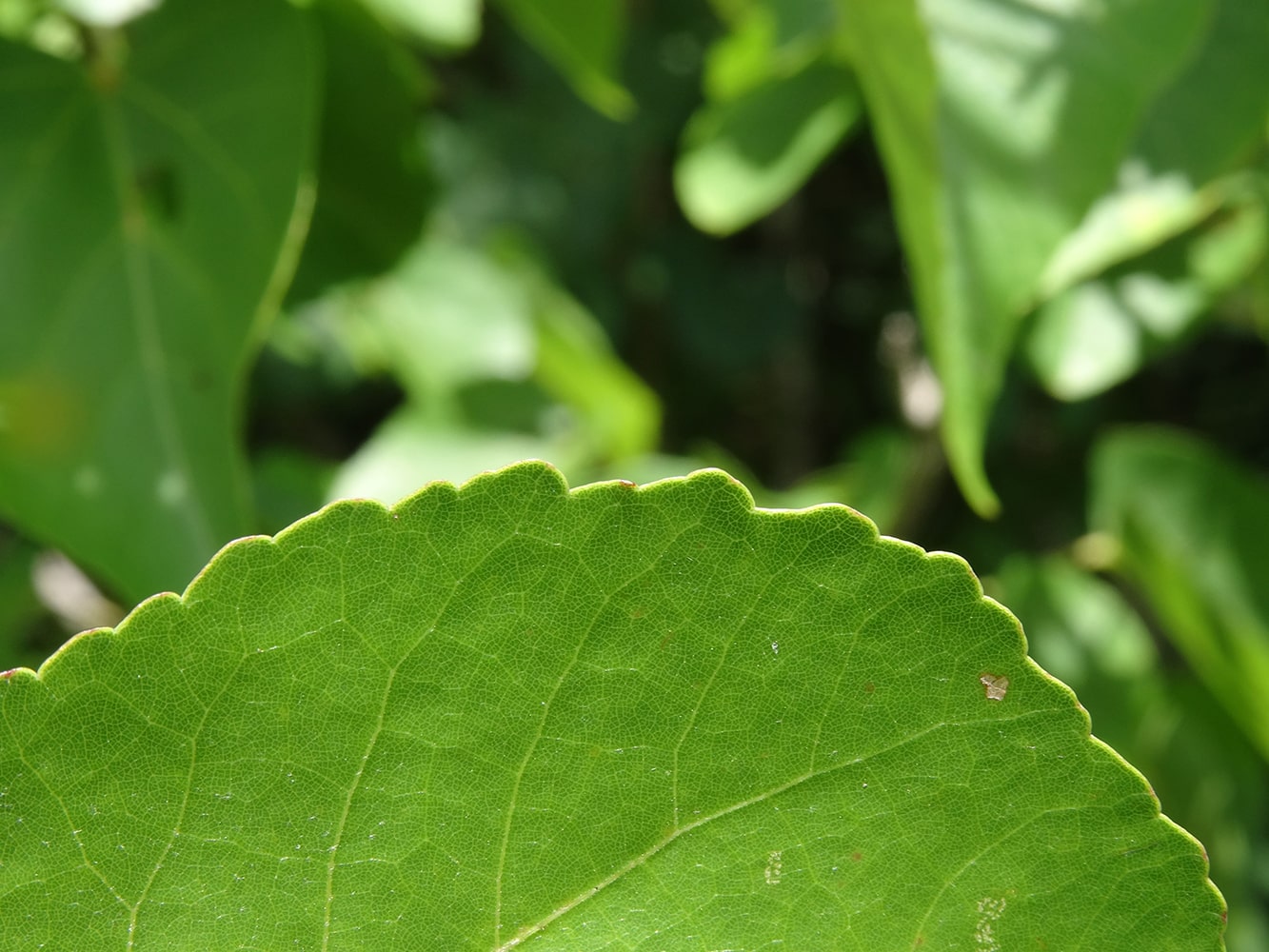
1 to 4 in. egg-shaped to lance-shaped leaves and long slender stalks. There are some low teeth on the margins.
Green
Gray/Silver
Elliptical
Oblong
Lanceolate
Entire
Serrate
1-3 inches
Stem
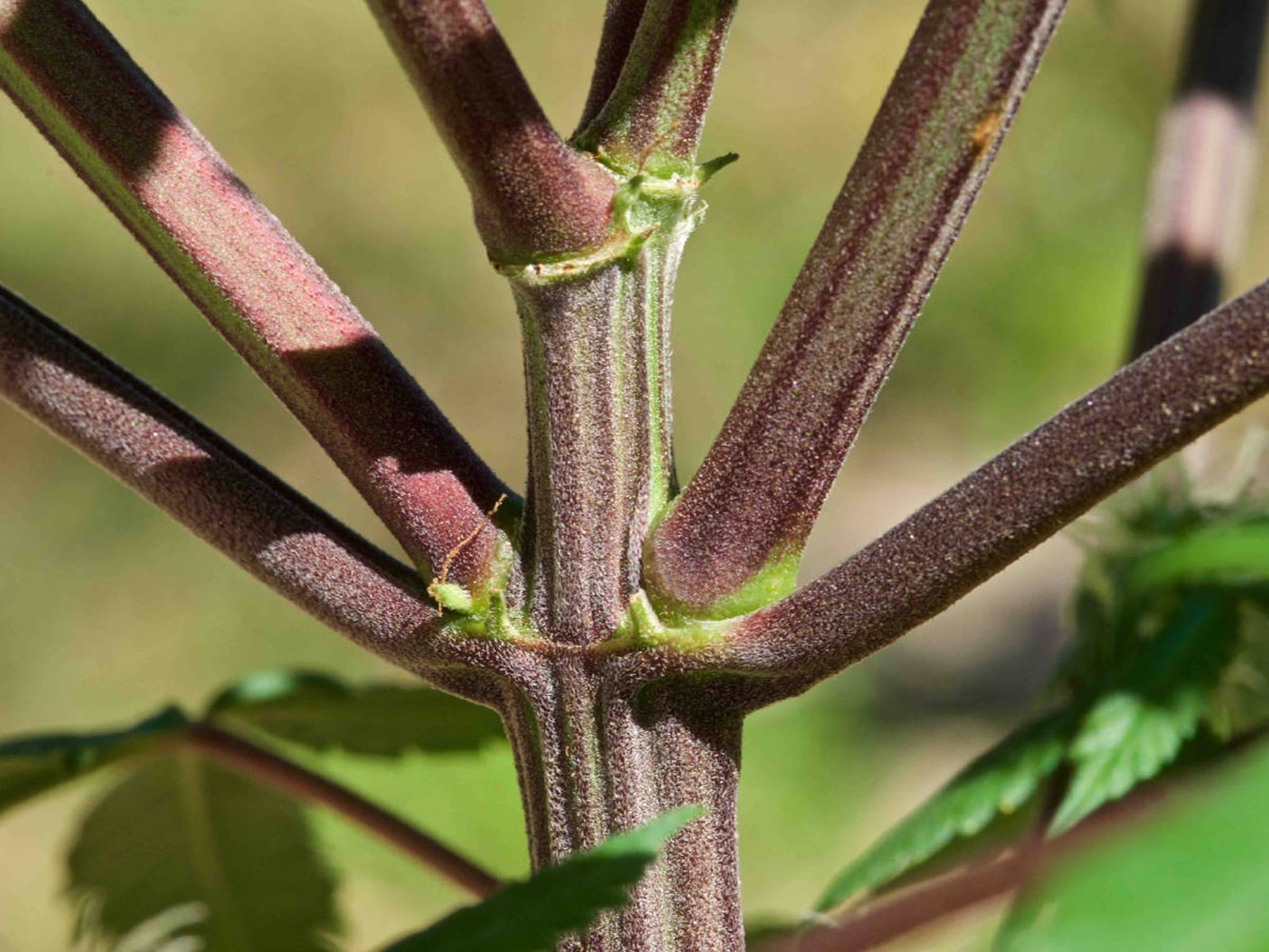
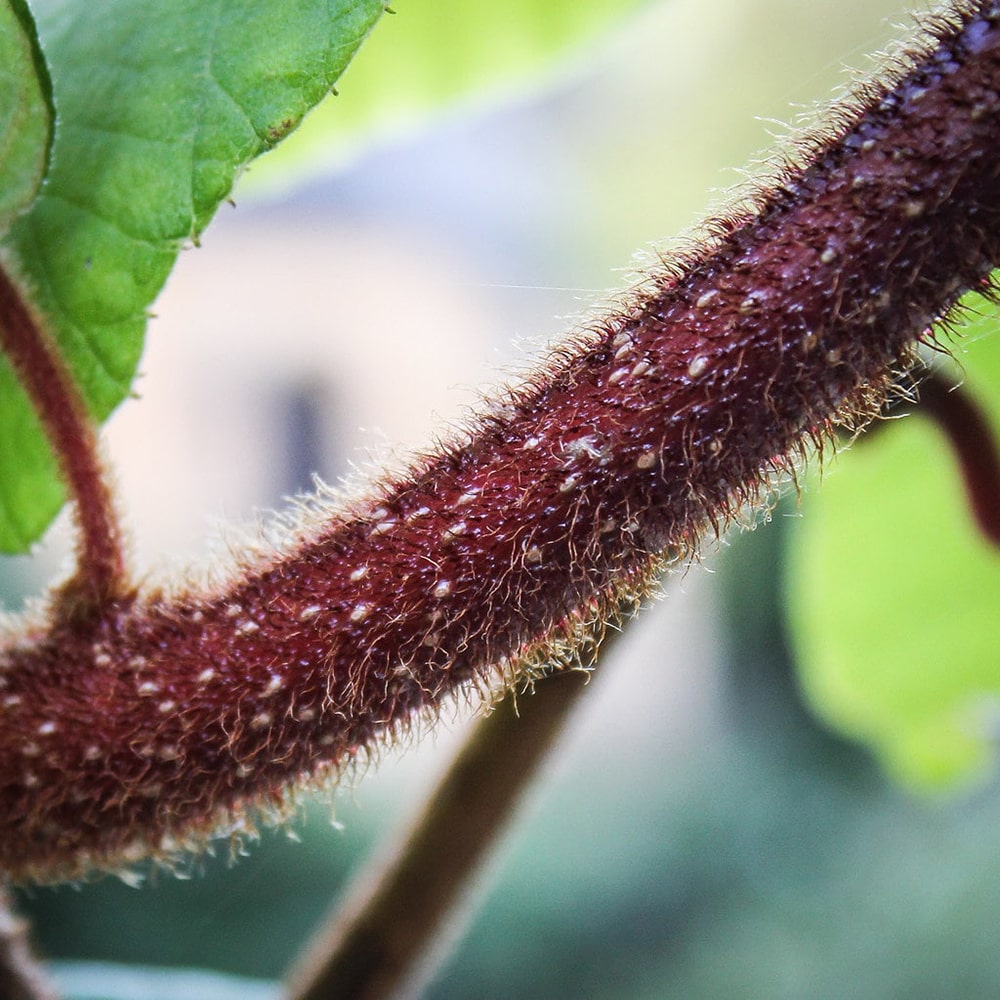
Long slender, unbranched stalk.
Straight
Whole Plant Traits
Native Plant
Weed
Wildflower
Ground Cover
Erect
Creeping
Cultural Conditions
Full sun (6 or more hours of direct sunlight a day)
Partial Shade (Direct sunlight only part of the day, 2-6 hours)
Acid (<6.0)
Neutral (6.0-8.0)
Good Drainage
Moist
Coastal
Mountains
Piedmont
4a
4b
5b
5a
6a
6b
7a
7b
8b
8a
9a
9b
Clay
Loam (Silt)
Sand
Landscape
Butterfly Garden
Pollinator Garden
Butterflies
Bees

Prunella vulgaris Attributes

Prunella vulgaris: Country Or Region Of Origin

Northern Hemisphere
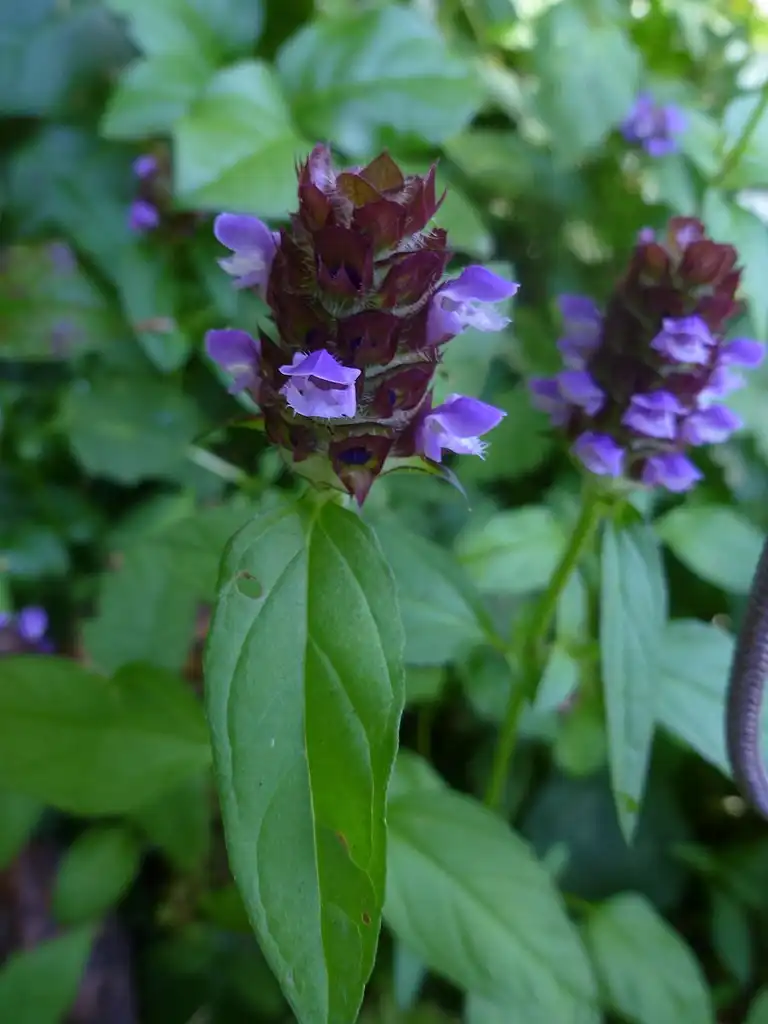
Prunella vulgaris: Distribution

AK, AL, AR, AZ, CA, CO, CT, DE, DE, FL, GA, HI, IA, ID, IL, IN, KS, KY, LA, MA, MD, ME, MI, MN, MO, MS, MT, NC, ND, NE, NH, NJ, NM, NV, NY, OH, OK, OR, PA, RI, SC, SD, TN, TX, UT, VA, VT, WA, W, WV, WY

Prunella vulgaris: Wildlife Value

Attracts bumblebees and butterflies.

Prunella vulgaris: Edibility

The leaves are edible.

Prunella vulgaris: Life Cycle

Annual
Biennial
Bulb
Perennial
Woody

Prunella vulgaris: Recommended Propagation Strategy

Division
Grafting
Layering
Leaf Cutting
Root Cutting
Seed
Stem Cutting

Prunella vulgaris: Play Value

Attractive Flowers
Attracts Pollinators
Buffer
Colorful
Defines Paths
Easy to Grow
Edible fruit
Fragrance
Pieces Used in Games
Screening
Shade
Sound
Textural
Wildlife Cover/Habitat
Wildlife Food Source
Wildlife Larval Host
Wildlife Nesting
Wind Break
Wind Shimmer

Prunella vulgaris Fruit

Prunella vulgaris: Fruit Description

Seed can be used for propagation.

Prunella vulgaris: Display/Harvest Time

Fall
Spring
Summer
Winter

Prunella vulgaris Flowers

Prunella vulgaris: Flower Description

Small bluish to lavender or whitish flowers in a cylinder-shaped head; large greenish or purple-tinged, bristly fringed bracts

Prunella vulgaris: Flower Color

filter_vintage
Blue
filter_vintage
Green
filter_vintage
Purple/Lavender
filter_vintage
White

Prunella vulgaris: Flower Inflorescence

Catkin
Corymb
Cyme
Head
Insignificant
Panicle
Raceme
Solitary
Spadix
Spike
Umbel

Prunella vulgaris: Flower Bloom Time

Winter
Spring
Summer
Fall

Prunella vulgaris Leaves

Prunella vulgaris: Leaf Description

1 to 4 in. egg-shaped to lance-shaped leaves and long slender stalks. There are some low teeth on the margins.

Prunella vulgaris: Leaf Color

spa
Gray/Silver
spa
Green

Prunella vulgaris: Leaf Arrangement

Alternate
Opposite
Other/more complex
Rosulate
Whorled

Prunella vulgaris: Leaf Shape

Acicular
Auriculate
Cordate
Cuneate
Deltoid
Elliptical
Filiform
Lanceolate
Linear
Oblanceolate
Oblong
Obovate
Obtuse
Orbicular
Ovate
Palmasect
Palmatifid
Peltate
Pinnatifid
Pinnatisect
Reniform
Rhomboidal
Spatulate
Subcordate
Subulate

Prunella vulgaris: Leaf Margin

Crenate
Crenulate
Dentate
Denticulate
Doubly Crenate
Doubly Dentate
Doubly Serrate
Entire
Lobed
Serrate
Sinuate
Undulate

Prunella vulgaris: Hairs Present

No
Yes

Prunella vulgaris: Leaf Length

< 1 inch
1-3 inches
3-6 inches
> 6 inches

Prunella vulgaris Stem

Prunella vulgaris: Stem Description

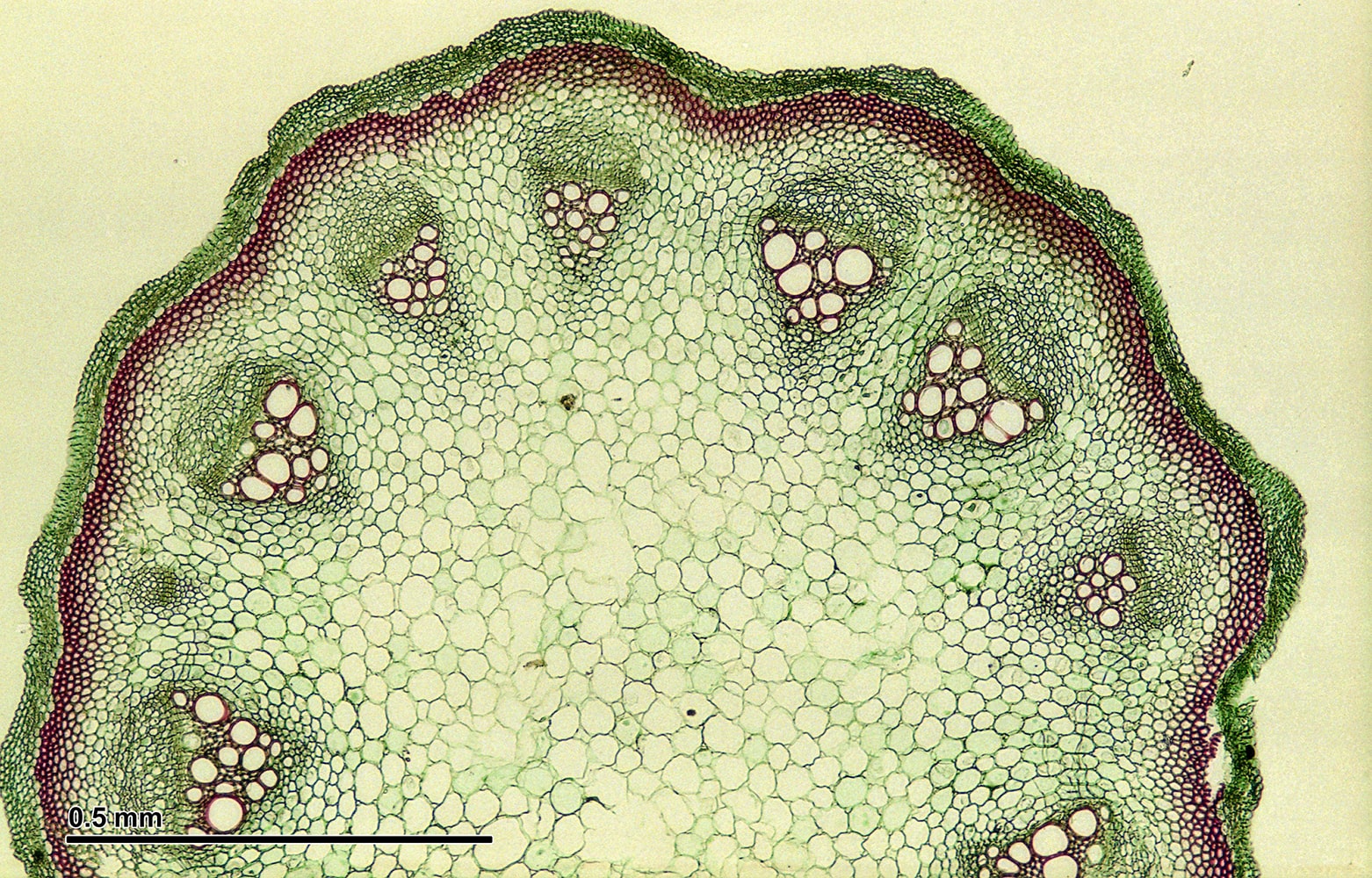
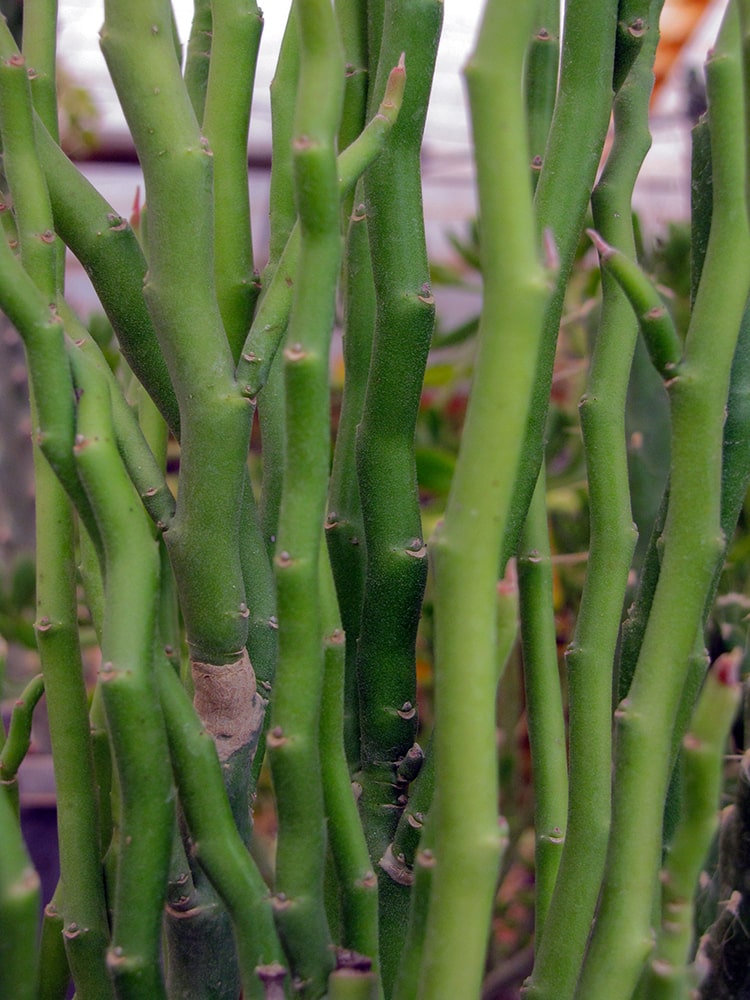
Long slender, unbranched stalk.

Prunella vulgaris: Stem Color

grass
Green

Prunella vulgaris: Stem Is Aromatic

No
Yes

Prunella vulgaris: Stem Cross Section

Angular
Oval
Round
Square

Prunella vulgaris: Stem Form

Straight
Zig Zags

Prunella vulgaris Whole Plant Traits

Prunella vulgaris: Plant Type

Annual
Bulb
Carnivorous
Edible
Epiphyte
Fern
Ground Cover
Herb
Herbaceous Perennial
Houseplant
Mushroom
Native Plant
Ornamental Grasses and Sedges
Perennial
Poisonous
Rose
Shrub
Succulent
Tree
Turfgrass
Vegetable
Vine
Water Plant
Weed
Wildflower

Prunella vulgaris: Habit/Form

Arching
Ascending
Broad
Cascading
Climbing
Clumping
Columnar
Conical
Creeping
Dense
Erect
Horizontal
Irregular
Mounding
Multi-stemmed
Multi-trunked
Open
Oval
Prostrate
Pyramidal
Rounded
Spreading
Vase
Weeping

Prunella vulgaris Cultural Conditions

Prunella vulgaris: Light

Dappled Sunlight (Shade through upper canopy all day)
Deep shade (Less than 2 hours to no direct sunlight)
Full sun (6 or more hours of direct sunlight a day)
Partial Shade (Direct sunlight only part of the day, 2-6 hours)

Prunella vulgaris: Soil pH

Acid (<6.0)
Alkaline (>8.0)
Neutral (6.0-8.0)

Prunella vulgaris: Soil Drainage

Frequent Standing Water
Good Drainage
Moist
Occasional Flooding
Occasionally Dry
Occasionally Wet
Very Dry

Prunella vulgaris: Available Space To Plant

12 inches-3 feet
12-24 feet
24-60 feet
3 feet-6 feet
6-feet-12 feet
Less than 12 inches
more than 60 feet

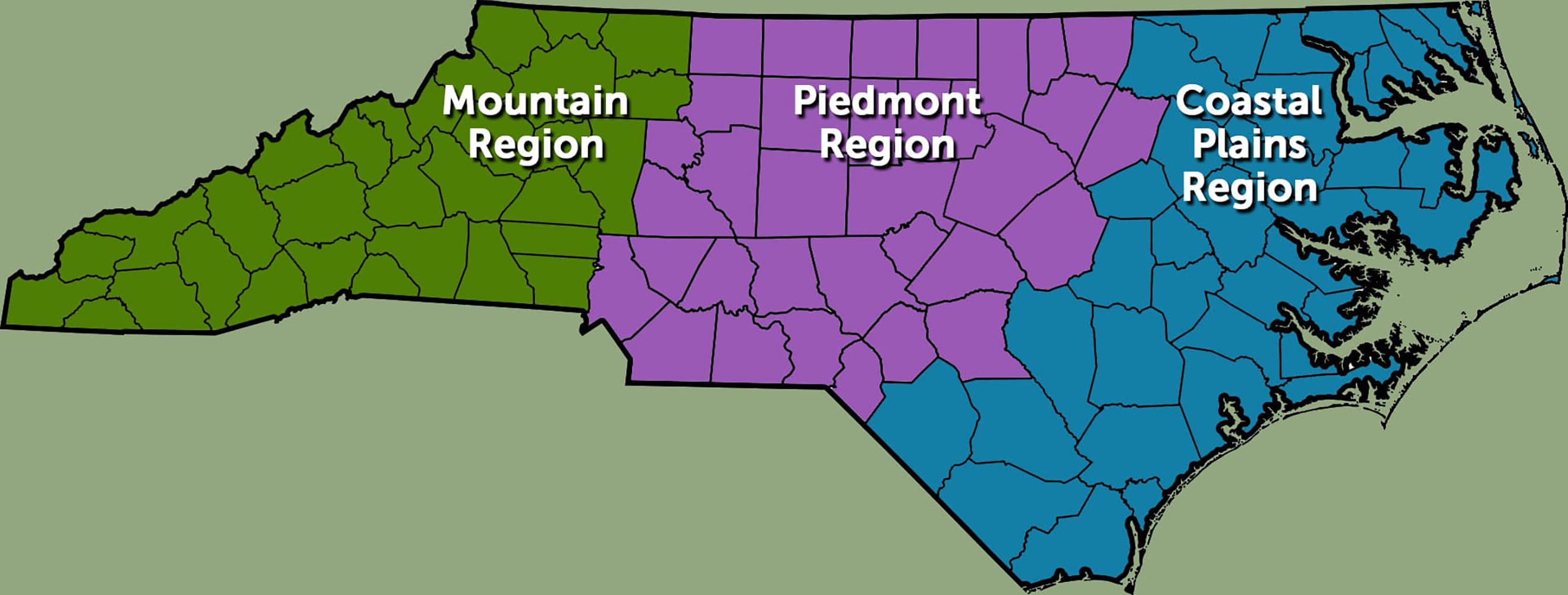
Prunella vulgaris: NC Region

Coastal
Mountains
Piedmont

Prunella vulgaris: USDA Plant Hardiness Zone

thermostat
4a
thermostat
4b
thermostat
5a
thermostat
5b
thermostat
6a
thermostat
6b
thermostat
7a
thermostat
7b
thermostat
8a
thermostat
8b
thermostat
9a
thermostat
9b

Prunella vulgaris: Soil Texture

Clay
High Organic Matter
Loam (Silt)
Sand
Shallow Rocky

Prunella vulgaris Landscape

Prunella vulgaris: Landscape Theme

Asian Garden
Butterfly Garden
Children's Garden
Cottage Garden
Cutting Garden
Drought Tolerant Garden
Edible Garden
English Garden
Fairy Garden
Garden for the Blind
Native Garden
Nighttime Garden
Pollinator Garden
Rain Garden
Rock Garden
Shade Garden
Water Garden
Winter Garden

Prunella vulgaris: Attracts

Bats
Bees
Butterflies
Frogs
Hummingbirds
Moths
Pollinators
Predatory Insects
Reptiles
Small Mammals
Songbirds
Specialized Bees