Plant Profile: Prunus tomentosa

Taxonomy: Prunus tomentosa

Names


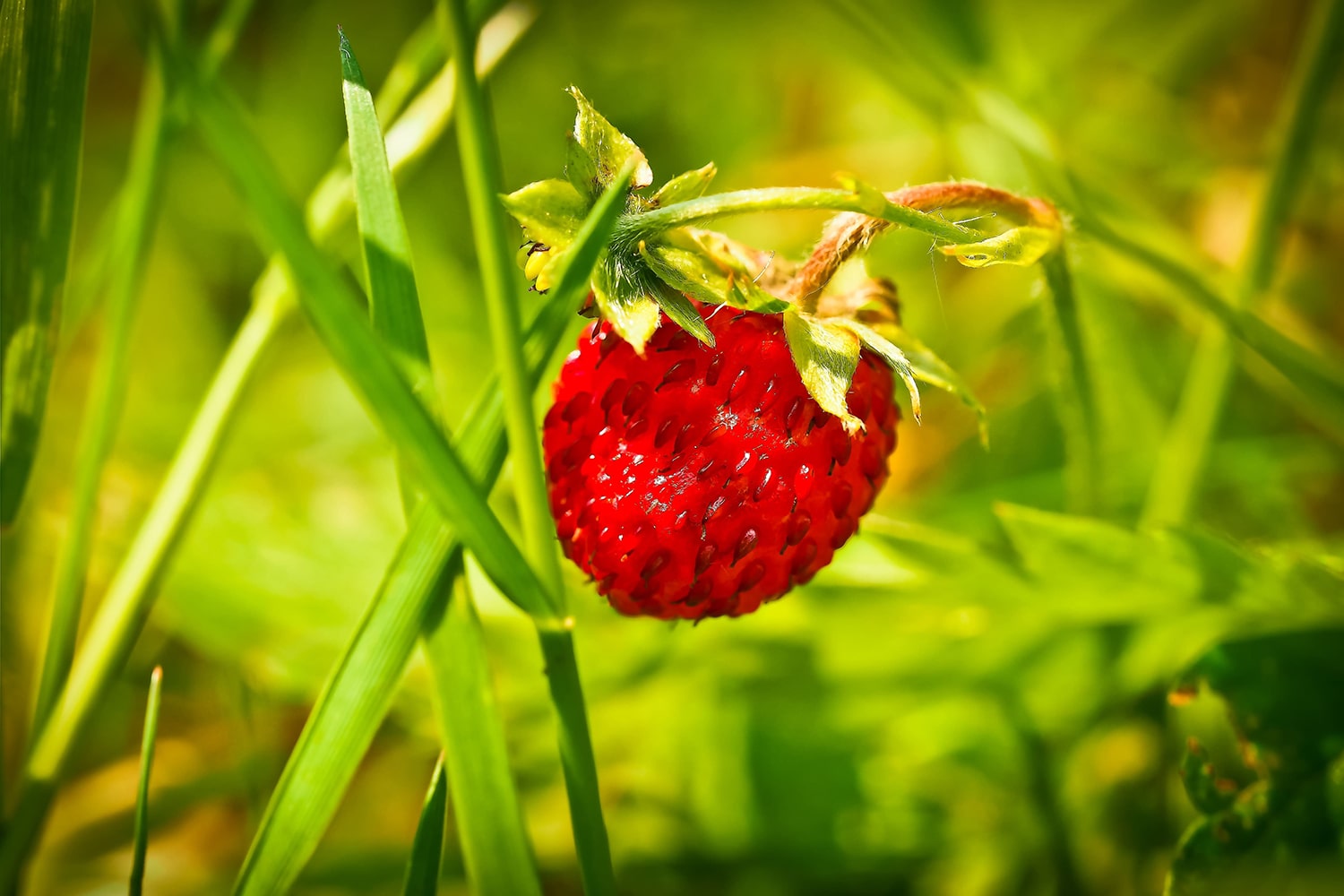
  • Photo of Prunus tomentosa (Prunus tomentosas)

Phonetic Spelling:PROO-nis toh-men-TOH-suh

Genus:Prunus

Species:tomentosa

Family:Roseaecae

Downy Cherry is a deciduous shrub belonging to the rose family. It thrives in well-drained soil and prefers full sun to partial shade. Once established, this plant can withstand drought and harsh winter conditions. You can propagate it through stem cuttings or seeds. It serves well as a shrub border, can be planted in groups for a mass effect, or used to create a privacy screen or windbreak. However, keep in mind that it can naturalize within the landscape.

Regarding pests and diseases, borers may pose a problem, and stressed trees can be susceptible to brown-rot fungus. Additionally, this shrub tends to struggle in southern regions due to its limited tolerance for heat and humidity.

Prunus tomentosa Feature Summary

Prunus tomentosa Image Gallery

Tags

#deciduous
#drought tolerant
#wildlife plant
#deciduous shrub
#low maintenance
#mass planting
#windbreak
#erosion control
#showy fruits
#hedges
#edible fruits
#naturalizes
#screening
#larval host plant
#food source fall
#food source soft mast fruit
#butterfly friendly
#problem for cats
#pollinator garden
#problem for dogs
#problem for horses
#shrub borders
#eastern tiger swallowtail butterfly

Similar Plants

Prunus tomentosa Feature Summary

Attributes
This is a larval host plant to Eastern Tiger Swallowtail (Papilio glaucus). You may see three flights from February-November in the deep south and two flights from May-September in the north. Birds enjoy the fruits.
Fruits are edible and range from tart to sweet. Use them in jams, jellies, pies and tarts.
Flowers
White to light pink 5-petaled flowers 3/4" across solitary or in pairs appear in the spring.
4-5 petals/rays
< 1 inch
Whole Plant Traits
Cultural Conditions
Full sun (6 or more hours of direct sunlight a day)
Partial Shade (Direct sunlight only part of the day, 2-6 hours)
Good Drainage
Moist
4a
4b
5b
5a
6a
6b
7a
7b
2a
2b
3a
3b
Landscape
Drought Tolerant Garden
Edible Garden
Butterfly Garden
Pollinator Garden
Hedge
Screen/Privacy
Drought
Wind
Erosion
Naturalized Area
Butterflies
Pollinators
Songbirds
Problem for Cats
Problem for Dogs
Problem for Horses

Prunus tomentosa Attributes

Prunus tomentosa: Country Or Region Of Origin

Tibet, China
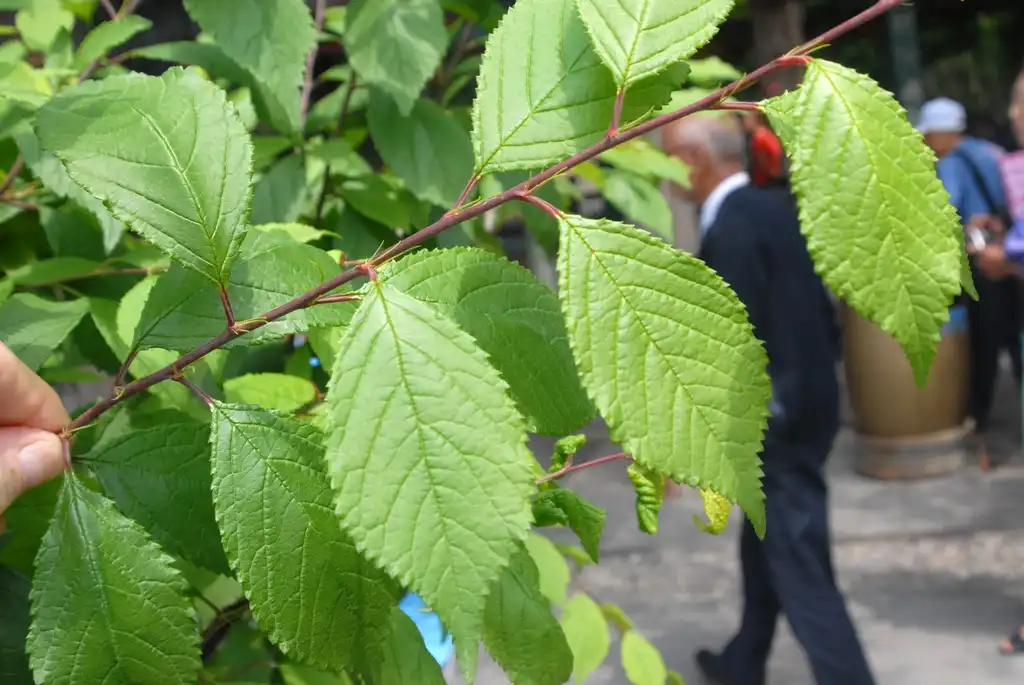
Prunus tomentosa: Wildlife Value

This is a larval host plant to Eastern Tiger Swallowtail (Papilio glaucus). You may see three flights from February-November in the deep south and two flights from May-September in the north. Birds enjoy the fruits.

Prunus tomentosa: Edibility

Fruits are edible and range from tart to sweet. Use them in jams, jellies, pies and tarts.

Prunus tomentosa: Life Cycle

Annual
Biennial
Bulb
Perennial
Woody

Prunus tomentosa: Recommended Propagation Strategy

Division
Grafting
Layering
Leaf Cutting
Root Cutting
Seed
Stem Cutting

Prunus tomentosa Flowers

Prunus tomentosa: Flower Description

White to light pink 5-petaled flowers 3/4" across solitary or in pairs appear in the spring.

Prunus tomentosa: Flower Color

filter_vintage
White

Prunus tomentosa: Flower Bloom Time

Winter
Spring
Summer
Fall

Prunus tomentosa: Flower Petals

2-3 rays/petals
4-5 petals/rays
6 petals/rays
7 - 20 petals/rays
asymmetrical petals
Bracts
Colored Sepals
fused petals
more than 20 petals/rays
Tepals

Prunus tomentosa: Flower Size

1-3 inches
3-6 inches
< 1 inch
> 6 inches

Prunus tomentosa Whole Plant Traits

Prunus tomentosa: Plant Type

Annual
Bulb
Carnivorous
Edible
Epiphyte
Fern
Ground Cover
Herb
Herbaceous Perennial
Houseplant
Mushroom
Native Plant
Ornamental Grasses and Sedges
Perennial
Poisonous
Rose
Shrub
Succulent
Tree
Turfgrass
Vegetable
Vine
Water Plant
Weed
Wildflower

Prunus tomentosa: Woody Plant Leaf Characteristics

Broadleaf Evergreen
Deciduous
Needled Evergreen
Semi-evergreen

Prunus tomentosa: Maintenance

Low
Medium
High

Prunus tomentosa Cultural Conditions

Prunus tomentosa: Light

Dappled Sunlight (Shade through upper canopy all day)
Deep shade (Less than 2 hours to no direct sunlight)
Full sun (6 or more hours of direct sunlight a day)
Partial Shade (Direct sunlight only part of the day, 2-6 hours)

Prunus tomentosa: Soil Drainage

Frequent Standing Water
Good Drainage
Moist
Occasional Flooding
Occasionally Dry
Occasionally Wet
Very Dry

Prunus tomentosa: Available Space To Plant

12 inches-3 feet
12-24 feet
24-60 feet
3 feet-6 feet
6-feet-12 feet
Less than 12 inches
more than 60 feet

Prunus tomentosa: USDA Plant Hardiness Zone

thermostat
2a
thermostat
2b
thermostat
3a
thermostat
3b
thermostat
4a
thermostat
4b
thermostat
5a
thermostat
5b
thermostat
6a
thermostat
6b
thermostat
7a
thermostat
7b

Prunus tomentosa Fruit

Prunus tomentosa: Fruit Type

Achene
Aggregate
Berry
Capsule
Caryopsis
Drupe
Follicle
Legume
Nut
Pome
Samara
Schizocarp
Siliqua

Prunus tomentosa: Fruit Value To Gardener

Edible
Fragrant
Good Cut
Good Dried
Long Bloom Season
Long-lasting
Showy

Prunus tomentosa Leaves

Prunus tomentosa: Woody Plant Leaf Characteristics

Broadleaf Evergreen
Deciduous
Needled Evergreen
Semi-evergreen

Prunus tomentosa: Hairs Present

No
Yes

Prunus tomentosa Stem

Prunus tomentosa: Stem Is Aromatic

No
Yes

Prunus tomentosa Landscape

Prunus tomentosa: Landscape Theme

Asian Garden
Butterfly Garden
Children's Garden
Cottage Garden
Cutting Garden
Drought Tolerant Garden
Edible Garden
English Garden
Fairy Garden
Garden for the Blind
Native Garden
Nighttime Garden
Pollinator Garden
Rain Garden
Rock Garden
Shade Garden
Water Garden
Winter Garden

Prunus tomentosa: Design Feature

Accent
Barrier
Border
Flowering Tree
Foundation Planting
Hedge
Mass Planting
Screen/Privacy
Security
Shade Tree
Small groups
Small Tree
Specimen
Street Tree
Understory Tree

Prunus tomentosa: Resistance To Challenges

Black Walnut
Compaction
Deer
Diseases
Drought
Dry Soil
Erosion
Fire
Foot Traffic
Heat
Heavy Shade
Humidity
Insect Pests
Pollution
Poor Soil
Rabbits
Salt
Slugs
Squirrels
Storm damage
Urban Conditions
Voles
Wet Soil
Wind

Prunus tomentosa: Landscape Location

Coastal
Container
Hanging Baskets
Houseplants
Lawn
Meadow
Naturalized Area
Near Septic
Patio
Pond
Pool/Hardscape
Recreational Play Area
Riparian
Rock Wall
Slope/Bank
Small Space
Vertical Spaces
Walkways
Woodland

Prunus tomentosa: Attracts

Bats
Bees
Butterflies
Frogs
Hummingbirds
Moths
Pollinators
Predatory Insects
Reptiles
Small Mammals
Songbirds
Specialized Bees

Prunus tomentosa: Problems

Allelopathic
Contact Dermatitis
Frequent Disease Problems
Frequent Insect Problems
Invasive Species
Malodorous
Messy
Poisonous to Humans
Problem for Cats
Problem for Children
Problem for Dogs
Problem for Horses
Short-lived
Spines/Thorns
Weak Wood
Weedy