Plant Profile: Prunus jacquemontii

Names

Afghan Cherry, Afghan Dwarf Cherry, Bush Cherry, Flowering Almond

  • Photo of Prunus jacquemontii (Prunus jacquemontiis)

Phonetic Spelling:PROO-nus jak-MON-tee-eye

Genus:Prunus

Species:jacquemontii

Family:Roseaceae

Afghan Cherry is a compact shrub belonging to the rose family, originally found in regions such as Afghanistan, India, Pakistan, and Tibet. This plant thrives in full sunlight and is adaptable to various soil types. In spring, it produces striking, fragrant flowers in a delicate shell pink hue, accented by red centers, which are later followed by tangy red cherries. For optimal growth, prune the shrub in late winter, ensuring there is no risk of frost. It is ideal for mass planting and can effectively serve as a hedge or privacy screen, demonstrating good resilience in urban environments.

Regarding pests, diseases, and other issues: fallen fruits can create a mess, and the plant does not fare well in areas with standing water.

Prunus jacquemontii Feature Summary

Prunus jacquemontii Image Gallery

Tags

#showy flowers
#deciduous
#fragrant flowers
#wildlife plant
#pink flowers
#deciduous shrub
#spring flowers
#dwarf
#mass planting
#hedges
#red fruits
#screening
#early spring flowers
#larval host plant
#messy fruits
#urban conditions tolerant
#bird friendly
#food source soft mast fruit
#butterfly friendly
#self-pollinating
#mid-summer fruits
#food source mid-summer
#problem for cats
#pollinator garden
#problem for dogs
#problem for horses
#eastern tiger swallowtail butterfly

Similar Plants

Prunus jacquemontii Feature Summary

Attributes
Afghanistant, India, Pakistan and Tibet.
This is a larval host plant to Eastern Tiger Swallowtail (Papilio glaucus). You may see three flights from February-November in the deep south and two flights from May-September in the north. Fruits attract birds.
Fruit
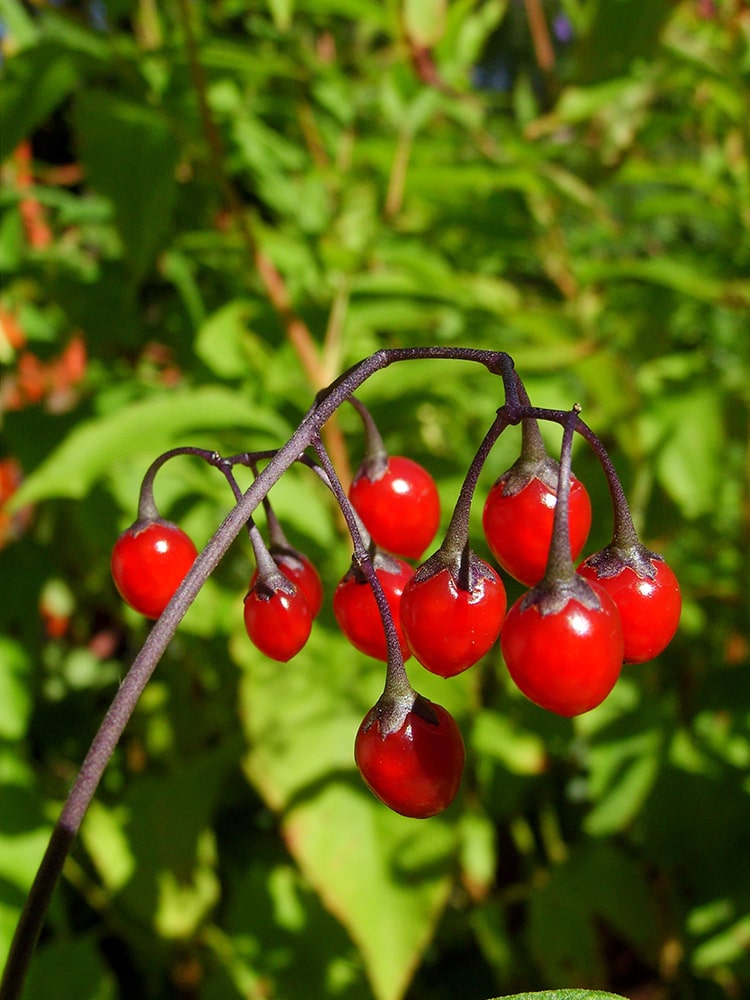
Plum purple drupes in mid-summer
Red/Burgundy
Purple/Lavender
Flowers
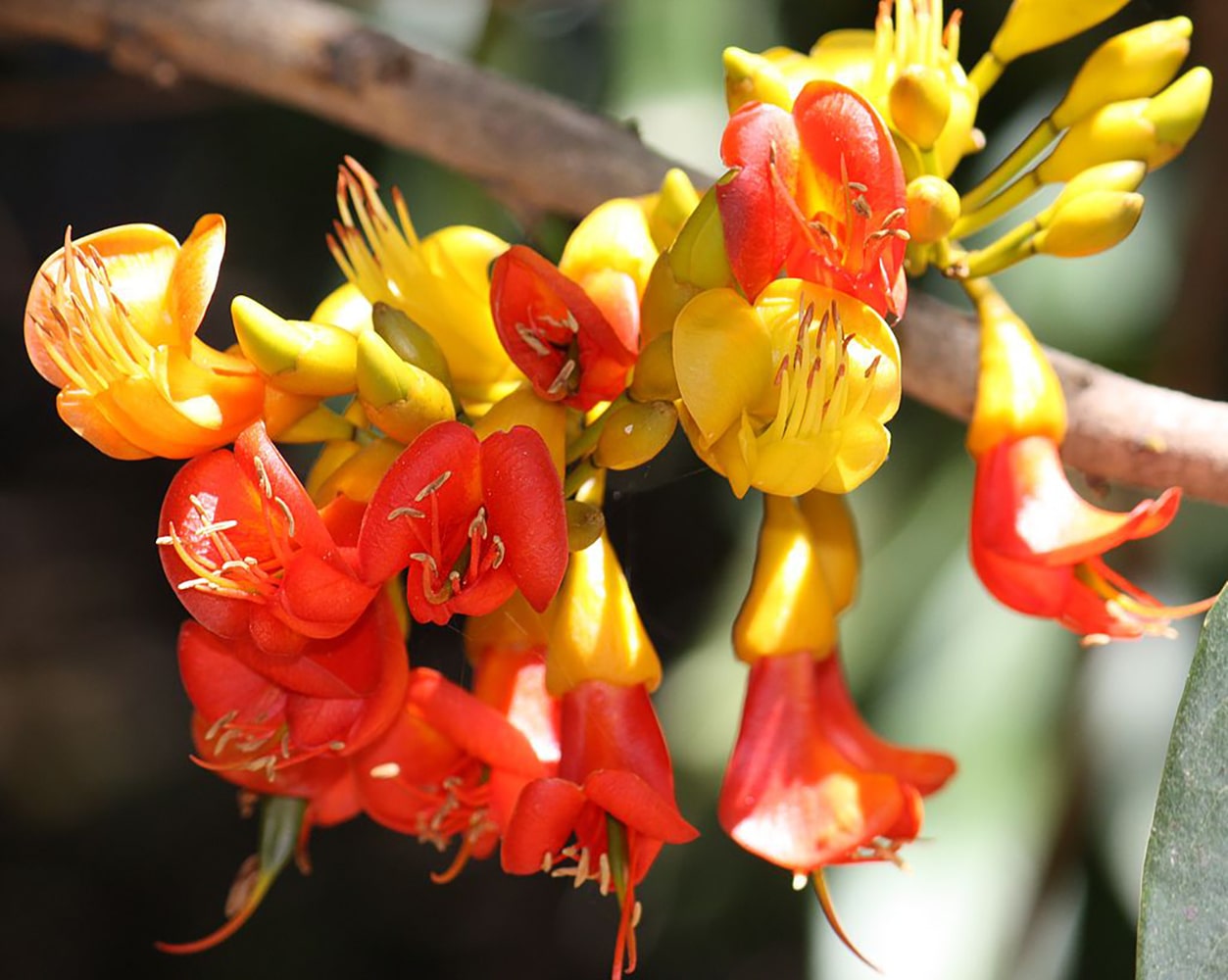
Shell pink 5 petaled flowers with red centers appear in early spring before leaves. It is self-pollinating so does not need another cherry tree to produce fruit.
4-5 petals/rays
Poisonous to Humans
Stems, leaves, seeds contain cyanide, particularly toxic in the process of wilting: brick red mucous membranes, dilated pupils, difficulty breathing, panting, shock.
Cyanogenic glycosides
Seeds
Leaves
Stems
Whole Plant Traits
Multi-stemmed
Erect
Spreading
Cultural Conditions
Full sun (6 or more hours of direct sunlight a day)
Acid (<6.0)
Alkaline (>8.0)
Neutral (6.0-8.0)
Clay
Loam (Silt)
Sand
Shallow Rocky
Landscape
Butterfly Garden
Pollinator Garden
Hedge
Mass Planting
Screen/Privacy
Butterflies
Pollinators
Problem for Cats
Problem for Dogs
Problem for Horses
Messy

Prunus jacquemontii Attributes

Prunus jacquemontii: Country Or Region Of Origin

Afghanistant, India, Pakistan and Tibet.

Prunus jacquemontii: Wildlife Value

This is a larval host plant to Eastern Tiger Swallowtail (Papilio glaucus). You may see three flights from February-November in the deep south and two flights from May-September in the north. Fruits attract birds.

Prunus jacquemontii: Life Cycle

Annual
Biennial
Bulb
Perennial
Woody

Prunus jacquemontii Fruit

Prunus jacquemontii: Fruit Description

Plum purple drupes in mid-summer

Prunus jacquemontii: Fruit Type

Achene
Aggregate
Berry
Capsule
Caryopsis
Drupe
Follicle
Legume
Nut
Pome
Samara
Schizocarp
Siliqua

Prunus jacquemontii: Fruit Color

grass
Purple/Lavender
grass
Red/Burgundy

Prunus jacquemontii: Display/Harvest Time

Fall
Spring
Summer
Winter

Prunus jacquemontii Flowers

Prunus jacquemontii: Flower Description

Shell pink 5 petaled flowers with red centers appear in early spring before leaves. It is self-pollinating so does not need another cherry tree to produce fruit.

Prunus jacquemontii: Flower Value To Gardener

Edible
Fragrant
Good Cut
Good Dried
Long Bloom Season
Long-lasting
Showy

Prunus jacquemontii: Flower Bloom Time

Winter
Spring
Summer
Fall

Prunus jacquemontii: Flower Petals

2-3 rays/petals
4-5 petals/rays
6 petals/rays
7 - 20 petals/rays
asymmetrical petals
Bracts
Colored Sepals
fused petals
more than 20 petals/rays
Tepals

Prunus jacquemontii Leaves

Prunus jacquemontii: Leaf Description

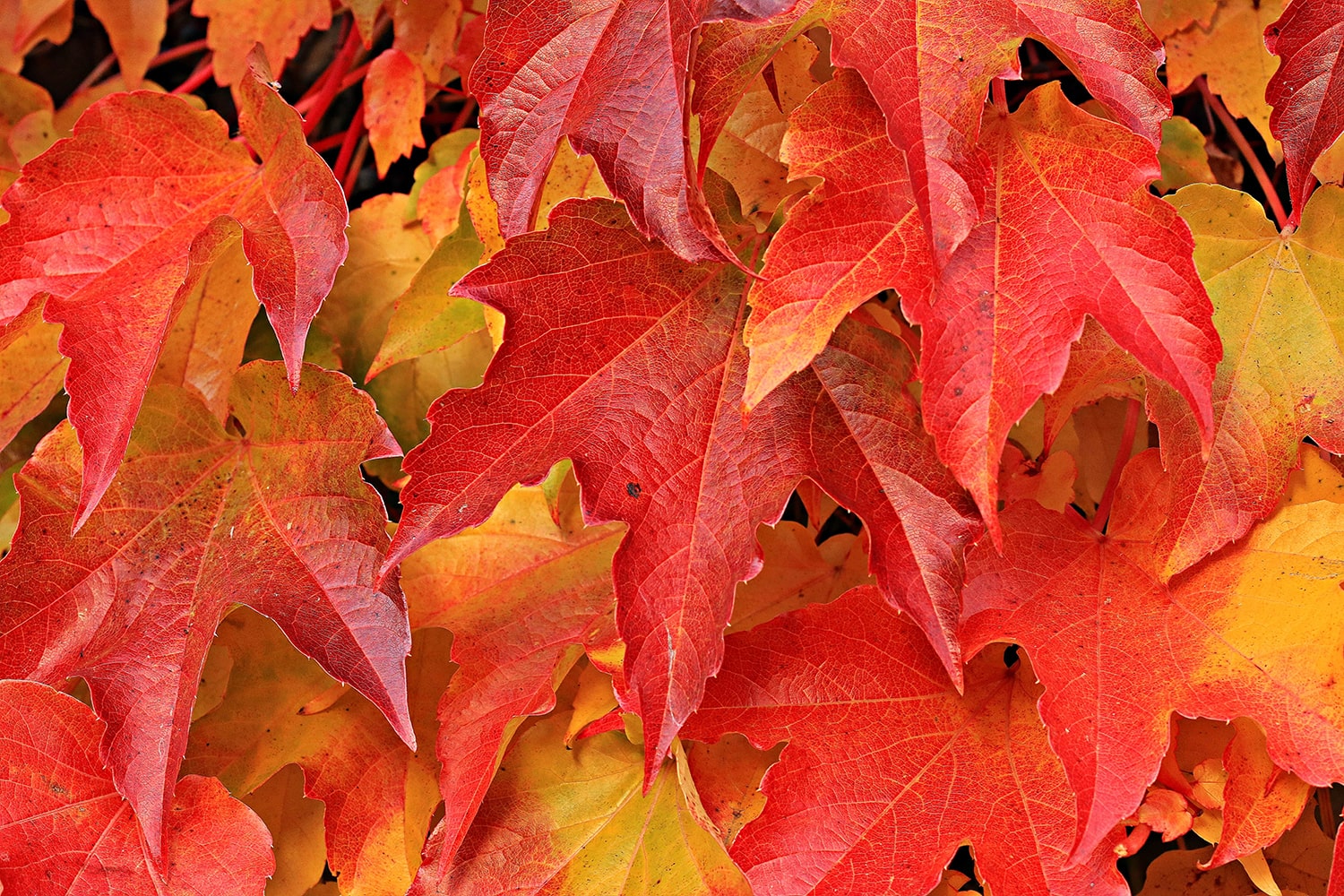
Outstanding yellow fall color.

Prunus jacquemontii: Woody Plant Leaf Characteristics

Broadleaf Evergreen
Deciduous
Needled Evergreen
Semi-evergreen

Prunus jacquemontii: Leaf Color

spa
Green

Prunus jacquemontii: Deciduous Leaf Fall Color

spa
Gold/Yellow

Prunus jacquemontii: Hairs Present

No
Yes

Prunus jacquemontii Poisonous to Humans

Prunus jacquemontii: Poison Symptoms

Stems, leaves, seeds contain cyanide, particularly toxic in the process of wilting: brick red mucous membranes, dilated pupils, difficulty breathing, panting, shock.

Prunus jacquemontii: Poison Toxic Principle

Cyanogenic glycosides

Prunus jacquemontii: Poison Severity

High
Low
Medium

Prunus jacquemontii: Causes Contact Dermatitis

No
Yes

Prunus jacquemontii: Poison Part

Bark
Flowers
Fruits
Leaves
Roots
Sap/Juice
Seeds
Stems

Prunus jacquemontii Whole Plant Traits

Prunus jacquemontii: Plant Type

Annual
Bulb
Carnivorous
Edible
Epiphyte
Fern
Ground Cover
Herb
Herbaceous Perennial
Houseplant
Mushroom
Native Plant
Ornamental Grasses and Sedges
Perennial
Poisonous
Rose
Shrub
Succulent
Tree
Turfgrass
Vegetable
Vine
Water Plant
Weed
Wildflower

Prunus jacquemontii: Woody Plant Leaf Characteristics

Broadleaf Evergreen
Deciduous
Needled Evergreen
Semi-evergreen

Prunus jacquemontii: Habit/Form

Arching
Ascending
Broad
Cascading
Climbing
Clumping
Columnar
Conical
Creeping
Dense
Erect
Horizontal
Irregular
Mounding
Multi-stemmed
Multi-trunked
Open
Oval
Prostrate
Pyramidal
Rounded
Spreading
Vase
Weeping

Prunus jacquemontii: Maintenance

Low
Medium
High

Prunus jacquemontii Cultural Conditions

Prunus jacquemontii: Light

Dappled Sunlight (Shade through upper canopy all day)
Deep shade (Less than 2 hours to no direct sunlight)
Full sun (6 or more hours of direct sunlight a day)
Partial Shade (Direct sunlight only part of the day, 2-6 hours)

Prunus jacquemontii: Soil pH

Acid (<6.0)
Alkaline (>8.0)
Neutral (6.0-8.0)

Prunus jacquemontii: Soil Drainage

Frequent Standing Water
Good Drainage
Moist
Occasional Flooding
Occasionally Dry
Occasionally Wet
Very Dry

Prunus jacquemontii: Available Space To Plant

12 inches-3 feet
12-24 feet
24-60 feet
3 feet-6 feet
6-feet-12 feet
Less than 12 inches
more than 60 feet

Prunus jacquemontii: Soil Texture

Clay
High Organic Matter
Loam (Silt)
Sand
Shallow Rocky

Prunus jacquemontii Stem

Prunus jacquemontii: Stem Is Aromatic

No
Yes

Prunus jacquemontii Landscape

Prunus jacquemontii: Landscape Theme

Asian Garden
Butterfly Garden
Children's Garden
Cottage Garden
Cutting Garden
Drought Tolerant Garden
Edible Garden
English Garden
Fairy Garden
Garden for the Blind
Native Garden
Nighttime Garden
Pollinator Garden
Rain Garden
Rock Garden
Shade Garden
Water Garden
Winter Garden

Prunus jacquemontii: Design Feature

Accent
Barrier
Border
Flowering Tree
Foundation Planting
Hedge
Mass Planting
Screen/Privacy
Security
Shade Tree
Small groups
Small Tree
Specimen
Street Tree
Understory Tree

Prunus jacquemontii: Resistance To Challenges

Black Walnut
Compaction
Deer
Diseases
Drought
Dry Soil
Erosion
Fire
Foot Traffic
Heat
Heavy Shade
Humidity
Insect Pests
Pollution
Poor Soil
Rabbits
Salt
Slugs
Squirrels
Storm damage
Urban Conditions
Voles
Wet Soil
Wind

Prunus jacquemontii: Attracts

Bats
Bees
Butterflies
Frogs
Hummingbirds
Moths
Pollinators
Predatory Insects
Reptiles
Small Mammals
Songbirds
Specialized Bees

Prunus jacquemontii: Problems

Allelopathic
Contact Dermatitis
Frequent Disease Problems
Frequent Insect Problems
Invasive Species
Malodorous
Messy
Poisonous to Humans
Problem for Cats
Problem for Children
Problem for Dogs
Problem for Horses
Short-lived
Spines/Thorns
Weak Wood
Weedy