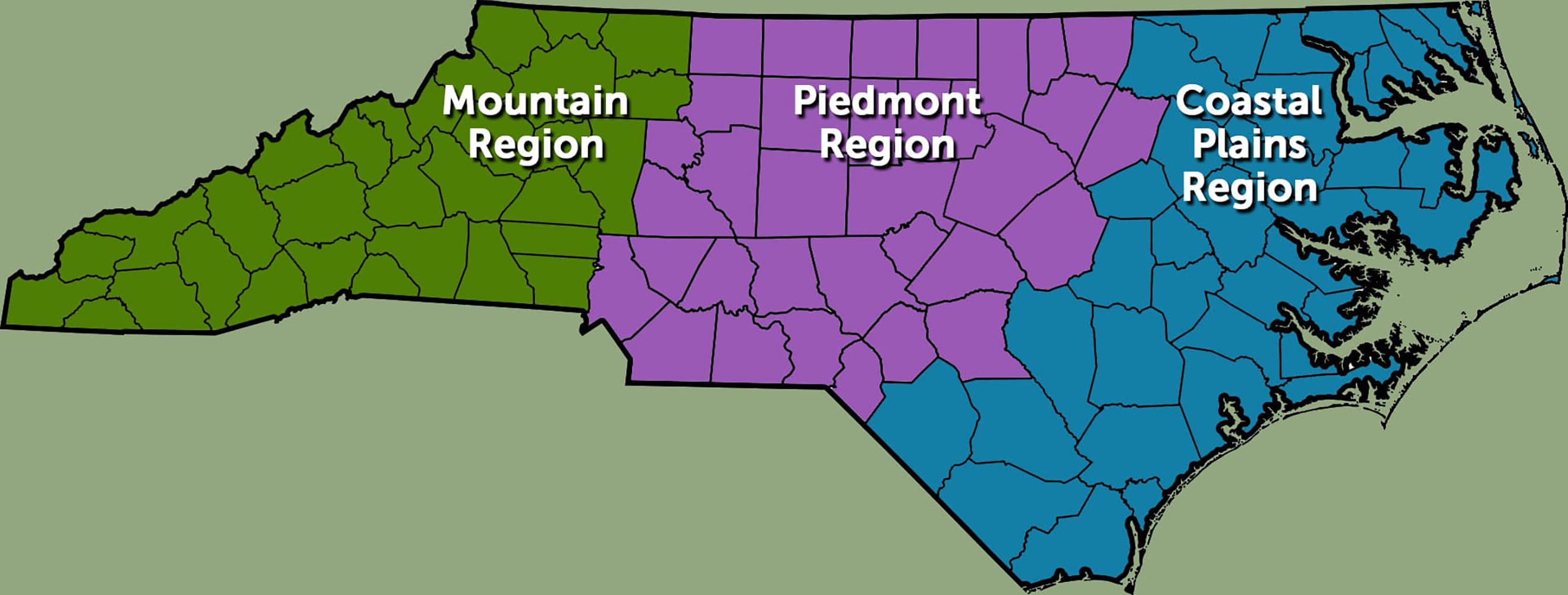
Hoptree is a modest deciduous tree indigenous to North Carolina, thriving in regions characterized by calcareous soils. It typically grows in environments such as rocky bluffs, open woodlands, and riverbanks within the Coastal Plain.
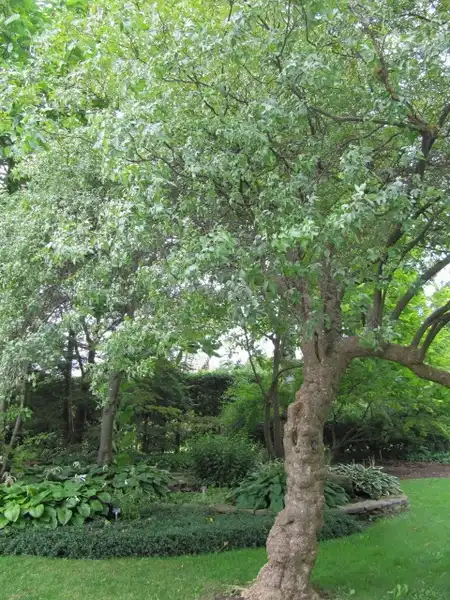
This plant is highly adaptable and exhibits a bushy, rounded shape with low-hanging branches. It has a tendency to produce suckers and showcases yellow-green foliage in the fall. Hoptree is known for its ability to form colonies and has a growth rate that ranges from slow to moderate.
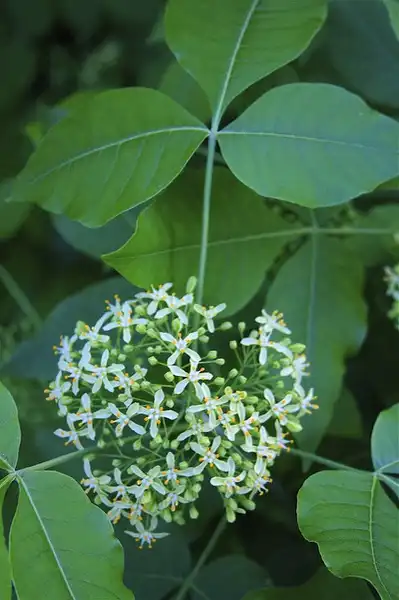
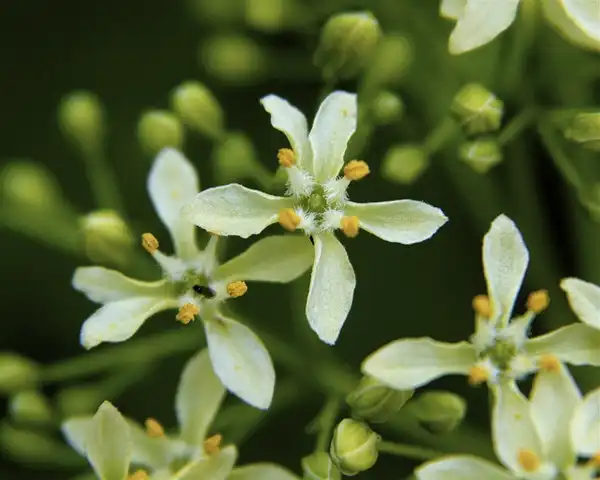
Small, greenish-white to greenish-yellow fragrant flowers; compressed, winged, brown structure that persists. In North Carolina, the flowers are available from April to June.
Interesting fruits. In North Carolina, the green/tan fruits are available from June to August.
Ptelea trifoliata: Fruit Color
grass
Cream/Tan
grass
Green
Ptelea trifoliata: Fruit Value To Gardener
Edible
Fragrant
Good Cut
Good Dried
Long Bloom Season
Long-lasting
Showy
Ptelea trifoliata: Display/Harvest Time
Fall
Spring
Summer
Winter
Ptelea trifoliata Flowers
Ptelea trifoliata: Flower Description
Small, greenish-white to greenish-yellow fragrant flowers; compressed, winged, brown structure that persists. In North Carolina, the flowers are available from April to June.
Ptelea trifoliata: Flower Color
filter_vintage
Brown/Copper
filter_vintage
Gold/Yellow
filter_vintage
Green
filter_vintage
White
Ptelea trifoliata: Flower Value To Gardener
Edible
Fragrant
Good Cut
Good Dried
Long Bloom Season
Long-lasting
Showy
Ptelea trifoliata: Flower Bloom Time
Winter
Spring
Summer
Fall
Ptelea trifoliata Leaves
Ptelea trifoliata: Leaf Description
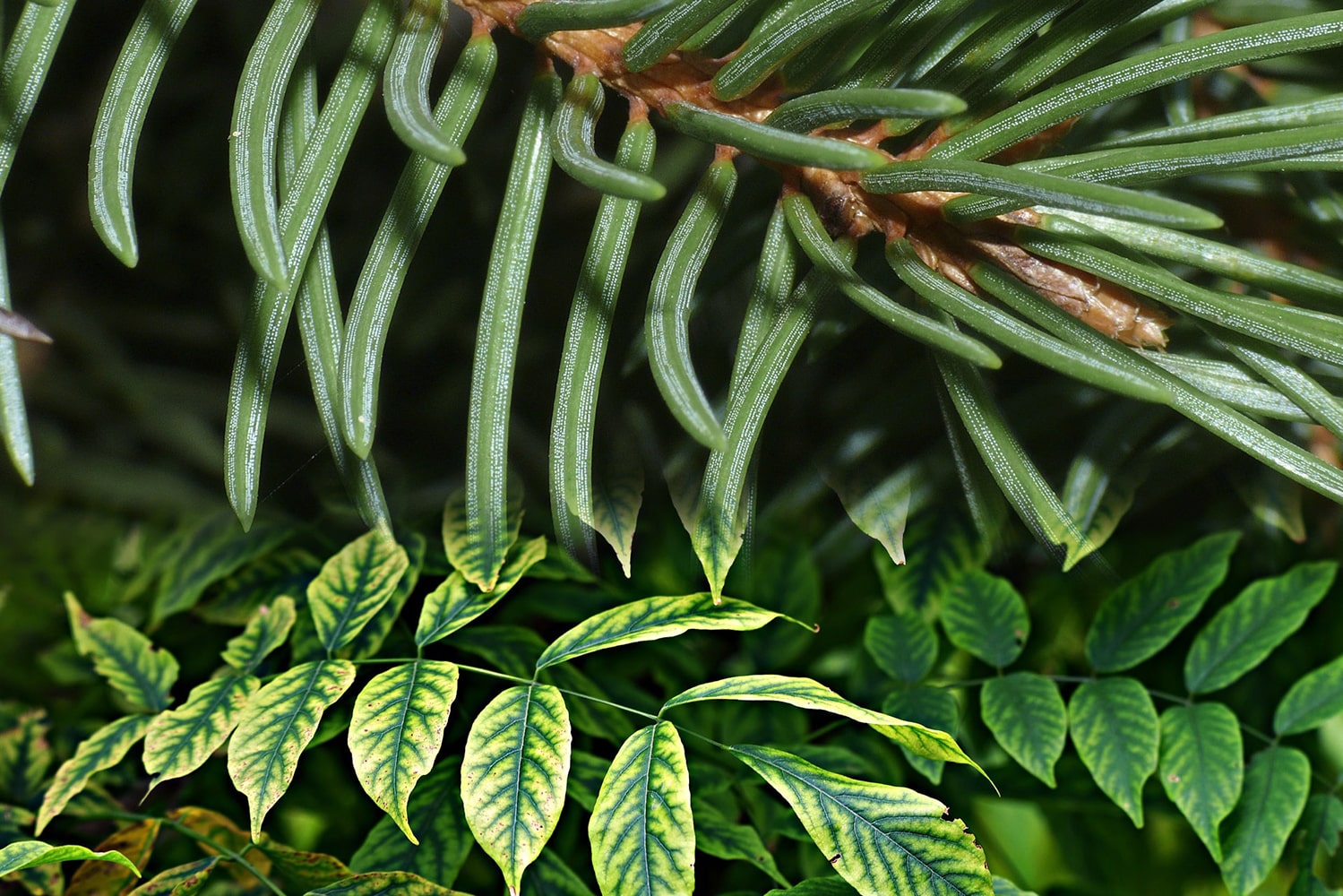
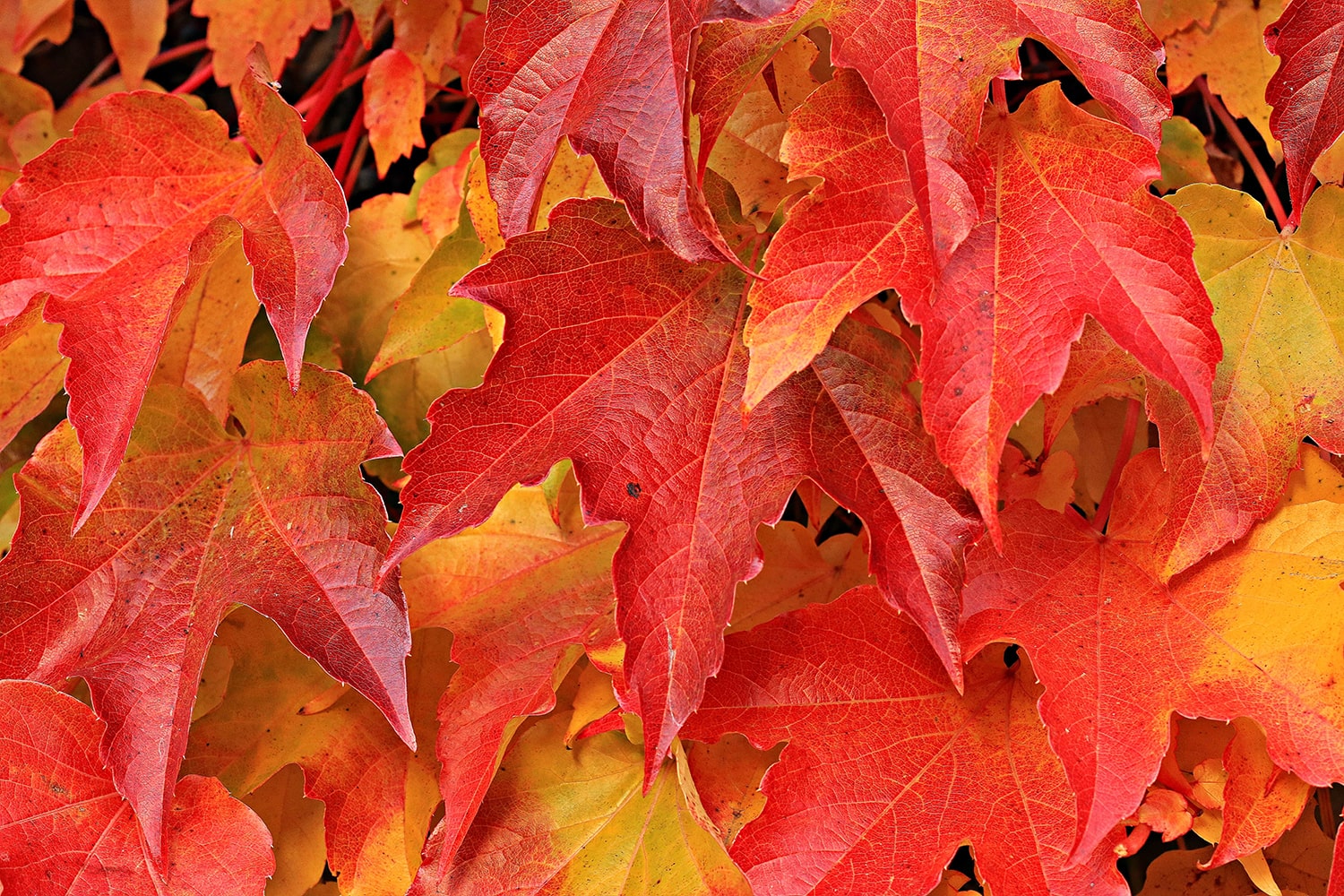
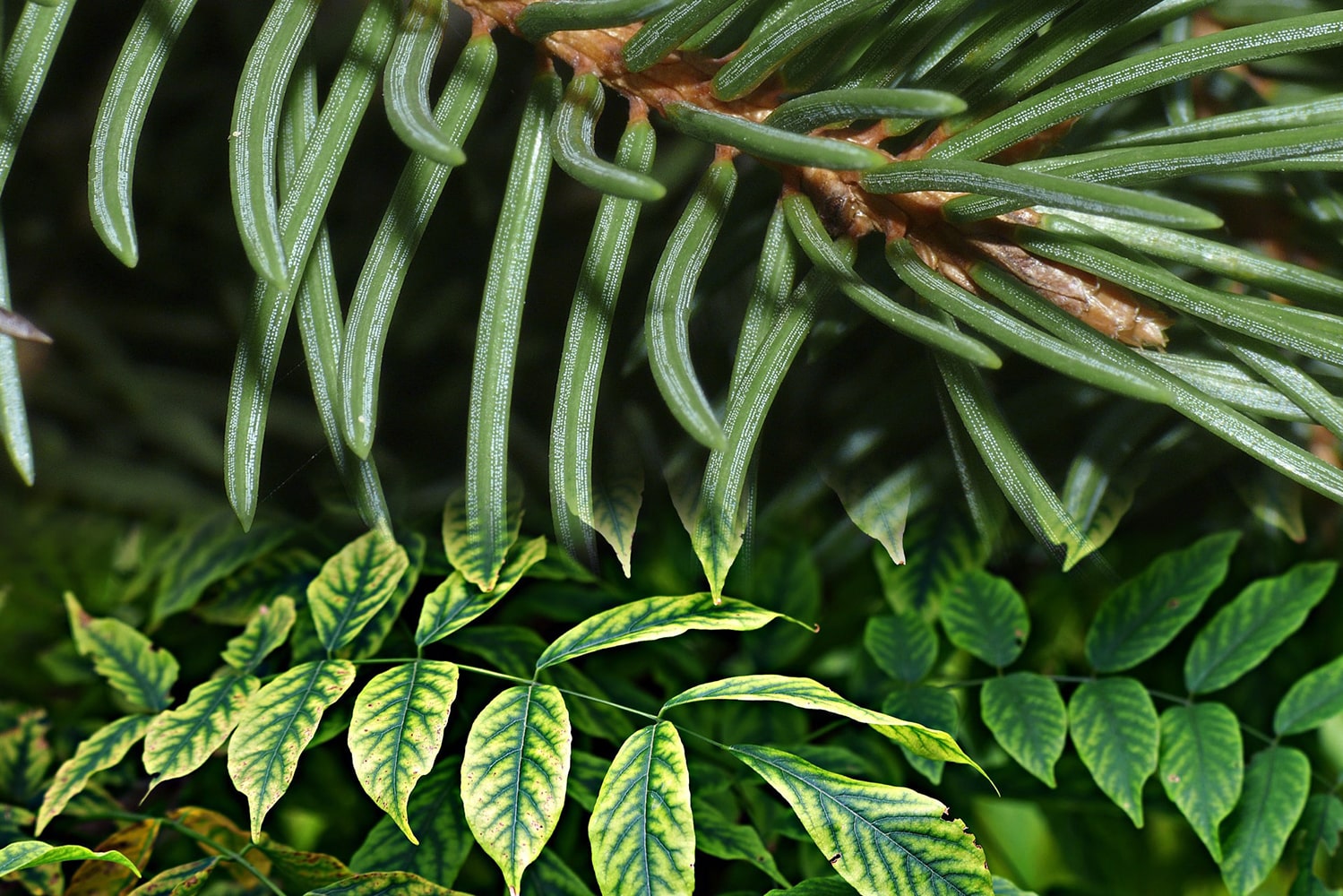
2.5 to 5 in. alternate trifoliate leaf; yellow green fall color