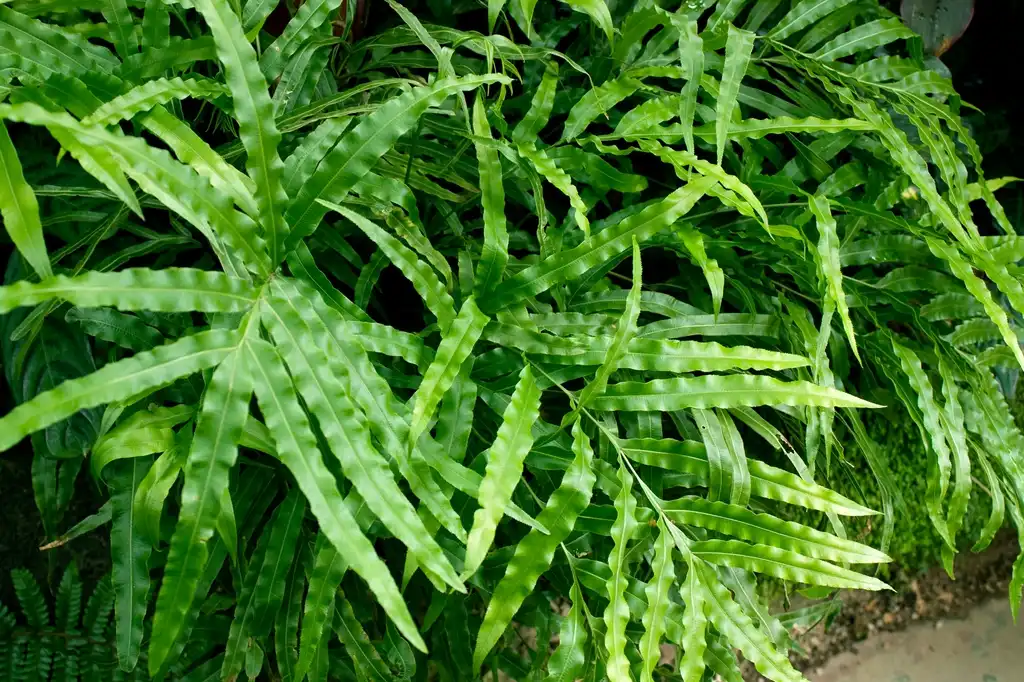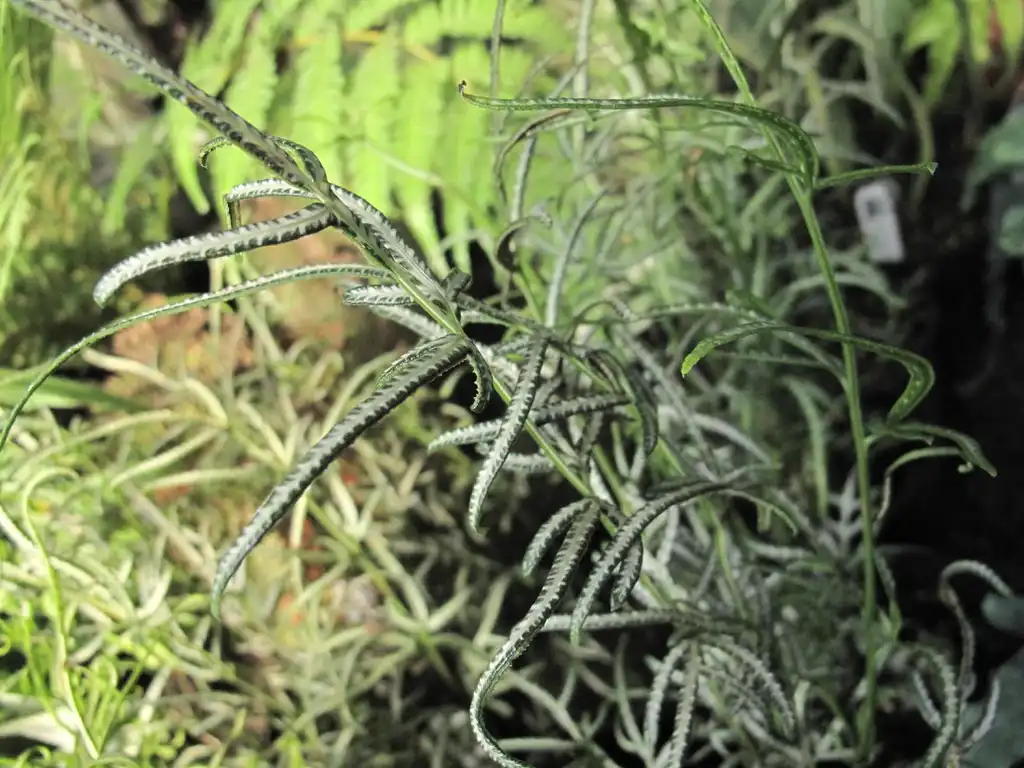
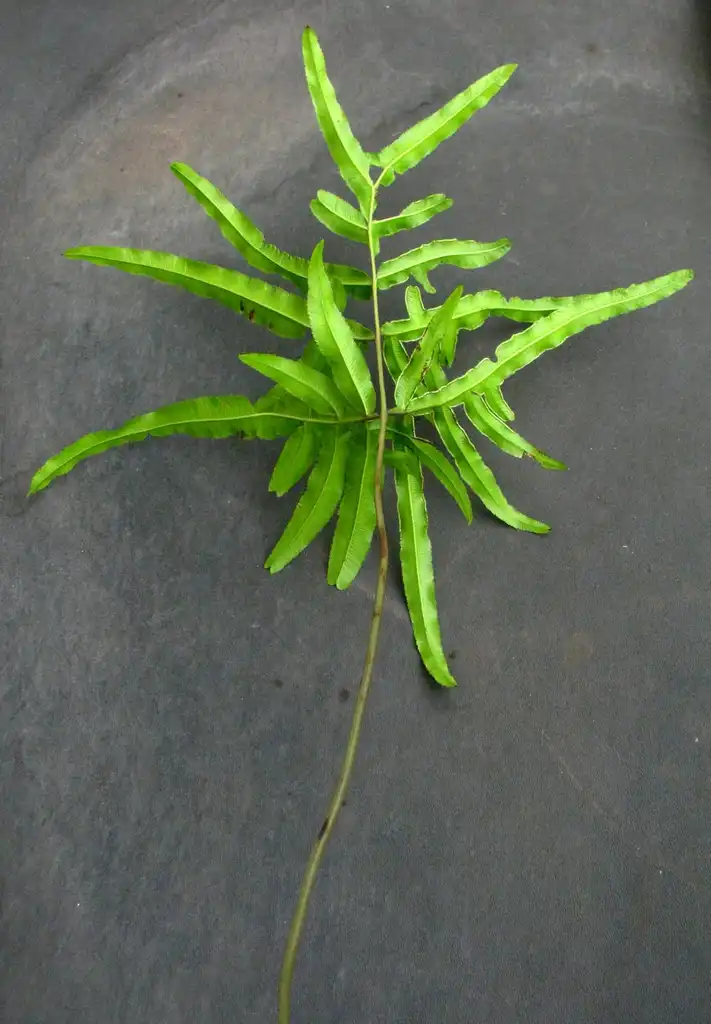
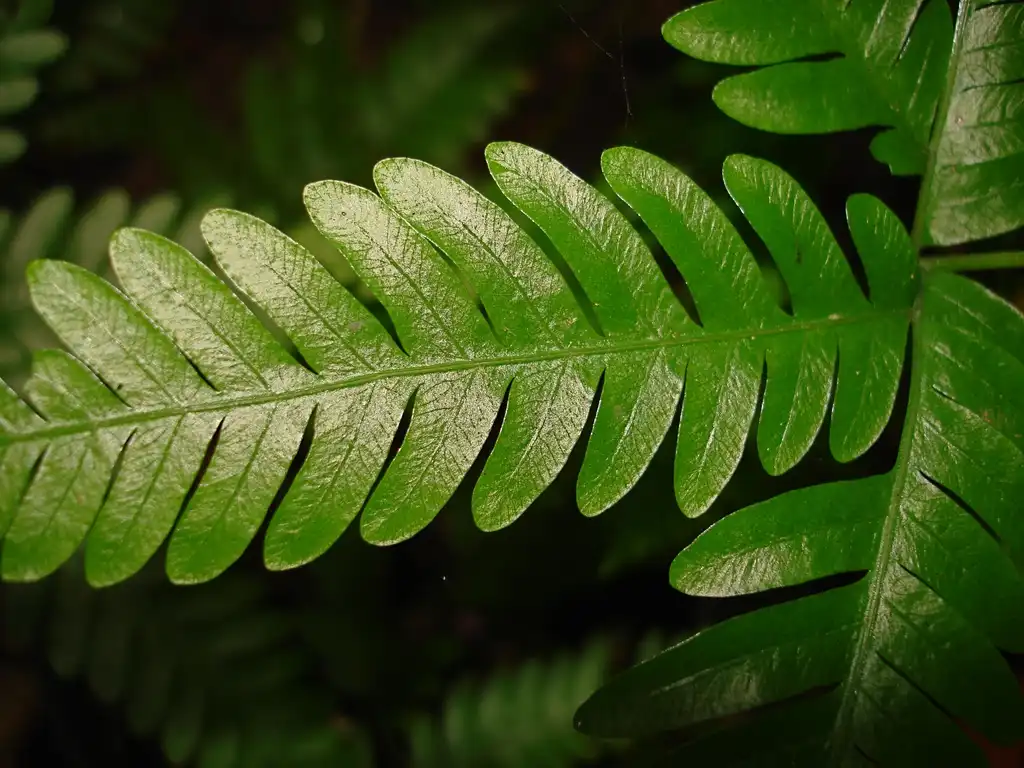
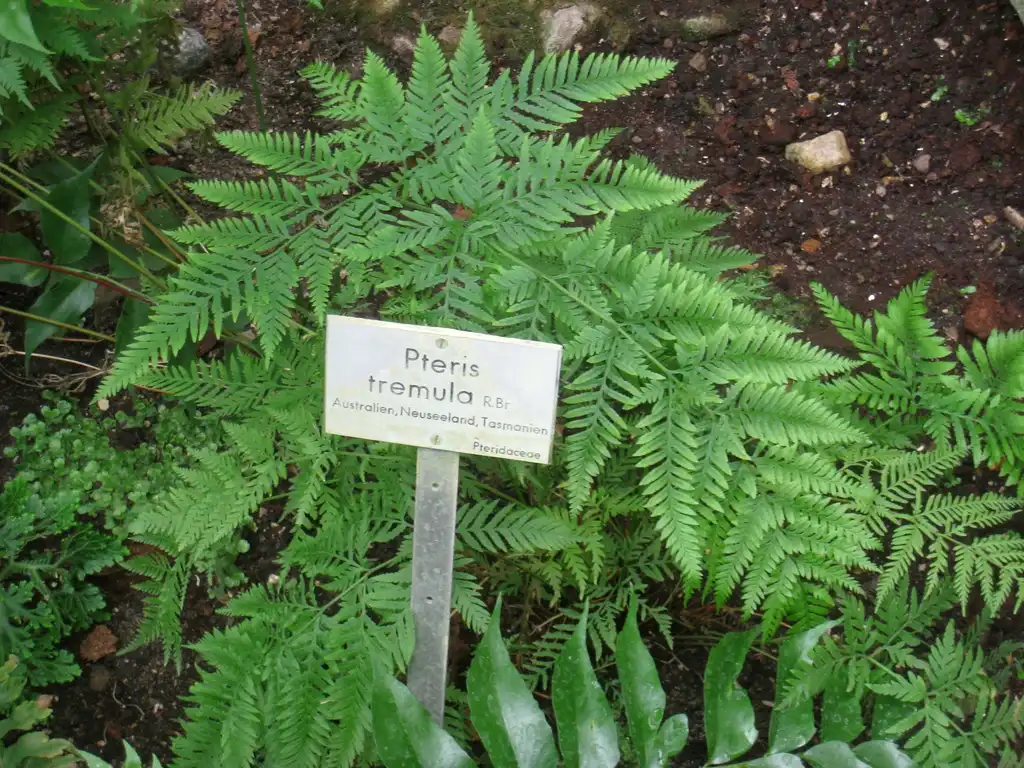
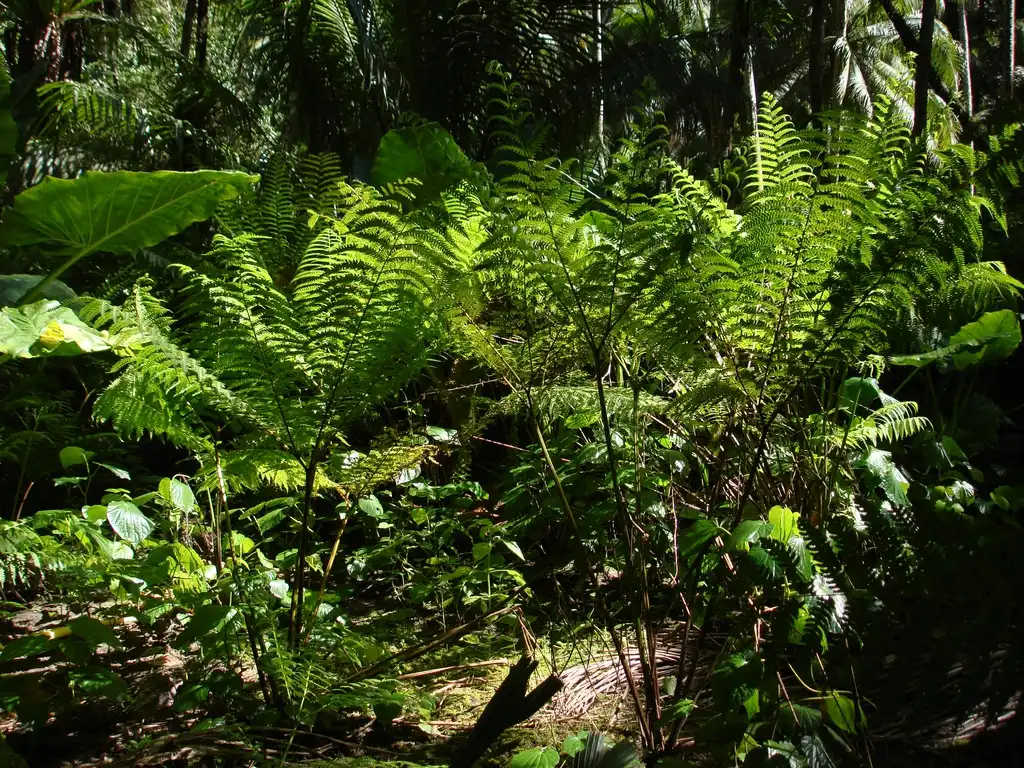
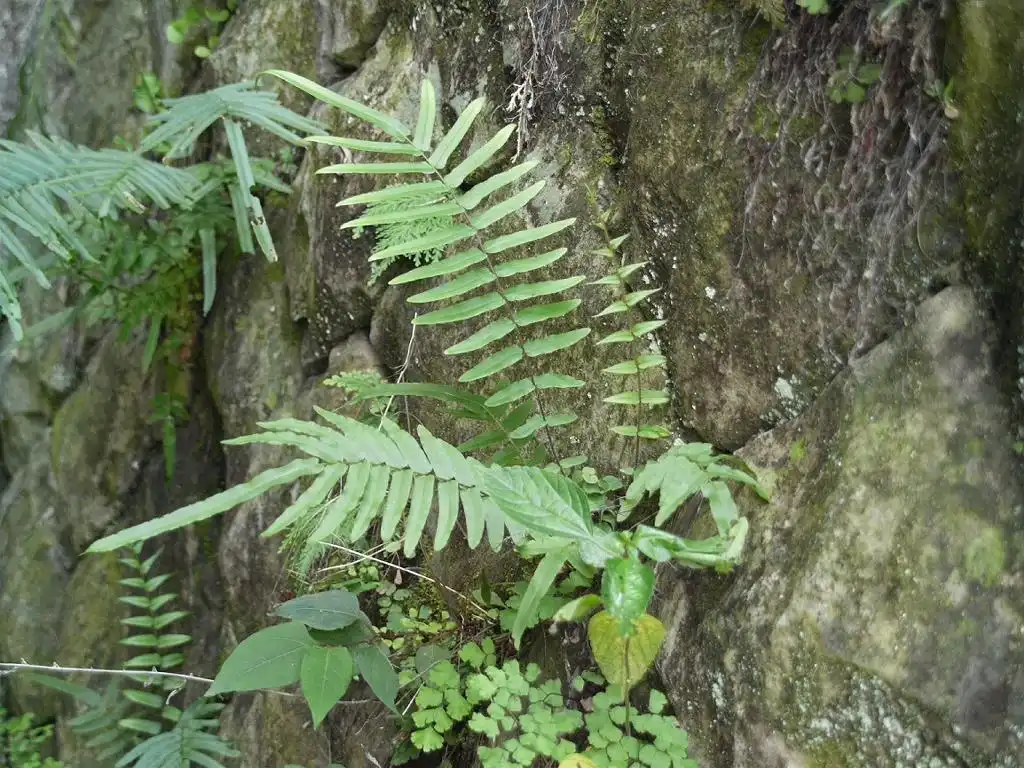
• Photo of Pteris (Pteriss)

Plant Profile: Pteris

Taxonomy: Pteris

Names

Brake, Brake Fern, Dish Fern, Silver Table Fern, Table Fern

  • Photo of Pteris (Pteriss)

Phonetic Spelling:TARE-iss

Genus:Pteris

Species:

Family:Pteridaceae

Pteris is a genus comprising around 300 species of ferns, primarily found in tropical and subtropical areas. Frequently cultivated as a houseplant, this fern is characterized by its terrestrial and rhizomatous growth, exhibiting either an upright or creeping form. It thrives in subtropical and tropical climates, making it a popular choice for cultivation.

**Identification Tips:**

Pteris Feature Summary

Pteris Image Gallery

Tags

#houseplant
#green
#interiorscape
#fern
#deer resistant
#fantz
#non-toxic for horses
#non-toxic for dogs
#non-toxic for cats
#tropical feel

Similar Plants

Pteris is often confused with:

Pteris Feature Summary

Attributes
Europe, Tropical Asia, Africa, South America, North America
Perennial
Fruit
No fruits. This plants reproduces via spores.
Flowers
Leaves
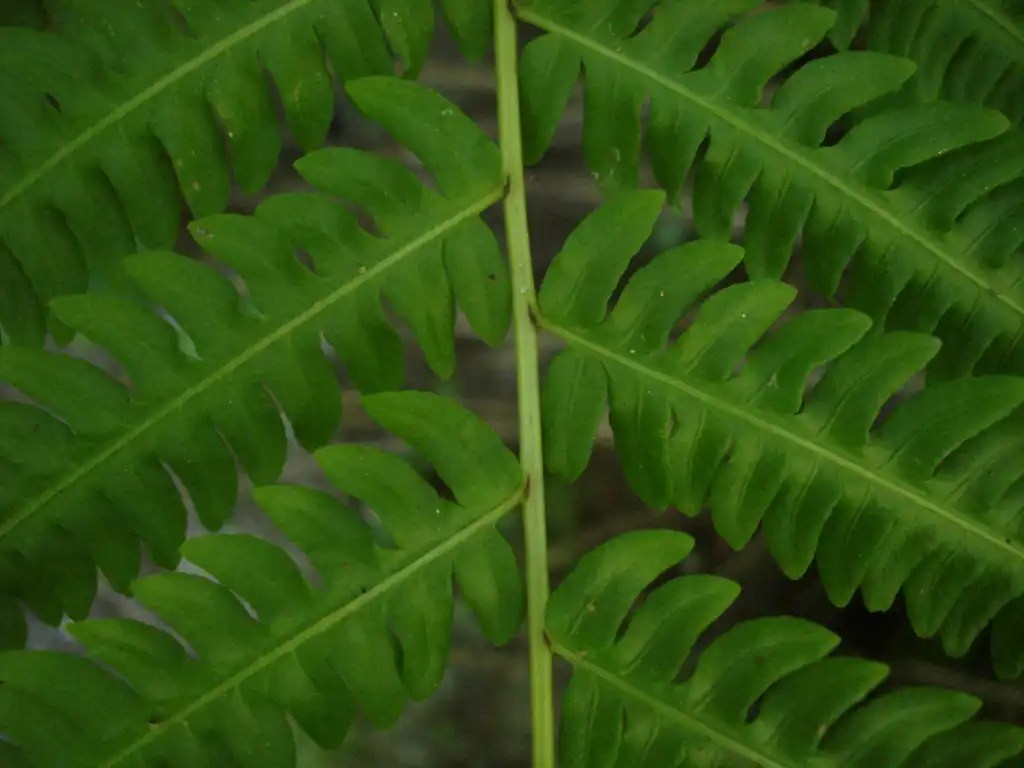
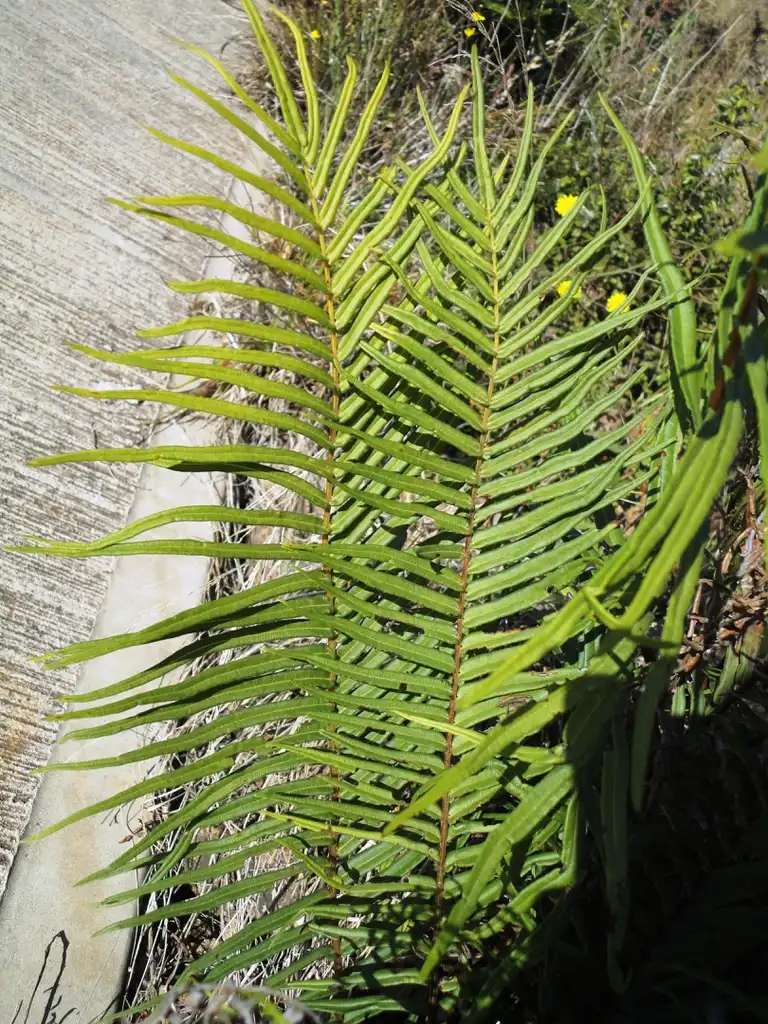
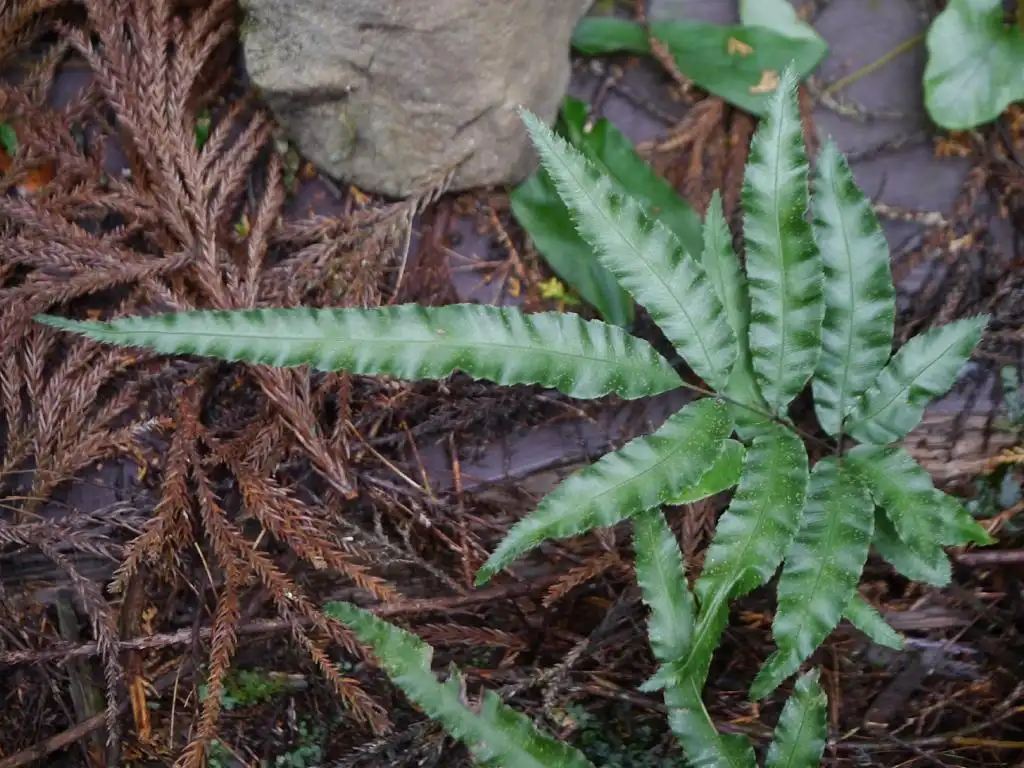
Leaves/fronds are pinnately compound to decompound, are often variegated in cultivation, and the basal pinnae are often forked. Pinnae is elongated, linear to elliptic lanceolate, green marginally and often variegated towards the medial area, entire, and folded inward.
Compound (Pinnately , Bipinnately, Palmately)
Fronds
Whole Plant Traits
Houseplant
Fern
Erect
Creeping
Cultural Conditions
Partial Shade (Direct sunlight only part of the day, 2-6 hours)

Pteris Attributes

Pteris: Country Or Region Of Origin

Europe, Tropical Asia, Africa, South America, North America
Pteris: Life Cycle

Annual
Biennial
Bulb
Perennial
Woody

Pteris Fruit

Pteris: Fruit Description

No fruits. This plants reproduces via spores.

Pteris Flowers

Pteris: Flower Description

No flowers.

Pteris Leaves

Pteris: Leaf Description

Leaves/fronds are pinnately compound to decompound, are often variegated in cultivation, and the basal pinnae are often forked. Pinnae is elongated, linear to elliptic lanceolate, green marginally and often variegated towards the medial area, entire, and folded inward.

Pteris: Leaf Type

Compound (Pinnately , Bipinnately, Palmately)
Fronds
Needles
Sheath
Simple

Pteris: Leaf Margin

Crenate
Crenulate
Dentate
Denticulate
Doubly Crenate
Doubly Dentate
Doubly Serrate
Entire
Lobed
Serrate
Sinuate
Undulate

Pteris: Hairs Present

No
Yes

Pteris Whole Plant Traits

Pteris: Plant Type

Annual
Bulb
Carnivorous
Edible
Epiphyte
Fern
Ground Cover
Herb
Herbaceous Perennial
Houseplant
Mushroom
Native Plant
Ornamental Grasses and Sedges
Perennial
Poisonous
Rose
Shrub
Succulent
Tree
Turfgrass
Vegetable
Vine
Water Plant
Weed
Wildflower

Pteris: Habit/Form

Arching
Ascending
Broad
Cascading
Climbing
Clumping
Columnar
Conical
Creeping
Dense
Erect
Horizontal
Irregular
Mounding
Multi-stemmed
Multi-trunked
Open
Oval
Prostrate
Pyramidal
Rounded
Spreading
Vase
Weeping

Pteris Cultural Conditions

Pteris: Light

Dappled Sunlight (Shade through upper canopy all day)
Deep shade (Less than 2 hours to no direct sunlight)
Full sun (6 or more hours of direct sunlight a day)
Partial Shade (Direct sunlight only part of the day, 2-6 hours)

Pteris Stem

Pteris: Stem Is Aromatic

No
Yes

Pteris Landscape

Pteris: Resistance To Challenges

Black Walnut
Compaction
Deer
Diseases
Drought
Dry Soil
Erosion
Fire
Foot Traffic
Heat
Heavy Shade
Humidity
Insect Pests
Pollution
Poor Soil
Rabbits
Salt
Slugs
Squirrels
Storm damage
Urban Conditions
Voles
Wet Soil
Wind

Pteris: Landscape Location

Coastal
Container
Hanging Baskets
Houseplants
Lawn
Meadow
Naturalized Area
Near Septic
Patio
Pond
Pool/Hardscape
Recreational Play Area
Riparian
Rock Wall
Slope/Bank
Small Space
Vertical Spaces
Walkways
Woodland