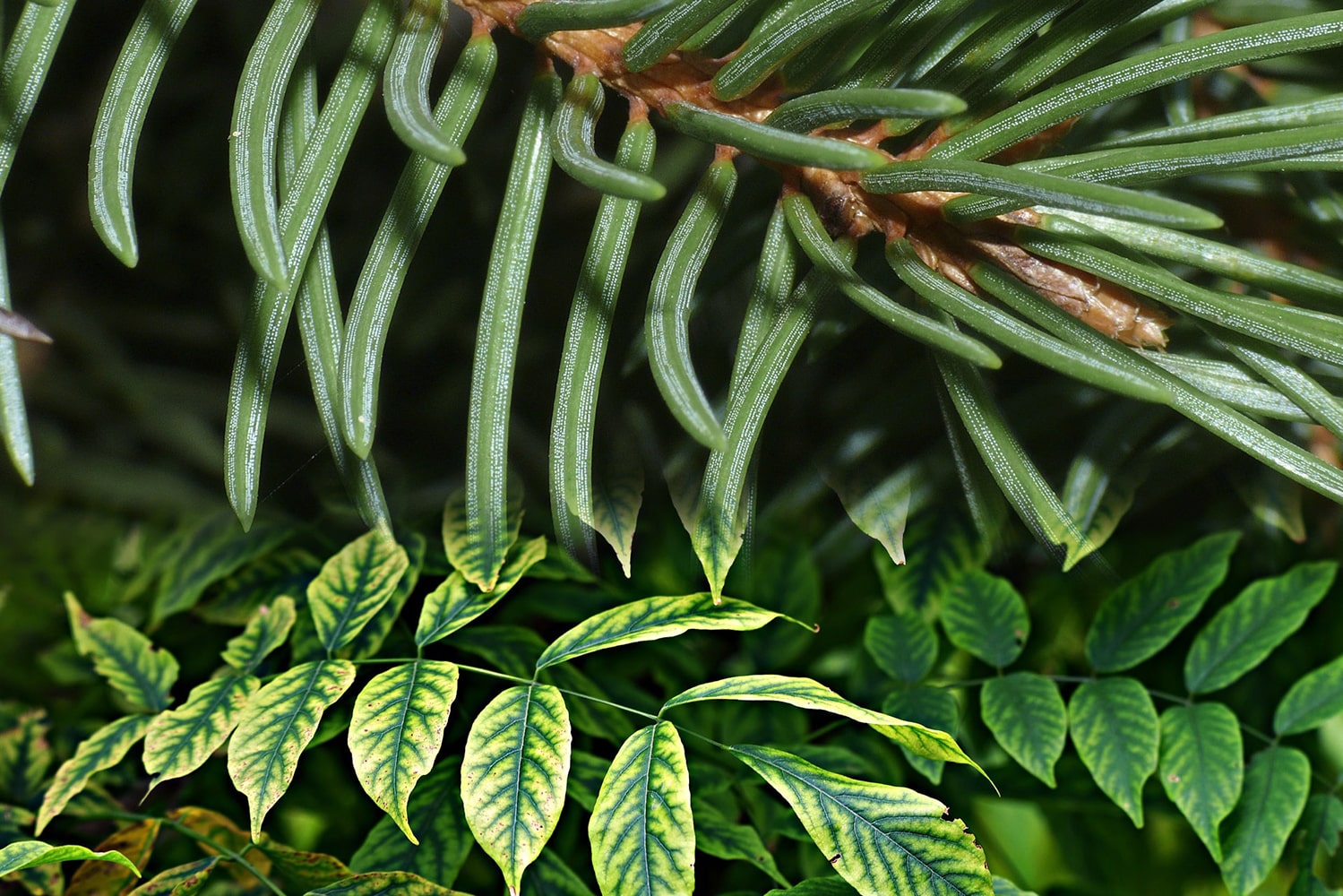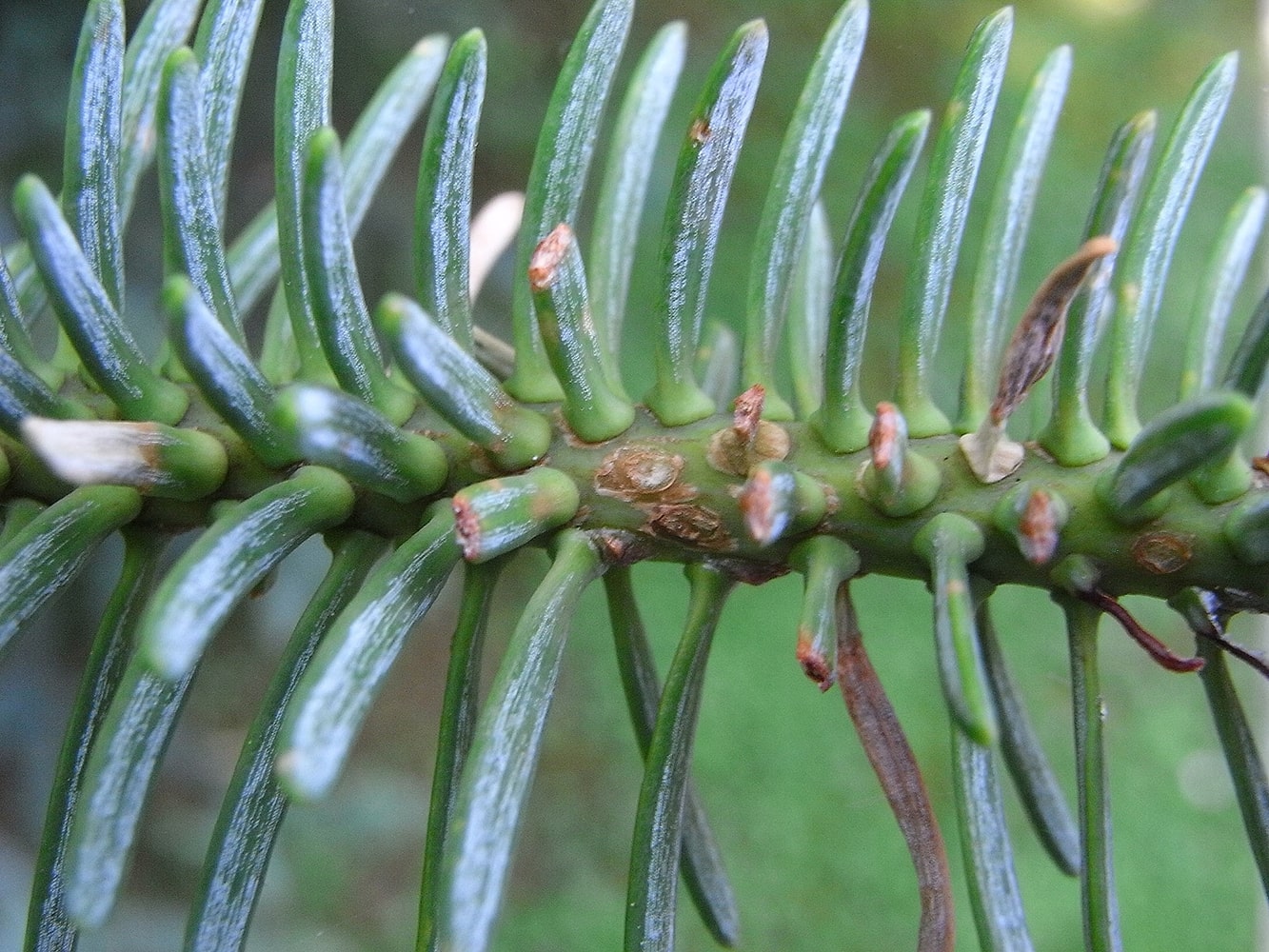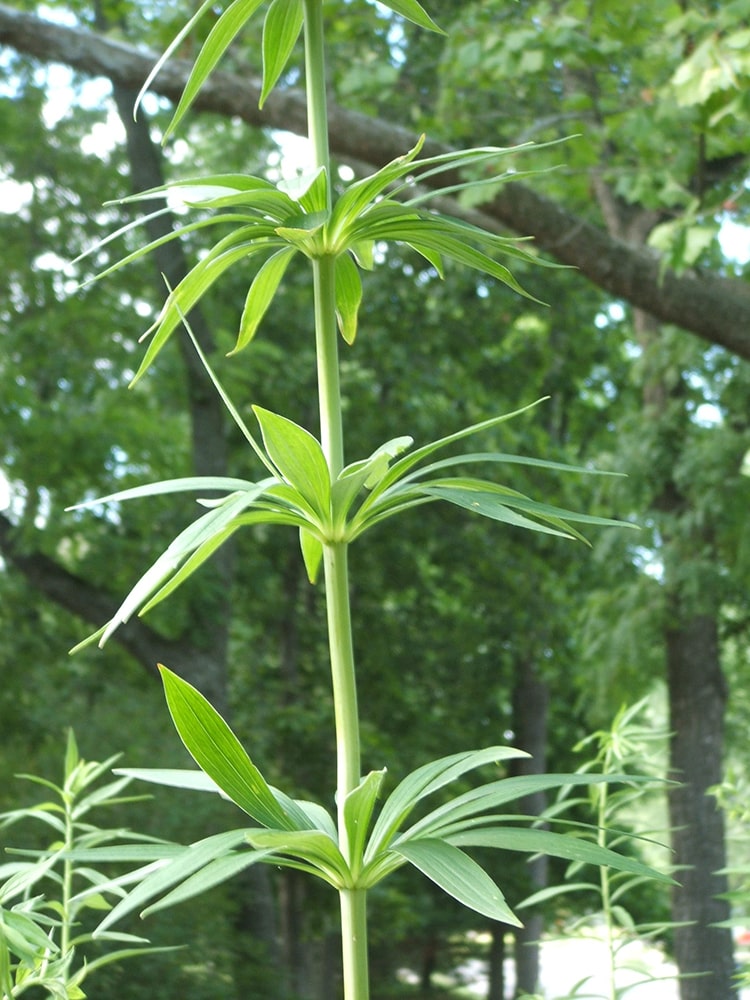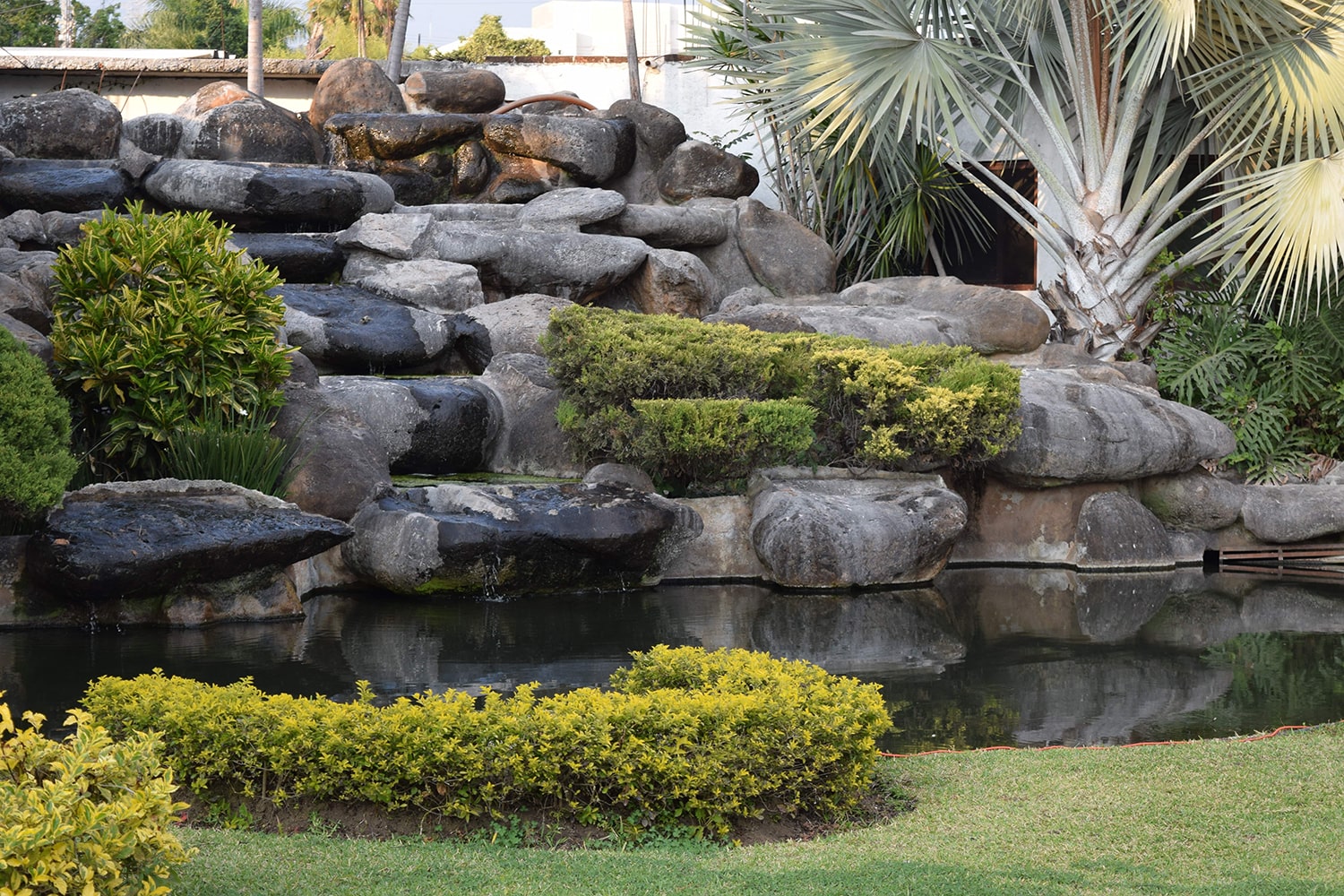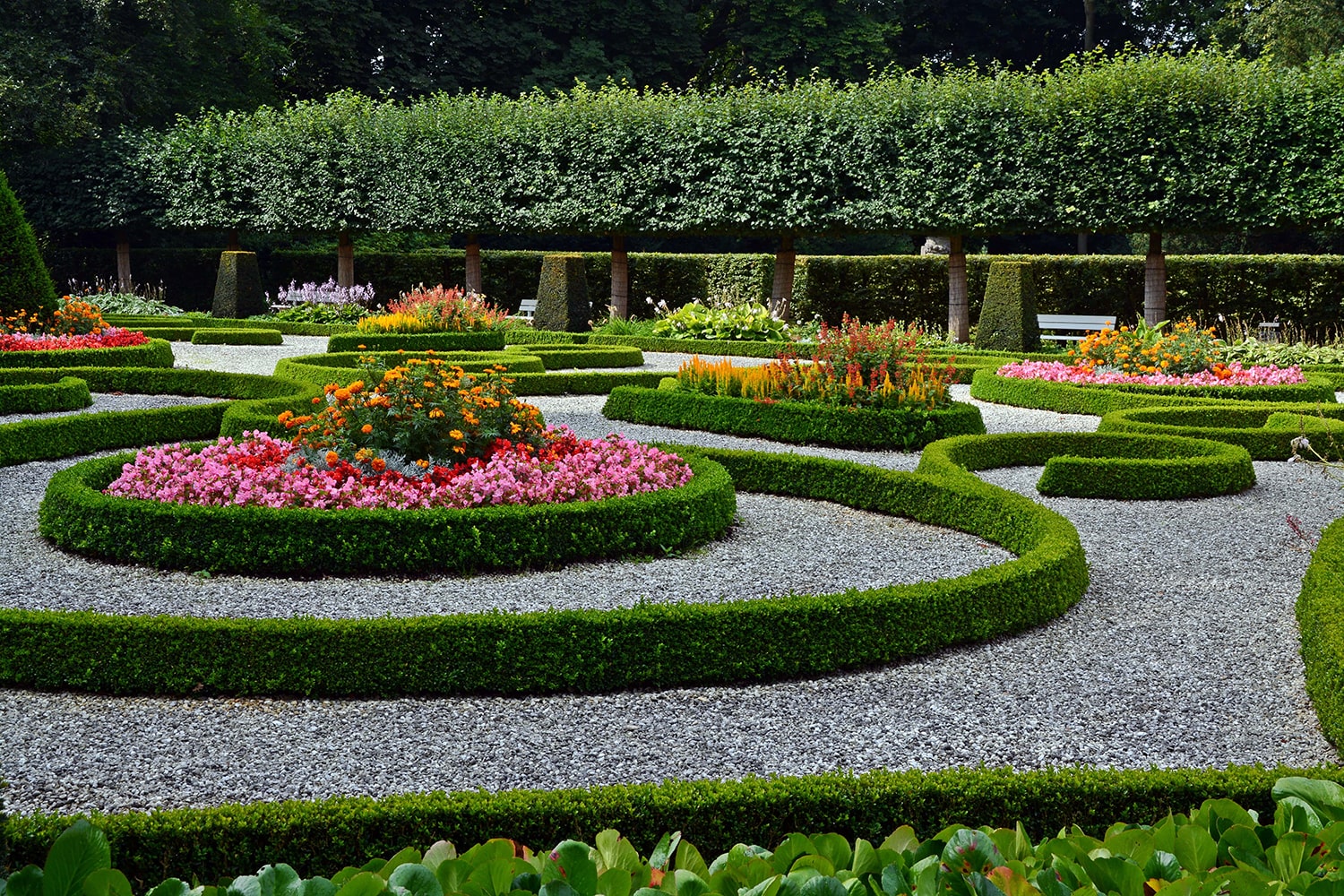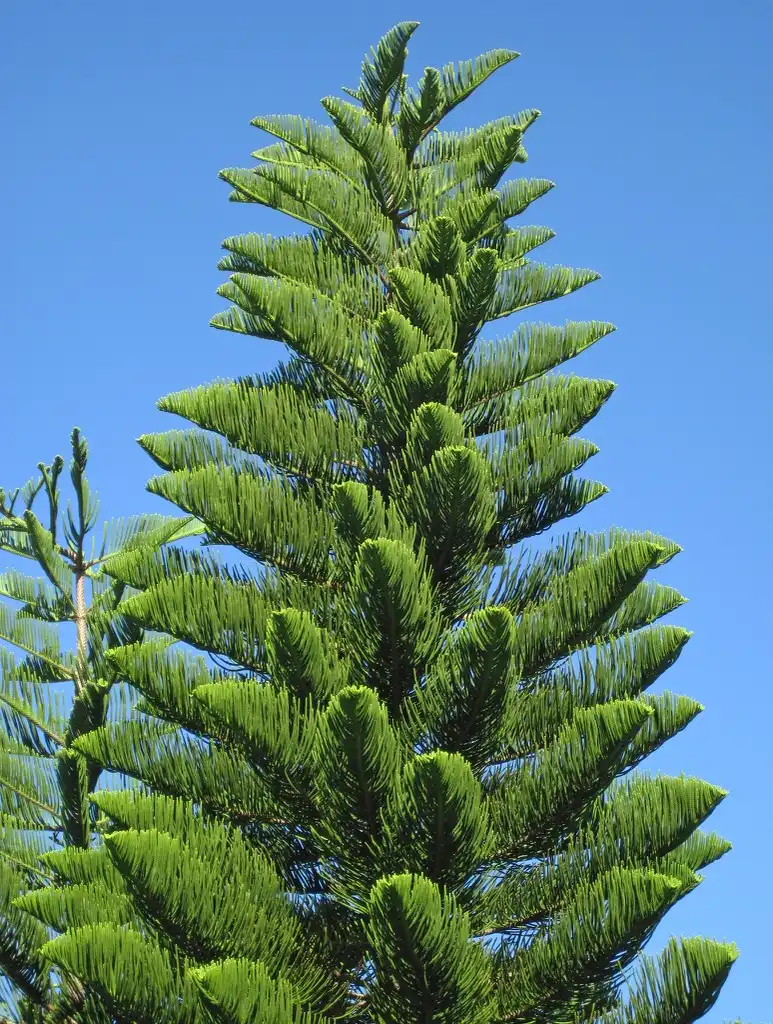
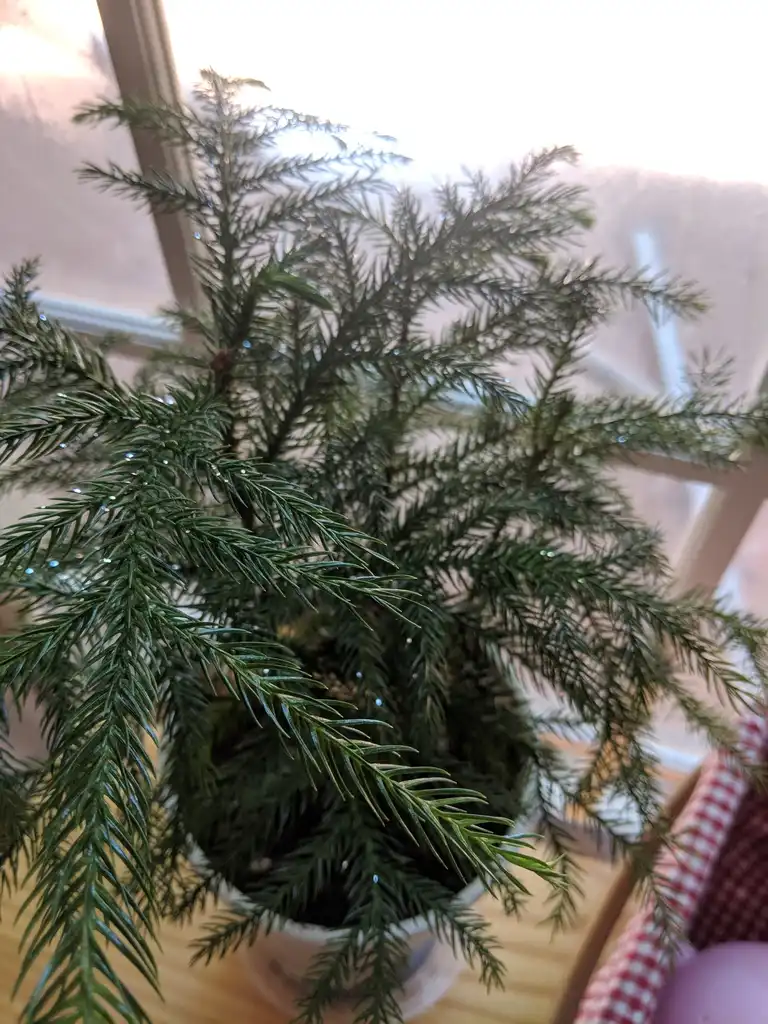
• Photo of Araucaria heterophylla (Araucaria heterophyllas)

Plant Profile: Araucaria heterophylla

Taxonomy: Araucaria heterophylla

Names

Australian Pine, House Pine, Living Christmas Tree, Norfolk Island Pine, Norfolk-Island-Pine, Norfolk Pine, Polynesian Pine, Star Pine, Triangle Tree

  • Photo of Araucaria heterophylla (Araucaria heterophyllas)

Phonetic Spelling:ar-ah-KAR-ee-uh het-er-oh-FIL-uh

Genus:Araucaria

Species:heterophylla

Family:Araucariaceae

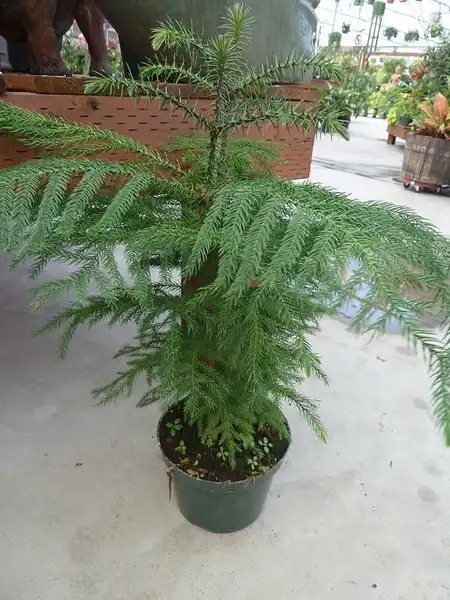
The Araucaria genus includes around 19 species of coniferous trees resembling pines, primarily found in the southern hemisphere. One notable species is the Norfolk Island Pine, which is native to Norfolk Island located in the Pacific Ocean, east of Sydney, Australia, and situated between New Zealand and New Caledonia. Although it is not indigenous to North America, it is well-suited for indoor cultivation as a houseplant. This tree features an elegant pyramidal form with wide-spaced branches that are symmetrically arranged in whorled, horizontal tiers around a single, straight trunk, typically showcasing five branches per whorl. In its natural environment, it can grow up to 200 feet tall, while cultivated specimens in subtropical or Mediterranean climates usually reach heights of 60 to 100 feet, with a spread of 12 to 60 feet. The Norfolk Island Pine thrives in open, sunny areas with sufficient space for its considerable size and prefers well-drained soil. When grown outdoors, its surface roots can disrupt lawn maintenance or lift sidewalks, and its large cones may create litter. Consequently, some residential areas restrict its use in landscaping due to the potential hazards posed by large, falling branches.

As an indoor plant, the Norfolk Island Pine is a compact evergreen characterized by sword-like leaves that curve inward in an overlapping herringbone pattern along its tiered branches. It flourishes in bright, cool environments (ideally between 55-65 degrees Fahrenheit) and can grow up to 9 feet tall indoors. For optimal growth, use a fertile, porous potting mix that is sandy, peaty, slightly acidic, and well-drained. While full sun is generally best for achieving compact and symmetrical growth, providing light afternoon shade can help prevent foliage bleaching, which manifests as yellowing leaves. This houseplant typically adapts well to the warm, dry conditions common in most homes and offices. It is advisable to apply a diluted liquid fertilizer weekly or biweekly from spring through fall and to water regularly during the spring and autumn months, ensuring the soil does not become overly saturated. In winter, misting in heated rooms and reducing watering frequency is recommended.

In terms of pests and diseases, the Norfolk Island Pine is largely resistant to infestations but can be vulnerable to scale, sooty mold, and leaf spot. Tall outdoor specimens may also be at risk of lightning damage. Indoor plants can endure low light conditions for 2 to 3 years, but may subsequently experience leaf drop and the loss of lower branches. The tree's height can also pose a challenge for indoor cultivation, depending on its placement.

Araucaria heterophylla Feature Summary

Araucaria heterophylla Image Gallery

Tags

#evergreen
#full sun tolerant
#houseplant
#tree
#interiorscape
#afternoon shade
#needled evergreen
#fantz
#Christmas tree
#Christmas decorations
#non-toxic for horses
#non-toxic for dogs
#non-toxic for cats
#tropical feel

Similar Plants

Araucaria heterophylla is often confused with:

Araucaria heterophylla Feature Summary

Attributes
Indigenous people harvested edible seeds and utilized this tree's lumber. Commercial use has been discouraged to protect this vulnerable species from decline.
Norfolk Island (off Australia's east coast)
Endemic distribution occurs in Norfolk Island (in the Pacific Ocean, off Australia's east coast between New Zealand and New Caledonia). It occurs as a cultivated plant in many subtropical and Mediterranean climates. In the U.S. it has been introduced in Florida and coastal southern California.
Seeds are a food source for small mammals
Seeds are edible (nut-like)
Perennial
Woody
Textural
Fruit
Trees are generally dioecious, having male and female cones on separate trees, however, both male and female cones occasionally appear on the same tree. Spiny, globose female seed cones, weighing 10-15 pounds, require 18 months to mature then drop to the ground where they release the seeds.
Green
Brown/Copper
> 3 inches
> 3 inches
Leaves
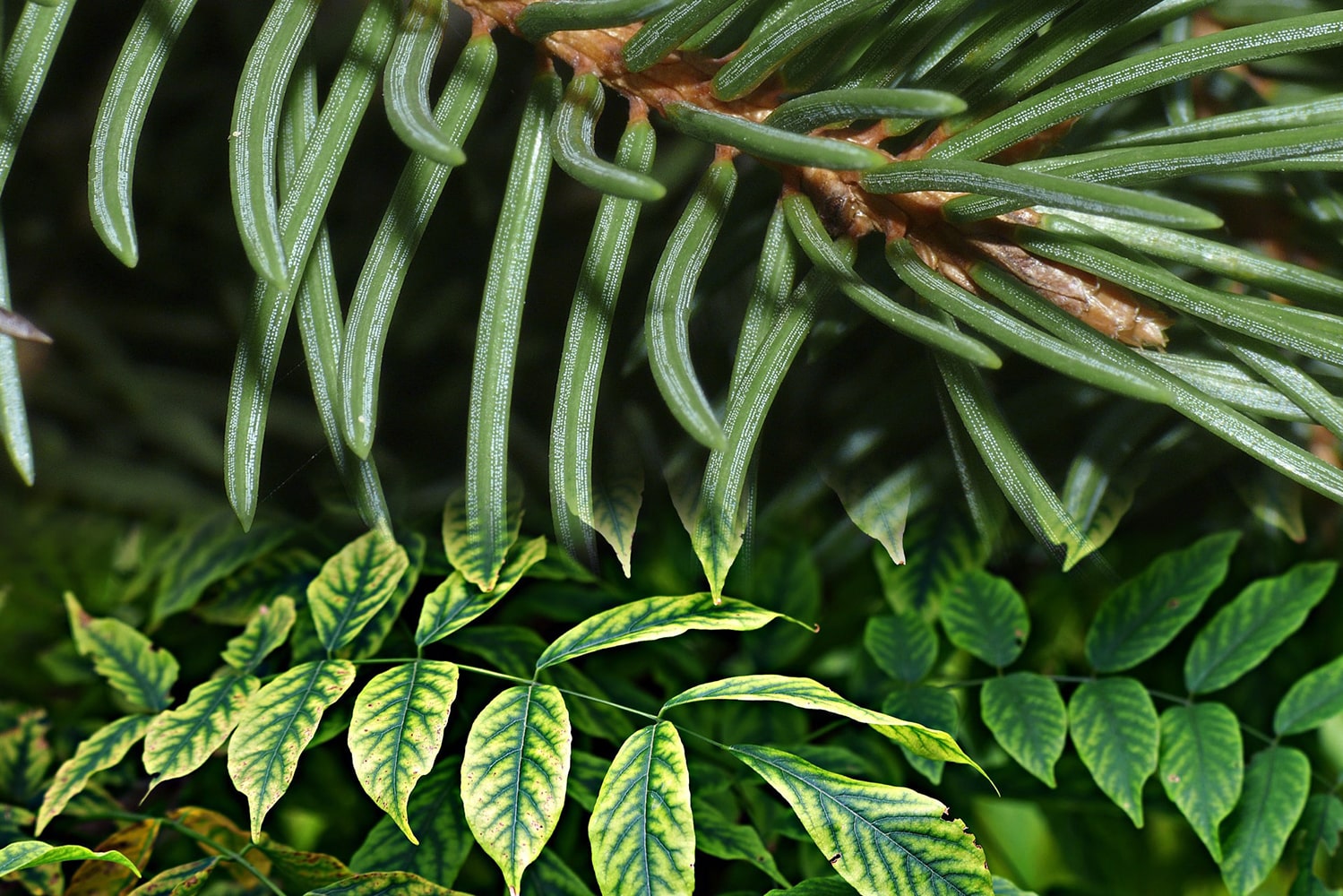
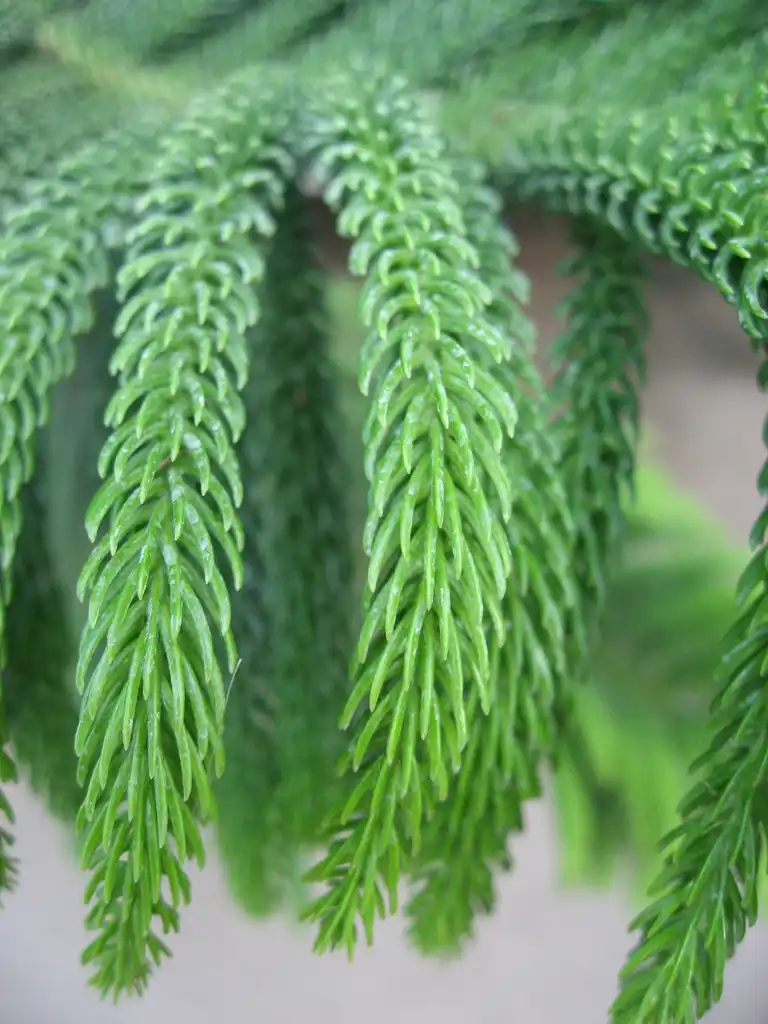
Dark green, awl-shaped, lanceolate, 1/2 inch long leaves are arranged in a dense, spiral, scale-like pattern along the stem. leaves are soft with sharp pointed ends. The leaves turn inward, overlapping in a herringbone pattern and point toward the stem ends.
Other/more complex
Linear
Filiform
Lanceolate
< 1 inch
Prickly
Soft
< 1 inch
Bark
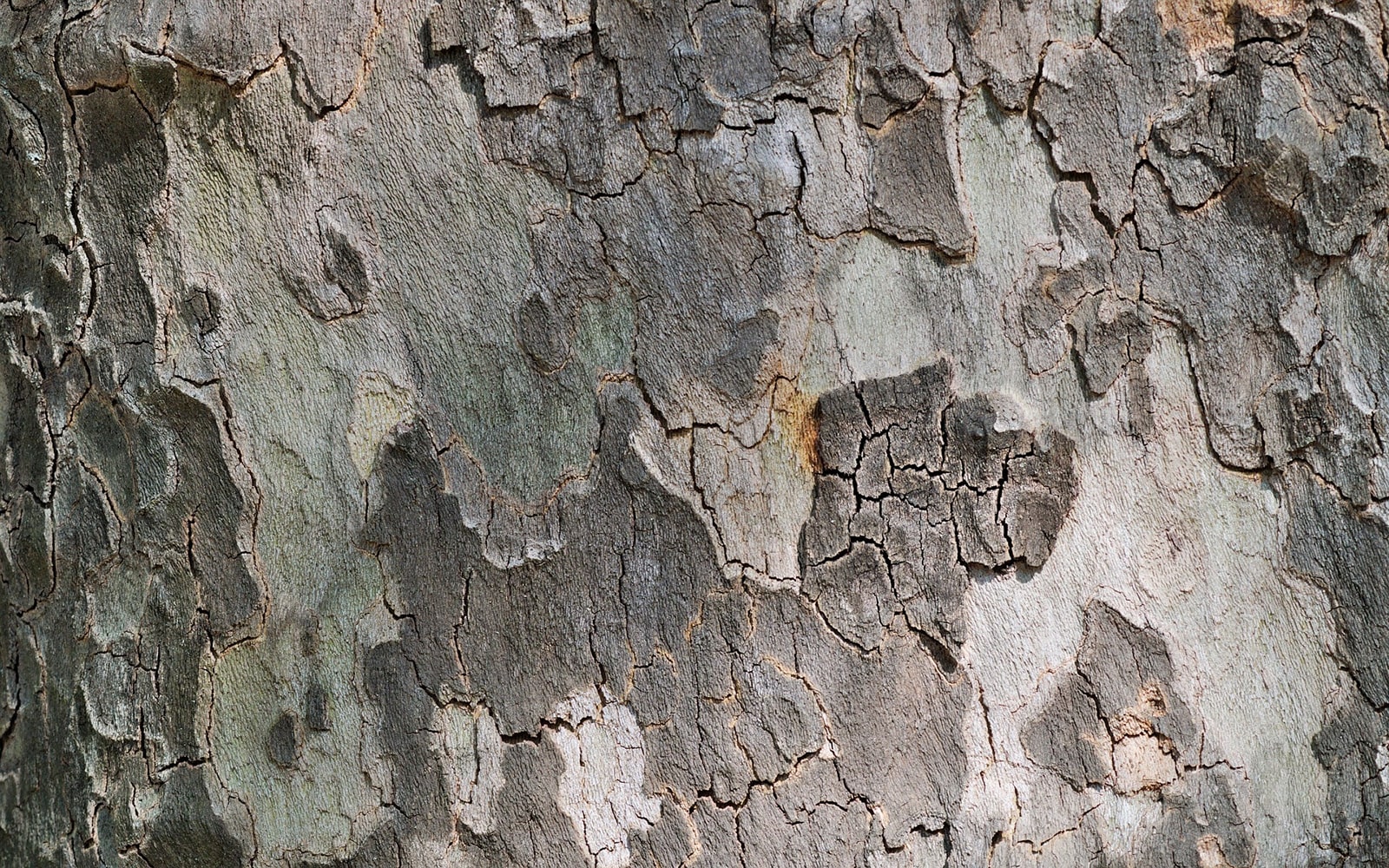
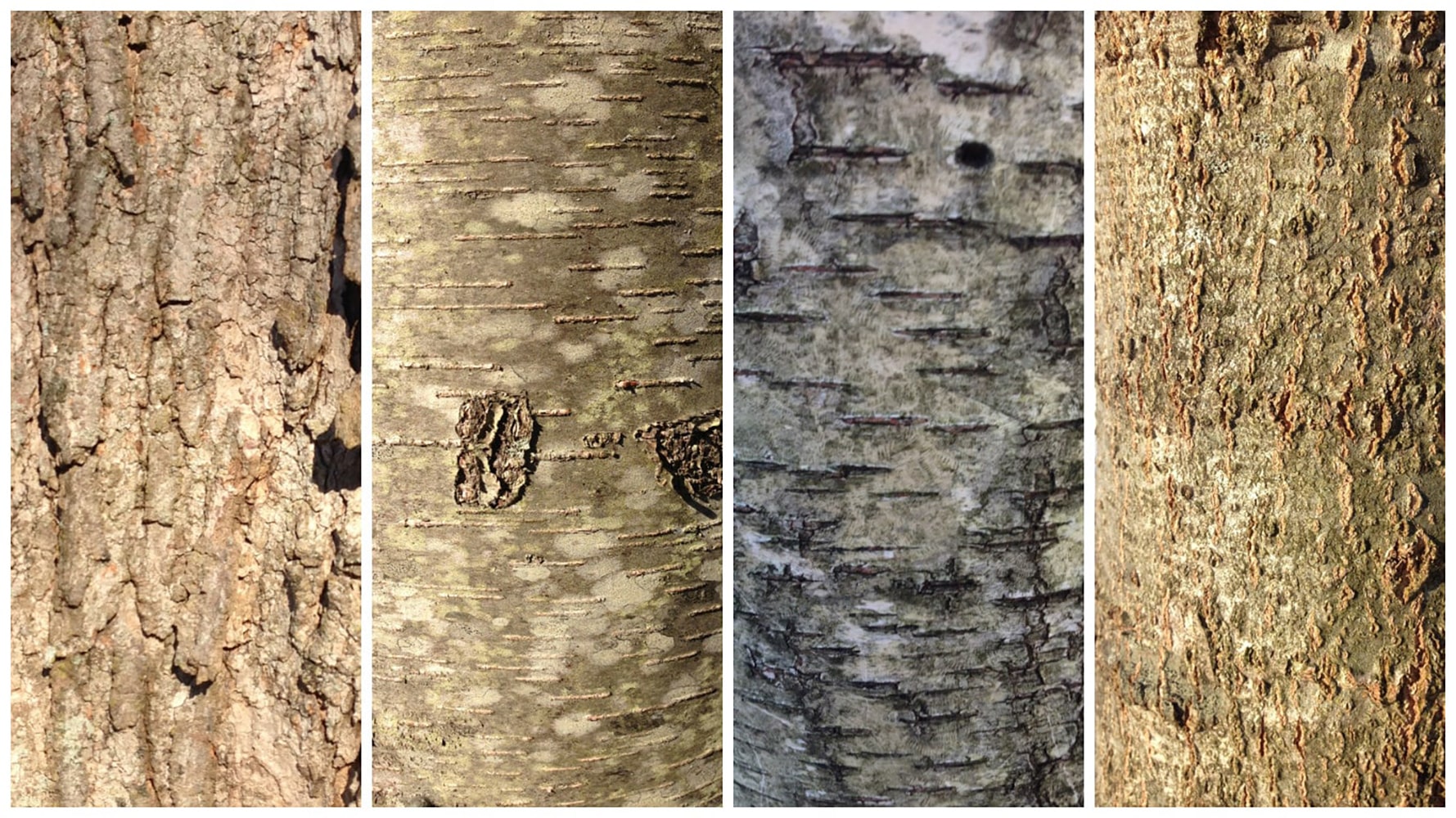
Rough dark brown bark
Dark Brown
Stem
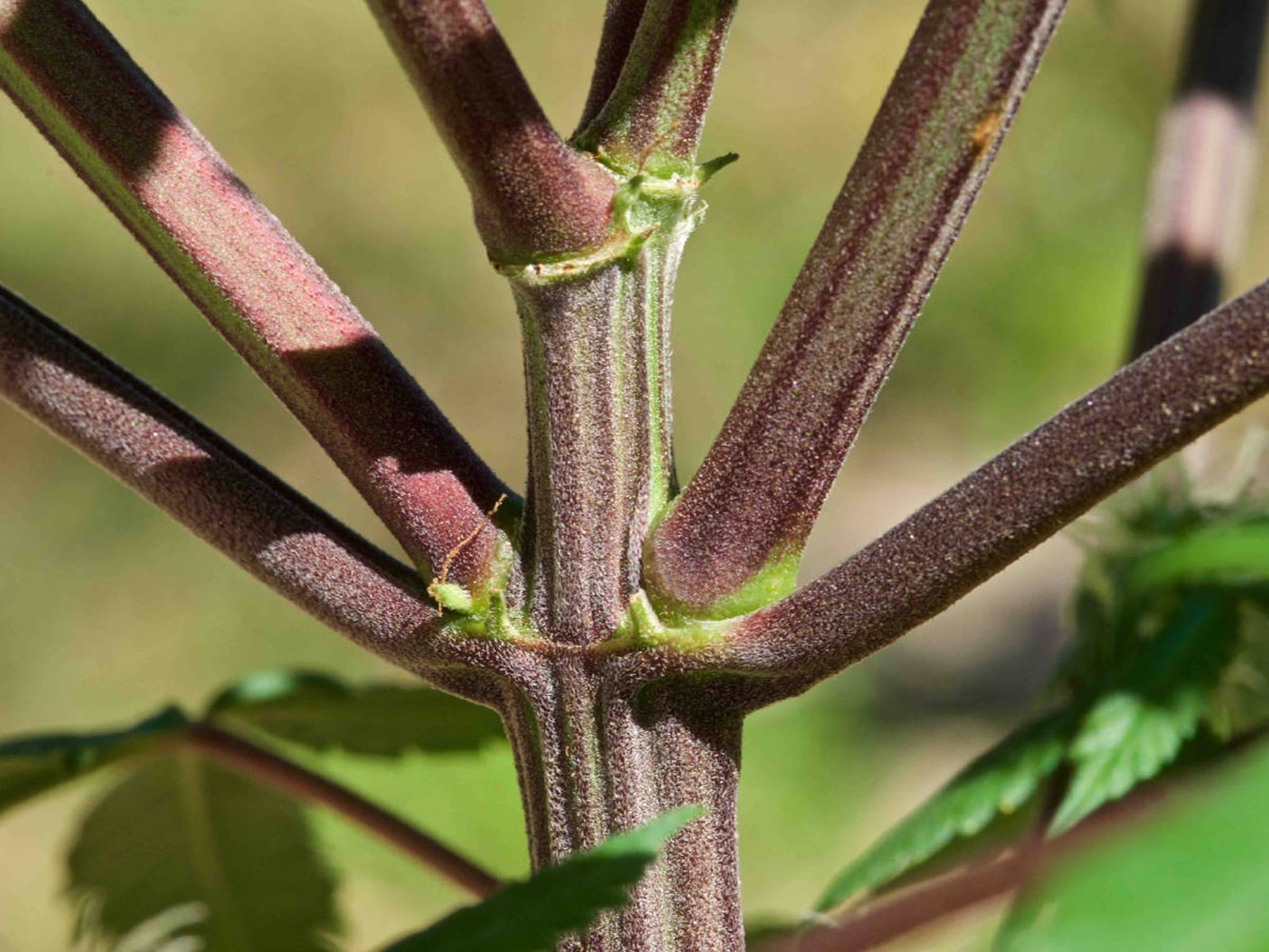
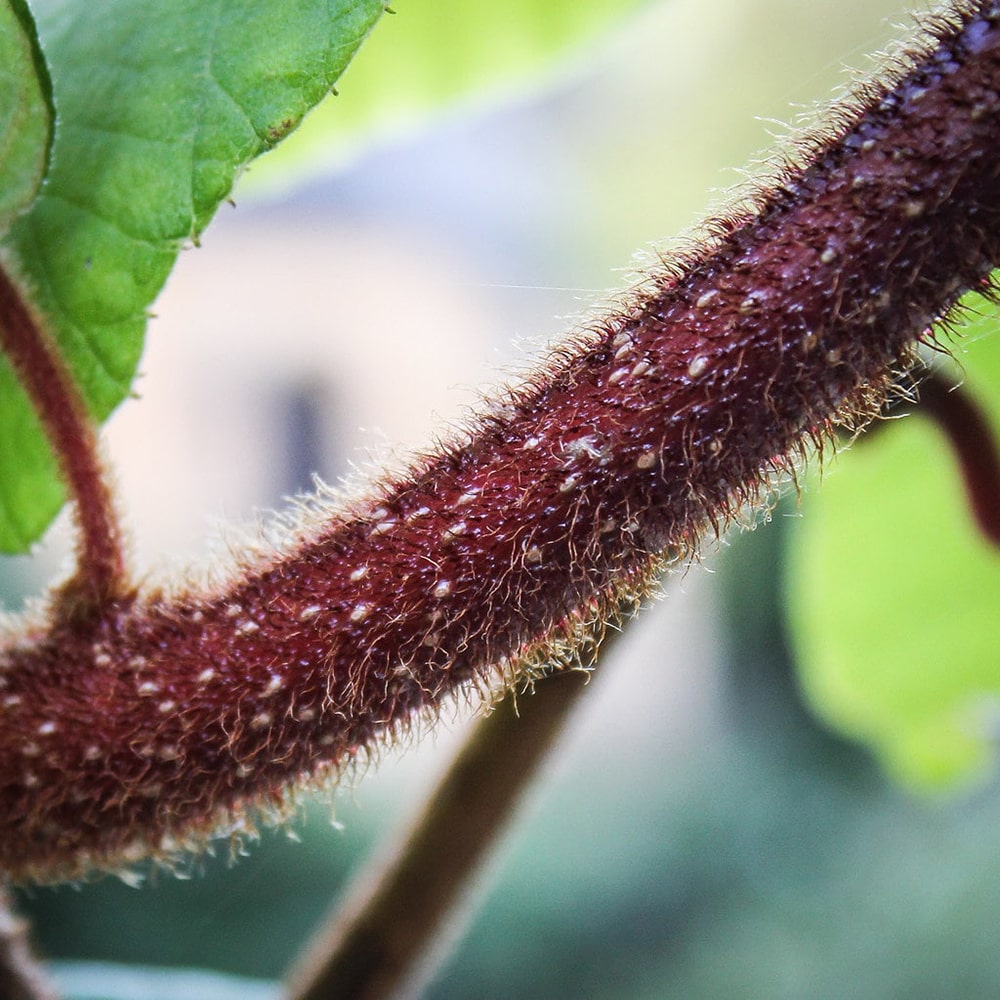
This plant has whorled branches with typically five branches per whorl. Hard, gray-brown, resinous; branches whorled, spreading, herringbone, branchlets covered with upturned leaves.
Brown/Copper
Whole Plant Traits
Perennial
Tree
Houseplant
Erect
Columnar
Pyramidal
Medium
Cultural Conditions
Full sun (6 or more hours of direct sunlight a day)
Acid (<6.0)
Alkaline (>8.0)
Neutral (6.0-8.0)
Good Drainage
more than 60 feet
24-60 feet
High Organic Matter
Shallow Rocky
Landscape
Accent
Specimen
Lawn
Houseplants
Coastal
Vertical Spaces

Araucaria heterophylla Attributes

Araucaria heterophylla: Uses (Ethnobotany)

Indigenous people harvested edible seeds and utilized this tree's lumber. Commercial use has been discouraged to protect this vulnerable species from decline.

Araucaria heterophylla: Country Or Region Of Origin

Norfolk Island (off Australia's east coast)

Araucaria heterophylla: Distribution

Endemic distribution occurs in Norfolk Island (in the Pacific Ocean, off Australia's east coast between New Zealand and New Caledonia). It occurs as a cultivated plant in many subtropical and Mediterranean climates. In the U.S. it has been introduced in Florida and coastal southern California.

Araucaria heterophylla: Wildlife Value

Seeds are a food source for small mammals

Araucaria heterophylla: Particularly Resistant To (Insects/Diseases/Other Problems)

dry indoor atmosphere

Araucaria heterophylla: Edibility

Seeds are edible (nut-like)

Araucaria heterophylla: Life Cycle

Annual
Biennial
Bulb
Perennial
Woody

Araucaria heterophylla: Recommended Propagation Strategy

Division
Grafting
Layering
Leaf Cutting
Root Cutting
Seed
Stem Cutting

Araucaria heterophylla: Play Value

Attractive Flowers
Attracts Pollinators
Buffer
Colorful
Defines Paths
Easy to Grow
Edible fruit
Fragrance
Pieces Used in Games
Screening
Shade
Sound
Textural
Wildlife Cover/Habitat
Wildlife Food Source
Wildlife Larval Host
Wildlife Nesting
Wind Break
Wind Shimmer

Araucaria heterophylla Fruit

Araucaria heterophylla: Fruit Description

Trees are generally dioecious, having male and female cones on separate trees, however, both male and female cones occasionally appear on the same tree. Spiny, globose female seed cones, weighing 10-15 pounds, require 18 months to mature then drop to the ground where they release the seeds.

Araucaria heterophylla: Fruit Color

grass
Brown/Copper
grass
Green

Araucaria heterophylla: Display/Harvest Time

Fall
Spring
Summer
Winter

Araucaria heterophylla: Fruit Length

< 1 inch
1-3 inches
> 3 inches

Araucaria heterophylla: Fruit Width

< 1 inch
1-3 inches
> 3 inches

Araucaria heterophylla Leaves

Araucaria heterophylla: Leaf Description

Dark green, awl-shaped, lanceolate, 1/2 inch long leaves are arranged in a dense, spiral, scale-like pattern along the stem. leaves are soft with sharp pointed ends. The leaves turn inward, overlapping in a herringbone pattern and point toward the stem ends.

Araucaria heterophylla: Woody Plant Leaf Characteristics

Broadleaf Evergreen
Deciduous
Needled Evergreen
Semi-evergreen

Araucaria heterophylla: Leaf Color

spa
Green

Araucaria heterophylla: Leaf Type

Compound (Pinnately , Bipinnately, Palmately)
Fronds
Needles
Sheath
Simple

Araucaria heterophylla: Leaf Arrangement

Alternate
Opposite
Other/more complex
Rosulate
Whorled

Araucaria heterophylla: Leaf Shape

Acicular
Auriculate
Cordate
Cuneate
Deltoid
Elliptical
Filiform
Lanceolate
Linear
Oblanceolate
Oblong
Obovate
Obtuse
Orbicular
Ovate
Palmasect
Palmatifid
Peltate
Pinnatifid
Pinnatisect
Reniform
Rhomboidal
Spatulate
Subcordate
Subulate

Araucaria heterophylla: Leaf Margin

Crenate
Crenulate
Dentate
Denticulate
Doubly Crenate
Doubly Dentate
Doubly Serrate
Entire
Lobed
Serrate
Sinuate
Undulate

Araucaria heterophylla: Hairs Present

No
Yes

Araucaria heterophylla: Leaf Length

< 1 inch
1-3 inches
3-6 inches
> 6 inches

Araucaria heterophylla: Leaf Feel

Fleshy
Glossy
Leathery

Papery
Prickly

Rough
Rubbery
Slippery
Smooth
Soft
Velvety
Waxy

Araucaria heterophylla: Leaf Width

< 1 inch
1-3 inches
3-6 inches
> 6 inches

Araucaria heterophylla Bark

Araucaria heterophylla: Bark Description

Rough dark brown bark

Araucaria heterophylla: Bark Color

grass
Dark Brown

Araucaria heterophylla Stem

Araucaria heterophylla: Stem Description

This plant has whorled branches with typically five branches per whorl. Hard, gray-brown, resinous; branches whorled, spreading, herringbone, branchlets covered with upturned leaves.

Araucaria heterophylla: Stem Color

grass
Brown/Copper

Araucaria heterophylla: Stem Is Aromatic

No
Yes

Araucaria heterophylla Whole Plant Traits

Araucaria heterophylla: Plant Type

Annual
Bulb
Carnivorous
Edible
Epiphyte
Fern
Ground Cover
Herb
Herbaceous Perennial
Houseplant
Mushroom
Native Plant
Ornamental Grasses and Sedges
Perennial
Poisonous
Rose
Shrub
Succulent
Tree
Turfgrass
Vegetable
Vine
Water Plant
Weed
Wildflower

Araucaria heterophylla: Woody Plant Leaf Characteristics

Broadleaf Evergreen
Deciduous
Needled Evergreen
Semi-evergreen

Araucaria heterophylla: Habit/Form

Arching
Ascending
Broad
Cascading
Climbing
Clumping
Columnar
Conical
Creeping
Dense
Erect
Horizontal
Irregular
Mounding
Multi-stemmed
Multi-trunked
Open
Oval
Prostrate
Pyramidal
Rounded
Spreading
Vase
Weeping

Araucaria heterophylla: Growth Rate

Slow
Medium
Rapid

Araucaria heterophylla: Maintenance

Low
Medium
High

Araucaria heterophylla: Texture

Fine
Medium
Coarse

Araucaria heterophylla Cultural Conditions

Araucaria heterophylla: Light

Dappled Sunlight (Shade through upper canopy all day)
Deep shade (Less than 2 hours to no direct sunlight)
Full sun (6 or more hours of direct sunlight a day)
Partial Shade (Direct sunlight only part of the day, 2-6 hours)

Araucaria heterophylla: Soil pH

Acid (<6.0)
Alkaline (>8.0)
Neutral (6.0-8.0)

Araucaria heterophylla: Soil Drainage

Frequent Standing Water
Good Drainage
Moist
Occasional Flooding
Occasionally Dry
Occasionally Wet
Very Dry

Araucaria heterophylla: Available Space To Plant

12 inches-3 feet
12-24 feet
24-60 feet
3 feet-6 feet
6-feet-12 feet
Less than 12 inches
more than 60 feet

Araucaria heterophylla: USDA Plant Hardiness Zone

thermostat
10a
thermostat
10b
thermostat
11a
thermostat
11b
thermostat
9a
thermostat
9b

Araucaria heterophylla: Soil Texture

Clay
High Organic Matter
Loam (Silt)
Sand
Shallow Rocky

Araucaria heterophylla Landscape

Araucaria heterophylla: Design Feature

Accent
Barrier
Border
Flowering Tree
Foundation Planting
Hedge
Mass Planting
Screen/Privacy
Security
Shade Tree
Small groups
Small Tree
Specimen
Street Tree
Understory Tree

Araucaria heterophylla: Resistance To Challenges

Black Walnut
Compaction
Deer
Diseases
Drought
Dry Soil
Erosion
Fire
Foot Traffic
Heat
Heavy Shade
Humidity
Insect Pests
Pollution
Poor Soil
Rabbits
Salt
Slugs
Squirrels
Storm damage
Urban Conditions
Voles
Wet Soil
Wind

Araucaria heterophylla: Landscape Location

Coastal
Container
Hanging Baskets
Houseplants
Lawn
Meadow
Naturalized Area
Near Septic
Patio
Pond
Pool/Hardscape
Recreational Play Area
Riparian
Rock Wall
Slope/Bank
Small Space
Vertical Spaces
Walkways
Woodland

Araucaria heterophylla: Problems

Allelopathic
Contact Dermatitis
Frequent Disease Problems
Frequent Insect Problems
Invasive Species
Malodorous
Messy
Poisonous to Humans
Problem for Cats
Problem for Children
Problem for Dogs
Problem for Horses
Short-lived
Spines/Thorns
Weak Wood
Weedy