Punica granatum: Uses (Ethnobotany)
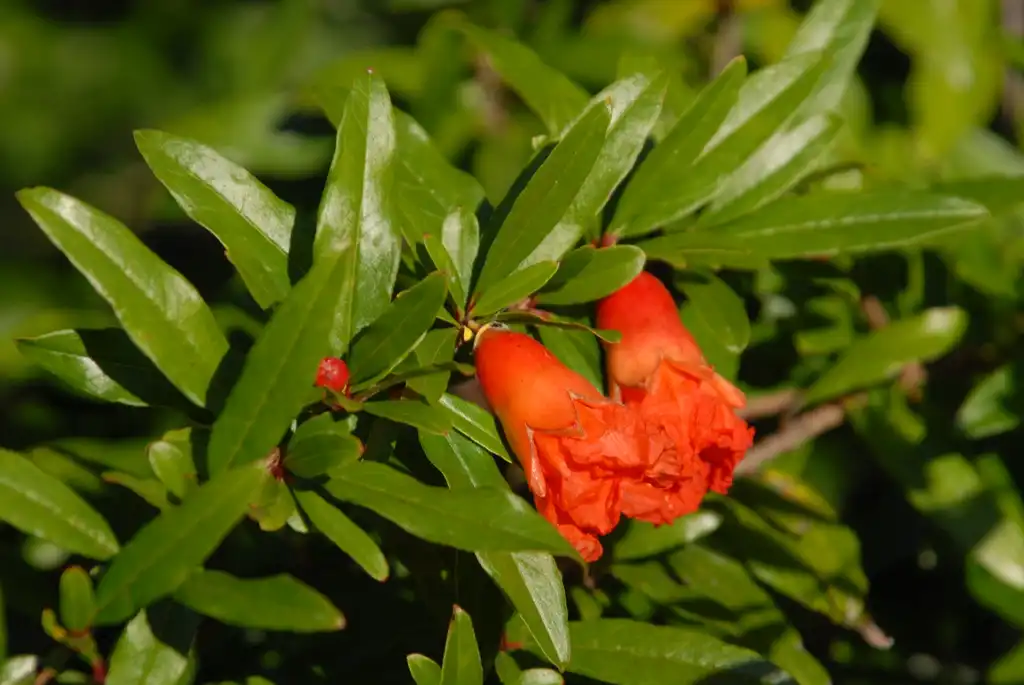
Traditionally it was used medicinally to treat disorders of the ciruclartory system. Native Americans also used the blossoms in jewelry making.
Phonetic Spelling:PU-ni-kuh gran-AY-tum
Genus:Punica
Species:granatum
Family:
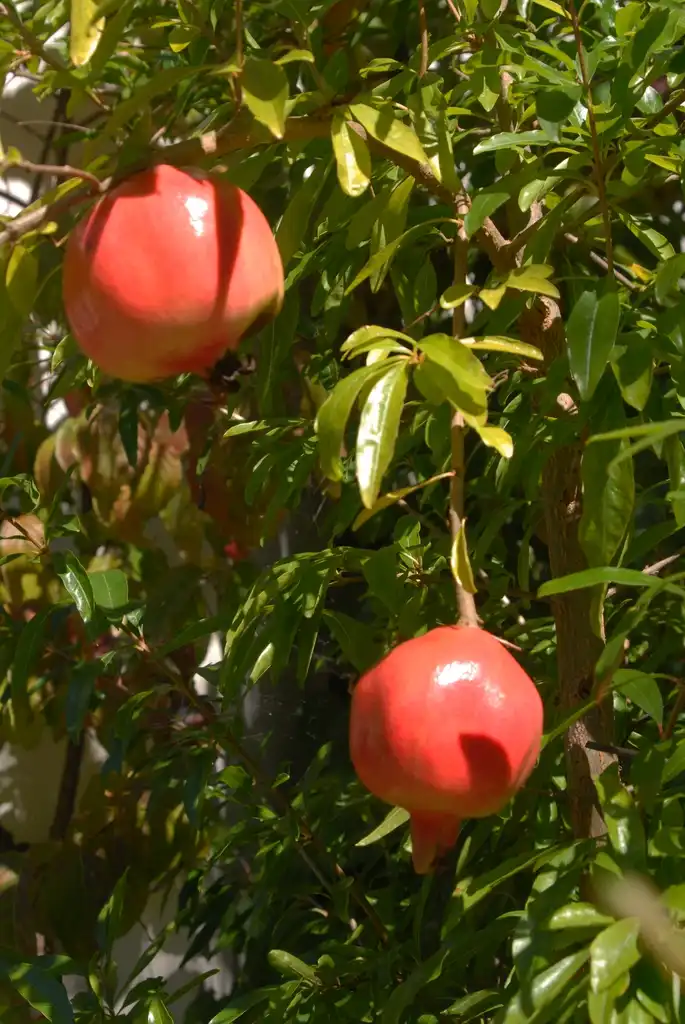
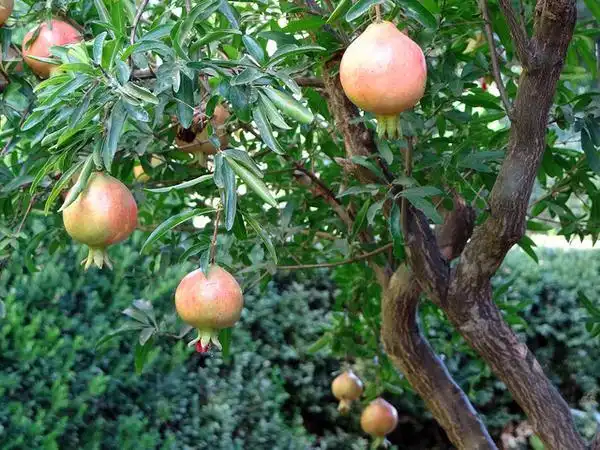
If you've ever tasted a pomegranate, you understand the captivating charm of this distinctive fruit. The tangy-sweet juice from its “seeds” offers a delightful and healthful snack, rich in potassium and vitamin C. While the exact origins of the pomegranate remain somewhat unclear, it is widely cultivated in the Mediterranean region and the Middle East. In the Southeastern United States, pomegranates can be grown, but commercial farming is predominantly found in California’s San Joaquin Valley.
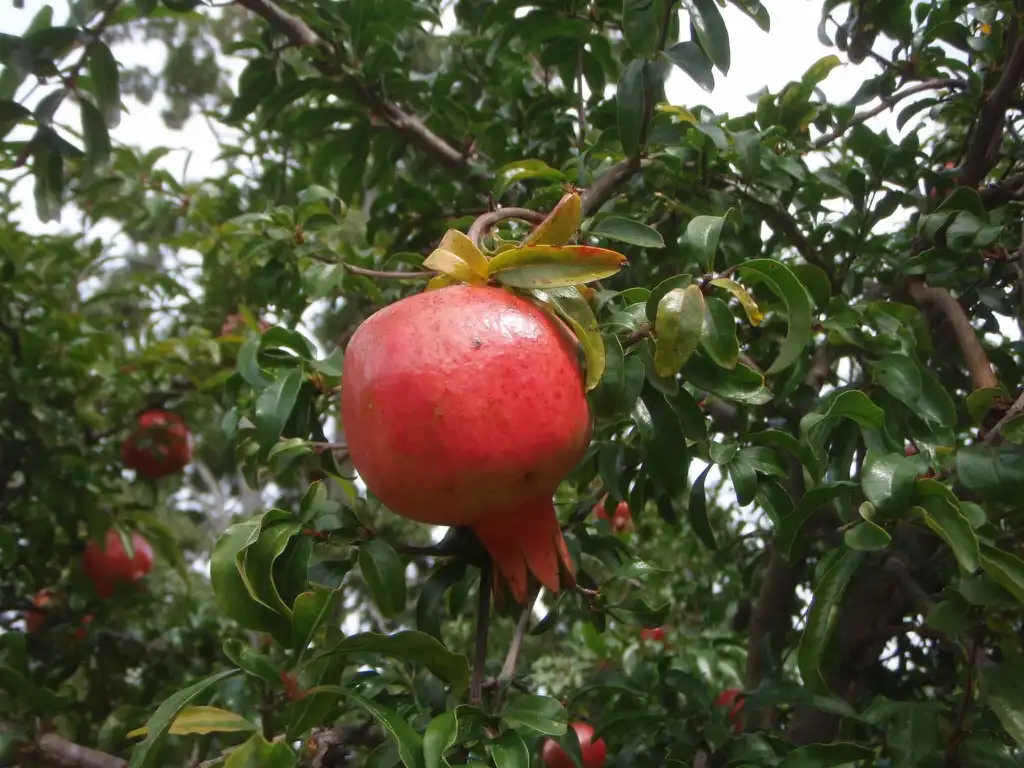
The term "pomegranate" literally means “seeded apple.” Typically, this fruit is comparable in size to a large orange. When you peel away its tough outer skin, you uncover hundreds of vibrant red “seeds.” Although commonly referred to as seeds, these are technically known as arils—fleshy, juicy, and brightly colored coverings that encase the actual seeds. Animals are drawn to these delectable arils, aiding in the dispersal of the seeds.
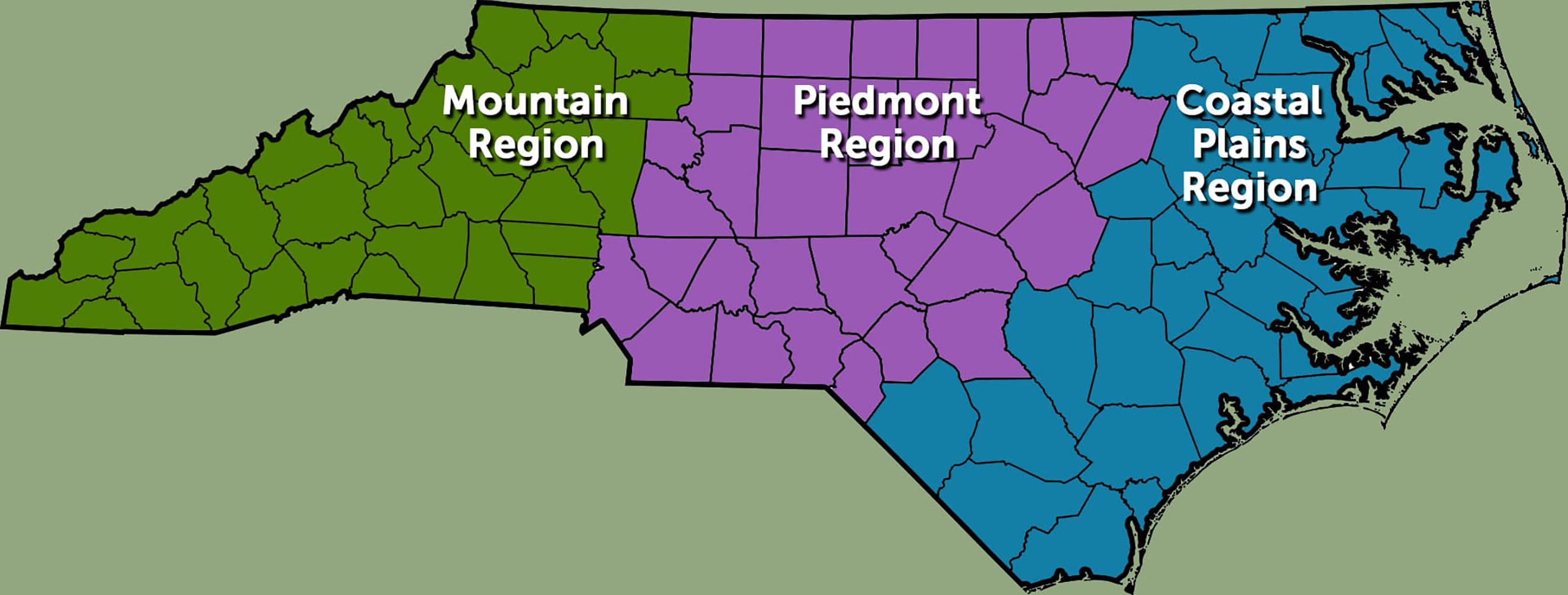
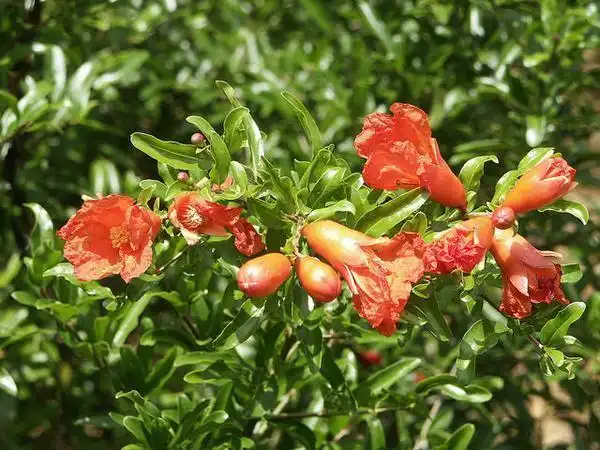
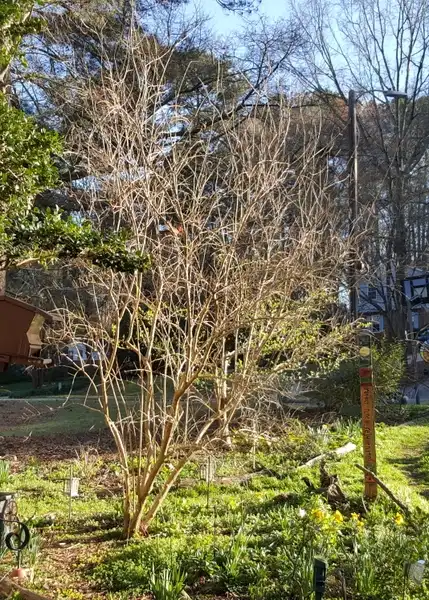
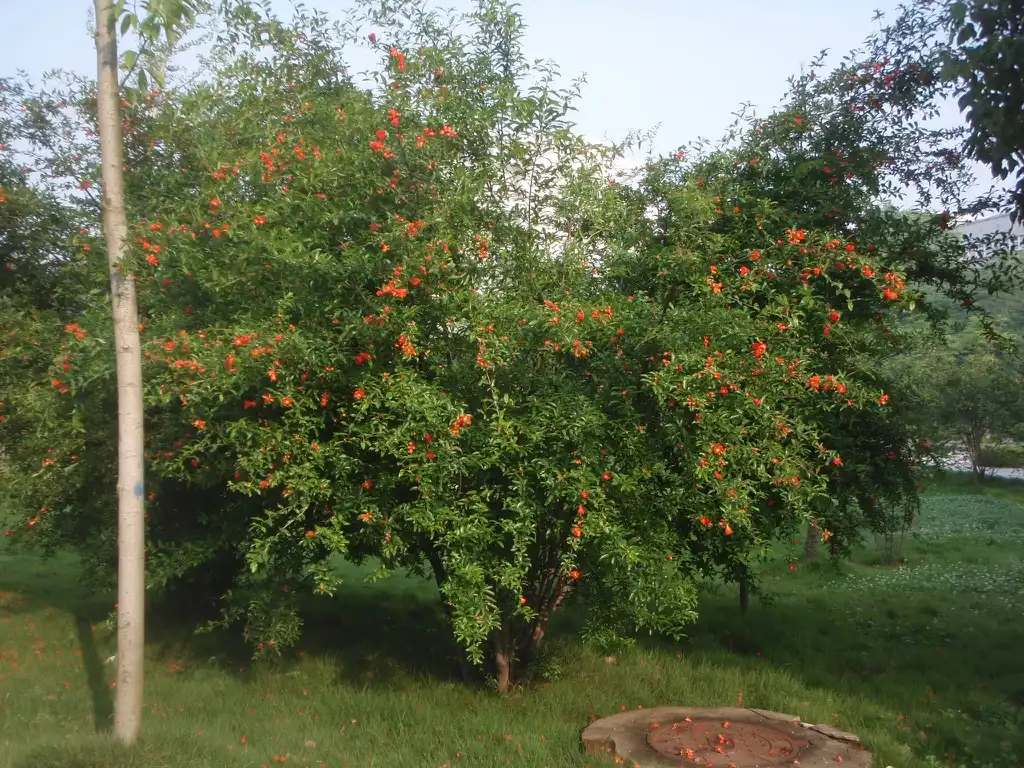
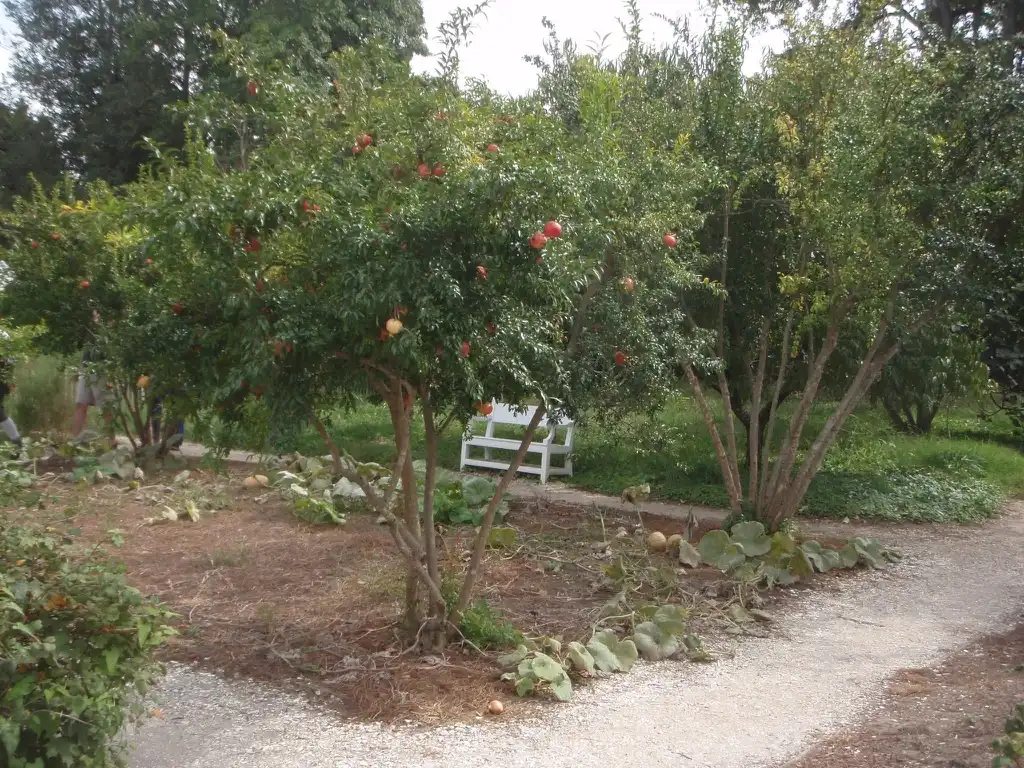
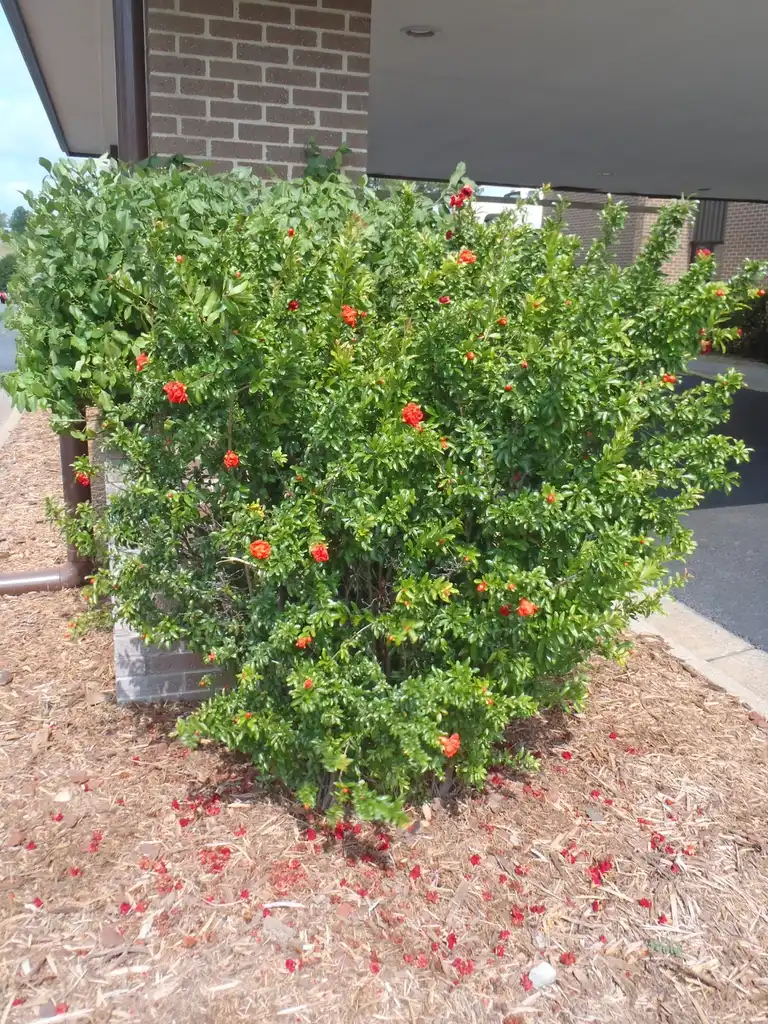
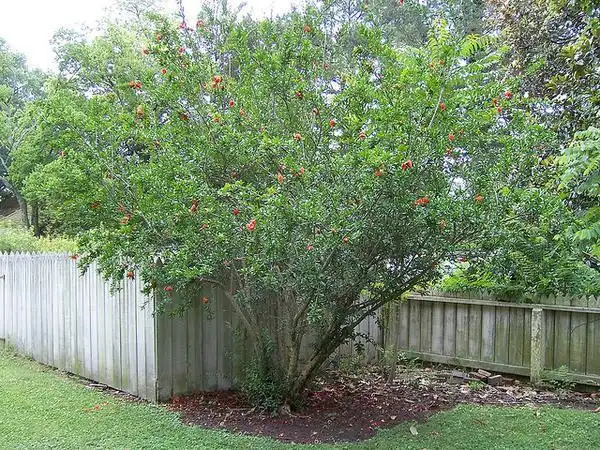
Pomegranates thrive on shrub-like trees. While they favor warm, dry climates, they can also be cultivated in certain areas of North Carolina. They serve beautifully as specimen plants, accent pieces in borders, or as part of a Mediterranean-themed garden. Pomegranates are considered cold-hardy in USDA zones 8 to 10, meaning that in cooler regions, they should be planted in sheltered spots or in containers that can be moved indoors during winter. Although the plant typically survives the cold, it may be damaged if temperatures drop below 10°F. Beyond being a tasty and nutritious treat, pomegranates can also enhance holiday wreaths and centerpieces, whether used fresh or dried, adding a striking splash of red.
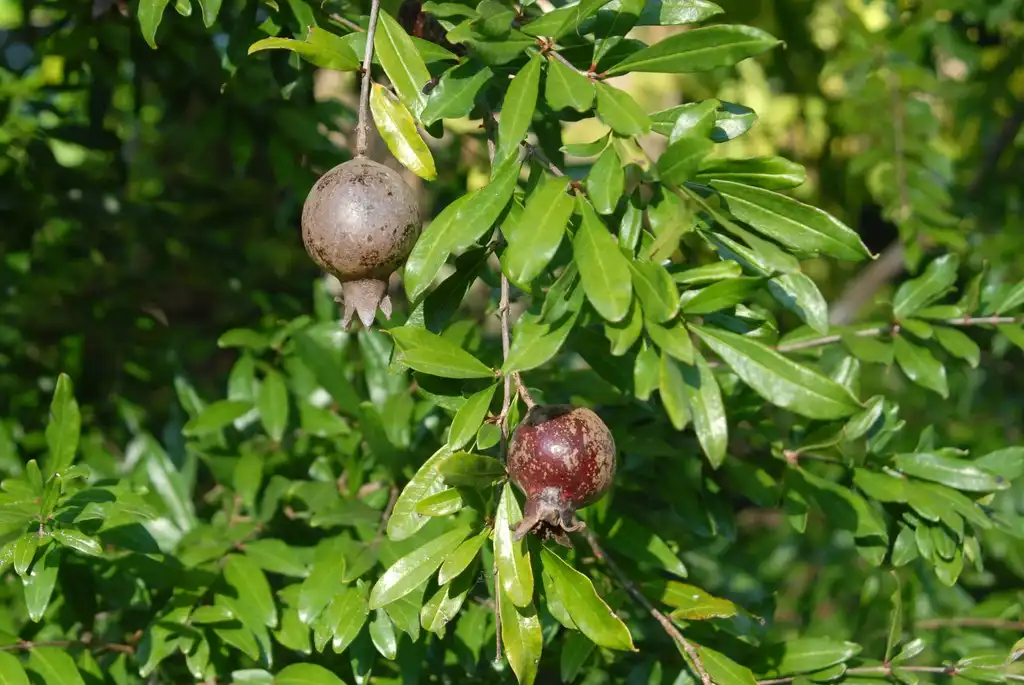
Regarding pests and diseases, pomegranates generally face few serious issues, though they may attract caterpillars, whiteflies, mealybugs, and scale insects. Leaf spot, fruit blotch, and root rot can also occur. In the Southeast, pomegranates often struggle to produce fruit reliably, primarily due to inadequate pollination and the humid climate. Nevertheless, this does not diminish the plant's ornamental appeal.
Punica granatum Feature Summary