Quercus lyrata: Uses (Ethnobotany)
Used as firewood. Not a high-value lumber tree
Phonetic Spelling:KWER-kus ly-RAY-tuh
Genus:Quercus
Species:lyrata
Family:Fagaceae
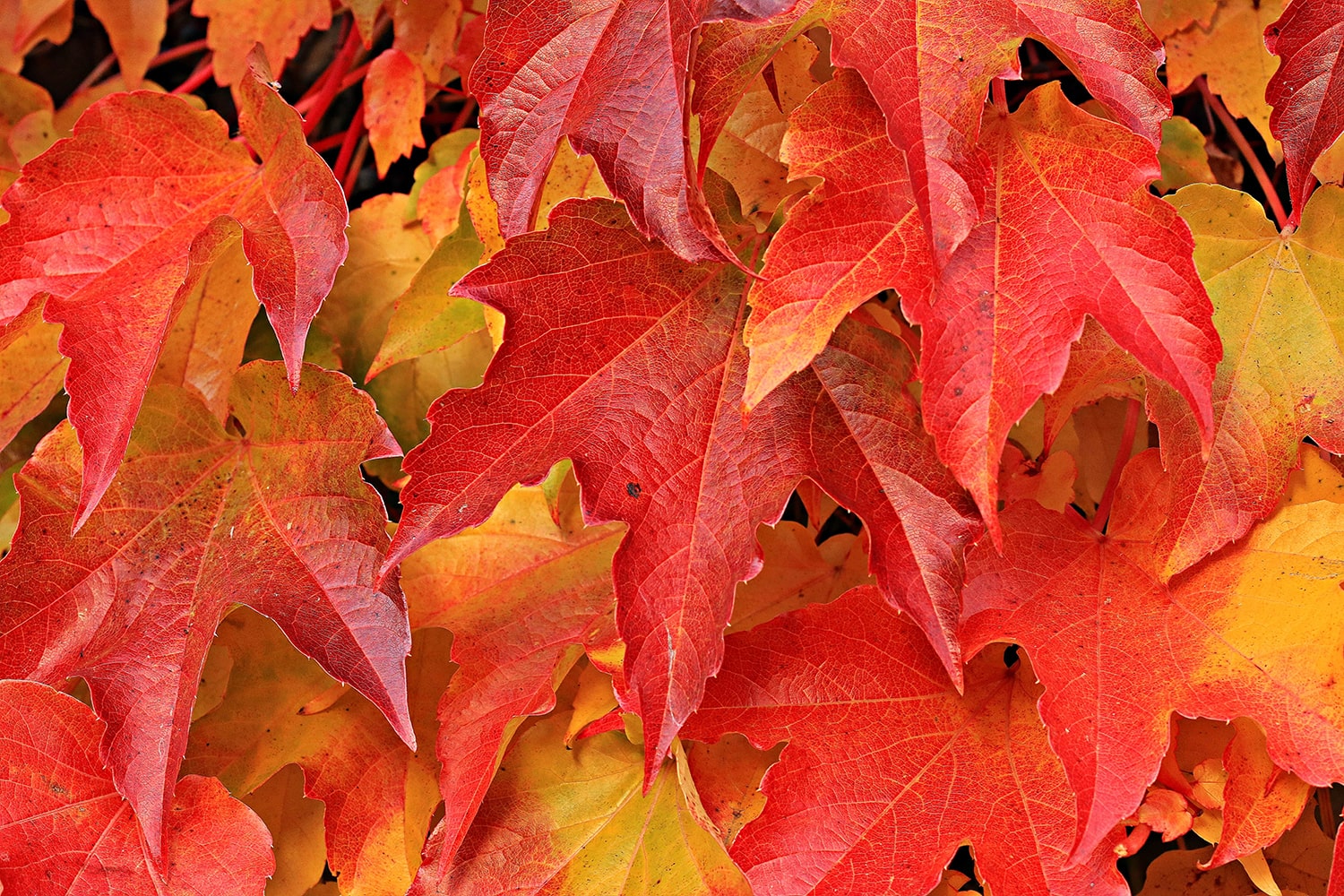
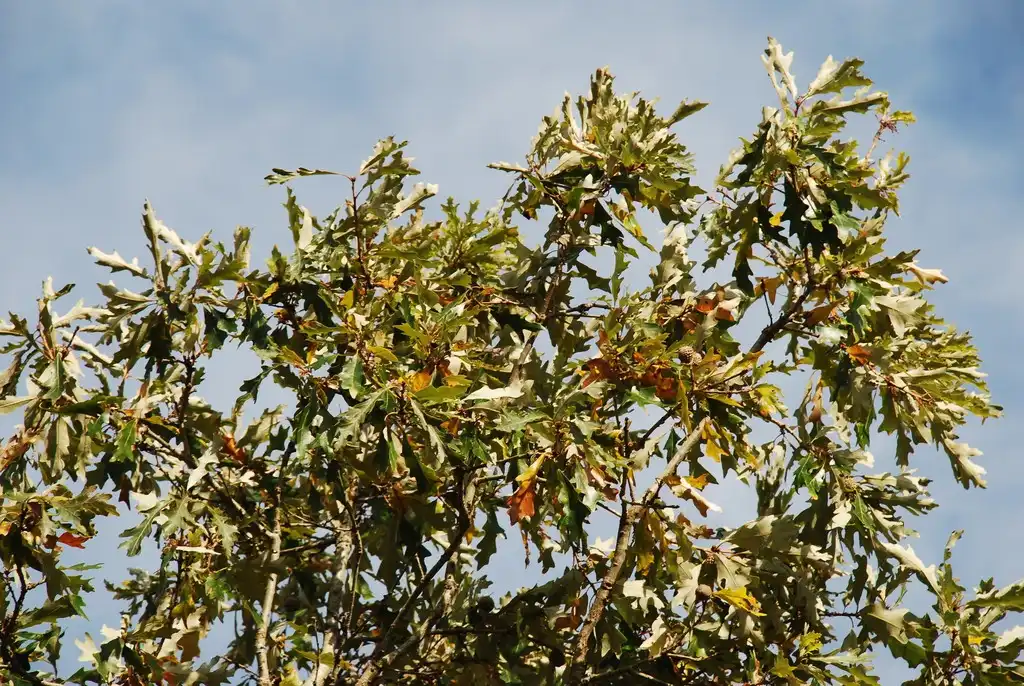
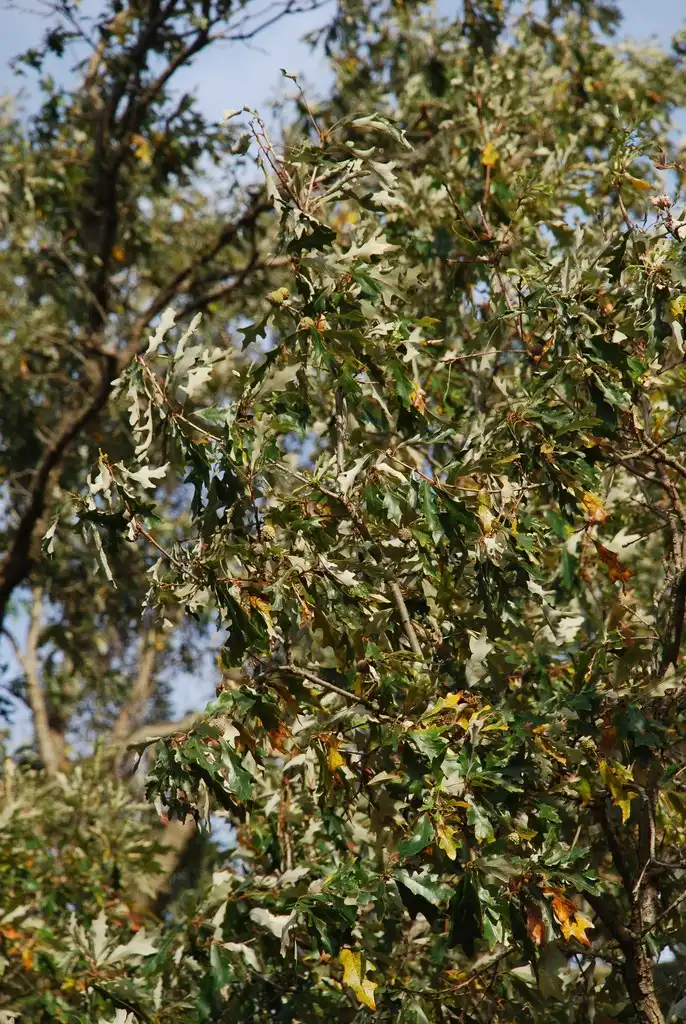
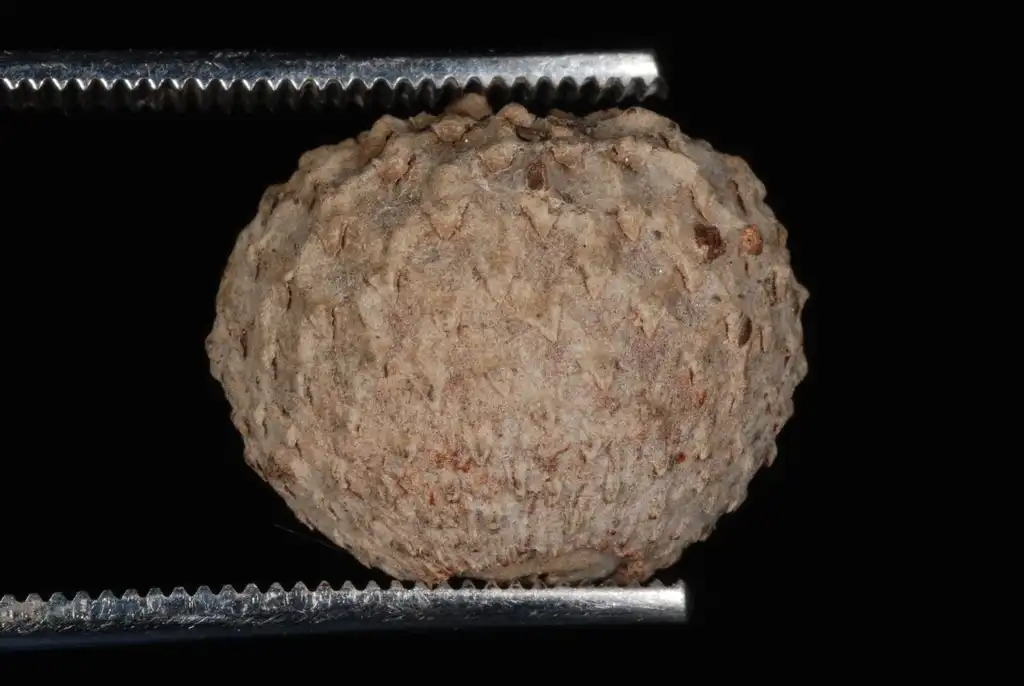
The Overcup Oak is indigenous to central and southeastern North America, primarily found in the coastal regions and plains of North Carolina, though not in large quantities. While it naturally thrives in areas prone to periodic flooding, this species also flourishes in locations with improved drainage and soil quality. Its common name derives from its unique acorn cup, which resembles a bur and typically covers two-thirds to nearly the entire nut, allowing it to float in flood-prone environments. The foliage displays a range of fall colors, from yellow and brown to red.
This tree is best suited for low-lying areas or alongside streams, rivers, and ponds, thriving in full sun to partial shade. It serves effectively as a shade tree and, like many native oaks, is a valuable resource for wildlife.
Regarding pests and diseases, oaks are generally vulnerable to various ailments, such as chestnut blight, shoestring root rot, anthracnose, oak leaf blister, cankers, leaf spots, and powdery mildew. However, the Overcup Oak shows resistance to oak wilt. Potential insect threats include scale, oak skeletonizers, leaf miners, galls, oak lace bugs, borers, caterpillars, and nut weevils.
Quercus lyrata Feature Summary