Plant Profile: Quercus x comptoniae

Taxonomy: Quercus x comptoniae

Names


  • Photo of Quercus x comptoniae (Quercus x comptoniaes)

Phonetic Spelling:KWER-kus kom-TON-ee-ay

Genus:Quercus

Species:

Family:Fagacacae

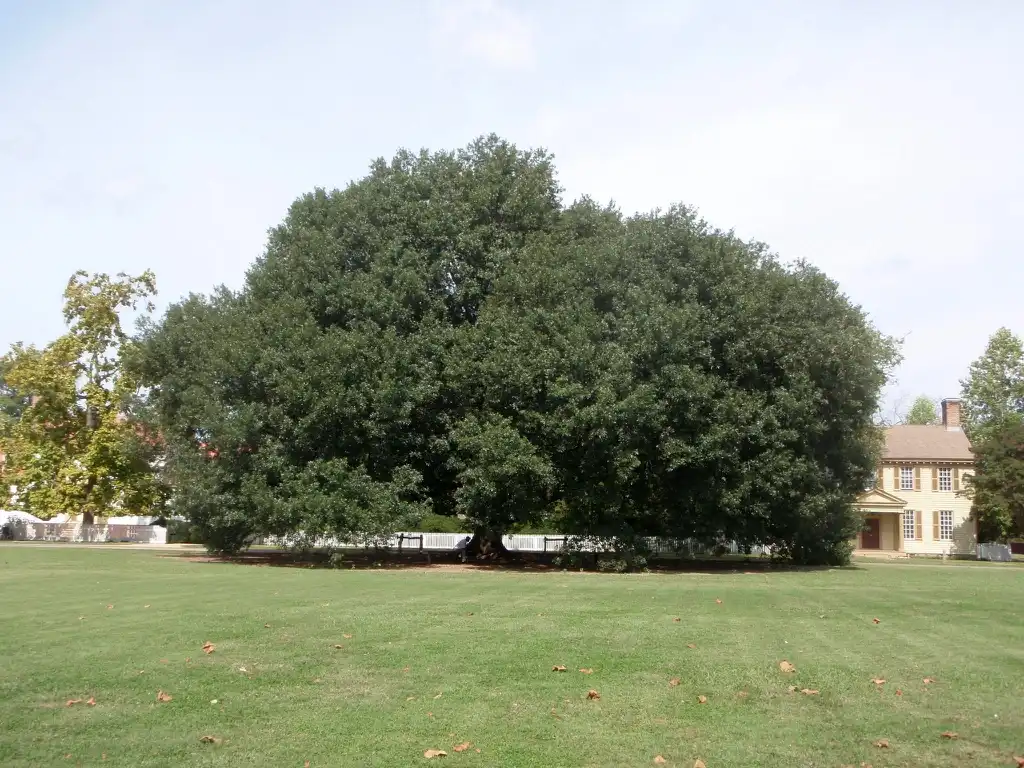
Compton Oak is a substantial deciduous hybrid of the white oak variety, resulting from the crossbreeding of the Overcup Oak (Q. lyrata) and the Southern Live Oak (Q. virginiana). This tree typically thrives in low-lying areas.

Quercus x comptoniae Feature Summary

Quercus x comptoniae Image Gallery

Tags

#deciduous
#large shade tree
#wildlife plant
#ducks
#wild turkeys
#deciduous tree
#food source winter
#food source fall
#food source hard mast fruit
#problem for horses

Similar Plants

Quercus x comptoniae is often confused with:

Quercus x comptoniae Feature Summary

Attributes
South U.S.A. (TX to LA)
Nuts provide a high calorie food source for deer, wild turkey, northern bobwhite, black bear, ducks.
Fruit
Acorns ripen mid-October- December
Leaves
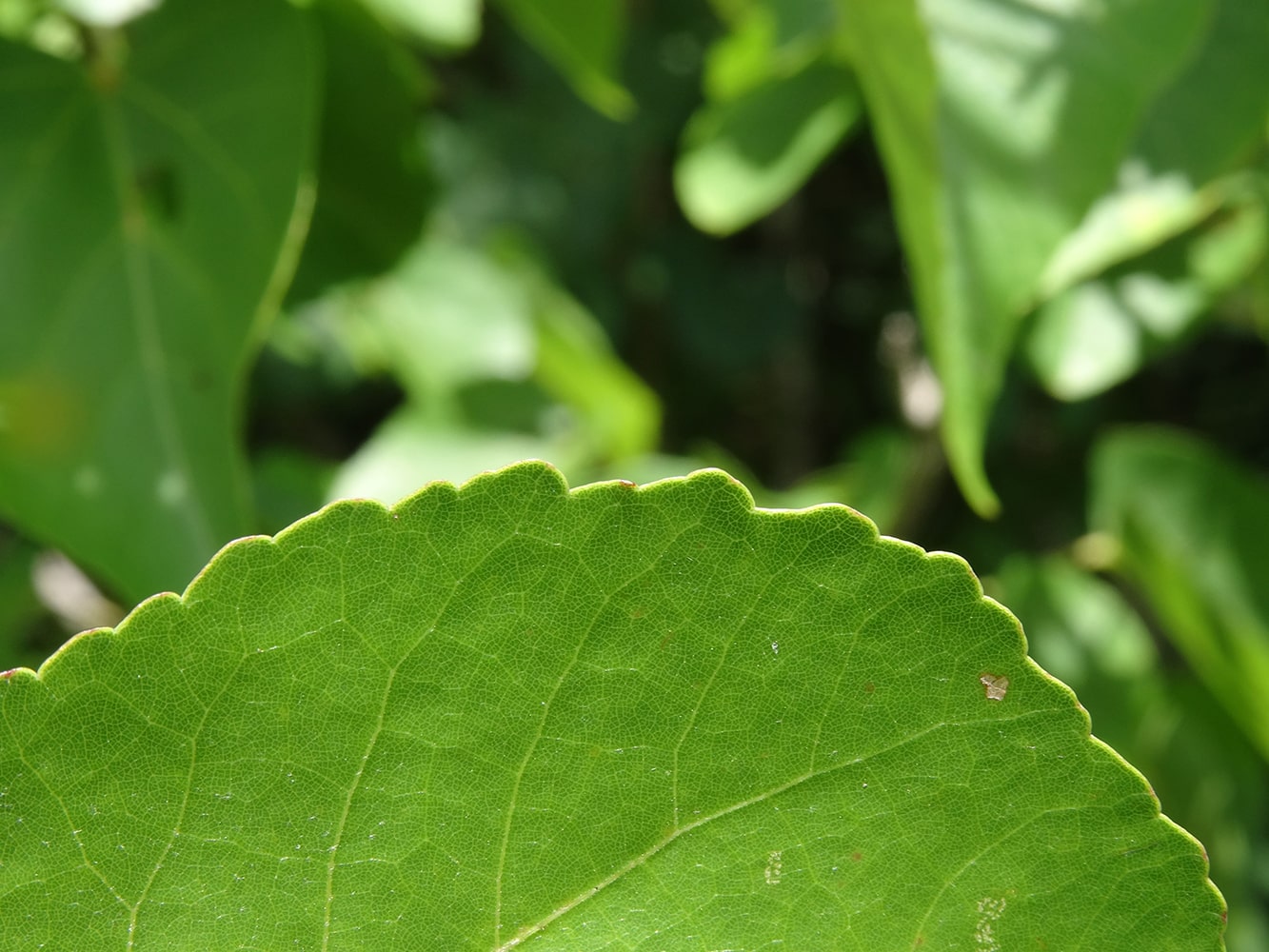
Dark green above lighter below variablt shapes and margins entire to lobed.
Entire
Lobed
Leathery
Whole Plant Traits
Cultural Conditions
Acid (<6.0)
5b
5a
6a
6b
7a
7b
8b
8a
9a
9b
Landscape
Small Mammals
Problem for Horses

Quercus x comptoniae Attributes

Quercus x comptoniae: Country Or Region Of Origin

South U.S.A. (TX to LA)
Quercus x comptoniae: Wildlife Value

Nuts provide a high calorie food source for deer, wild turkey, northern bobwhite, black bear, ducks.

Quercus x comptoniae Fruit

Quercus x comptoniae: Fruit Description

Acorns ripen mid-October- December

Quercus x comptoniae: Fruit Type

Achene
Aggregate
Berry
Capsule
Caryopsis
Drupe
Follicle
Legume
Nut
Pome
Samara
Schizocarp
Siliqua

Quercus x comptoniae: Display/Harvest Time

Fall
Spring
Summer
Winter

Quercus x comptoniae Leaves

Quercus x comptoniae: Leaf Description

Dark green above lighter below variablt shapes and margins entire to lobed.

Quercus x comptoniae: Woody Plant Leaf Characteristics

Broadleaf Evergreen
Deciduous
Needled Evergreen
Semi-evergreen

Quercus x comptoniae: Leaf Color

spa
Green

Quercus x comptoniae: Leaf Type

Compound (Pinnately , Bipinnately, Palmately)
Fronds
Needles
Sheath
Simple

Quercus x comptoniae: Leaf Arrangement

Alternate
Opposite
Other/more complex
Rosulate
Whorled

Quercus x comptoniae: Leaf Margin

Crenate
Crenulate
Dentate
Denticulate
Doubly Crenate
Doubly Dentate
Doubly Serrate
Entire
Lobed
Serrate
Sinuate
Undulate

Quercus x comptoniae: Hairs Present

No
Yes

Quercus x comptoniae: Leaf Feel

Fleshy
Glossy
Leathery
Papery
Prickly
Rough
Rubbery
Slippery
Smooth
Soft
Velvety
Waxy

Quercus x comptoniae Whole Plant Traits

Quercus x comptoniae: Plant Type

Annual
Bulb
Carnivorous
Edible
Epiphyte
Fern
Ground Cover
Herb
Herbaceous Perennial
Houseplant
Mushroom
Native Plant
Ornamental Grasses and Sedges
Perennial
Poisonous
Rose
Shrub
Succulent
Tree
Turfgrass
Vegetable
Vine
Water Plant
Weed
Wildflower

Quercus x comptoniae: Woody Plant Leaf Characteristics

Broadleaf Evergreen
Deciduous
Needled Evergreen
Semi-evergreen

Quercus x comptoniae Cultural Conditions

Quercus x comptoniae: Soil pH

Acid (<6.0)
Alkaline (>8.0)
Neutral (6.0-8.0)

Quercus x comptoniae: USDA Plant Hardiness Zone

thermostat
5a
thermostat
5b
thermostat
6a
thermostat
6b
thermostat
7a
thermostat
7b
thermostat
8a
thermostat
8b
thermostat
9a
thermostat
9b

Quercus x comptoniae Stem

Quercus x comptoniae: Stem Is Aromatic

No
Yes

Quercus x comptoniae Landscape

Quercus x comptoniae: Resistance To Challenges

Black Walnut
Compaction
Deer
Diseases
Drought
Dry Soil
Erosion
Fire
Foot Traffic
Heat
Heavy Shade
Humidity
Insect Pests
Pollution
Poor Soil
Rabbits
Salt
Slugs
Squirrels
Storm damage
Urban Conditions
Voles
Wet Soil
Wind

Quercus x comptoniae: Attracts

Bats
Bees
Butterflies
Frogs
Hummingbirds
Moths
Pollinators
Predatory Insects
Reptiles
Small Mammals
Songbirds
Specialized Bees

Quercus x comptoniae: Problems

Allelopathic
Contact Dermatitis
Frequent Disease Problems
Frequent Insect Problems
Invasive Species
Malodorous
Messy
Poisonous to Humans
Problem for Cats
Problem for Children
Problem for Dogs
Problem for Horses
Short-lived
Spines/Thorns
Weak Wood
Weedy