Quercus virginiana: Uses (Ethnobotany)
The wood is used for barrels, veneer, cabinetry, furniture, interior trim, and flooring and also has been used for pulp and firewood. It was used in ship construction especially in the 18th and 19th centuries.
Phonetic Spelling:KWER-kus vir-jin-ee-AN-uh
Genus:Quercus
Species:virginiana
Family:Fagaceae
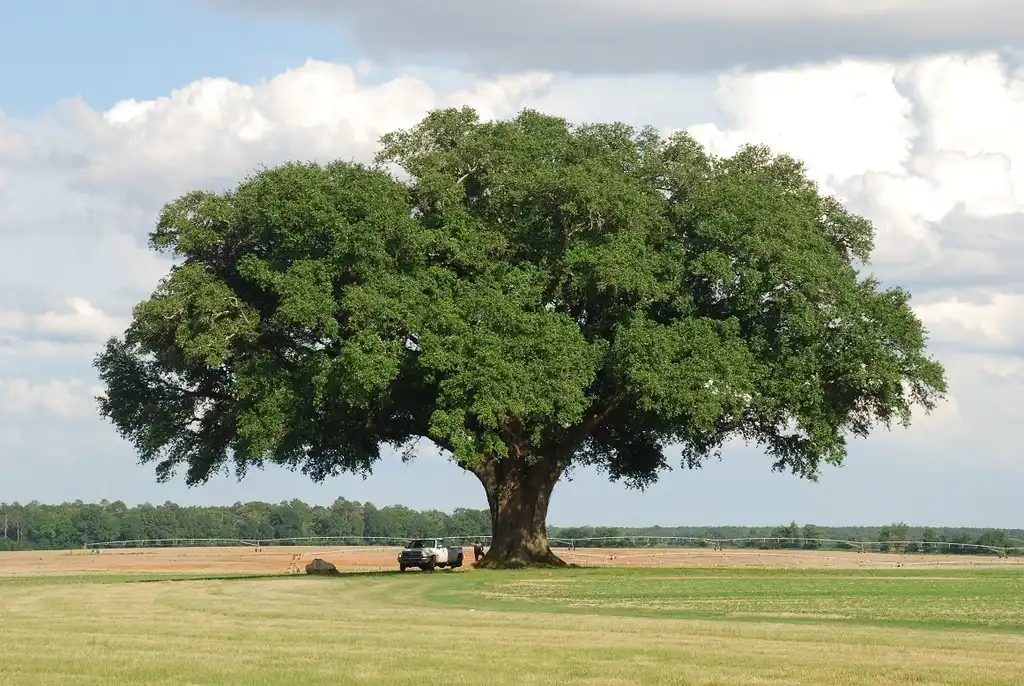
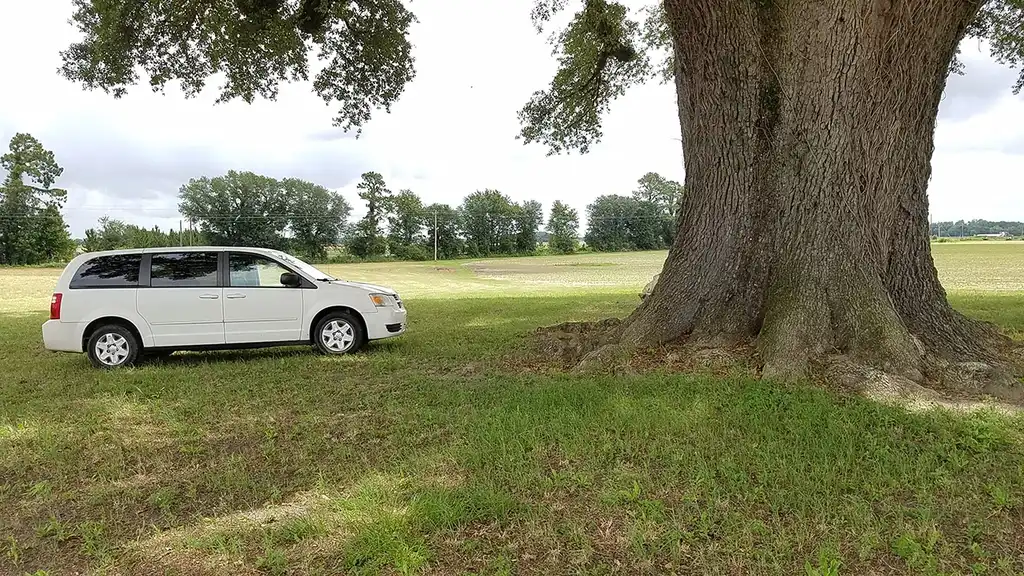
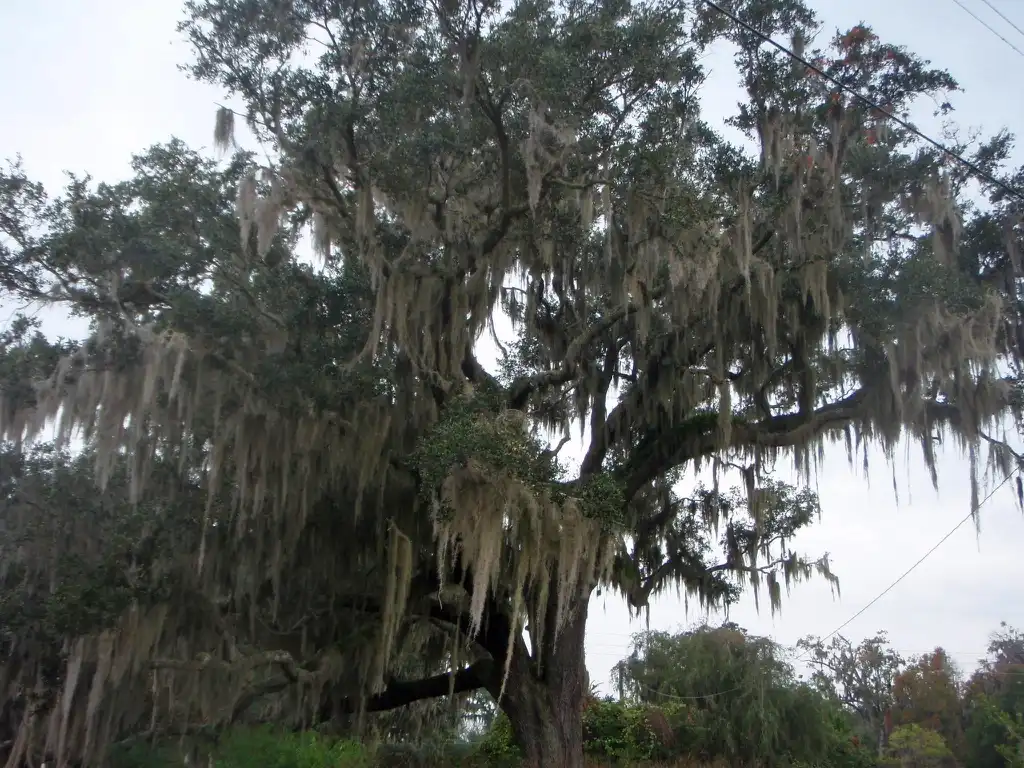
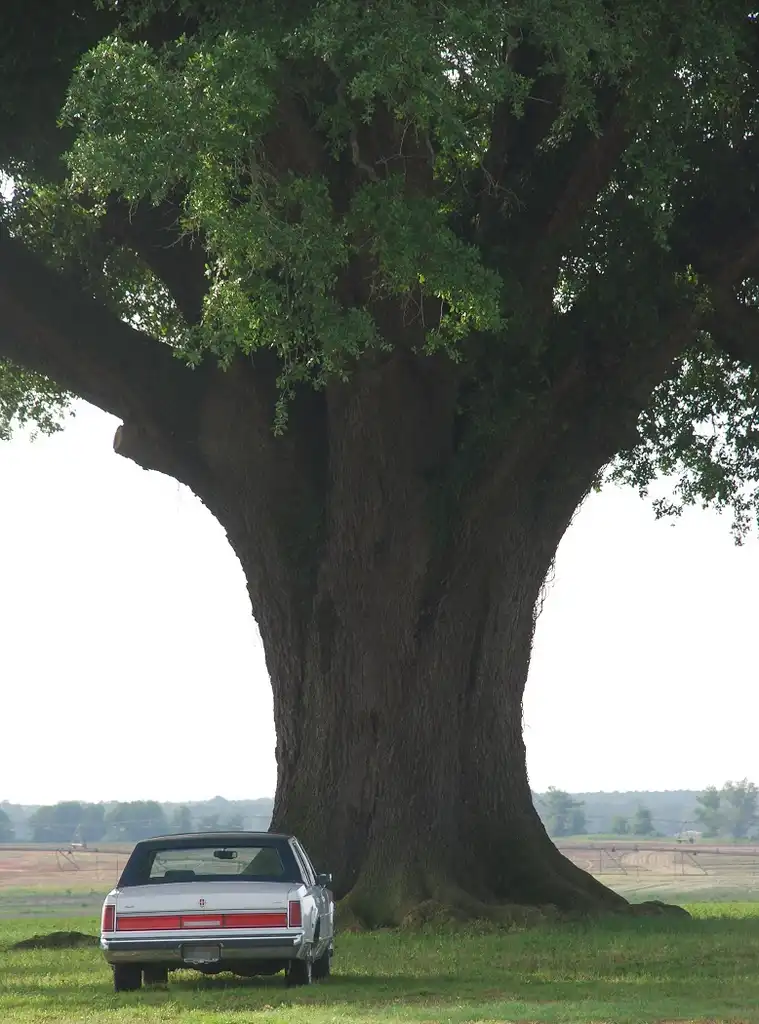
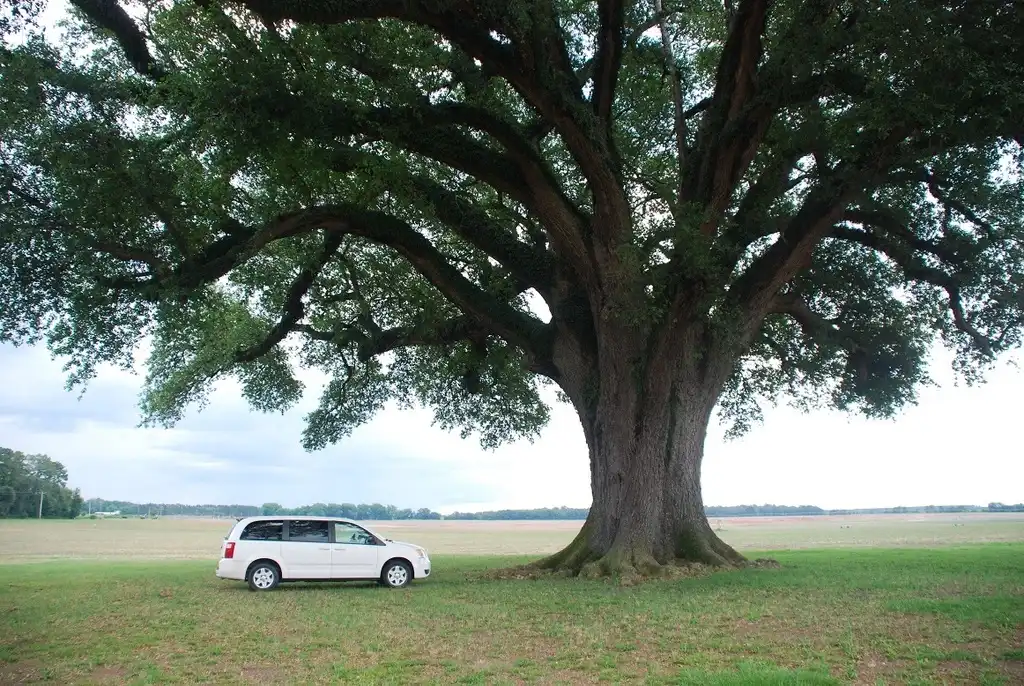
The Live Oak is a striking, medium-sized evergreen tree known for its longevity, typically reaching heights of 40 to 80 feet. It thrives in the coastal plains of Virginia, North Carolina, and further south along the Atlantic and Gulf coasts. With a broad crown, it seldom exceeds 50 feet in height, featuring gnarled branches that can extend 40 to 100 feet wide, often adorned with Spanish moss. Although it is commonly referred to as an evergreen, it actually retains its leaves until new growth emerges.
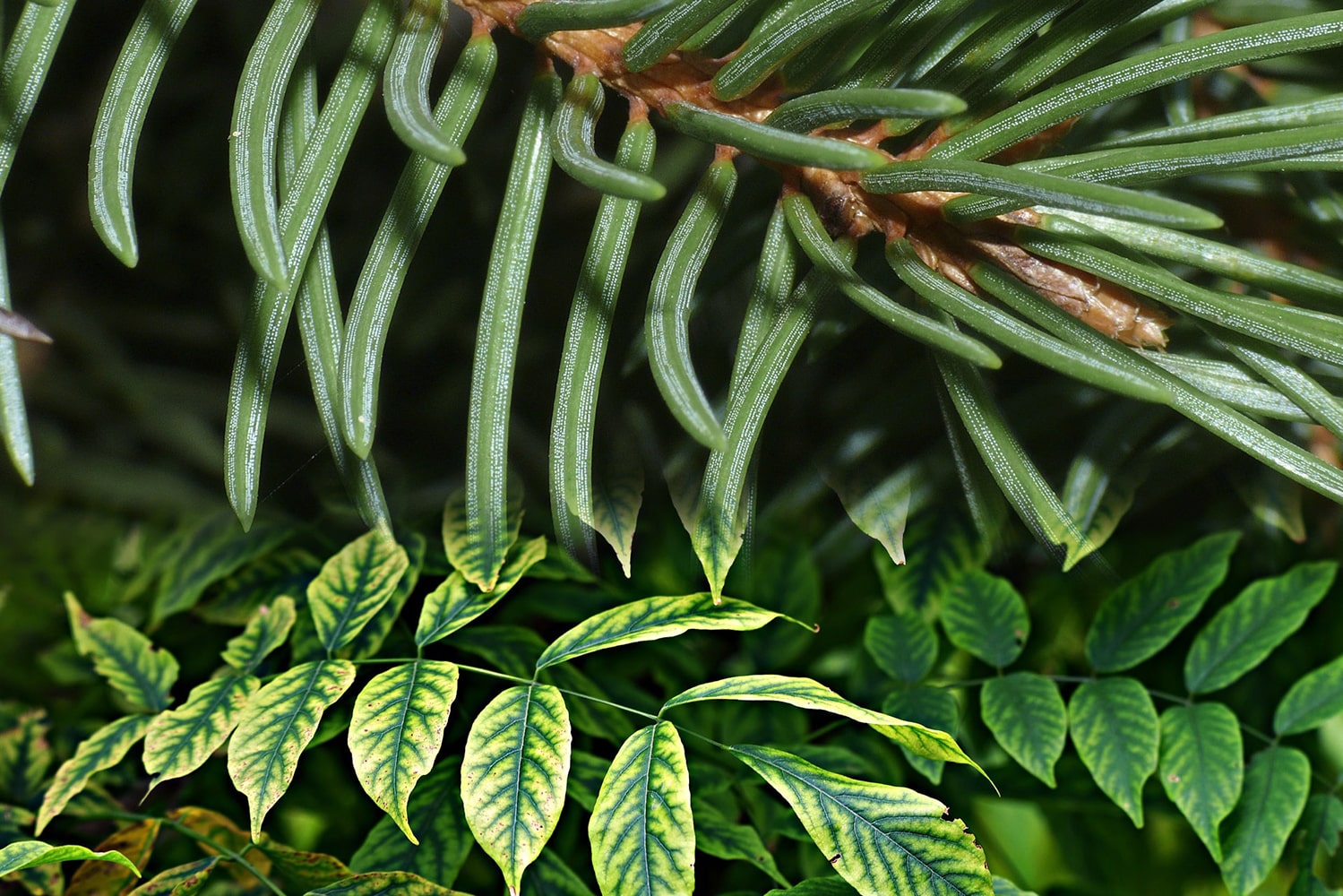
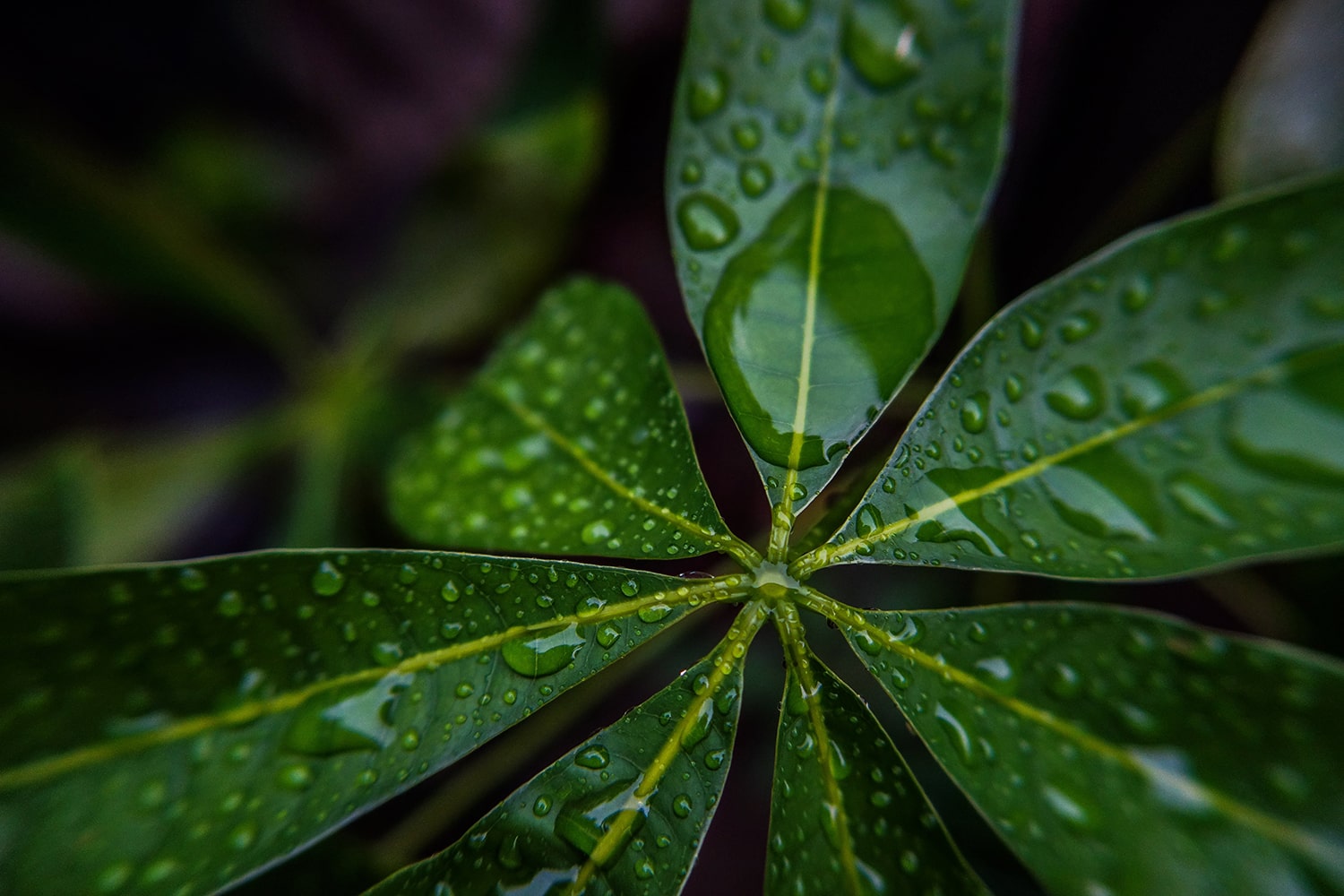
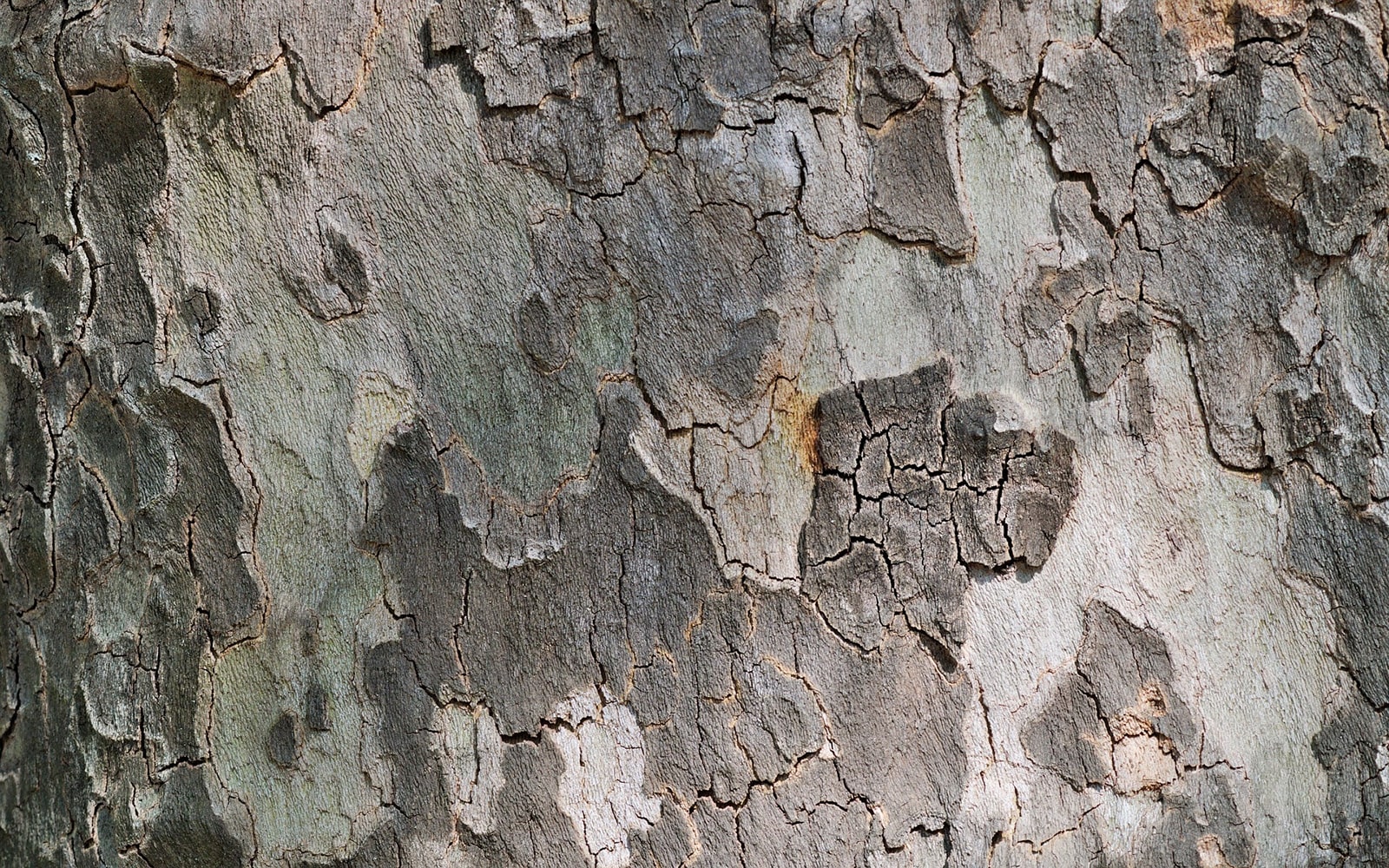
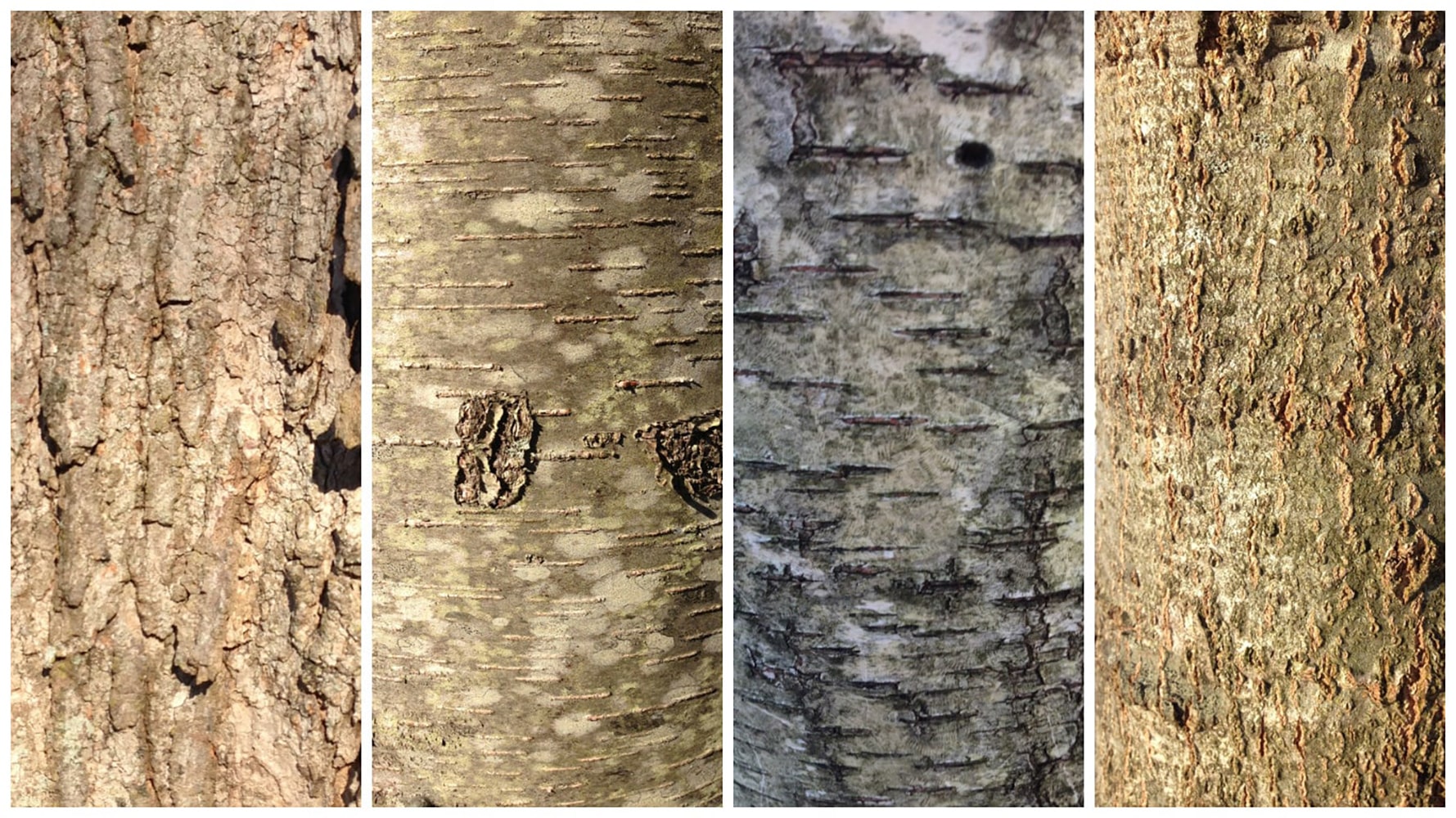
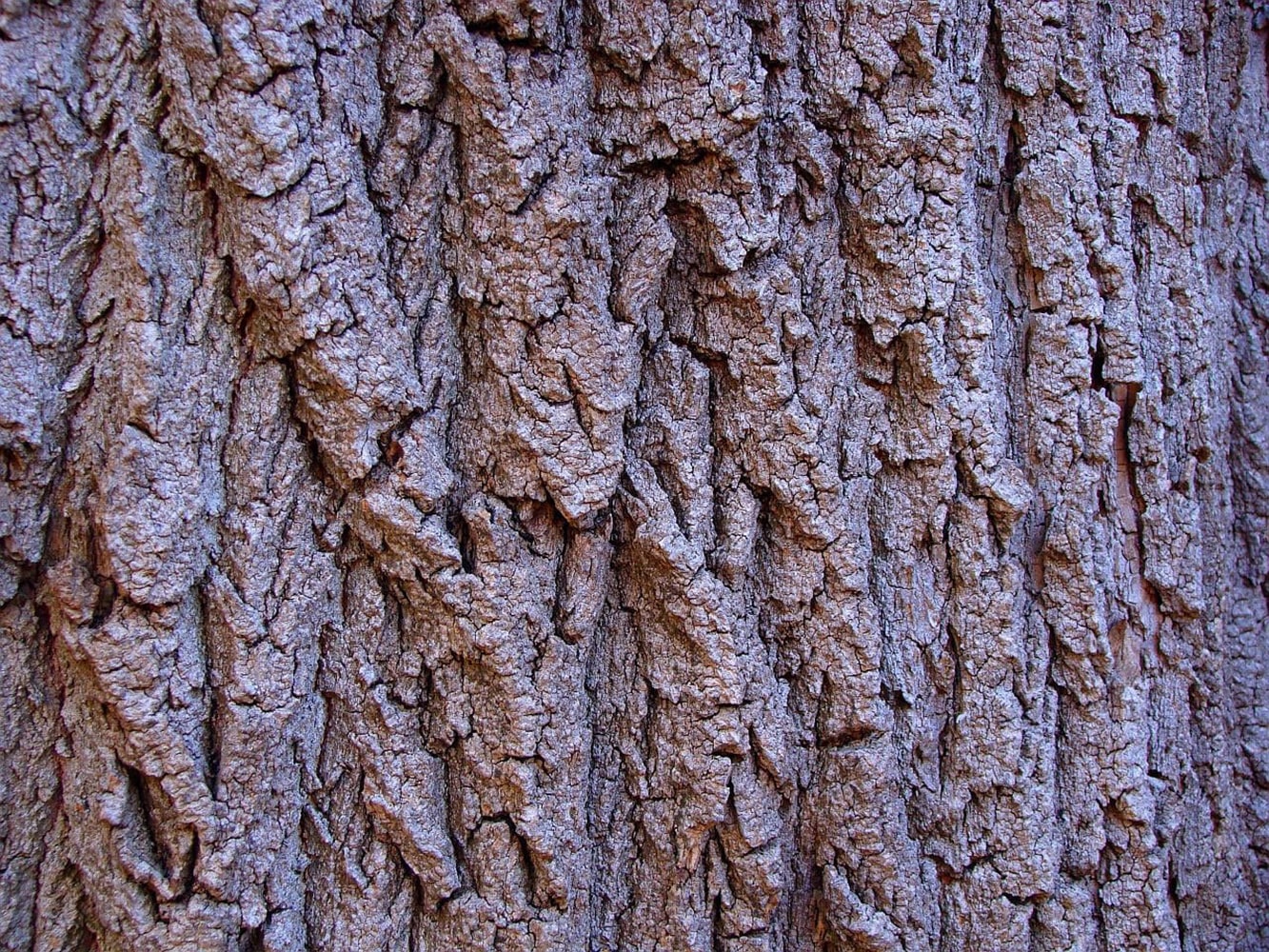
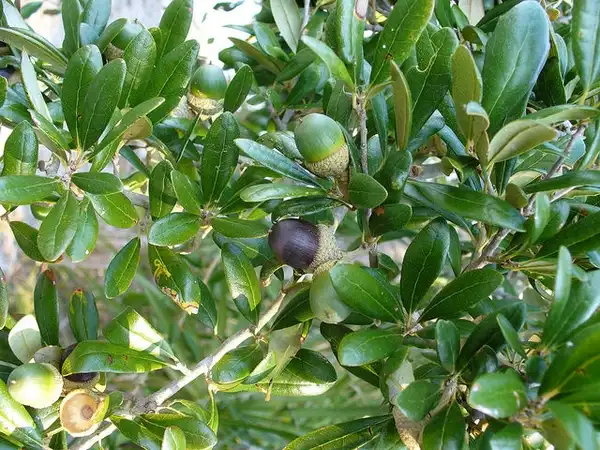
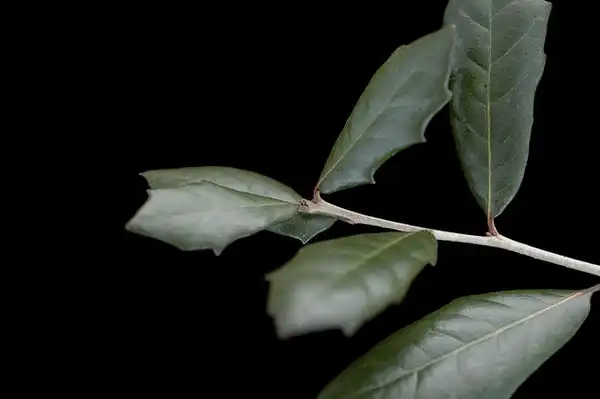
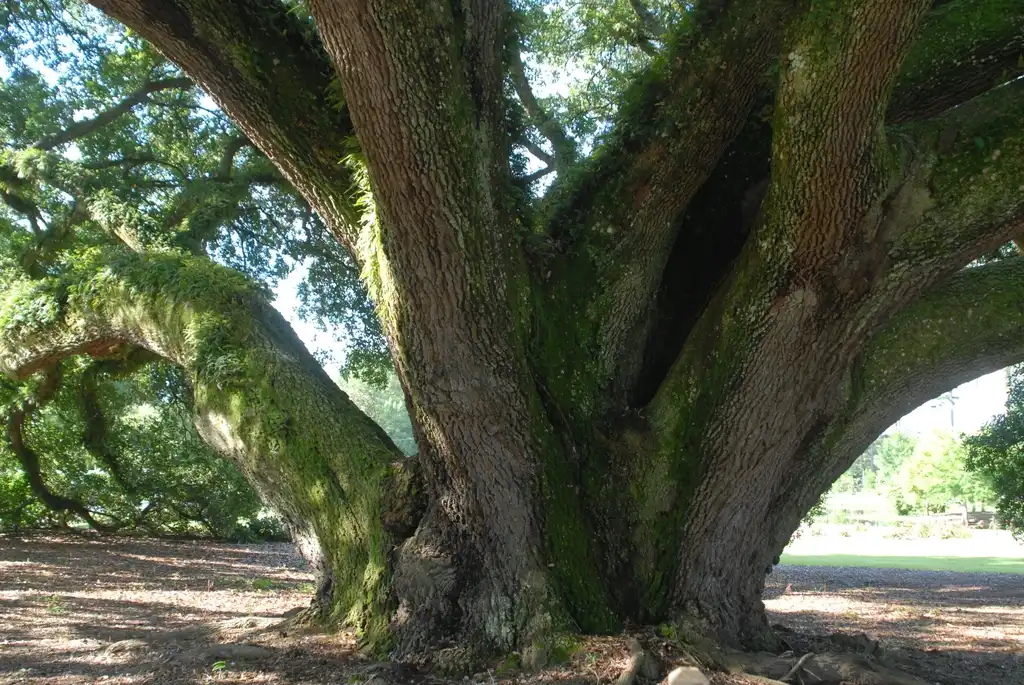
The tree showcases alternate leaves that have either smooth or spiny edges, with pale, hairy undersides. Young Live Oaks display red-brown bark marked by furrows and small scales, which matures to a black, blocky texture as the tree ages. In the spring, it produces cylindrical male flowers alongside female spikes. The acorns, measuring about 3/4 inch, are topped with a warty cap that covers roughly one-third of the nut and take a full growing season to mature.
As a shade tree, the Live Oak is exceptional, providing a wide, spreading canopy ideal for large spaces. It adapts well to both clay and sandy soils that are acidic and well-drained, and it can withstand occasional flooding and salt spray.
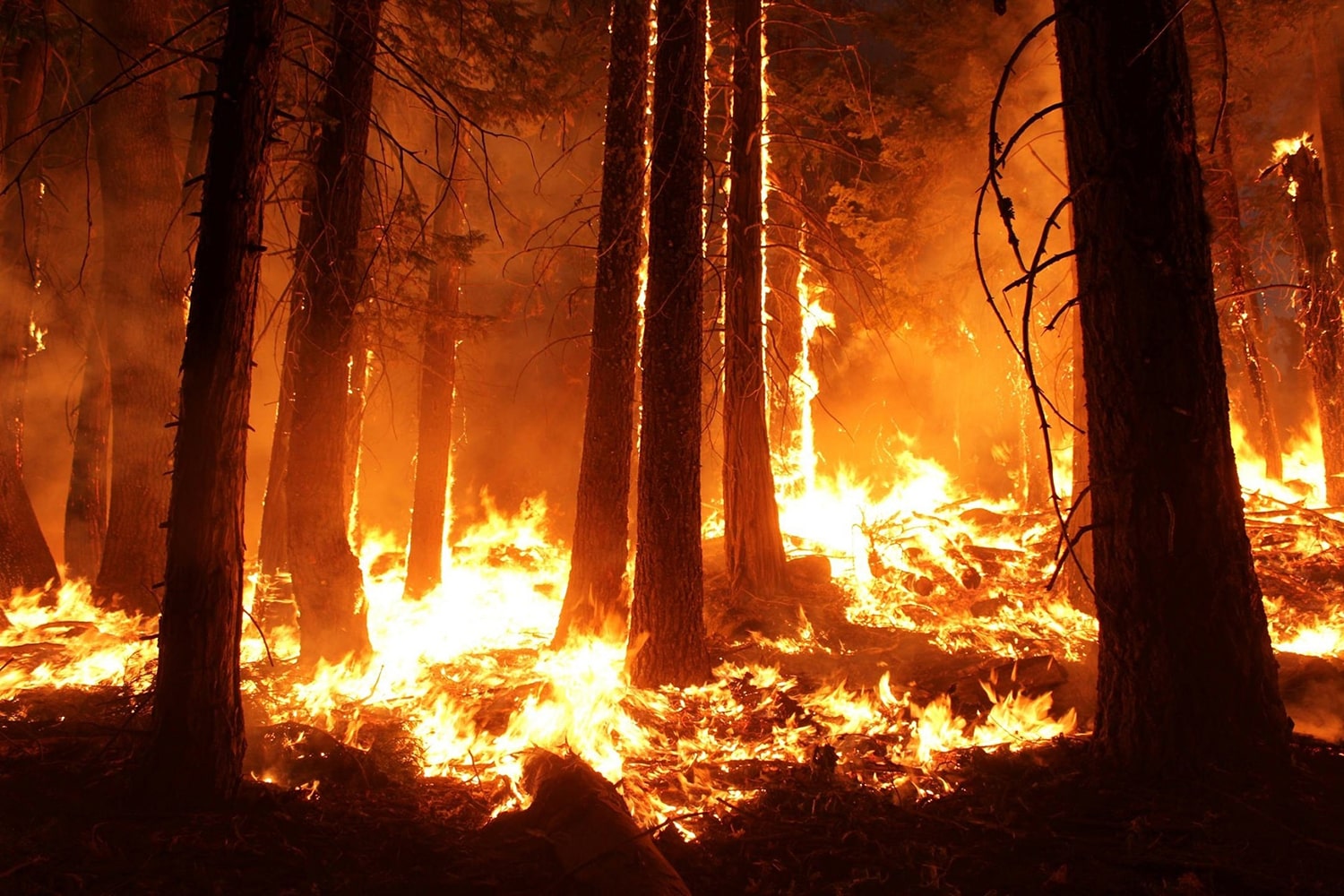
**Fire Risk:** This tree has a high flammability rating, making it unsuitable for planting within the defensible space around your home. It is advisable to choose plants with a low flammability rating for areas closest to your residence.
**Insects, Diseases, and Other Plant Issues:** Generally, the Live Oak is a low-maintenance tree. While insect galls may affect the appearance of the foliage, they do not compromise the tree's health. However, it can be susceptible to root rot and oak wilt.
**Quick Identification Tips:**
Quercus virginiana Feature Summary
Quercus virginiana Image Gallery