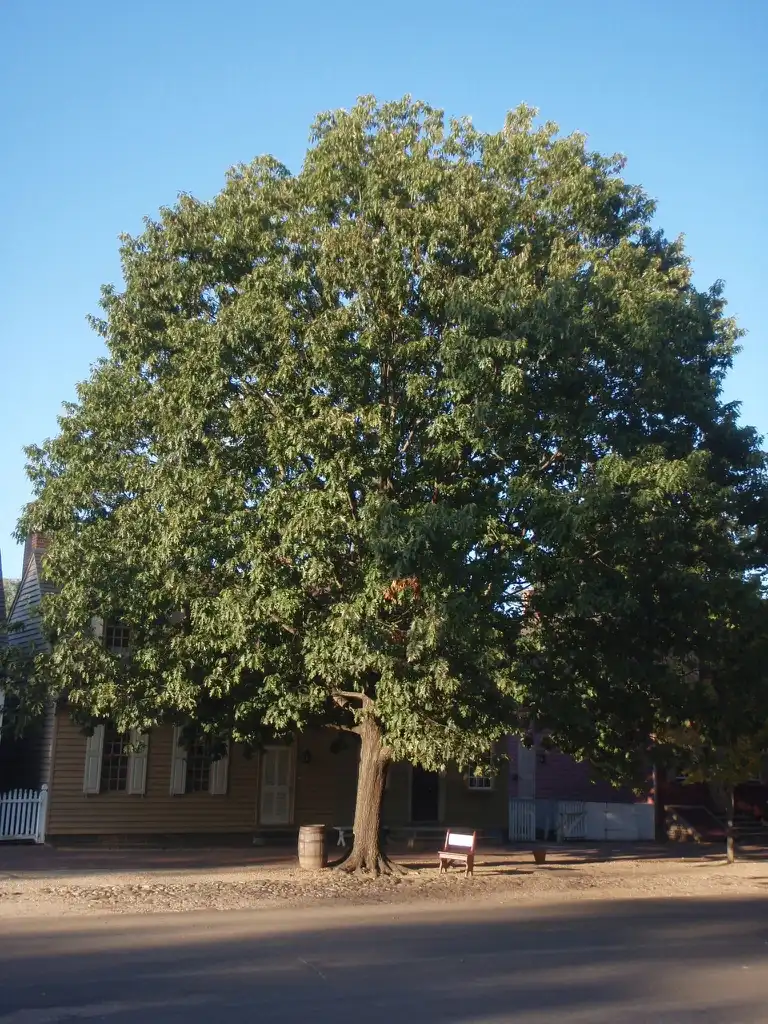
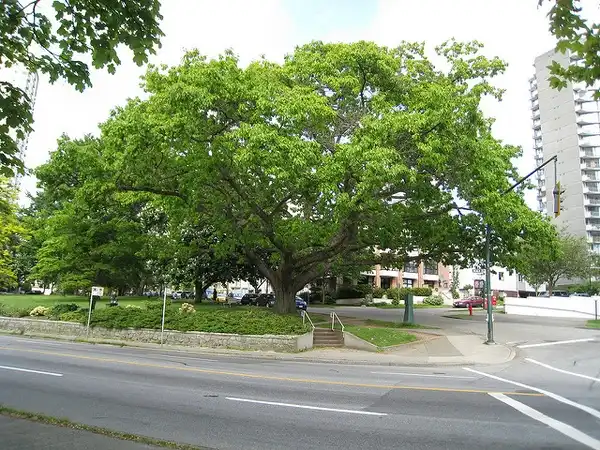
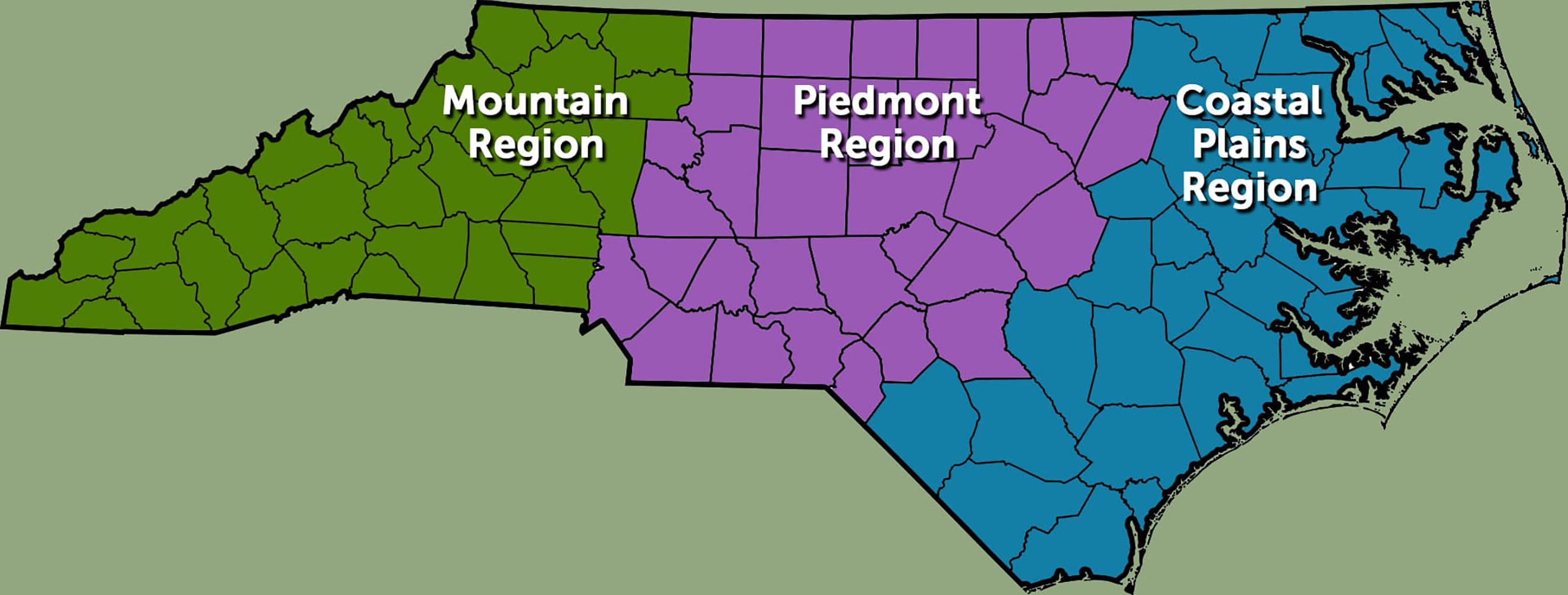
The Northern Red Oak is a deciduous tree that typically reaches heights of 60 to 90 feet and is prevalent across the Piedmont and mountainous regions of North Carolina. It thrives in mesic slopes and well-drained upland areas, often found on lower and middle slopes, as well as in coves, ravines, and valley floors. This species is most frequently located on north- and east-facing slopes and prefers clay, loam, or sandy and gravelly soils.
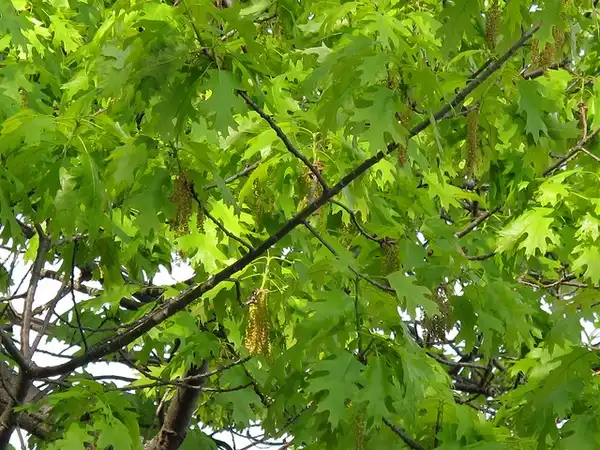
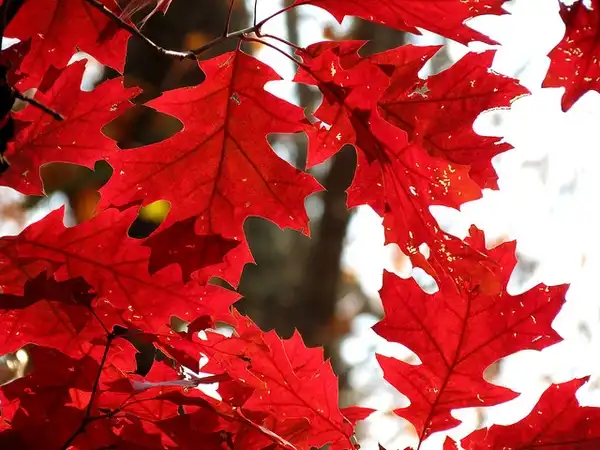
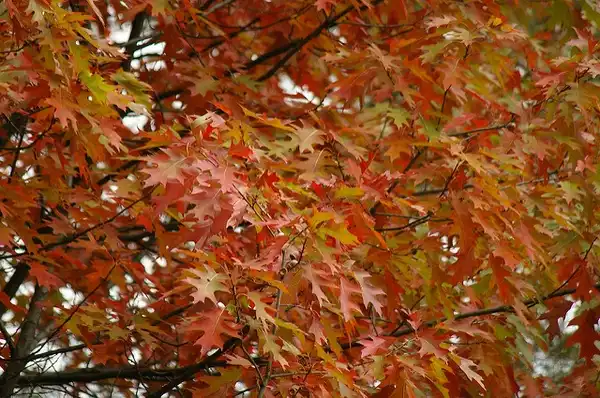
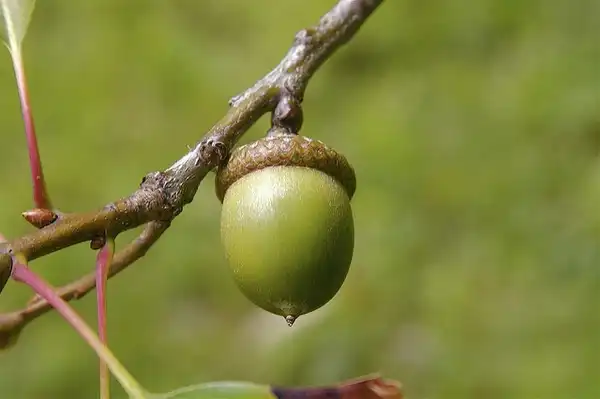
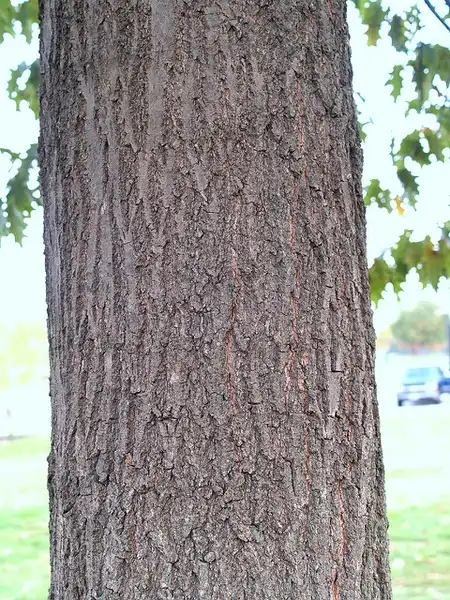
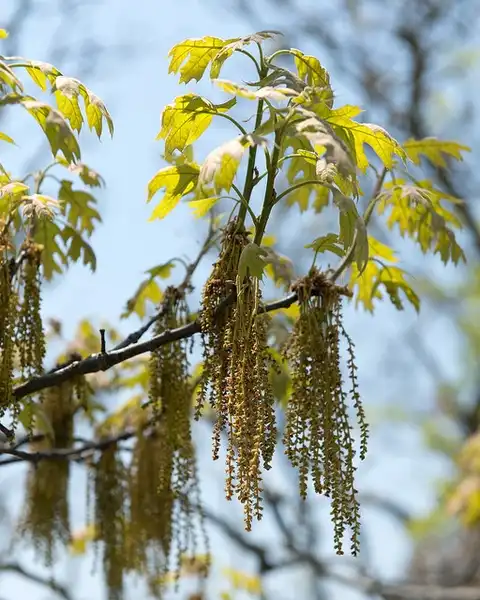
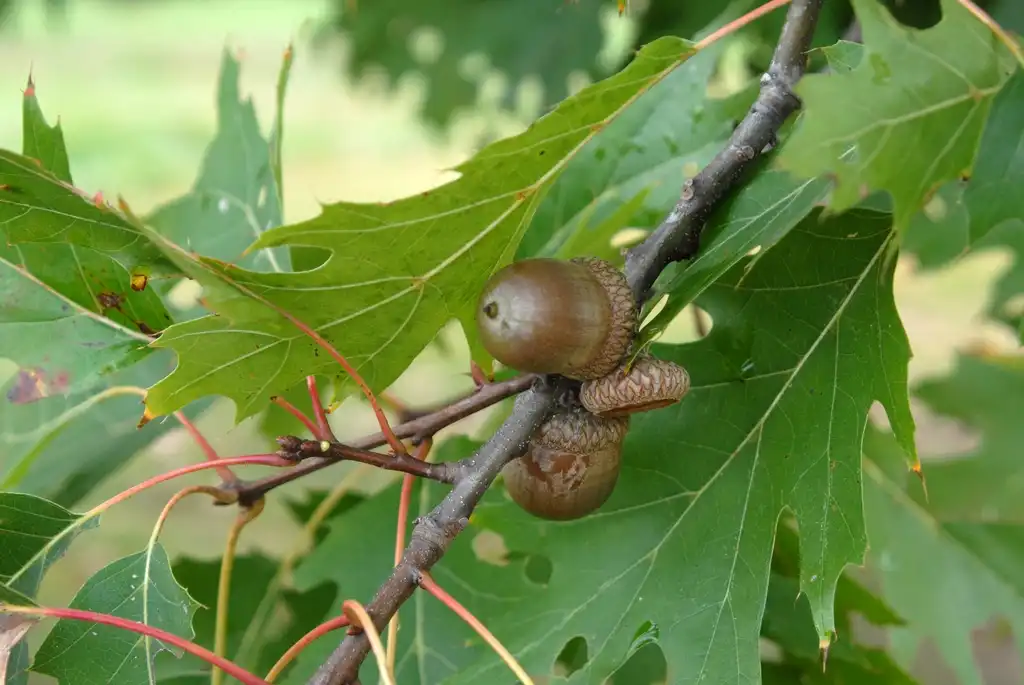
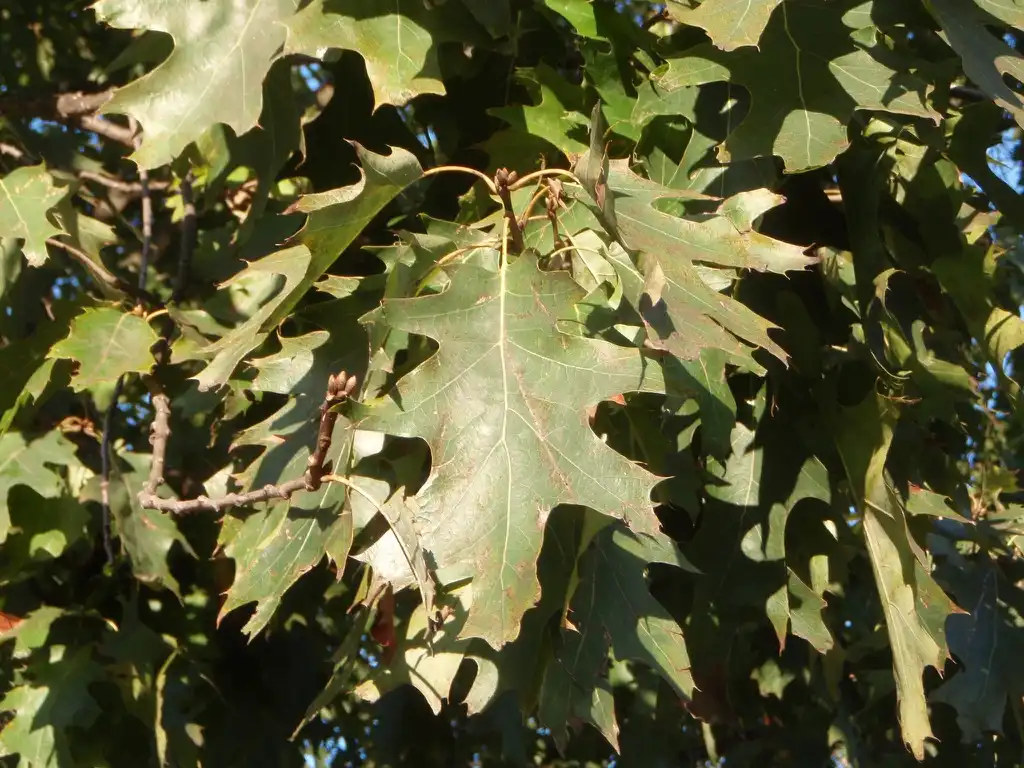
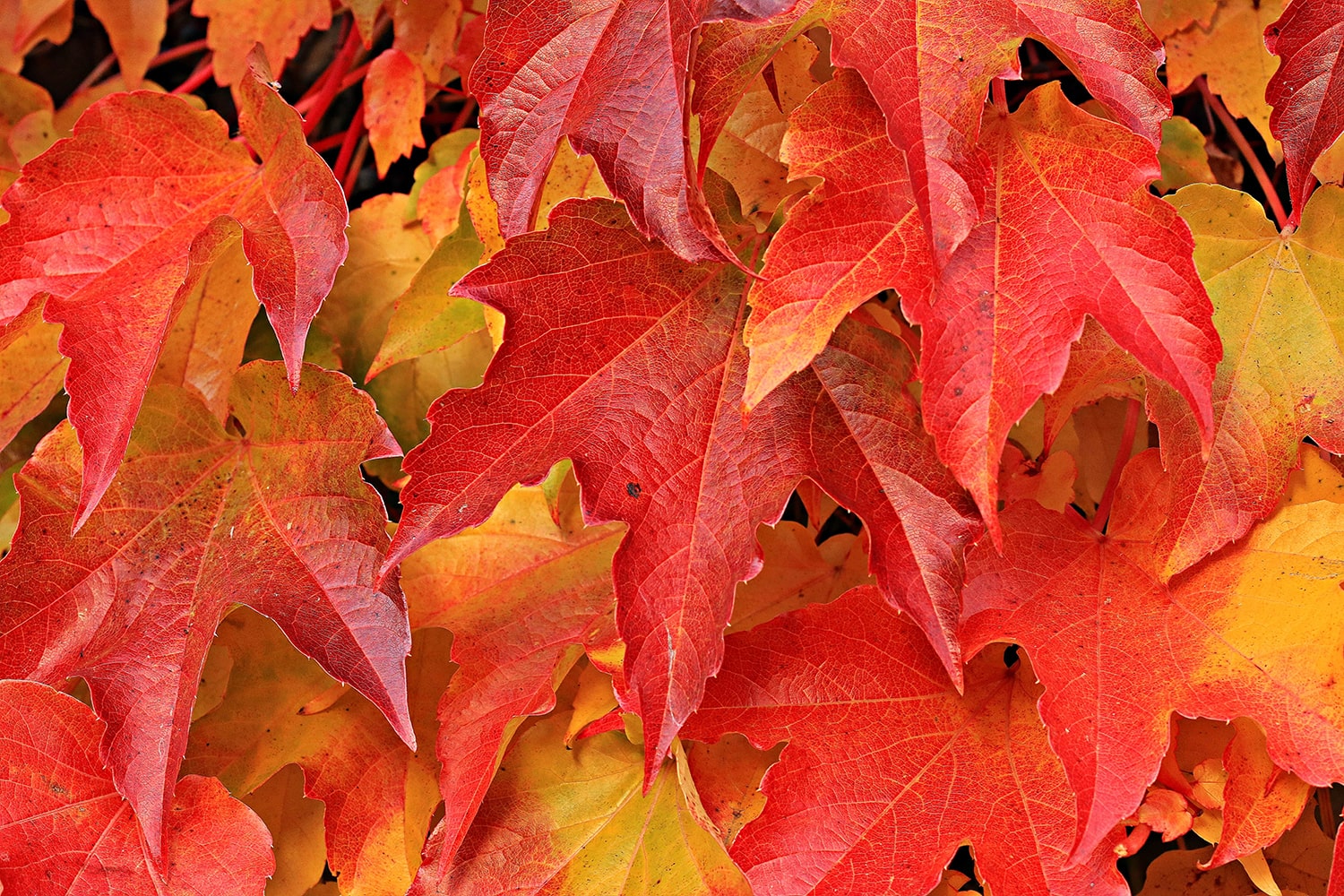
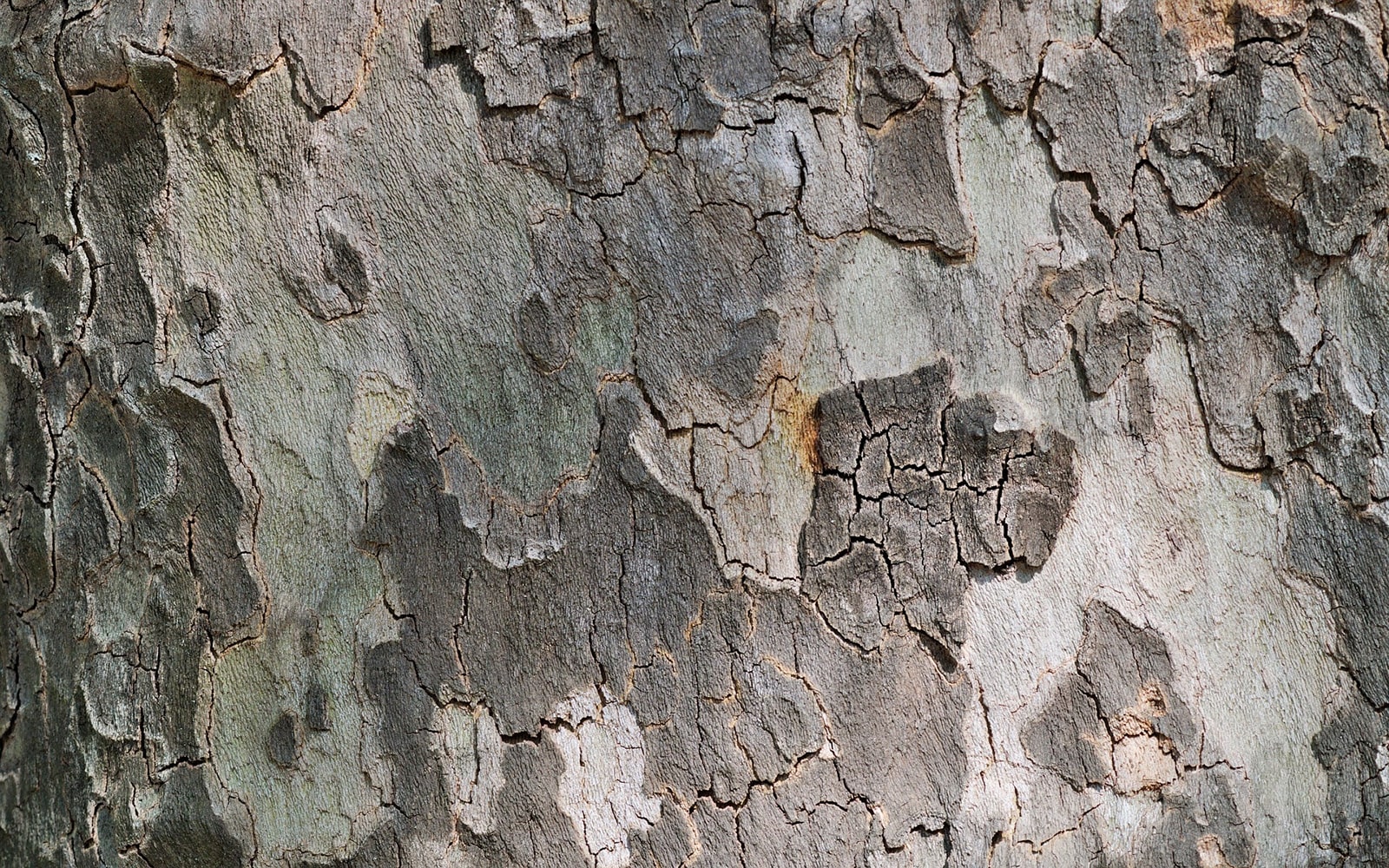
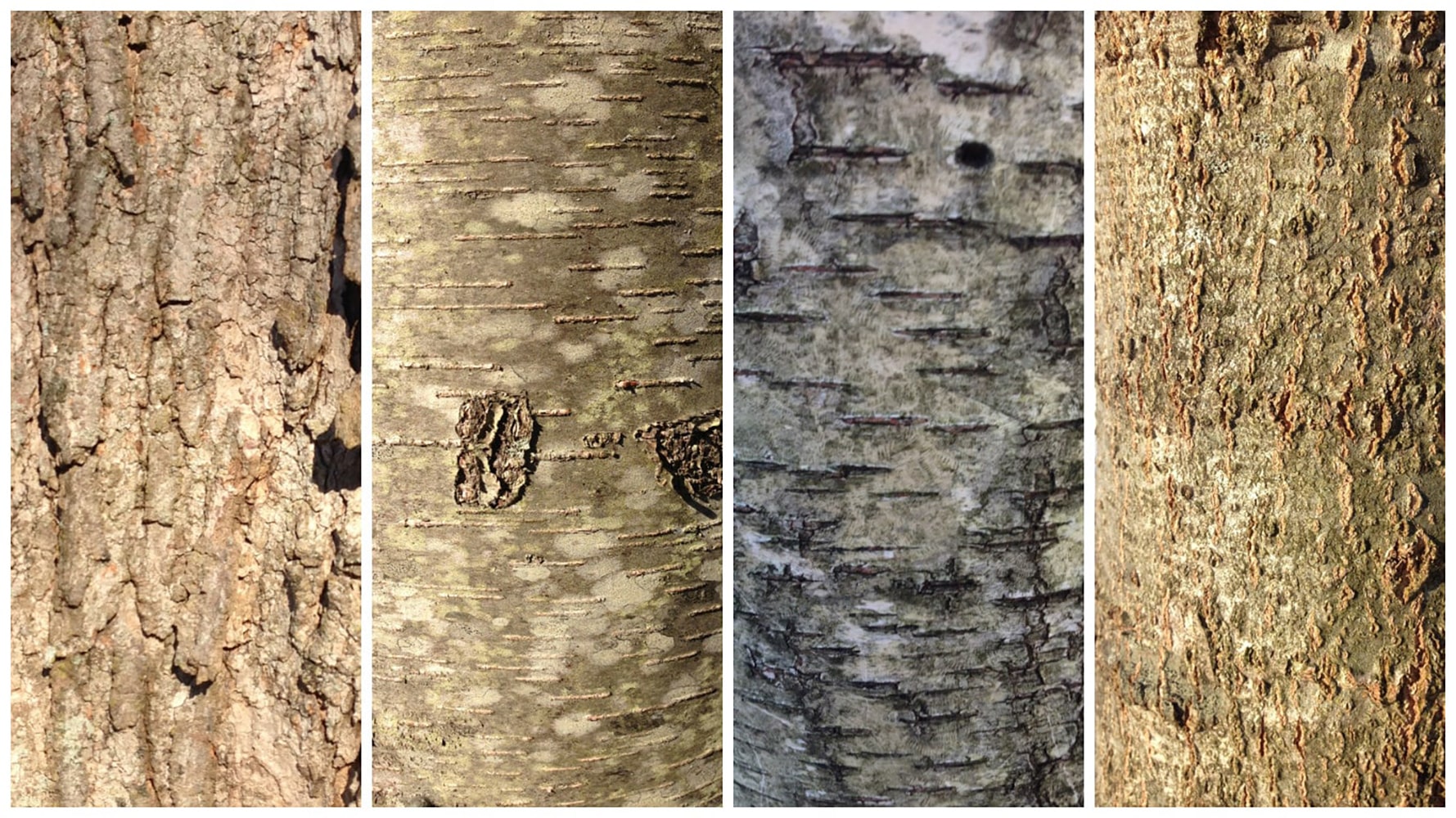
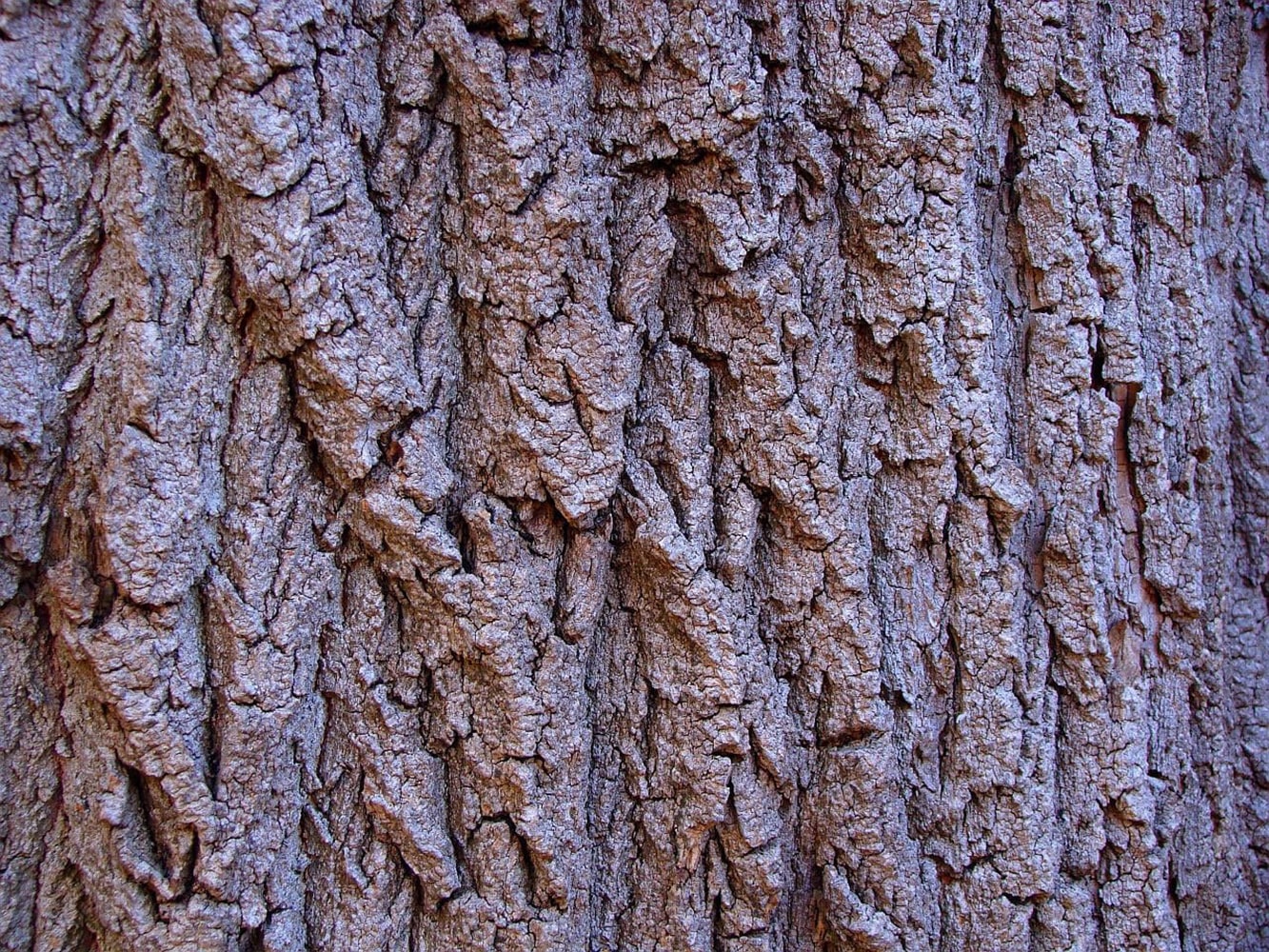
The leaves of the Northern Red Oak are arranged alternately and feature 7 to 11 lobes with bristle tips. Young trees have smooth bark, which matures into wide, flat-topped ridges interspersed with shallow furrows that create a pattern reminiscent of ski tracks. In the spring, the tree produces yellow-green, cylindrical male flowers alongside small green female spikes. The acorns, measuring between 3/4 and 1 inch, have a flat, thick cap that covers about a quarter of the nut and take two growing seasons to mature. Typically, Northern Red Oaks begin to bear fruit at around 20 to 25 years of age, but they do not yield acorns in significant quantities until they reach 40 to 50 years.
This species is well-suited to urban environments, demonstrating tolerance to dry, acidic soils and air pollution. It flourishes best in full sunlight with well-drained, slightly acidic sandy loam, making it an excellent choice for shade trees, street plantings, and recreational spaces.
Fire Risk: The Northern Red Oak has a low flammability rating.
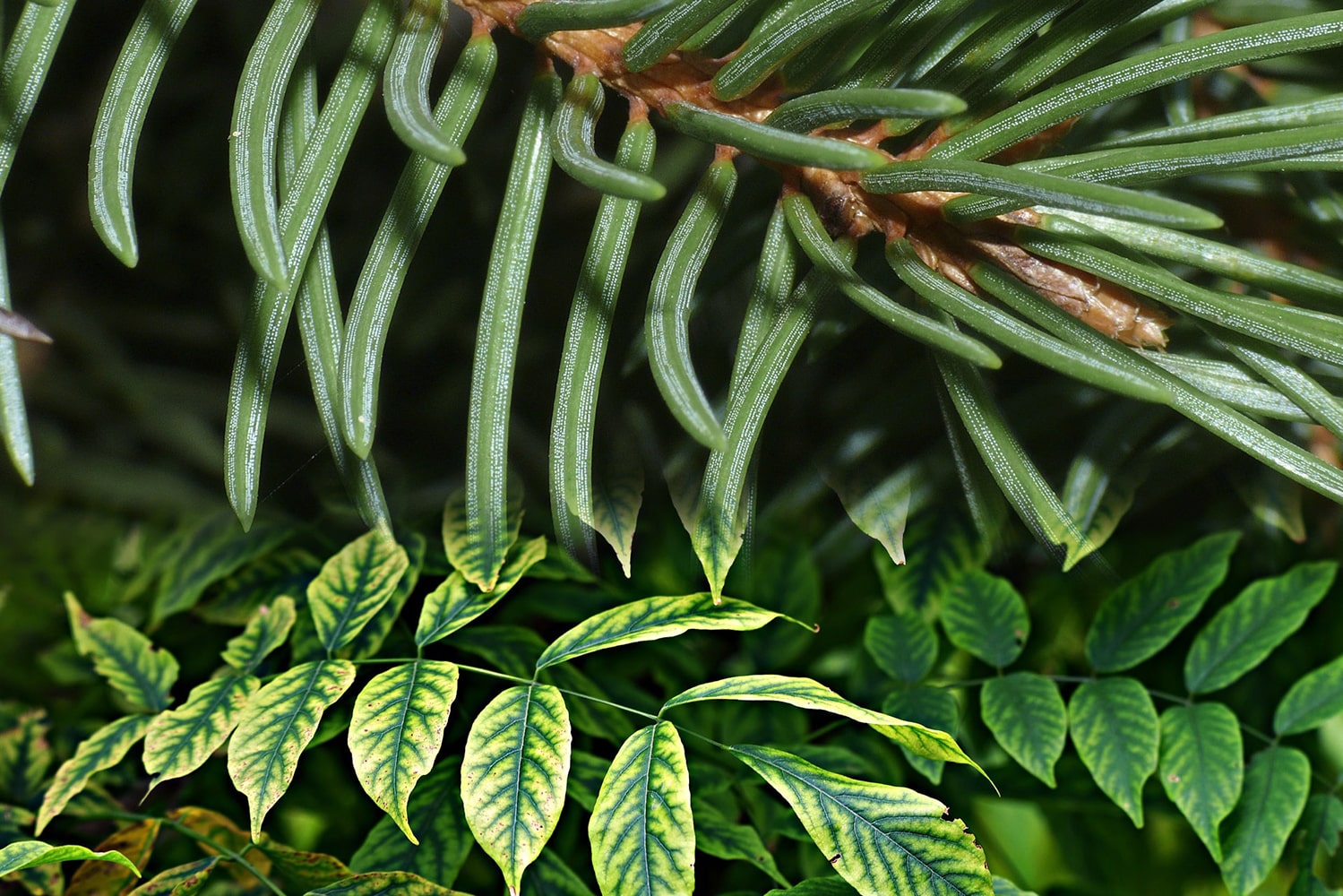
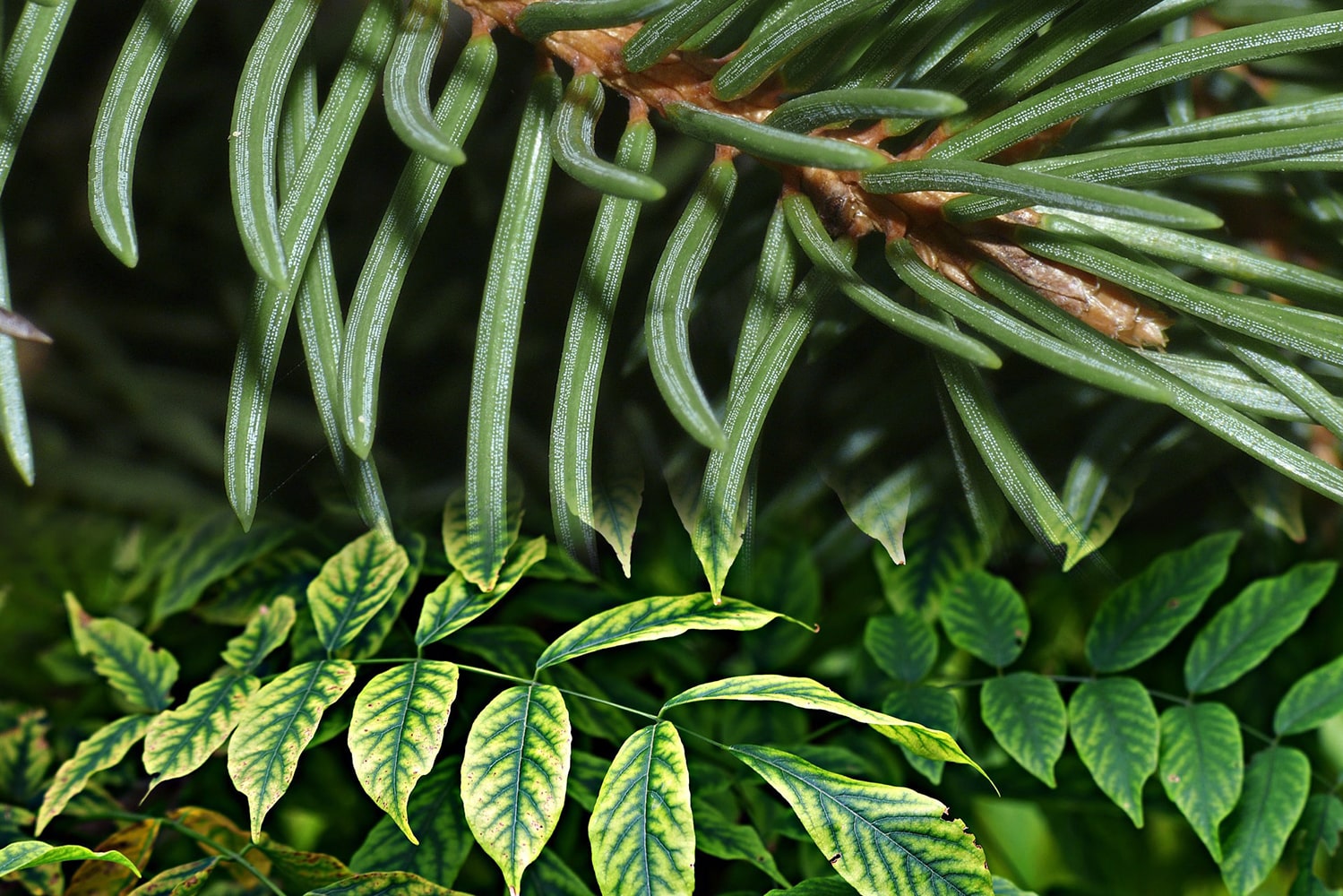
Insects, Diseases, or Other Plant Issues: It is vulnerable to oak wilt and chlorosis, which is characterized by yellowing leaves while the veins remain green, particularly when the soil lacks sufficient acidity.
#deciduous
#fall color
#shade tree
#specimen
#wildlife plant
#native tree
#moths
#cover plant
#street tree
#playground
#lawn tree
#small mammals
#food source
#low flammability
#NC native
#buffer
#black bears
#wild turkeys
#deer resistant
#woodpeckers
#acorns
#nighttime garden
#children's garden
#fire resistant
#edible fruits
#screening
#Braham Arboretum
#larval host plant
#food source fall
#food source herbage
#bird friendly
#food source hard mast fruit
#mammals
#butterfly friendly
#moth larvae
#Piedmont Mountains FACU
#Coastal FACU
#larval host tree
#pollinator garden
#problem for horses
#audubon
#banded hairstreak butterfly
#gray hairstreak butterfly
#imperial moth
#juvenal’s duskywing butterfly
#edward’s hairstreak butterfly
#white-m hairstreak butterfly
#horace’s duskywing butterfly