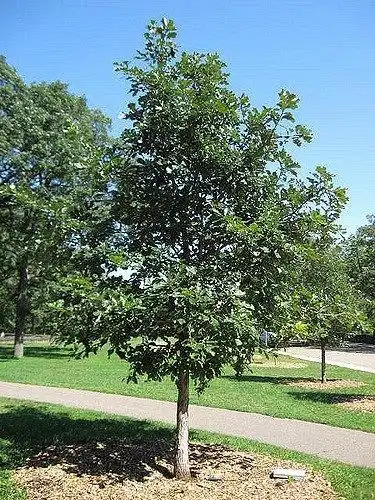
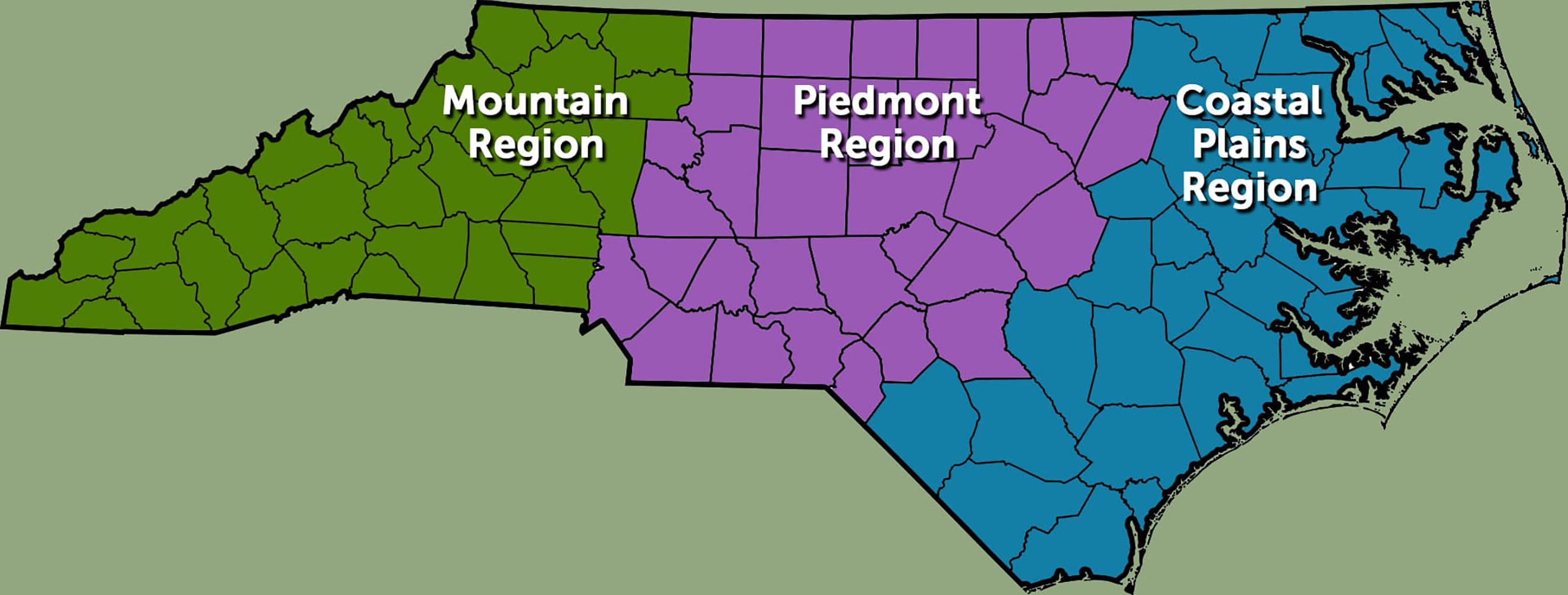
The Swamp White Oak is a sizable deciduous tree that can reach heights of up to 80 feet and boasts a long lifespan. It thrives in North Carolina, particularly on dry plains and ridges with poorer soil, as well as in the foothills of the Appalachian Mountains. Its broad, rounded crown makes it an excellent choice for providing shade over large areas. This tree produces a plentiful acorn harvest every three to five years, which is a favorite food source for wildlife. The acorns are easily recognized by their long stalks. For optimal growth, it is best to plant the Swamp White Oak near ponds, streams, or other moist environments. Pruning of lower branches may be necessary to ensure adequate height clearance.
This species prefers moist to wet acidic soils rich in minerals but can adapt to drier conditions as well. Its root system allows it to withstand areas prone to spring flooding and relatively dry summers. While it is resilient to heat and drought, it is sensitive to soil compaction, salt, and air pollution.
Although the Swamp White Oak can be affected by various insect pests, fungi, cankers, and wilts, these issues are generally not severe. However, it is particularly vulnerable to oak wilt.
The inner bark was used heavily in the leather tanning industry and it also produced an important yellow dye. Native Americans used it to treat a wide variety of ailments. Native Americans and pioneers used the nuts for food. Roasted acorns have been ground and used as a coffee substitute. The wood is used in furniture but is not as valuable as white oak due to having more knots.
AL , CT , DC , DE , IA , IL , IN , KY , MA , MD , ME , MI , MN , MO , NC , NH , NJ , NY , OH , PA , RI , SC , TN , VA , VT , WI , WV Canada: ON. Found from Minnesota down into Tennessee and over into North Carolina and South Carolina. It can also be found in New York and up into Canada.
This tree is mildly resistant to damage by deer. The wildlife value is high. The acorns are eaten by woodpeckers, blue jays, small mammals, wild turkeys, white-tailed deer, and black bears. Oak trees support a wide variety of Lepidopteran. You may see Imperial Moth (Eacles imperialis) larvae which have one brood per season and appear from April-October in the south. Adult Imperial Moths do not feed. Banded Hairstreak (Satyrium calanus), which have one flight from June-August everywhere but Florida where they emerge April-May. Edward's Hairstreak (Satyrium edwardsii), has one flight from May-July in the south and June-July in the north. Gray Hairstreak (Strymon melinus), has three to four flights in the south from February-November and two flights in the north from May-September. White-M Hairstreak (Parrhasius m-album) has three broods in the north from February-October. Horace’s Duskywing (Erynnis horatius) has three broods in Texas and the deep south from January-November, and two broods in the north from April-September. Juvenal’s Duskywing (Erynnis juvenalis) has one brood from April-June, appearing as early as January in Florida. It attracts a wide range of insects which in turn feed the birds.
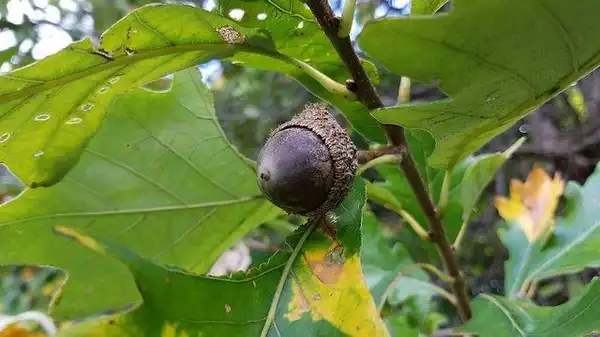
1/2- to 3/4 in. shiny brown acorns are often in groups of 2-4 and have long stalks. The cap encloses 1/3–1/2 of the acorn and has grayish scales and fine hairs. Produces a good crop every 3 to 5 years. Matures in 1 to 2 years. Fruit is available September-October.
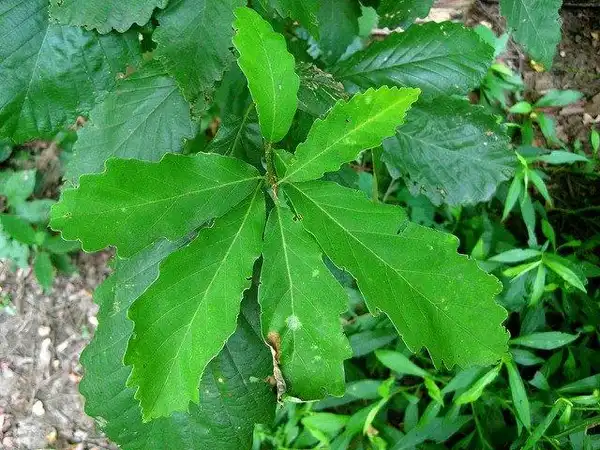
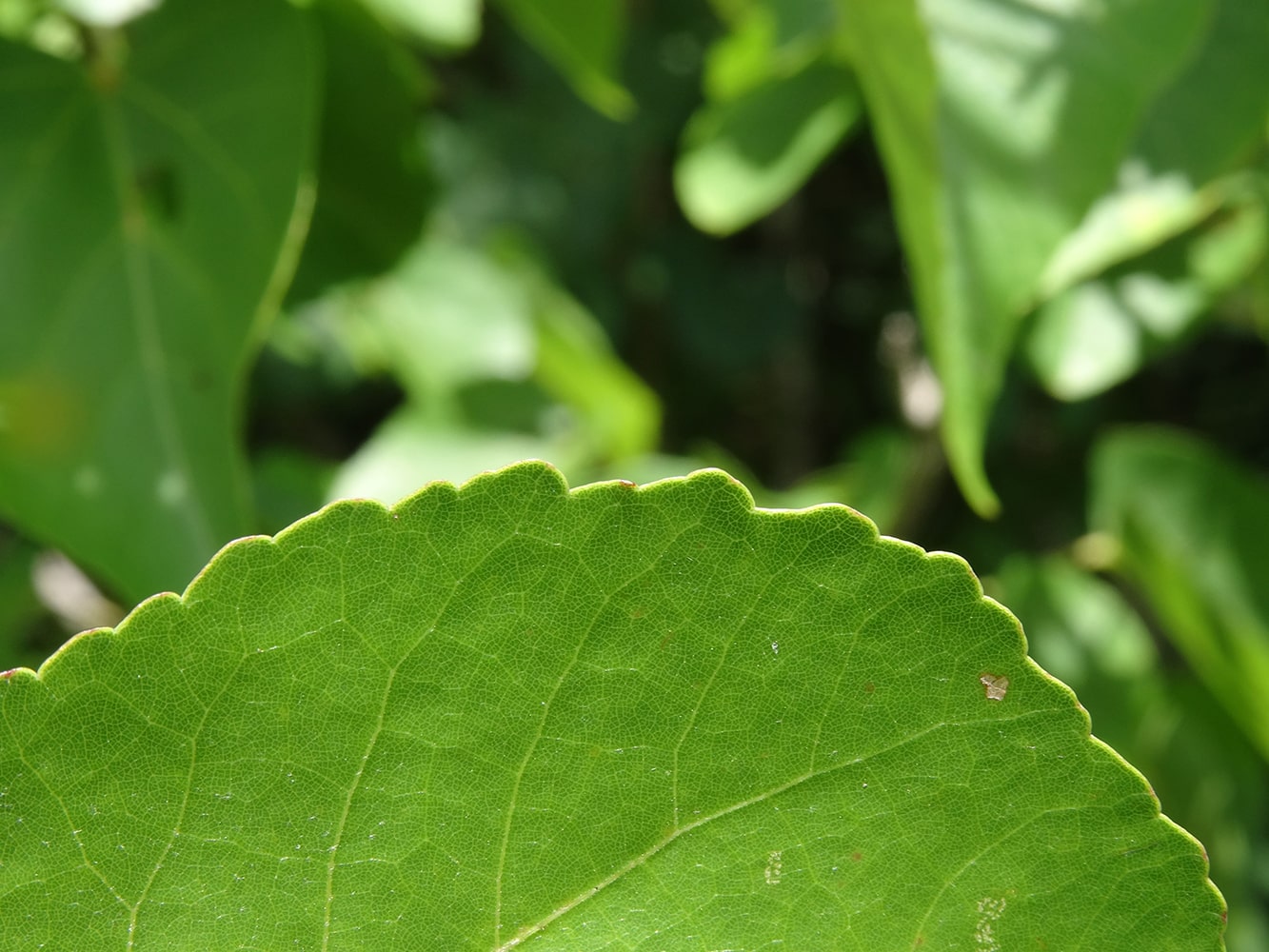
Leaves are 3-9" long and 2½-6" across. Because it hybridizes easily in the wild, there is variation in leaf shape and winter color. Margins can be moderate to deeply lobed with shallow rounded teeth or toothed in the distal half only. Undersides of the leaves are hairy and lighter green or white, especially on younger leaves, giving it an interesting effect in the wind. Winter color can be brown to yellows or reds. The leaves are broad and ovoid.
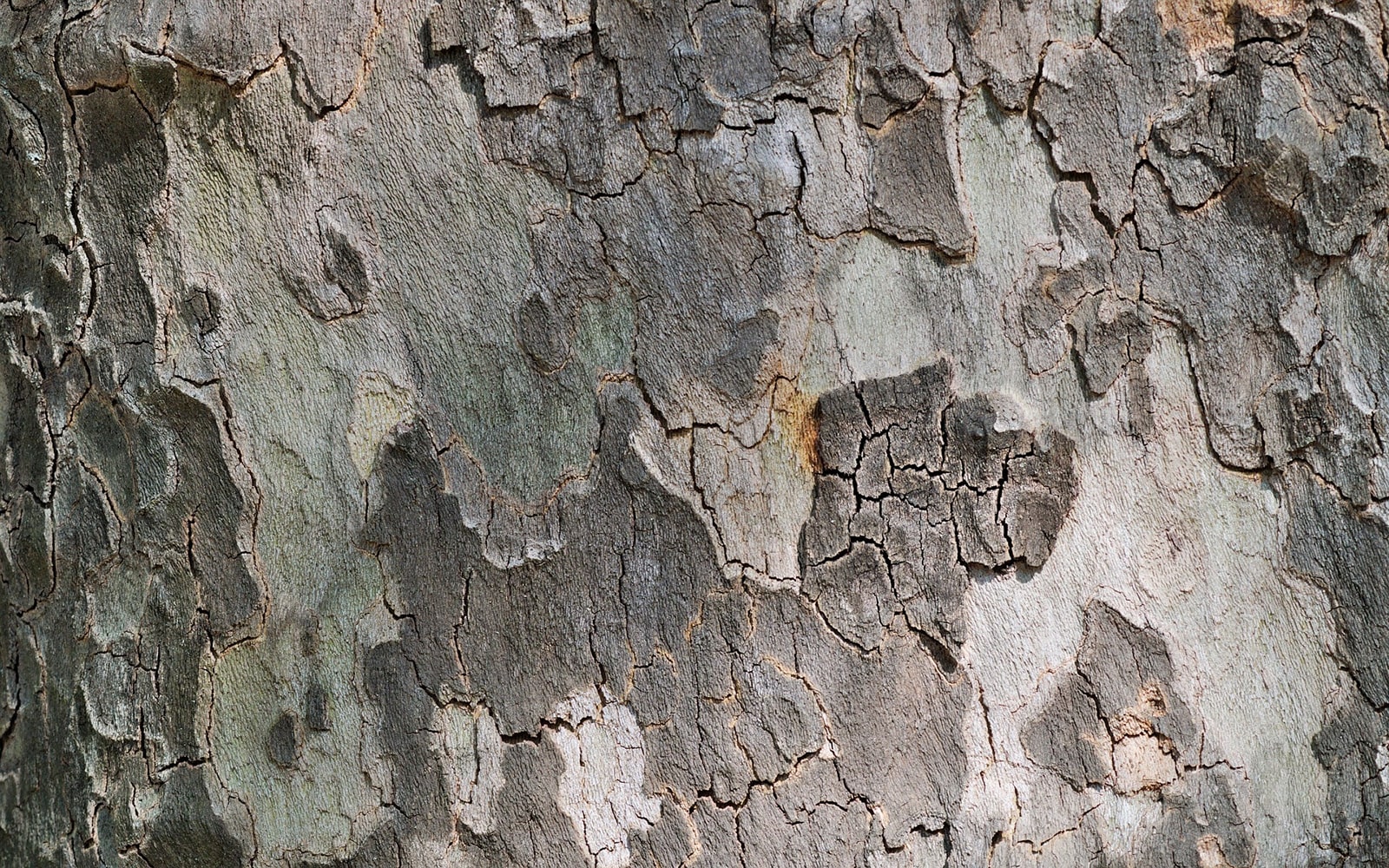
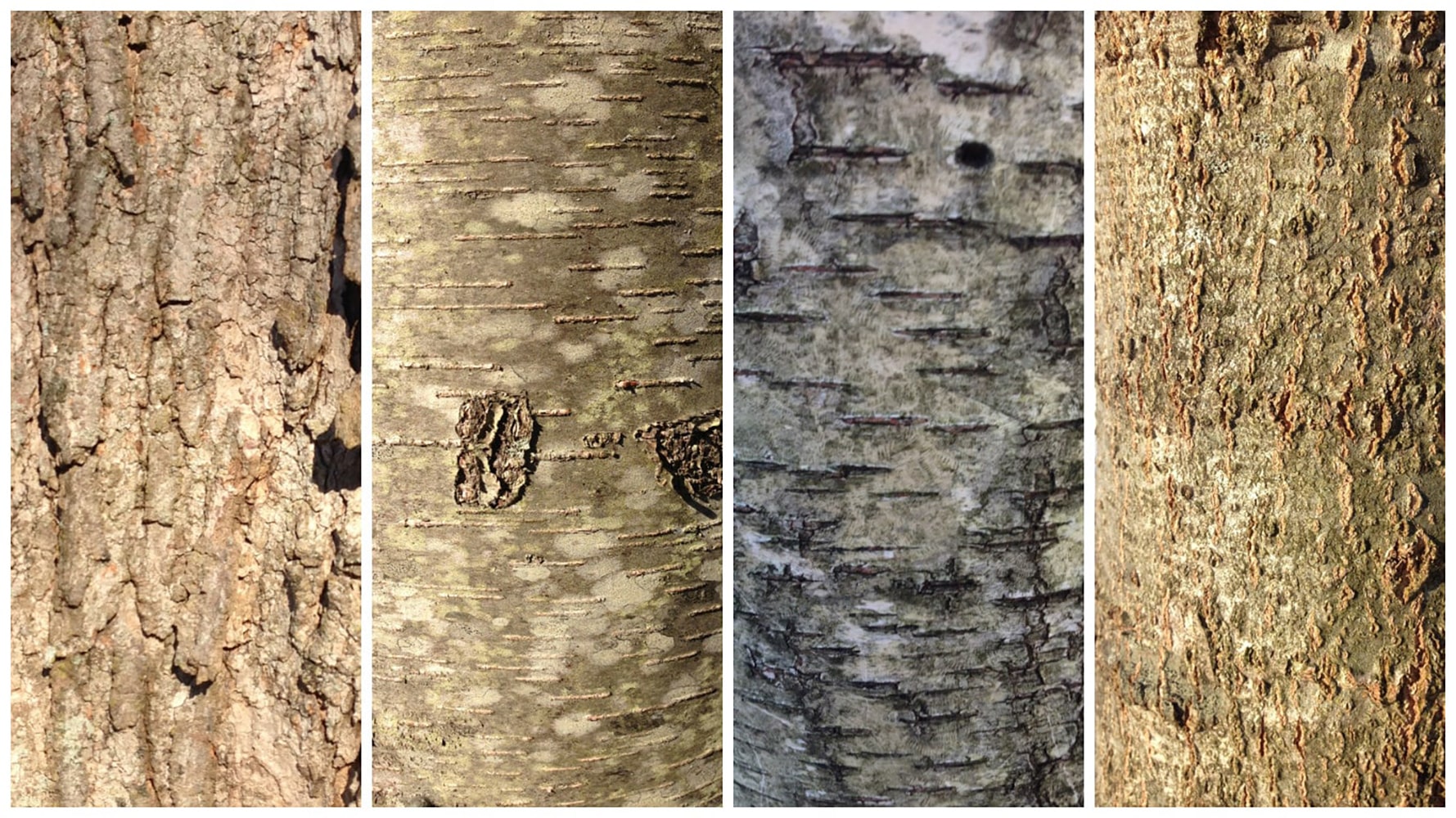
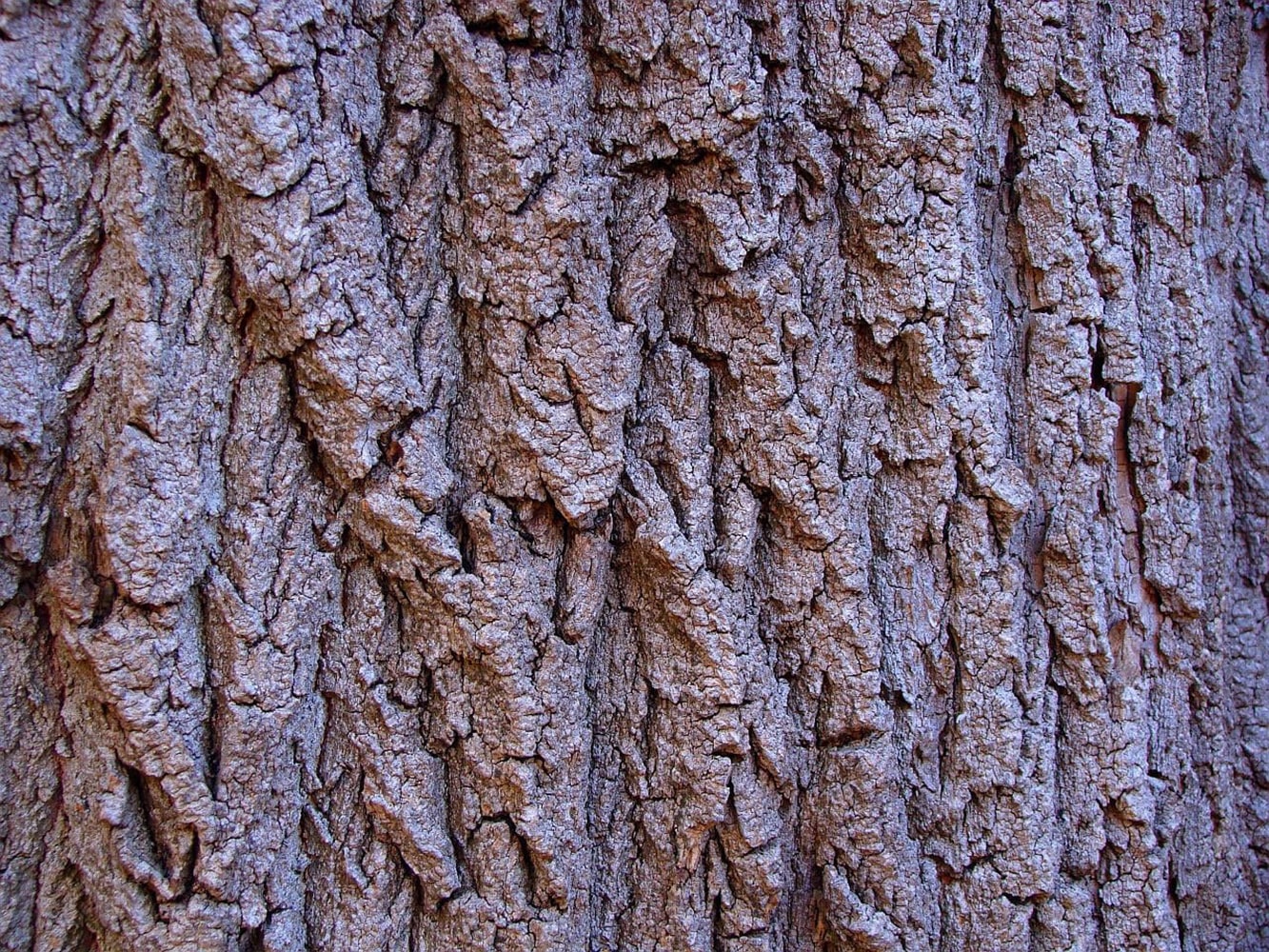
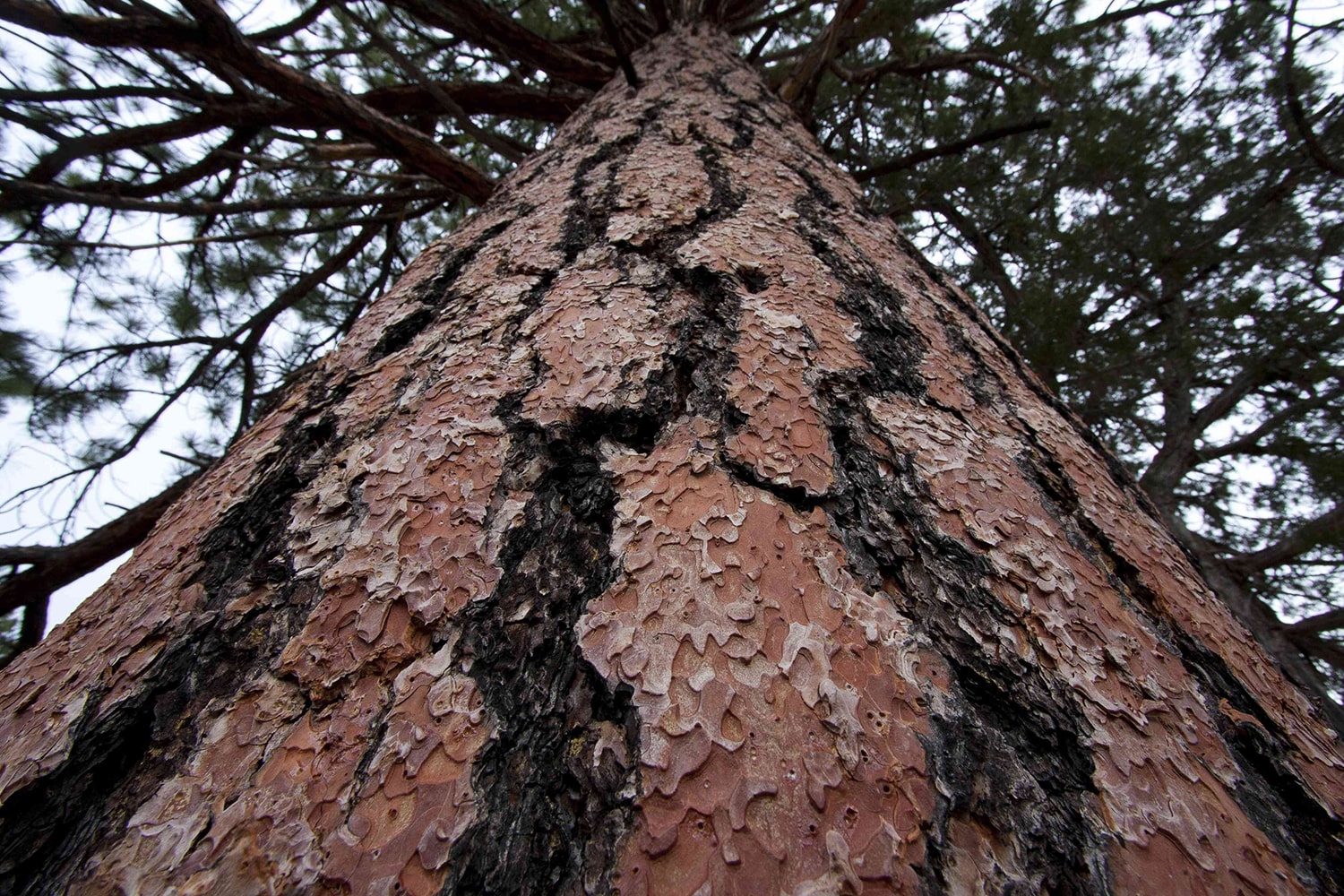
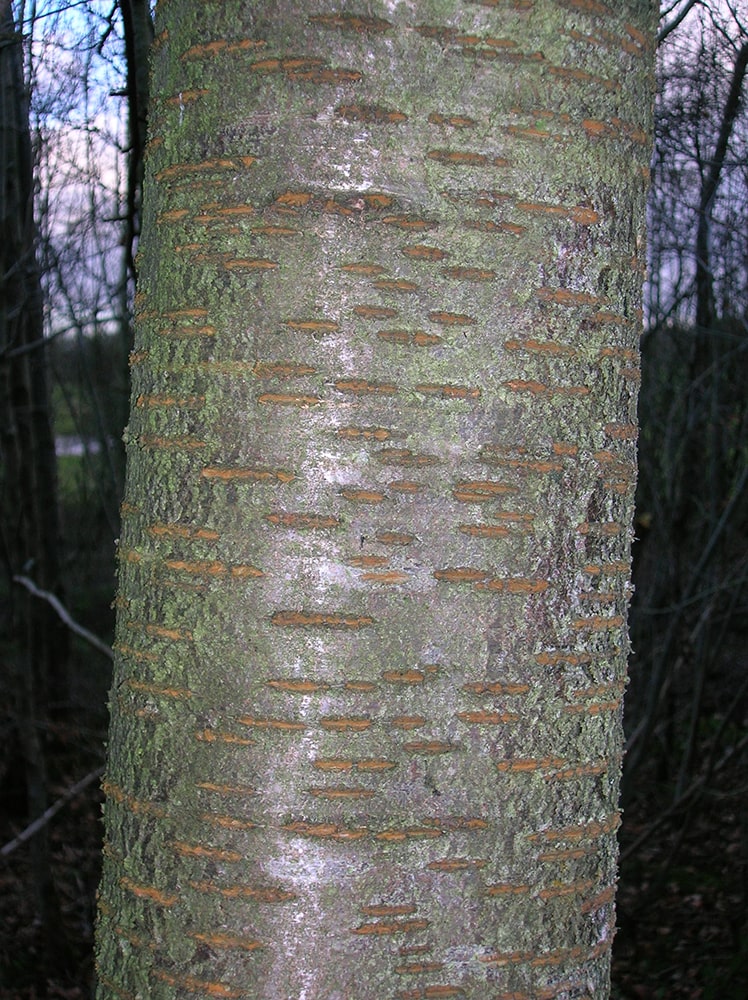
Depending on the age of the tree the bark can be brown to grey in color. With age, it has a scaly appearance, rough with deep, vertical furrows and horizontal breaks, and may begin to peel. When young, the bark is smooth. The inner bark is yellow-orange and bitter tasting.
The inner bark was used heavily in the leather tanning industry and it also produced an important yellow dye. Native Americans used it to treat a wide variety of ailments. Native Americans and pioneers used the nuts for food. Roasted acorns have been ground and used as a coffee substitute. The wood is used in furniture but is not as valuable as white oak due to having more knots.
Quercus bicolor: Country Or Region Of Origin
South East Canada to Northern Central & Eastern U.S.A
Quercus bicolor: Distribution
AL , CT , DC , DE , IA , IL , IN , KY , MA , MD , ME , MI , MN , MO , NC , NH , NJ , NY , OH , PA , RI , SC , TN , VA , VT , WI , WV Canada: ON. Found from Minnesota down into Tennessee and over into North Carolina and South Carolina. It can also be found in New York and up into Canada.
Quercus bicolor: Wildlife Value
This tree is mildly resistant to damage by deer. The wildlife value is high. The acorns are eaten by woodpeckers, blue jays, small mammals, wild turkeys, white-tailed deer, and black bears. Oak trees support a wide variety of Lepidopteran. You may see Imperial Moth (Eacles imperialis) larvae which have one brood per season and appear from April-October in the south. Adult Imperial Moths do not feed. Banded Hairstreak (Satyrium calanus), which have one flight from June-August everywhere but Florida where they emerge April-May. Edward's Hairstreak (Satyrium edwardsii), has one flight from May-July in the south and June-July in the north. Gray Hairstreak (Strymon melinus), has three to four flights in the south from February-November and two flights in the north from May-September. White-M Hairstreak (Parrhasius m-album) has three broods in the north from February-October. Horace’s Duskywing (Erynnis horatius) has three broods in Texas and the deep south from January-November, and two broods in the north from April-September. Juvenal’s Duskywing (Erynnis juvenalis) has one brood from April-June, appearing as early as January in Florida. It attracts a wide range of insects which in turn feed the birds.
Quercus bicolor: Edibility
Acorns (nuts) are edible after tannins are leached or boiled out.
Quercus bicolor: Life Cycle
Annual
Biennial
Bulb
Perennial
Woody
Quercus bicolor: Recommended Propagation Strategy
Division
Grafting
Layering
Leaf Cutting
Root Cutting
Seed
Stem Cutting
Quercus bicolor: Play Value
Attractive Flowers
Attracts Pollinators
Buffer
Colorful
Defines Paths
Easy to Grow
Edible fruit
Fragrance
Pieces Used in Games
Screening
Shade
Sound
Textural
Wildlife Cover/Habitat
Wildlife Food Source
Wildlife Larval Host
Wildlife Nesting
Wind Break
Wind Shimmer
Quercus bicolor: Fire Risk Rating
extreme flammability
high flammability
low flammability
medium flammability
Quercus bicolor Fruit
Quercus bicolor: Fruit Description
1/2- to 3/4 in. shiny brown acorns are often in groups of 2-4 and have long stalks. The cap encloses 1/3–1/2 of the acorn and has grayish scales and fine hairs. Produces a good crop every 3 to 5 years. Matures in 1 to 2 years. Fruit is available September-October.
Quercus bicolor: Fruit Type
Achene
Aggregate
Berry
Capsule
Caryopsis
Drupe
Follicle
Legume
Nut
Pome
Samara
Schizocarp
Siliqua
Quercus bicolor: Fruit Color
grass
Brown/Copper
Quercus bicolor: Fruit Value To Gardener
Edible
Fragrant
Good Cut
Good Dried
Long Bloom Season
Long-lasting
Showy
Quercus bicolor: Display/Harvest Time
Fall
Spring
Summer
Winter
Quercus bicolor: Fruit Length
< 1 inch
1-3 inches
> 3 inches
Quercus bicolor: Fruit Width
< 1 inch
1-3 inches
> 3 inches
Quercus bicolor Flowers
Quercus bicolor: Flower Description
Flowers are in drooping, elongated clusters. Male flowers yellow-green, females green to red. Flowers bloom in April.
Quercus bicolor: Flower Color
filter_vintage
Gold/Yellow
filter_vintage
Green
filter_vintage
Red/Burgundy
Quercus bicolor: Flower Inflorescence
Catkin
Corymb
Cyme
Head
Insignificant
Panicle
Raceme
Solitary
Spadix
Spike
Umbel
Quercus bicolor: Flower Bloom Time
Winter
Spring
Summer
Fall
Quercus bicolor Leaves
Quercus bicolor: Leaf Description
Leaves are 3-9" long and 2½-6" across. Because it hybridizes easily in the wild, there is variation in leaf shape and winter color. Margins can be moderate to deeply lobed with shallow rounded teeth or toothed in the distal half only. Undersides of the leaves are hairy and lighter green or white, especially on younger leaves, giving it an interesting effect in the wind. Winter color can be brown to yellows or reds. The leaves are broad and ovoid.
Quercus bicolor: Woody Plant Leaf Characteristics
Broadleaf Evergreen
Deciduous
Needled Evergreen
Semi-evergreen
Quercus bicolor: Leaf Color
spa
Brown/Copper
spa
Gold/Yellow
spa
Green
spa
White
Quercus bicolor: Deciduous Leaf Fall Color
spa
Brown/Copper
spa
Gold/Yellow
spa
Red/Burgundy
Quercus bicolor: Leaf Type
Compound (Pinnately , Bipinnately, Palmately)
Fronds
Needles
Sheath
Simple
Quercus bicolor: Leaf Arrangement
Alternate
Opposite
Other/more complex
Rosulate
Whorled
Quercus bicolor: Leaf Shape
Acicular
Auriculate
Cordate
Cuneate
Deltoid
Elliptical
Filiform
Lanceolate
Linear
Oblanceolate
Oblong
Obovate
Obtuse
Orbicular
Ovate
Palmasect
Palmatifid
Peltate
Pinnatifid
Pinnatisect
Reniform
Rhomboidal
Spatulate
Subcordate
Subulate
Quercus bicolor: Leaf Margin
Crenate
Crenulate
Dentate
Denticulate
Doubly Crenate
Doubly Dentate
Doubly Serrate
Entire
Lobed
Serrate
Sinuate
Undulate
Quercus bicolor: Hairs Present
No
Yes
Quercus bicolor: Leaf Length
< 1 inch
1-3 inches
3-6 inches
> 6 inches
Quercus bicolor: Leaf Feel
Fleshy
Glossy
Leathery
Papery
Prickly
Rough
Rubbery
Slippery
Smooth
Soft
Velvety
Waxy
Quercus bicolor: Leaf Value To Gardener
Edible
Fragrant
Good Cut
Good Dried
Long-lasting
Showy
Quercus bicolor: Leaf Width
< 1 inch
1-3 inches
3-6 inches
> 6 inches
Quercus bicolor Bark
Quercus bicolor: Bark Description
Depending on the age of the tree the bark can be brown to grey in color. With age, it has a scaly appearance, rough with deep, vertical furrows and horizontal breaks, and may begin to peel. When young, the bark is smooth. The inner bark is yellow-orange and bitter tasting.
Quercus bicolor: Bark Color
grass
Dark Brown
grass
Dark Gray
grass
Light Gray
Quercus bicolor: Surface/Attachment
Bumpy
Exfoliating
Fissured
Furrowed
Lenticels
Papery
Patchy
Peeling
Ridges
Scaly
Shaggy
Shiny
Shredding
Smooth
Spongy
Quercus bicolor: Bark Plate Shape
Diamond
Irregular
Oval
Rectangle
Round
Square
Quercus bicolor Stem
Quercus bicolor: Stem Description
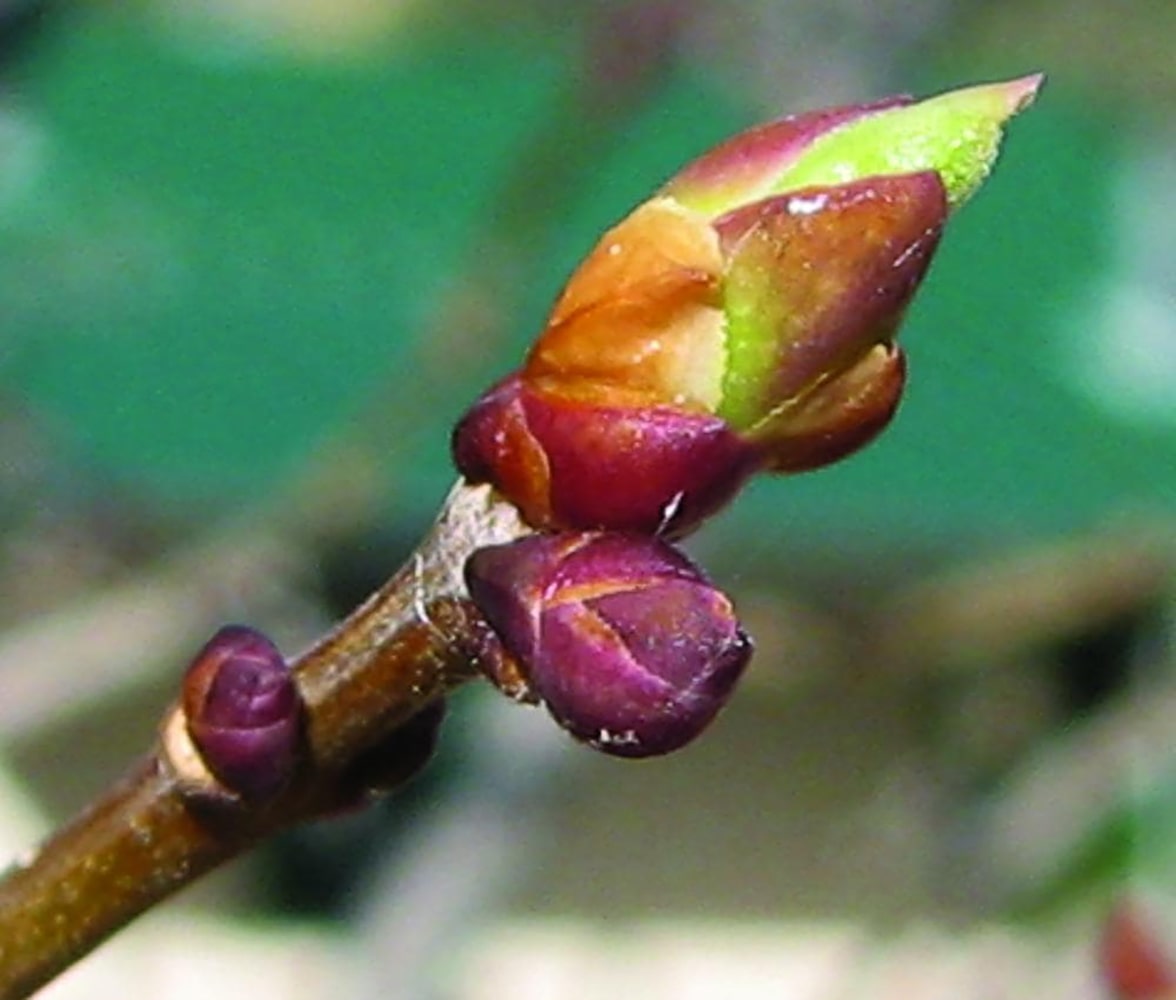
Twigs are brown or gray, smooth, and covered with scattered white lenticels.
Quercus bicolor: Stem Color
grass
Brown/Copper
grass
Gray/Silver
Quercus bicolor: Stem Is Aromatic
No
Yes
Quercus bicolor: Stem Buds
Hairy
Hairy tips
Scaly
Smooth/Hairless
Quercus bicolor: Stem Bud Terminal
Cluster of terminal buds
Only 1 terminal bud, larger than side buds
Only 1 terminal bud, smaller than side buds
Quercus bicolor: Stem Lenticels
Conspicuous
Not Conspicuous
Quercus bicolor Poisonous to Humans
Quercus bicolor: Poison Symptoms
Abdominal pain, constipation then diarrhea (occasionally bloody), depression, frequent urination, discolored urine, jaundice; acorns can obstruct the digestive tract
Quercus bicolor: Poison Toxic Principle
Gallotannins, quercitrin, and quercitin.
Quercus bicolor: Poison Severity
High
Low
Medium
Quercus bicolor: Causes Contact Dermatitis
No
Yes
Quercus bicolor: Poison Part
Bark
Flowers
Fruits
Leaves
Roots
Sap/Juice
Seeds
Stems
Quercus bicolor Whole Plant Traits
Quercus bicolor: Plant Type
Annual
Bulb
Carnivorous
Edible
Epiphyte
Fern
Ground Cover
Herb
Herbaceous Perennial
Houseplant
Mushroom
Native Plant
Ornamental Grasses and Sedges
Perennial
Poisonous
Rose
Shrub
Succulent
Tree
Turfgrass
Vegetable
Vine
Water Plant
Weed
Wildflower
Quercus bicolor: Woody Plant Leaf Characteristics
Broadleaf Evergreen
Deciduous
Needled Evergreen
Semi-evergreen
Quercus bicolor: Habit/Form
Arching
Ascending
Broad
Cascading
Climbing
Clumping
Columnar
Conical
Creeping
Dense
Erect
Horizontal
Irregular
Mounding
Multi-stemmed
Multi-trunked
Open
Oval
Prostrate
Pyramidal
Rounded
Spreading
Vase
Weeping
Quercus bicolor: Growth Rate
Slow
Medium
Rapid
Quercus bicolor: Maintenance
Low
Medium
High
Quercus bicolor: Texture
Fine
Medium
Coarse
Quercus bicolor Cultural Conditions
Quercus bicolor: Light
Dappled Sunlight (Shade through upper canopy all day)
Deep shade (Less than 2 hours to no direct sunlight)
Full sun (6 or more hours of direct sunlight a day)
Partial Shade (Direct sunlight only part of the day, 2-6 hours)