Quercus macrocarpa: Uses (Ethnobotany)
The valuable wood is used for f cabinets, barrels, hardwood flooring, and fence posts.
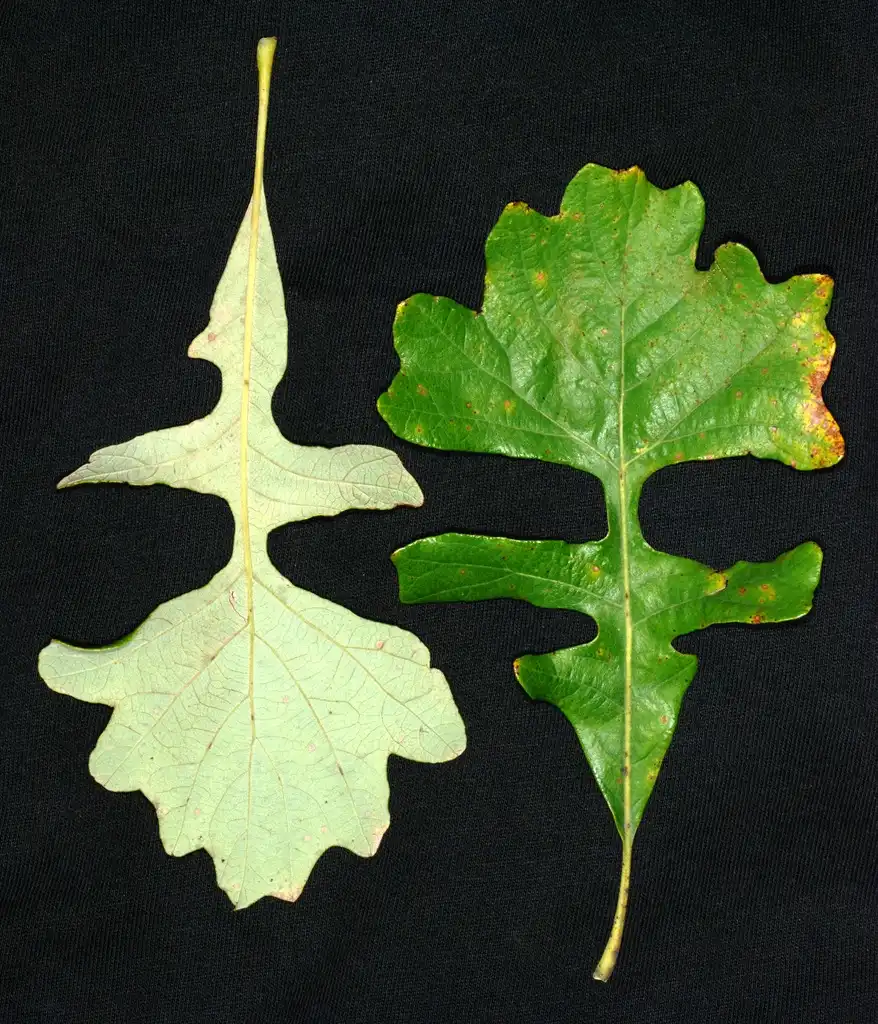
Phonetic Spelling:KWER-kus ma-kro-KAR-pa
Genus:Quercus
Species:macrocarpa
Family:Fagaceae
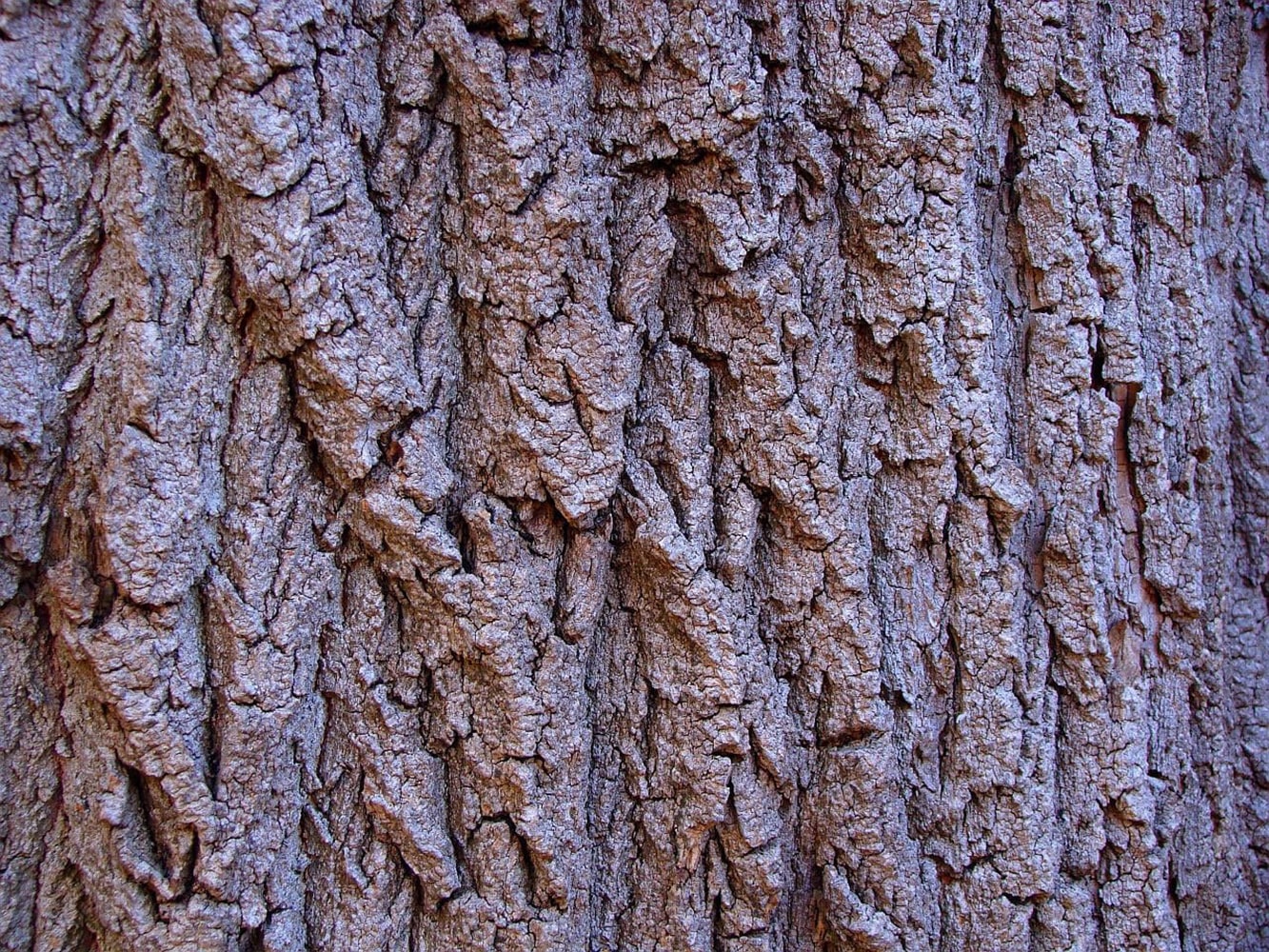
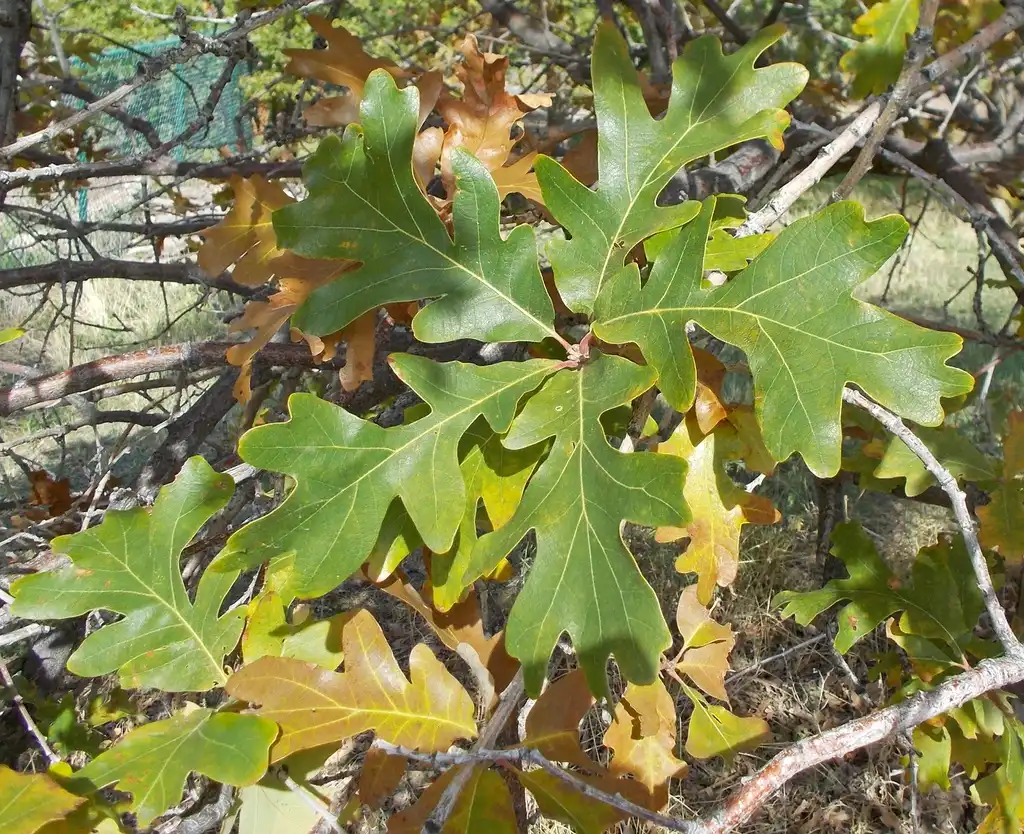
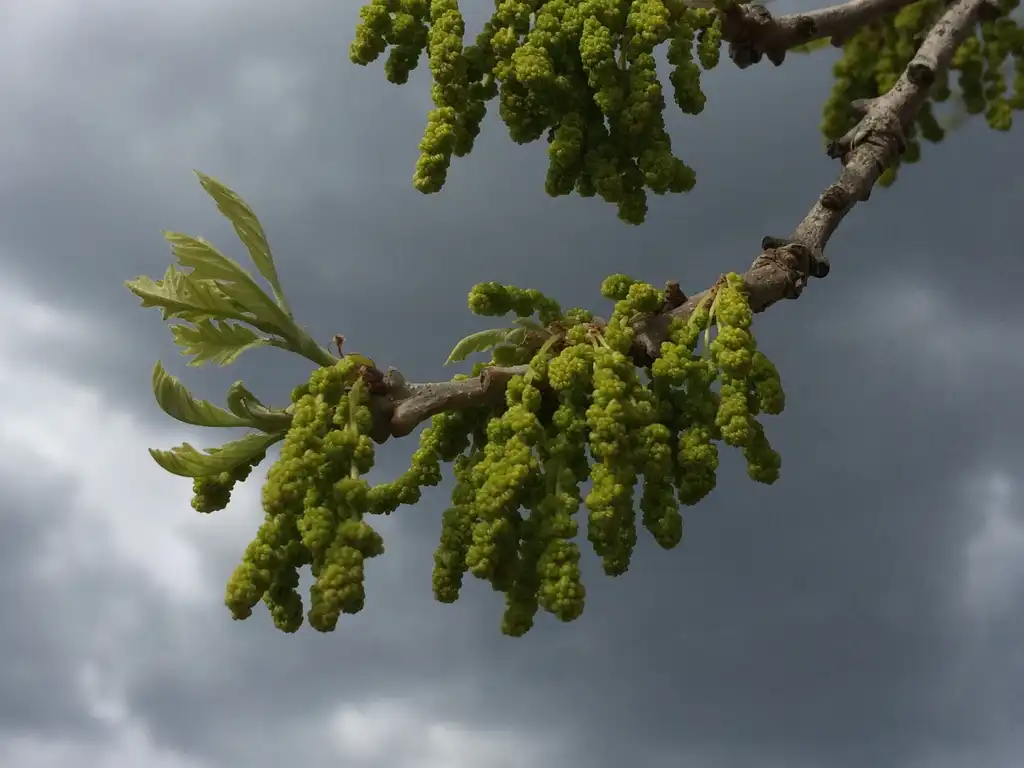
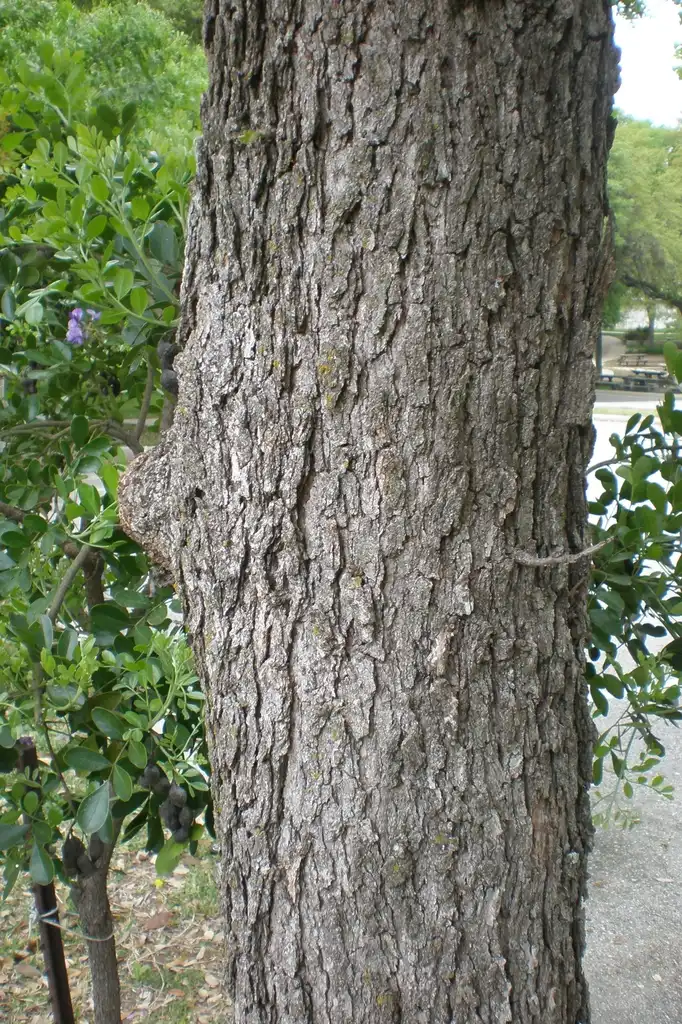
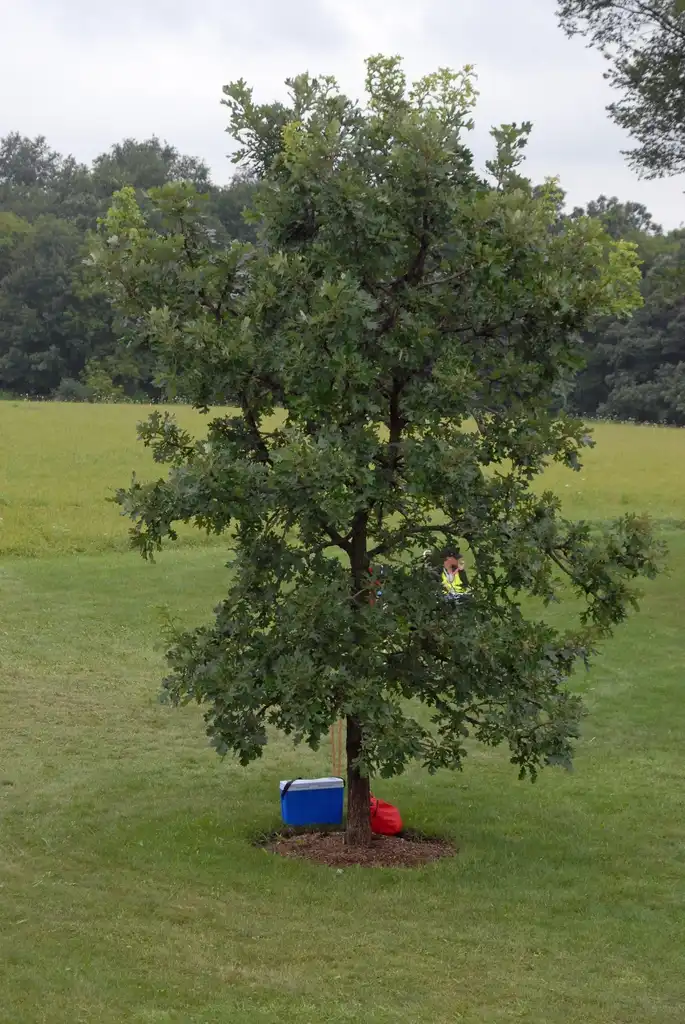
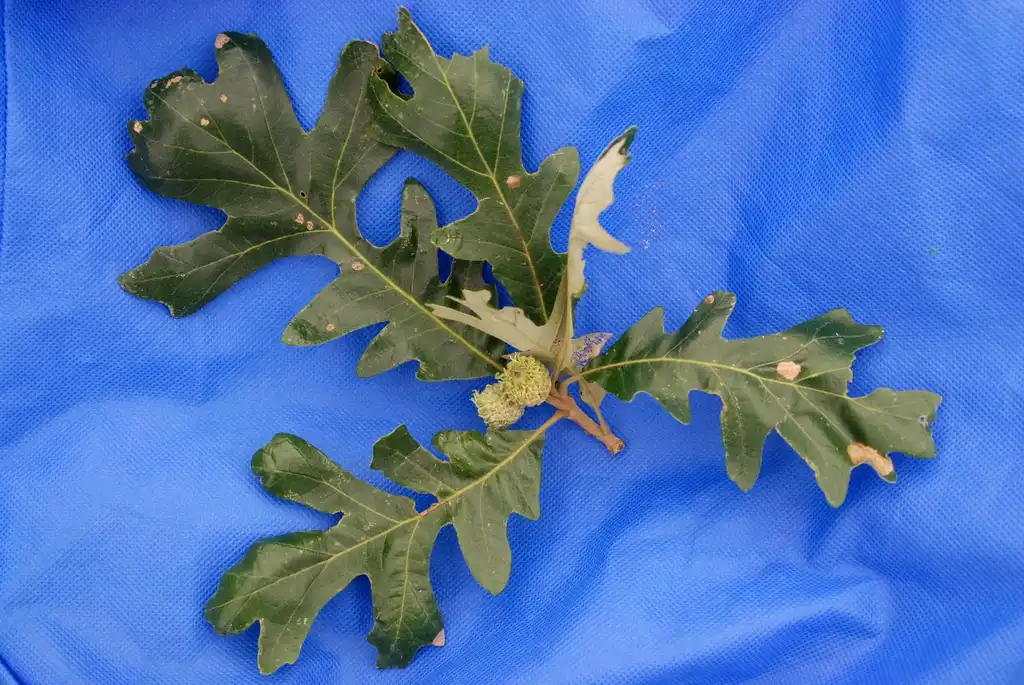
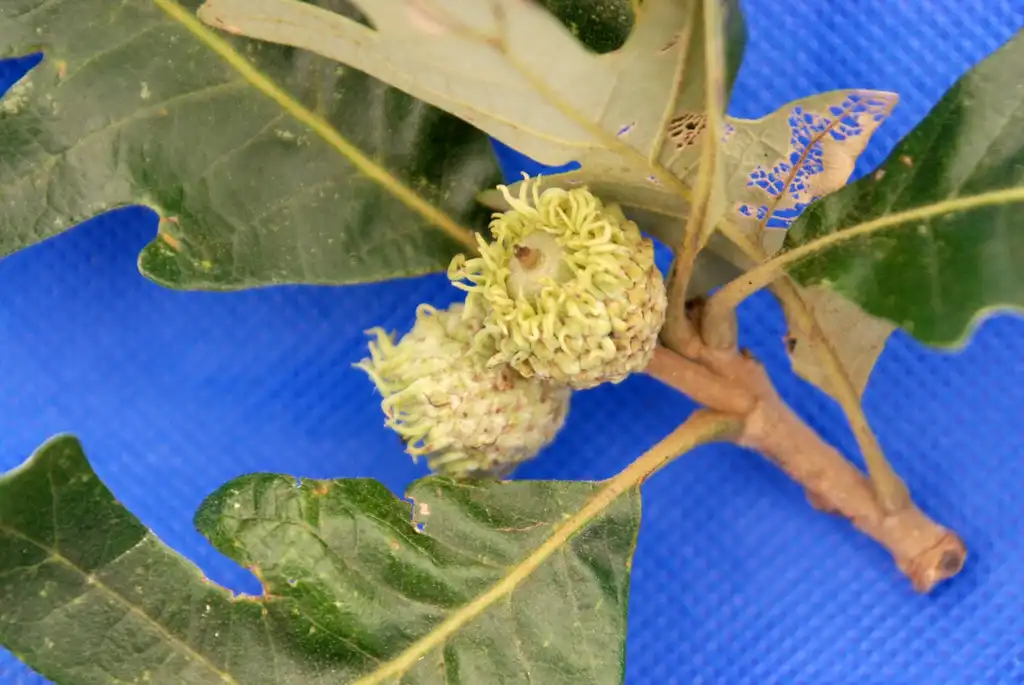
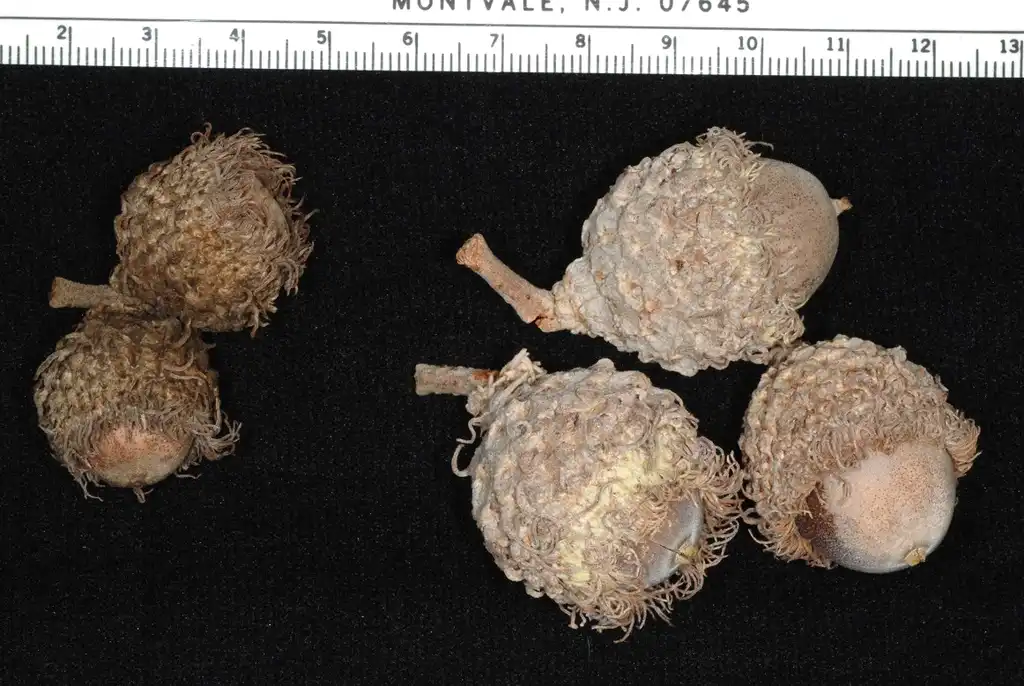
The bur oak is a sizable, drought-resistant tree that boasts a long lifespan and a relatively quick growth rate compared to other oaks. Its acorns are characterized by a distinctive bur or mossy texture, which is the origin of its common name. This species shows a greater tolerance for lime-rich soils than many other oak varieties. It is indigenous to the central plains and the Great Lakes regions of North America. The bur oak features robust branches, resilience to drought, hardiness in winter, and is largely free from significant insect infestations or diseases. While it thrives in fertile bottomland, it can also adapt to less-than-ideal soil conditions, such as rocky slopes or dry, clayey soils, provided it receives ample sunlight. However, its long taproot can pose challenges for transplantation.
This tree is ideal for use as a shade provider in spacious yards, parks, libraries, or other expansive areas where it has the space to flourish.
In terms of pests and diseases, bur oaks may encounter various insect threats, including borers, caterpillars, scale insects, nut weevils, oak skeletonizers, and leaf miners. Additionally, they can be susceptible to several diseases, such as chestnut blight, anthracnose, oak leaf blister, cankers, powdery mildew, leaf spots, and oak wilt.
Quercus macrocarpa Feature Summary
Quercus macrocarpa Image Gallery