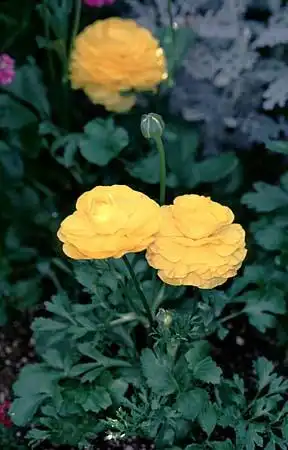
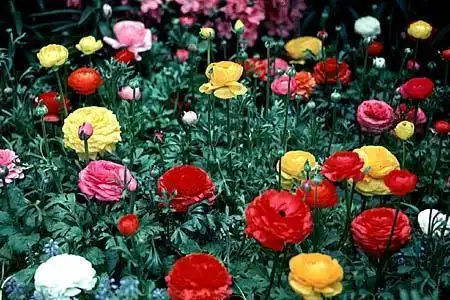
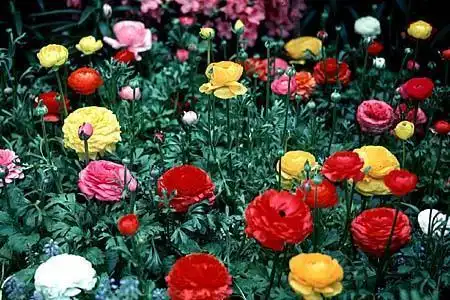
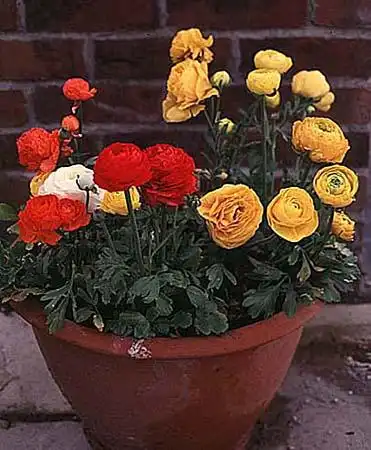
• Photo of Ranunculus hybrids (Ranunculus hybridss)

Plant Profile: Ranunculus hybrids

Names

Persian Buttercup

  • Photo of Ranunculus hybrids (Ranunculus hybridss)

Phonetic Spelling:ra-NUN-ku-lus HY-brids

Genus:Ranunculus

Species:hybrids

Family:Ranunculaceae

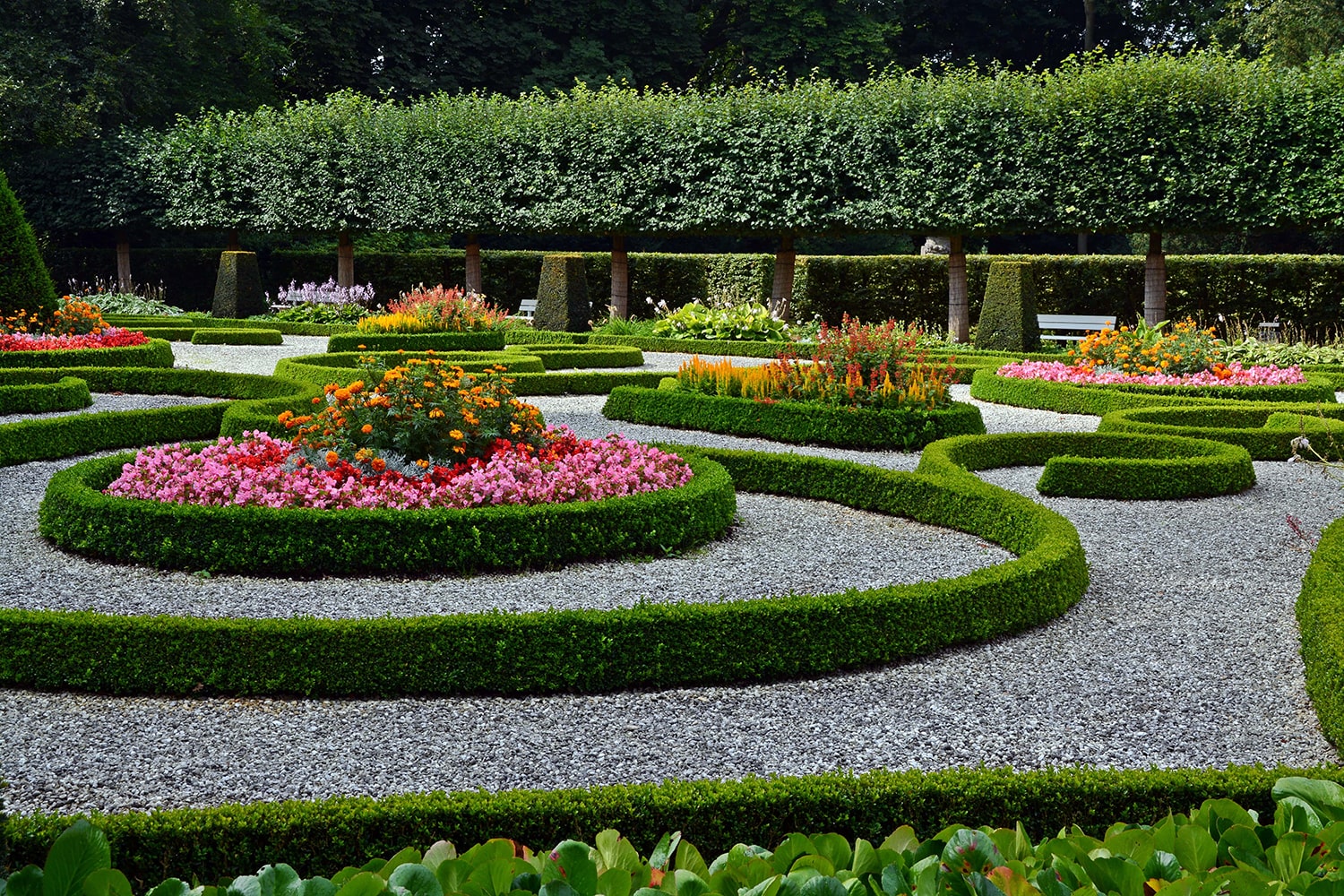
Applications: Ideal for use in beds, borders, rock gardens, and as fresh cut flowers.

Botanical Structure: Tuberous root.

Cold Resistance: Semi-hardy; susceptible to damage when temperatures drop below 28°F (-2°C) after planting.

Toxic Parts: All components of the plant.

Mode of Toxicity: Can cause harm through ingestion or skin contact.

Toxicity Level: Considered toxic only if consumed in large amounts; skin irritation is typically minor and short-lived.

Habitat: Commonly found in forests and natural settings, often seen as a weed in disturbed areas, and utilized in landscapes as herbaceous perennials.

Ranunculus hybrids Feature Summary

Ranunculus hybrids Image Gallery

Tags

#problem for cats
#problem for dogs
#problem for horses

Similar Plants

Ranunculus hybrids Feature Summary

Attributes
Eastern Mediterranean
Fruit
Fruit a head of small, dry achenes.
Flowers
Flower yellow, thimblelike, often shiny
Gold/Yellow
Leaves
leaves alternate, palmately lobed or divided
Compound (Pinnately , Bipinnately, Palmately)
Poisonous to Humans
Ingestion causes burning of the mouth, abdominal pain, vomiting, depression, anorexia, hypersalivation, wobbly gait, and bloody diarrhea. Skin redness, burning sensation, and blisters following contact with cell sap.
Protoanemonin, released from the glycoside ranunculin.
Seeds
Leaves
Stems
Sap/Juice
Flowers
Bark
Fruits
Roots
Whole Plant Traits
Poisonous
Bulb
Landscape
Problem for Cats
Problem for Dogs
Problem for Horses

Ranunculus hybrids Attributes

Ranunculus hybrids: Country Or Region Of Origin

Eastern Mediterranean
Ranunculus hybrids Fruit

Ranunculus hybrids: Fruit Description

Fruit a head of small, dry achenes.

Ranunculus hybrids: Fruit Type

Achene
Aggregate
Berry
Capsule
Caryopsis
Drupe
Follicle
Legume
Nut
Pome
Samara
Schizocarp
Siliqua

Ranunculus hybrids Flowers

Ranunculus hybrids: Flower Description

Flower yellow, thimblelike, often shiny

Ranunculus hybrids: Flower Color

filter_vintage
Gold/Yellow

Ranunculus hybrids: Flower Value To Gardener

Edible
Fragrant
Good Cut
Good Dried
Long Bloom Season
Long-lasting
Showy

Ranunculus hybrids: Flower Bloom Time

Winter
Spring
Summer
Fall

Ranunculus hybrids Leaves

Ranunculus hybrids: Leaf Description

leaves alternate, palmately lobed or divided

Ranunculus hybrids: Leaf Type

Compound (Pinnately , Bipinnately, Palmately)
Fronds
Needles
Sheath
Simple

Ranunculus hybrids: Leaf Arrangement

Alternate
Opposite
Other/more complex
Rosulate
Whorled

Ranunculus hybrids: Hairs Present

No
Yes

Ranunculus hybrids Poisonous to Humans

Ranunculus hybrids: Poison Symptoms

Ingestion causes burning of the mouth, abdominal pain, vomiting, depression, anorexia, hypersalivation, wobbly gait, and bloody diarrhea. Skin redness, burning sensation, and blisters following contact with cell sap.

Ranunculus hybrids: Poison Toxic Principle

Protoanemonin, released from the glycoside ranunculin.

Ranunculus hybrids: Poison Severity

High
Low
Medium

Ranunculus hybrids: Causes Contact Dermatitis

No
Yes

Ranunculus hybrids: Poison Part

Bark
Flowers
Fruits
Leaves
Roots
Sap/Juice
Seeds
Stems

Ranunculus hybrids Whole Plant Traits

Ranunculus hybrids: Plant Type

Annual
Bulb
Carnivorous
Edible
Epiphyte
Fern
Ground Cover
Herb
Herbaceous Perennial
Houseplant
Mushroom
Native Plant
Ornamental Grasses and Sedges
Perennial
Poisonous
Rose
Shrub
Succulent
Tree
Turfgrass
Vegetable
Vine
Water Plant
Weed
Wildflower

Ranunculus hybrids Stem

Ranunculus hybrids: Stem Is Aromatic

No
Yes

Ranunculus hybrids Landscape

Ranunculus hybrids: Problems

Allelopathic
Contact Dermatitis
Frequent Disease Problems
Frequent Insect Problems
Invasive Species
Malodorous
Messy
Poisonous to Humans
Problem for Cats
Problem for Children
Problem for Dogs
Problem for Horses
Short-lived
Spines/Thorns
Weak Wood
Weedy