Ribes sanguineum: Uses (Ethnobotany)
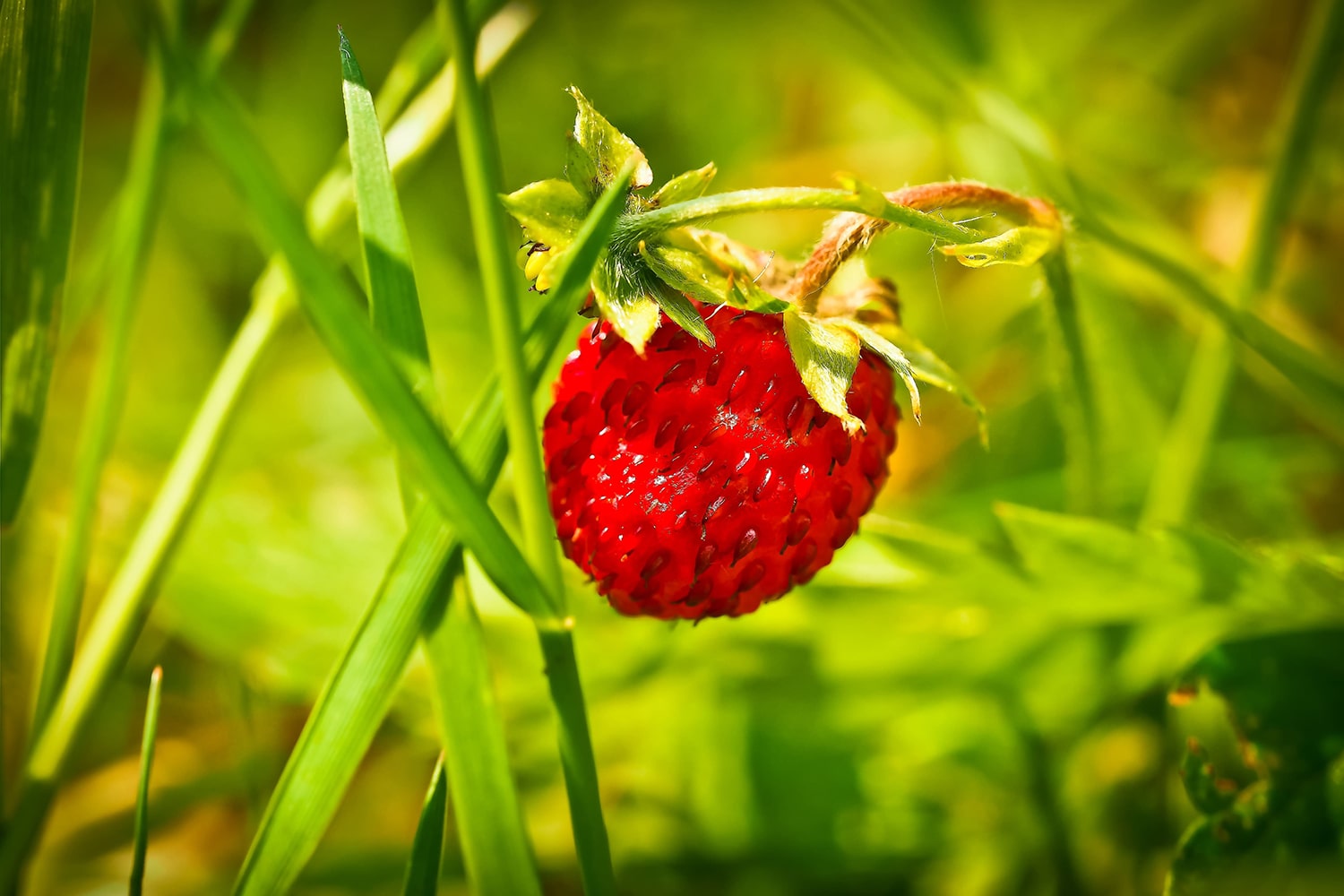
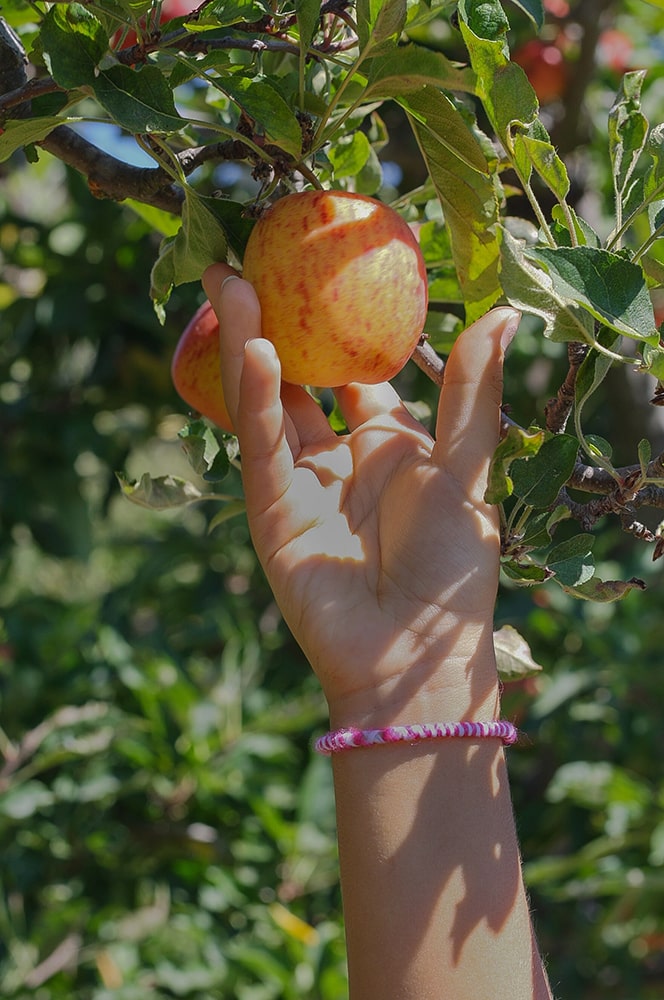
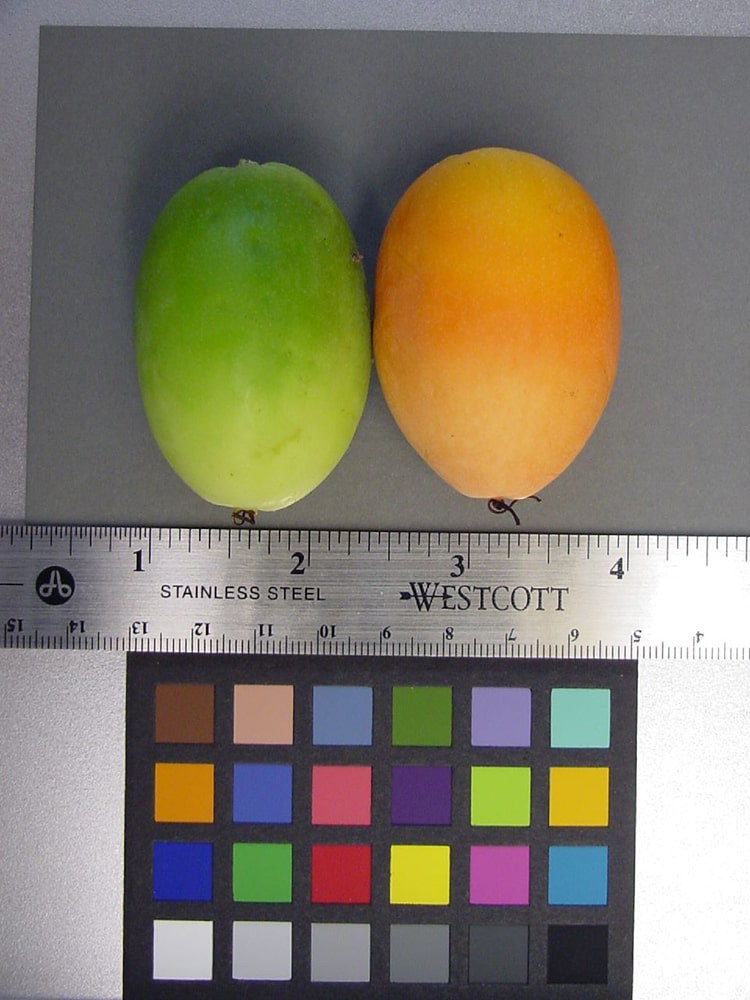
The tart fruits of this plant are sometimes used in jams. Native Americans are known to have eaten the fruits of this plant fresh and dried.
Phonetic Spelling:RYE-bees san-GWIN-ee-um
Genus:Ribes
Species:sanguineum
Family:Grossulariaceae
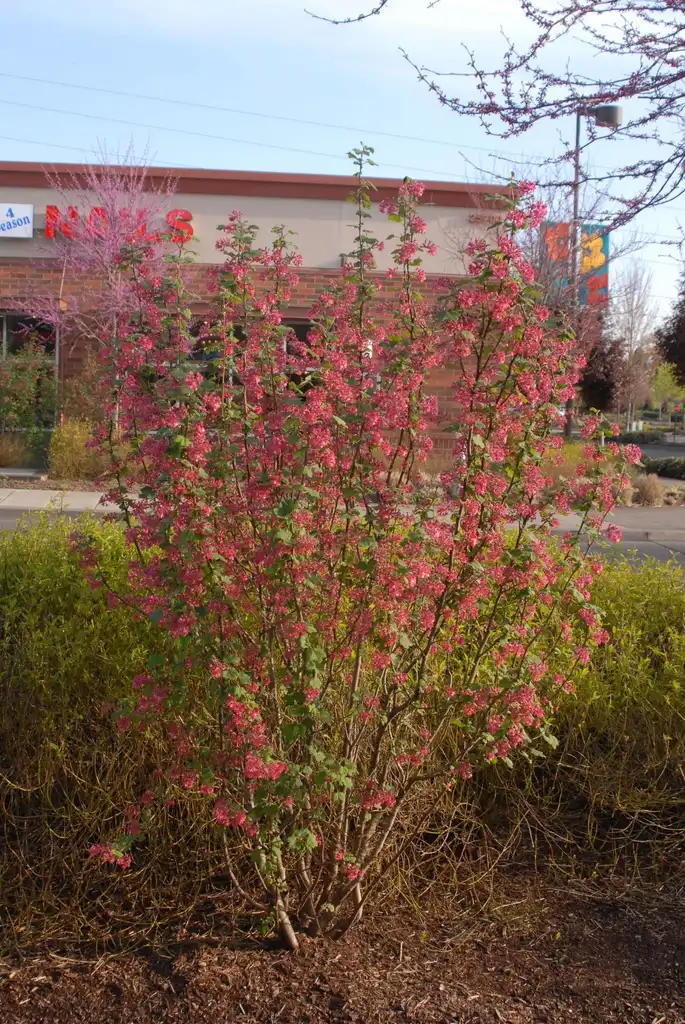
The Red Flowering Currant is a deciduous shrub belonging to the gooseberry family, indigenous to the western regions of North America. This plant thrives in a variety of environments, including forests, woodlands, and areas characterized by shrubs and small trees, particularly on north-facing coastal slopes. For optimal growth, it should be planted in full sunlight and well-drained soil. While it can tolerate some shade, its flowering may be less prolific in such conditions. Once established, it is also drought-resistant and requires minimal pruning.
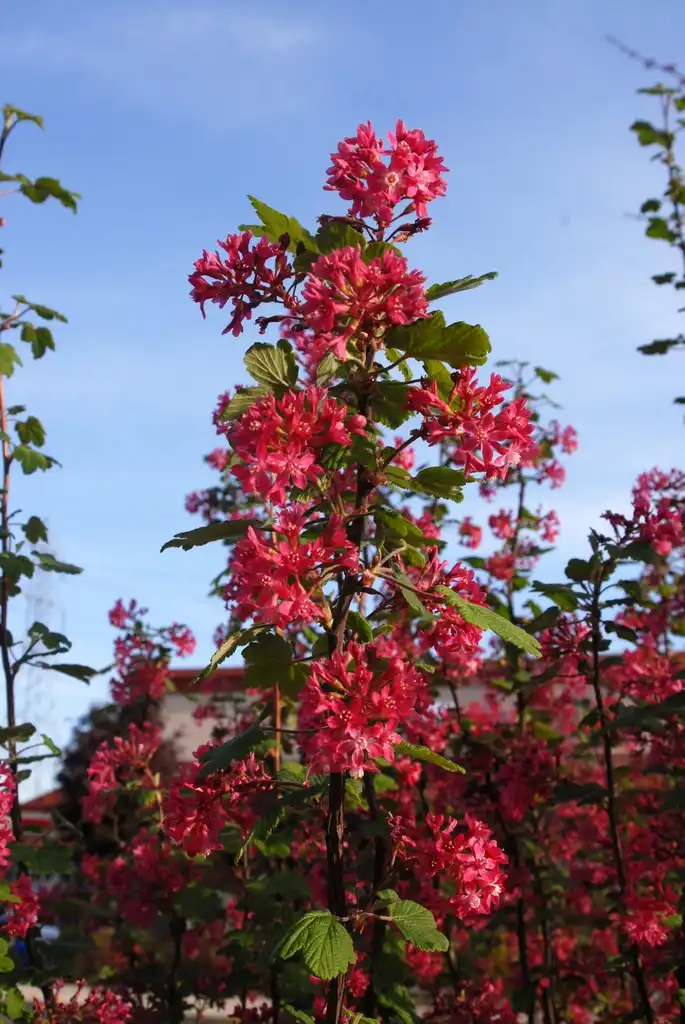
During its blooming period, the shrub showcases clusters of 10 to 30 flowers that dangle gracefully from the stems, displaying shades of pink to red. These blossoms emit a spicy fragrance that attracts hummingbirds, offering them a vital source of nectar in early spring. In landscaping, it serves well as a filler in shrub borders or as an informal screen. Additionally, it pairs beautifully with spring bulbs, adding vibrant color as winter fades.
However, it is important to note that female Red Flowering Currants can serve as an alternative host for white pine blister rust. Currently, all Ribes species are banned in North Carolina.
**SECTION .0400 - WHITE PINE BLISTER RUST 02 NCAC 48A .0401 CURRANT AND GOOSEBERRY PLANTS**
(a) All wild and cultivated currant and gooseberry plants in North Carolina are classified as hazardous and are subject to eradication by the Commissioner of Agriculture or authorized representatives wherever they are found.
(b) It is prohibited for any individual to knowingly and intentionally maintain currant or gooseberry plants on their property, or to allow these plants to produce seeds or propagate on their land.
**History Note:** Authority G.S. 106-65.45; 106-65.46; 106-284.18; 106-420; Effective January 1, 1985.
Ribes sanguineum Feature Summary
Ribes sanguineum Image Gallery