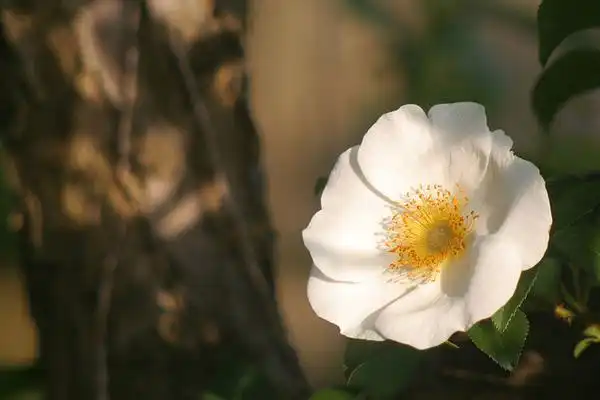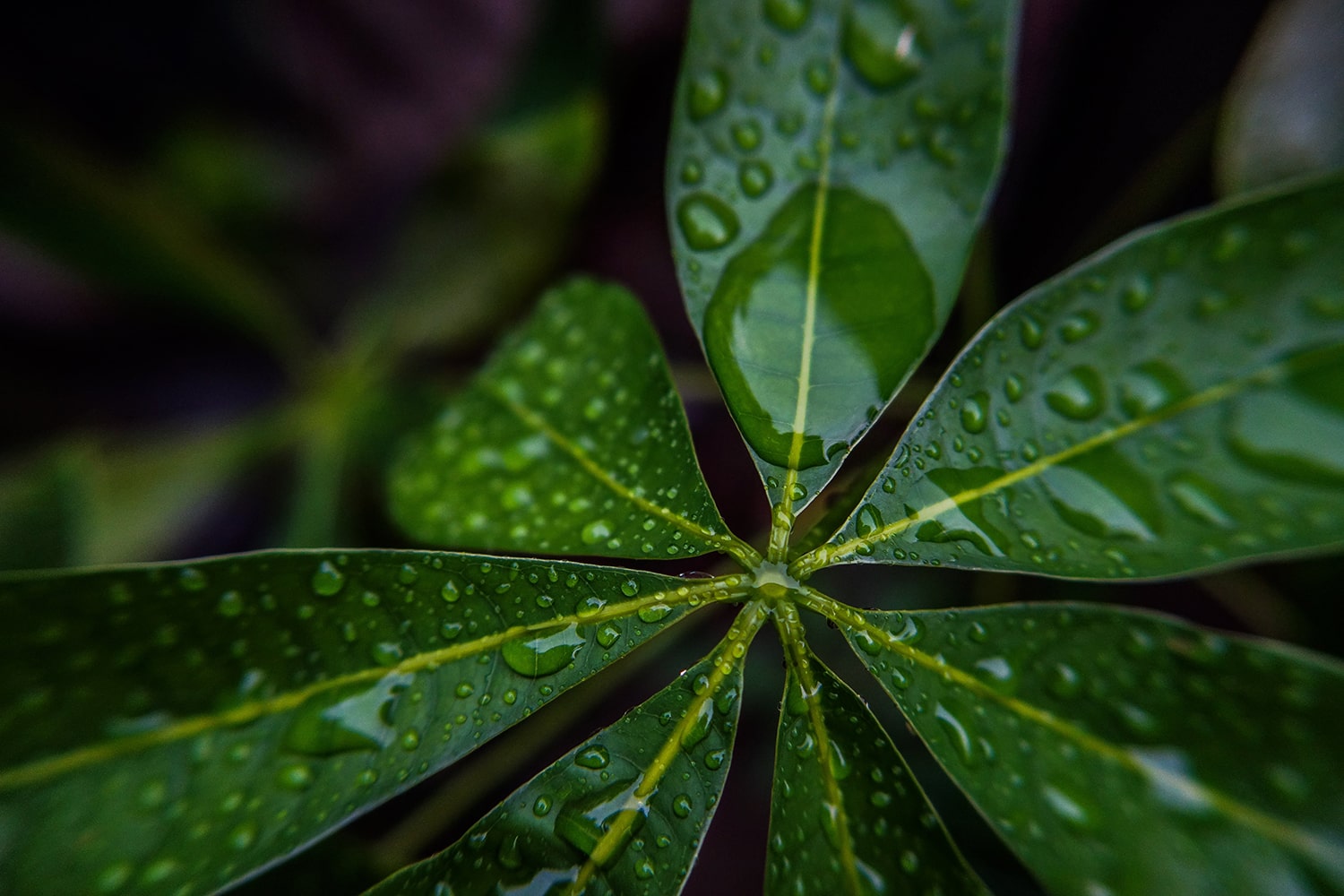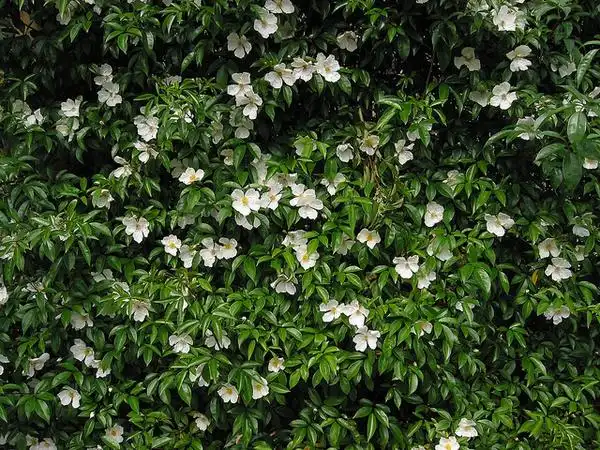
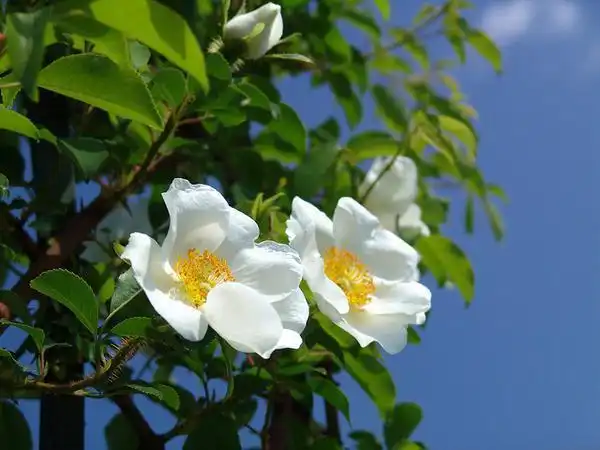
• Photo of Rosa laevigata (Rosa laevigatas)

Plant Profile: Rosa laevigata

Taxonomy: Rosa laevigata

Names

Cherokee Rose

  • Photo of Rosa laevigata (Rosa laevigatas)

Phonetic Spelling:ROH-sah ly-vih-GAY-tah

Genus:Rosa

Species:laevigata

Family:Rosaceae

This plant is not originally from North Carolina but has adapted well to the region. It features sprawling, arching canes and is a vigorous, semi-evergreen climber adorned with numerous hooked thorns and glossy dark green foliage. It thrives when grown on trellises or fences, or when allowed to cascade over walls; however, caution is advised in high-traffic areas due to its prickly nature. Pruning can be done as necessary in late winter, allowing it to be shaped into a six-foot shrub. Ensure it receives deep and regular watering, preferably in the mornings. Applying summer mulch is beneficial for moisture retention, keeping the roots cool, and suppressing weed growth.

In terms of pests and diseases, this rose species is generally resilient against the common threats that affect many hybrid varieties. Potential insect pests include aphids, beetles, borers, scale, spider mites, thrips, rose midges, and leafhoppers. It may also face disease issues such as black spot, powdery mildew, and rust. To minimize the risk of foliar diseases, avoid watering from above and ensure good air circulation. Diseased leaves should be removed and destroyed, both from the plants and the surrounding ground, during the growing season and as part of a thorough cleanup in the dormant season. This plant can spread aggressively in certain areas of the southeastern United States.

Site conditions: It can tolerate partial shade and poor soil, but optimal flowering and disease resistance are achieved in full sun.

Texture: Ranges from fine to medium.

Exposure: Prefers sun to partial shade and adapts to various soil types.

Fragrance: Moderate.

Rosa laevigata Feature Summary

Rosa laevigata Image Gallery

Tags

#fragrant
#thorns
#showy flowers
#deciduous
#wildlife plant
#prickles
#cpp
#fences
#trellises
#deer resistant
#poor soils tolerant
#butterfly friendly

Similar Plants

Rosa laevigata Feature Summary

Attributes
Central & Southern China to Vietnam and Taiwan
Flowers are attractive to butterflies. This plant is resistant to damage by deer.
Flowers
Large, fragrant, single blooms in spring; does not repeat; 5 petals white petals with yellow stamens bloom for weeks in the spring, followed by large orange-red edible rose hips. 3 to 4 in. white fragrant flowers in spring
White
Gold/Yellow
Orange
4-5 petals/rays
Leaves
Dark green, glossy trifoliate leaves with toothed margins
Whole Plant Traits
Shrub
Native Plant
Vine
Rose
Arching
Spreading
Climbing
Cultural Conditions
Full sun (6 or more hours of direct sunlight a day)
Partial Shade (Direct sunlight only part of the day, 2-6 hours)
Landscape

Rosa laevigata Attributes

Rosa laevigata: Country Or Region Of Origin

Central & Southern China to Vietnam and Taiwan
Rosa laevigata: Wildlife Value

Flowers are attractive to butterflies. This plant is resistant to damage by deer.

Rosa laevigata Flowers

Rosa laevigata: Flower Description

Large, fragrant, single blooms in spring; does not repeat; 5 petals white petals with yellow stamens bloom for weeks in the spring, followed by large orange-red edible rose hips. 3 to 4 in. white fragrant flowers in spring

Rosa laevigata: Flower Color

filter_vintage
Gold/Yellow
filter_vintage
Orange
filter_vintage
White

Rosa laevigata: Flower Value To Gardener

Edible
Fragrant
Good Cut
Good Dried
Long Bloom Season
Long-lasting
Showy

Rosa laevigata: Flower Bloom Time

Winter
Spring
Summer
Fall

Rosa laevigata: Flower Petals

2-3 rays/petals
4-5 petals/rays
6 petals/rays
7 - 20 petals/rays
asymmetrical petals
Bracts
Colored Sepals
fused petals
more than 20 petals/rays
Tepals

Rosa laevigata Leaves

Rosa laevigata: Leaf Description

Dark green, glossy trifoliate leaves with toothed margins

Rosa laevigata: Woody Plant Leaf Characteristics

Broadleaf Evergreen
Deciduous
Needled Evergreen
Semi-evergreen

Rosa laevigata: Leaf Color

spa
Green

Rosa laevigata: Hairs Present

No
Yes

Rosa laevigata: Leaf Feel

Fleshy
Glossy
Leathery
Papery
Prickly
Rough
Rubbery
Slippery
Smooth
Soft
Velvety
Waxy

Rosa laevigata Whole Plant Traits

Rosa laevigata: Plant Type

Annual
Bulb
Carnivorous
Edible
Epiphyte
Fern
Ground Cover
Herb
Herbaceous Perennial
Houseplant
Mushroom
Native Plant
Ornamental Grasses and Sedges
Perennial
Poisonous
Rose
Shrub
Succulent
Tree
Turfgrass
Vegetable
Vine
Water Plant
Weed
Wildflower

Rosa laevigata: Woody Plant Leaf Characteristics

Broadleaf Evergreen
Deciduous
Needled Evergreen
Semi-evergreen

Rosa laevigata: Habit/Form

Arching
Ascending
Broad
Cascading
Climbing
Clumping
Columnar
Conical
Creeping
Dense
Erect
Horizontal
Irregular
Mounding
Multi-stemmed
Multi-trunked
Open
Oval
Prostrate
Pyramidal
Rounded
Spreading
Vase
Weeping

Rosa laevigata: Growth Rate

Slow
Medium
Rapid

Rosa laevigata: Texture

Fine
Medium
Coarse

Rosa laevigata Cultural Conditions

Rosa laevigata: Light

Dappled Sunlight (Shade through upper canopy all day)
Deep shade (Less than 2 hours to no direct sunlight)
Full sun (6 or more hours of direct sunlight a day)
Partial Shade (Direct sunlight only part of the day, 2-6 hours)

Rosa laevigata: USDA Plant Hardiness Zone

thermostat
7a
thermostat
7b
thermostat
8a
thermostat
8b
thermostat
9a
thermostat
9b

Rosa laevigata Stem

Rosa laevigata: Stem Is Aromatic

No
Yes

Rosa laevigata Landscape

Rosa laevigata: Resistance To Challenges

Black Walnut
Compaction
Deer
Diseases
Drought
Dry Soil
Erosion
Fire
Foot Traffic
Heat
Heavy Shade
Humidity
Insect Pests
Pollution
Poor Soil
Rabbits
Salt
Slugs
Squirrels
Storm damage
Urban Conditions
Voles
Wet Soil
Wind

Rosa laevigata: Attracts

Bats
Bees
Butterflies
Frogs
Hummingbirds
Moths
Pollinators
Predatory Insects
Reptiles
Small Mammals
Songbirds
Specialized Bees