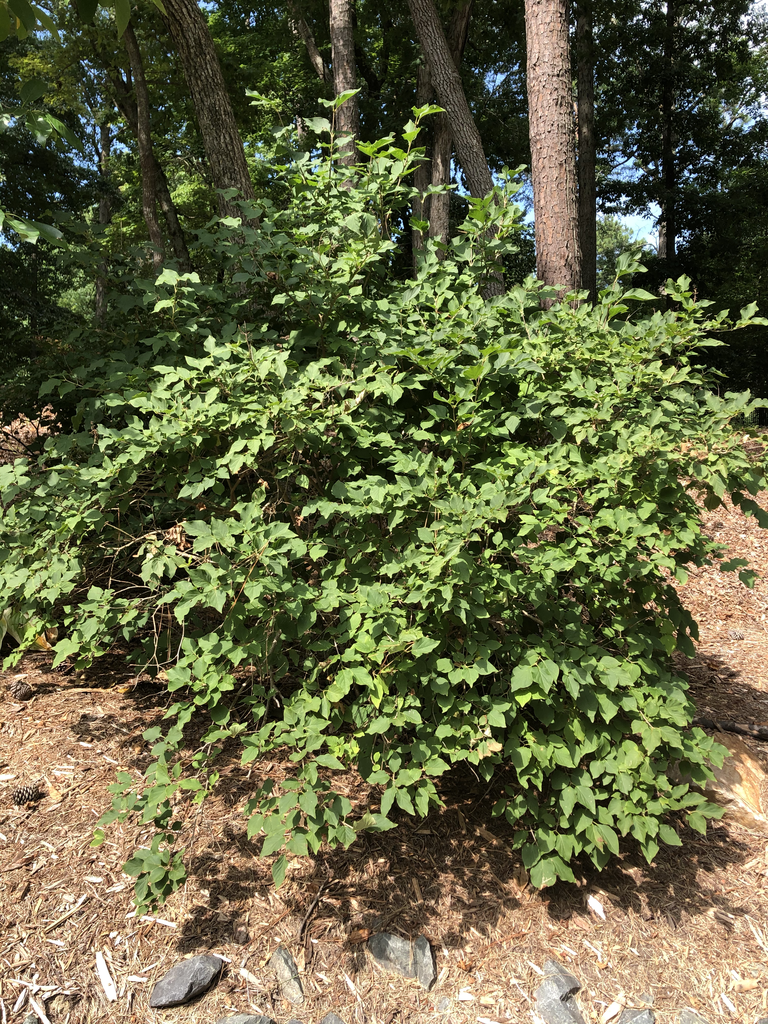
Syringa vulgaris: Uses (Ethnobotany)
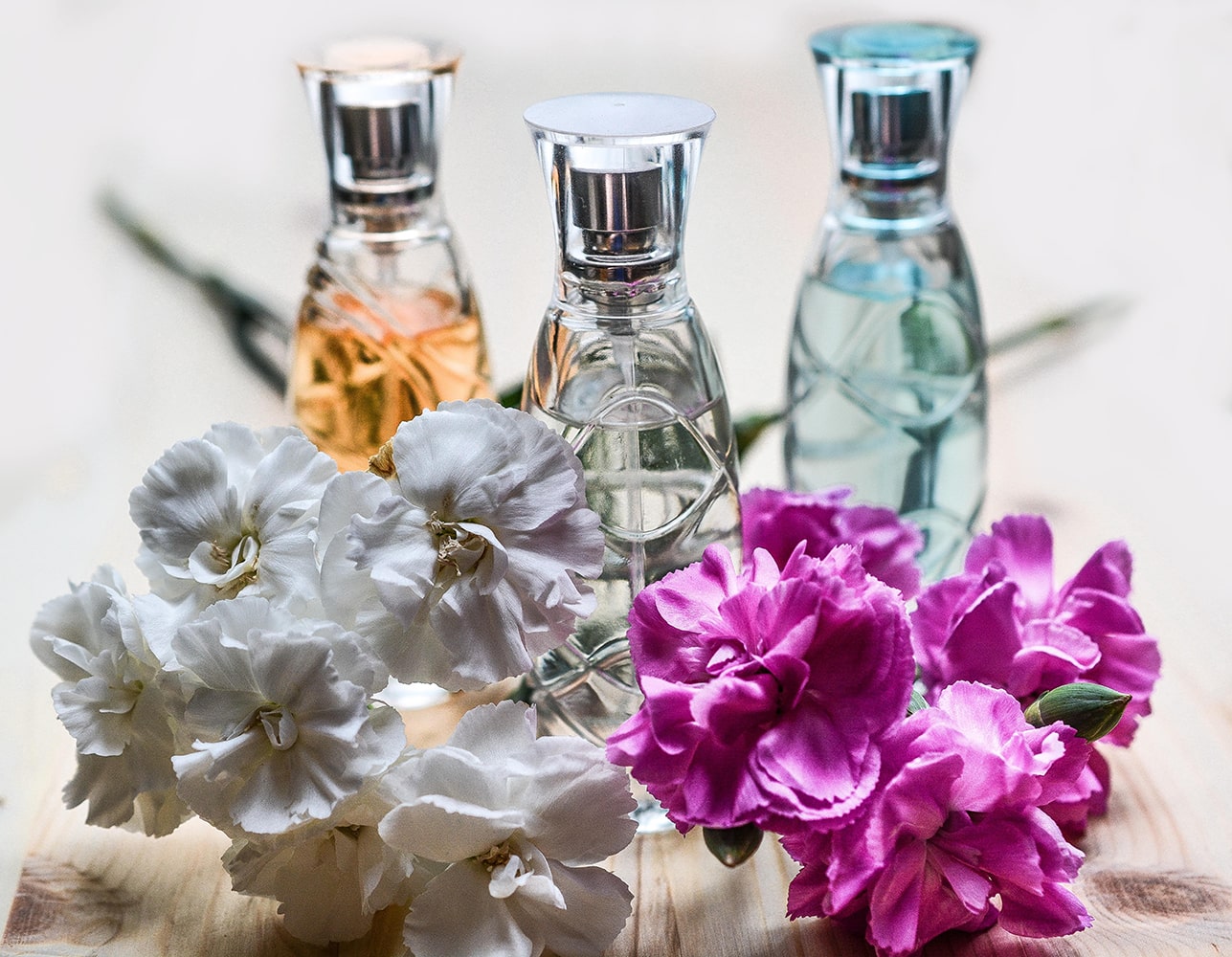
An essential oil obtained from the flowers can be used to make perfume. Green and brown dyes can be obtained from the leaves and a green dye from the flowers.
Phonetic Spelling:si-RING-gah vul-GAIR-iss
Genus:Syringa
Species:vulgaris
Family:Oleaceae
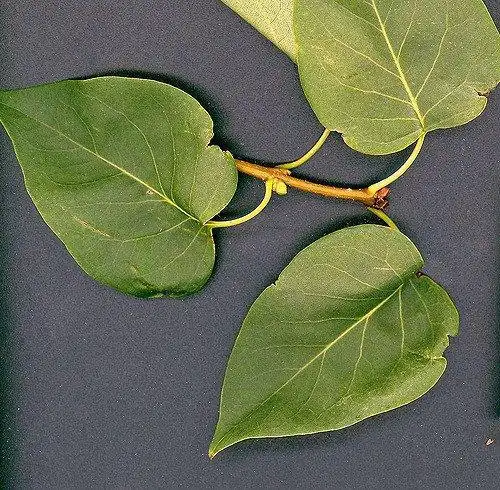
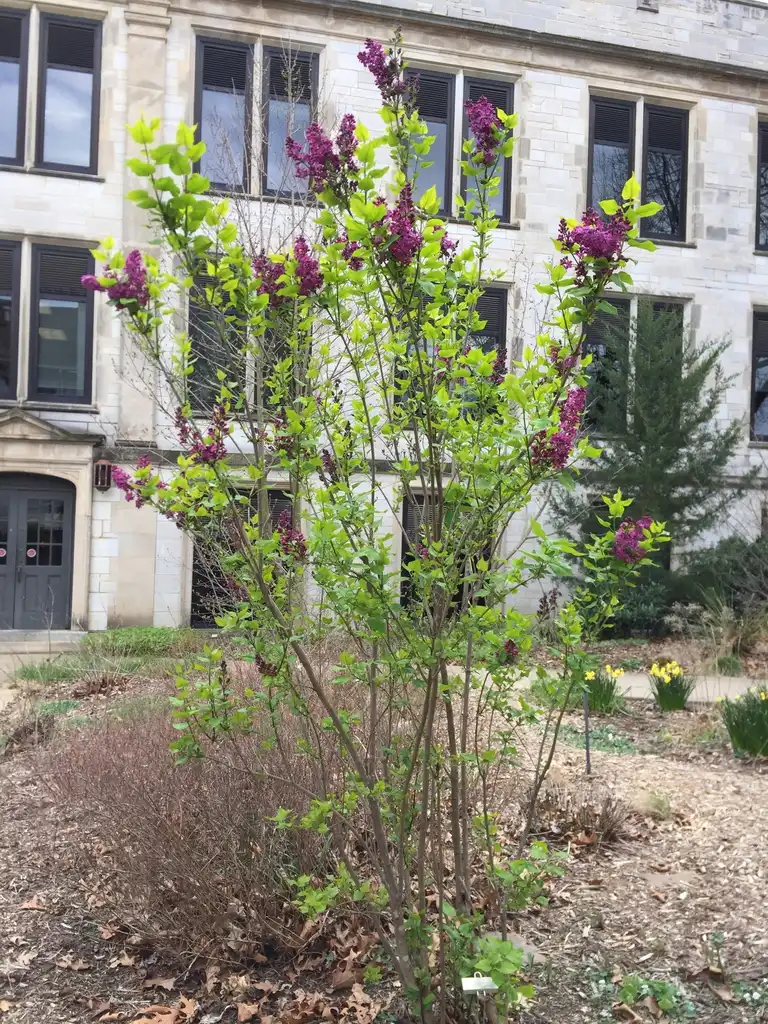
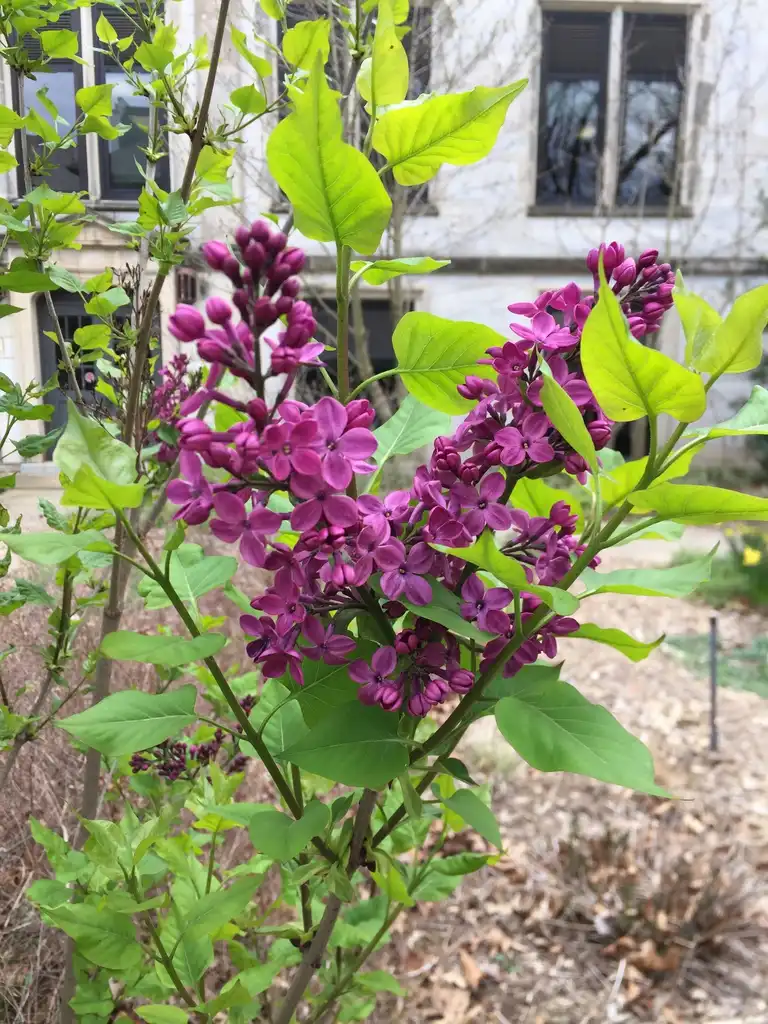
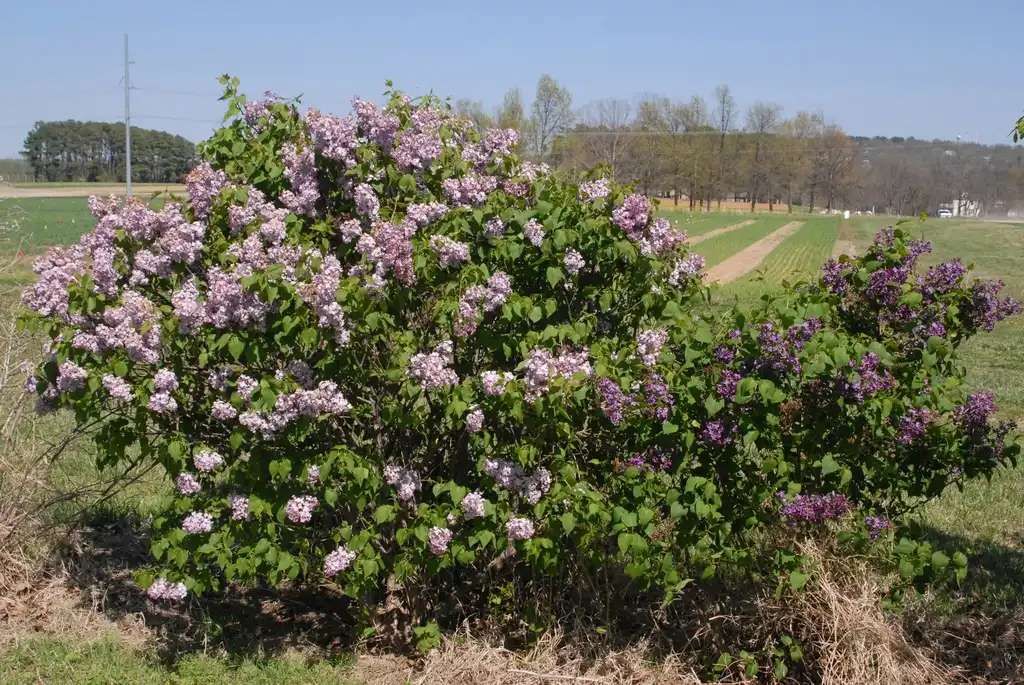
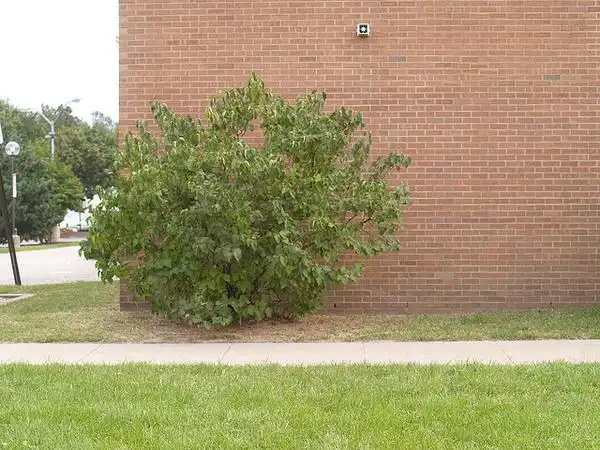
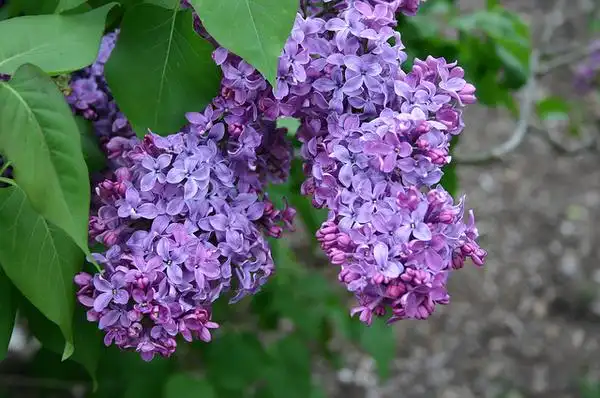
The common lilac is a fragrant shrub or small tree that blooms in spring. It boasts a wide variety of cultivars, featuring both single and double flowers in an array of colors such as white, cream, rose, magenta, pinkish-purple, lavender, and purple. While its sweet scent is enchanting, it can be overwhelming for some individuals with asthma.
Most lilacs are propagated through grafting, so it's important to remove any suckers from the rootstock to preserve their appearance and prevent unwanted growth. This plant grows quickly, filling its designated area. Although it produces stunning cut flowers, the shrub loses its appeal after its impressive bloom in mid to late spring, as its branches become leggy and its leaves are prone to powdery mildew.
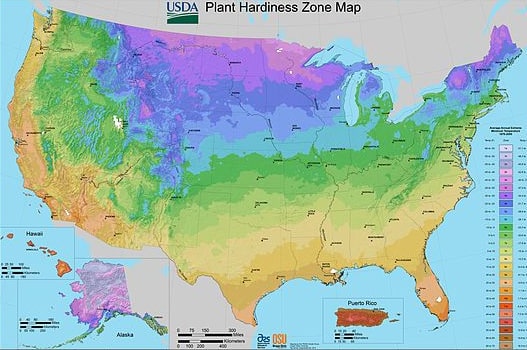
Lilacs thrive in colder winter climates, as they need an extended period of winter chill for their buds to develop properly. Late frosts can damage the buds, so it's advisable to plant them in a sheltered spot. They can adapt to various soil types but struggle in highly acidic or poorly drained soils.
In terms of pests and diseases, lilacs can be affected by insects such as scales, borers, leaf miners, thrips, and caterpillars. Powdery mildew may detract from the foliage's appearance during summer, though it typically does not cause lasting harm to the plant. To improve airflow, it's beneficial to prune the center of the shrub. Other potential issues include blights, leaf spots, wilts, ringspot virus, and honey fungus.
Syringa vulgaris Feature Summary
Syringa vulgaris Image Gallery