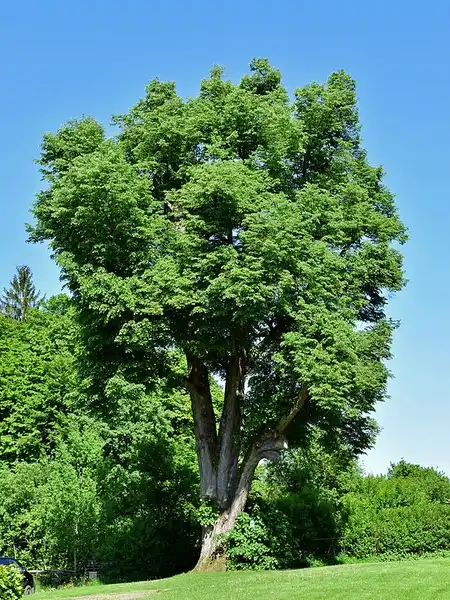
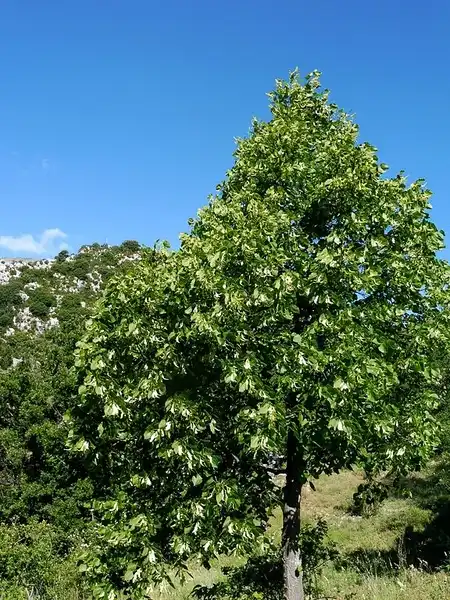
The Littleleaf Linden is a medium to large broadleaf deciduous tree belonging to the Malvaceae family. Often regarded as the finest among the Linden species, it has become a popular choice in the United States for ornamental shade. With its formal, pyramidal to oval shape, it provides ample dense shade. However, it is frequently planted inappropriately as a street tree, leading to issues such as stunted growth, leaf scorch, and windthrow. This tree is also known by several other names, including Small Leaf Lime Tree, Little-Leaf Linden, and Small-leaved Lime, with 'Greenspire' being the most prevalent cultivar due to its superior tolerance to urban conditions.
Originating from Europe, Western Siberia, and Iran, the Littleleaf Linden has a history that dates back to 760 AD. The genus name "tilia" is derived from Latin, referring to both Linden and Lime trees, and traces its roots to the Greek words "ptelea," meaning "Elm tree," and "tillai," meaning "Black Poplar." The species name "cordata" translates to "heart-shaped" in Latin.
This tree thrives in full sun to partial shade and prefers loamy, moist, well-drained soils. Young trees require regular watering during dry periods. At full maturity, the Littleleaf Linden can reach heights of 50 to 70 feet with a spread of up to 50 feet, exhibiting a medium growth rate that slows significantly under stress. It is sensitive to wet conditions, severe drought, pollution, and salt spray, but can withstand heavy pruning.
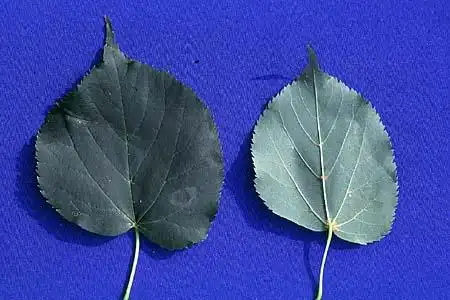
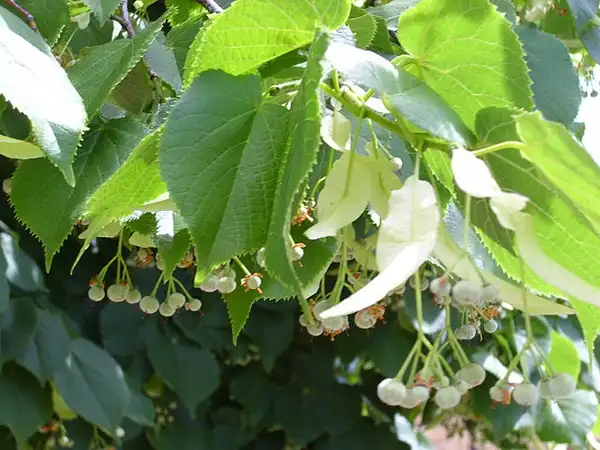
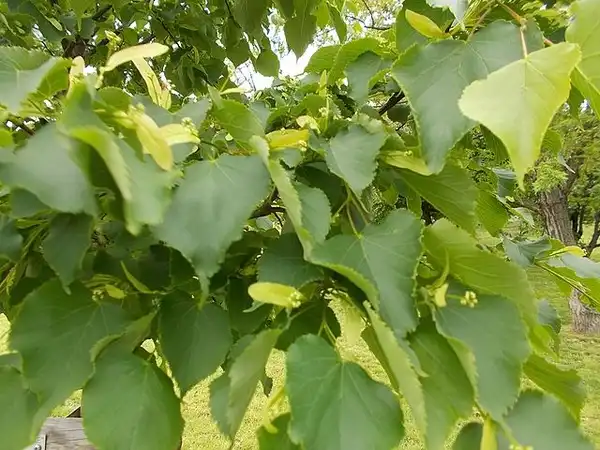
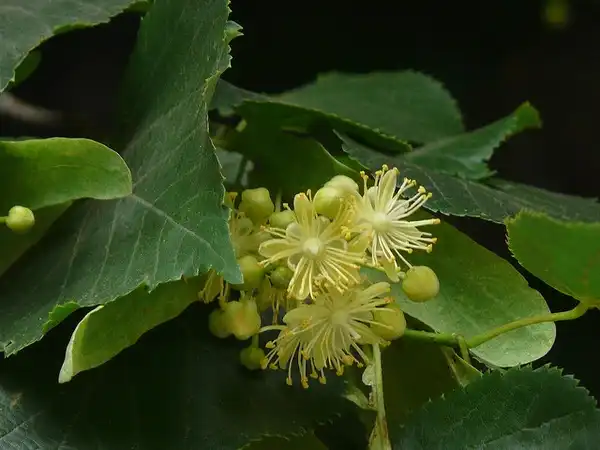
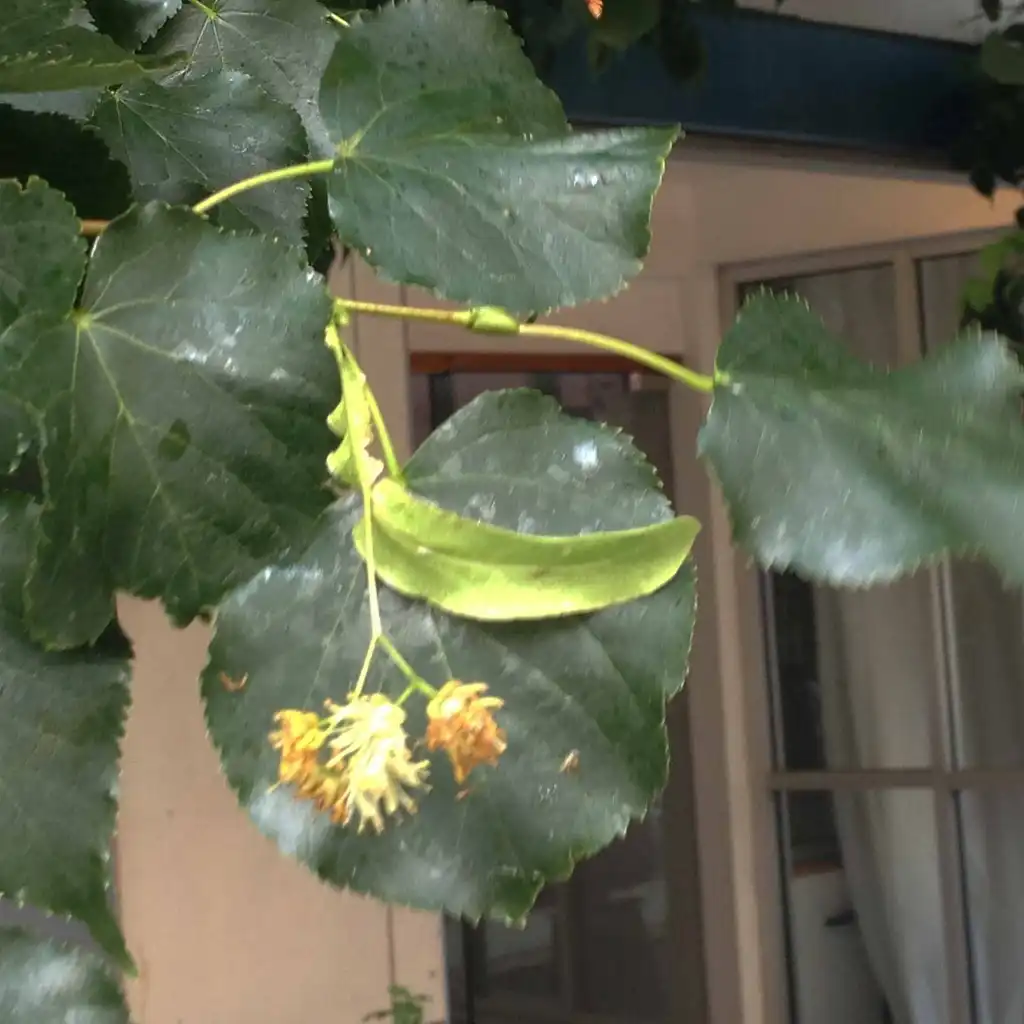
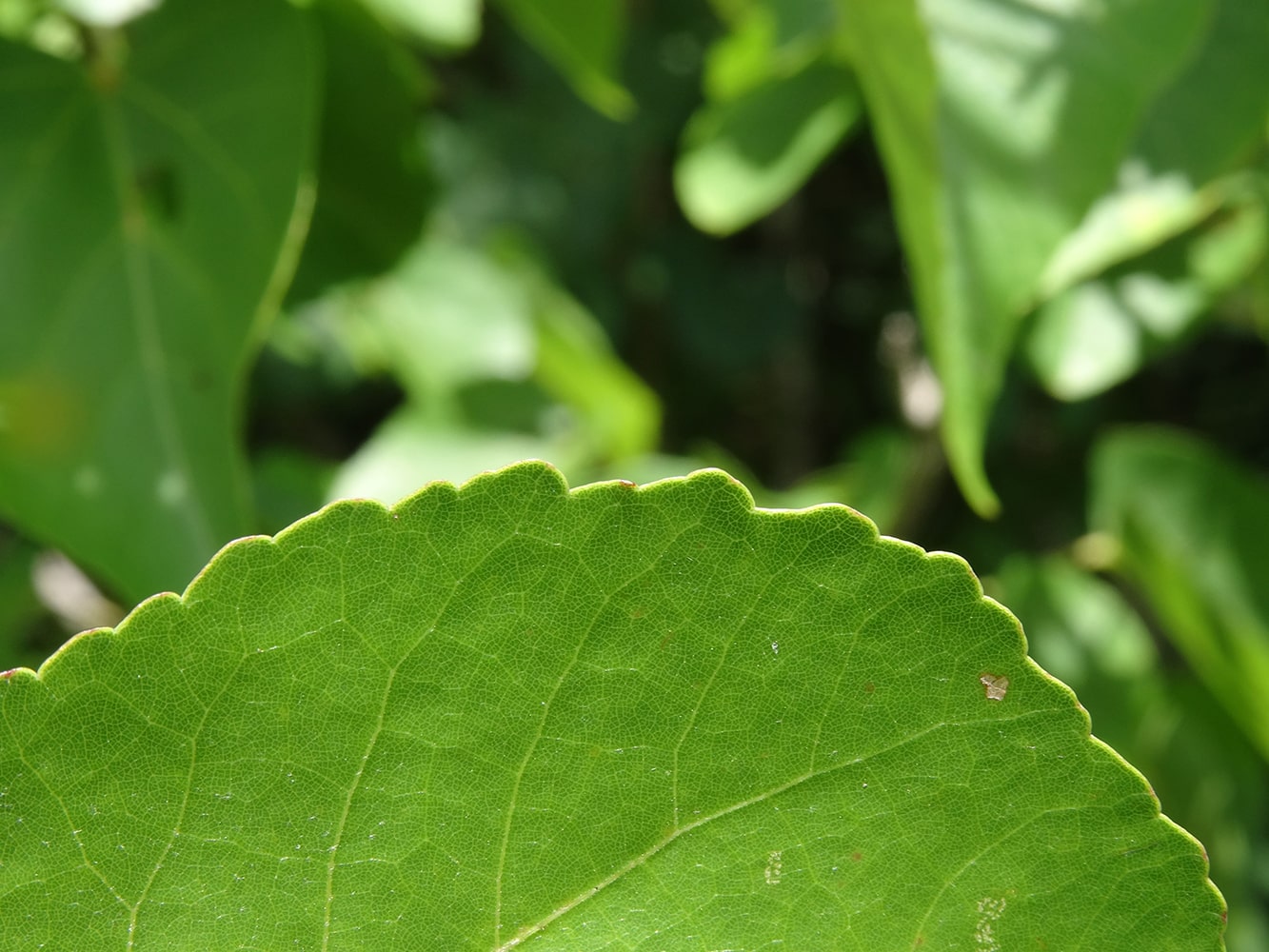
Propagation typically occurs through grafting stem cuttings onto rootstock. The leaves of the Littleleaf Linden range from light to dark green, featuring paler undersides and an ovate shape with a heart-shaped base. In the fall, the foliage turns chartreuse, and under stress, it may display golden yellow hues. The tree produces fragrant, creamy yellow flower clusters in the summer, followed by small hairy nutlets.
These flowers are rich in nectar, attracting hummingbirds, bees, and butterflies, while the tree's softwood provides nesting opportunities for cavity-nesting birds. The Littleleaf Linden serves best as an ornamental shade tree, making a striking focal point in lawns. In Europe, it is often pruned to create hedges or screens.
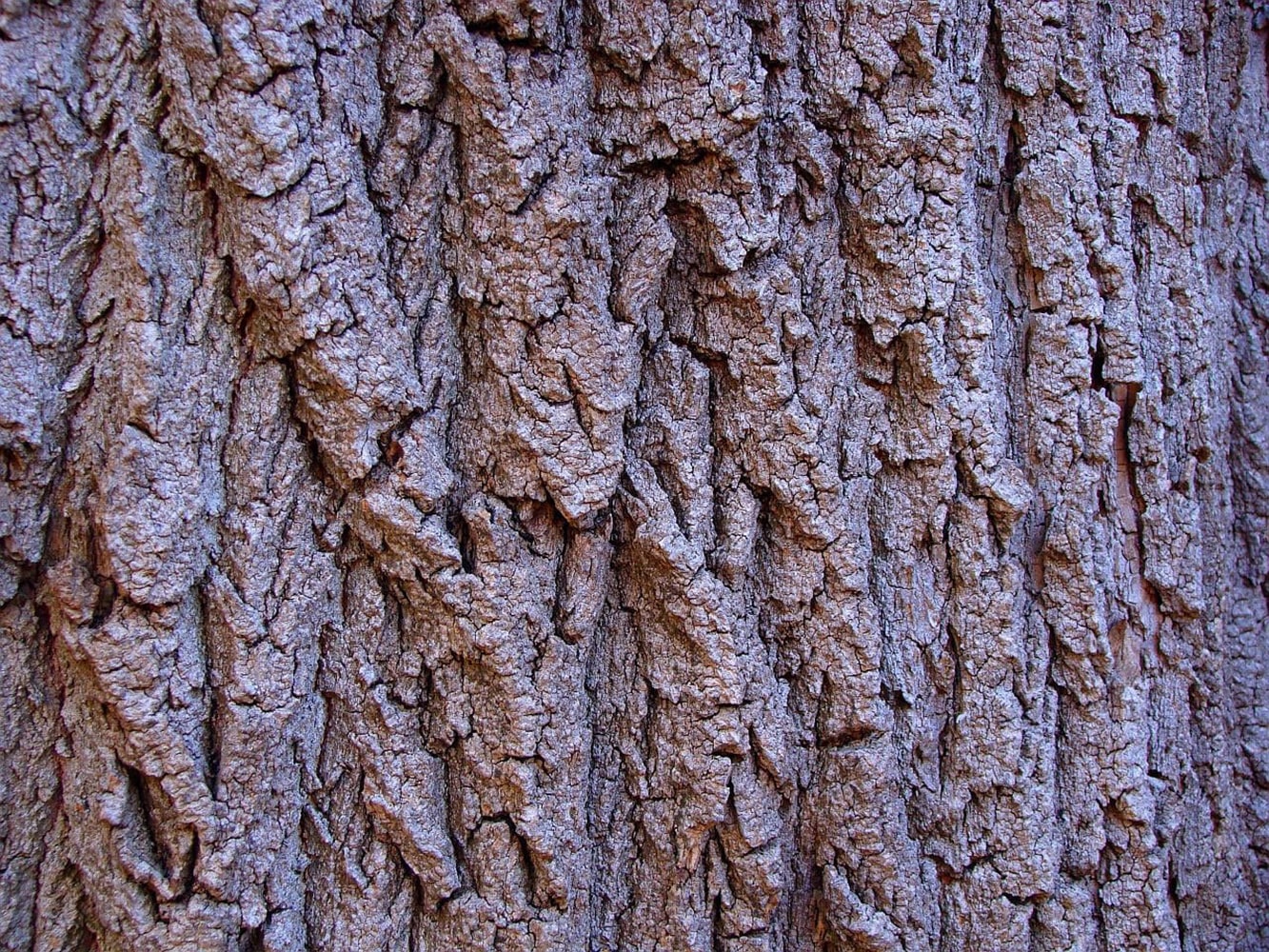
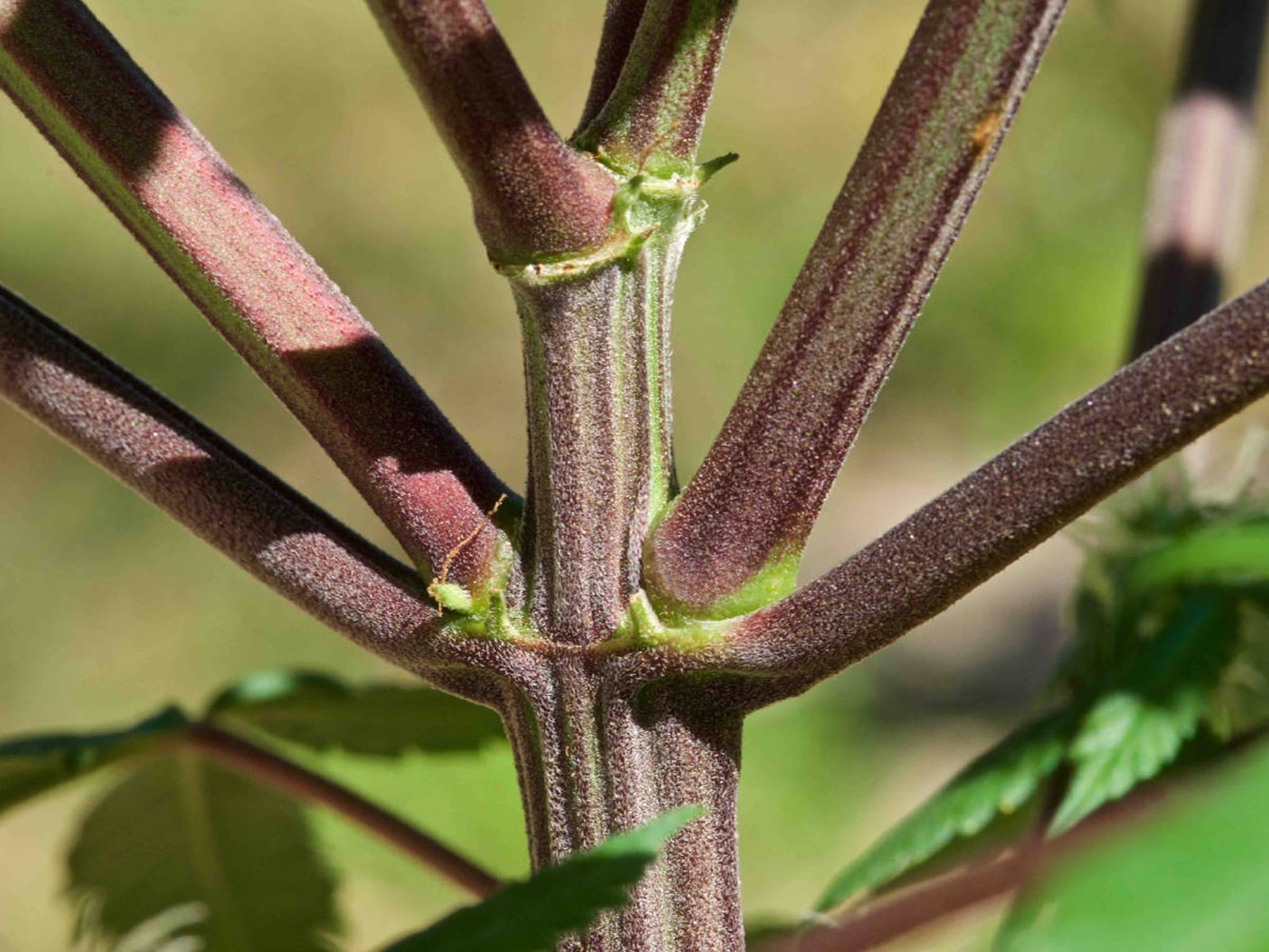
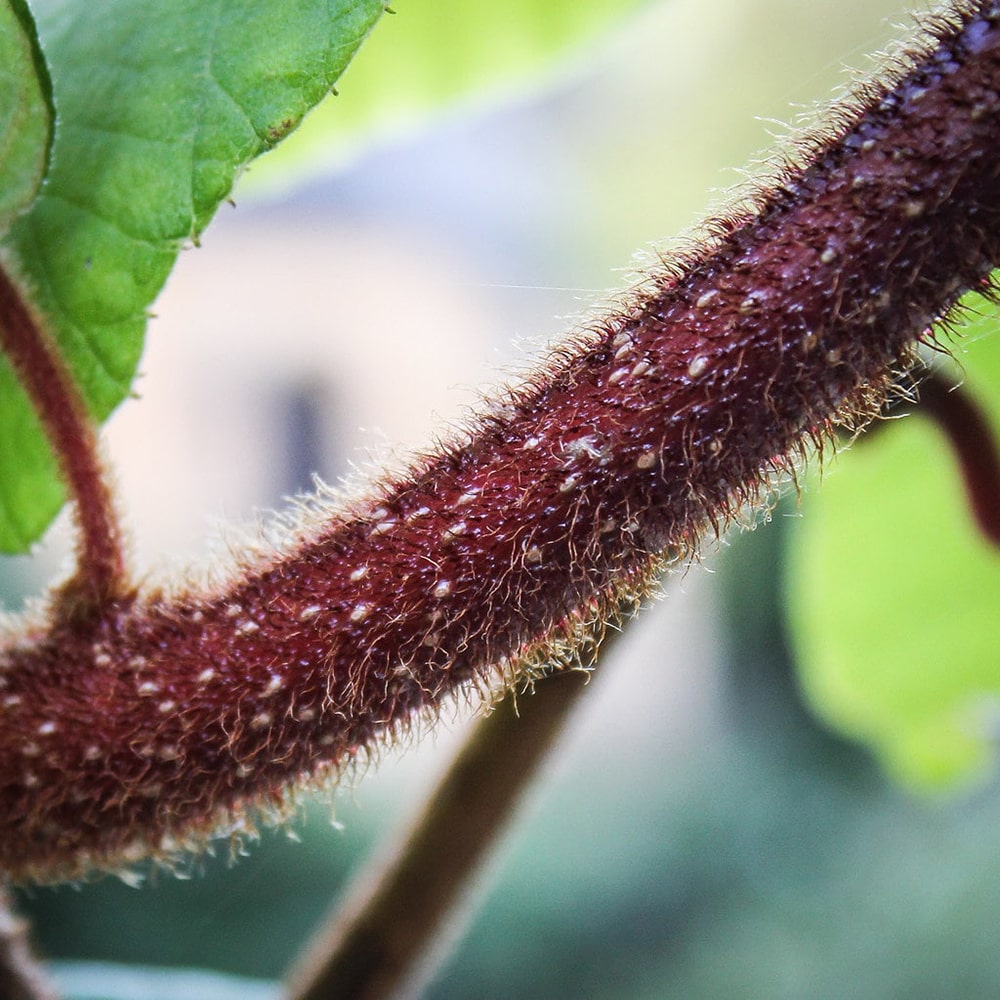
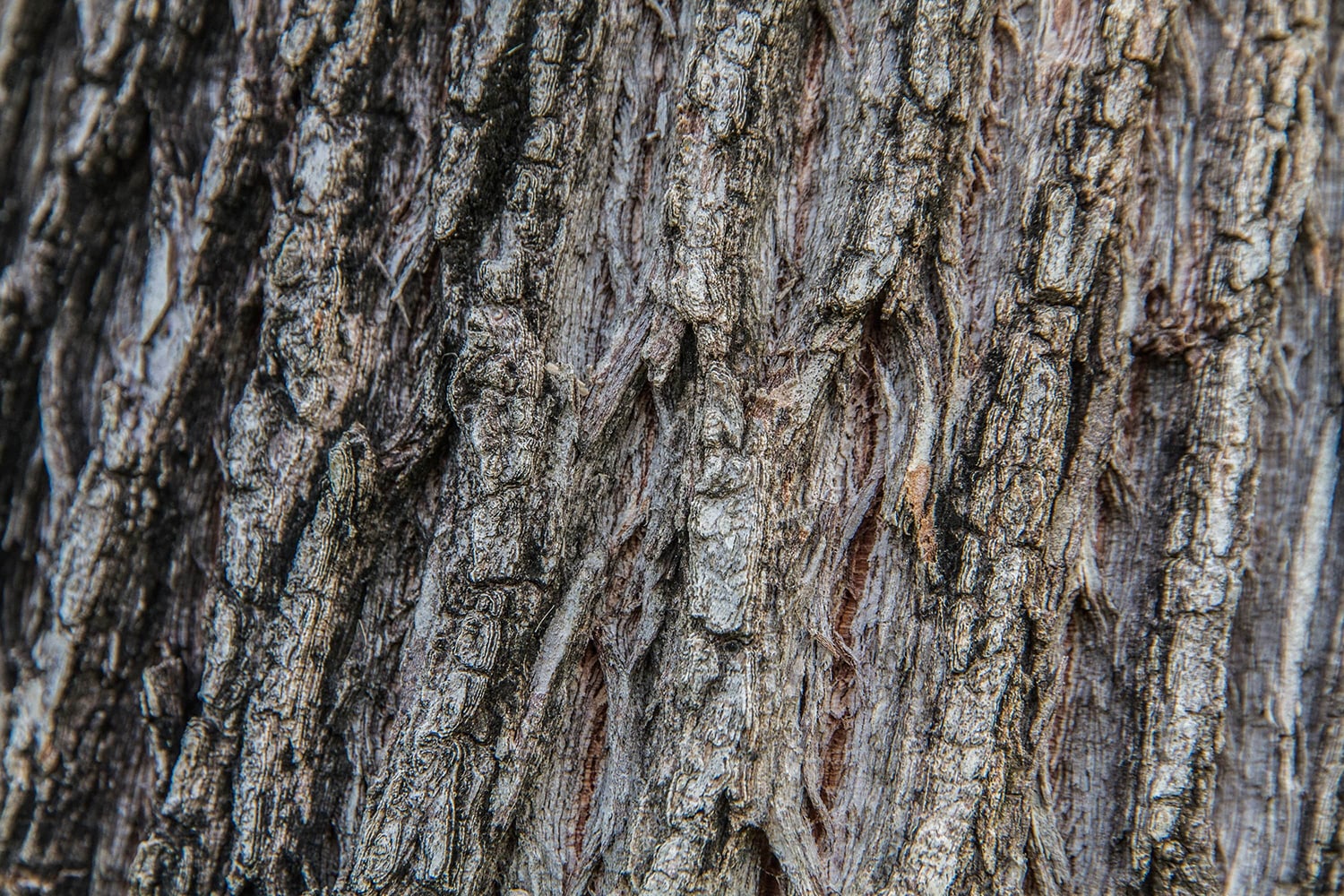
**Quick Identification Tips:**
**Diseases, Insects, and Other Issues:**
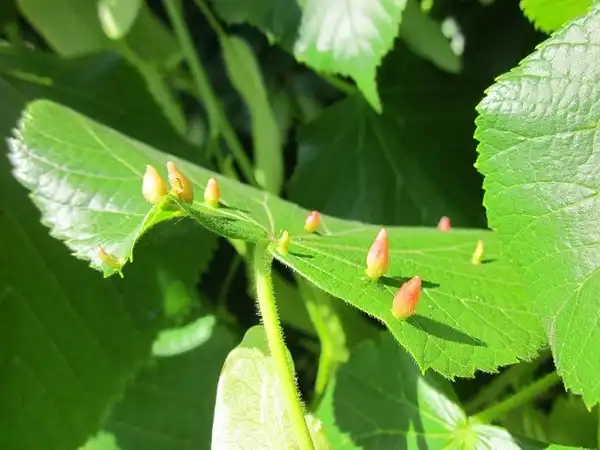
The Littleleaf Linden is susceptible to various insect and disease problems. Notably, Japanese Beetles can severely damage the foliage, and heavy infestations can devastate mature trees. It is advisable to avoid planting this tree in areas prone to these pests. Other potential insect threats include borers, scale, leaf miners, lace bugs, caterpillars, and aphids, while spider mites may appear during hot, dry spells.
Possible diseases include powdery mildew, leaf spots, and cankers, with Verticillium Wilt being a rare but potentially fatal condition.