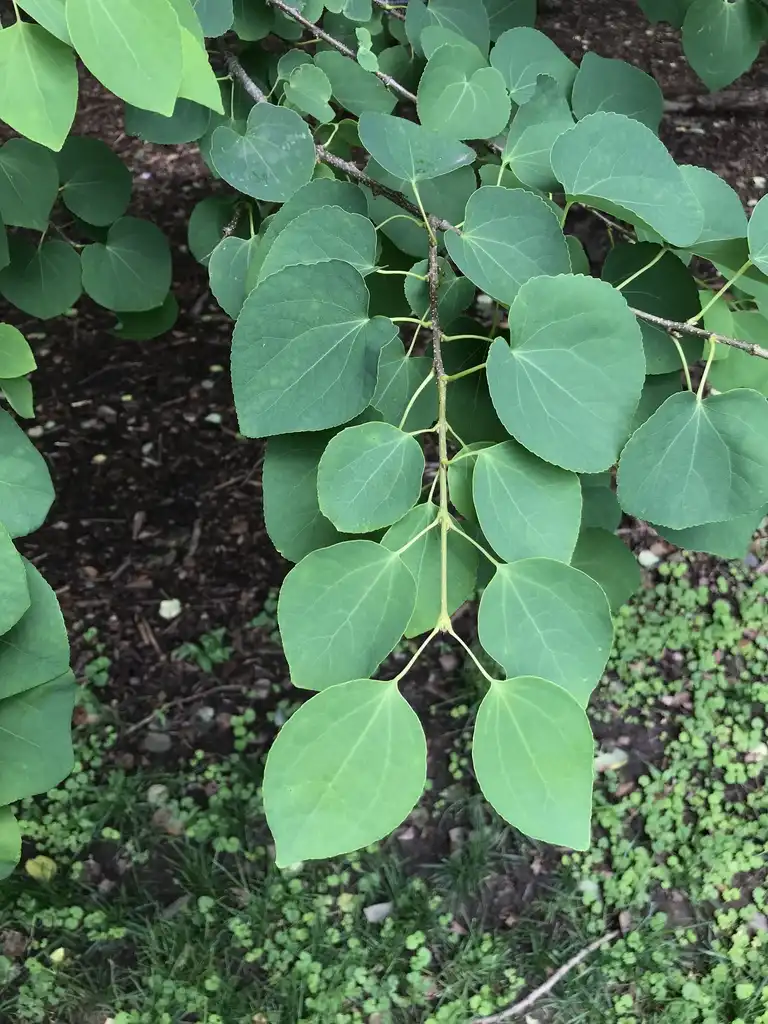
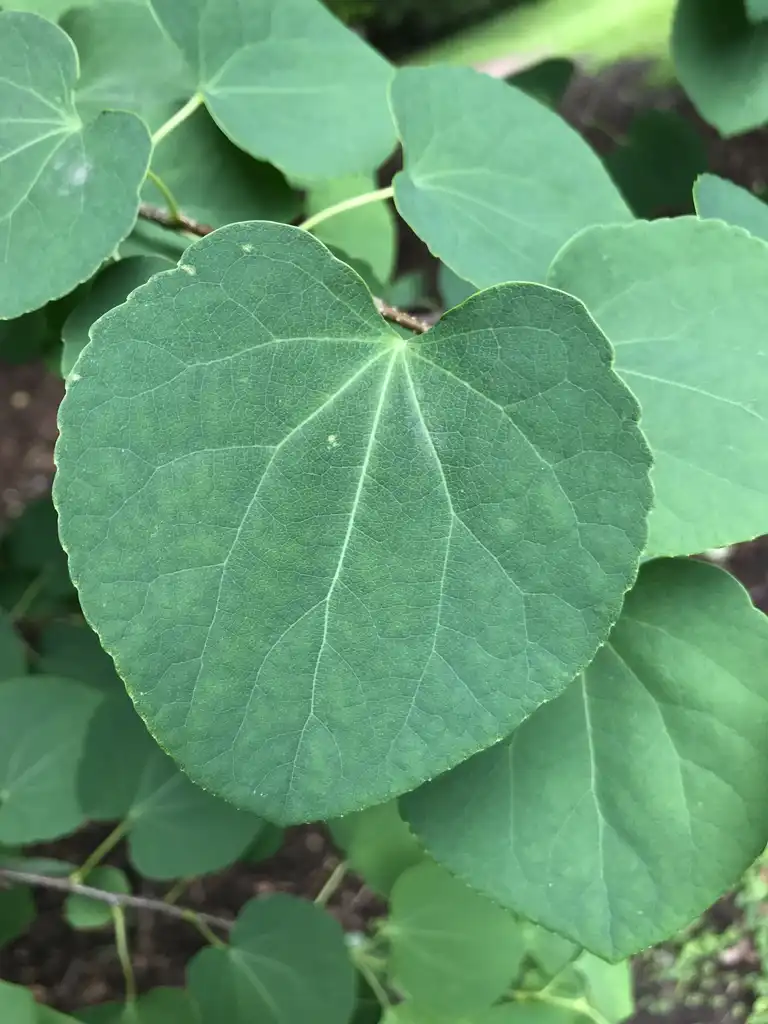
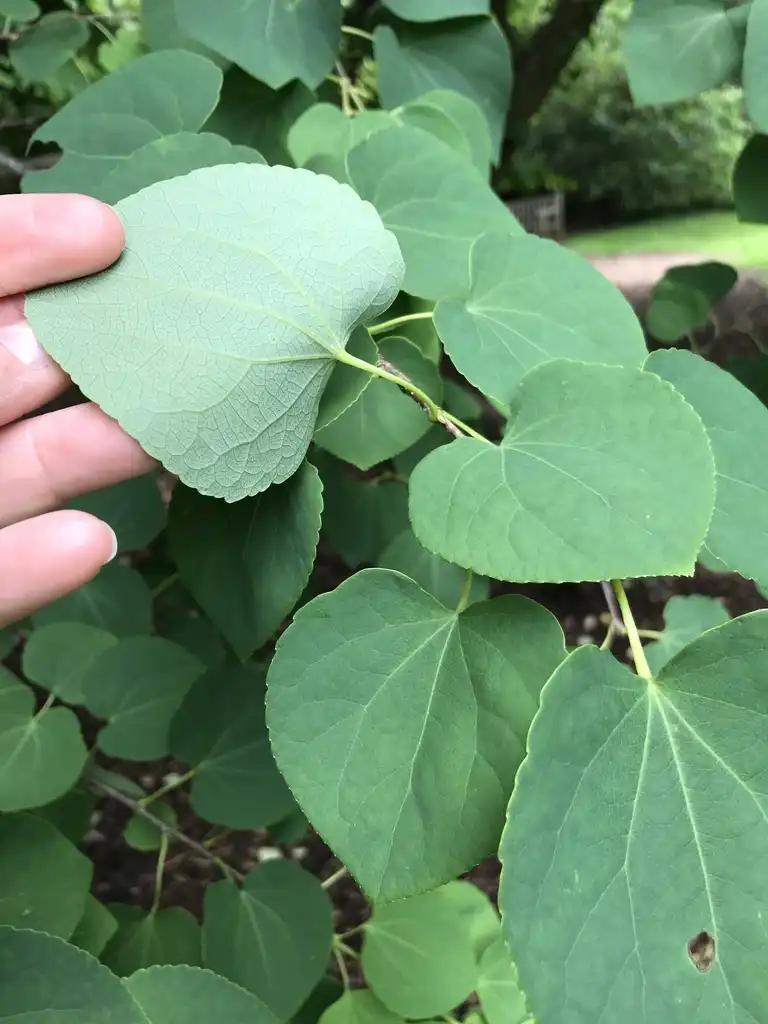
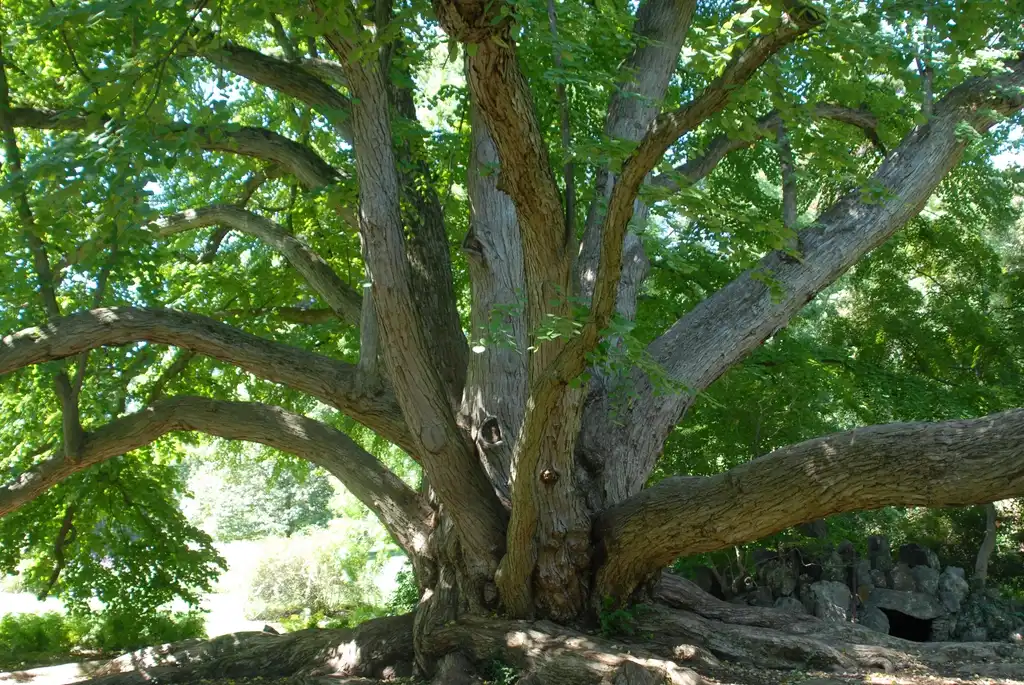
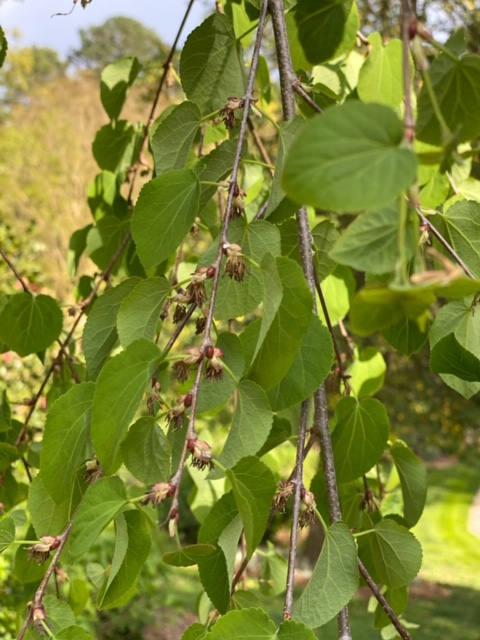
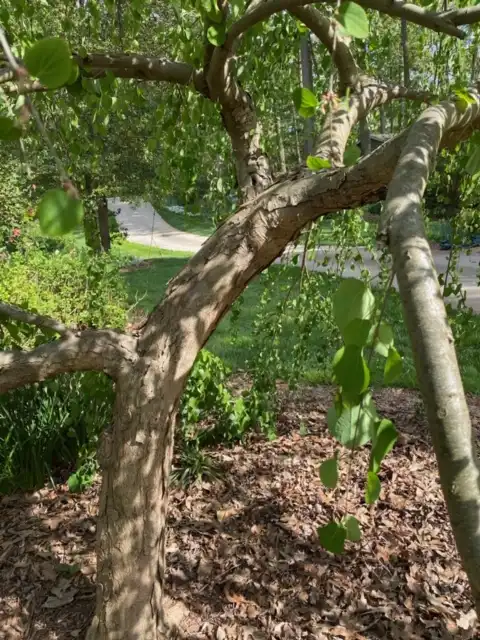
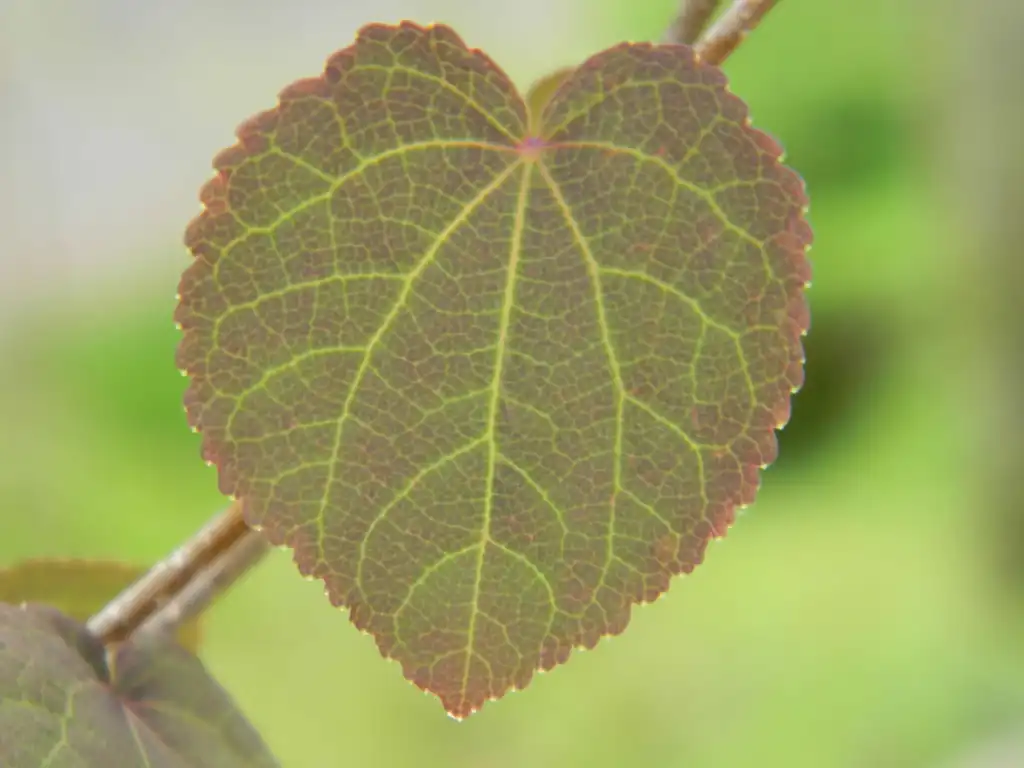
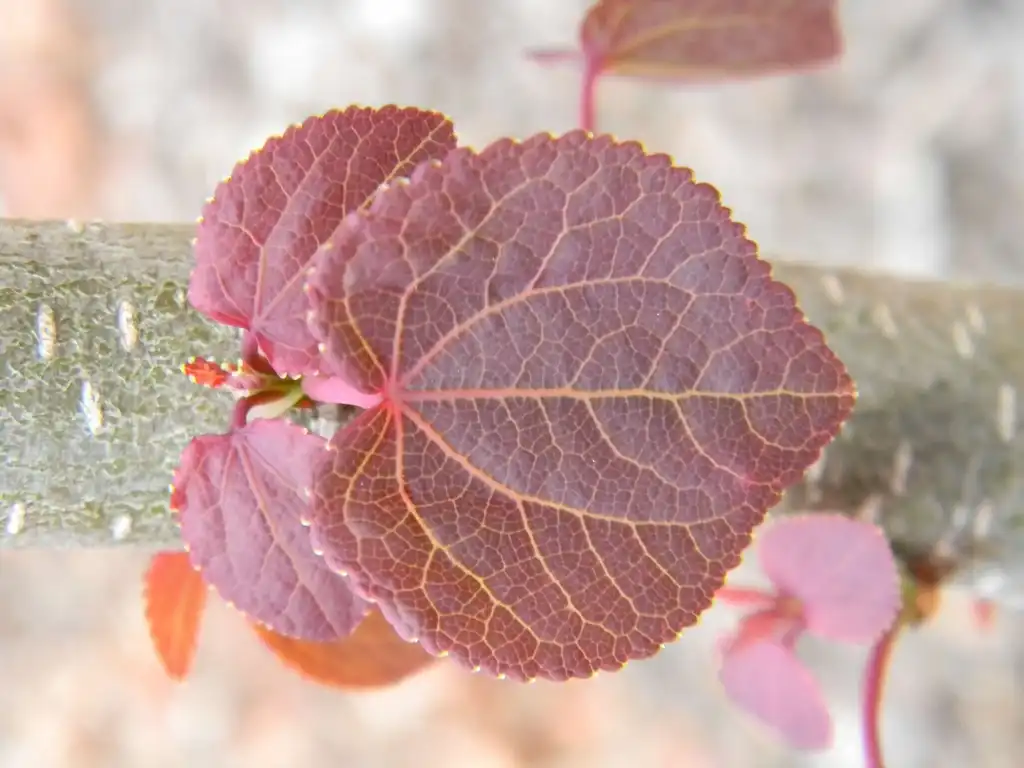
• Photo of Cercidiphyllum japonicum (Cercidiphyllum japonicums)

Plant Profile: Cercidiphyllum japonicum

Taxonomy: Cercidiphyllum japonicum

Names

Japanese Judas Tree, Katsura Tree, Katsura Vine

  • Photo of Cercidiphyllum japonicum (Cercidiphyllum japonicums)

Phonetic Spelling:ser-sid-ih-FIL-um juh-PON-ih-kum

Genus:Cercidiphyllum

Species:japonicum

Family:Cercidiphyllaceae

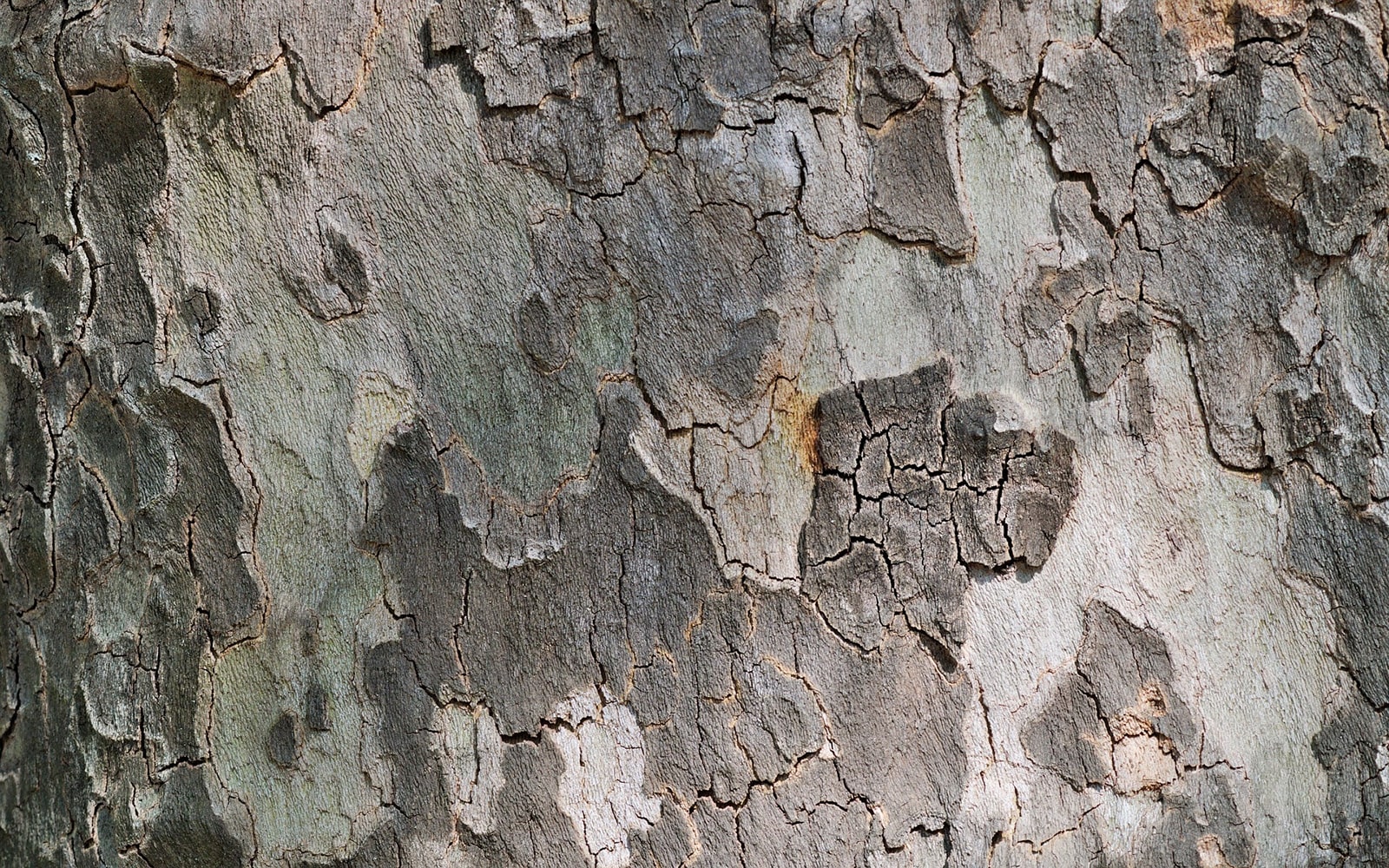
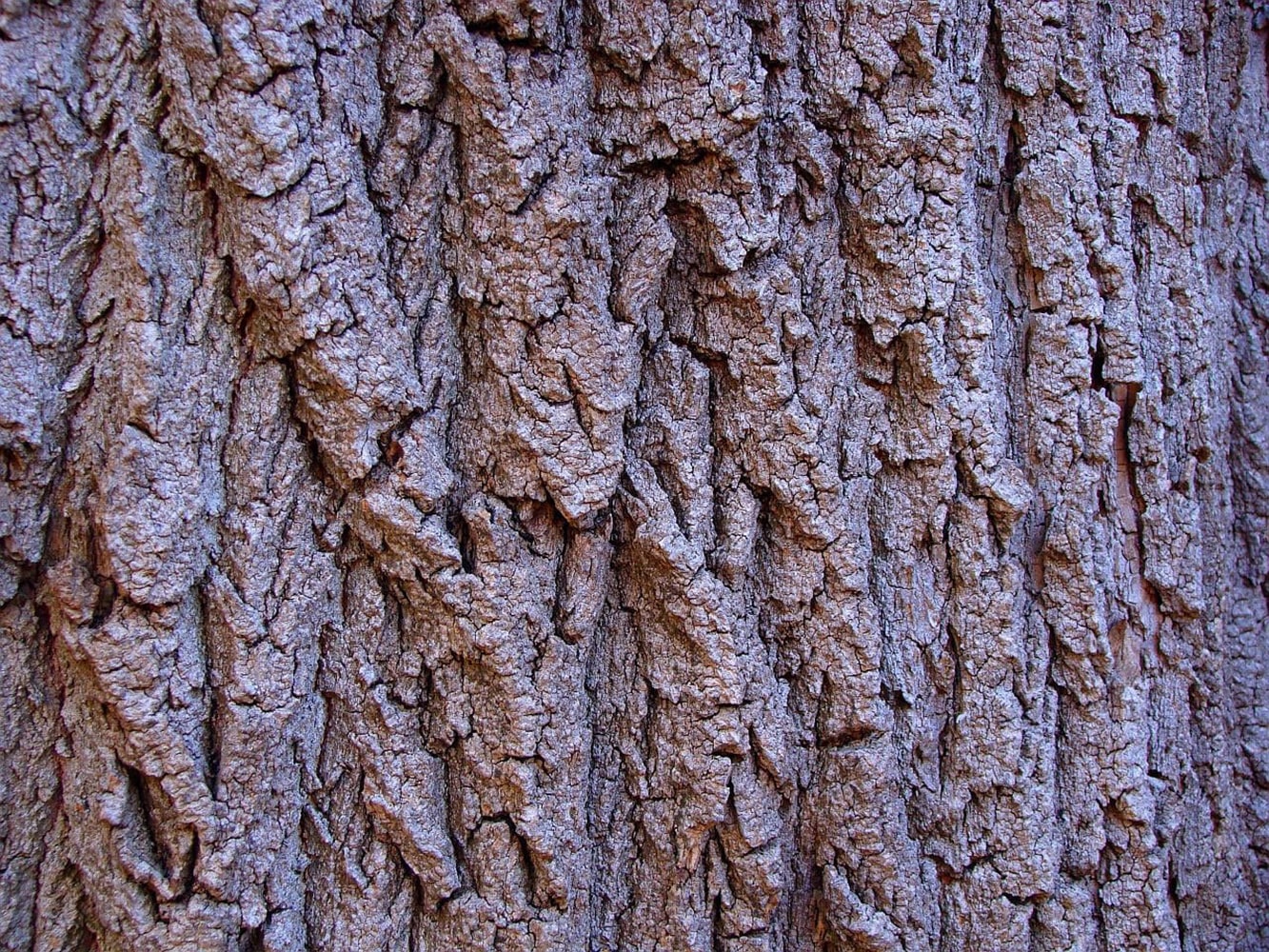
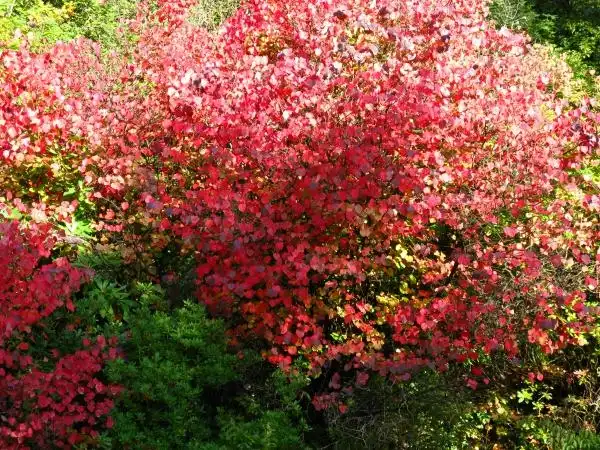
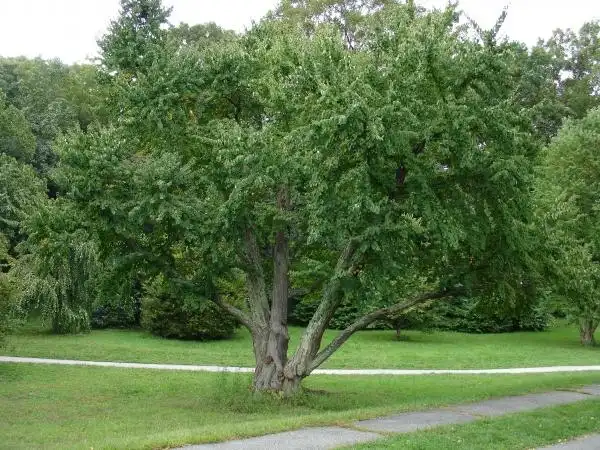
Cercidiphyllum is a genus that encompasses two species of plants, both referred to as Katsura. These species are the sole representatives of the family Cercidiphyllaceae. Originating from Japan and China, this genus is recognized as one of the largest hardwoods in Asia. The term "Katsura" is derived from Japanese, and it describes a medium-sized deciduous tree characterized by a full, dense, pyramidal shape in its youth, which evolves into a more variable form with age, featuring low, stiffly arching branches. The bark of older trunks is shaggy and has loose ends. Trees within the Cercidiphyllum genus develop spurs along their twigs, which are short stems adorned with closely spaced leaves. Flowering occurs in March or April, resulting in the production of winged seeds. Various cultivars are cultivated, including 'Aureum', 'Heronswood Globe', 'Pendula', and 'Ruby'.

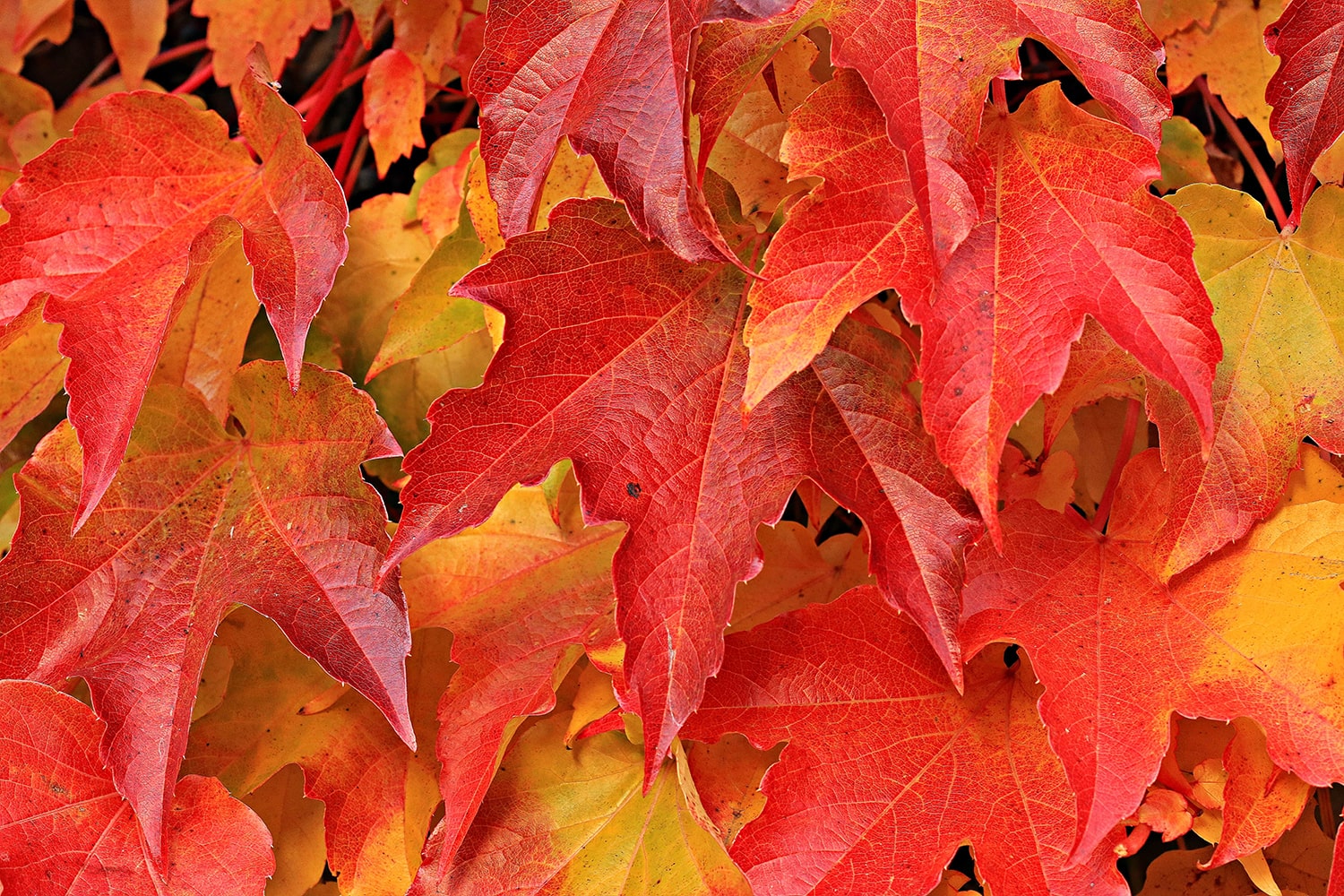
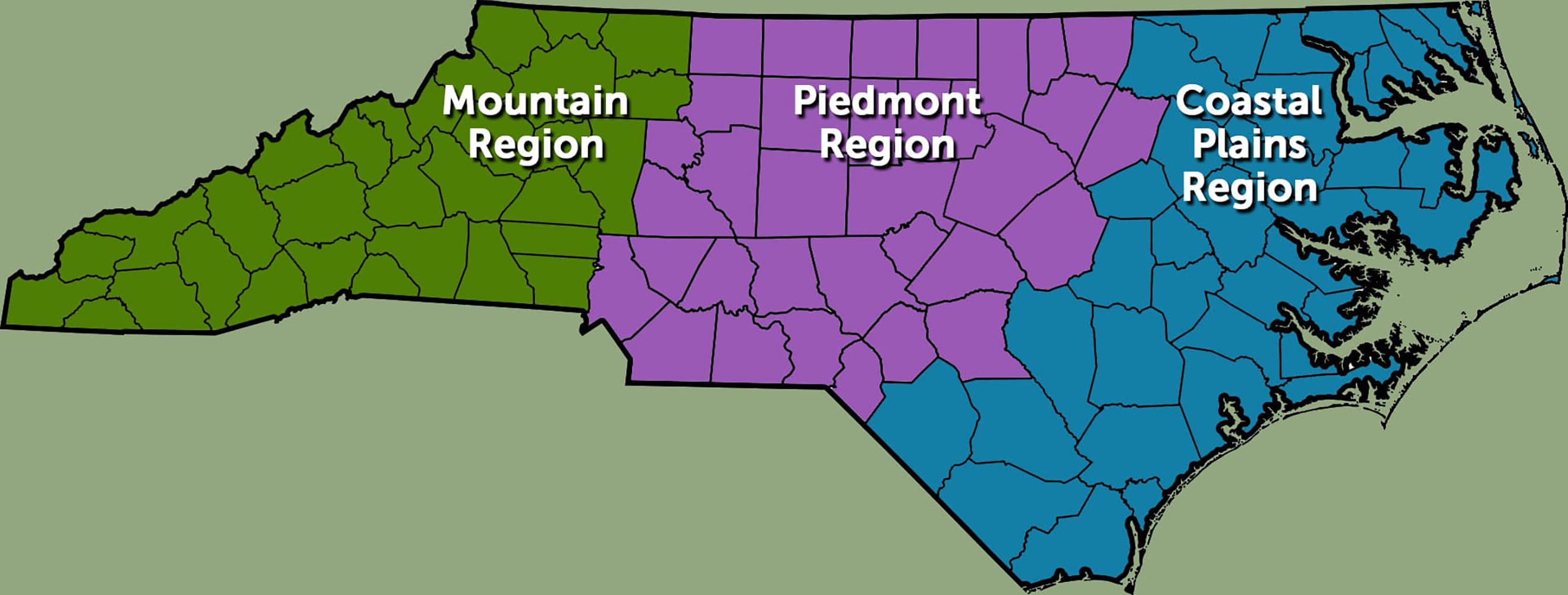
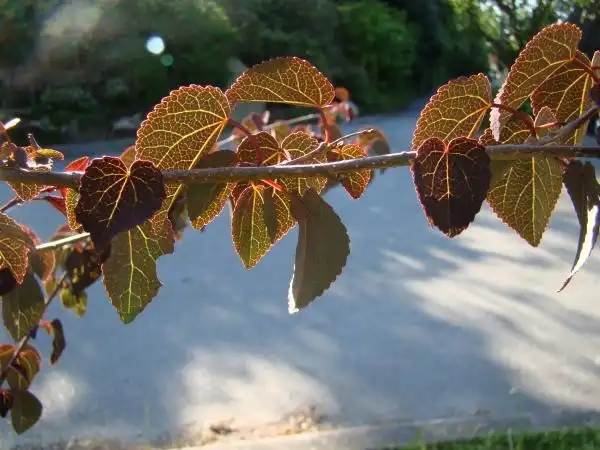
For optimal growth, this tree should be planted in full sunlight, in moist, organically rich, well-drained soil, and it requires sufficient water during its establishment phase. The new leaves emerge in a reddish-purple hue, transition to green as they mature, and then turn apricot yellow in the fall before they drop. The scent of the decaying leaves in autumn resembles that of caramel or burnt sugar, akin to cotton candy. The scientific name, Cercidiphyllum, highlights the similarity of its leaves to those of Cercis (redbuds); however, these two unrelated genera can be easily differentiated, as redbud leaves are arranged alternately rather than oppositely. This tree is well-suited for expansive areas such as parks, golf courses, commercial properties, or as a street tree.

**Quick Identification Tips:**

**Insects, Diseases, and Other Plant Issues:** This tree is generally resilient, facing no significant insect or disease threats. However, it can experience stress from drought and wind, and it tends to exhibit poor leaf coloration in alkaline soils. Additionally, transplanting can pose challenges.

Cercidiphyllum japonicum Feature Summary

Cercidiphyllum japonicum Image Gallery

Tags

#fragrant
#deciduous
#fall color
#shade tree
#bark
#fragrant leaves
#street tree
#playground
#children's garden
#pollinator plant
#wind pollinated
#fantz
#deciduous tree
#fall color yellow
#fall color orange

Similar Plants

Cercidiphyllum japonicum is often confused with:

Cercidiphyllum japonicum Feature Summary

Attributes
The wood is light, soft and fine-grained so has been used in Japan to making furniture, cabinetry, and paneling.
Insect pollinators
Attracts Pollinators
Shade
Fruit
The seed is inside a pod type fruit. The fruit that follows is a cluster of 2-4 small pods with numerous small, flattened and winged seeds. The fruits mature in autumn and release their seeds in autumn through winter by splitting open. There are 2-4 on pedicel, the seeds paper thin and winged.
Green
Brown/Copper
1-3 inches
Flowers
Insignificant flowers are produced on dioecious (having separate male and female) trees. Female flowers are small and green male flowers are red. They appear in early spring for only a week and are wind-pollinated. Dioecious; male flowers with calyx & numerous stamens; female flower with 4 winged sepals, 4-6 carpels.
Red/Burgundy
Green
Leaves
Short shoots bear simple opposite to subopposite, 2"-4" leaves. They are broadly cordate (heart-shaped) or reniform, palmately webbed veined leaves with crenate, entire, or finely serrate margins. New leaves emerge reddish-bronze-purple; turn blue-green in summer; yellow to apricot fall color.
Green
Blue
Gold/Yellow
Red/Burgundy
Purple/Lavender
Ovate
Cordate
Obtuse
Reniform
Entire
Serrate
Crenate
1-3 inches
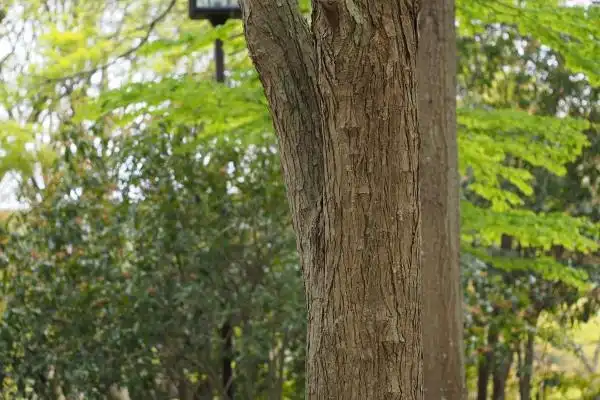
Bark
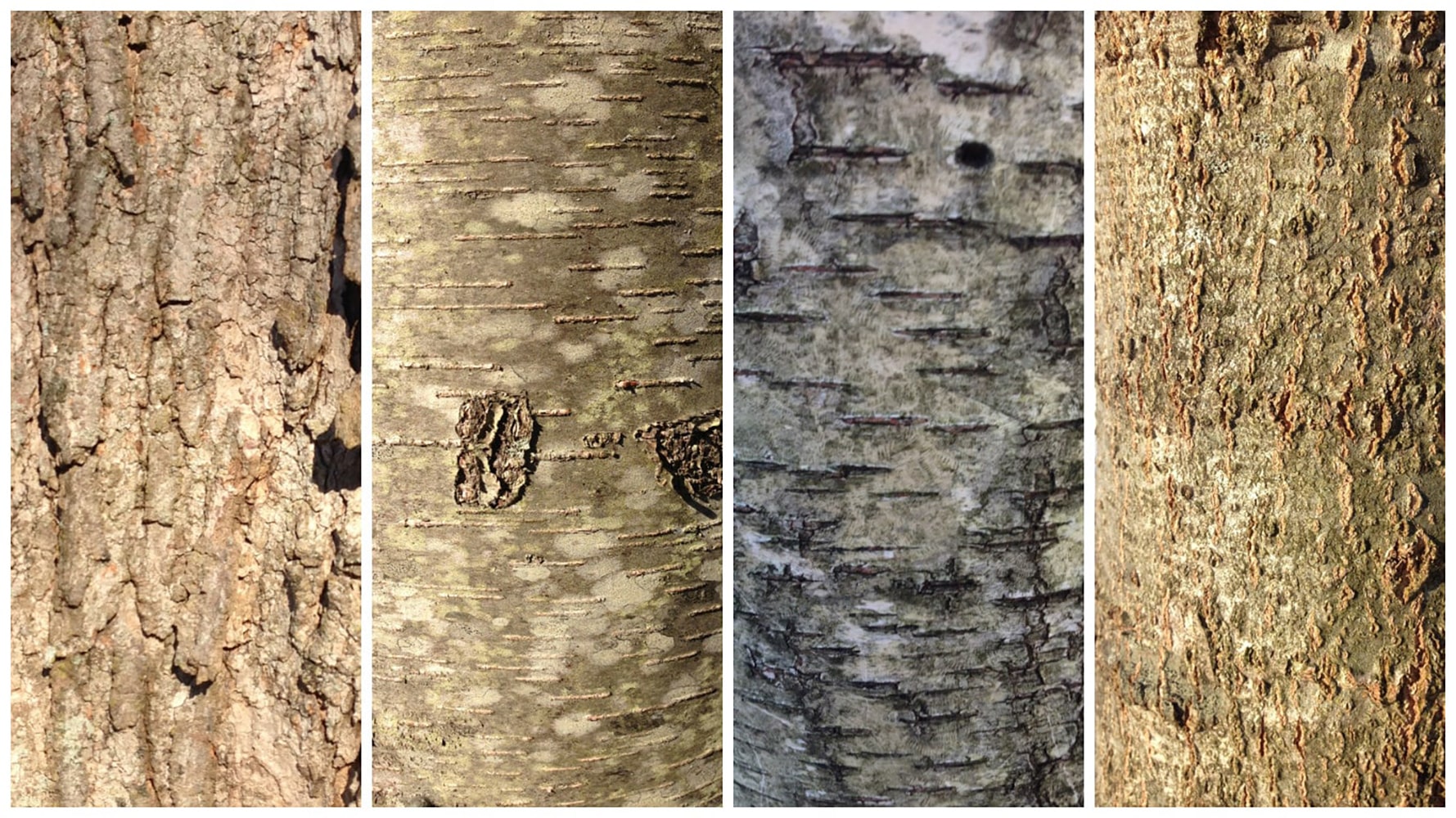
Older bark can be shaggy and scaly, younger bark has horizontal etches
Light Gray
Light Brown
Scaly
Smooth
Shaggy
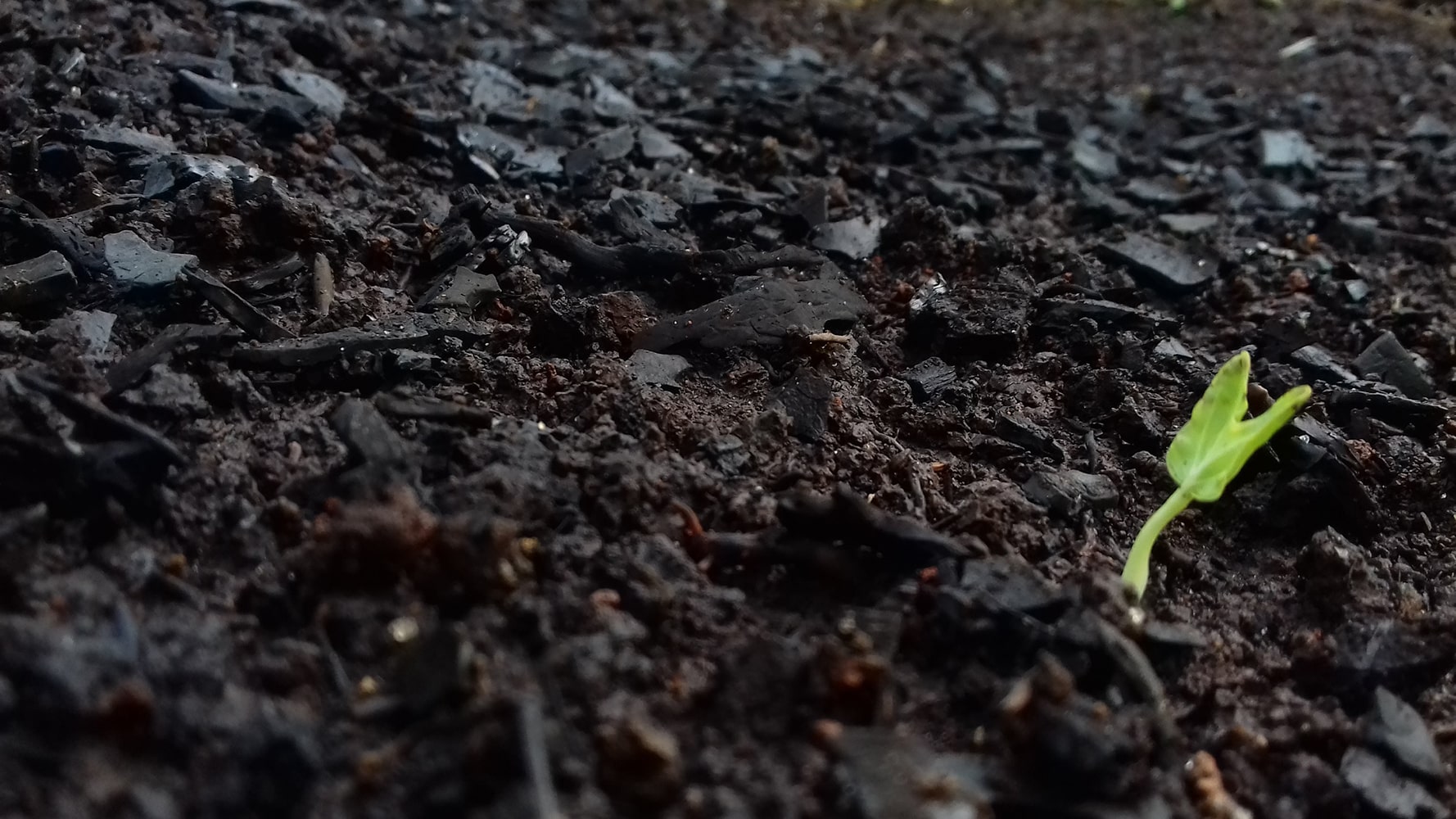
Stem
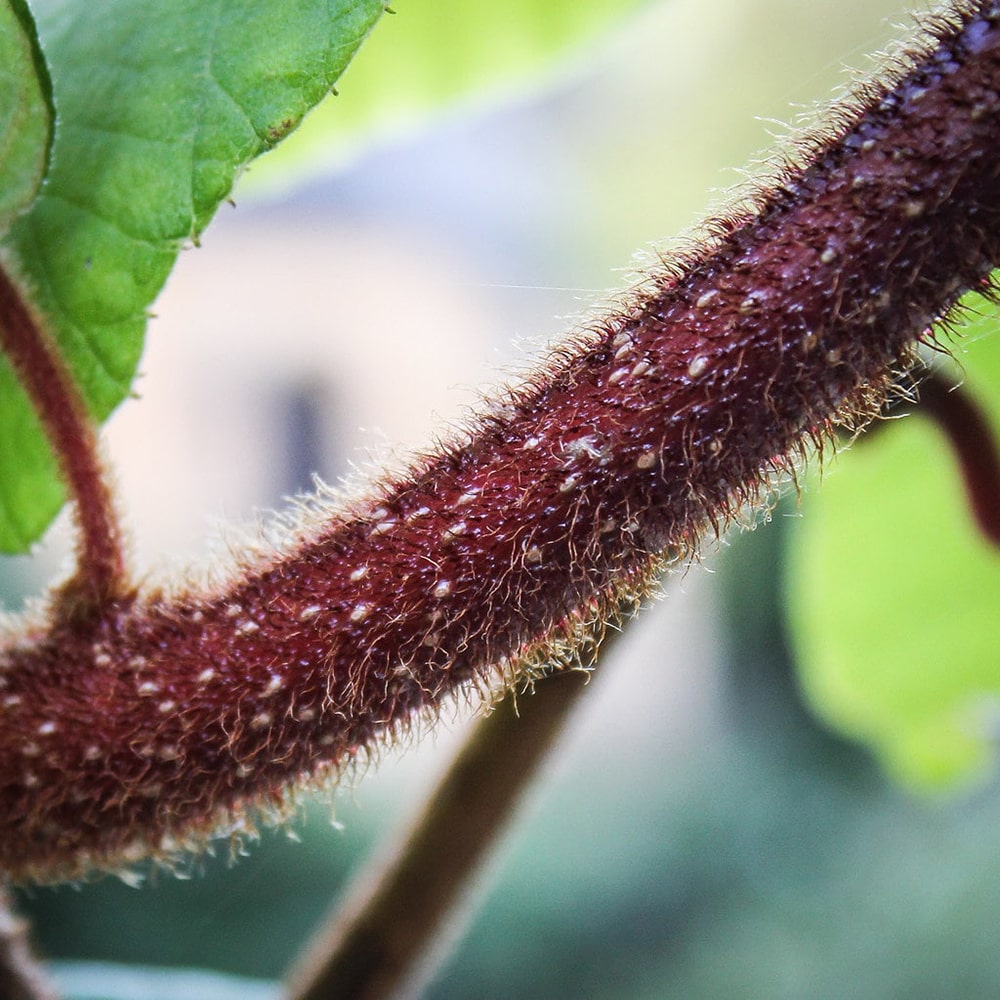
Thin, brown very branched stems
Brown/Copper
Whole Plant Traits
Arching
Multi-trunked
Rounded
Pyramidal
Spreading
Oval
Medium
Cultural Conditions
Full sun (6 or more hours of direct sunlight a day)
Acid (<6.0)
Neutral (6.0-8.0)
Good Drainage
Moist
Coastal
Mountains
Piedmont
4a
4b
5b
5a
6a
6b
7a
7b
8b
8a
Clay
High Organic Matter
Sand
Landscape
Pollinator Garden
Children's Garden
Shade Tree
Street Tree
Recreational Play Area
Lawn
Pollinators

Cercidiphyllum japonicum Attributes

Cercidiphyllum japonicum: Uses (Ethnobotany)

The wood is light, soft and fine-grained so has been used in Japan to making furniture, cabinetry, and paneling.

Cercidiphyllum japonicum: Country Or Region Of Origin

China

Cercidiphyllum japonicum: Wildlife Value

Insect pollinators

Cercidiphyllum japonicum: Life Cycle

Annual
Biennial
Bulb
Perennial
Woody

Cercidiphyllum japonicum: Play Value

Attractive Flowers
Attracts Pollinators
Buffer
Colorful
Defines Paths
Easy to Grow
Edible fruit
Fragrance
Pieces Used in Games
Screening
Shade
Sound
Textural
Wildlife Cover/Habitat
Wildlife Food Source
Wildlife Larval Host
Wildlife Nesting
Wind Break
Wind Shimmer

Cercidiphyllum japonicum Fruit

Cercidiphyllum japonicum: Fruit Description

The seed is inside a pod type fruit. The fruit that follows is a cluster of 2-4 small pods with numerous small, flattened and winged seeds. The fruits mature in autumn and release their seeds in autumn through winter by splitting open. There are 2-4 on pedicel, the seeds paper thin and winged.

Cercidiphyllum japonicum: Fruit Type

Achene
Aggregate
Berry
Capsule
Caryopsis
Drupe
Follicle
Legume
Nut
Pome
Samara
Schizocarp
Siliqua

Cercidiphyllum japonicum: Fruit Color

grass
Brown/Copper
grass
Green

Cercidiphyllum japonicum: Display/Harvest Time

Fall
Spring
Summer
Winter

Cercidiphyllum japonicum: Fruit Length

< 1 inch
1-3 inches
> 3 inches

Cercidiphyllum japonicum Flowers

Cercidiphyllum japonicum: Flower Description

Insignificant flowers are produced on dioecious (having separate male and female) trees. Female flowers are small and green male flowers are red. They appear in early spring for only a week and are wind-pollinated. Dioecious; male flowers with calyx & numerous stamens; female flower with 4 winged sepals, 4-6 carpels.

Cercidiphyllum japonicum: Flower Color

filter_vintage
Green
filter_vintage
Red/Burgundy

Cercidiphyllum japonicum: Flower Inflorescence

Catkin
Corymb
Cyme
Head
Insignificant
Panicle
Raceme
Solitary
Spadix
Spike
Umbel

Cercidiphyllum japonicum: Flower Bloom Time

Winter
Spring
Summer
Fall

Cercidiphyllum japonicum Leaves

Cercidiphyllum japonicum: Leaf Description

Short shoots bear simple opposite to subopposite, 2"-4" leaves. They are broadly cordate (heart-shaped) or reniform, palmately webbed veined leaves with crenate, entire, or finely serrate margins. New leaves emerge reddish-bronze-purple; turn blue-green in summer; yellow to apricot fall color.

Cercidiphyllum japonicum: Woody Plant Leaf Characteristics

Broadleaf Evergreen
Deciduous
Needled Evergreen
Semi-evergreen

Cercidiphyllum japonicum: Leaf Color

spa
Blue
spa
Gold/Yellow
spa
Green
spa
Purple/Lavender
spa
Red/Burgundy

Cercidiphyllum japonicum: Deciduous Leaf Fall Color

spa
Gold/Yellow
spa
Orange

Cercidiphyllum japonicum: Leaf Type

Compound (Pinnately , Bipinnately, Palmately)
Fronds
Needles
Sheath
Simple

Cercidiphyllum japonicum: Leaf Arrangement

Alternate
Opposite
Other/more complex
Rosulate
Whorled

Cercidiphyllum japonicum: Leaf Shape

Acicular
Auriculate
Cordate
Cuneate
Deltoid
Elliptical
Filiform
Lanceolate
Linear
Oblanceolate
Oblong
Obovate
Obtuse
Orbicular
Ovate
Palmasect
Palmatifid
Peltate
Pinnatifid
Pinnatisect
Reniform
Rhomboidal
Spatulate
Subcordate
Subulate

Cercidiphyllum japonicum: Leaf Margin

Crenate
Crenulate
Dentate
Denticulate
Doubly Crenate
Doubly Dentate
Doubly Serrate
Entire
Lobed
Serrate
Sinuate
Undulate

Cercidiphyllum japonicum: Hairs Present

No
Yes

Cercidiphyllum japonicum: Leaf Length

< 1 inch
1-3 inches
3-6 inches
> 6 inches

Cercidiphyllum japonicum: Leaf Value To Gardener

Edible
Fragrant
Good Cut
Good Dried
Long-lasting
Showy

Cercidiphyllum japonicum Bark

Cercidiphyllum japonicum: Bark Description

Older bark can be shaggy and scaly, younger bark has horizontal etches

Cercidiphyllum japonicum: Bark Color

grass
Light Brown
grass
Light Gray

Cercidiphyllum japonicum: Surface/Attachment

Bumpy
Exfoliating
Fissured
Furrowed
Lenticels
Papery

Patchy
Peeling
Ridges
Scaly
Shaggy
Shiny
Shredding
Smooth
Spongy

Cercidiphyllum japonicum Stem

Cercidiphyllum japonicum: Stem Description

Thin, brown very branched stems
Cercidiphyllum japonicum: Stem Color

grass
Brown/Copper

Cercidiphyllum japonicum: Stem Is Aromatic

No
Yes

Cercidiphyllum japonicum Whole Plant Traits

Cercidiphyllum japonicum: Plant Type

Annual
Bulb
Carnivorous
Edible
Epiphyte
Fern
Ground Cover
Herb
Herbaceous Perennial
Houseplant
Mushroom
Native Plant
Ornamental Grasses and Sedges
Perennial
Poisonous
Rose
Shrub
Succulent
Tree
Turfgrass
Vegetable
Vine
Water Plant
Weed
Wildflower

Cercidiphyllum japonicum: Woody Plant Leaf Characteristics

Broadleaf Evergreen
Deciduous
Needled Evergreen
Semi-evergreen

Cercidiphyllum japonicum: Habit/Form

Arching
Ascending
Broad
Cascading
Climbing
Clumping
Columnar
Conical
Creeping
Dense
Erect
Horizontal
Irregular
Mounding
Multi-stemmed
Multi-trunked
Open
Oval
Prostrate
Pyramidal
Rounded
Spreading
Vase
Weeping

Cercidiphyllum japonicum: Growth Rate

Slow
Medium
Rapid

Cercidiphyllum japonicum: Texture

Fine
Medium
Coarse

Cercidiphyllum japonicum Cultural Conditions

Cercidiphyllum japonicum: Light

Dappled Sunlight (Shade through upper canopy all day)
Deep shade (Less than 2 hours to no direct sunlight)
Full sun (6 or more hours of direct sunlight a day)
Partial Shade (Direct sunlight only part of the day, 2-6 hours)

Cercidiphyllum japonicum: Soil pH

Acid (<6.0)
Alkaline (>8.0)
Neutral (6.0-8.0)

Cercidiphyllum japonicum: Soil Drainage

Frequent Standing Water
Good Drainage
Moist
Occasional Flooding
Occasionally Dry
Occasionally Wet
Very Dry

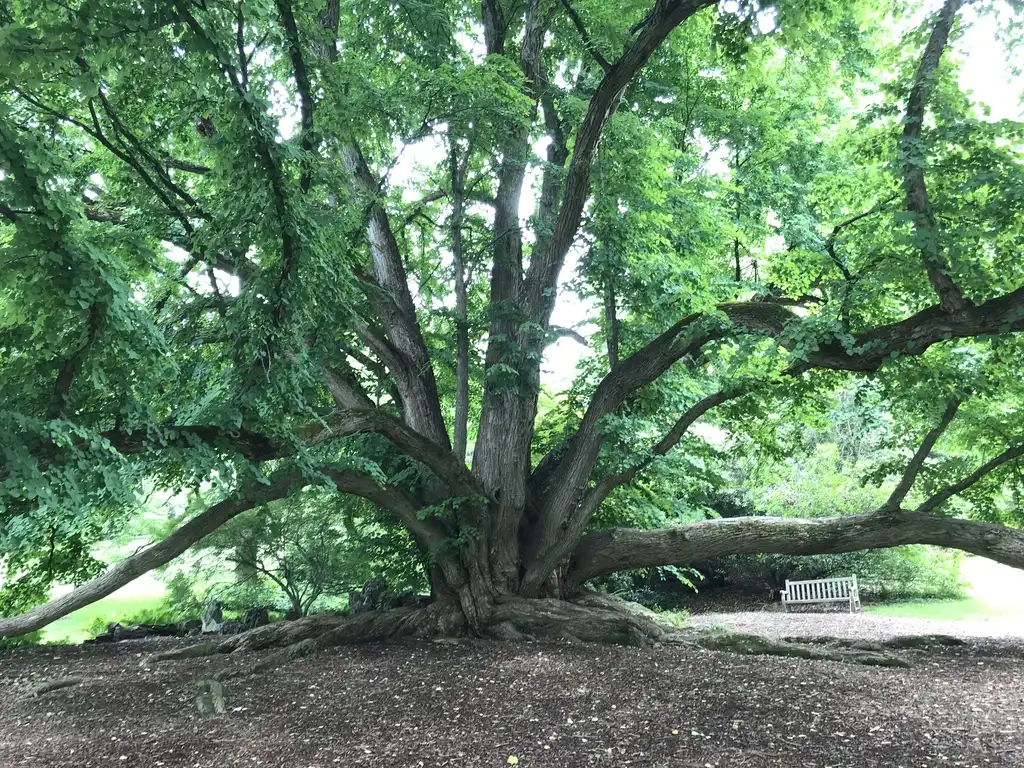
Cercidiphyllum japonicum: NC Region

Coastal
Mountains
Piedmont

Cercidiphyllum japonicum: USDA Plant Hardiness Zone

thermostat
4a
thermostat
4b
thermostat
5a
thermostat
5b
thermostat
6a
thermostat
6b
thermostat
7a
thermostat
7b
thermostat
8a
thermostat
8b

Cercidiphyllum japonicum: Soil Texture

Clay
High Organic Matter
Loam (Silt)
Sand
Shallow Rocky

Cercidiphyllum japonicum Landscape

Cercidiphyllum japonicum: Landscape Theme

Asian Garden
Butterfly Garden
Children's Garden
Cottage Garden
Cutting Garden
Drought Tolerant Garden
Edible Garden
English Garden
Fairy Garden
Garden for the Blind
Native Garden
Nighttime Garden
Pollinator Garden
Rain Garden
Rock Garden
Shade Garden
Water Garden
Winter Garden

Cercidiphyllum japonicum: Design Feature

Accent
Barrier
Border
Flowering Tree
Foundation Planting
Hedge
Mass Planting
Screen/Privacy
Security
Shade Tree
Small groups
Small Tree
Specimen
Street Tree
Understory Tree

Cercidiphyllum japonicum: Landscape Location

Coastal
Container
Hanging Baskets
Houseplants
Lawn
Meadow
Naturalized Area
Near Septic
Patio
Pond
Pool/Hardscape
Recreational Play Area
Riparian
Rock Wall
Slope/Bank
Small Space
Vertical Spaces
Walkways
Woodland

Cercidiphyllum japonicum: Attracts

Bats
Bees
Butterflies
Frogs
Hummingbirds
Moths
Pollinators
Predatory Insects
Reptiles
Small Mammals
Songbirds
Specialized Bees