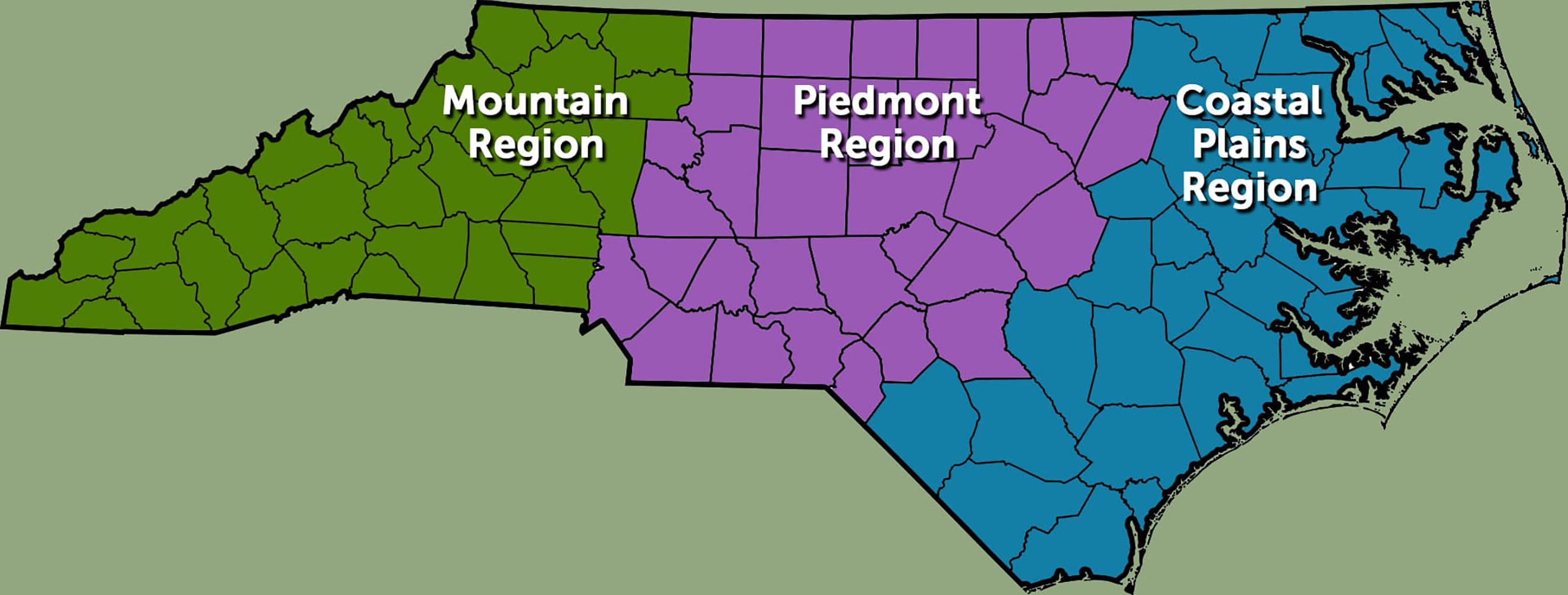
The Eastern Redbud is a deciduous ornamental tree that can reach heights exceeding 30 feet and has a trunk diameter ranging from 6 to 10 inches. It typically features one or two main trunks with sturdy branches that create a broad, flat canopy. The genus name, Cercis, is derived from the Greek word "kerkis," meaning weaver's shuttle, which alludes to the resemblance of its seed pods to the shape and size of a shuttle used in weaving. Commonly referred to as the Judas tree, this small tree often thrives in the shade of taller trees and is commonly found along field edges, hillsides, and valleys across North Carolina. While it flourishes in the Piedmont region, it is less prevalent in the western mountains.
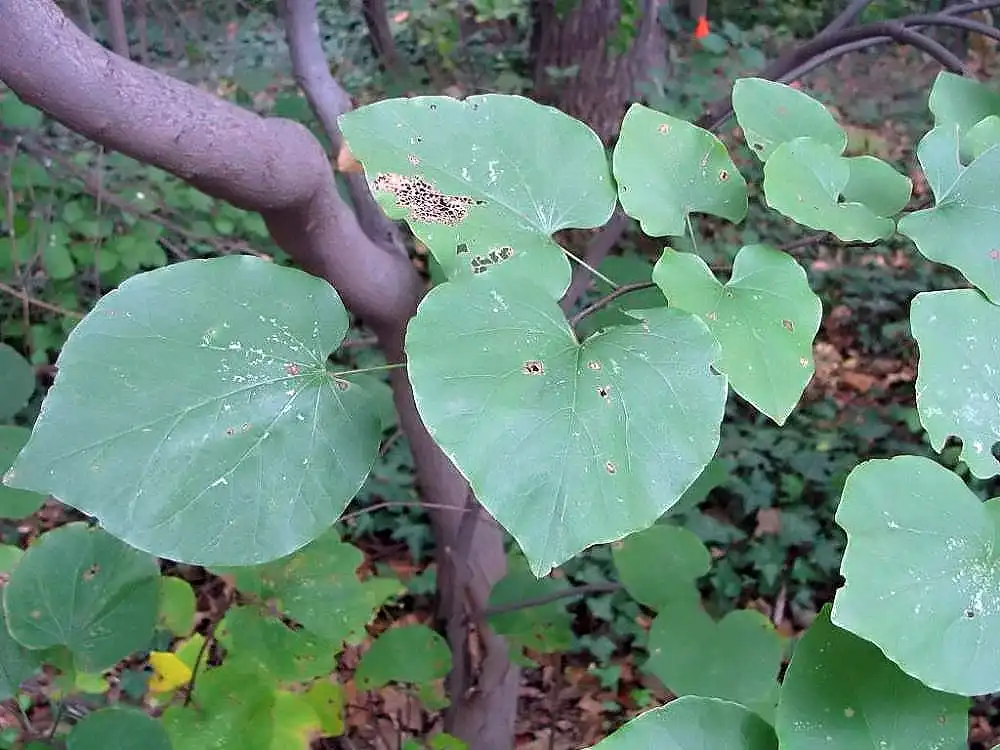
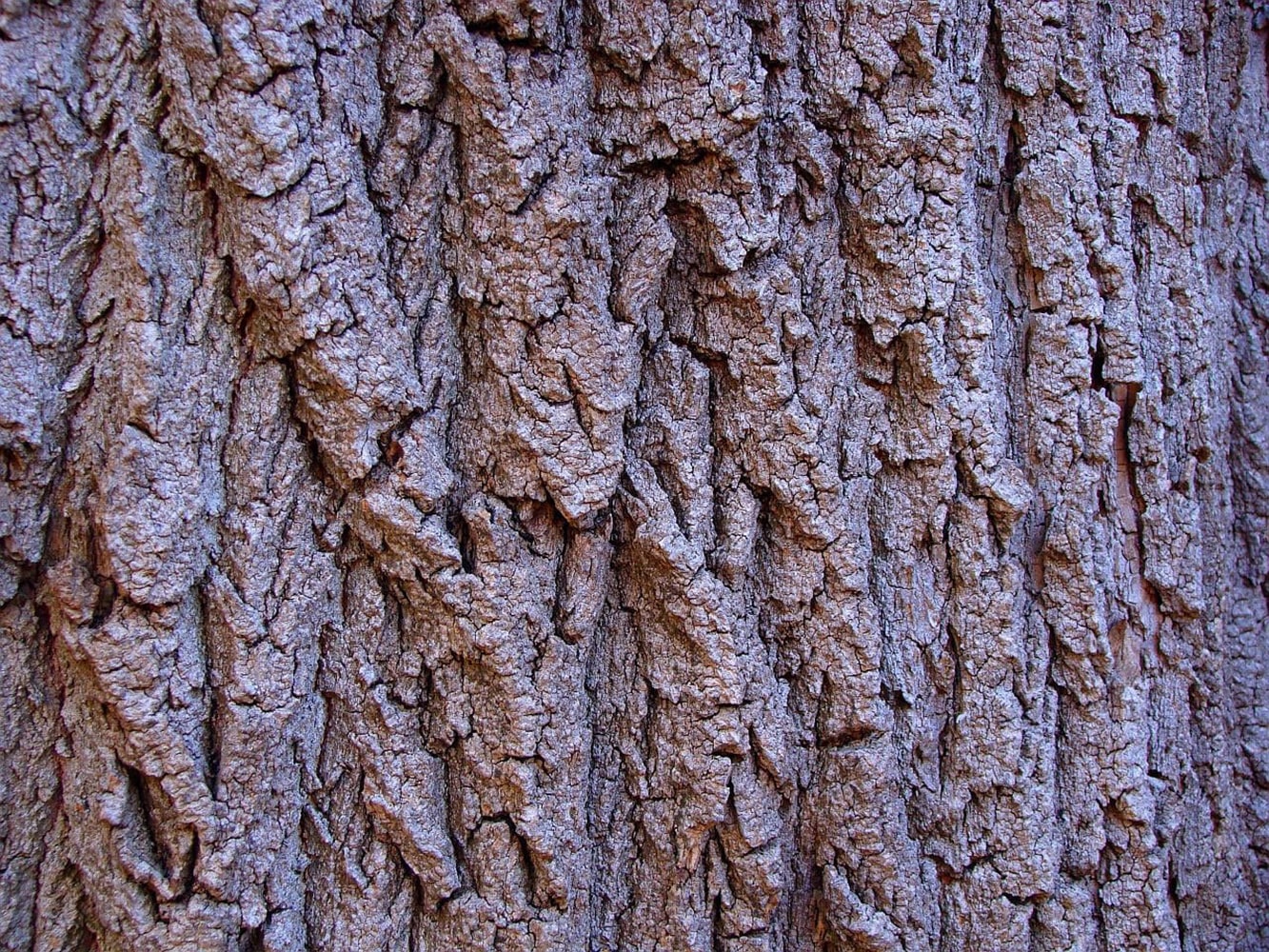
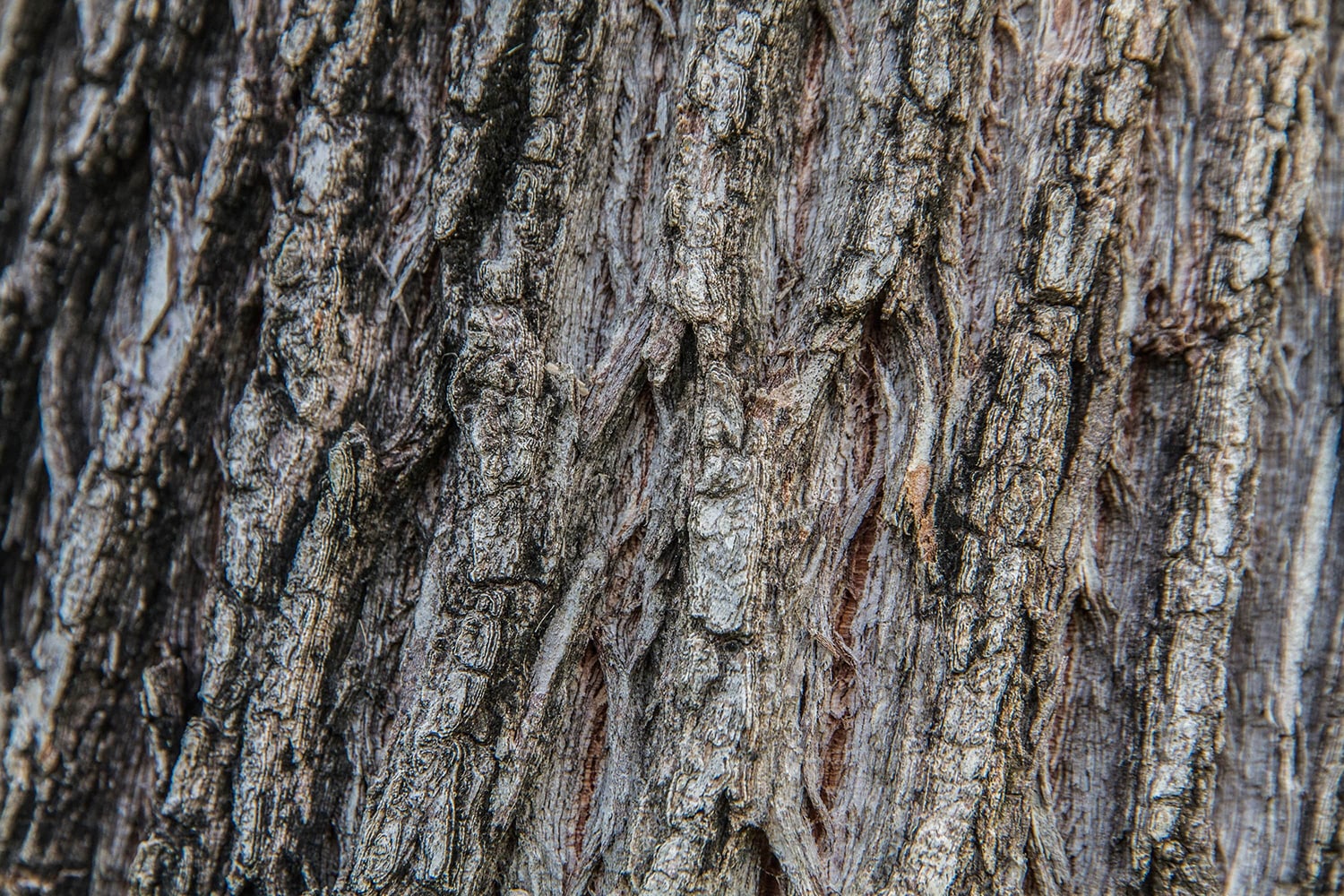
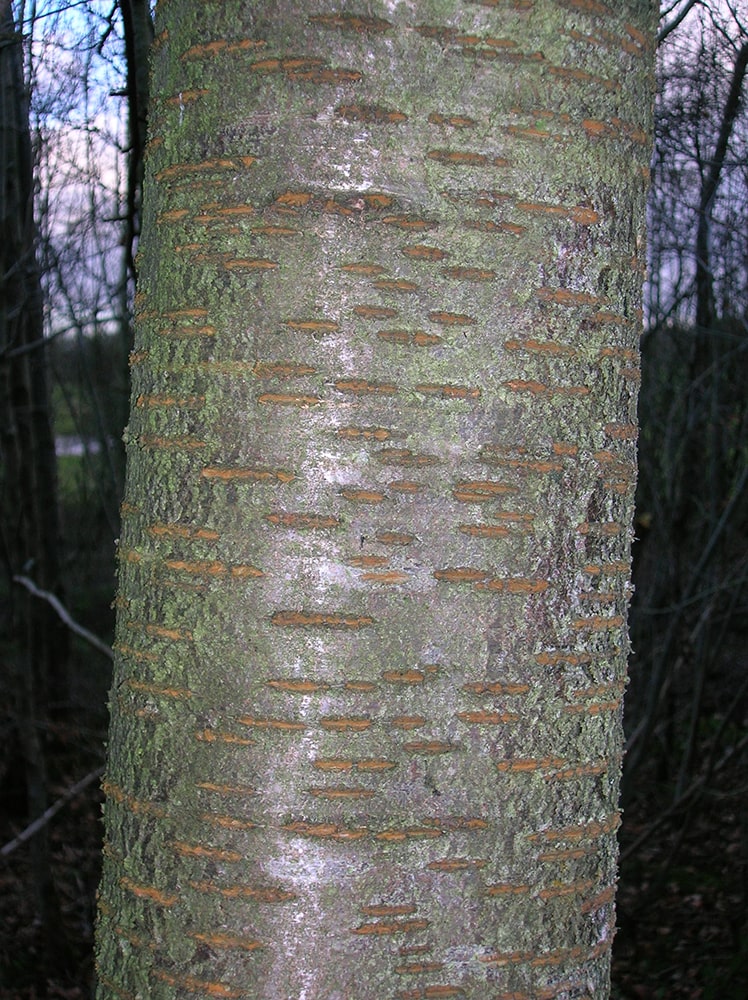
This tree is adaptable to various soil pH levels and can thrive in full sun or partial shade, as well as in clay or sandy soils. However, it is sensitive to extreme heat and drought, which can cause stress, and it does not fare well in overly wet conditions. Additionally, the Eastern Redbud is vulnerable to pests and diseases. It is crucial to minimize root disturbance by planting it in its permanent location as soon as possible and ensuring it is well-watered until it becomes established. Due to the tendency of its branches to break, it is advisable to position the tree in a sheltered area. The Eastern Redbud is known for its stunning early spring blooms, which appear before the leaves. Its leaves are heart-shaped, arranged alternately, and have smooth edges. Young trees feature smooth, brown bark, which develops scaly ridges and furrows as they mature. In early spring, clusters of pink to light purple flowers emerge, followed by the production of flattened legumes measuring 2 to 4 inches, containing brown seeds. This small tree can be planted as a standout specimen, as an understory tree, or in small groups to create a striking spring display when massed in a landscape.
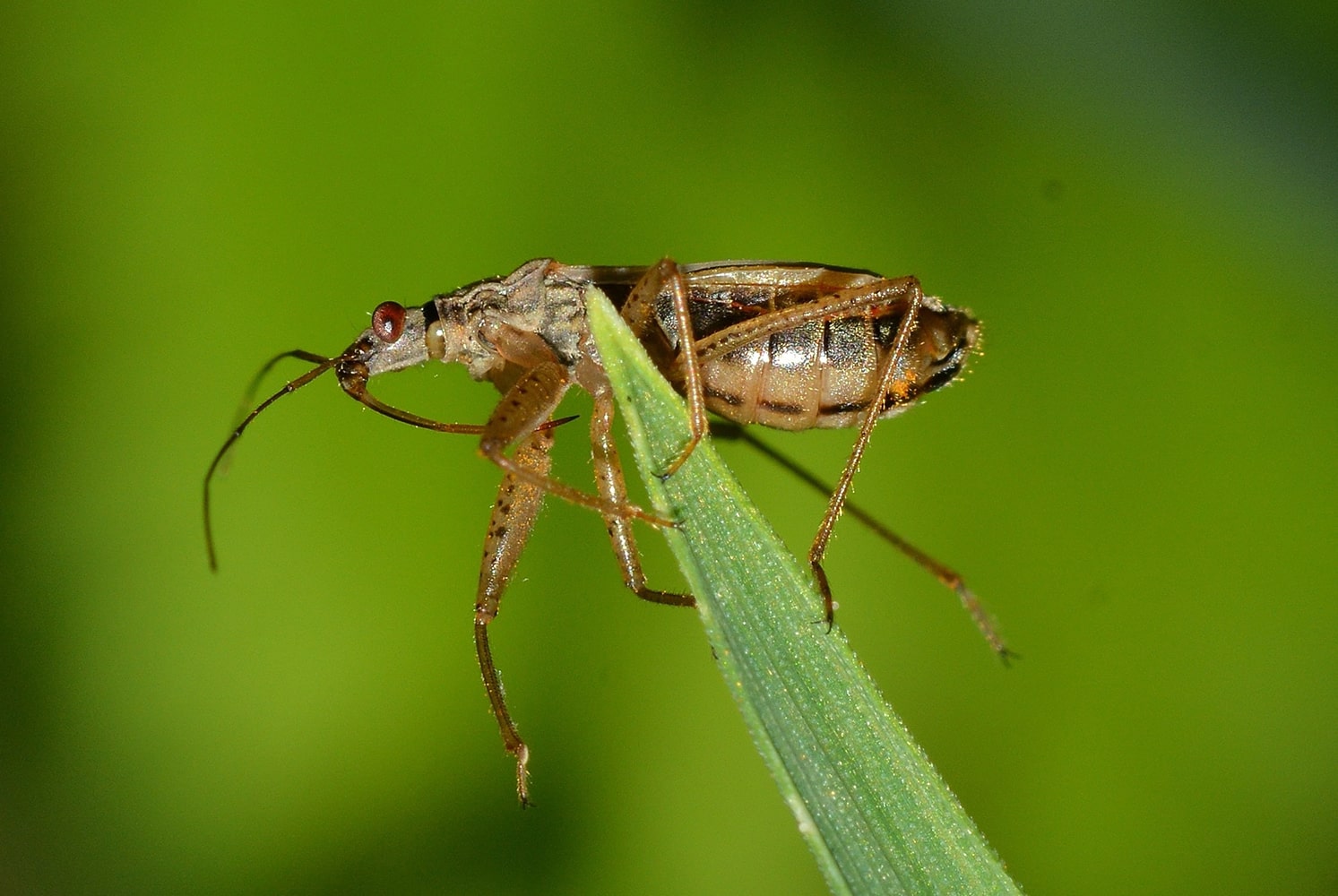
In terms of pests and diseases, the Eastern Redbud faces threats from leafhoppers, caterpillars, borers, Japanese beetles, treehoppers, scale, and webworms. It may also suffer from various diseases, including canker, dieback, leaf spots, verticillium wilt, blights, and mildew. The tree is particularly sensitive to herbicides and chemicals commonly used on lawns. Typically, it has a relatively short lifespan, often living less than 75 years. To maintain its vigor, regular watering, fertilization, and the removal of dead branches as needed are essential.