Chionanthus virginicus: Uses (Ethnobotany)
Native Americans used this plant for disinfectant and dermatological aid.
Phonetic Spelling:kee-oh-NAN-thus ver-JIN-ih-kus
Genus:Chionanthus
Species:virginicus
Family:Oleaceae
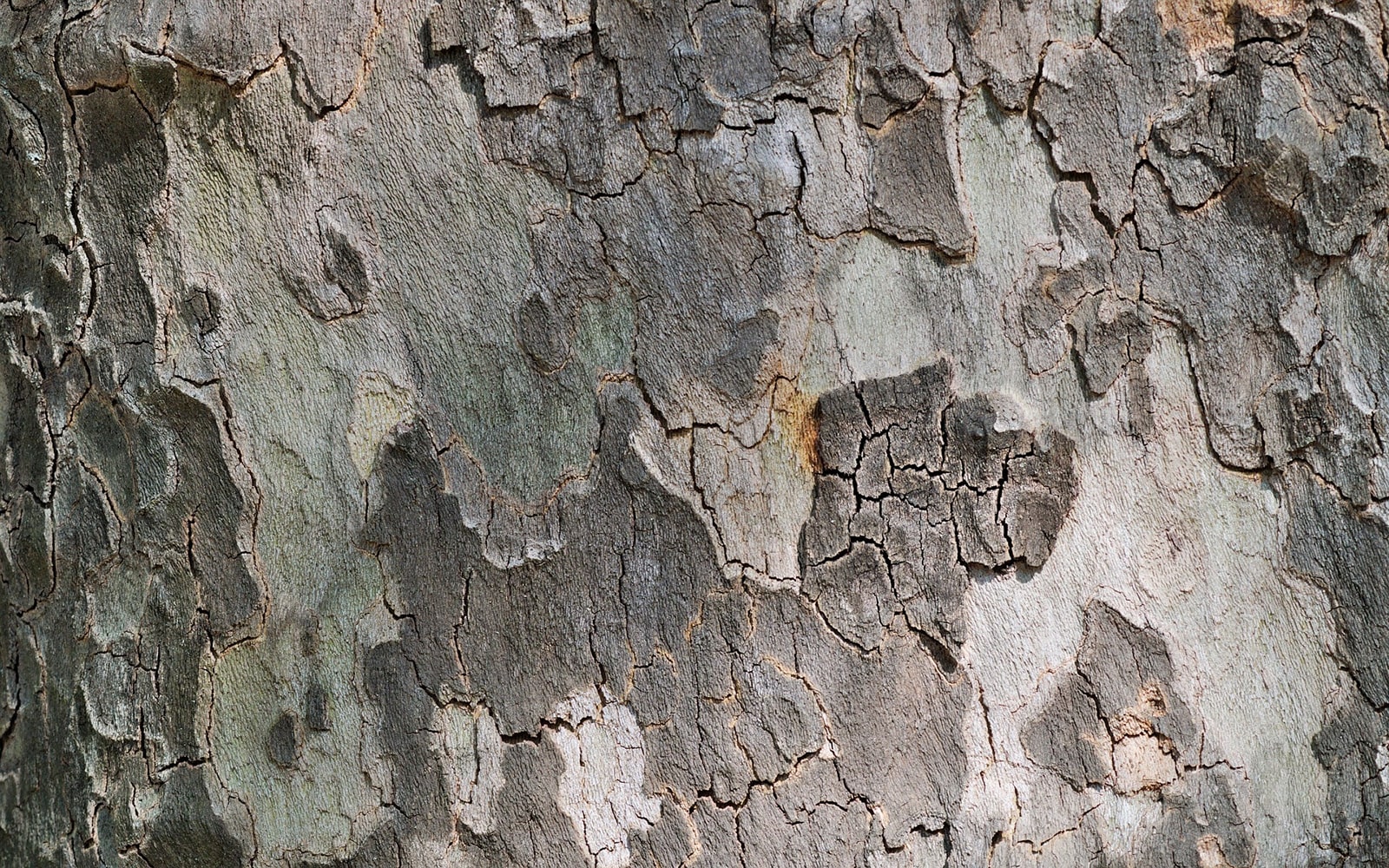
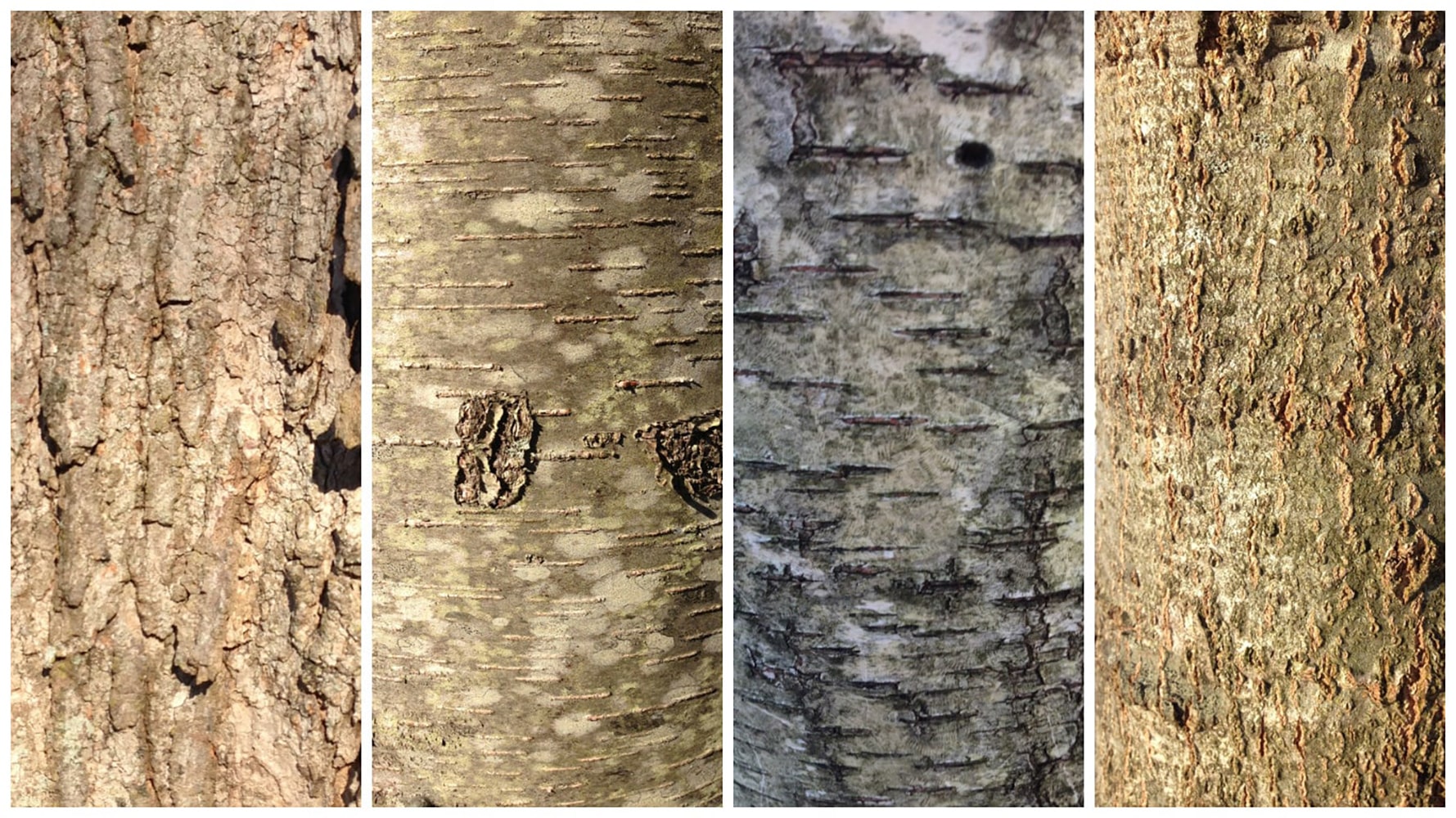
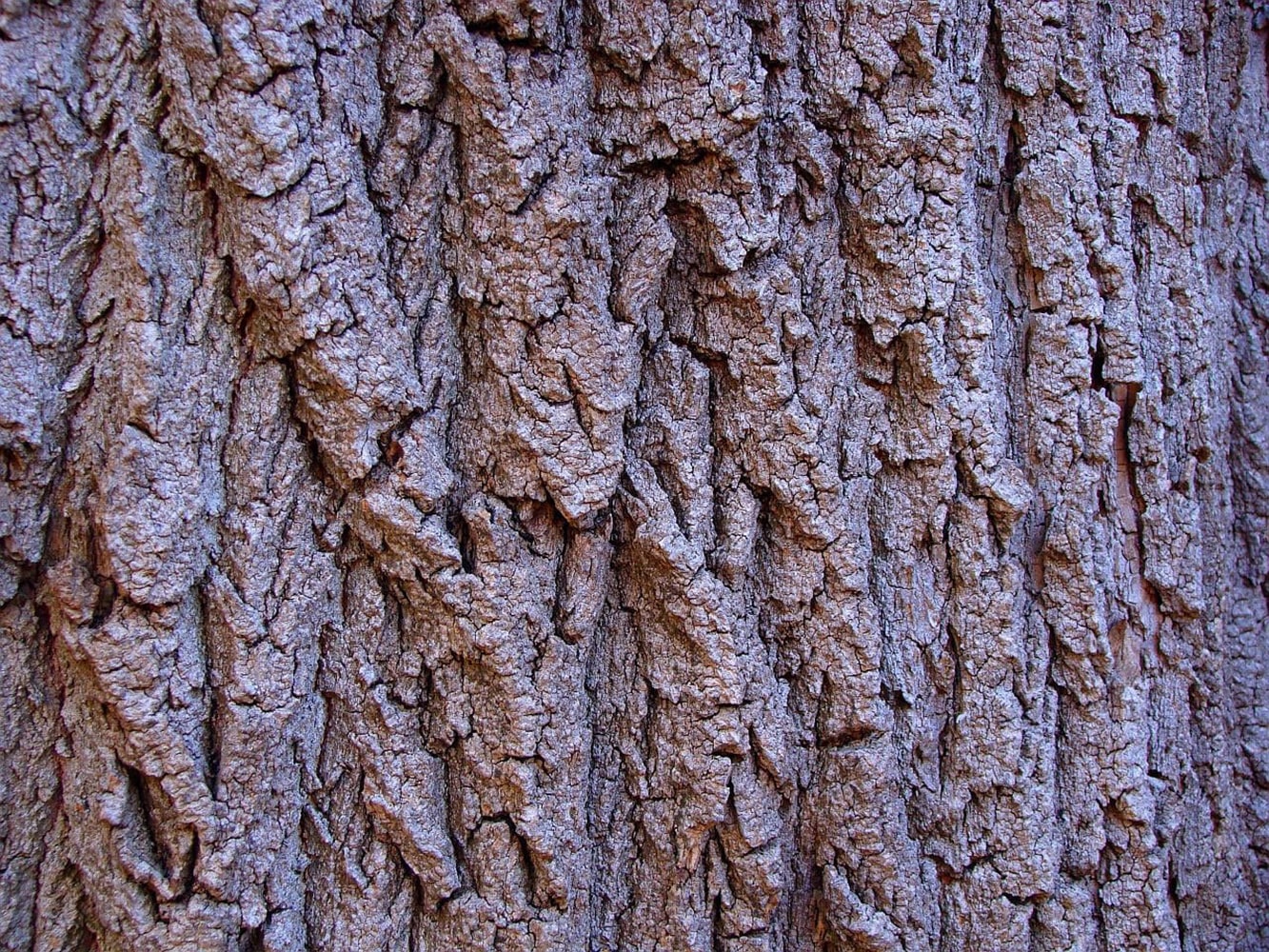
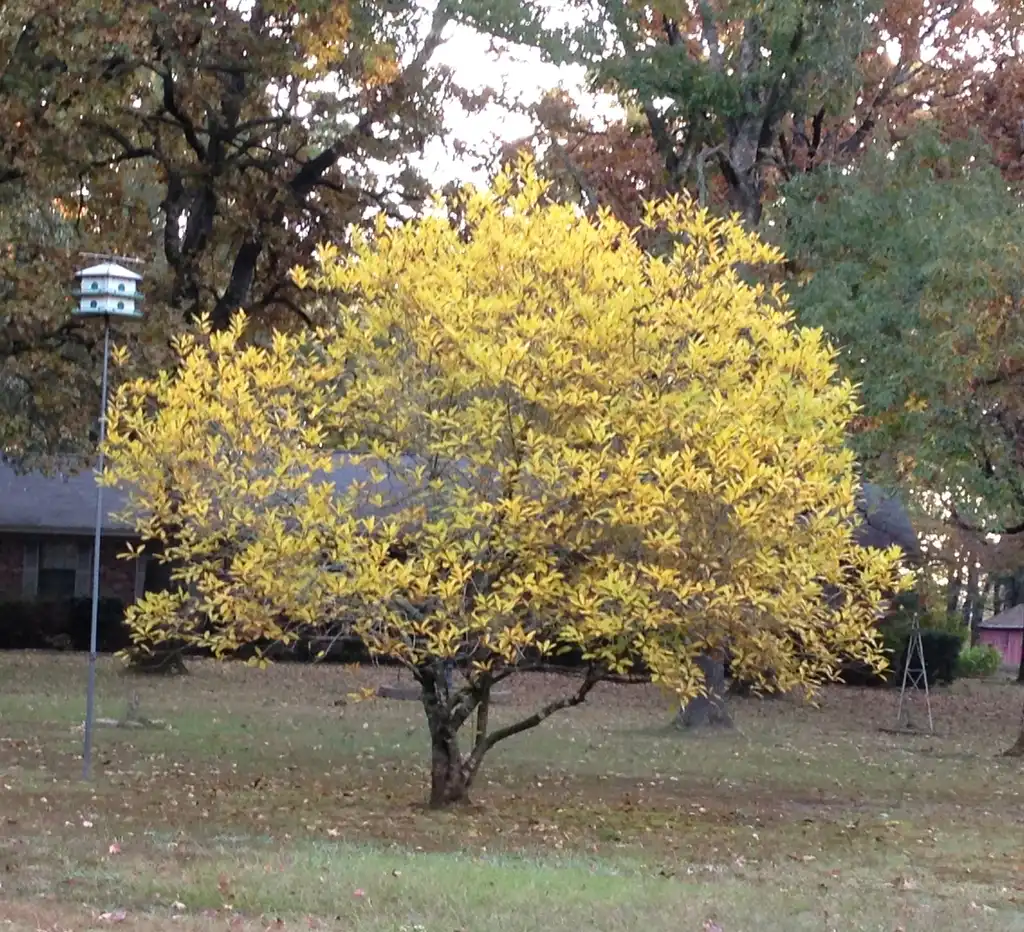
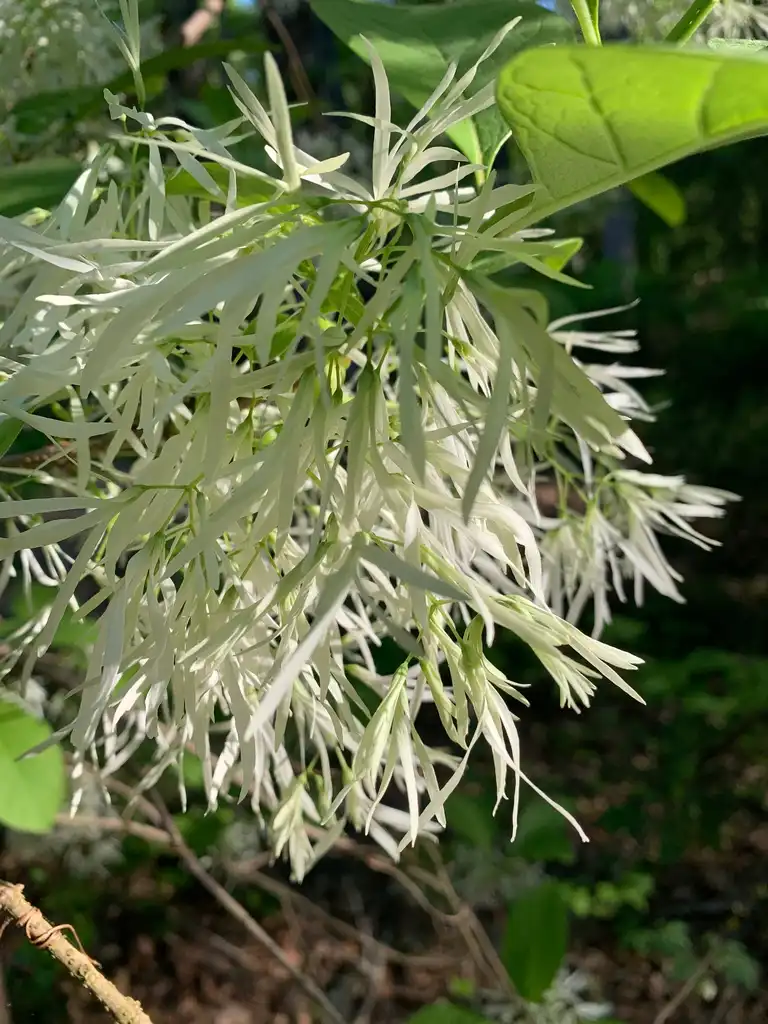
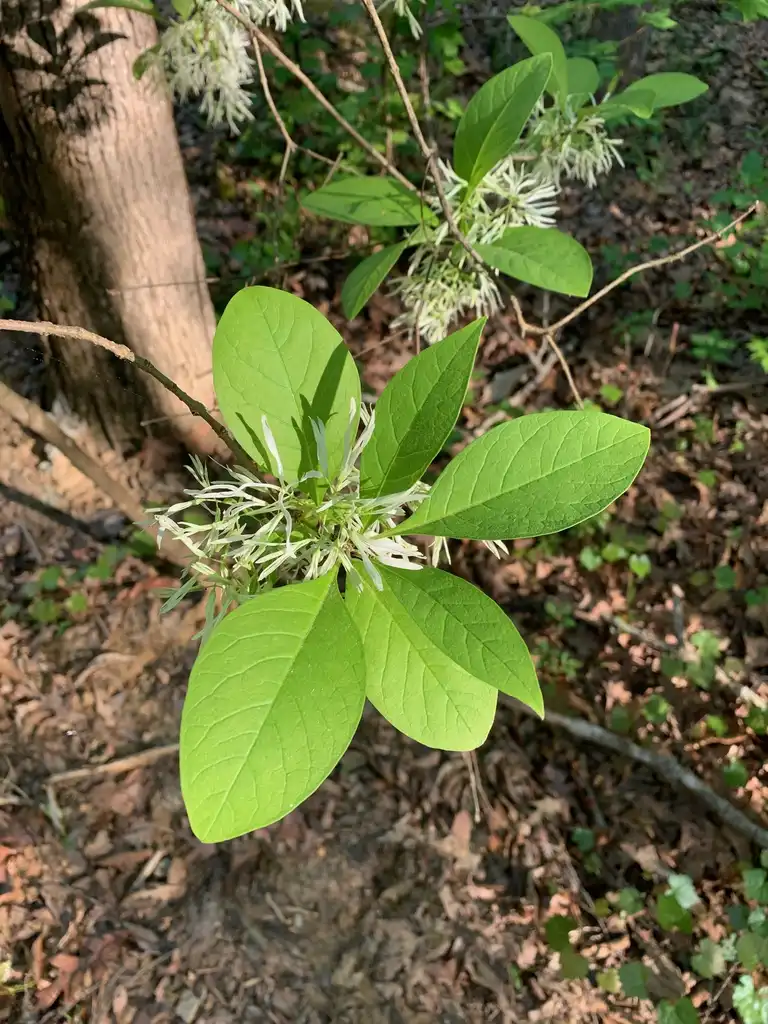
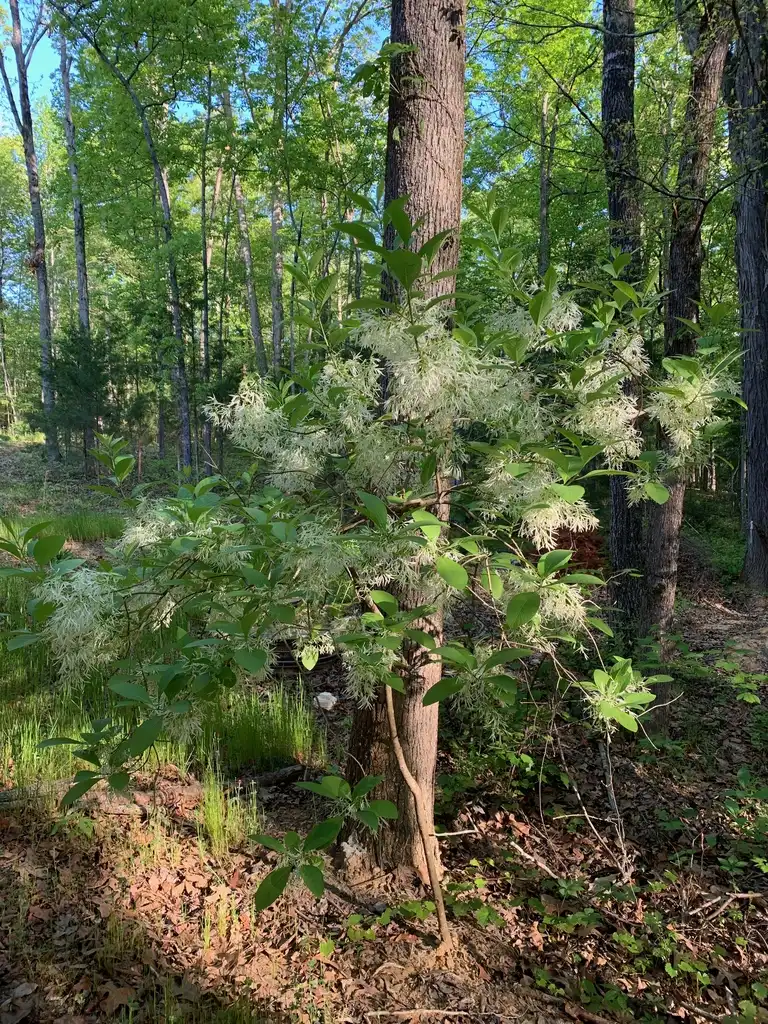
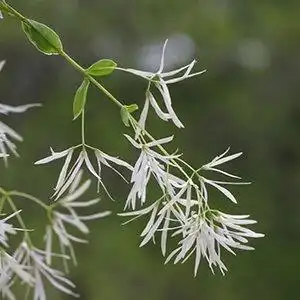
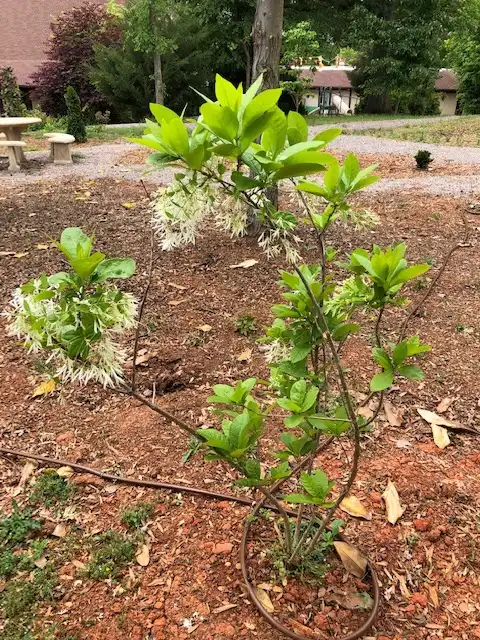
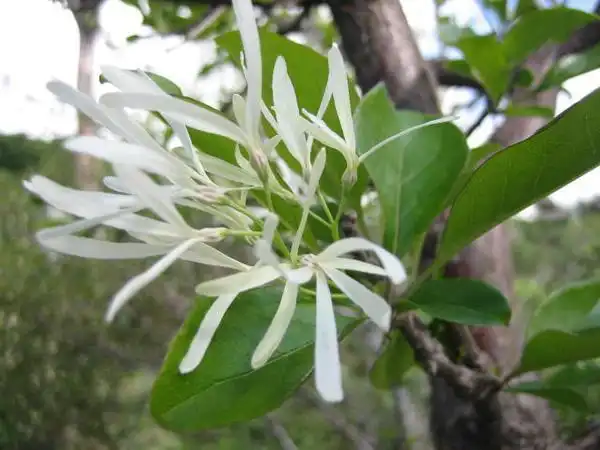
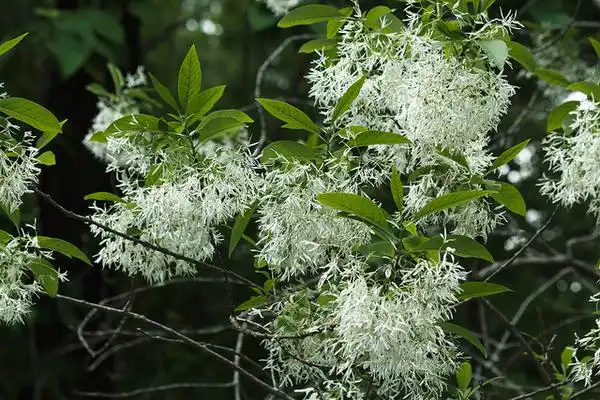
The fringetree is a deciduous species that can reach heights of up to 30 feet, although it typically remains smaller across much of its habitat. Its leaves are arranged oppositely and feature smooth edges. The tree's bark is characterized by a scaly texture, displaying dark brown ridges interspersed with red furrows. In late spring, it produces clusters of fragrant white flowers, measuring between 2 to 3 inches in length, which dangle from stalks that are 4 to 8 inches long. By late summer, the tree bears small, dark blue drupes that are approximately 3/4 inch in size.
This species thrives in full to partial sunlight and prefers average, well-drained soil. It can withstand some drought conditions but does not perform well in acidic soils.
Fringetrees are seldom sold with clear labels indicating their sex, making it challenging to determine whether a plant is male or female unless it is purchased while in bloom or bearing fruit. Fortunately, both sexes are visually appealing. For optimal results, it is advisable to transplant them while they are still young.
Fire Risk: This plant is rated low in terms of flammability.
Insects, Diseases, or Other Plant Issues: The fringetree may be vulnerable to scale insects and borers, especially in drier environments. It can also be susceptible to attacks from the Emerald Ash Borer.
Chionanthus virginicus Feature Summary
Chionanthus virginicus Image Gallery