Rubus bifrons: Country Or Region Of Origin
Europe
Phonetic Spelling:ROO-bus BY-fronz
Genus:Rubus
Species:bifrons
Family:Rosaceae
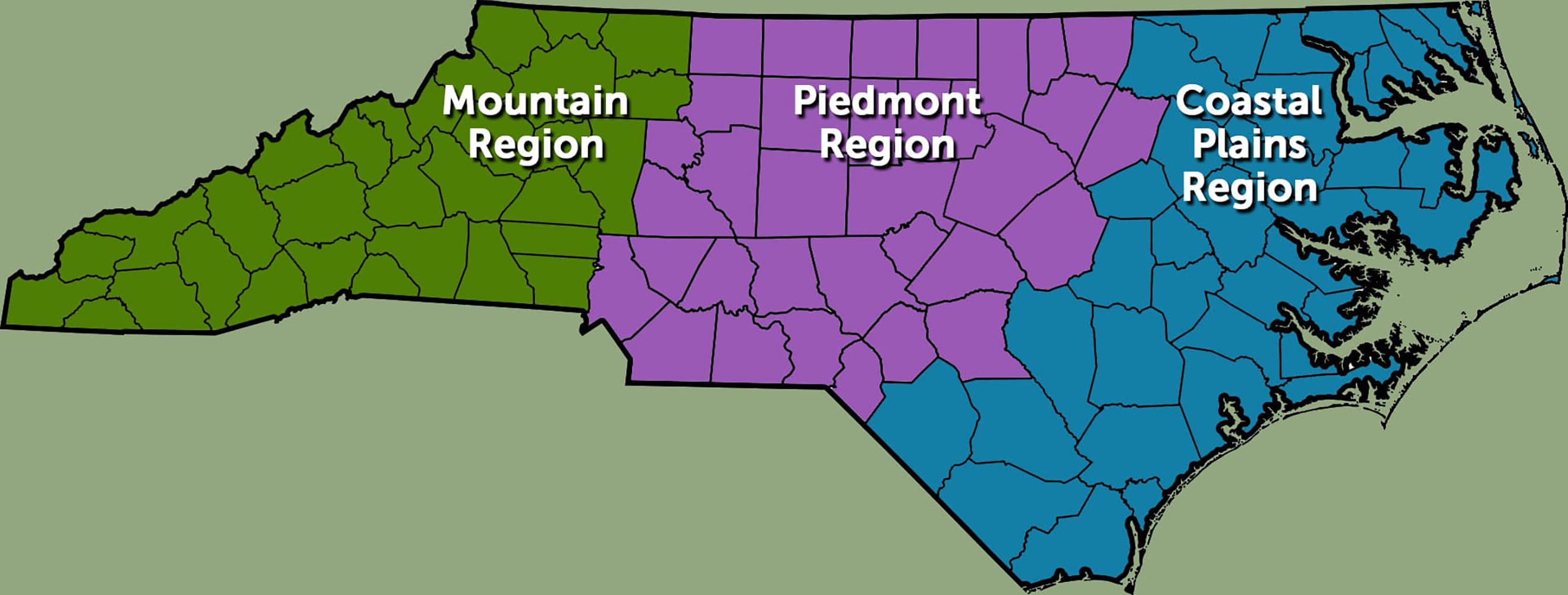
The Himalayan blackberry, a perennial deciduous shrub native to Europe, has become widely established across North America. It thrives particularly in the mountainous regions of North Carolina, though it can also be found sporadically in the Piedmont and coastal areas of the state. This species is primarily pollinated by insects, but it is more commonly propagated through rooting canes, which are branches that take root. The plant flourishes in full sunlight or partial shade and adapts to a variety of soil types, including sandy, loamy, and clay soils, with a preference for well-drained loamy conditions. While its fruit is edible, it is not as desirable for consumption compared to other blackberry varieties. The Himalayan blackberry features biennial stems, meaning it generates several new stems annually from its perennial rootstock; these stems bear fruit in their second year before dying off. The plant produces apomictic flowers, allowing it to create fruit and viable seeds without the need for fertilization, resulting in seedlings that are genetic clones of the parent plant.
**Diseases, Insects, and Other Plant Problems:**
This genus of plants is particularly vulnerable to honey fungus.