Rubus flagellaris: Uses (Ethnobotany)
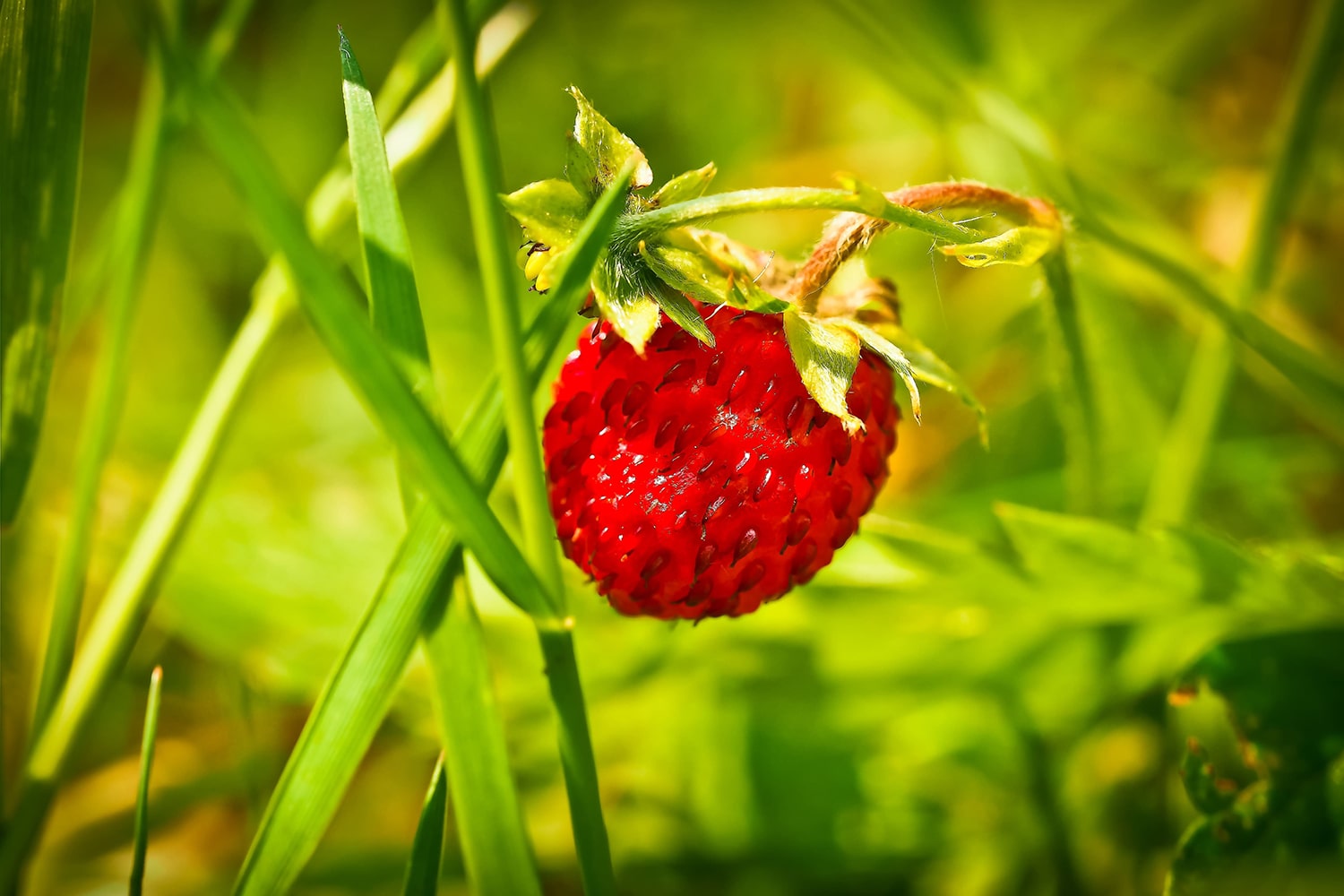
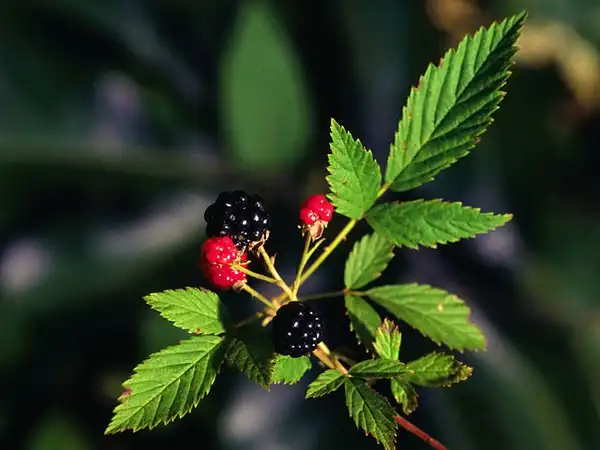
Cultivated for its edible fruit and there are some named varieties. This species is a blackberry with biennial stems.
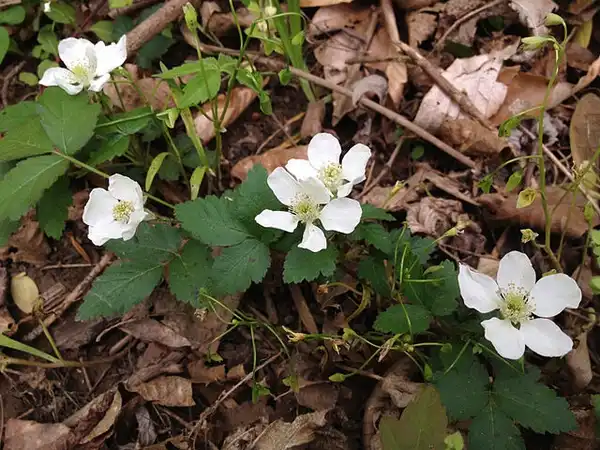
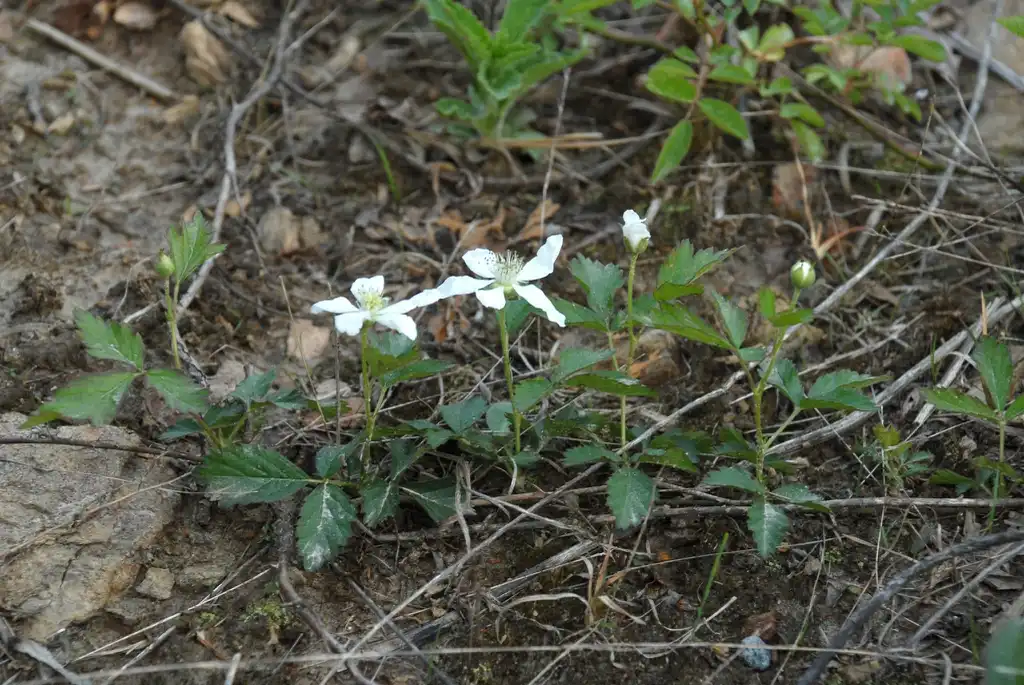
Phonetic Spelling:ROO-bus fla-gel-AIR-iss
Genus:Rubus
Species:flagellaris
Family:Rosaceae
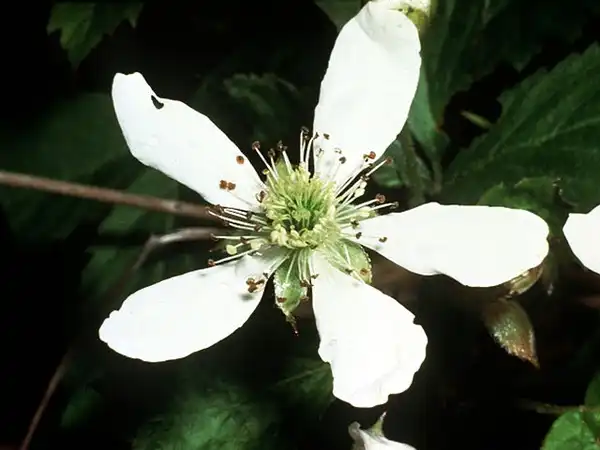
The Rubus genus encompasses blackberries, dewberries, and raspberries, with most species characterized by their prickly or bristly stems and compound leaves. Notably, flowers and fruits typically develop on the previous year's canes rather than on new growth, necessitating careful pruning to avoid removing the canes that will produce berries in the following season. There are variations among species; for instance, some species grow as upright or arching shrubs reaching heights of up to 8 feet, while others spread along the ground like vines. Dewberries yield fruit in the spring, whereas blackberries and raspberries bear fruit in the summer. Overall, the Rubus genus includes some of the most vital plants for wildlife in the southeastern United States.
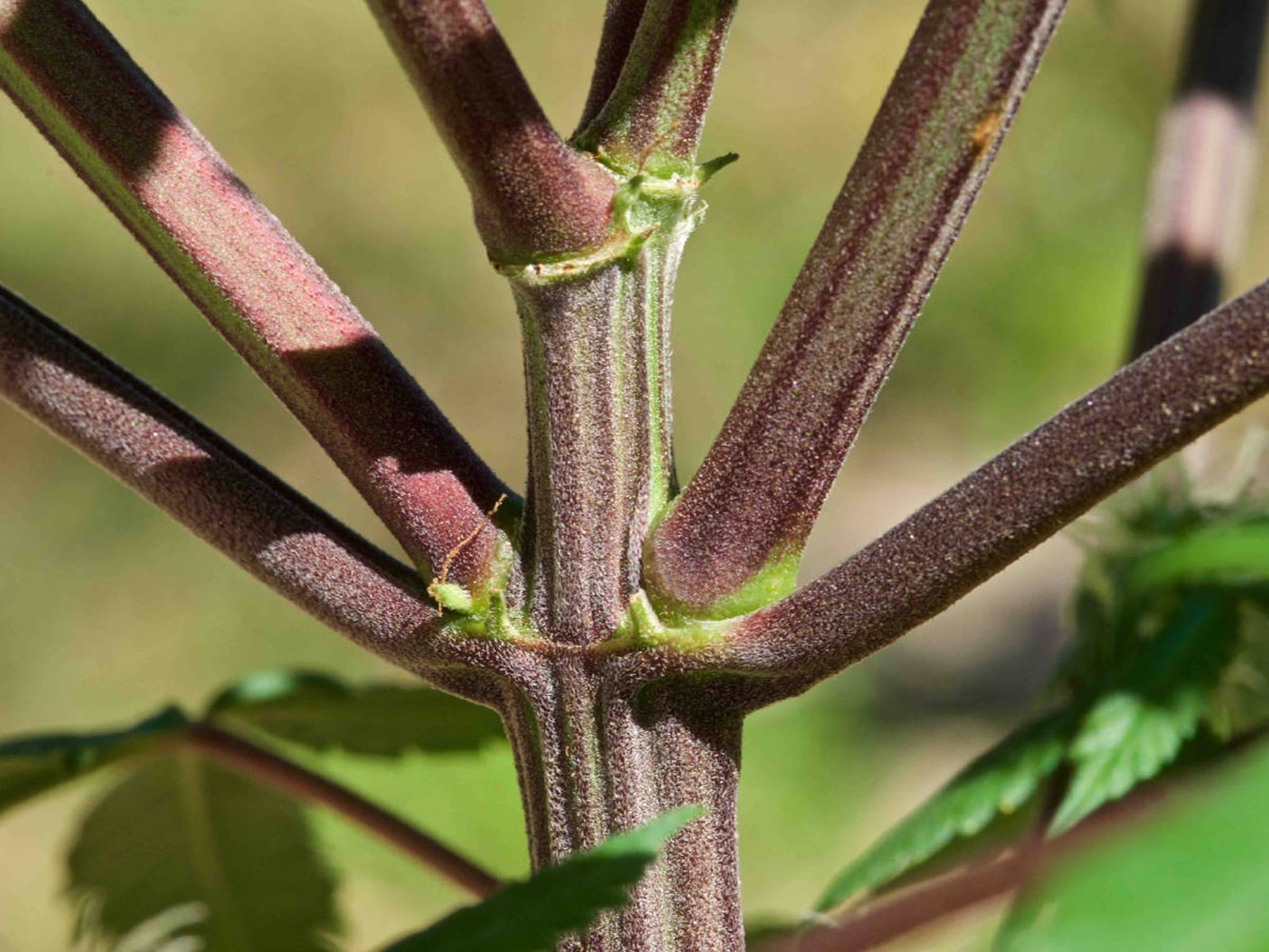
The Northern dewberry is a low-growing perennial shrub that acts like a woody vine, with stems that can extend up to 15 feet and trail along the ground. These stems feature scattered hooked prickles, appearing green when young and turning brown as they mature. Fruiting stems emerge from the trailing vine, occasionally reaching heights of 4 feet. This species often coexists with poison ivy (Toxicodendron radicans).
The Northern dewberry thrives in well-drained loamy soil and can grow in full sun or partial shade. It is a highly variable species, sometimes cultivated for its edible berries, and includes several named varieties. This blackberry species has biennial stems, producing new growth each year from its perennial root system; these stems bear fruit in their second year before dying off.
In terms of pests and diseases, plants within this genus are particularly vulnerable to honey fungus.
Rubus flagellaris Feature Summary
Rubus flagellaris Image Gallery