Rubus hayata-koidzumii: Country Or Region Of Origin
Taiwan
Phonetic Spelling:ROO-bus HI-yah-ta koid-zoom-me
Genus:Rubus
Species:hayata-koidzumii
Family:Rosaceae
The Rubus genus encompasses blackberries, dewberries, and raspberries, with most species characterized by thorny or bristly stems and compound leaves. Notably, flowers and fruits typically develop on last year's canes rather than new growth, necessitating careful pruning to avoid removing the canes that will produce berries in the following season. There are variations among species; some grow as upright or arching shrubs reaching heights of up to 8 feet, while others spread along the ground like vines. Dewberries bear fruit in the spring, whereas blackberries and raspberries yield their harvest in the summer. Overall, the Rubus genus includes some of the most vital plants for wildlife in the southeastern United States.
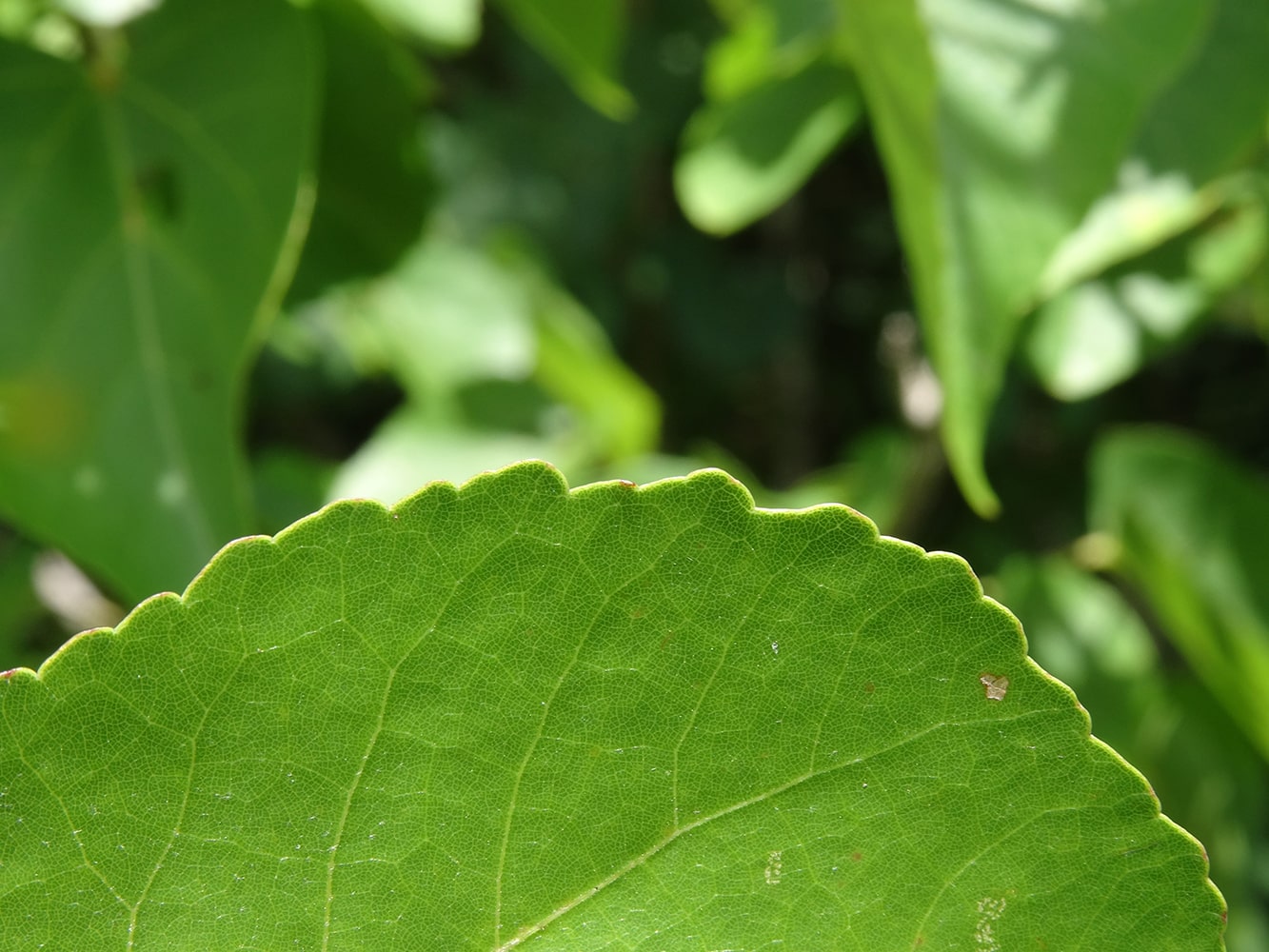
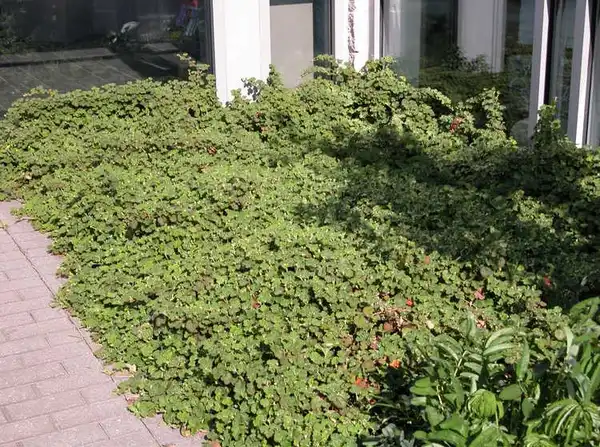
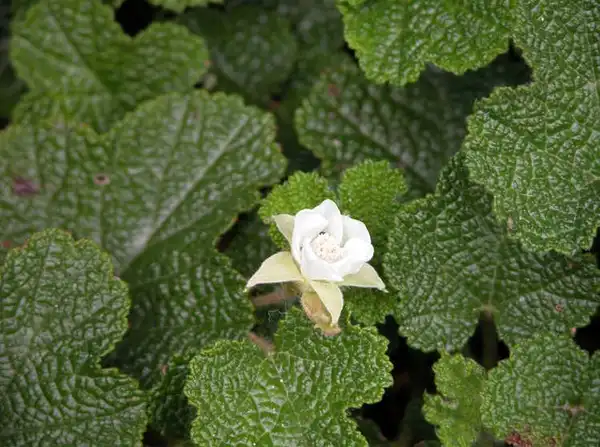
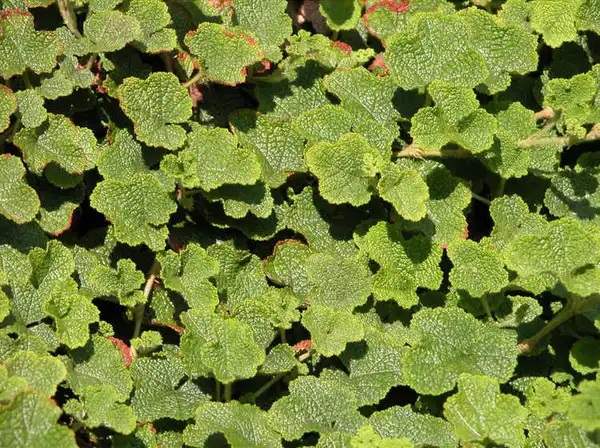
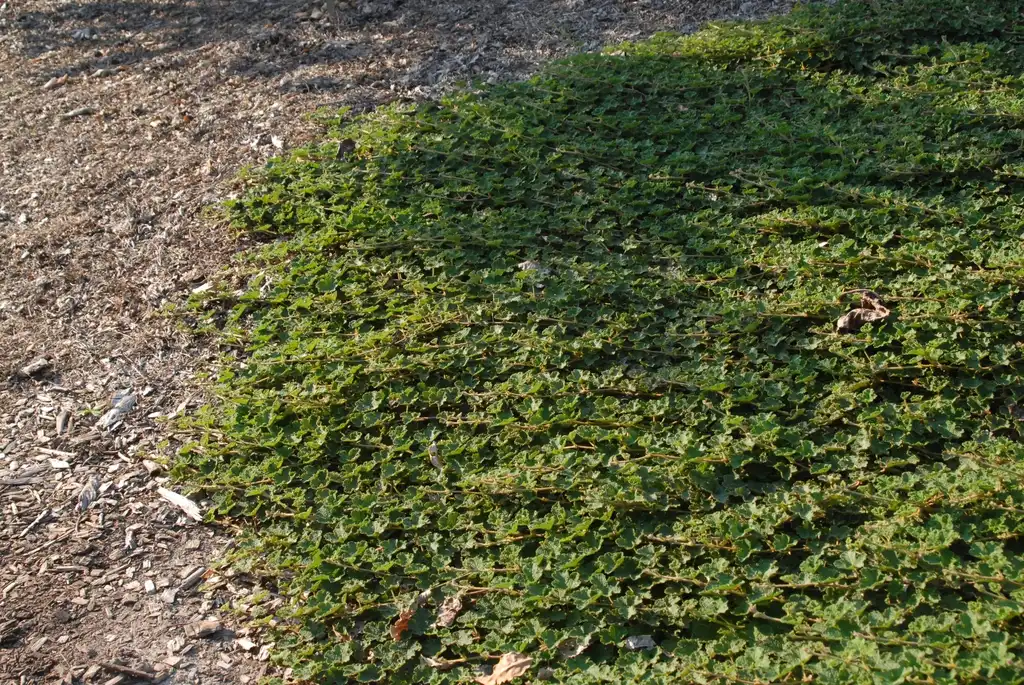
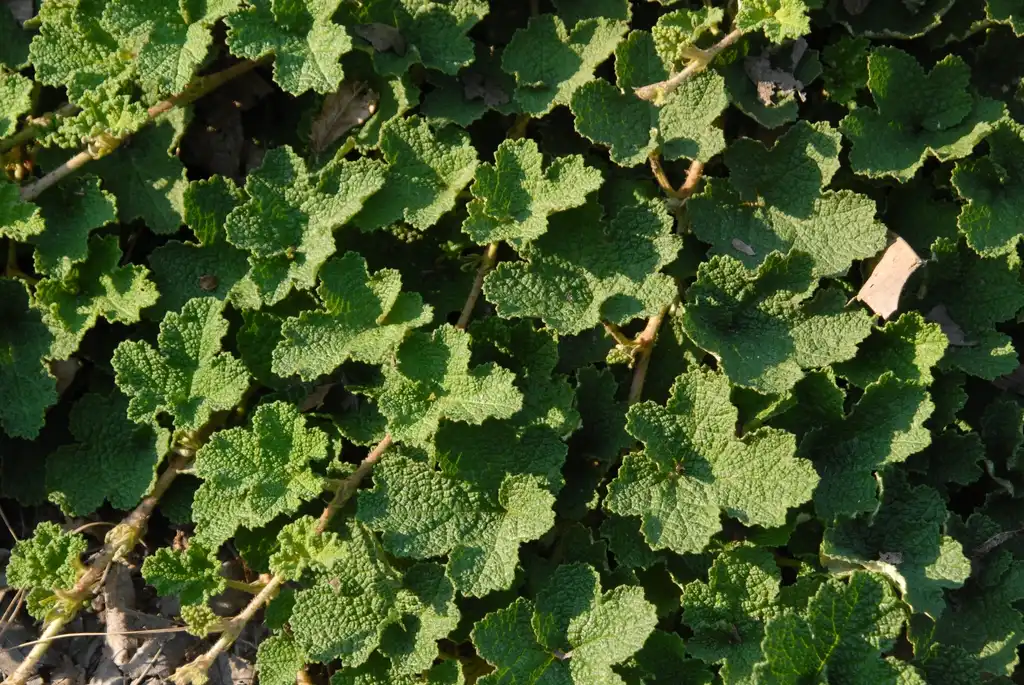
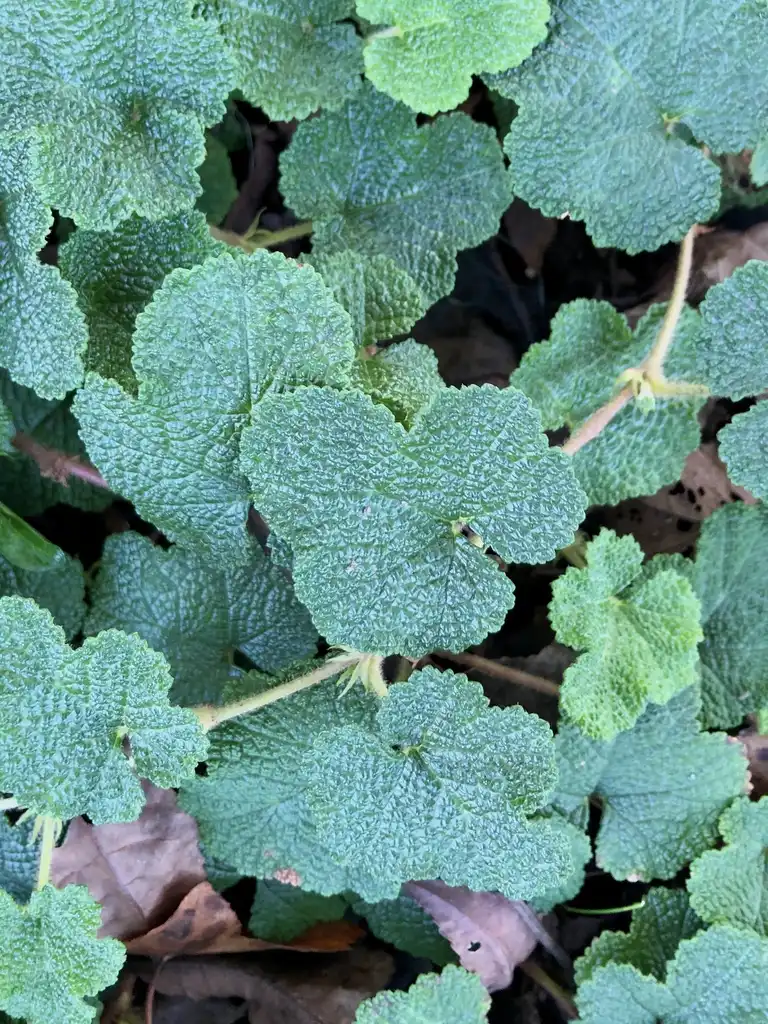
Rubus hayata-koidzumii is particularly suited for hot, dry, erodible slopes or ditches with fluctuating moisture levels. This resilient groundcover flourishes in challenging environments where many other plants struggle. Native to Taiwan, it grows to a height of 1 to 3 inches and features crinkly, deep-green leaves that add texture to lightly shaded areas. Belonging to the Rosaceae family, it is commonly referred to as creeping raspberry, though it may also be identified as Rubus calycinoides, Rubus rolfei, or Rubus pentalobus.
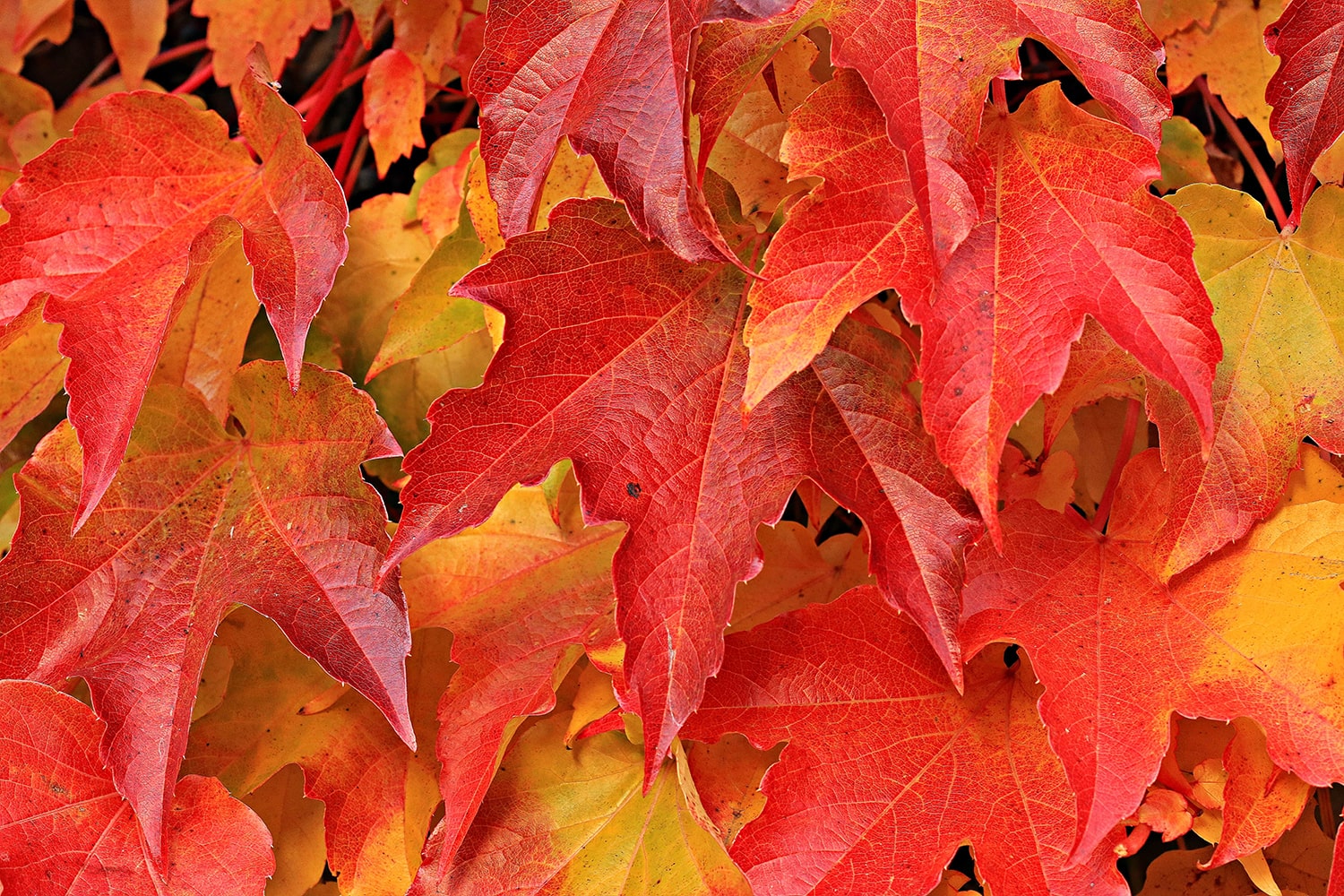
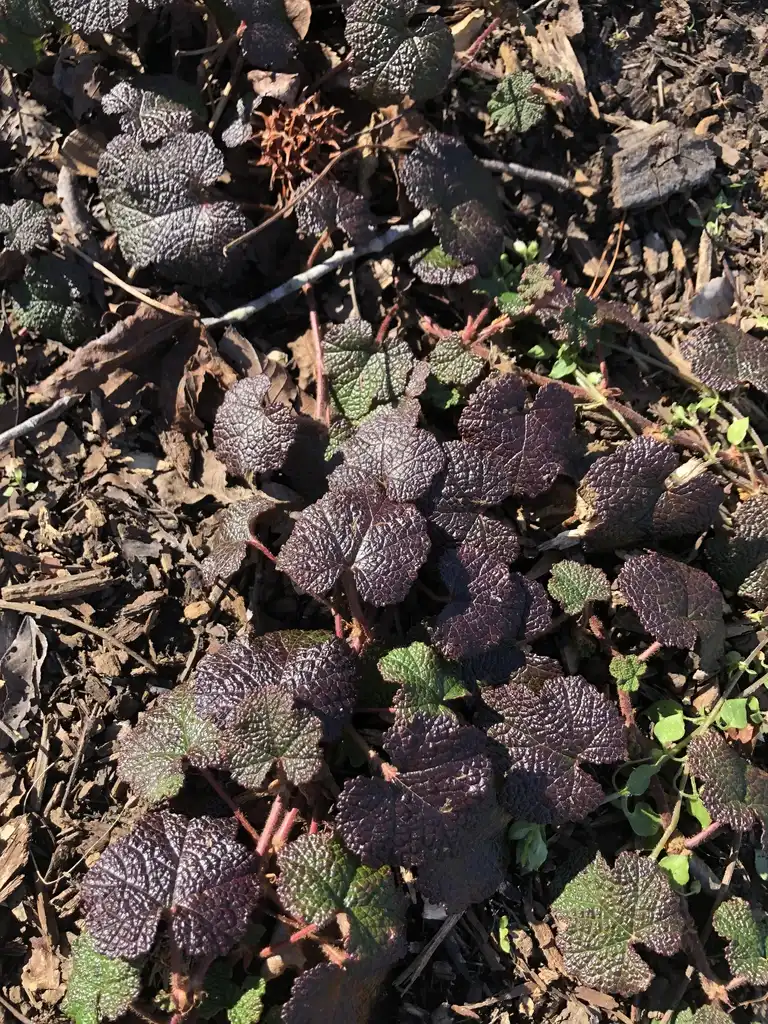
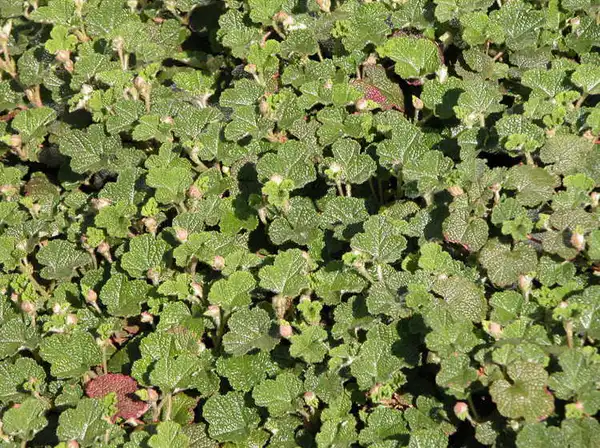
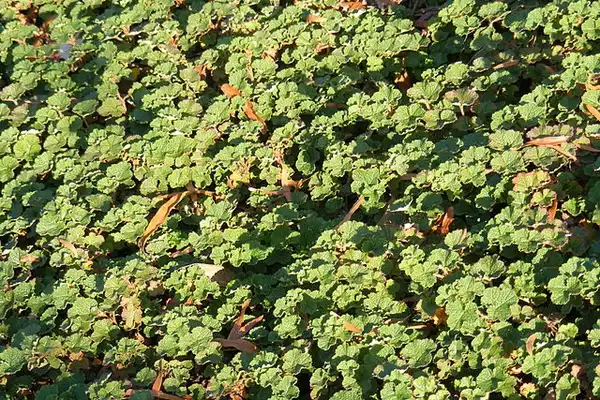
In mid-summer, white flowers emerge, though they can be hard to spot among the foliage. The fruits of creeping raspberry resemble those of blackberries or red raspberries, boasting a delightful flavor and aggregate shape, but they range in color from yellow to salmon to red. The plant grows rapidly, creating a dense carpet of leaves, which transition to a subtle rusty pink hue in the fall and winter. While considered aggressive, this groundcover is not invasive; it does not climb trees or overwhelm nearby shrubs and can be easily managed with an edger. For optimal growth, space creeping raspberry plants 4 to 6 feet apart to give them ample room.
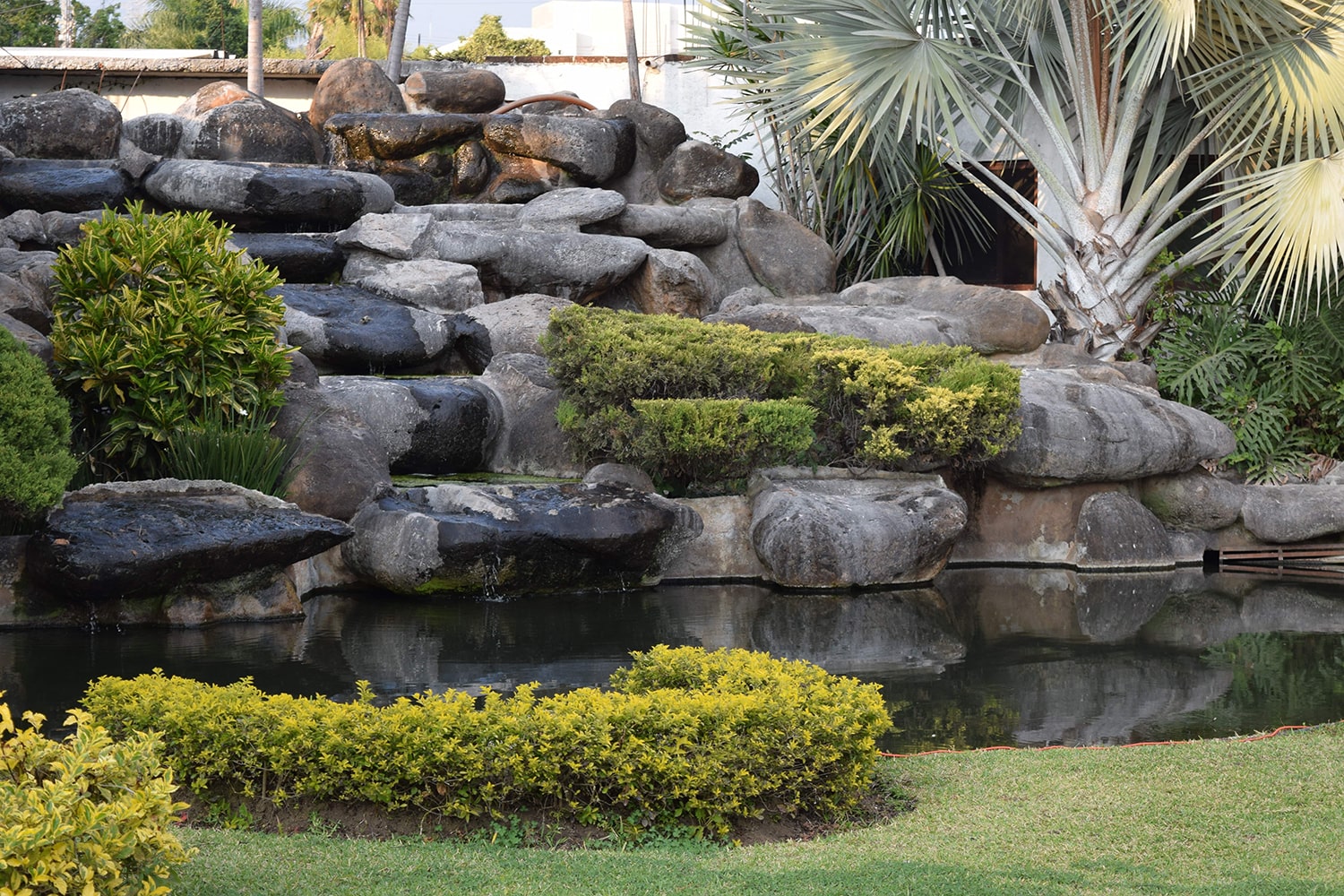
Creeping raspberry adapts well to container gardening and cascades beautifully over rock walls, creating a charming “spilling over” effect. Bulbs or other perennials can emerge through its foliage, resulting in visually appealing arrangements. The ‘Emerald Carpet’ cultivar develops a low, dense, evergreen groundcover with textured, dark green leaves throughout the growing season, which take on burgundy tones in cooler months. Alternatively, the ‘Golden Quilt’ cultivar is a branch sport that showcases striking golden-yellow leaves, particularly vibrant on the new growth of the season.
In terms of pests, diseases, and other plant issues, there are no known problems associated with this species.
Rubus hayata-koidzumii Feature Summary
Rubus hayata-koidzumii Image Gallery