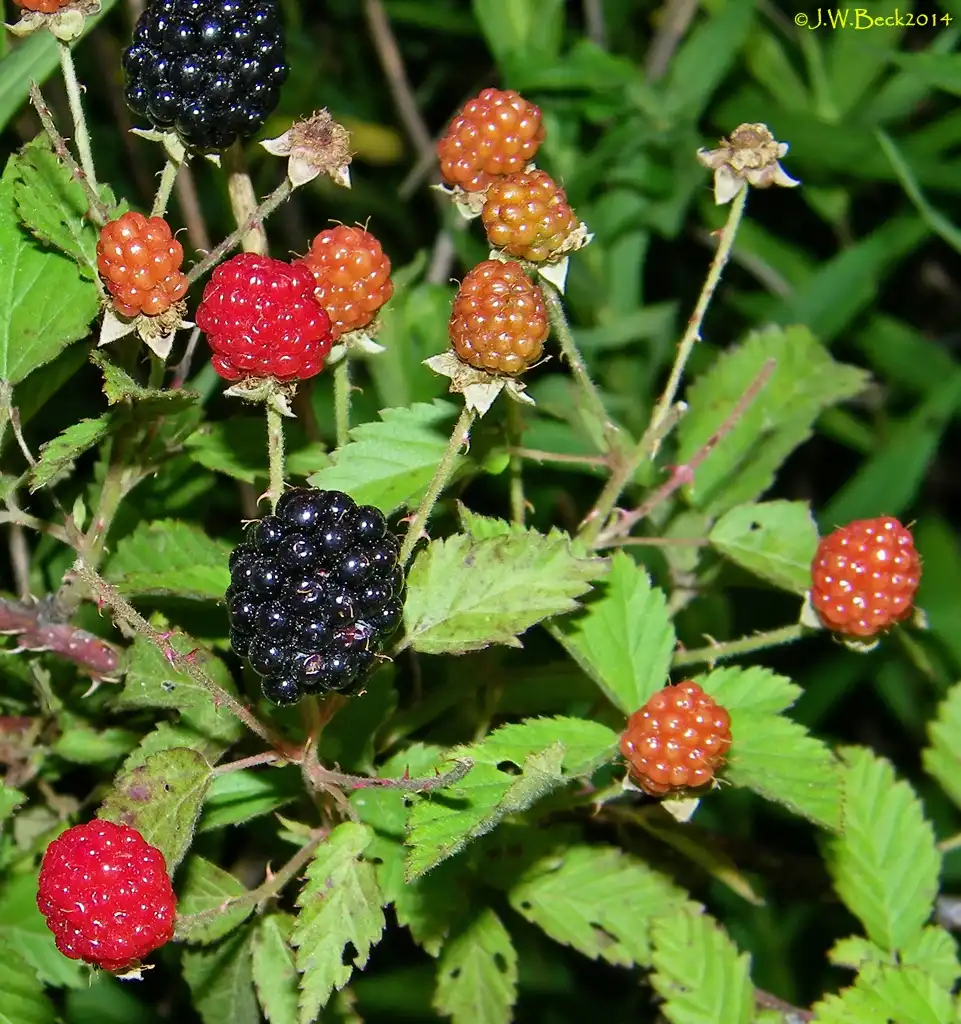
Rubus pensilvanicus: Uses (Ethnobotany)
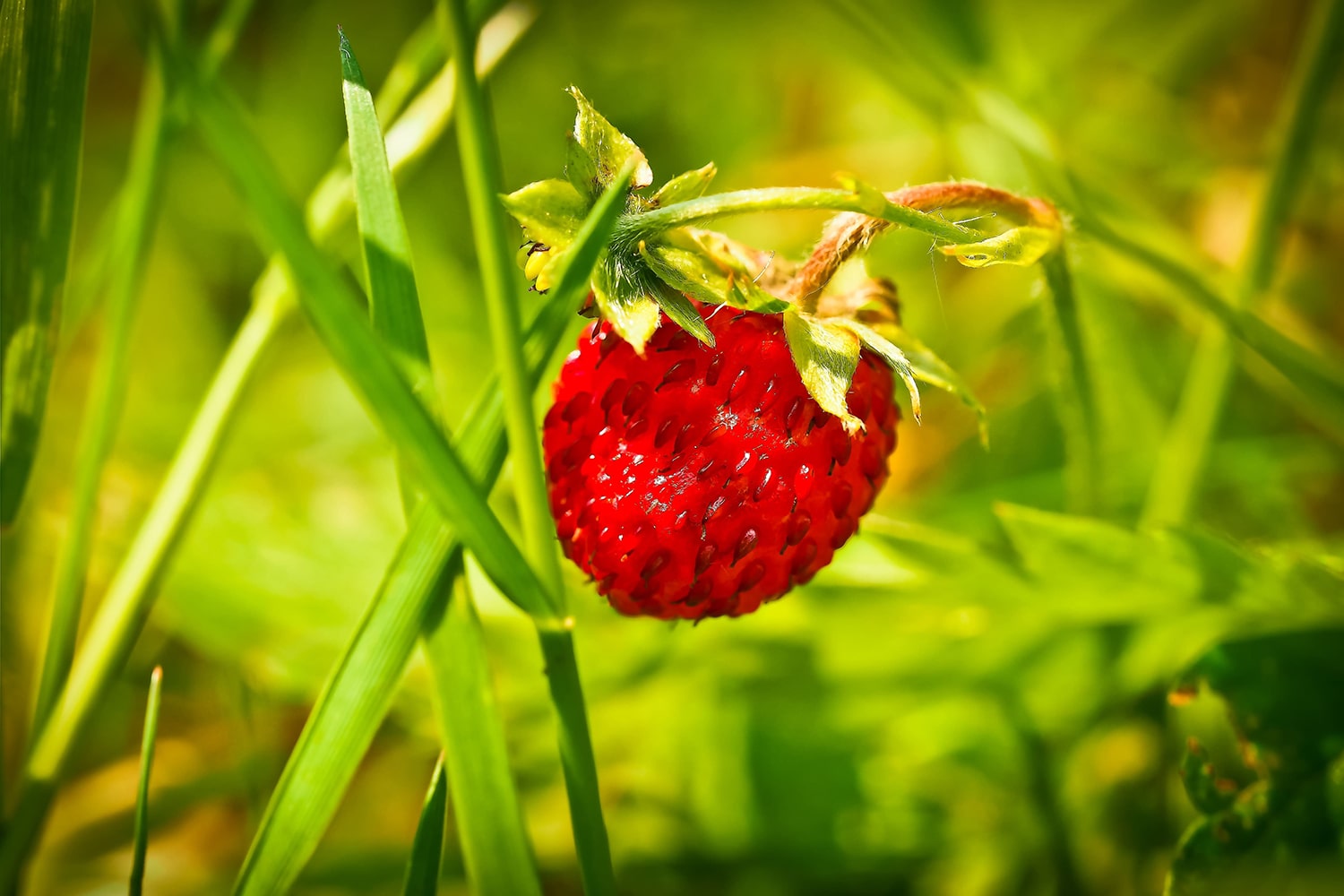
Sweet and juicy fruit often used for jams and jellies.
Phonetic Spelling:ROO-bus pen-sil-VAN-eh-kus
Genus:Rubus
Species:pensilvanicus
Family:Rosaceae
The Rubus genus encompasses blackberries, dewberries, and raspberries, with most species characterized by their prickly or bristly stems and compound leaves—often mistakenly referred to as thorny. Notably, flowers and fruits typically develop on the previous year's canes rather than on new growth, necessitating careful pruning to avoid removing the canes that will produce berries in the following season. There are variations among species; for instance, some grow as upright or arching shrubs reaching heights of up to 8 feet, while others spread along the ground like vines. Dewberries tend to bear fruit in the spring, whereas blackberries and raspberries produce their fruit in the summer. Overall, the Rubus genus includes some of the most vital plants for wildlife in the southeastern United States.
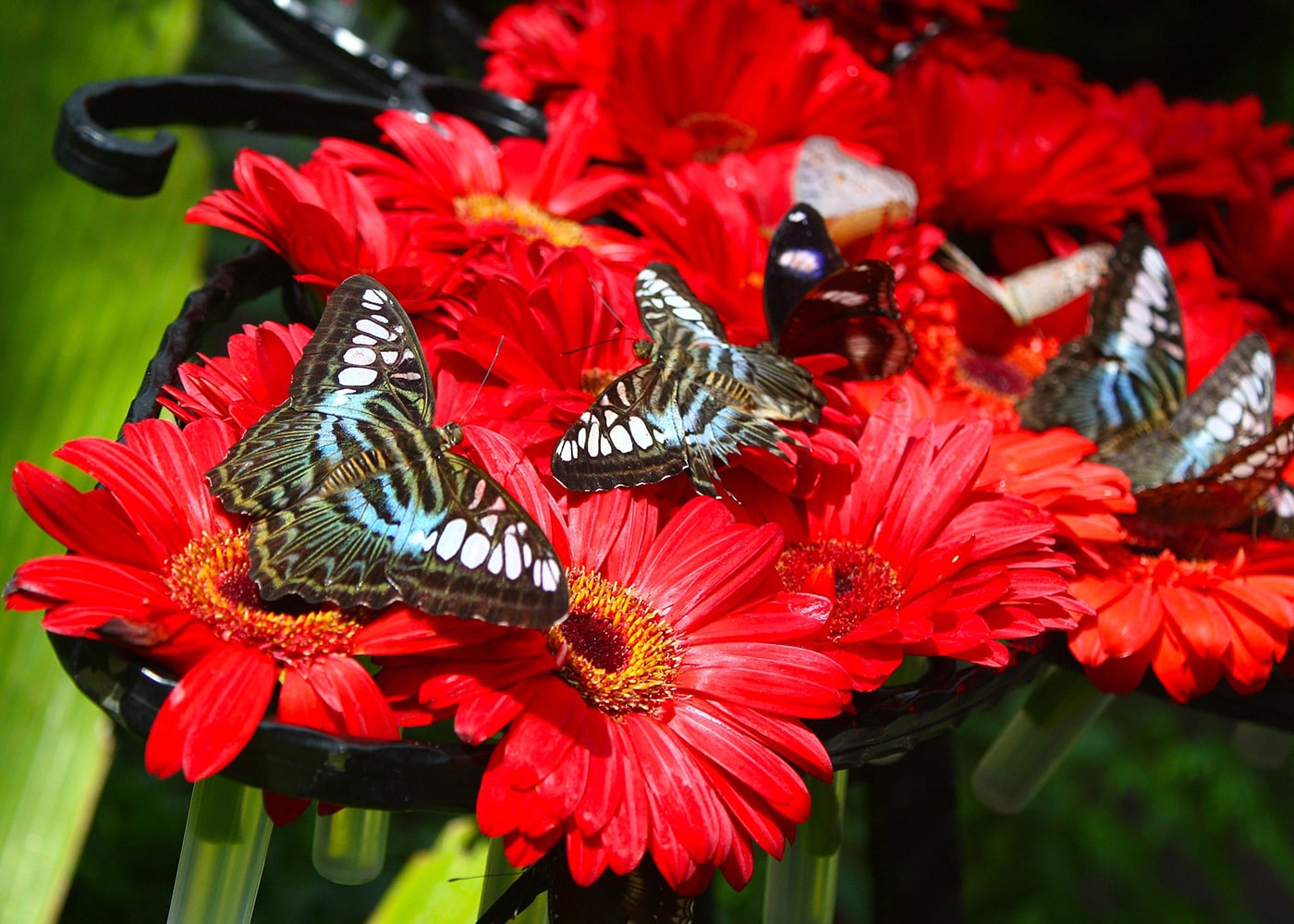
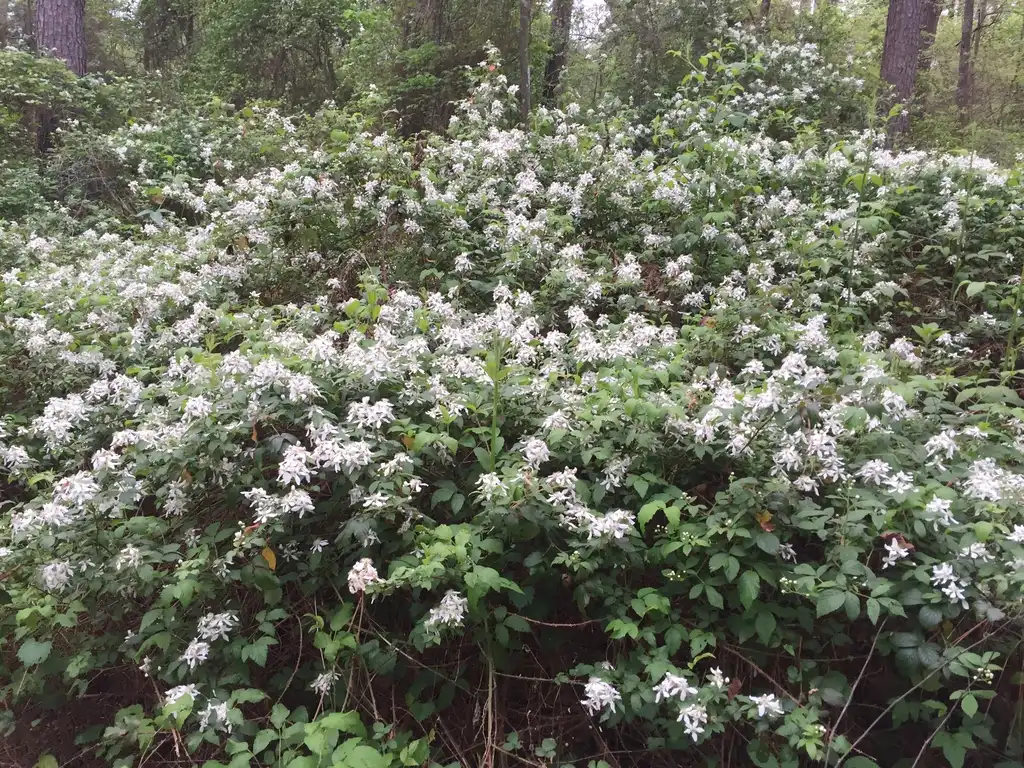
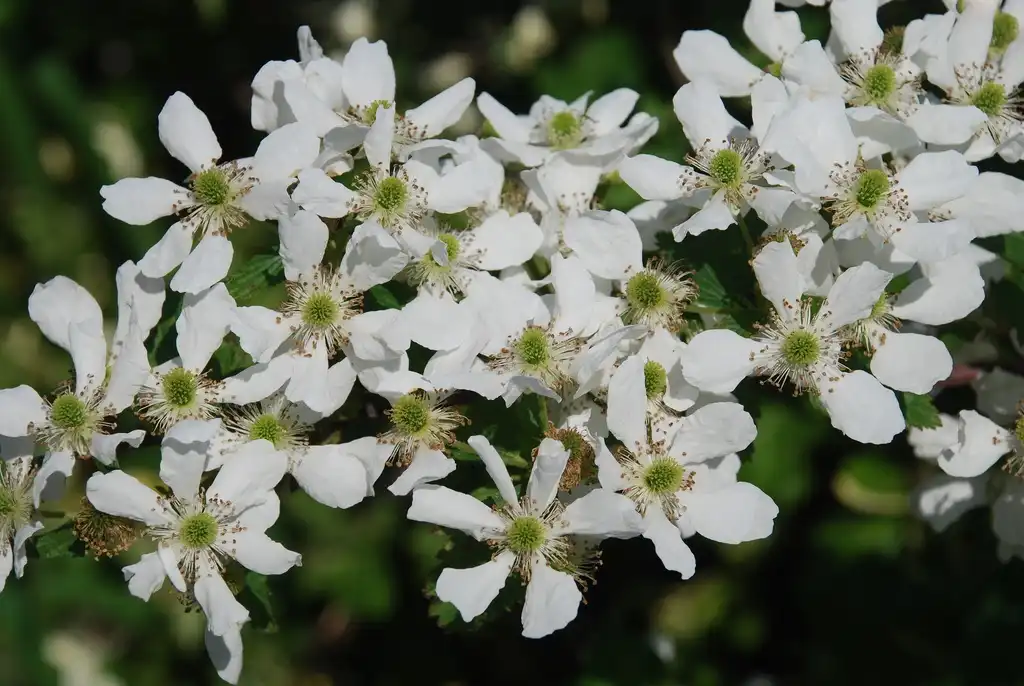
The Pennsylvania blackberry is a native perennial shrub belonging to the Rose family. This species exhibits moderate resistance to deer damage and offers excellent year-round cover for various wildlife. Its flowers attract butterflies and other insects, while its fruits are consumed by songbirds, small mammals, foxes, raccoons, and black bears. In winter, birds and small mammals feed on the seeds left behind from decayed fruit, and white-tailed deer and rabbits browse its leaves. Pennsylvania blackberry typically thrives in woodland openings, edges, savannas, thickets, weedy meadows, and along fence rows.
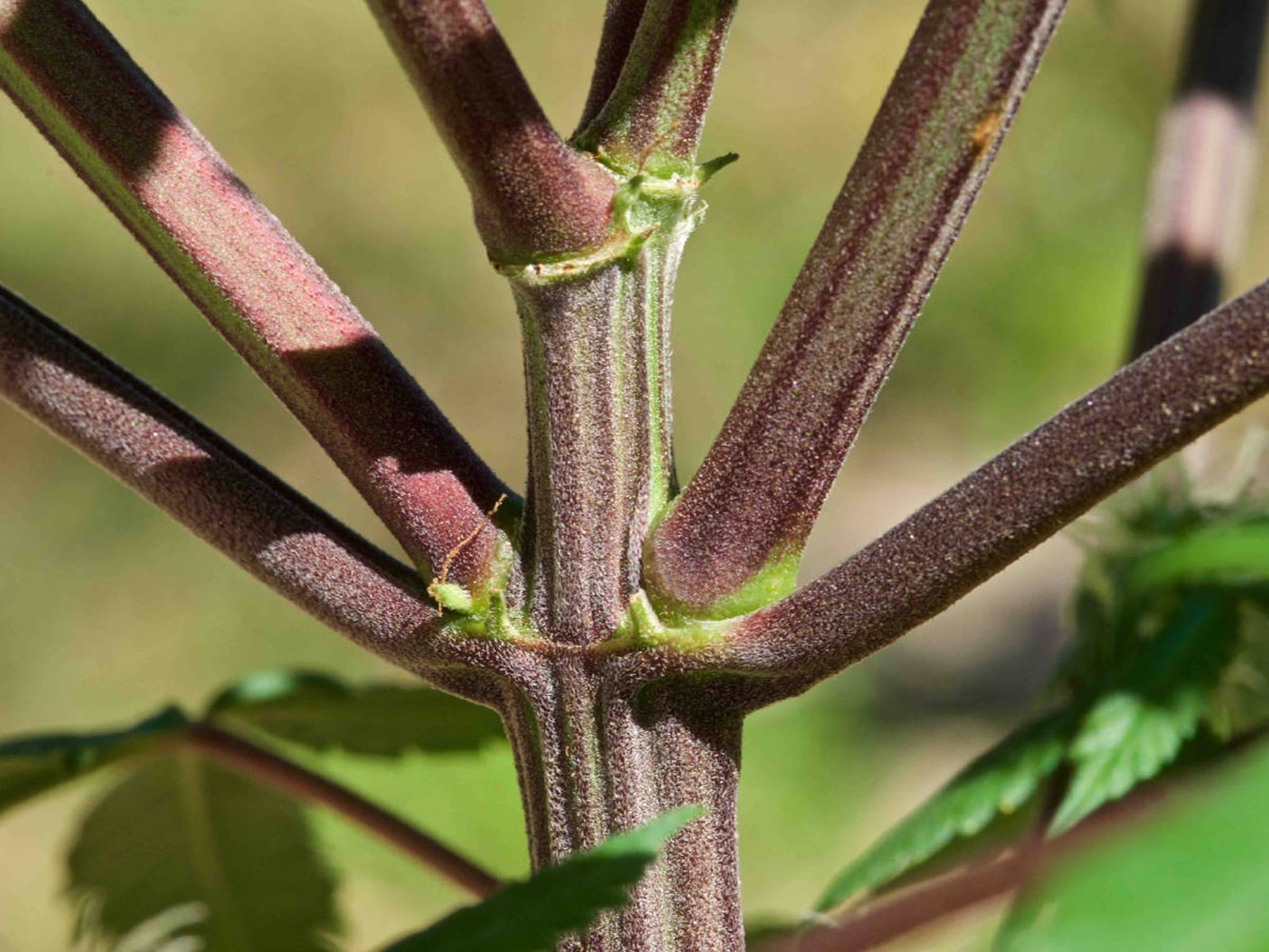
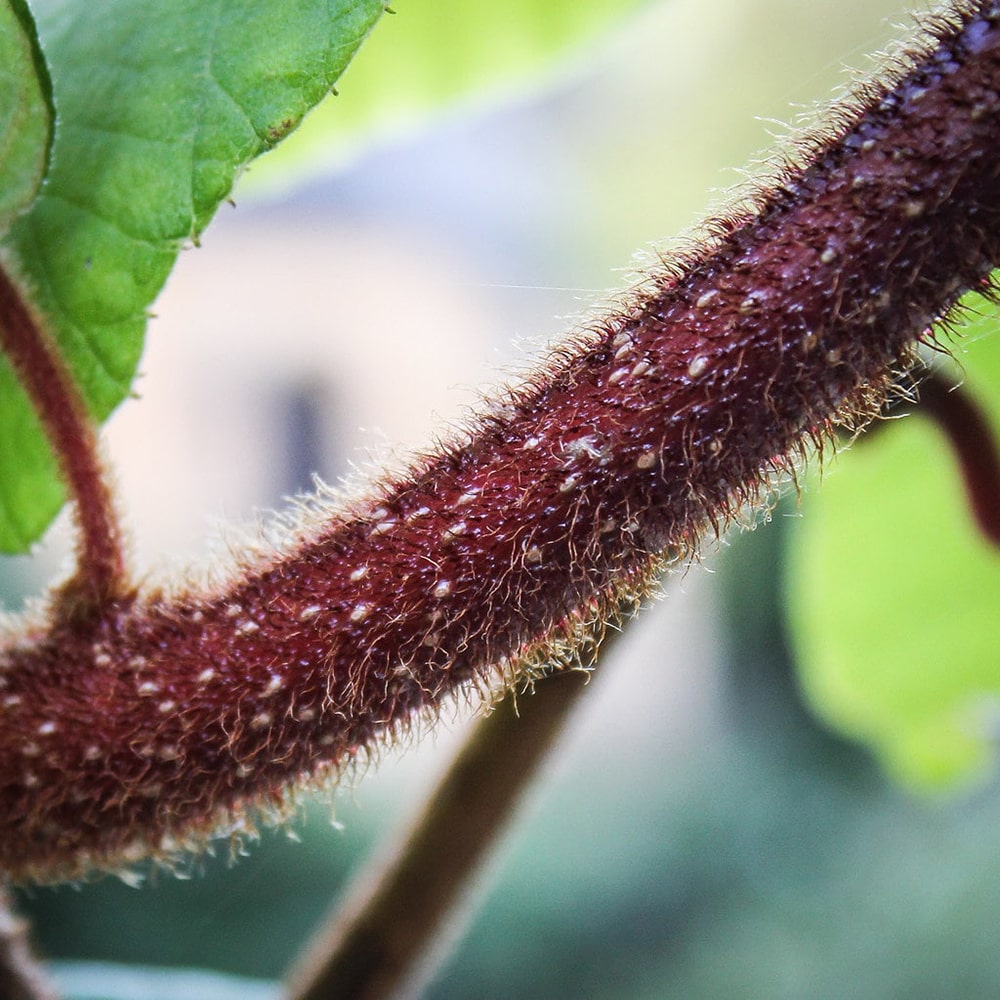
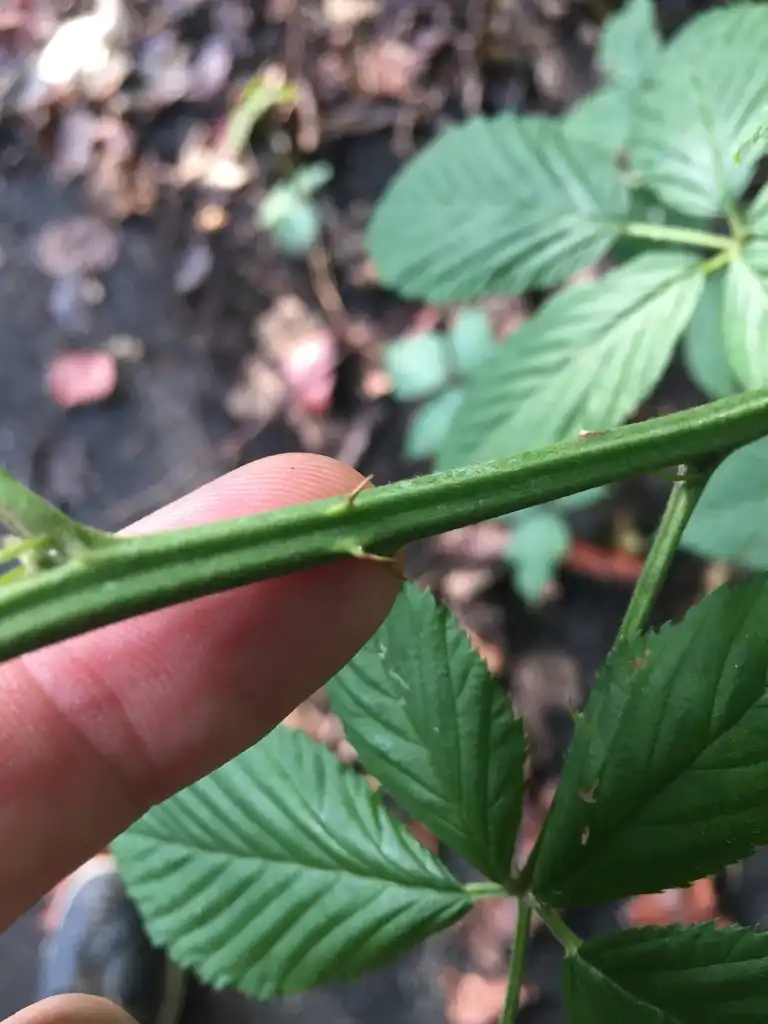
Reaching heights of up to ten feet, the Pennsylvania blackberry develops arching woody canes and is commonly found along roadsides, in thickets, and within woodlands. After fruiting, second-year canes die back, but they often generate new canes vegetatively when their tips make contact with the ground. The plant features a woody, branching root system, and loose colonies can form through the vegetative propagation of the canes. The canes are adorned with stout, usually curved prickles. This plant thrives in full or partial sunlight and prefers moist to dry-mesic conditions with loamy, clay-loam, or rocky soils. The size of the fruit is influenced by the amount of rainfall during the early summer months, and these plants are known for their rapid colonial spread.
Regarding plant health, species within this genus are particularly vulnerable to honey fungus.
Rubus pensilvanicus Feature Summary
Rubus pensilvanicus Image Gallery