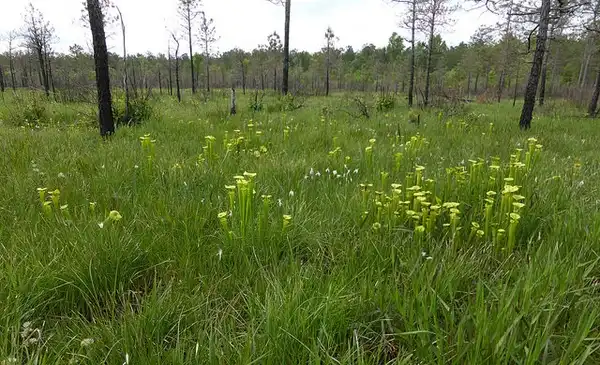
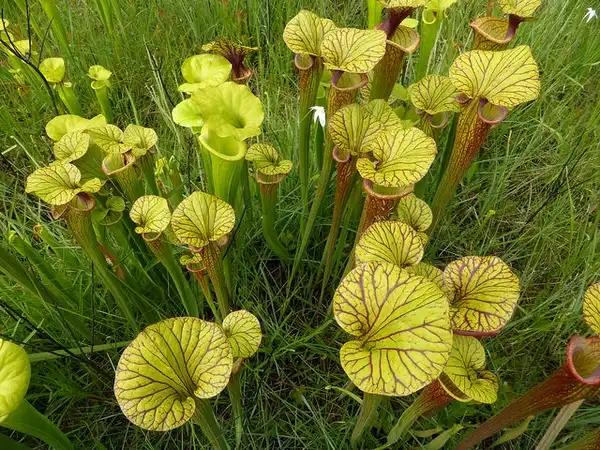
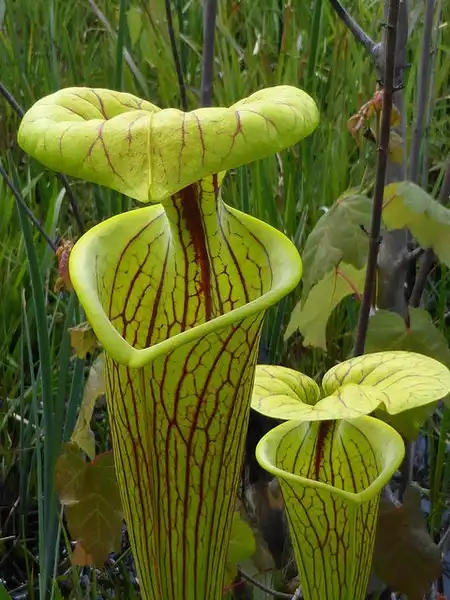
• Photo of Sarracenia flava (Sarracenia flavas)

Plant Profile: Sarracenia flava

Taxonomy: Sarracenia flava

Names

Trumpets, Yellow Pitcher Plant

  • Photo of Sarracenia flava (Sarracenia flavas)

Phonetic Spelling:sair-ah-SEEN-ee-ah FLAH-vah

Genus:Sarracenia

Species:flava

Family:Sarraceniaceae

This plant originates from the coastal regions of Alabama, Georgia, and the Carolinas. It thrives in full sunlight and prefers soil rich in sphagnum or peat moss, along with coarse vermiculite and sharp sand. In its natural habitat, it typically grows in savannas, seepage bogs, and pocosins.

Sarracenia flava Feature Summary

Sarracenia flava Image Gallery

Tags

#full sun tolerant
#heat tolerant
#perennial
#carnivorous
#moths
#yellow flowers
#native perennial
#piedmont
#spring flowers
#moist soil
#food source
#NC native
#perennial flowers
#native garden
#coastal plants
#summer interest
#spring interest
#acidic soil tolerant
#pollinator plant
#larval host plant
#fruits summer
#food source summer
#peat
#fruits spring
#forb
#food source spring
#Coastal OBL
#food source herbage
#food source pollen
#Piedmont Mountains OBL
#sandy soils tolerant
#wet soils tolerant
#native
#perennials
#pollen plant
#food source soft mast fruit
#native carnivorus plant
#moth larvae
#sandy soil
#host
#pollinators
#pollinator garden
#audubon
Similar Plants

Sarracenia flava Feature Summary

Attributes
Larval host to Epaulleted Pitcher Plant Moth. Pollinating insects enjoy the nectar from the flowers.
Perennial
Wildlife Food Source
Attracts Pollinators
Wildlife Larval Host
Fruit
In North Carolina, the fruits are available from May to June.
Flowers
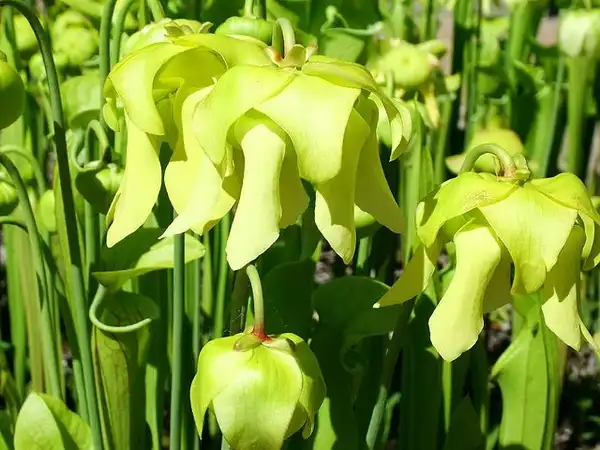
Nodding, bright yellow flowers on long stalks. In North Carolina, the flowers are available from March to April.
Gold/Yellow
3-6 inches
Leaves
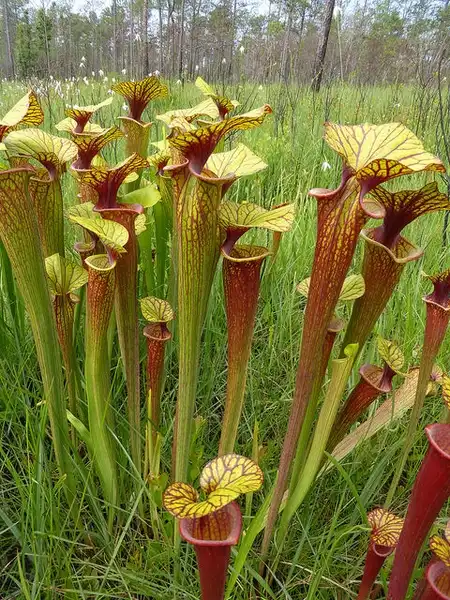
Erect, yellowish-green trumpet-shaped leaves with a crimson patch on throat. Hood is held will above the throat. Sometimes red-veined.
Green
Gold/Yellow
Whole Plant Traits
Perennial
Herbaceous Perennial
Native Plant
Carnivorous
Cultural Conditions
Full sun (6 or more hours of direct sunlight a day)
Acid (<6.0)
Moist
Occasionally Wet
Coastal
Piedmont
Landscape
Pollinator Garden
Rain Garden
Native Garden
Woodland
Coastal
Pond
Pollinators
Moths

Sarracenia flava Attributes

Sarracenia flava: Country Or Region Of Origin

South East U.S.A

Sarracenia flava: Wildlife Value

Larval host to Epaulleted Pitcher Plant Moth. Pollinating insects enjoy the nectar from the flowers.

Sarracenia flava: Life Cycle

Annual
Biennial
Bulb
Perennial
Woody

Sarracenia flava: Play Value

Attractive Flowers
Attracts Pollinators
Buffer
Colorful
Defines Paths
Easy to Grow
Edible fruit
Fragrance
Pieces Used in Games
Screening
Shade
Sound
Textural
Wildlife Cover/Habitat
Wildlife Food Source
Wildlife Larval Host
Wildlife Nesting
Wind Break
Wind Shimmer

Sarracenia flava Fruit

Sarracenia flava: Fruit Description

In North Carolina, the fruits are available from May to June.

Sarracenia flava: Display/Harvest Time

Fall
Spring
Summer
Winter

Sarracenia flava Flowers

Sarracenia flava: Flower Description

Nodding, bright yellow flowers on long stalks. In North Carolina, the flowers are available from March to April.

Sarracenia flava: Flower Color

filter_vintage
Gold/Yellow

Sarracenia flava: Flower Bloom Time

Winter
Spring
Summer
Fall

Sarracenia flava: Flower Size

1-3 inches
3-6 inches
< 1 inch
> 6 inches

Sarracenia flava Leaves

Sarracenia flava: Leaf Description

Erect, yellowish-green trumpet-shaped leaves with a crimson patch on throat. Hood is held will above the throat. Sometimes red-veined.

Sarracenia flava: Leaf Color

spa
Gold/Yellow
spa
Green

Sarracenia flava: Hairs Present

No
Yes

Sarracenia flava Whole Plant Traits

Sarracenia flava: Plant Type

Annual
Bulb
Carnivorous
Edible
Epiphyte
Fern
Ground Cover
Herb
Herbaceous Perennial
Houseplant
Mushroom
Native Plant
Ornamental Grasses and Sedges
Perennial
Poisonous
Rose
Shrub
Succulent
Tree
Turfgrass
Vegetable
Vine
Water Plant
Weed
Wildflower

Sarracenia flava Cultural Conditions

Sarracenia flava: Light

Dappled Sunlight (Shade through upper canopy all day)
Deep shade (Less than 2 hours to no direct sunlight)
Full sun (6 or more hours of direct sunlight a day)
Partial Shade (Direct sunlight only part of the day, 2-6 hours)

Sarracenia flava: Soil pH

Acid (<6.0)
Alkaline (>8.0)
Neutral (6.0-8.0)

Sarracenia flava: Soil Drainage

Frequent Standing Water
Good Drainage
Moist
Occasional Flooding
Occasionally Dry
Occasionally Wet
Very Dry

Sarracenia flava: NC Region

Coastal
Mountains
Piedmont

Sarracenia flava: Soil Texture

Clay
High Organic Matter
Loam (Silt)
Sand
Shallow Rocky

Sarracenia flava Stem

Sarracenia flava: Stem Is Aromatic

No
Yes

Sarracenia flava Landscape

Sarracenia flava: Landscape Theme

Asian Garden
Butterfly Garden
Children's Garden
Cottage Garden
Cutting Garden
Drought Tolerant Garden
Edible Garden
English Garden
Fairy Garden
Garden for the Blind
Native Garden
Nighttime Garden
Pollinator Garden
Rain Garden
Rock Garden
Shade Garden
Water Garden
Winter Garden

Sarracenia flava: Design Feature

Accent
Barrier
Border
Flowering Tree
Foundation Planting
Hedge
Mass Planting
Screen/Privacy
Security
Shade Tree
Small groups
Small Tree
Specimen
Street Tree
Understory Tree

Sarracenia flava: Resistance To Challenges

Black Walnut
Compaction
Deer
Diseases
Drought
Dry Soil
Erosion
Fire
Foot Traffic
Heat
Heavy Shade
Humidity
Insect Pests
Pollution
Poor Soil
Rabbits
Salt
Slugs
Squirrels
Storm damage
Urban Conditions
Voles
Wet Soil
Wind

Sarracenia flava: Landscape Location

Coastal
Container
Hanging Baskets
Houseplants
Lawn
Meadow
Naturalized Area
Near Septic
Patio
Pond
Pool/Hardscape
Recreational Play Area
Riparian
Rock Wall
Slope/Bank
Small Space
Vertical Spaces
Walkways
Woodland

Sarracenia flava: Attracts

Bats
Bees
Butterflies
Frogs
Hummingbirds
Moths
Pollinators
Predatory Insects
Reptiles
Small Mammals
Songbirds
Specialized Bees