Sarracenia minor: Country Or Region Of Origin
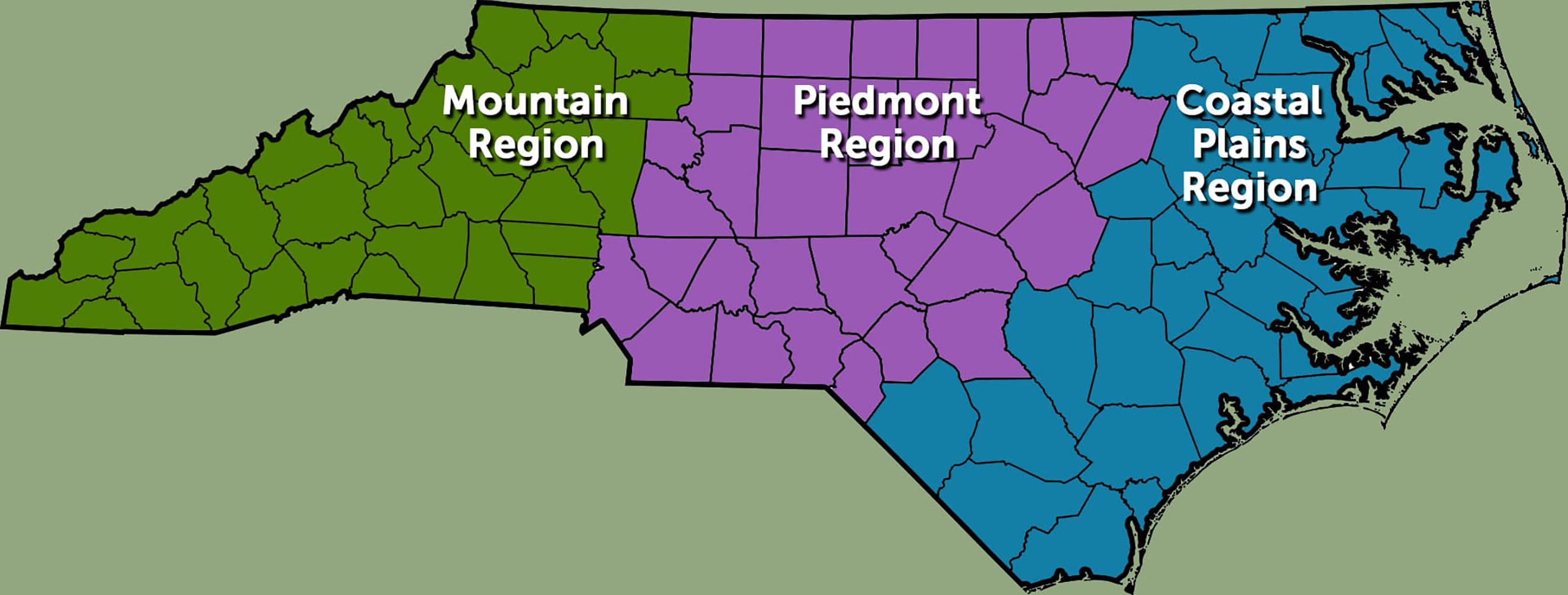
North Caroline to Florida
Phonetic Spelling:sair-ah-SEEN-ee-ah MY-nor
Genus:Sarracenia
Species:minor
Family:Sarraceniaceae
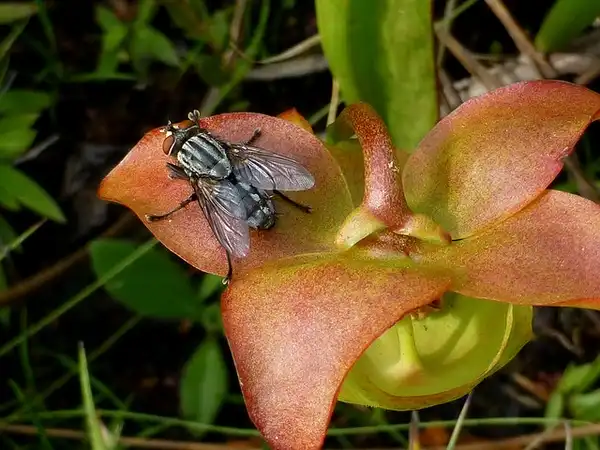
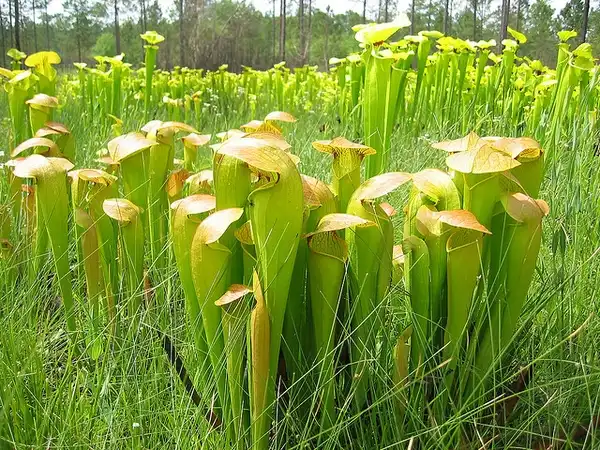
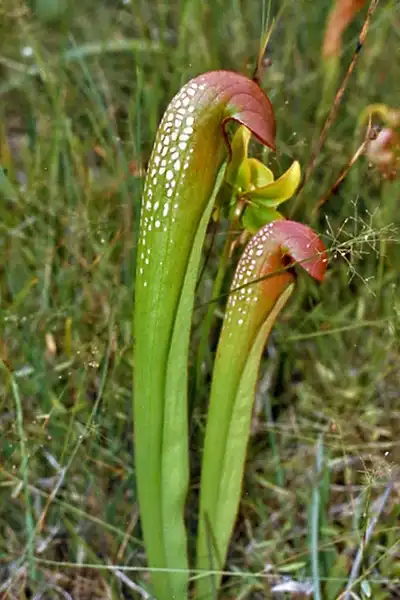
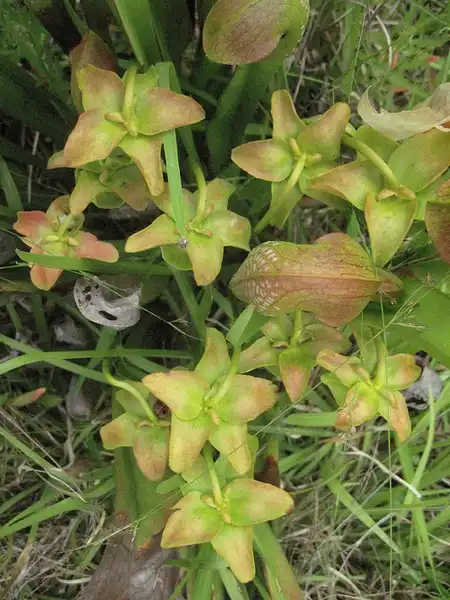
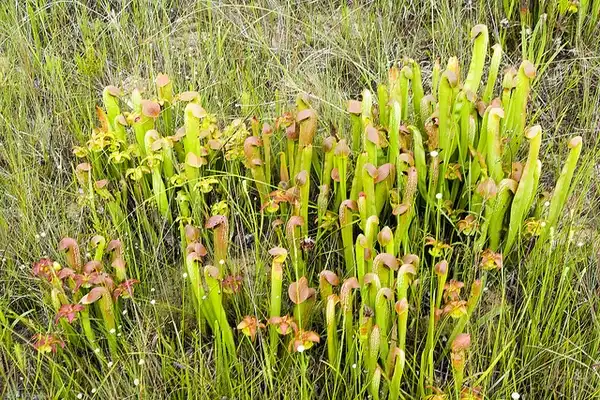
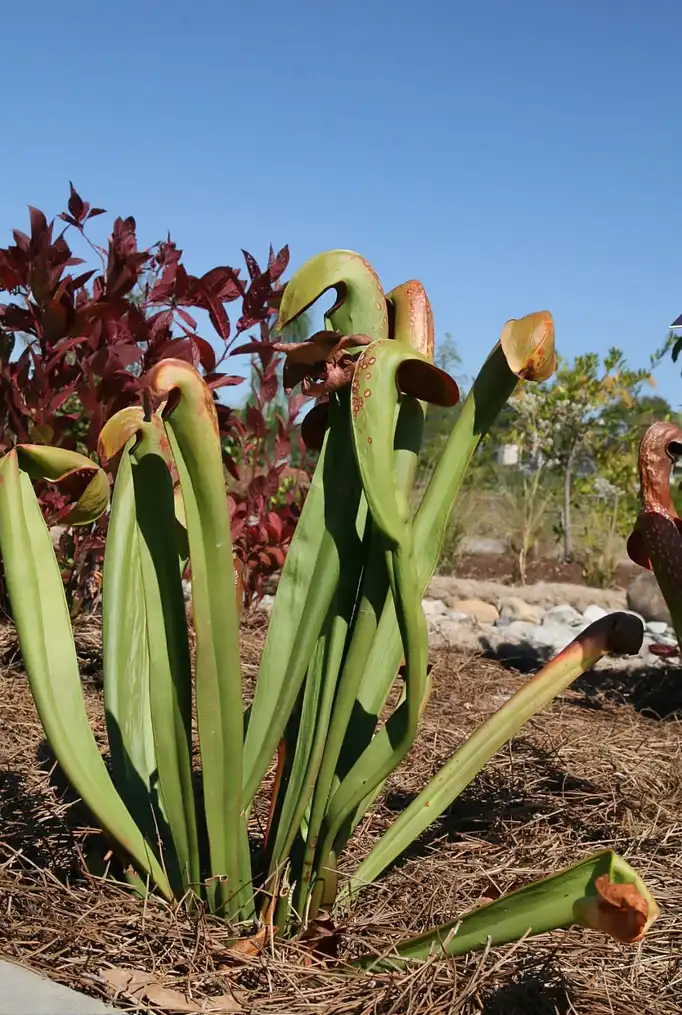
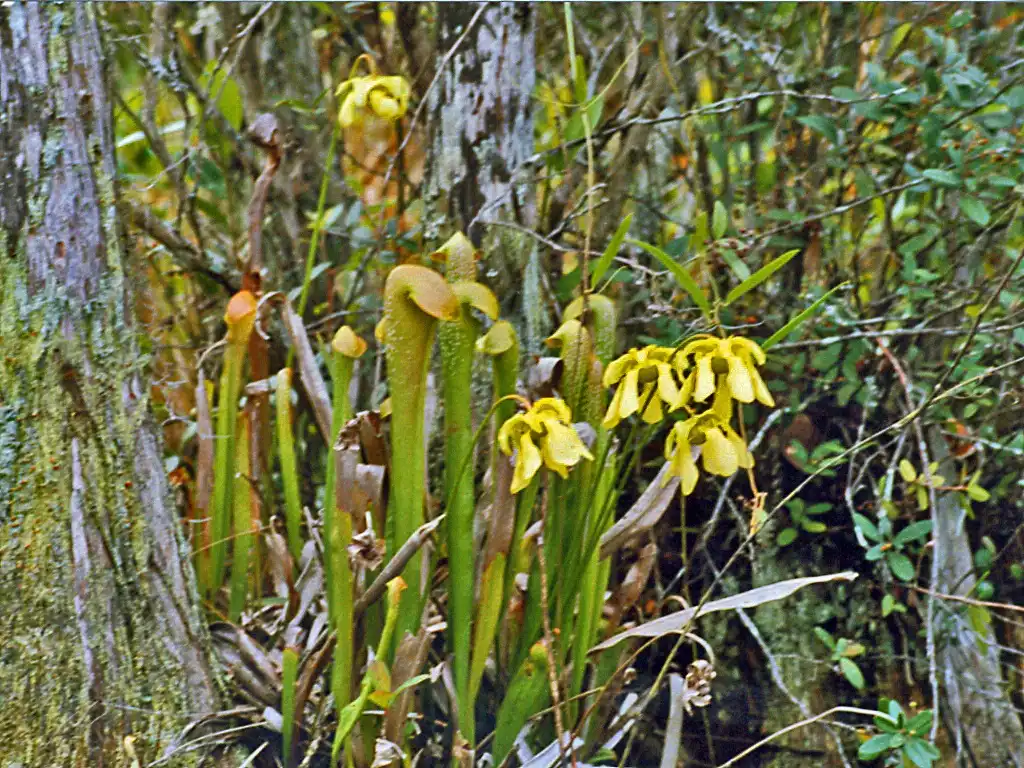
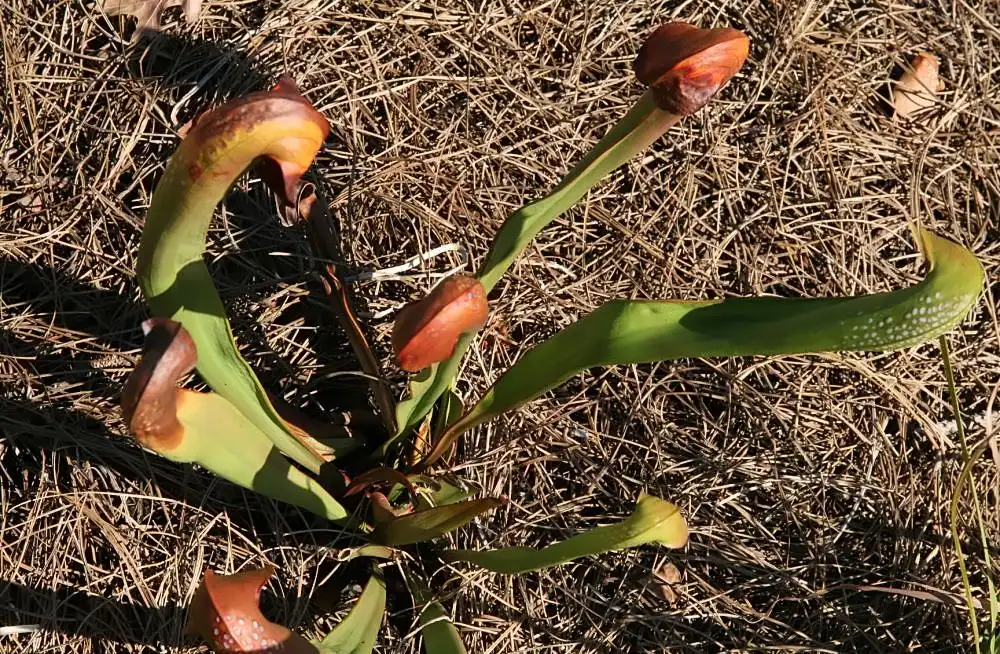
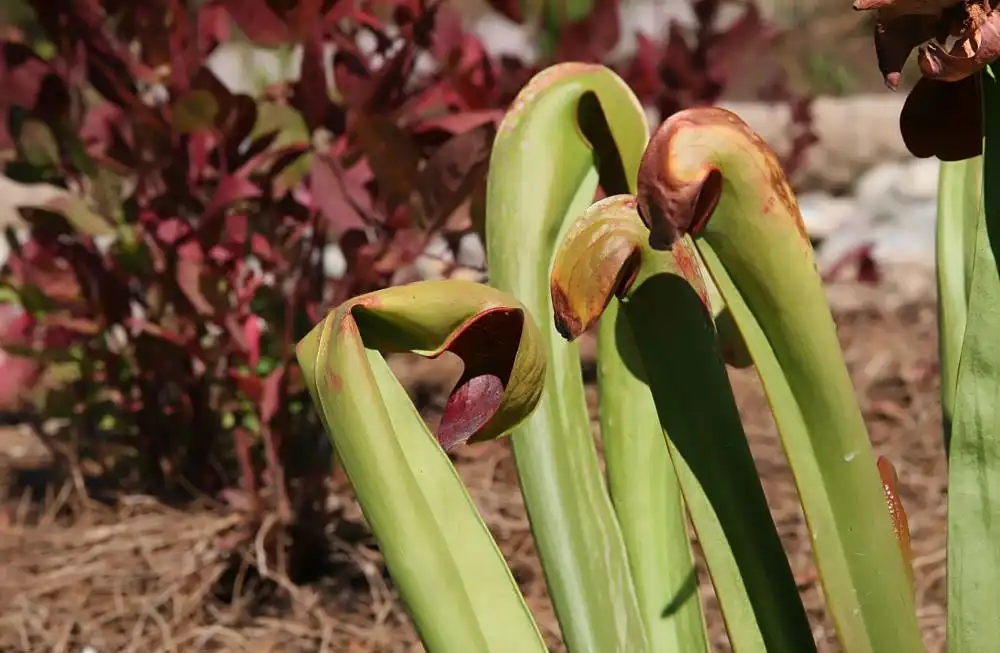
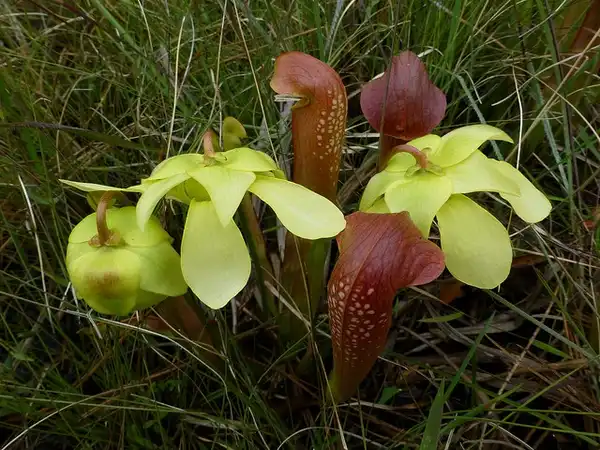
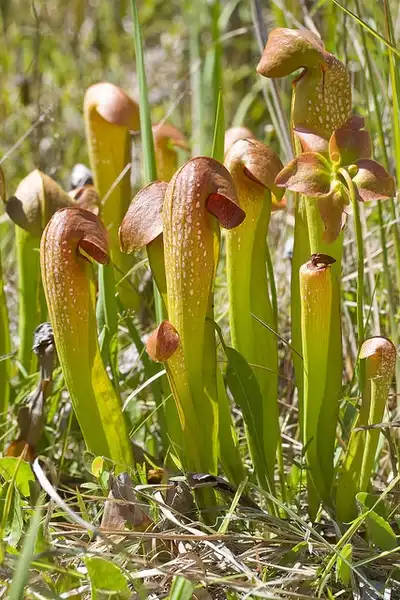
The Hooded Pitcher Plant is a deciduous perennial carnivorous species indigenous to the southeastern coastal regions of the United States, particularly in the southern parts of coastal North Carolina. This plant thrives in swampy environments characterized by nutrient-poor soils, having evolved the ability to digest small insects as a means of sustenance. The tubular structure of the plant is actually formed by its leaves, which attract insects that are subsequently trapped and digested. The light-colored spots on the back of the hood, referred to as "windows," serve to mislead flying insects, creating the illusion of an escape route. The plant produces yellow flowers that bloom from late winter to early spring, and it primarily propagates through rhizomes.
For successful cultivation at home, it is essential to create a bog-like environment with acidic, humus-rich soil that remains consistently damp to wet and receives full sunlight. The crown of the plant should be positioned above the waterline. Alternatively, the Hooded Pitcher Plant can be grown in a container, but it is crucial to avoid using standard potting soil or fertilizers. A mixture of peat with perlite or vermiculite is recommended. During winter, the older leaves will die back.
Sarracenia minor Feature Summary
Sarracenia minor Image Gallery